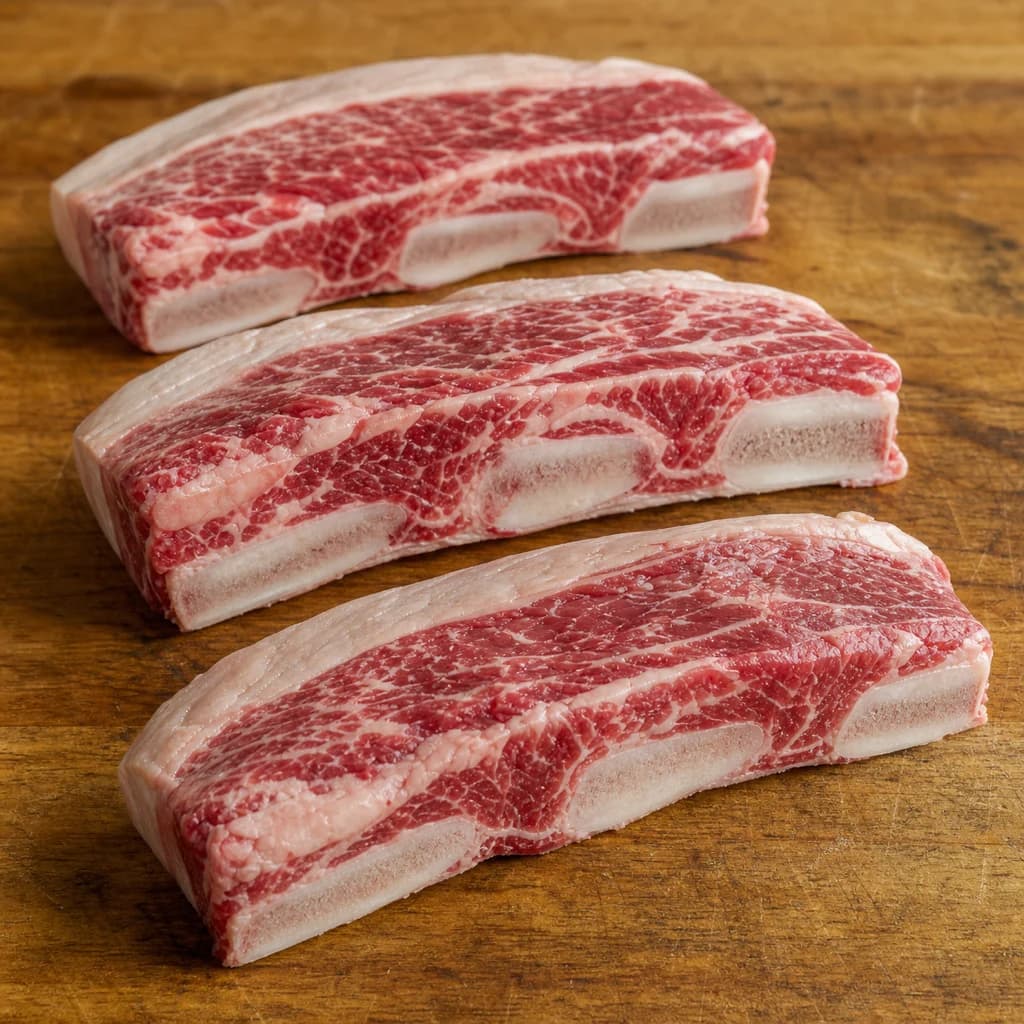
Natural form
Raw bone-in short ribs showing the layered fat, meat, and exposed bone sections.
Shows the defining anatomy — marbling, bone segments, and thick meat layer — so readers immediately recognize the raw cut.
Proteins
Beef Short Rib (Asado de Tira)
Marbled, bone-in rib cut that turns meltingly tender when braised or grilled low.
Beef short ribs are richly marbled cuts of rib meat layered over short sections of bone. Braised low and slow they become fork-tender and gelatinous, while cross-cut Argentine asado de tira and Korean galbi are grilled. The intramuscular fat and collagen make them deeply flavorful and forgiving.
Beef short ribs come from the intercostal muscles between the ribs, in the junction where the chuck meets the rib section. This location means the muscles do heavy work throughout the animal's life, which is precisely why this cut develops such extraordinary marbling and connective tissue. The fat running through the meat is not just flavor—it's structural insurance, melting slowly during long cooking to baste the fibers from within. The collagen-dense connective tissue sheaths each muscle bundle, and when treated properly, that collagen transforms into rich, silken gelatin that makes the meat clingingly unctuous rather than merely tender.
The distinction between English cut and Flanken (Asado de Tira) represents two entirely different cooking philosophies. English cut short ribs—thick cross-sections cut parallel to the bone, typically 2-4 inches thick—are built for braising, where they spend hours surrendering their collagen to the pot. Flanken-style cuts, sliced thin across the bones into strips ½-1 inch wide, are built for quick, high-heat cooking—grilling or pan-searing where the surface browns fast and the thin profile means the meat cooks before it can toughen. The same raw ingredient, radically different outcomes. If you try to grill an English cut short rib for 4 minutes per side, you will get a gray, chewy disappointment. If you braise Flanken-style strips, they will dissolve into mush. Know your cut.
Short ribs contain more connective tissue than nearly any other beef cut, which makes understanding temperature control non-negotiable. Collagen hydrolysis begins around 160°F but requires sustained time at 190-203°F to fully convert to gelatin—typically 1-2 hours at temperature after the meat reaches that zone. This is why a fork should meet zero resistance when you probe a properly braised short rib. The yield is honest: expect to lose 50-60% of raw weight in cooking, leaving you with 4-6 ounces of edible meat per pound. Plan portions accordingly, and resist the temptation to undercook in the name of "preserving" the meat—you'll get neither texture nor flavor.
- Measured in
- g
- Storage
- Fridge
Types & varieties
Thin strips (½-1 inch) cut perpendicular to the bones; traditional for Argentine/Uruguayan asado and Korean BBQ; cooks quickly on high heat, 3-5 minutes per side
2-4 inch thick sections cut parallel to the bones; single bone per piece; standard for braising; most common in US butcher shops
Deboned English cut; easier to slice and serve; excellent for braising and stews where bone presence is inconvenient
Cut from the ribeye area; more tender with better marbling; can tolerate higher-heat cooking than standard short rib; ideal for grilling
The Collagen Question
The defining characteristic of short ribs is their connective tissue content, and understanding this determines your entire cooking approach. Collagen fibers surround each muscle bundle, and in raw meat they are tough and structural. When heated past 160°F in a moist environment, collagen begins to shrink and eventually dissolves into gelatin—but this process requires both sufficient temperature AND sufficient time at that temperature. A short rib pulled from the braiser at 180°F after 90 minutes will still be chewy. The same rib held at 195°F for another 90 minutes will be silky and yielding.
This transformation is what separates a great braised short rib from an overcooked one. Overcooked in the traditional sense doesn't apply here—undercooking is the failure mode. You want the meat to pass the fork test cleanly, the collagen fully converted, the intramuscular fat rendered and distributed through the tissue. If your short ribs are tough after 3 hours of braising, they simply haven't reached the right temperature yet.
- Collagen begins dissolving around 160°F but requires sustained 190-203°F for full gelatin conversion
- A probe inserted should meet zero resistance when short ribs are done
- Undercooked short ribs are chewy; properly cooked short ribs are silken and yielding
- The meat will look like it's not changing for the first hour—patience at temperature is essential
Searing: Building Foundation Flavor
Before any braising liquid touches the meat, you must develop a proper fond on the surface. The Maillard reaction—browning between amino acids and sugars—creates hundreds of flavor compounds that simply cannot be produced any other way. Wet surfaces steam instead of brown, so dry your short ribs thoroughly with paper towels before they hit the pan.
Use the hottest pan you can manage without smoking out your kitchen. A cast iron skillet or heavy stainless pan over high heat works well. Do not crowd the pan—overlapping pieces lower the temperature dramatically and you'll end up steaming. Three to four minutes per side for English cut ribs; the surface should be deeply browned, almost black in spots. That fond sticking to the pan is pure gold: deglaze with wine, stock, or your braising liquid, scraping up every bit with a wooden spoon. Every particle of fond becomes sauce.
- Dry meat thoroughly—wet surfaces steam and won't brown
- Pan must be screaming hot before meat touches it
- Do not crowd the pan—work in batches if necessary
- Deglaze the fond immediately after searing; it won't release easily once cool
- A proper sear takes 3-4 minutes per side for English cut; Flanken needs only 90 seconds to 2 minutes per side
Common uses
Tips & pitfalls
- Season aggressively with salt 45-60 minutes before cooking (or overnight uncovered in the fridge) — this improves flavor penetration and surface browning significantly
- For braising: sear hard in a ripping-hot pan first (3-4 minutes per side) to develop fond, then deglaze with liquid before adding the rest of your braising ingredients
- Do not boil short ribs — maintain a bare simmer at 275-325°F instead; boiling makes them tough and stringy by contracting the muscle fibers too rapidly
- Skim braising liquid fat after cooking; reduce it for a sauce that genuinely complements the rich beef flavor rather than fighting it
- Braise until the meat registers 190-203°F internally and offers zero resistance to a fork probe — usually 2.5-4 hours in oven or Dutch oven, not a specific time
- For Korean BBQ: marinate 4-24 hours in soy, Asian pear, garlic, sesame oil, and sugar — the enzymes tenderize while the sugar caramelizes on the grill
- On the grill (Asado style): cook over medium coals, 4-5 minutes per side, just past raw but before well-done; Asado de Tira is done when it shows good char but no gray
Nutrition
Energy
732 kJ · per 100 g
Where the calories come from
Protein
19.1g
38% DV
Carbs
0.4g
0% DV
Fat
10.2g
13% DV
Fiber
0g
0% DV
Sodium
65mg
3% DV
Source · USDA FoodData Central · approx. Beef, rib, shortribs, separable lean only, choice, raw
View on FDC →In the shops
Matched grocery products
No matched grocery products for Beef Short Rib (Asado de Tira) yet.
Good to know
- Source
- Beef Chuck/Rib section, from the intercostal muscles between the ribs
- Cut Type
- Bone-in English cut (2-4 inch sections parallel to bone) or Flanken/Asado de Tira (thin strips cut perpendicular to bones)
- Marbling
- Heavy intramuscular fat, especially from the chuck end; fat renders and bastes the meat during long cooking
- Collagen Content
- Very high — fully converts to gelatin only when held at 190-203°F for 1+ hours
- Typical Weight
- English cut: 12-16 oz per piece; Flanken: 8-12 oz per strip
- Internal Temp (Braised)
- Pull at 190-203°F for fork-tender texture; below this, collagen remains unrendered and meat is tough
- Yield (Cooked)
- Approximately 50-60% weight loss when braised; 4-6 oz edible meat per pound raw
- Fridge Life
- 3-5 days raw; 3-4 days cooked
Substitutes
- Oxtail — Comparable collagen and gelatin content; richer, more mineral flavor; requires 2-3 hours braising; best for stews, stocks, and braised applications where bone presence is acceptable
- Chuck Roast — Similar beefy flavor and braising properties; cut into 2-inch cubes as replacement; needs 2.5-3 hours to fully tenderize; less marbling than short rib
- Flank Steak — Similar thin profile for high-heat grilling applications; much less fat and collagen; will not yield the same rich, unctuous result; best for quick-cook applications only
- Braised Beef Shank — Similar gelatin content and deep meaty flavor; osso buco-style cross-cut; requires long cooking for tenderness; excellent flavor but different texture
Pairs with
Also called
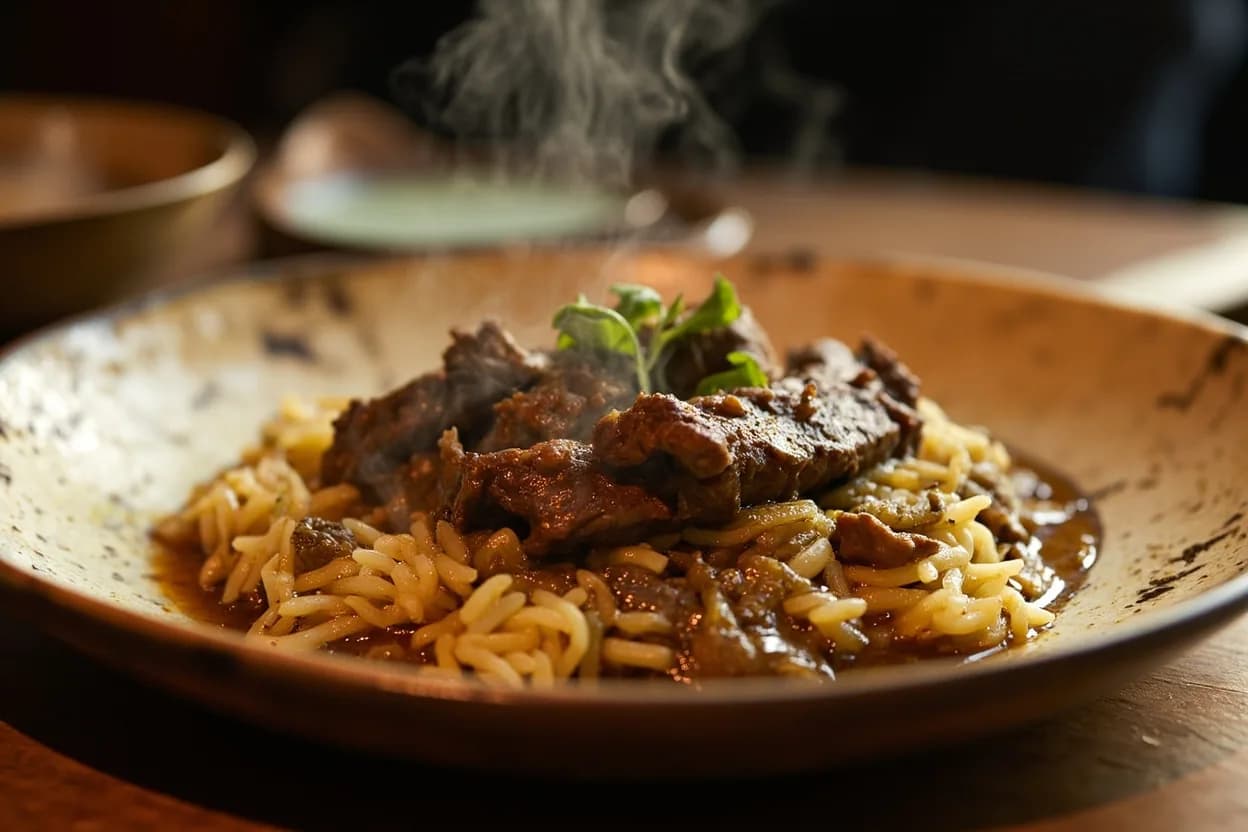
Asado de Tira · Galbi
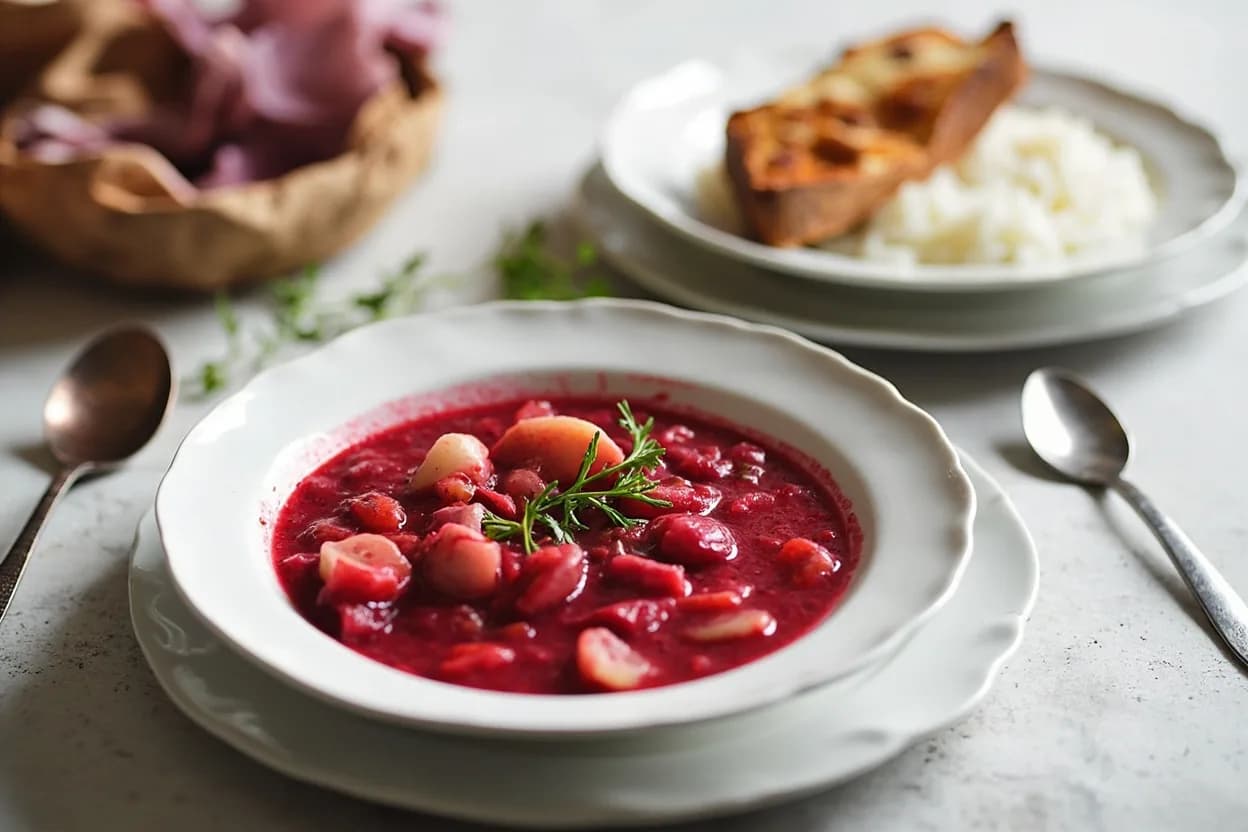
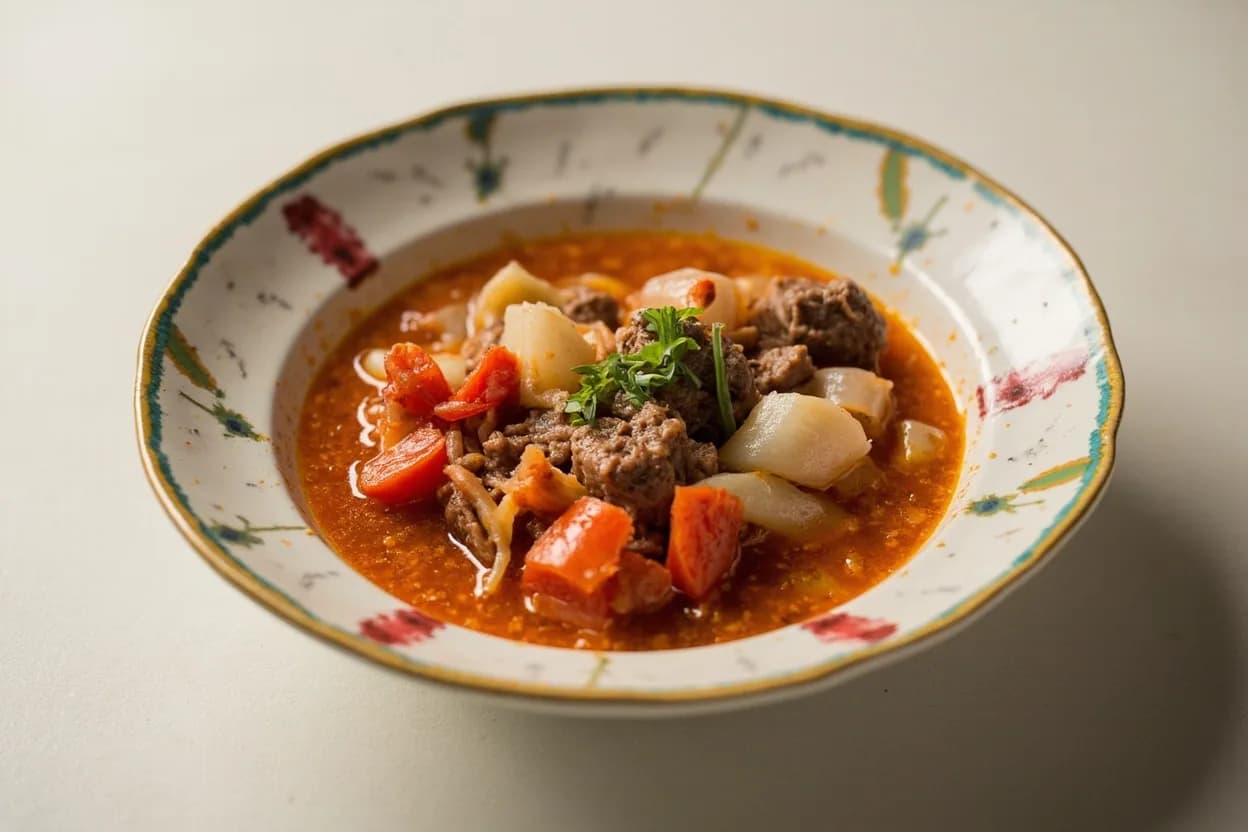
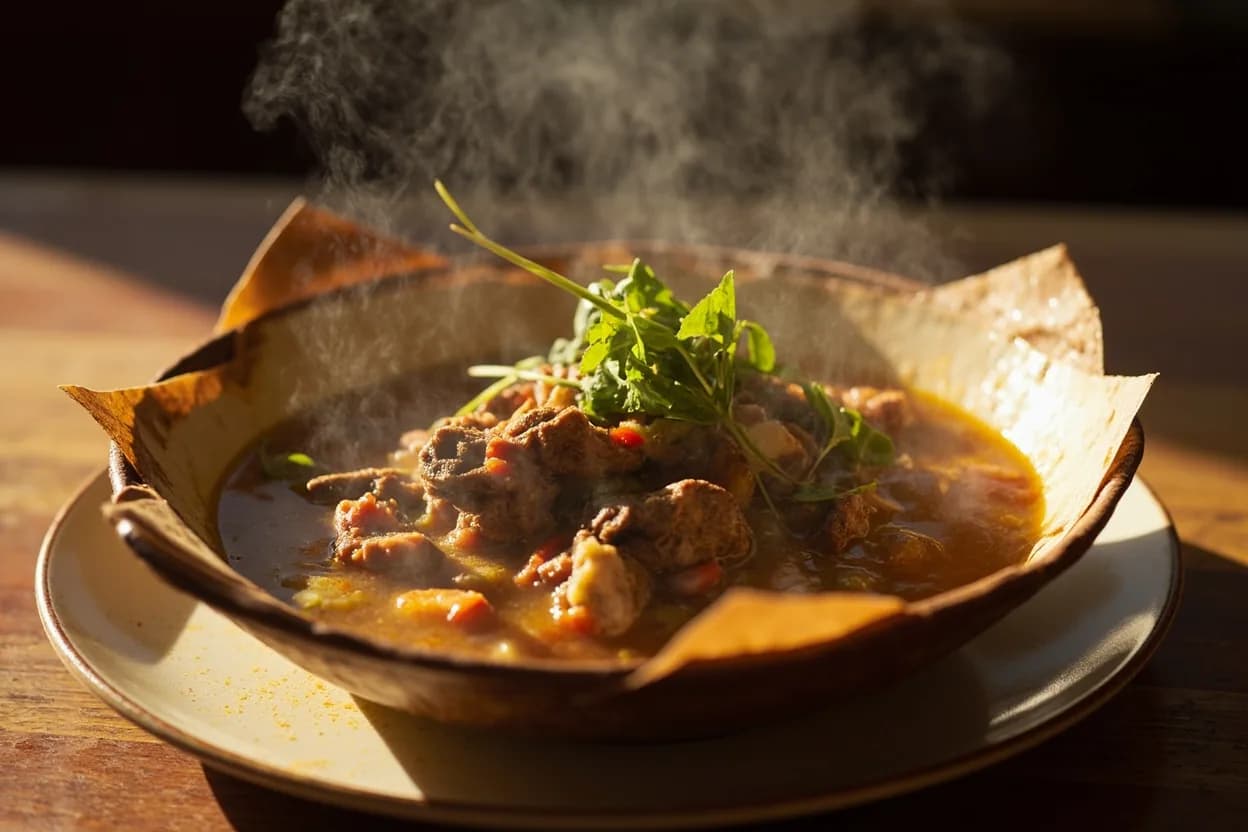
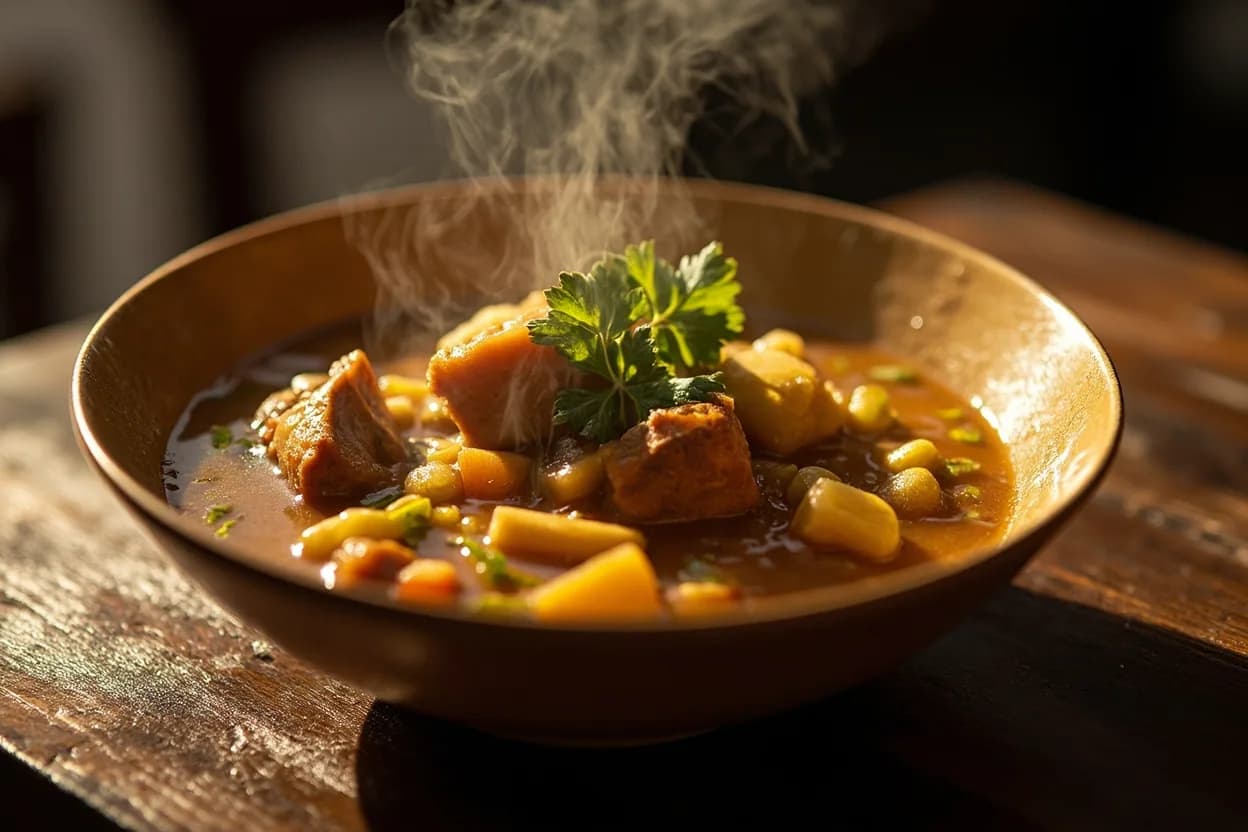
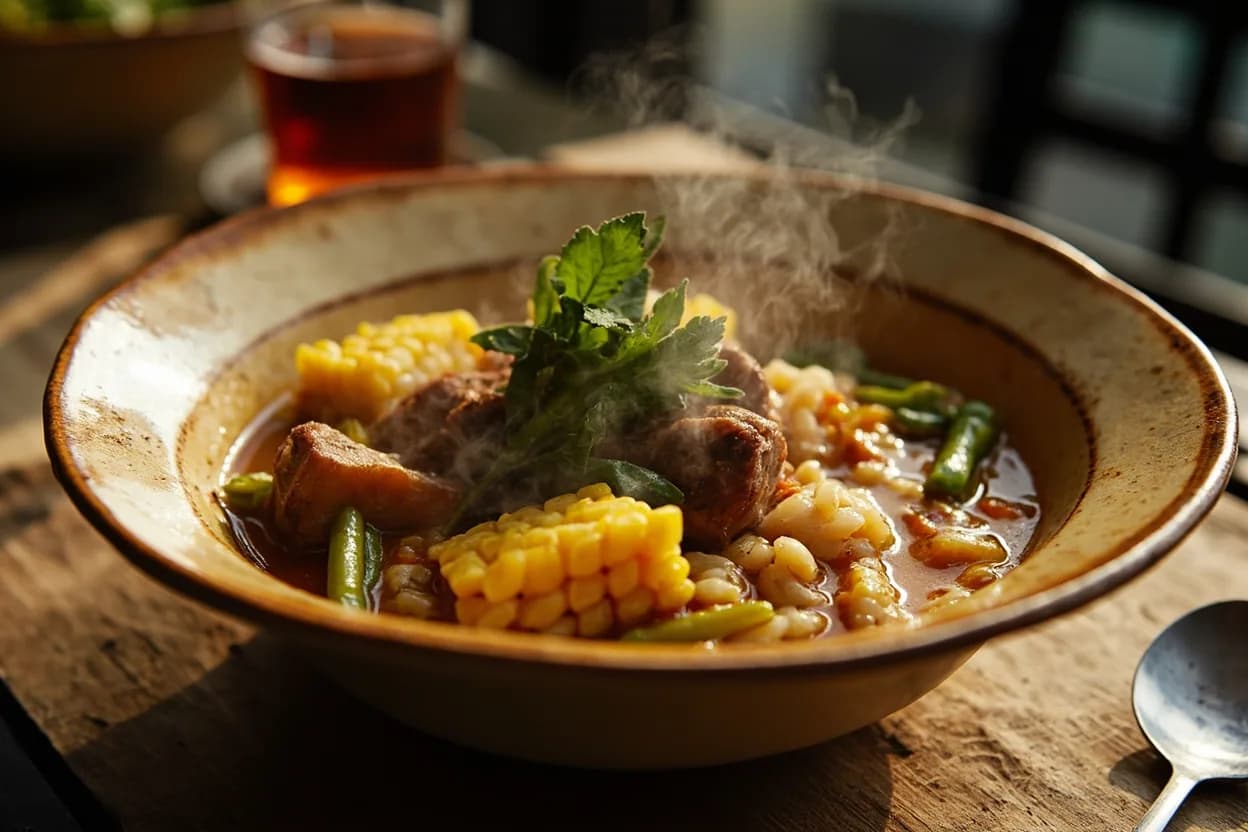
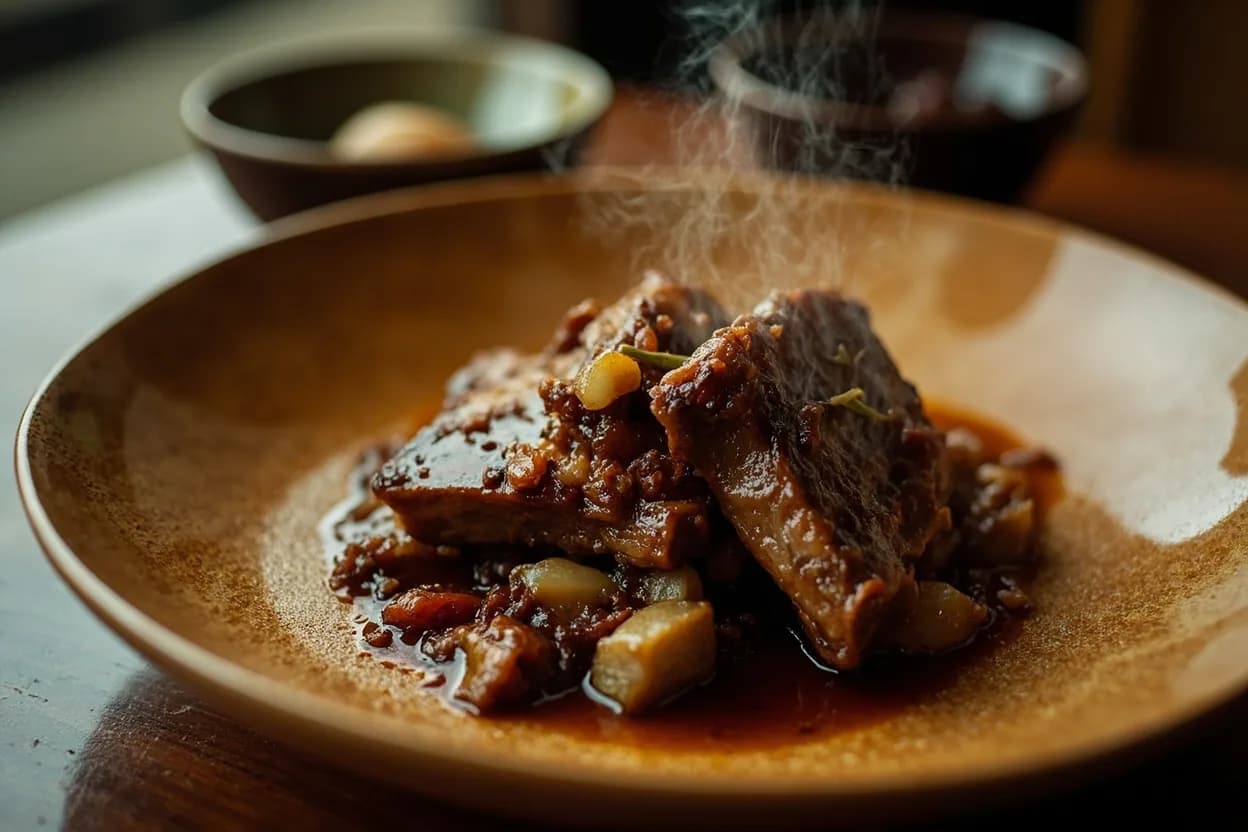
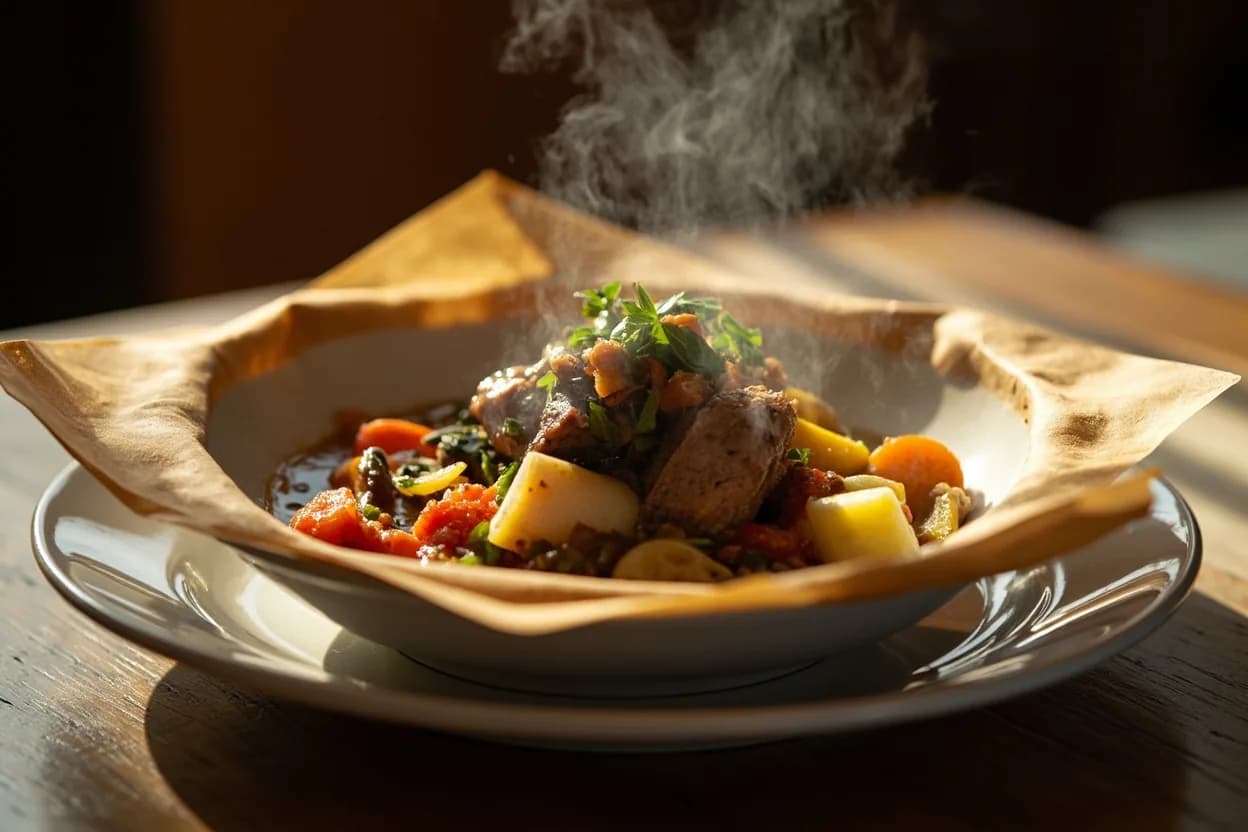
Appears in these dishes
Related
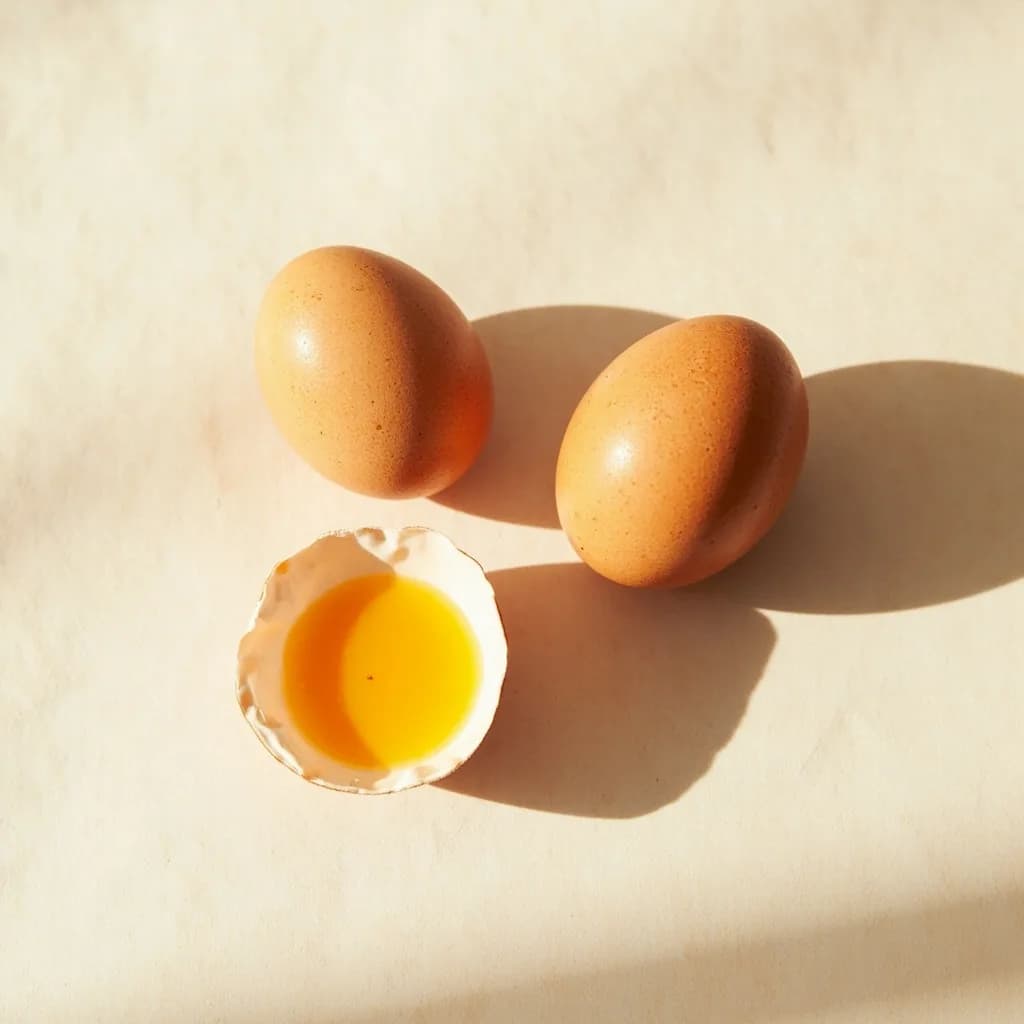
Egg
The kitchen's everything ingredient — bind, leaven, enrich, or fry
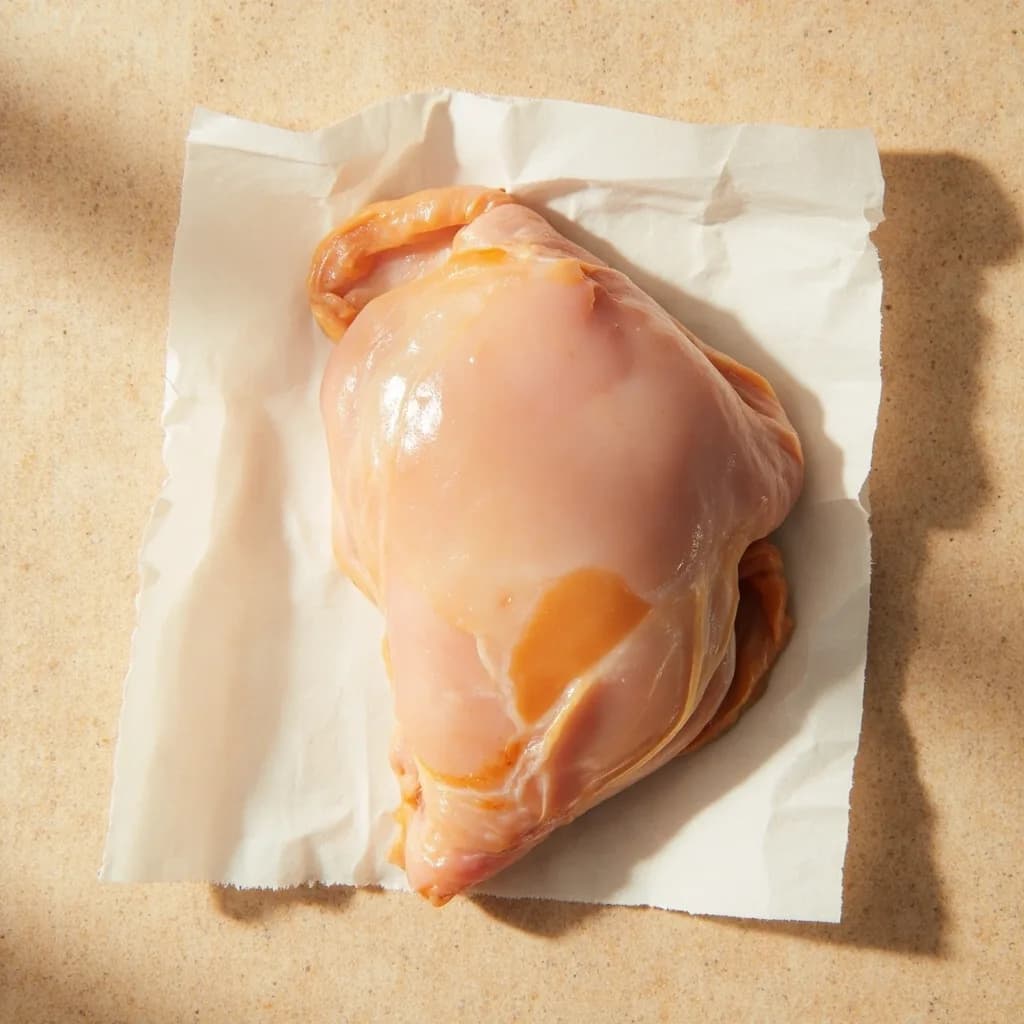
Chicken Breast
Lean, quick-cooking white meat for everyday dinners

Ground Beef
Versatile minced beef for burgers, ragù, tacos, and meatballs
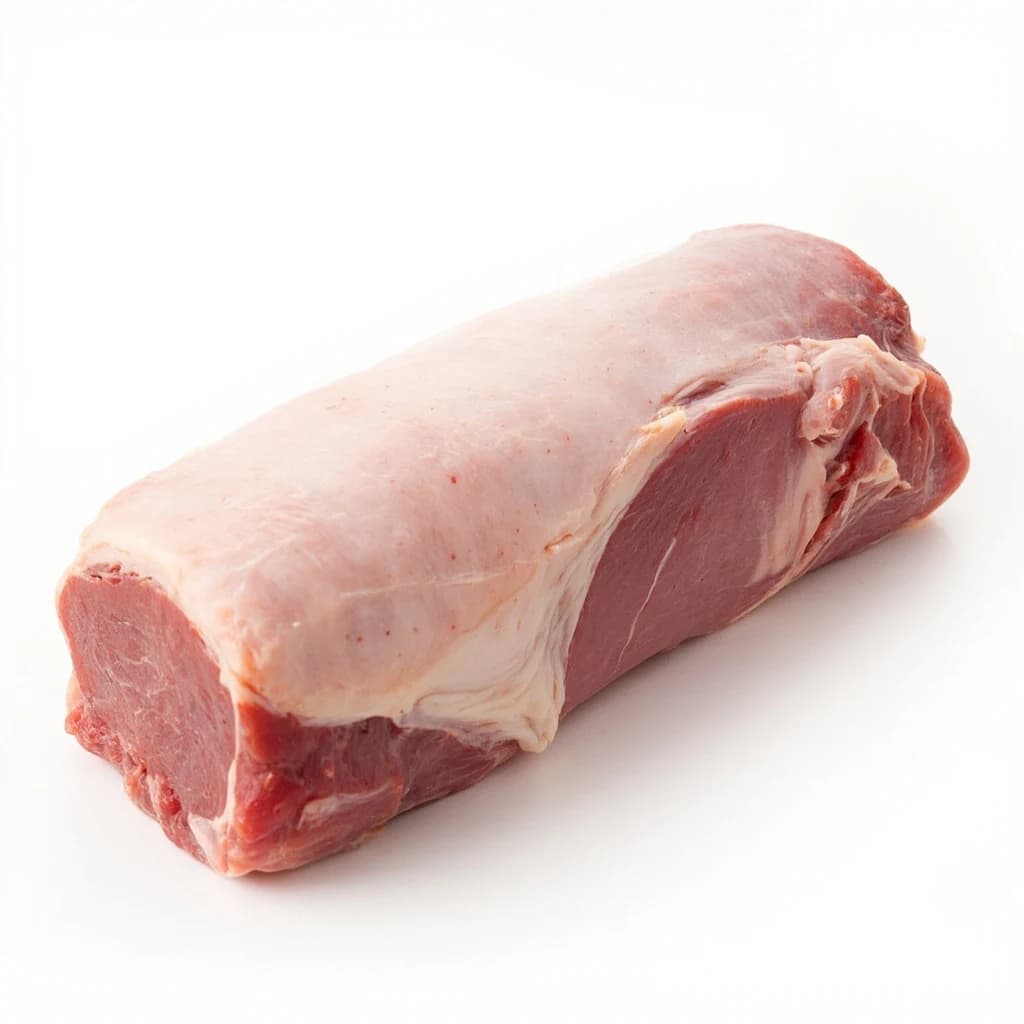
Pork Loin
Lean, tender roasting cut that stays juicy with care
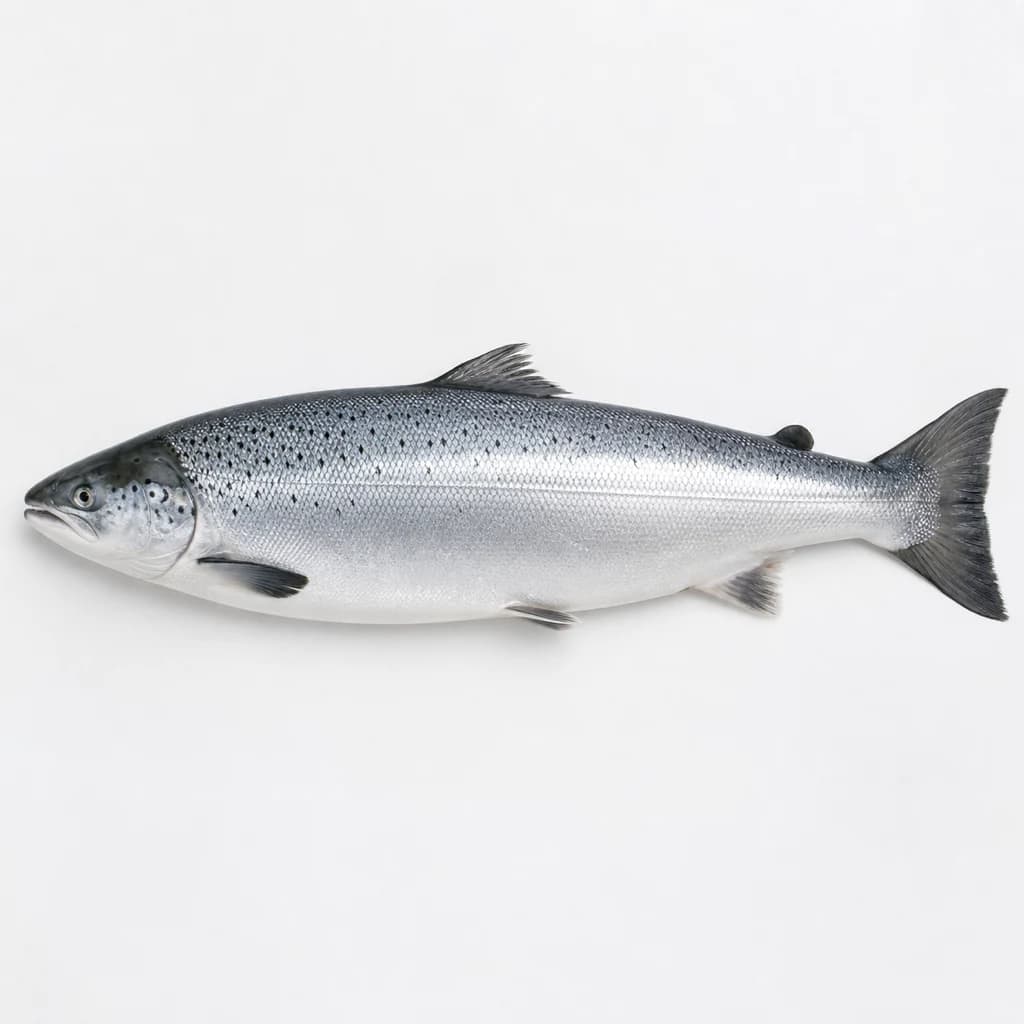
Salmon
Rich, rosy fish that roasts, grills, or cures beautifully

Egg White
Pure protein that whips to airy peaks for meringue and more
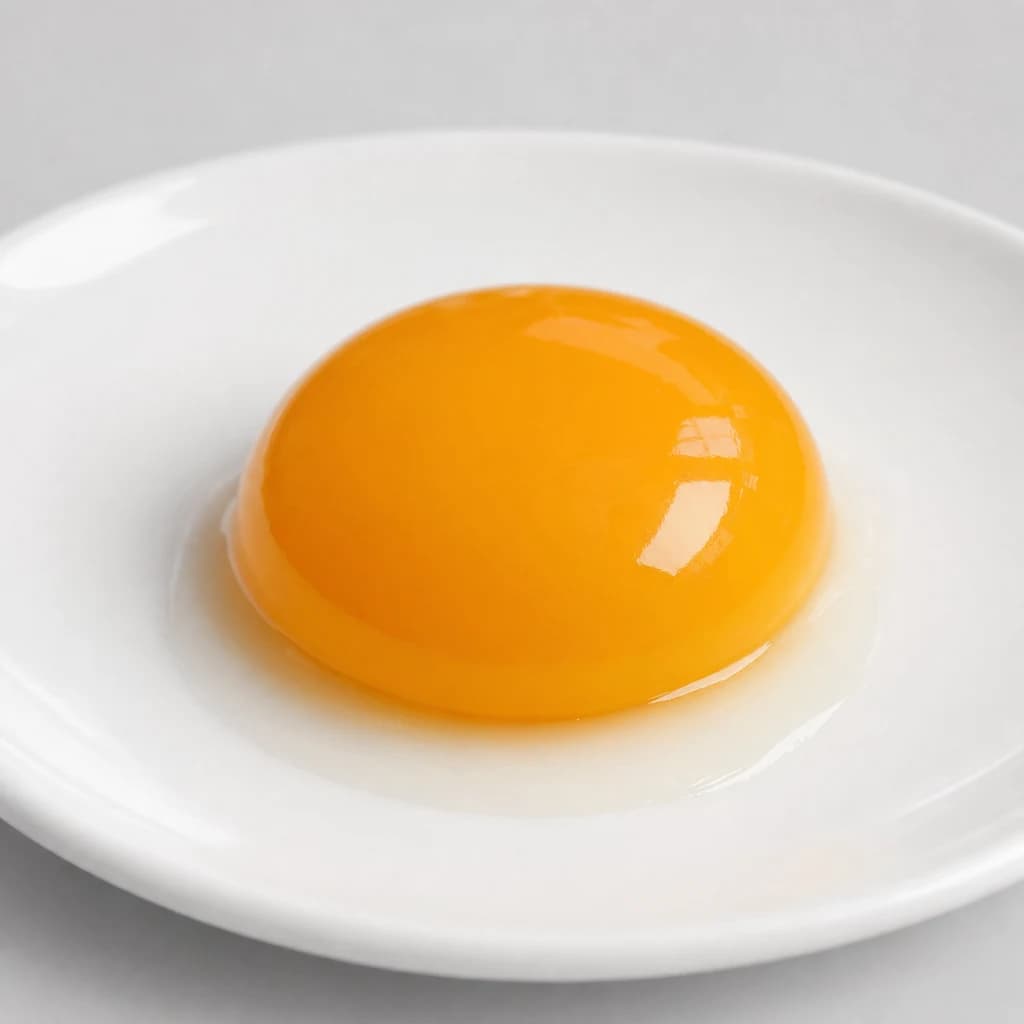
Egg Yolk
Rich, golden yolk for custards, mayonnaise, and pasta

Quail Egg
Tiny, speckled eggs for garnishing and elegant bites