Heat & Fire
Hot Smoking
Cooking food with smoke and heat together to flavor and fully cook it at once.
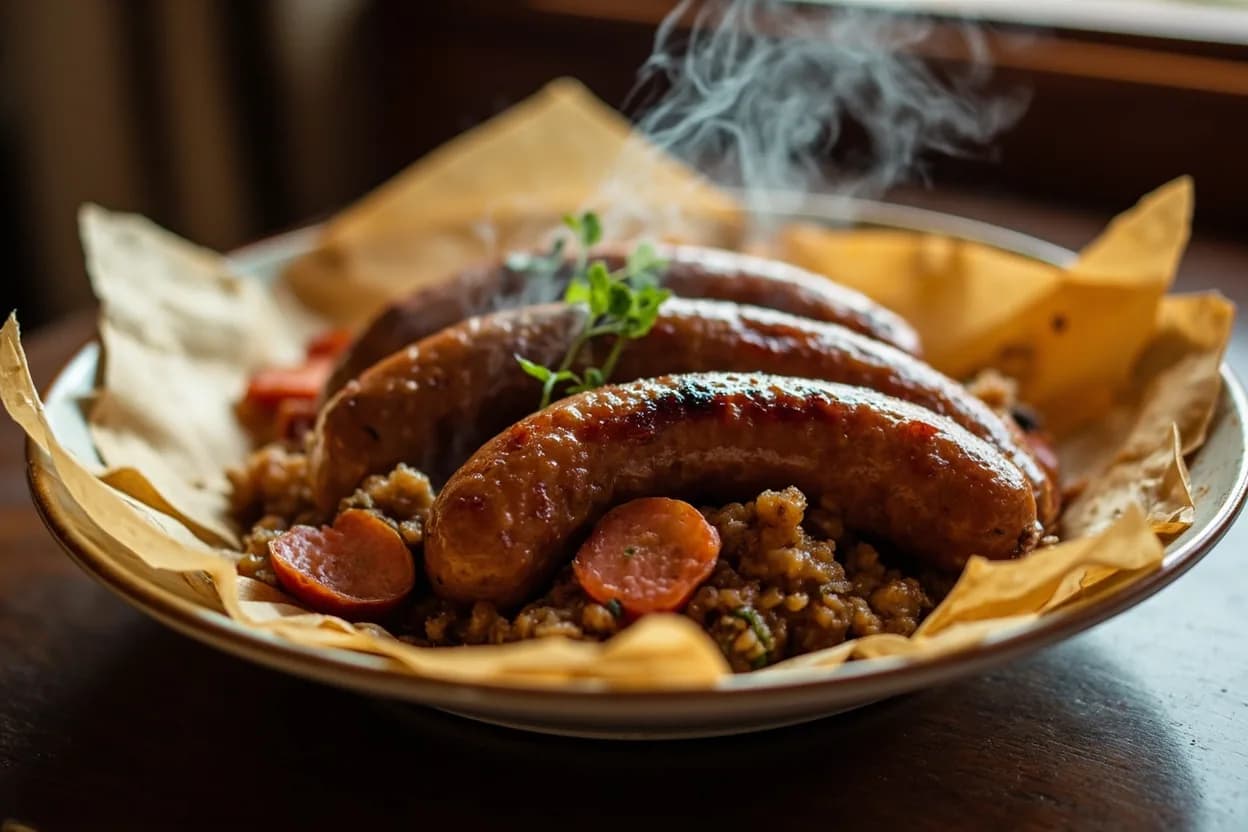
Hot smoking exposes food to wood smoke at temperatures high enough to cook it through, infusing deep smoky flavor while fully cooking the protein. It produces smoked brisket, ribs, fish, and sausages, and in Indian kitchens the dhungar method smokes a dish briefly with a live coal and ghee under a lid. Unlike cold smoking, the food is rendered safe to eat directly because it reaches a cooked internal temperature.
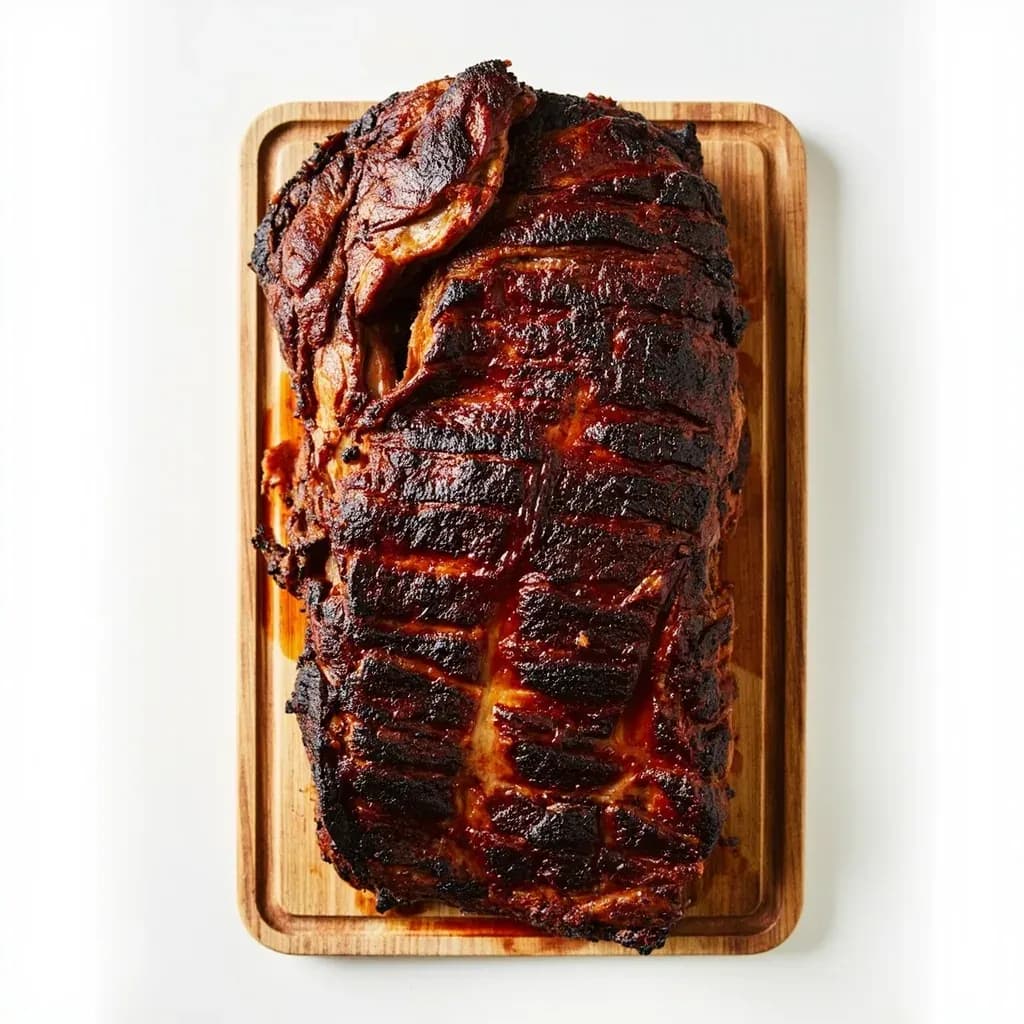
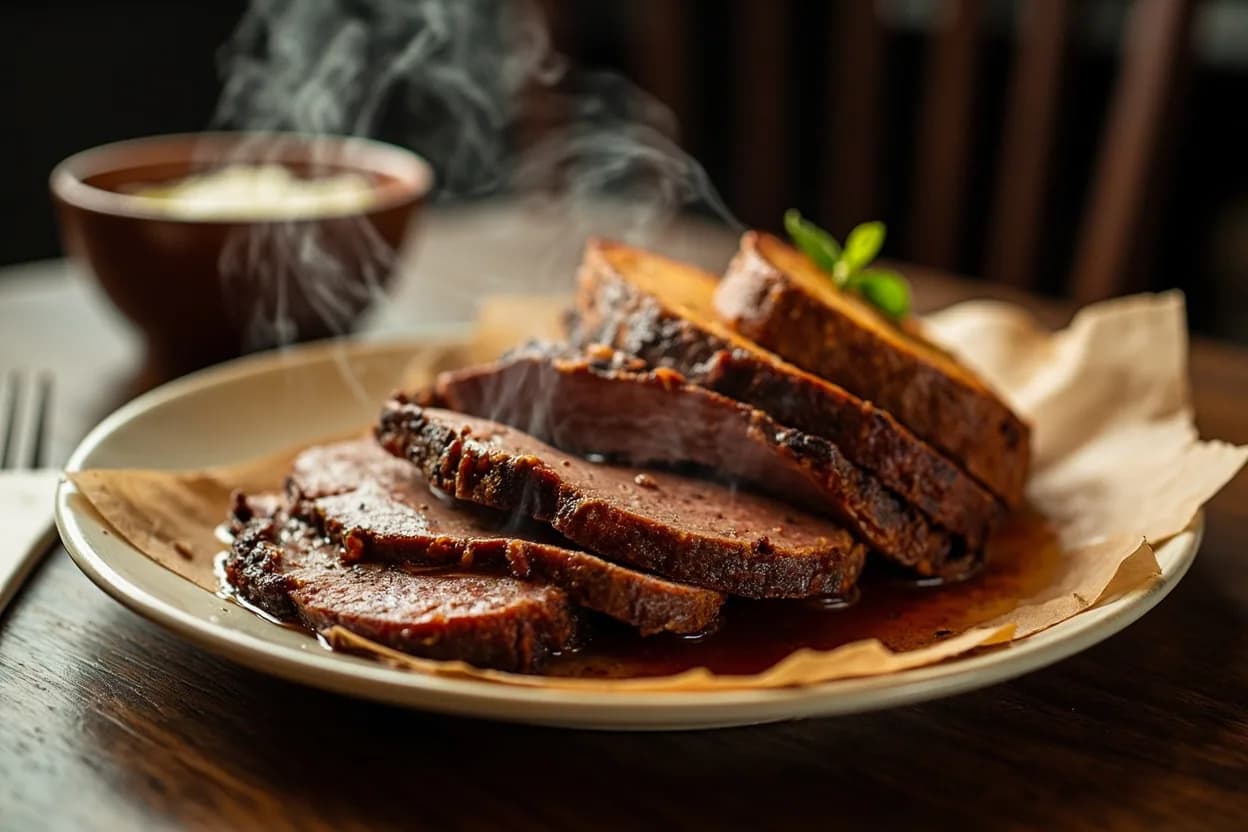
Hot smoking is the method behind American barbecue and a long list of international traditions: food is cooked through with low, sustained heat while being flavored and partially preserved by wood smoke. Temperatures typically run 165–300°F (74–149°C), with most barbecue settled comfortably in the 225–275°F (107–135°C) band — hot enough to render collagen and drive browning, gentle enough to keep tough cuts tender over many hours. Unlike cold smoking, which cures food without significant heat, hot smoking both cooks and smokes in the same step, producing the dark mahogany bark, the pink smoke ring, and the silky, fall-apart texture that define a good brisket or pork shoulder.
The technique works on simple chemistry: lignin in hardwood breaks down into phenolic compounds that flavor the meat, while nitric oxide and carbon monoxide in the smoke bind to myoglobin just under the surface, creating the smoke ring. At the same time, long exposure to dry heat renders subcutaneous fat, breaks down connective tissue into gelatin, and drives off surface moisture so amino acids and sugars can take part in the Maillard reaction. The result is meat that is simultaneously cooked, colored, crusted, and perfumed with smoke — a transformation no other single technique delivers.
Hot smoking is one of the more demanding techniques a cook can attempt. Fire has to be fed, vents adjusted, and doneness read by feel as much as by probe, often after a twelve-hour cook. The craft has its own vocabulary — bark, stall, wrap, rest — and rewards patience and careful wood management more than any shortcut.
- Difficulty
- Medium
Types & varieties
Beef-centric — brisket and beef ribs, post oak wood, simple salt-and-pepper rub, sauce on the side if at all
Mixed meats, sweet tomato-based sauces, hickory and fruit woods
Pork ribs served wet (mopped or sauced) or dry (rub only); hickory, pecan, and fruit woods
Whole-hog or shoulder; Eastern North Carolina uses thin vinegar sauce, Western (Lexington) adds ketchup for a tomato-vinegar balance
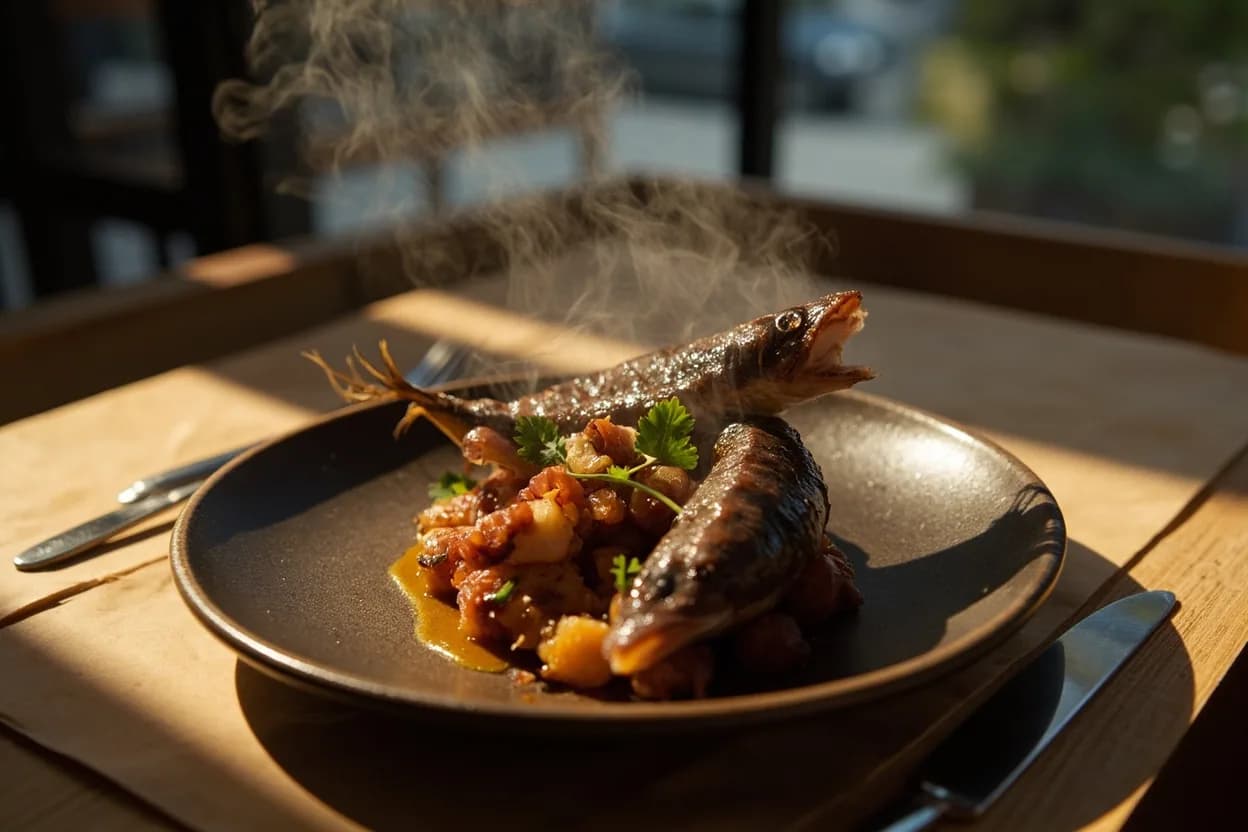
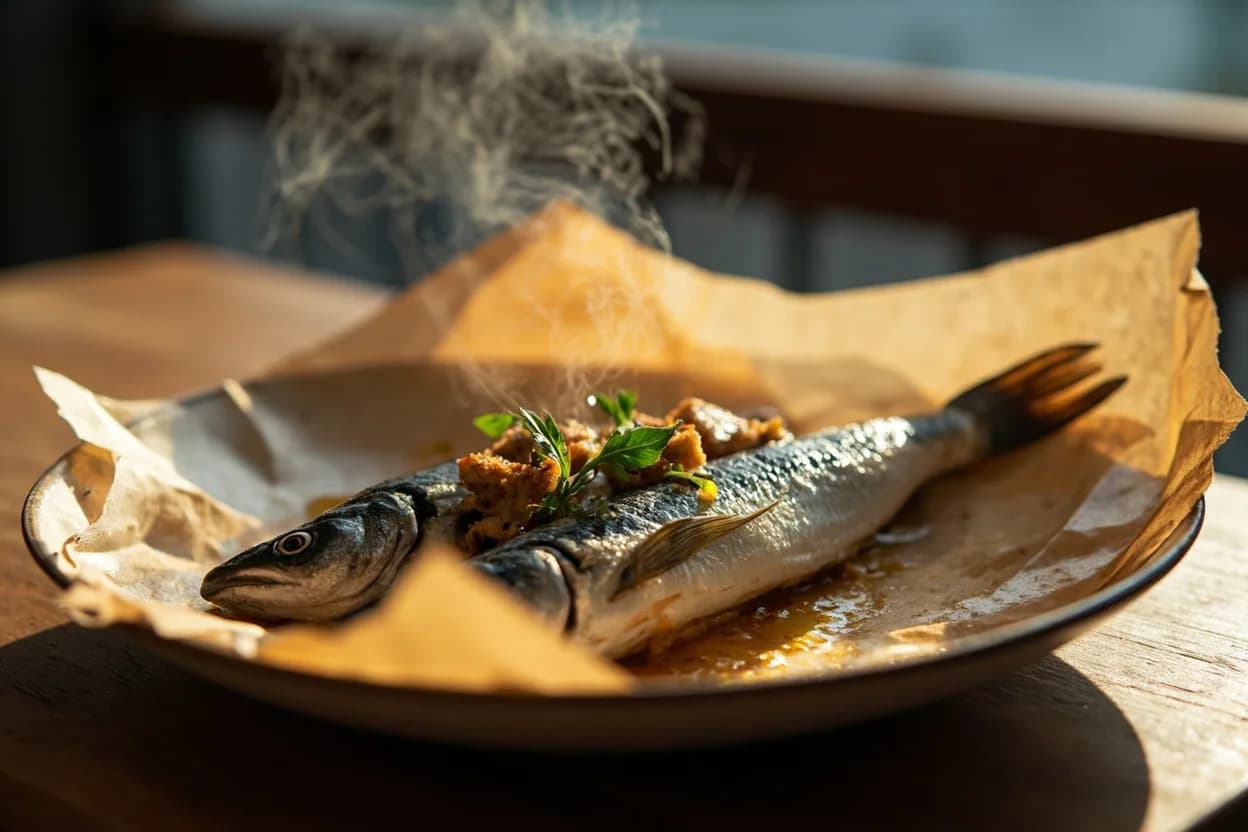
Oily fish like salmon, herring, and mackerel; alder or juniper; often paired with a salt-sugar brine
Pork cooked low and slow in an imu earth oven using mesquite or kiawe wood for an earthy, smoky character
How to do it
- 1
Choose and prepare the cut
Pick a cut suited to long, moist heat — brisket, pork shoulder, ribs, or whole poultry. Trim external fat to about ¼ inch (too much blocks smoke and renders unevenly), apply a dry rub or wet marinade, and refrigerate uncovered for several hours or overnight so the rub penetrates and the surface dries to help bark form and smoke adhere.
- 2
Bring the smoker to temperature
Clean the firebox and grates, fill the water pan, and light your fuel — charcoal, splits, or pellets depending on the cooker. Bring the chamber to 225–275°F (107–135°C) and add 2–4 hardwood chunks once temperature is stable. Let the cooker run with the lid closed for 15–20 minutes before loading food so the grates and walls are hot and the smoke is steady.
- 3
Establish clean smoke
Open the exhaust. You want thin, blue-tinged smoke — almost invisible in sunlight. Thick white smoke means fuel is smoldering rather than burning; it deposits bitter soot on the food and should be allowed to burn off before loading.
- 4
Load and monitor
Arrange meat fat-side up on the cooler side of the grate, away from direct flame. Insert a leave-in probe into the thickest part without touching bone, close the lid, and resist the urge to peek for at least an hour.
- 5
Maintain the fire
Add small amounts of fuel and 1–2 wood chunks every 45–60 minutes to keep the chamber within ±10°F of your target. Refill the water pan as needed. Small, regular additions beat loading the firebox all at once, which causes temperature spikes.
- 6
Spritz and wrap at the right moment
After 90 minutes to 2 hours, once the surface has dried and started to darken, spritz every 30–45 minutes with apple cider vinegar, water, or a thin mop sauce to help bark form and keep the surface from drying. When bark is firm and mahogany-colored and internal temperature reaches 160–170°F (71–77°C), wrap tightly in pink butcher paper or aluminum foil to power through the stall.
- 7
Cook to tenderness
Continue until the meat hits its proper doneness. Pork shoulder pulls cleanly at 195–205°F (90–96°C). Brisket is done when a probe slides in like a warm knife through butter, typically 200–210°F (93–99°C). Poultry is finished at 165°F in the breast and 175°F in the thigh.
- 8
Rest before slicing
Transfer to a dry cooler or a 170°F oven for 30 minutes to 2 hours depending on size. Resting redistributes juices and lets carryover cooking finish the job. Slicing too early lets the moisture run out onto the board instead of staying in the meat.
- 9
Slice and serve
Slice brisket and pork shoulder against the grain in pencil-thick slices. Ribs are served whole or cut between the bones. Sauce on the side is the safer default — the bark and smoke are the point.
Understanding the Stall
Every long barbecue hits a wall. As the meat's internal temperature climbs into the 150–170°F (66–77°C) range, evaporative cooling on the surface pulls heat out almost as fast as the smoker delivers it, and the temperature stalls — sometimes for two to four hours on a brisket. This is normal and not a sign of failure. Two reliable ways to push through: wrap the meat tightly in pink butcher paper (the 'Texas crutch') once a firm bark has formed, which traps heat and speeds the cook without sacrificing crust; or simply wait it out, which yields a slightly thicker bark at the cost of time.
- Wrap at 160–170°F internal, once bark is set and mahogany, not before
- Pink butcher paper preserves bark better than foil, which steams the crust
- A water pan in the smoker shortens and softens the stall by raising humidity
Wood Selection
Wood is the flavor. Start with three woods and you can cover most cooks: hickory (strong, classic American barbecue, best with pork and ribs), oak (medium, clean, the default for Texas brisket), and a fruit wood like apple or cherry (mild and slightly sweet, ideal for poultry, pork, and fish). Mesquite burns hot and fast with a sharp flavor — excellent in small doses with beef, overpowering with delicate foods. Softwoods and any treated, painted, or lacquered wood are off-limits; the resins and chemicals produce acrid smoke and toxic fumes.
- Pair strong woods (mesquite, hickory) with beef and pork shoulder
- Pair mild fruit woods (apple, cherry, pecan) with poultry, fish, and ribs
- Use chunks rather than chips for longer, steadier smoke in offset cookers
- Smoke flavor peaks in the first few hours; longer cooks need only mild smoke
Reading Doneness
Time is a starting point, not a finish line. Probe thermometers and feel are what tell you when meat is ready. A probe inserted into the thickest part of a pork shoulder should slide in with almost no resistance at 195–205°F; a brisket is done when a probe feels like sliding into warm butter at 200–210°F. Poultry is the one exception: cook to 165°F in the breast and 175°F in the thigh, full stop.
- Insert probe into the thickest part, away from bone and fat pockets
- Test multiple spots on irregular cuts to find the coldest reading
- Use temperature plus feel — pull when both agree
- Rest large cuts 30 minutes to 2 hours before slicing to let juices redistribute
Common uses
Tips & pitfalls
- Burn clean smoke. Thin blue smoke flavors meat; thick white smoke tastes acrid and leaves bitter soot on the surface.
- Keep the fire steady — small fuel additions every 30–60 minutes beat loading the firebox all at once.
- Use a water pan to moderate swings in heat and humidity and to help bark develop evenly.
- Open the lid sparingly. Every peek can add 15–30 minutes to the cook and disrupt smoke flow and temperature.
- Trim thick fat caps to about ¼ inch. Heavy fat blocks smoke and renders unevenly, leaving greasy bites.
- Don't smoke at too high a temperature trying to speed things up. Above 300°F fat renders too fast, bark turns to char, and smoke absorption drops sharply.
- Push through the stall by wrapping in pink butcher paper once bark is set, around 165–170°F internal. Foil works too but softens the crust.
- Avoid pine, spruce, fir, cedar (except grilling planks), and any treated or lacquered wood — resins and chemicals produce toxic smoke.
Good to know
- Temperature range
- 165–300°F (74–149°C); most barbecue at 225–275°F (107–135°C)
- Fuel
- Hardwood only — logs, splits, chunks, or pellets. Softwoods are toxic.
- Typical duration
- 2–18+ hours depending on cut (chicken 2–4 h, ribs 4–6 h, pork shoulder 10–14 h, brisket 12–18 h)
- Safe internal temperature (poultry)
- 165°F (74°C) in the thickest part of the breast; 175°F in the thigh
- Doneness targets
- Pork shoulder/butt 195–205°F (90–96°C); brisket probe-tender at 200–210°F (93–99°C)
- The stall
- Plateau around 150–170°F internal where evaporative cooling halts the rise; can last several hours
- Smoke ring
- Pink layer just under the bark from nitric oxide and carbon monoxide binding to myoglobin
- Yield loss
- Roughly 30–40% weight loss from raw to finished for brisket and pork shoulder
Also called
Dhungar Smoking · Smoke-Cooking
Dishes that rely on it
Related

Sear
Blast the surface hot for a deep-browned, savory crust

Sauté
Cook quickly in a little fat over lively heat, tossing as you go

Stir-Fry
Toss bite-sized pieces over roaring heat for fast, smoky cooking

Pan-Fry
Crisp food in a shallow layer of hot fat, turning once or twice

Deep-Fry
Submerge in hot oil for an all-over crackling crust

Roast
Cook uncovered in dry oven heat for browned edges and tender centers

Bake
Cook with steady, surrounding oven heat — the soul of bread and pastry

Broil
Hit food from directly above with fierce overhead heat