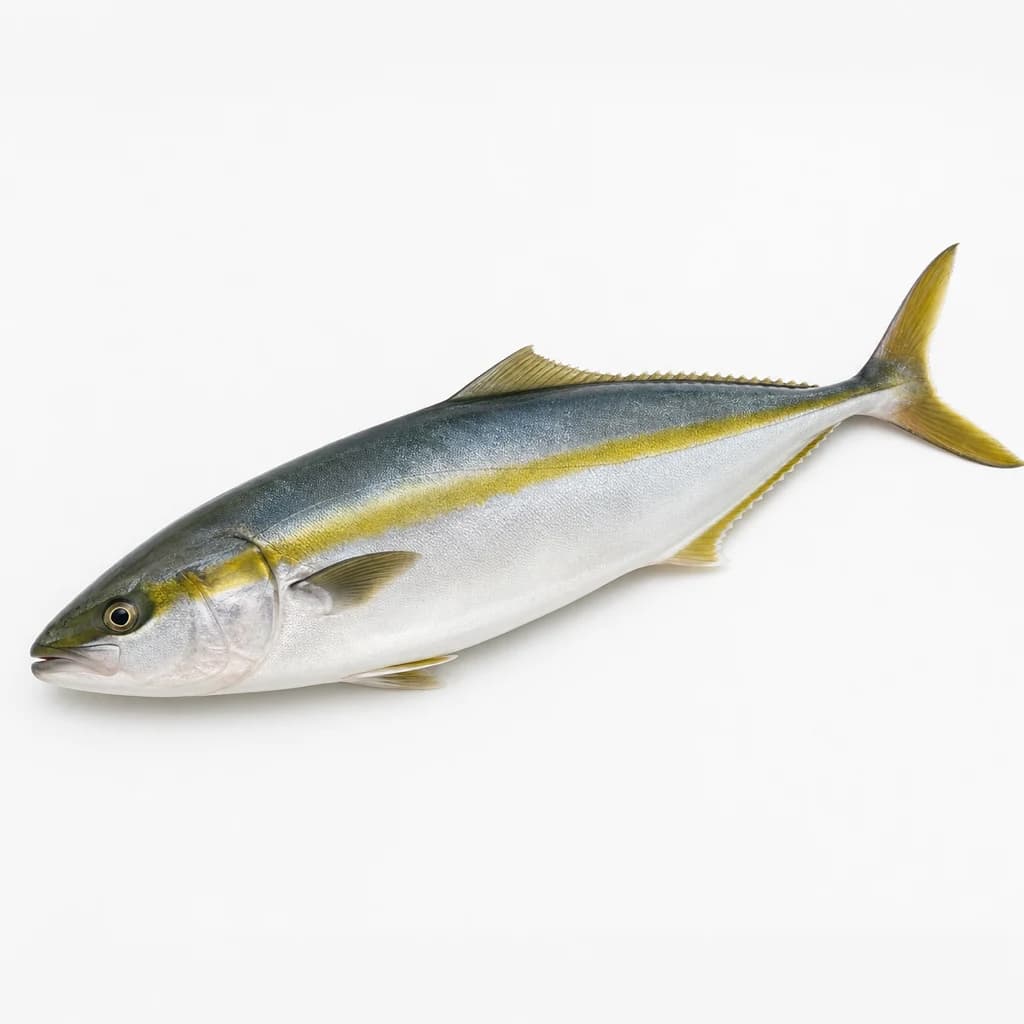
Natural form
A whole yellowtail amberjack showing its distinctive silver-yellow lateral stripe and torpedo body.
Teaches recognition of the intact fish: body shape, coloring, and yellow stripe that give it its name.
Proteins
Yellowtail (Hamachi)
Rich, buttery Japanese amberjack served as sashimi, nigiri or seared steaks.
Yellowtail, known as hamachi in Japan, is a prized amberjack with rich, fatty, buttery flesh and a clean flavor. It is most celebrated raw as sashimi and nigiri, but also grilled, seared, or simmered (buri daikon) in colder months. Farmed and wild forms vary in fat content, with belly cuts the most prized.
Yellowtail (Seriola quinqueradiata in Japan, Seriola lalandi in California and Australia) is a premium Japanese amberjack prized for its rich, buttery flavor and generous fat content. In Japanese cuisine, the distinction between hamachi (farm-raised) and buri (wild adult) is essential: wild specimens develop deeper, more assertive flavor and firmer texture, while farmed hamachi offers consistent quality and year-round availability. The belly section, called hamachi-toro, is the most coveted cut—identified by its high marbling and melt-in-mouth texture—and commands premium pricing. Yellowtail's firm yet yielding flesh adapts well to both raw and lightly cooked preparations; a quick sear or torch pass creates the desired contrast between caramelized exterior and translucent, buttery interior. Overcooking is the primary pitfall: the flesh turns tough and loses its characteristic richness rapidly. Always verify that yellowtail intended for raw consumption has been frozen to -20°C for parasite destruction, or source from a trusted sashimi-grade supplier.
- Measured in
- g
- Storage
- Freezer
Allergens
Types & varieties
Farm-raised Japanese amberjack; consistent fat content, mild buttery flavor, widely available year-round
Wild adult Japanese amberjack; stronger flavor, firmer texture, more pronounced fishiness; considered superior by traditionalists
Young yellowtail; mild, delicate; prized in high-end omakase
Australian yellowtail (Seriola aquilonaria); clean, buttery, considered premium
Seriola lalandi; firmer texture, more robust flavor than Japanese hamachi
The Hamachi/Buri Distinction
This distinction matters when sourcing. Hamachi designates farm-raised Seriola quinqueradiata from Japan—ask for it specifically at Japanese fish markets or high-end sushi bars. Buri refers to wild-caught adults, which have had more time to develop complex flavor and firm flesh. Traditional Japanese palates often prefer buri for its character, while professional kitchens value hamachi for consistency. In American sushi establishments, 'yellowtail' frequently indicates Seriola lalandi from California or Australian waters—a different species with slightly more robust, less buttery character than Japanese hamachi. When a recipe specifies yellowtail, understanding this sourcing variability helps set expectations for flavor and texture.
- Ask your fishmonger which species and origin they carry
- American 'yellowtail' and Japanese 'hamachi' are not identical
- Wild buri has more developed flavor; farm-raised hamachi offers consistency
The Belly Cut (Toro)
The hamachi-toro is the fish's most prized section—analogous to tuna's otoro. Located along the ventral edge of the fillet, this muscle does the least work during the fish's life, resulting in exceptional fat marbling that melts on contact. The fat is unsaturated and delicate, giving the cut its buttery, almost creamy character. This cut is sold separately at premium prices and should be requested in advance from your fishmonger. It performs best as sashimi or lightly torched nigiri where the fat can be fully appreciated. When searing or grilling, even this fatty cut benefits from high heat and minimal cook time to preserve its delicate texture.
- Request hamachi-toro separately from your fishmonger
- Best appreciated raw or minimally cooked
- The fat is delicate; excessive heat compromises its texture
Common uses
Tips & pitfalls
- Always remove the dark blood line running along the fillet—it imparts bitter, fishy flavor if left in
- For seared preparations, a quick pass over very high heat (torch or screaming-hot cast iron) creates the desired contrast between caramelized exterior and translucent interior
- When buying for raw consumption, verify the fish has been specifically frozen to -20°C for parasite destruction if not sourced from a trusted sashimi-grade supplier
- Do not overcook: yellowtail becomes tough and loses its buttery character quickly; grill or roast just until the flesh turns opaque
- Wild buri has a more pronounced flavor and firmer texture; use farmed hamachi when a milder, buttery profile is desired
- The belly section (hamachi-toro) is the most prized and fatty; ask your fishmonger to portion it separately
- Store yellowtail on ice in the coldest part of the refrigerator; use within 2 days for best quality
- Pat fillets dry before searing to achieve proper browning rather than steaming
Nutrition
Energy
611 kJ · per 100 g
Where the calories come from
Protein
23.1g
46% DV
Carbs
0g
0% DV
Fat
5.2g
7% DV
Fiber
0g
0% DV
Sodium
39mg
2% DV
Source · USDA FoodData Central · approx. Fish, yellowtail, mixed species, raw
View on FDC →In the shops
Matched grocery products
No matched grocery products for Yellowtail (Hamachi) yet.
Good to know
- Scientific name
- Seriola quinqueradiata (Japanese); Seriola lalandi (California/Australia)
- Japanese names
- Hamachi (farm-raised); Buri (wild adult)
- Peak season (wild buri)
- Winter, November through February
- Flavor profile
- Rich, buttery, slightly sweet; clean umami; firm but yielding texture
- Fat content
- High, especially in belly (hamachi-toro); farmed fish consistently fatty
- Typical yield
- 45–55% usable meat after filleting and trimming
- Edible forms
- Raw (sashimi, nigiri), lightly seared (aburi), grilled, broiled, pan-roasted
- Shelf life
- 2–3 days refrigerated when very fresh; freeze for longer storage before raw use
Substitutes
- Kanpachi — Very similar texture and flavor; often interchangeable in sashimi applications
- Salmon (sake) — Fattier, different flavor profile; acceptable substitute for cooked preparations
- Bluefin or bigeye tuna (akami) — Leaner but similar firm texture; use the belly (toro) for fat content matching
- Amberjack (US/Atlantic) — Same family, more robust flavor; excellent for grilled applications
- Yellowfin tuna — Similar texture; leaner; works for seared preparations
Pairs with
Also called
Hamachi · Japanese Amberjack · Buri
Appears in these dishes
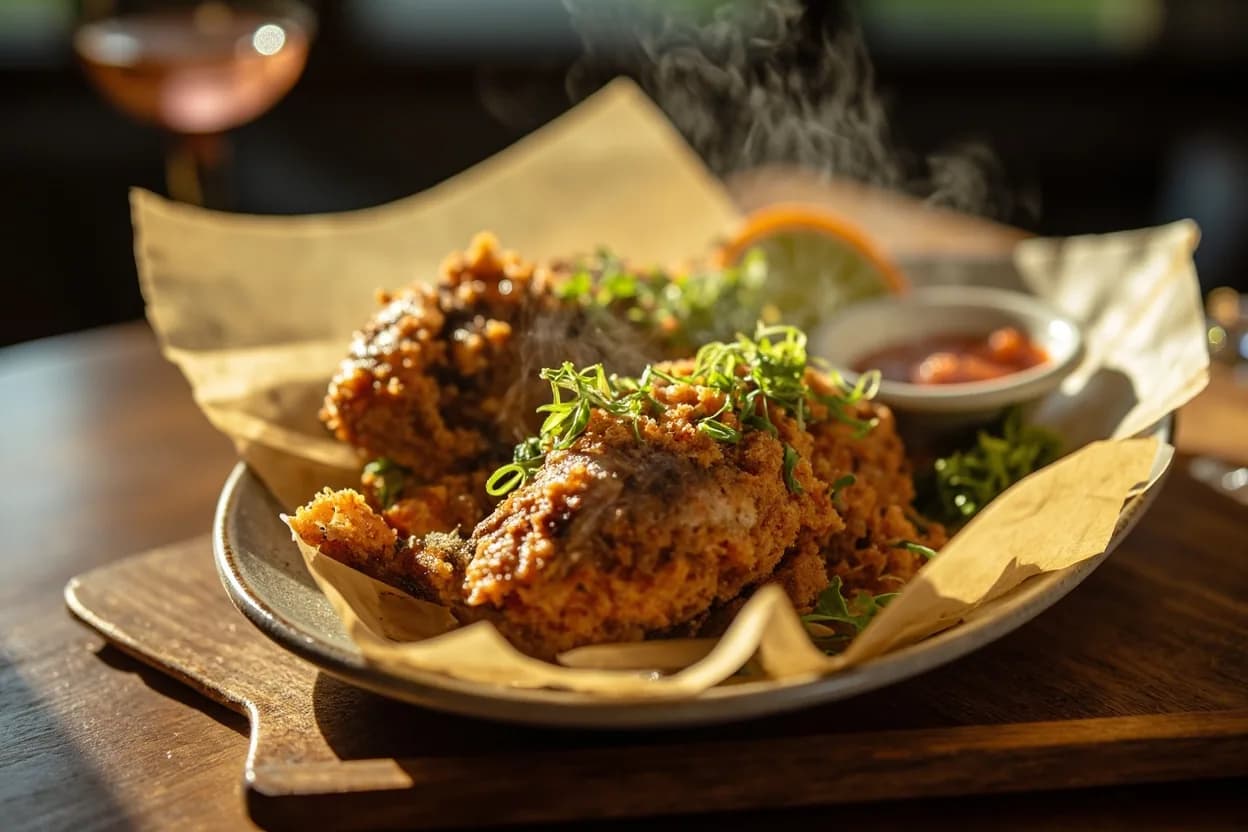
Related
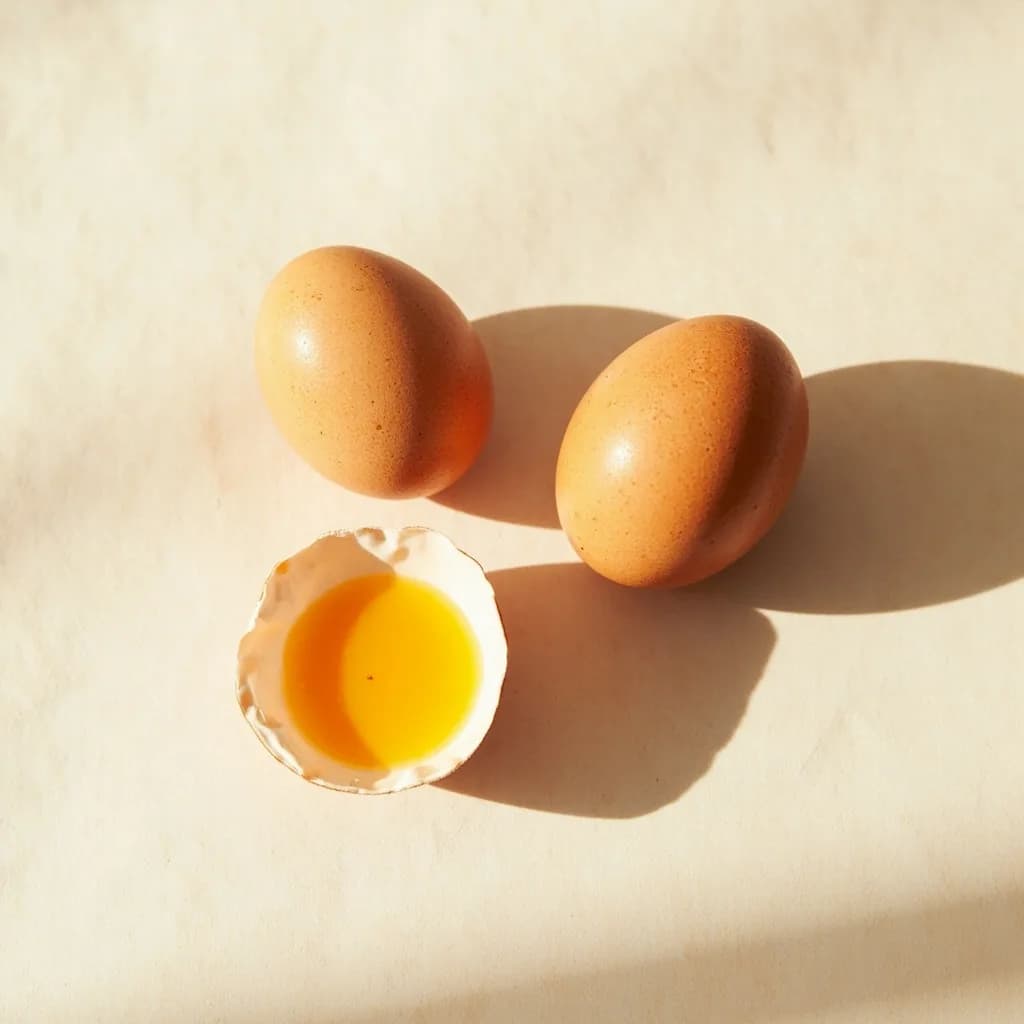
Egg
The kitchen's everything ingredient — bind, leaven, enrich, or fry
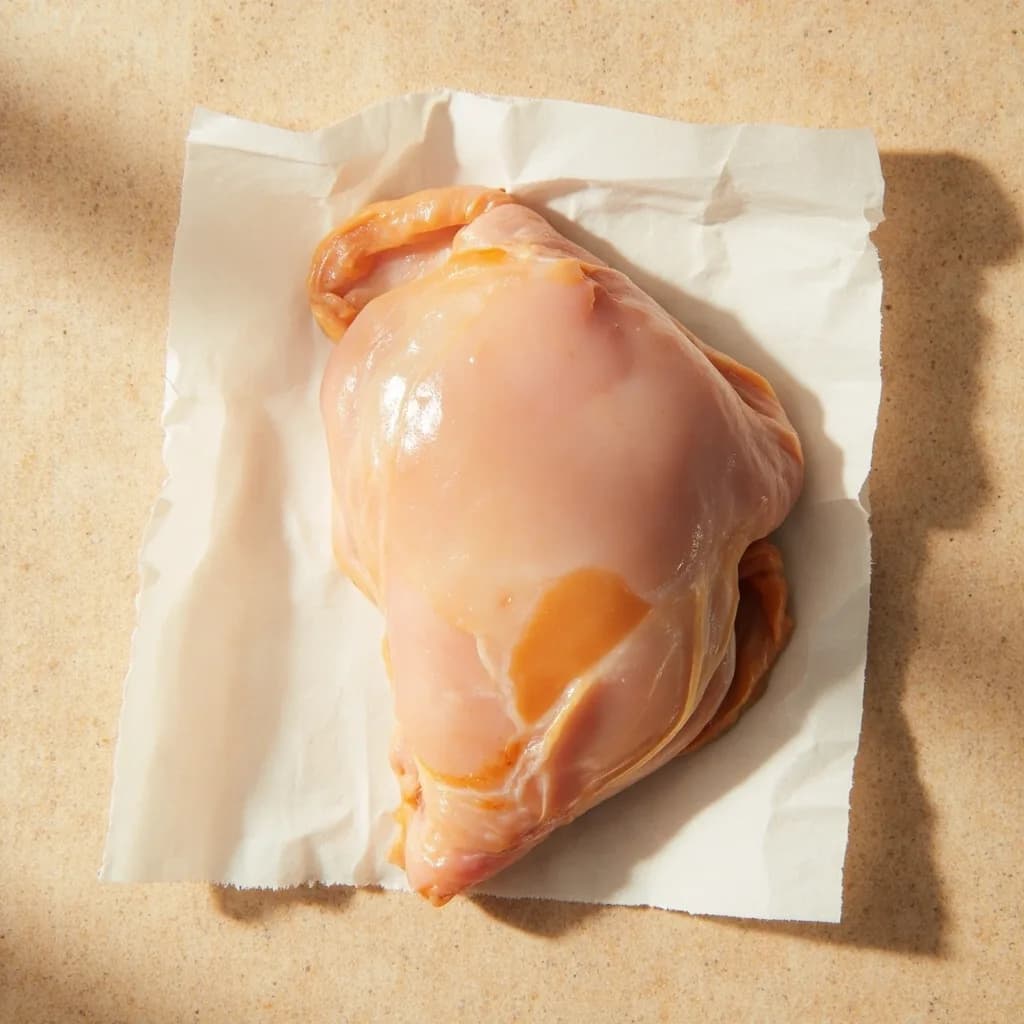
Chicken Breast
Lean, quick-cooking white meat for everyday dinners

Ground Beef
Versatile minced beef for burgers, ragù, tacos, and meatballs
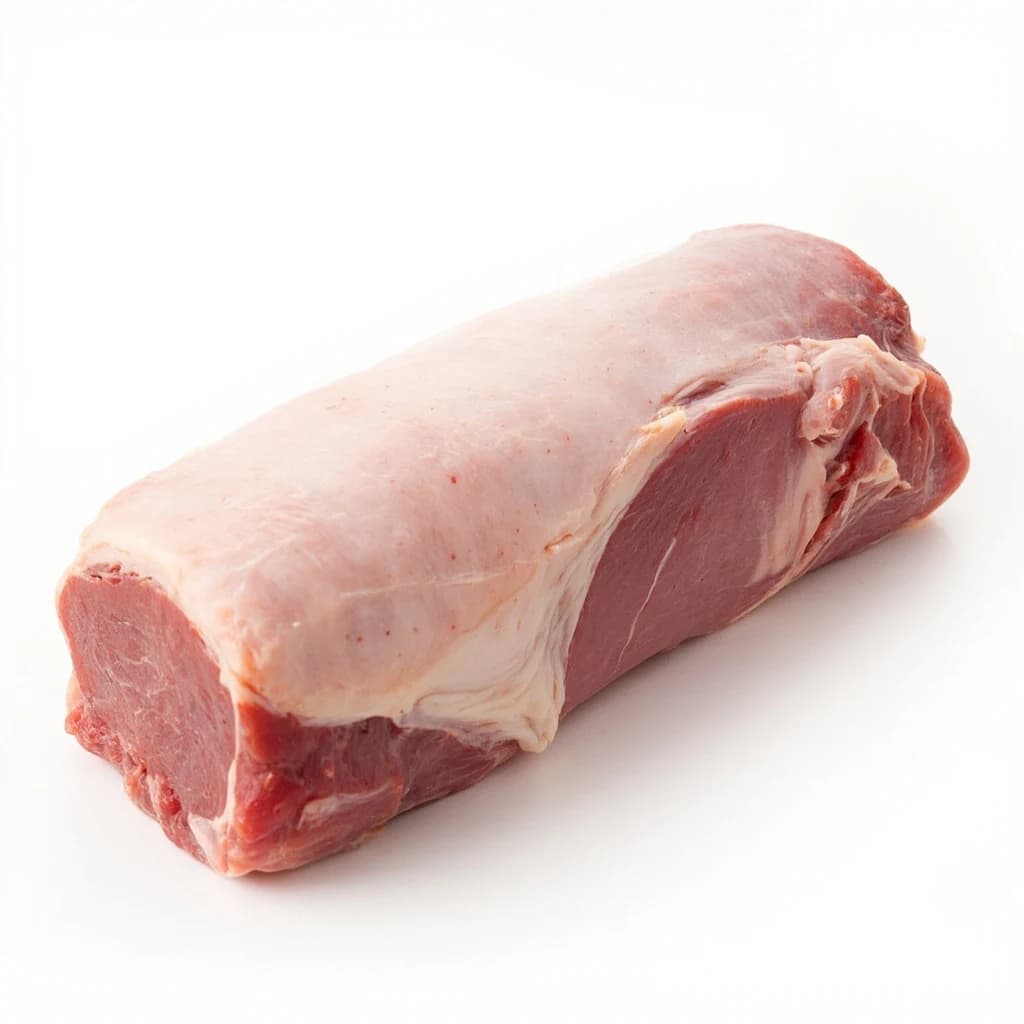
Pork Loin
Lean, tender roasting cut that stays juicy with care
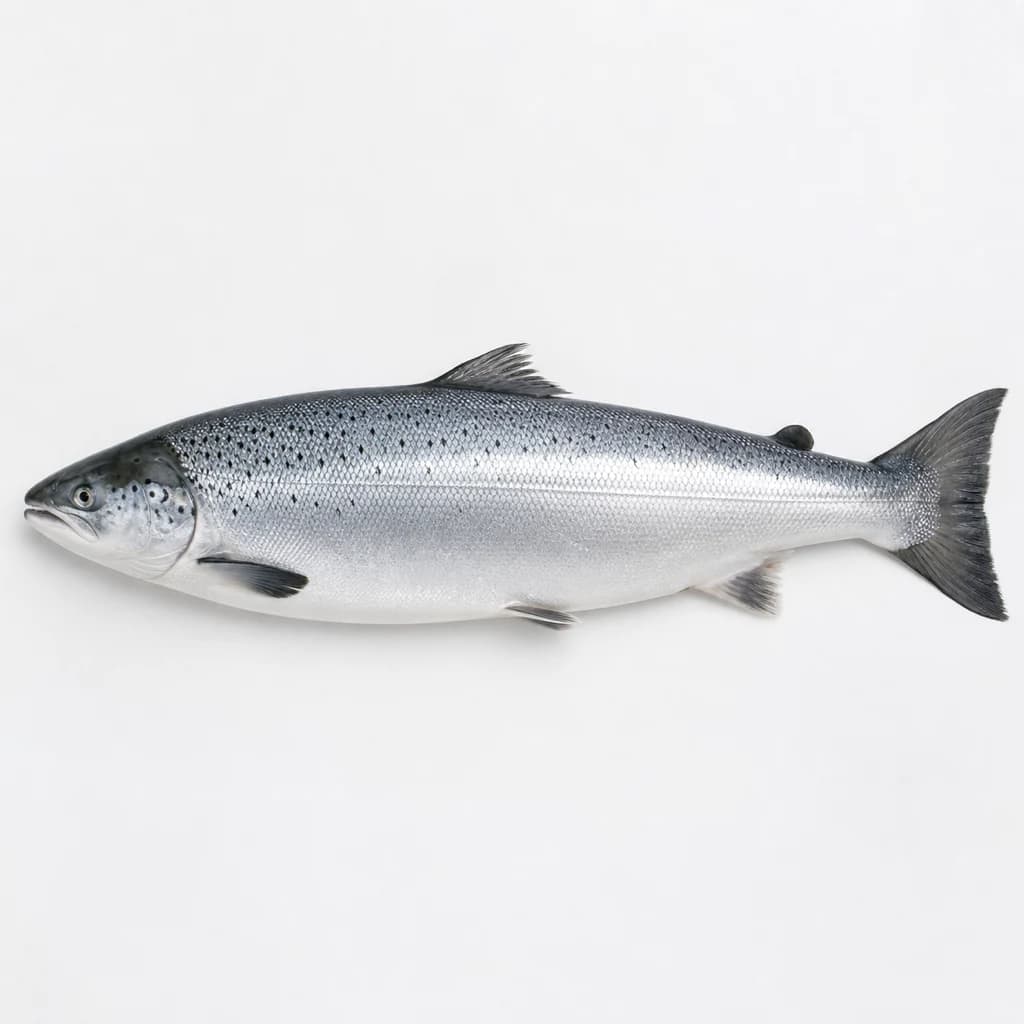
Salmon
Rich, rosy fish that roasts, grills, or cures beautifully

Egg White
Pure protein that whips to airy peaks for meringue and more
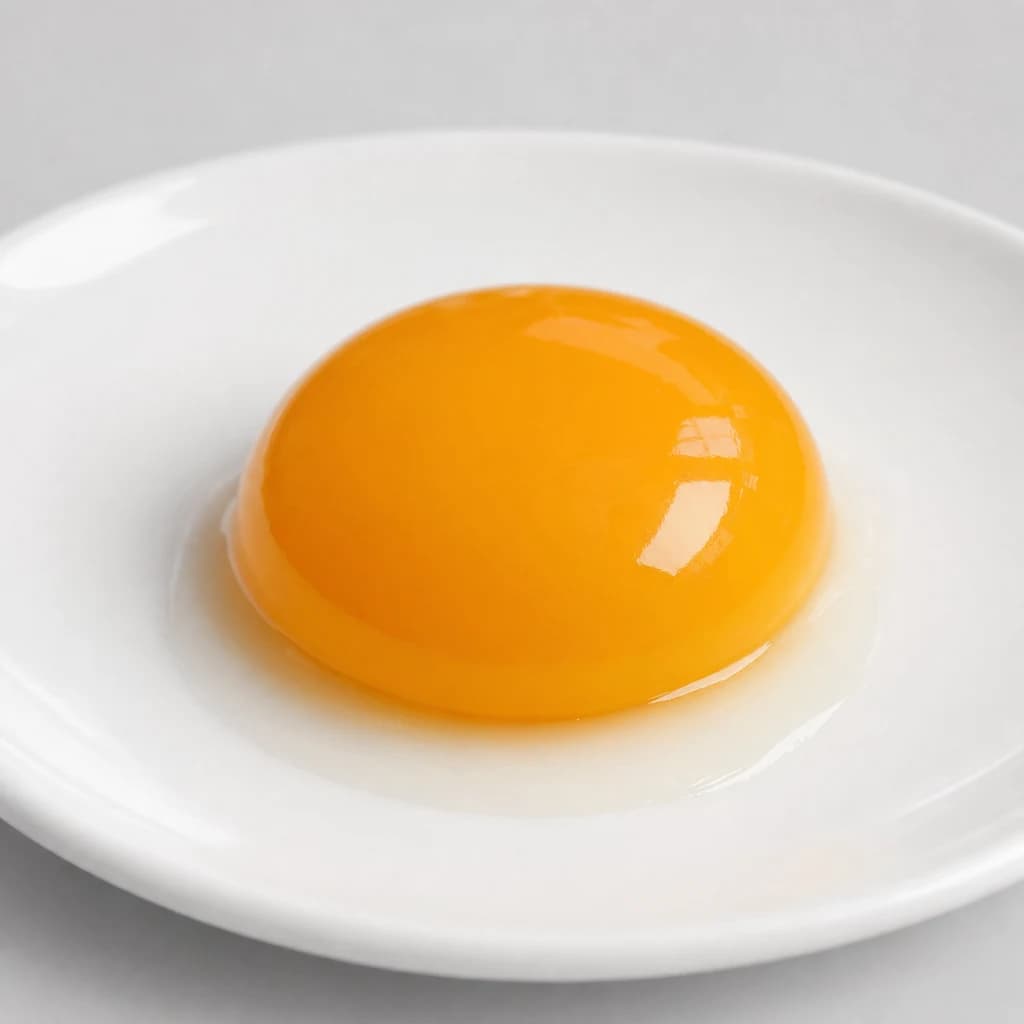
Egg Yolk
Rich, golden yolk for custards, mayonnaise, and pasta

Quail Egg
Tiny, speckled eggs for garnishing and elegant bites