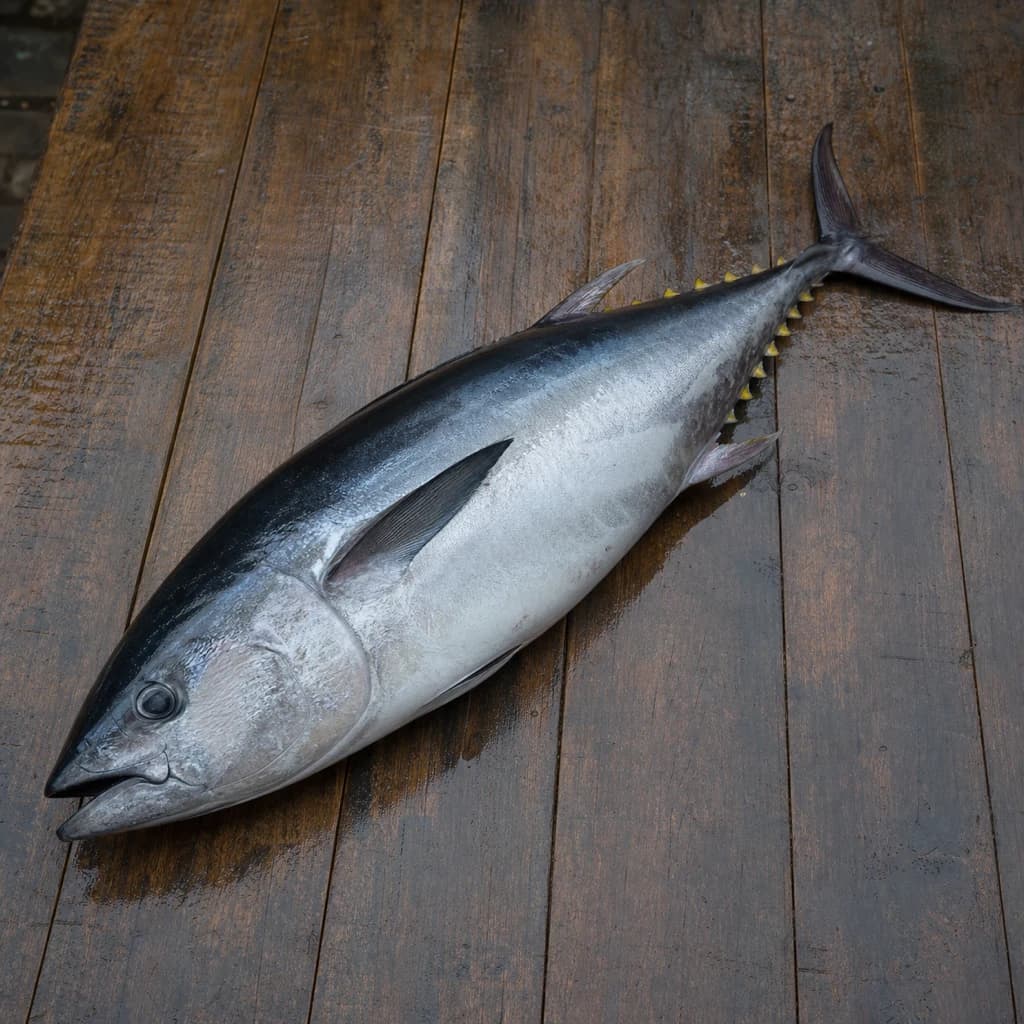
Natural form
A whole bluefin tuna showing the torpedo body, midnight-blue back, and silver belly.
Teaches readers to recognize the fish in its whole, unprocessed form by its distinctive size, coloration, and streamlined shape.
Proteins
Bluefin Tuna
Prized fatty red tuna eaten raw as sushi and sashimi or seared rare.
Bluefin tuna is a large, prized fish with deep red, richly fatty flesh ranging from lean akami to luxurious fatty toro. It is celebrated raw in sushi and sashimi, seared briefly to keep the center rare, or cured, as in Spanish almadraba atún rojo. Its high fat content gives an intense, buttery flavor sought after worldwide.
Bluefin tuna stands at the pinnacle of the seafood world, commanding prices that regularly exceed premium Wagyu beef. Three species dominate the market: Atlantic bluefin (Thunnus thynnus), Pacific bluefin (T. orientalis), and Southern bluefin (T. maccoyii). What elevates bluefin above other tuna is its extraordinary capacity for fat marbling, particularly in the belly sections. This fat is not evenly distributed—it concentrates in specific cuts that determine both price and application. The loin (akami) offers dense, lean red meat with 5–10% fat, while the belly cuts range from medium-fatty chutoro to the legendary otoro, whose 30–40% fat content melts on the tongue. This fat content is functionally significant: it acts as intra-muscular insulation during cooking, allowing the fish to hold moisture and develop a luxurious texture even at rare doneness. For sushi, this marbling creates the buttery mouthfeel that defines a premium experience; for cooked applications, it prevents the dryness that plagues leaner fish cooked past medium-rare. Understanding bluefin's anatomy—knowing where each cut comes from and how it behaves—is essential for any cook working with this ingredient.
- Measured in
- g
- Storage
- Fridge
Allergens
Types & varieties
Largest species, reaching 1,500 lbs; the iconic sushi-grade tuna prized by Mediterranean and Japanese markets alike
Slightly smaller; most commercially farmed (Japan, Mexico); excellent traditional-style farmed fish at lower price points than wild
Primarily Australian and Japanese production; heavily managed aquaculture (Clean Seas) has become a significant premium source
Lean red meat from the dorsal loin sections; the standard tuna preparation used for most cooked and raw dishes; remove the dark blood line for cleanest flavor
Medium-fatty belly meat, pink-red with visible marbling; offers a balanced middle ground prized by experienced sushi eaters
The fattiest belly cut with heavy white marbling; melts on the tongue; commands the highest prices and is often reserved for special occasions
Marbled sections where lean and fatty tissue intermingle; firm texture with rich taste; an excellent value alternative to pure otoro
Common uses
Tips & pitfalls
- Never cook bluefin past medium-rare—target 125–130°F internal maximum; beyond this it becomes dry and loses its appeal entirely
- For raw service, obtain written documentation that the fish was frozen to FDA safety standards (-4°F for 7 days or -31°F flash-frozen); never serve fresh unfrozen bluefin raw
- Remove the blood line (dark red connective tissue running along the center of akami cuts) before cooking or service—it imparts bitter, metallic notes
- Bring whole loin or steaks to room temperature 20–30 minutes before cooking for even results throughout the cut
- Score the surface lightly before high-heat searing to prevent curling and promote uniform browning
- Use a ripping-hot cast iron or carbon steel pan with a light coat of neutral oil to prevent sticking
- Do not marinate bluefin in acid (citrus, vinegar) for more than 30 minutes—it denatures the proteins and turns the texture mealy
- Rest seared bluefin 3–5 minutes before slicing against the grain for optimal tenderness
- Store bluefin separately from other proteins—its high fat content makes it extremely perishable and prone to absorbing surrounding odors
Nutrition
Energy
602 kJ · per 100 g
Where the calories come from
Protein
23.3g
47% DV
Carbs
0g
0% DV
Fat
4.9g
6% DV
Fiber
0g
0% DV
Sugars
0g
of which
Sodium
39mg
2% DV
Source · USDA FoodData Central · approx. Fish, tuna, fresh, bluefin, raw
View on FDC →In the shops
Matched grocery products
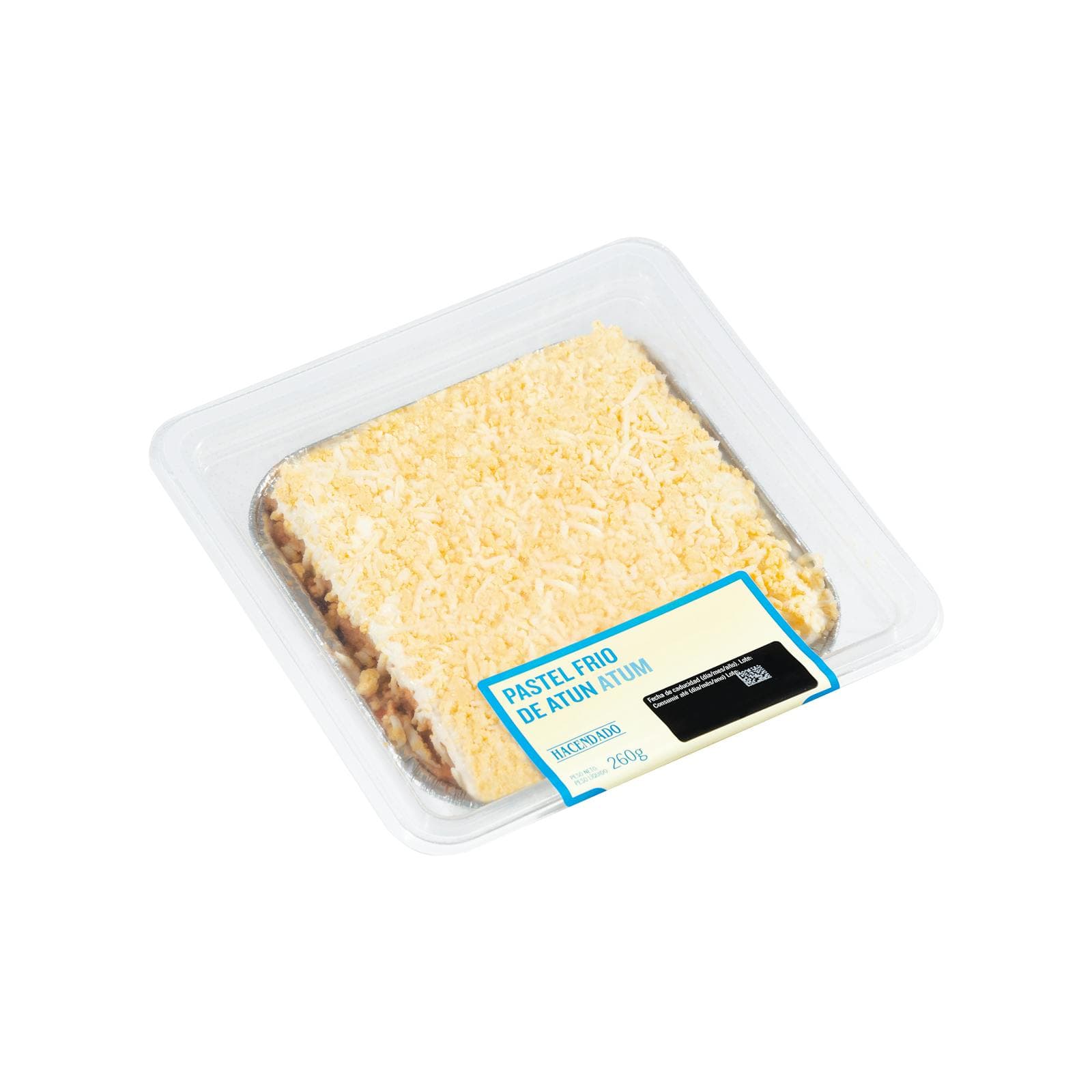 €2.90
€2.90Tuna Pie
Hacendado · 260 g · Mercadona
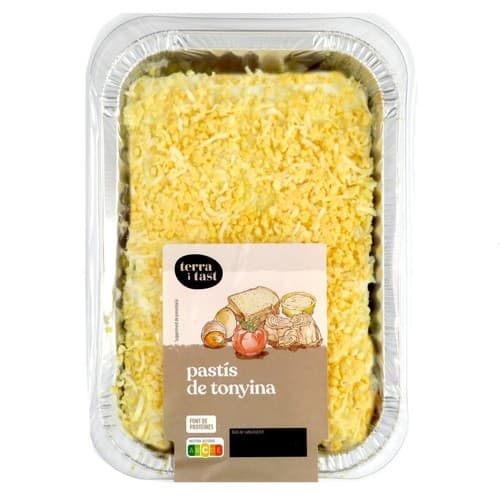 €4.99
€4.99Tuna Pie
TERRA I TAST · kg · Bonpreu
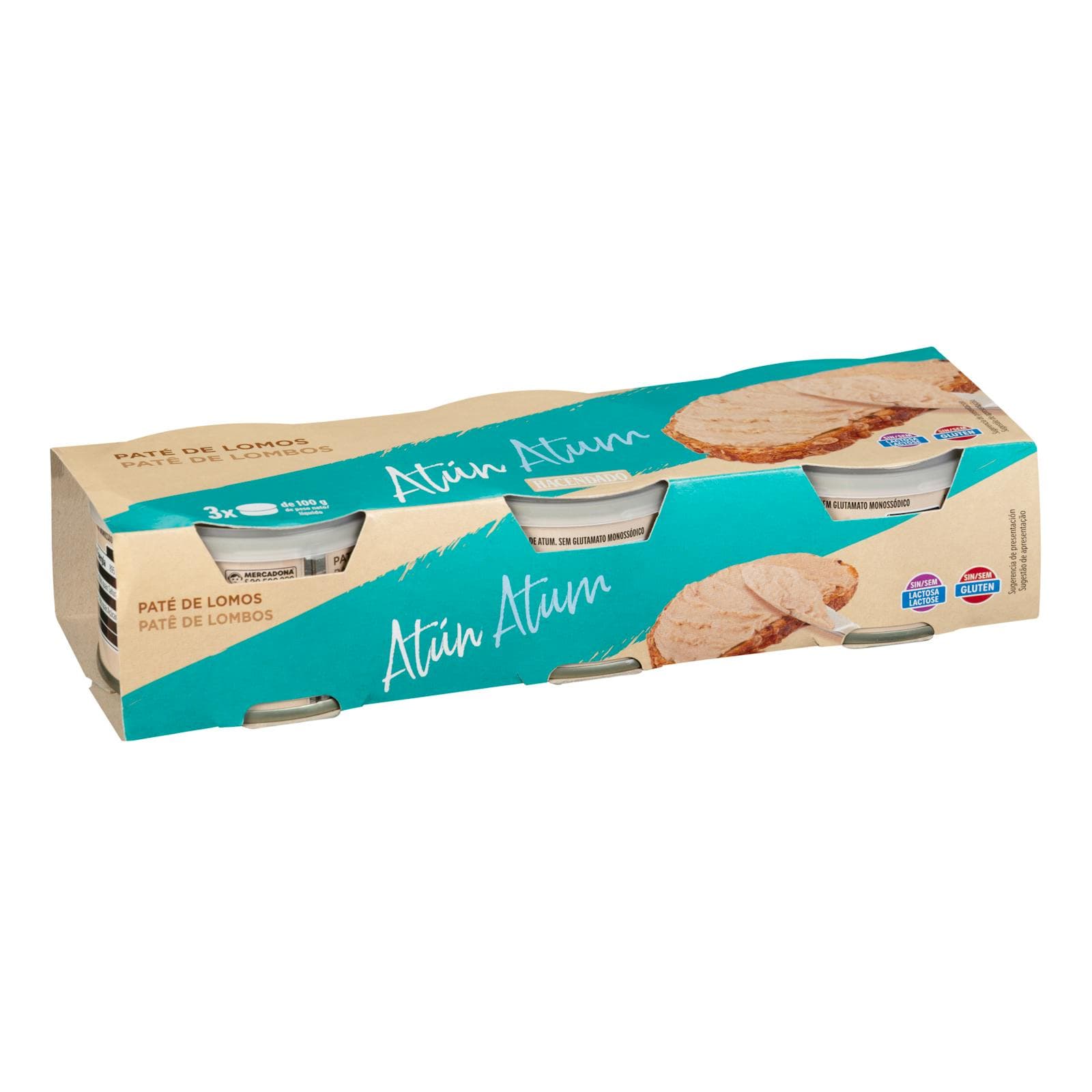 €2.30
€2.30Tuna Loin Paté
Hacendado · 300 g · Mercadona
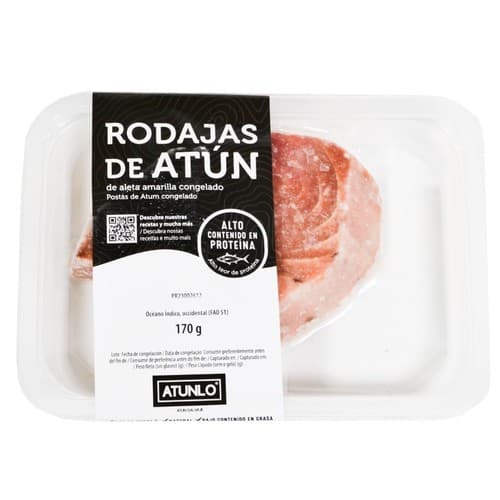 €3.25
€3.25Natural Tuna Rondanxa
ATUNLO · kg · Bonpreu
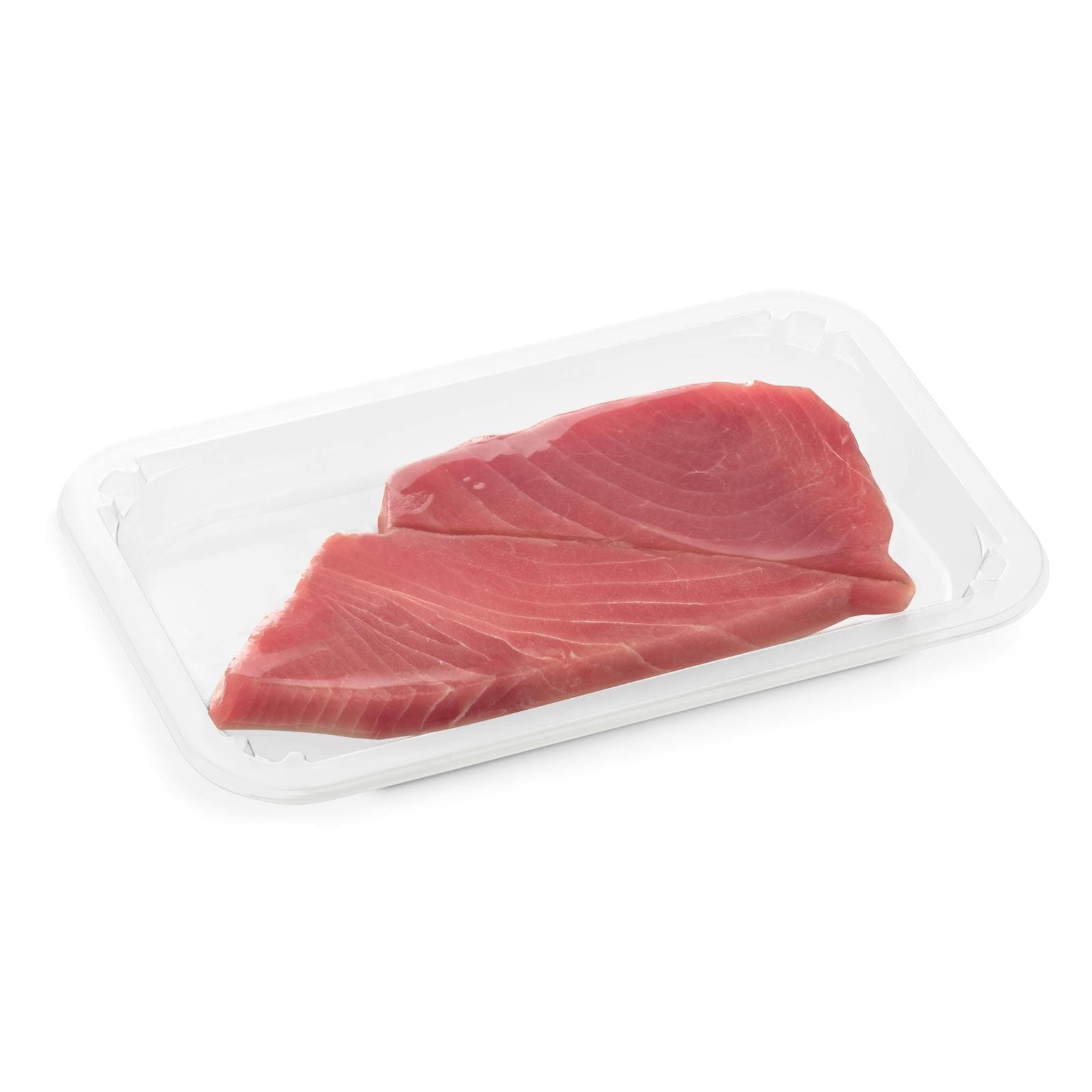 €5.37
€5.37Yellowfin Tuna Slices
235 g · Mercadona
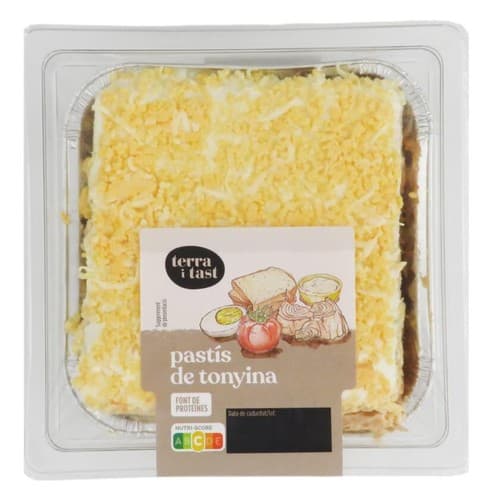 €2.99
€2.99Terra i Tast Tuna Cake
TERRA I TAST · kg · Bonpreu
Good to know
- Scientific name
- Thunnus thynnus (Atlantic), T. orientalis (Pacific), T. maccoyii (Southern)
- Fat content by cut
- Akami 5–10%; chutoro 15–20%; otoro 30–40%
- Color
- Akami is deep cherry red; belly cuts range from pinkish-red to nearly white marbled fat
- Critical storage temperature
- 28–32°F; use within 1–2 days for raw service; freeze to -4°F for 7+ days to kill parasites before serving raw
- Sushi-grade weight range
- Typically 30–100 lbs; larger fish tend toward higher fat content
- Price range
- Akami $40–80/lb; otoro $80–200+/lb; record auction prices exceed $3,000/lb for top specimens
- Sustainability
- Overfished species; seek MSC-certified wild catch or responsibly managed farms (ASC-certified)
Substitutes
- Yellowfin Tuna (Ahi) — Leaner with milder flavor; good all-purpose substitute for akami in cooked applications; acceptable for sushi but less prized
- Bigeye Tuna — Similar fat content to yellowfin; excellent for seared preparations; acceptable sushi grade at reputable sources
- Albacore Tuna — Firm, mild, lighter color; works for cooked dishes; avoid for raw service due to higher parasite risk
- Mackerel (Saba) — Rich and fatty; can be served raw (lightly cured) or seared; very different flavor profile but similarly fatty texture
- Salmon (Chinook/King) — Fatty and rich, acceptable for raw service; closest texture to tuna belly cuts; different flavor and color
Pairs with
Also called
Tonno · Atun Rojo de Almadraba · Red Tuna · Maguro
Related
Egg
The kitchen's everything ingredient — bind, leaven, enrich, or fry
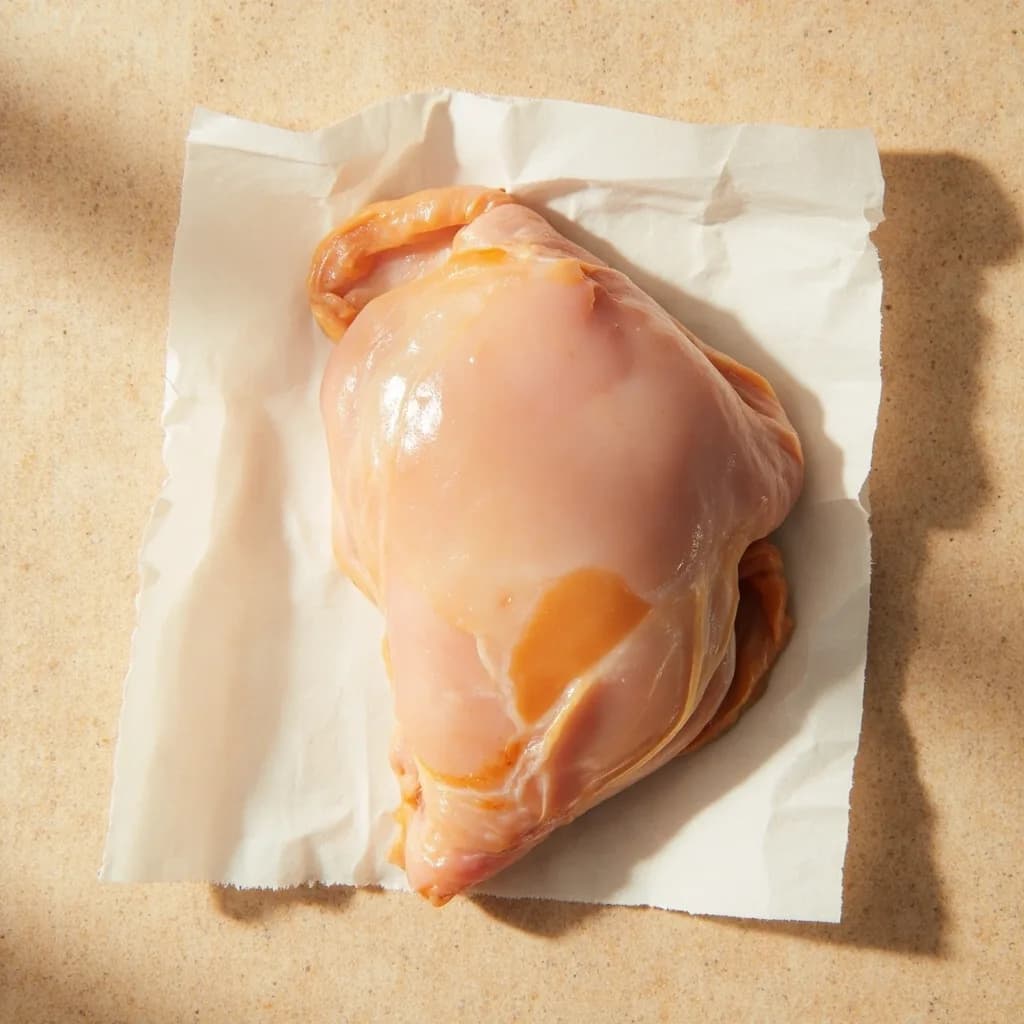
Chicken Breast
Lean, quick-cooking white meat for everyday dinners

Ground Beef
Versatile minced beef for burgers, ragù, tacos, and meatballs
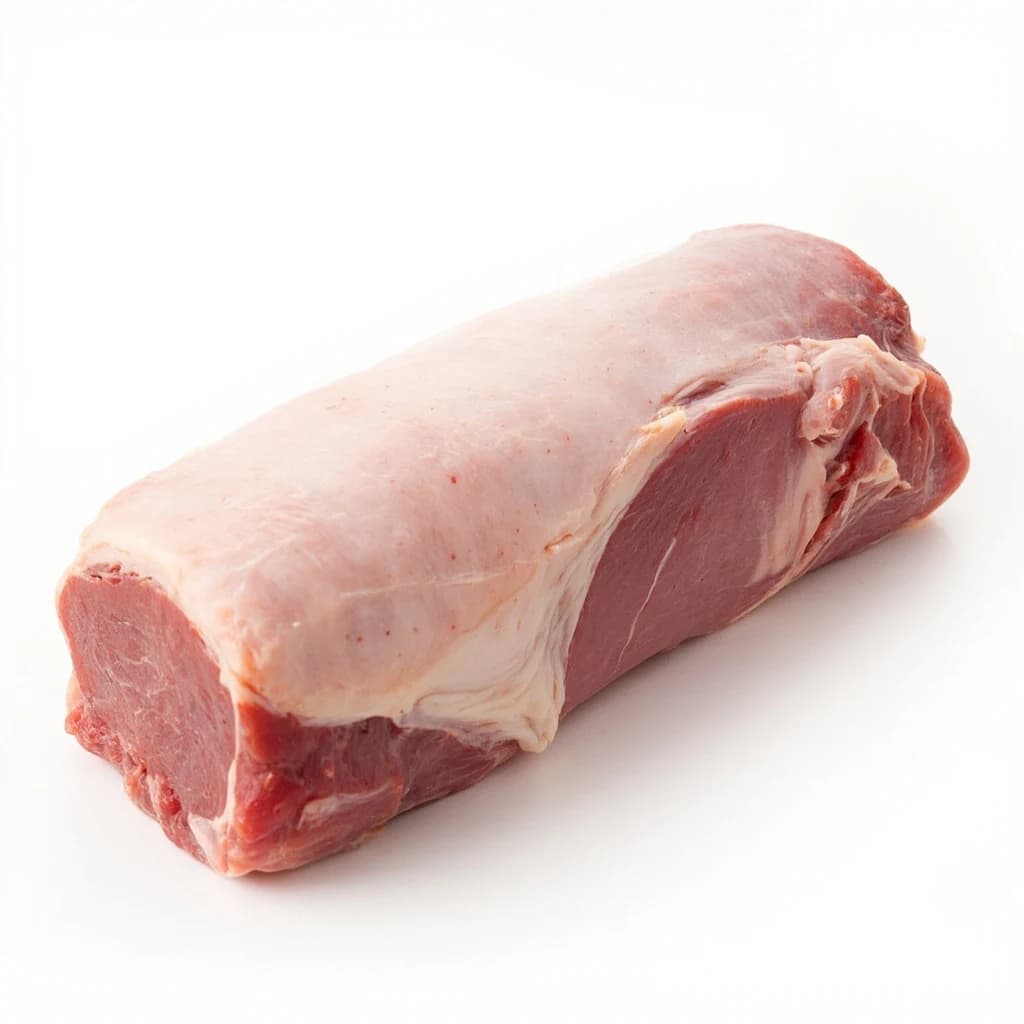
Pork Loin
Lean, tender roasting cut that stays juicy with care
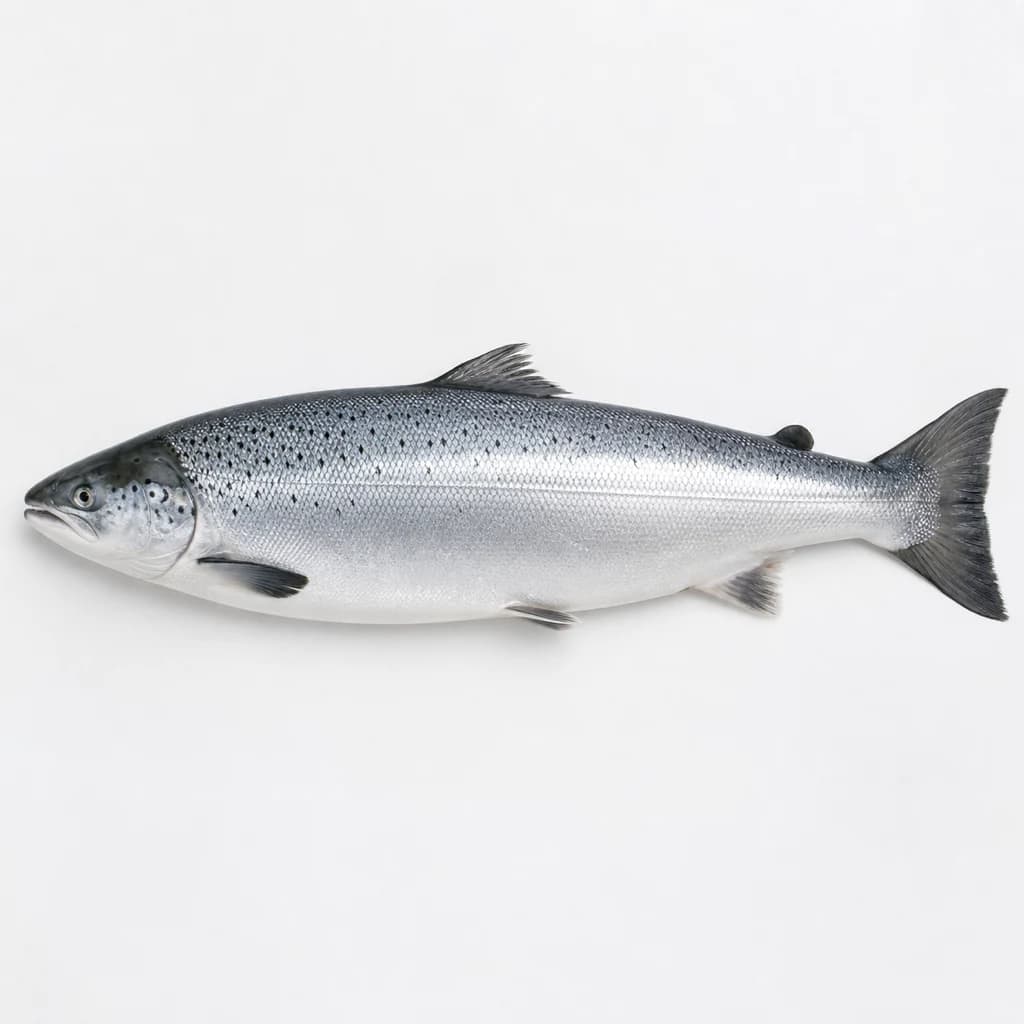
Salmon
Rich, rosy fish that roasts, grills, or cures beautifully

Egg White
Pure protein that whips to airy peaks for meringue and more
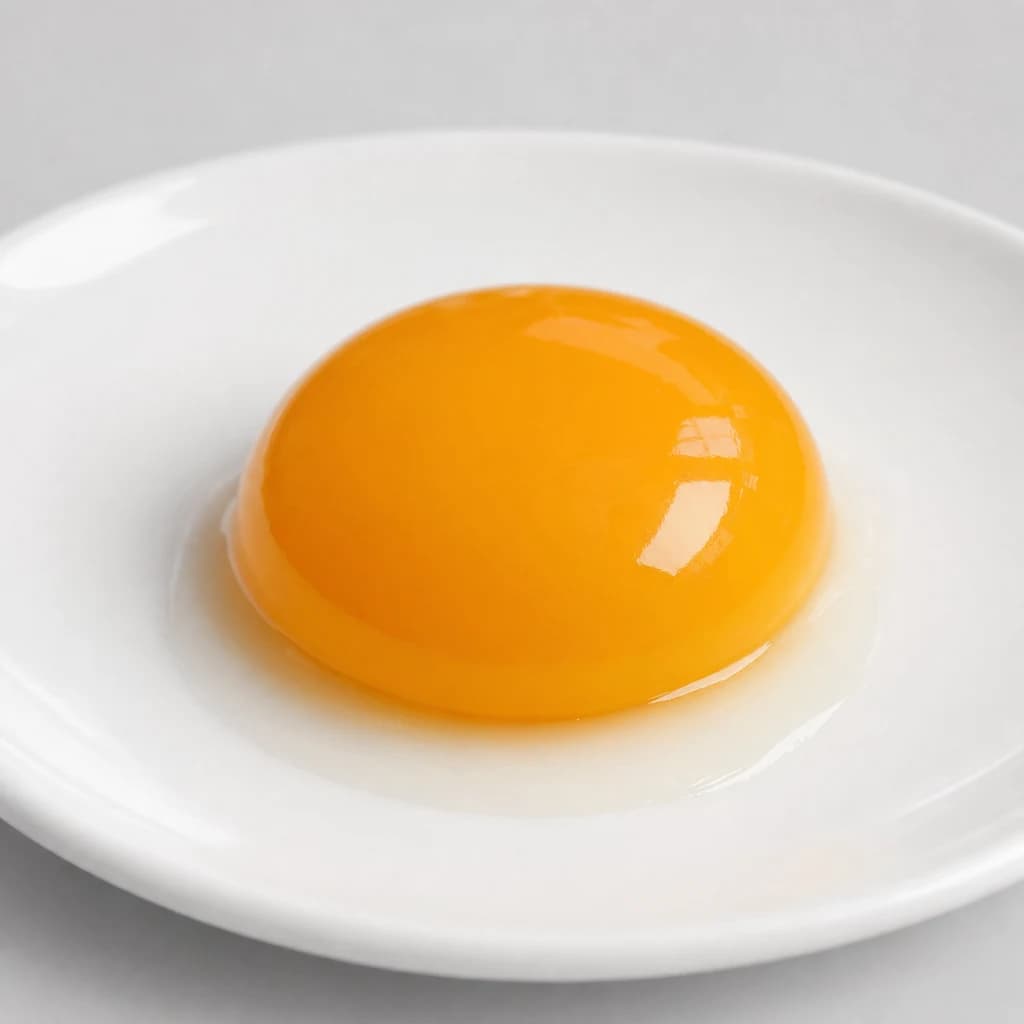
Egg Yolk
Rich, golden yolk for custards, mayonnaise, and pasta

Quail Egg
Tiny, speckled eggs for garnishing and elegant bites