Proteins
Fatty Tuna Belly (Otoro)
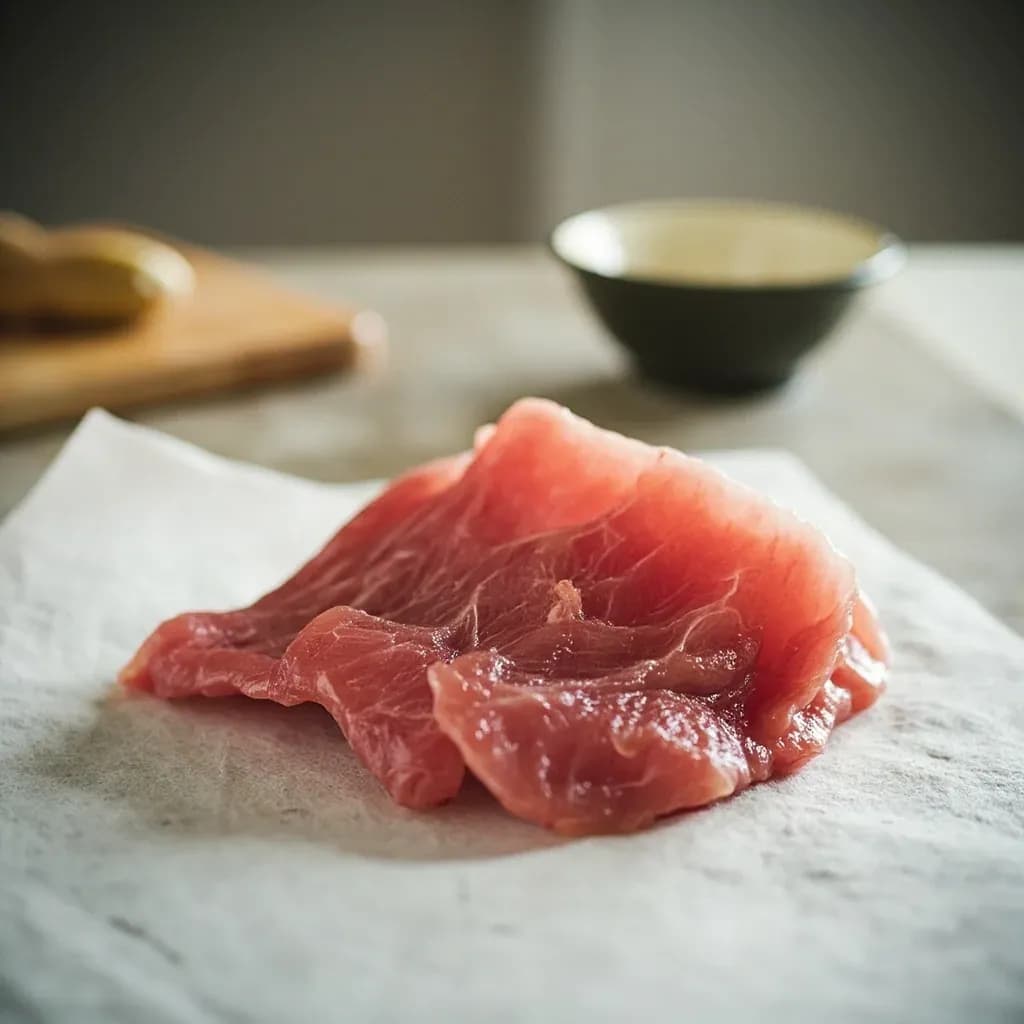
The richest, marbled cut of tuna belly that melts as premium sushi.
Otoro is the fattiest, most marbled portion of the bluefin tuna belly, the most prized cut for sushi and sashimi. Its high fat content gives it a buttery, melt-in-the-mouth richness. It is served raw and minimally handled to let the fat speak.
Fatty tuna belly, known as otoro in Japanese, is the most coveted cut of bluefin tuna—the anterior ventral belly muscle that runs beneath the ribs and above the belly wall. This section yields only 3–5% of the entire fish, making it extraordinarily rare. What distinguishes otoro from every other tuna cut is its extraordinary fat content, which ranges from 20–35% by weight and appears as white striations (ashi) threading through pale pink flesh. The fat is firm enough to hold shape when sliced yet dissolves instantaneously on the tongue, delivering an intensely rich, buttery experience with a subtle sweet finish that no other fish replicates.
The quality of otoro depends almost entirely on the degree and uniformity of its marbling. At Tokyo's Toyosu Market, graders distinguish 'top' grade—nearly white with dense, even marbling—from 'first' grade, which shows good marbling with more visible pink beneath. Winter-caught Pacific bluefin (November through February) commands the highest prices because these fish feed voraciously before spawning season to build fat reserves, resulting in the richest possible belly section. Kama-toro, from the thickest part of the gill-plate belly, represents the pinnacle of this already rare cut.
For raw consumption, parasite safety is non-negotiable. Any otoro destined for sashimi must undergo blast-freezing at −20°C for at least 24 hours or −35°C for 15 hours to eliminate parasitic larvae. When sourcing, verify that your supplier follows strict HACCP protocols—this is not optional. At its best, properly handled otoro is a transcendent experience; handled carelessly, it becomes dangerous and loses its defining character within 48 hours of purchase.
- Measured in
- g
- Storage
- Fridge
Allergens
Types & varieties
The fattiest cut from the thickest part of the gill-plate belly; the most prized and rarest portion of an already rare cut
Bluefin tuna caught near Matsushima, Miyagi Prefecture; considered among Japan's finest for its exceptional marbling
From Miyagi Prefecture; highly regarded for fine marbling and buttery texture that melts cleanly on the palate
Norwegian-caught bluefin, increasingly recognized for quality; available July through October
Primarily from Mediterranean and Eastern Atlantic waters; major source for European markets, quality varies significantly by fishery and season
Understanding Marbling (Ashi)
The white striations running through otoro flesh are not sinew but pure fat deposits between muscle fibers. This intramuscular fat is what creates the characteristic melt-in-mouth quality—heat from your tongue liquefies the fat before the firmer protein reaches your palate, creating the sensation of pure richness dissolving on contact. The fat should be firm enough to hold its shape when sliced at refrigerator temperature but should begin softening the moment it meets air. Visually, more white and more uniform distribution indicates higher fat content and superior quality. Top-grade otoro appears nearly white with pink barely visible beneath the marbling.
- Look for marbling that extends throughout the cut, not just on the surface
- Fat should be white or ivory, never yellowed (yellowing indicates oxidation and age)
- Press gently—the flesh should spring back, not leave an indent
Sourcing and Supplier Relations
For home cooks, establishing a relationship with a reputable Japanese grocer is essential. Ask when their weekly sashimi shipment arrives and plan your purchase accordingly—fresh otoro loses quality within hours of arrival. For restaurant-quality results, seek suppliers with high sashimi turnover who can verify cold-chain integrity from boat to counter. When purchasing whole or half tunas, inspect for firm flesh that bounces back when pressed, clear eyes (if head-on), and a clean ocean smell rather than any fishy or ammonia-like odor. Never accept otoro that has been previously frozen and thawed for sale as fresh—it will be mushy and lack the characteristic clean fat texture.
- Request the catch date and verify blast-freezing history if not buying fresh
- Avoid purchasing otoro from general seafood counters without dedicated sashimi handling
- Consider joining a buying cooperative for access to auction-grade fish at wholesale prices
Common uses
Tips & pitfalls
- Slice across the grain at a 45° angle into pieces weighing 15–20g for nigiri—too thick and the fat doesn't warm properly on the tongue, too thin and it falls apart
- Bring otoro from near-freezing to approximately 15–18°C (59–64°F) before serving; cold fat has no aroma and tastes flat and one-dimensional
- Use a sharp, single-bevel yanagiba knife designed for sashimi—any crushing of the delicate fat cells between the marbling ruins the prized melt-in-mouth texture
- If sourcing whole, look for firm flesh that bounces back when pressed, clear eyes on whole fish, and a clean ocean smell, not fishy or ammonia-like
- Never microwave or cook otoro in any way that generates high heat—the fat renders out, leaving a dry, unpleasant result
- Store in the coldest part of the refrigerator, wrapped in paper towels to wick moisture, then plastic wrap, and consume within 48 hours of purchase
- For restaurant-quality results at home, buy from a reputable Japanese grocer with high sashimi turnover and ask when their weekly shipment arrives
- Avoid using premade wasabi paste—grated fresh wasabi root (hon-wasabi) is the only appropriate accompaniment for premium otoro
Nutrition
Nutrition
No USDA FoodData Central match for Fatty Tuna Belly (Otoro) yet. We surface a per-100 g profile once a generic whole-food entry is matched and verified.
In the shops
Matched grocery products
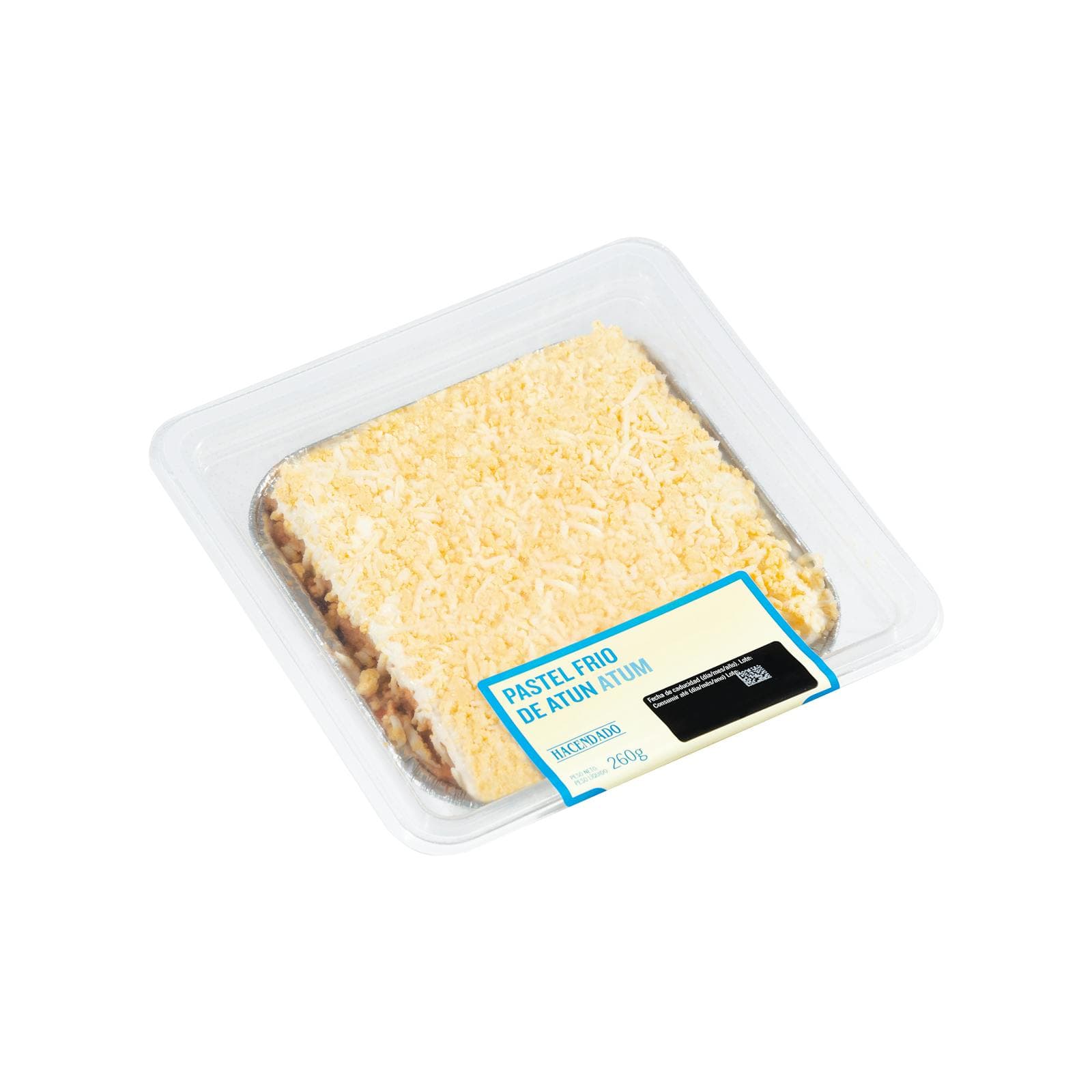 €2.90
€2.90Tuna Pie
Hacendado · 260 g · Mercadona
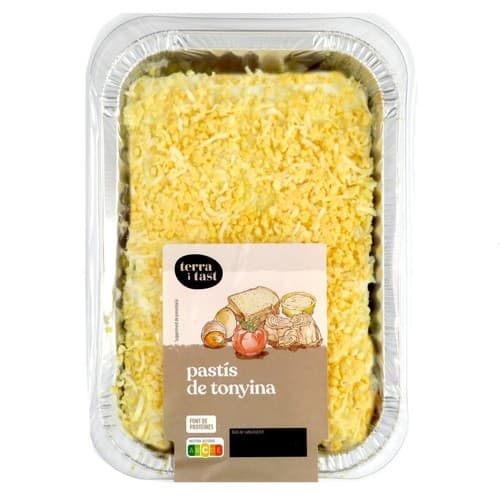 €4.99
€4.99Tuna Pie
TERRA I TAST · kg · Bonpreu
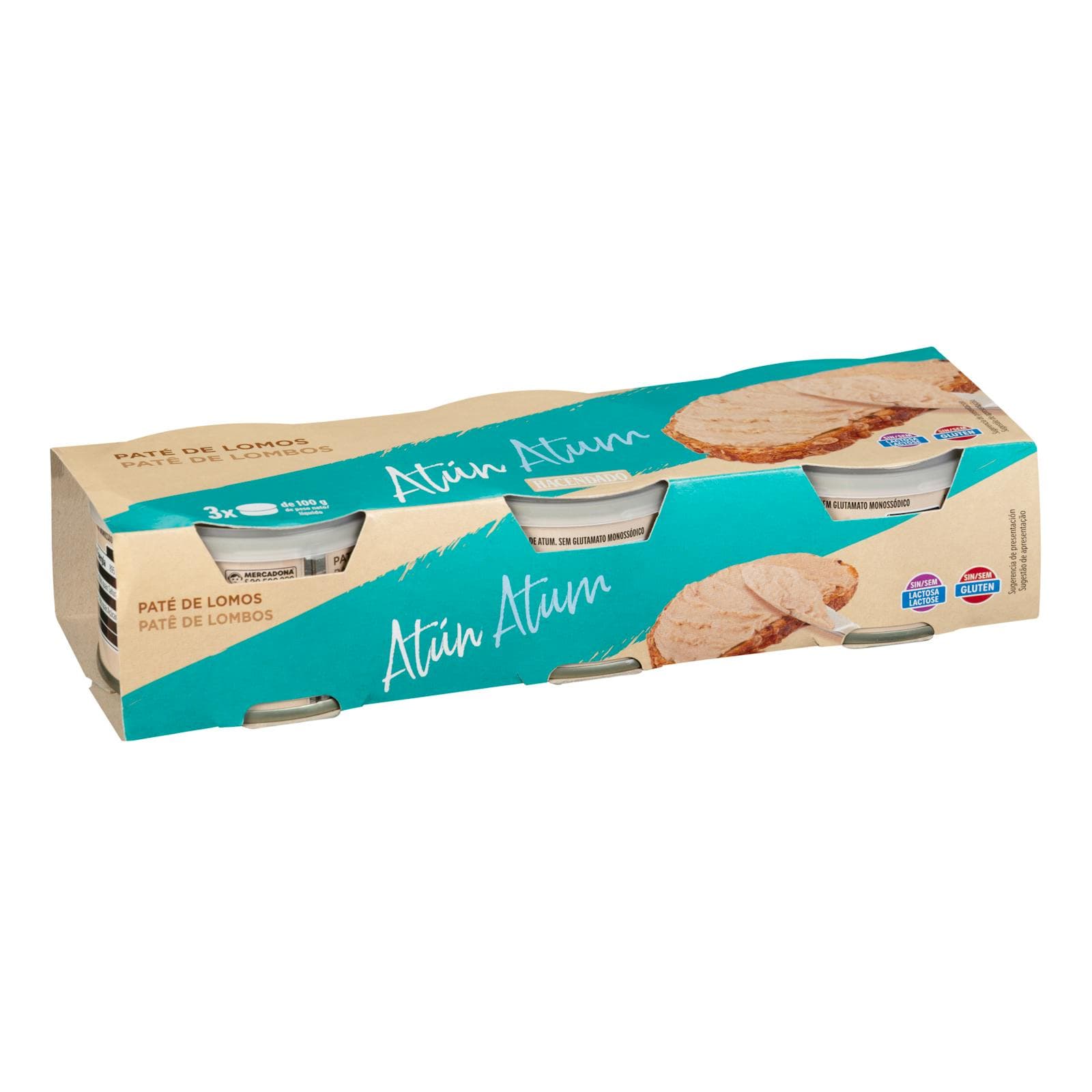 €2.30
€2.30Tuna Loin Paté
Hacendado · 300 g · Mercadona
 €3.25
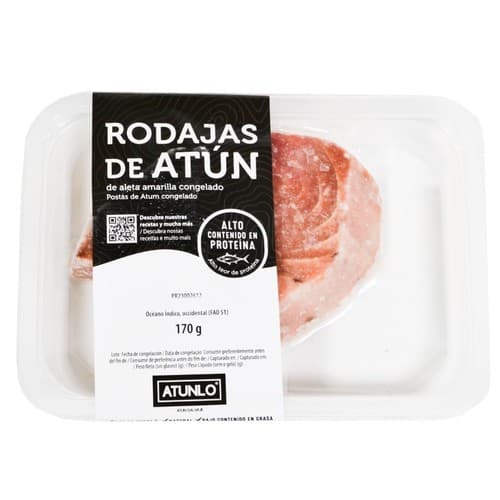
€3.25Natural Tuna Rondanxa
ATUNLO · kg · Bonpreu
 €5.37
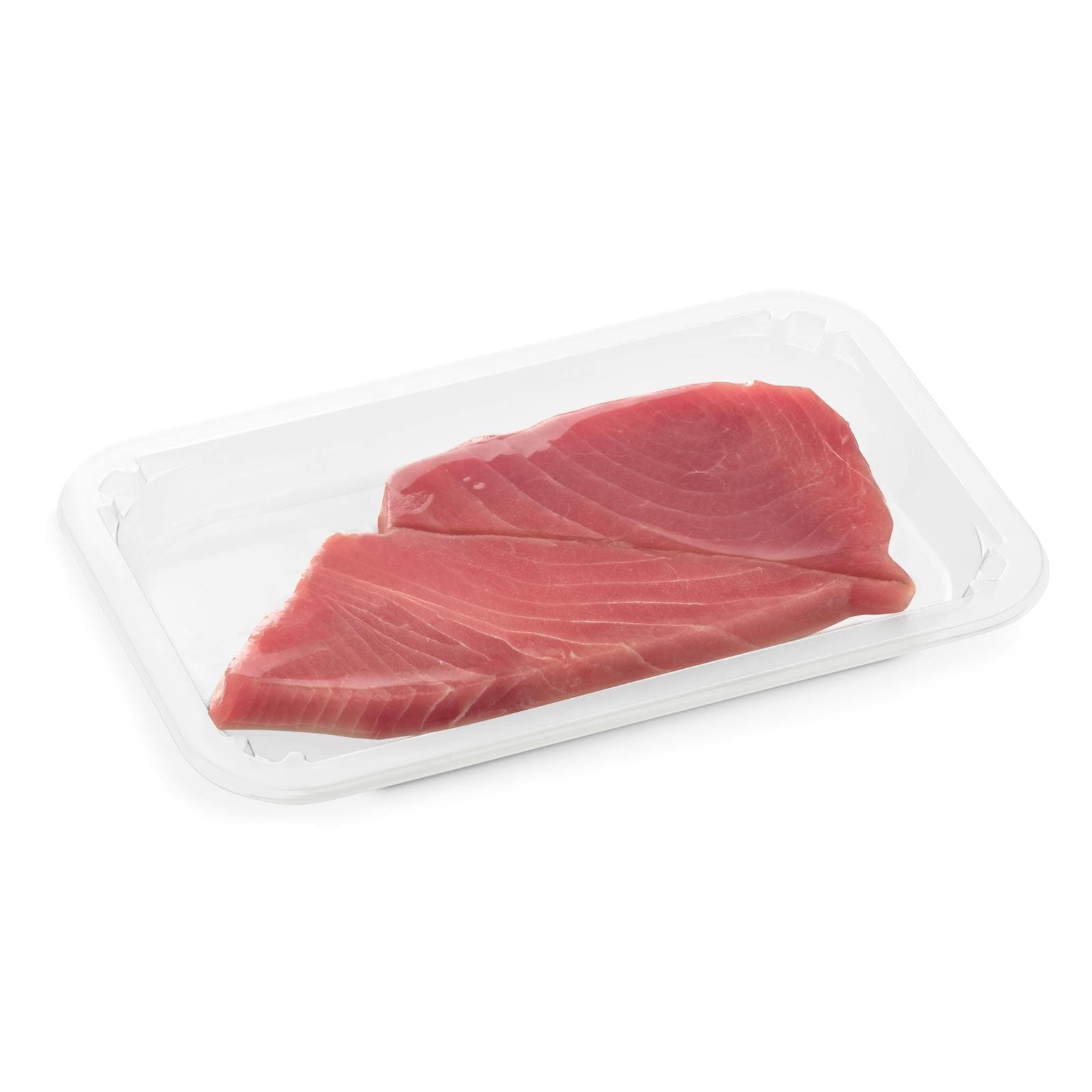
€5.37Yellowfin Tuna Slices
235 g · Mercadona
 €2.99
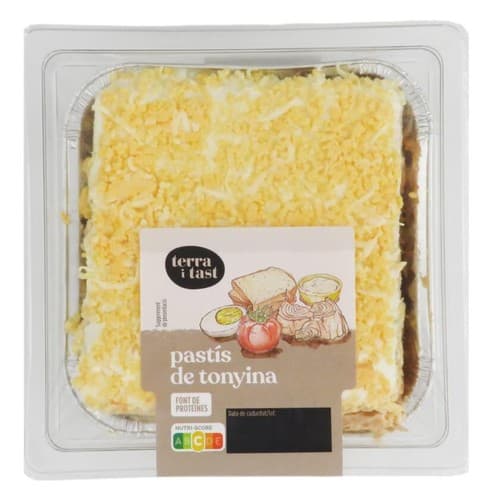
€2.99Terra i Tast Tuna Cake
TERRA I TAST · kg · Bonpreu
Good to know
- Species
- Bluefin tuna (Thunnus thynnus, Pacific bluefin T. orientalis)
- Cut Location
- Anterior ventral belly muscle, beneath the ribs and above the belly wall
- Fat Content
- 20–35% by weight; highest of any tuna cut
- Color and Texture
- Pale pink to ivory with white marbling (ashi); fat is firm when cold but melts at body temperature
- Peak Season
- Winter-caught Pacific bluefin (Nov–Feb) for superior fat accumulation
- Sashimi Safety
- Must be blast-frozen at −20°C (−4°F) for 24+ hours or −35°C (−31°F) for 15+ hours to kill parasites
- Shelf Life
- 2–3 days refrigerated at 0–2°C (32–36°F); deteriorates rapidly beyond that
- Typical Price
- $60–150+ per kilogram at wholesale markets like Tsukiji/Toyosu
Substitutes
- Chutoro (medium-fatty tuna belly) — From the middle section of the belly with 10–15% fat content; the closest substitute offering recognizable richness at roughly half the price
- Yellowfin tuna belly (ahi), leaner cut — Not a direct substitute—the fat content is far lower and texture is firmer, but acceptable when bluefin otoro is unavailable or budget-constrained
- Spanish mackerel (sawara) belly — High fat content and similar melt-in-mouth quality; different flavor profile (more pronounced fishiness) but a worthy alternative for sashimi presentations
- Otoro from yellowfin tuna — Less common but exists in some markets; fat quality and marbling are inferior to bluefin but provide a similar eating experience at a lower price point
Pairs with
Also called
Otoro · Toro · Tuna Belly
Related
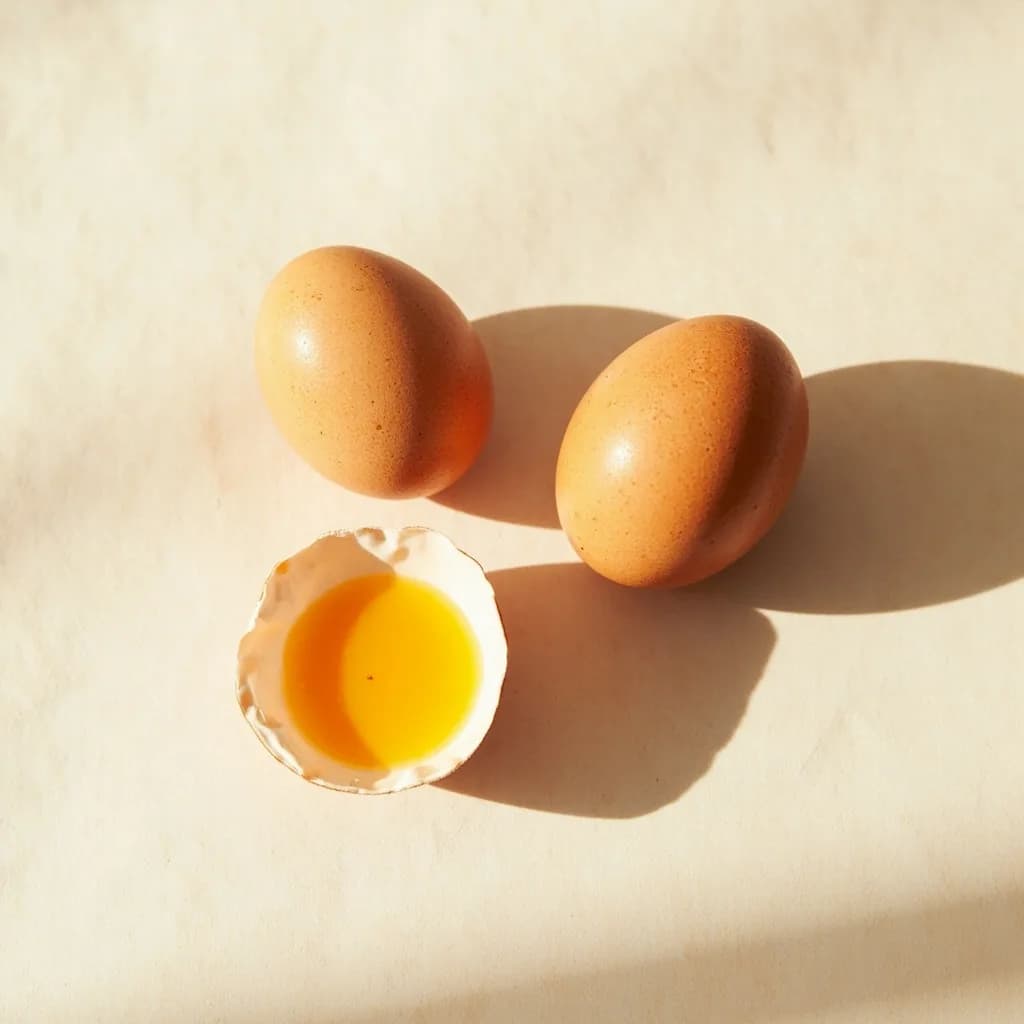
Egg
The kitchen's everything ingredient — bind, leaven, enrich, or fry
Chicken Breast
Lean, quick-cooking white meat for everyday dinners

Ground Beef
Versatile minced beef for burgers, ragù, tacos, and meatballs
Pork Loin
Lean, tender roasting cut that stays juicy with care
Salmon
Rich, rosy fish that roasts, grills, or cures beautifully

Egg White
Pure protein that whips to airy peaks for meringue and more
Egg Yolk
Rich, golden yolk for custards, mayonnaise, and pasta

Quail Egg
Tiny, speckled eggs for garnishing and elegant bites