Proteins
Bonito Flakes (Katsuobushi)
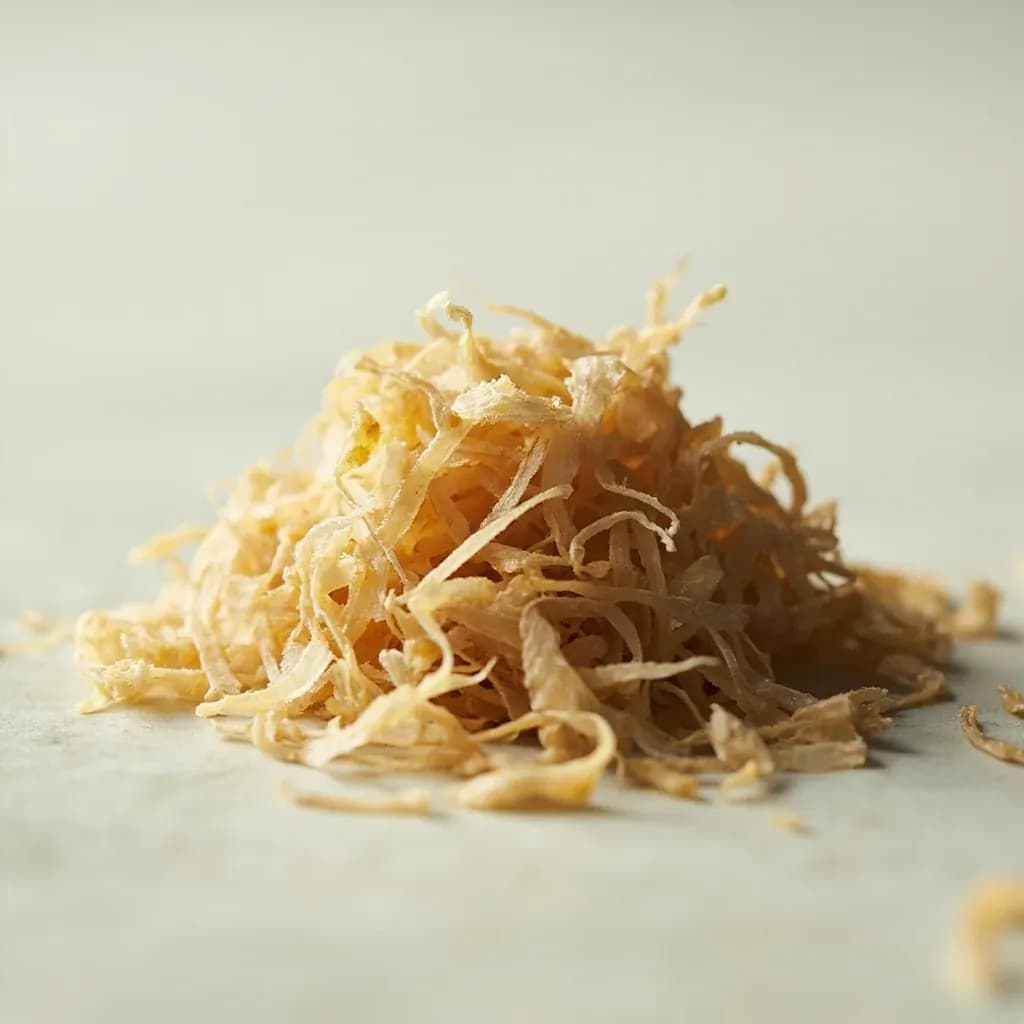
Paper-thin shavings of dried, smoked, fermented skipjack tuna that give Japanese dashi its deep umami.
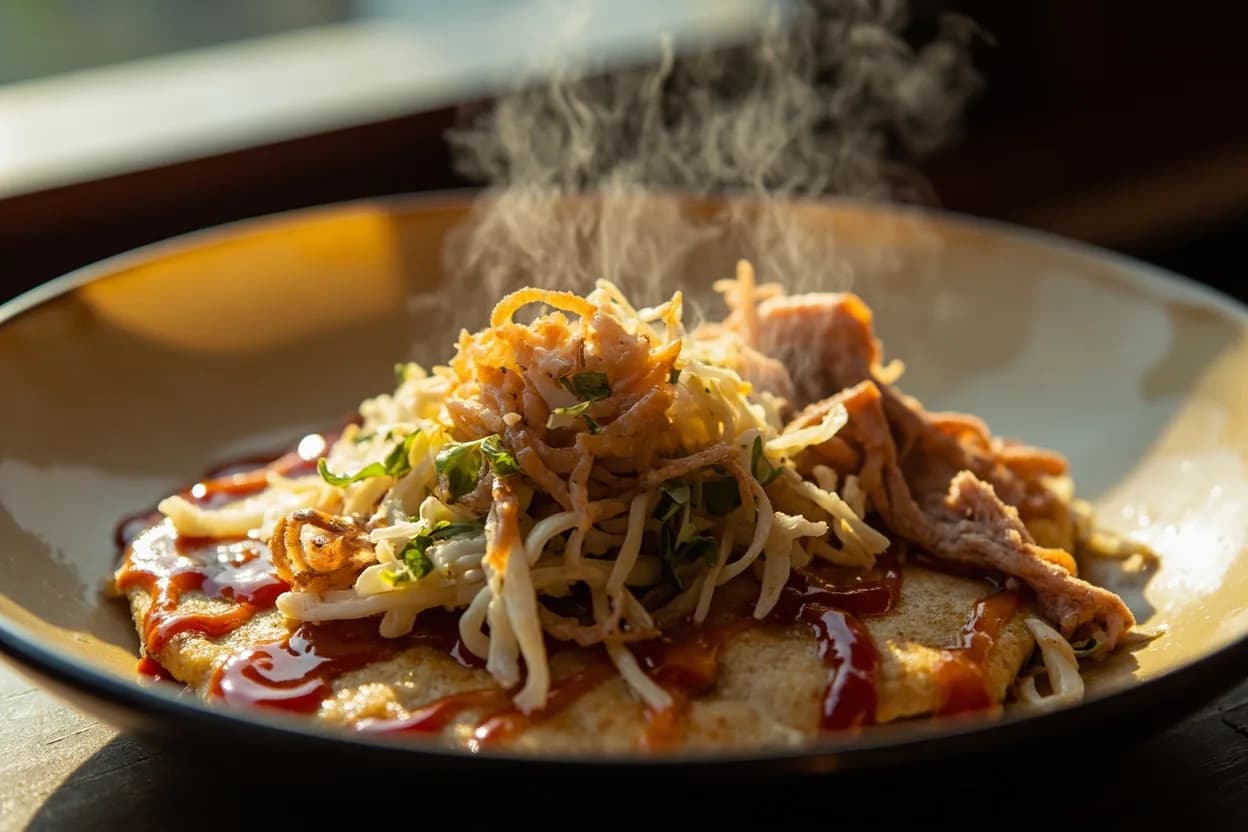
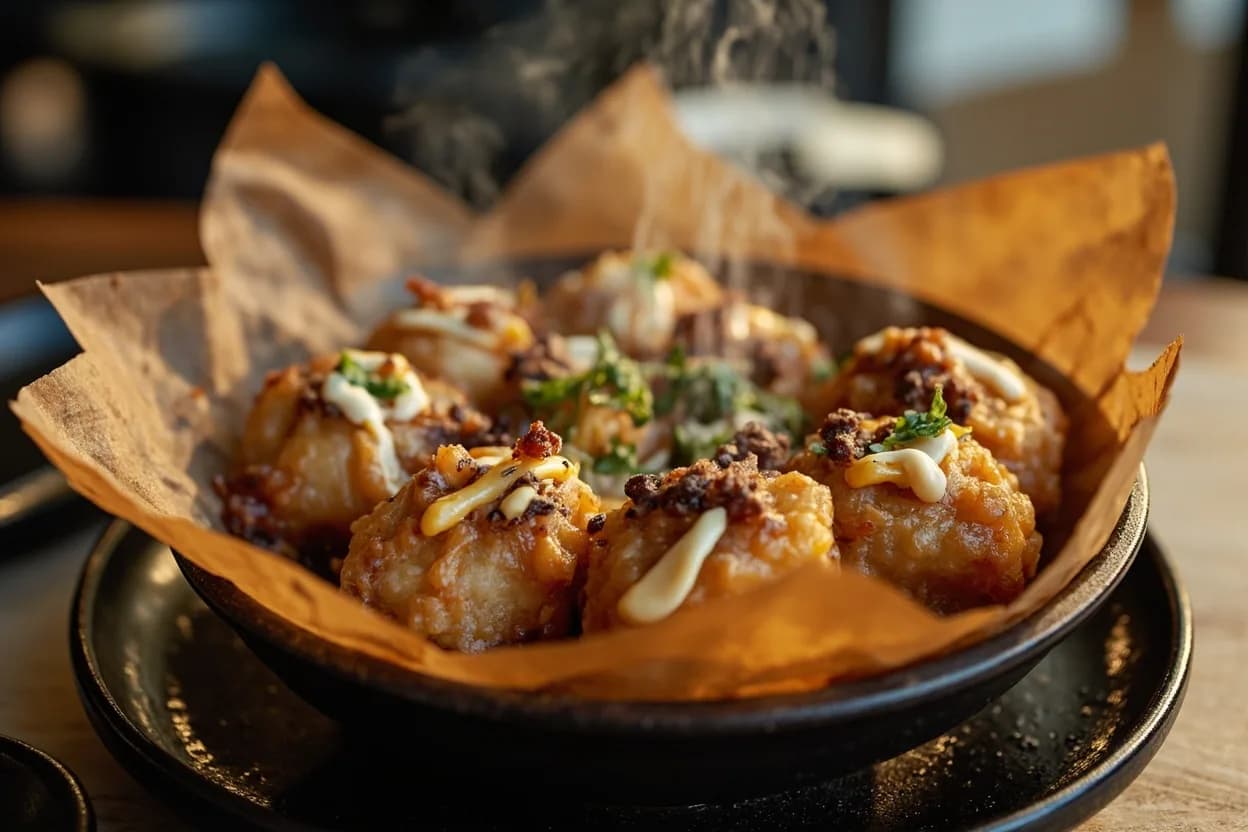
Bonito flakes are wispy shavings of katsuobushi, a block of skipjack tuna that has been simmered, smoked, and sometimes fermented until rock-hard. They are steeped in hot water to make dashi, the foundational Japanese stock, and sprinkled as a topping on okonomiyaki and takoyaki where they 'dance' in the rising heat. They deliver concentrated smoky, savory umami.
Katsuobushi is dried, smoked, fermented skipjack tuna shaved into paper-thin curls—a cornerstone of Japanese cooking that transforms water into dashi, the clear, deeply savory stock that underlies miso soup, noodle broths, and countless simmered dishes. The skipjack is steamed, smoke-dried over pinewood for weeks, then aged for months; this extended process concentrates glutamates to an extraordinary degree, making katsuobushi one of the most potent natural umami sources in any kitchen. Its flavor is assertive yet clean: smoke, sea, and a profound savory backbone that no other ingredient replicates exactly.
The product was codified during the Edo period as a preserved protein source accessible to both samurai and commoners, but it remained an artisan-crafted specialty until mechanized shavers became common in the twentieth century. Hand-shaved katsuobushi, produced with a traditional katsuobushi kezuriki, retains more volatile aroma compounds and is preferred by serious chefs, particularly for aged hon-karebushi. When buying, smell for sweet smoke rather than sharp rancidity; fresh shavings have a pronounced, almost floral aroma that fades as they oxidize. The color ranges from pinkish-tan to dark reddish-brown depending on variety and age, and quality flakes dissolve rapidly in hot liquid—if they resist dissolving, the steep is likely too cold or the product past its best.
- Measured in
- g
- Storage
- Pantry
Allergens
Types & varieties
Traditional, aged 3–6 months after smoking; highest quality, deepest flavor, primarily from Kagoshima
Smoked and dried briefly; lighter color, milder smoke, less fermented character
Finely shaved variety; dissolves quickly and is preferred in modern commercial and home kitchens for dashi
Ground katsuobushi; ideal for dry rubs, sauces, furikake, and faster dissolution in liquid
Sweet miso-cured bonito from Kyoto; a condiment, not a dashi ingredient
The Umami Mechanism
Katsuobushi's extraordinary savory power comes from the natural accumulation of free glutamate during fermentation. The multi-month smoking and drying process converts the fish's proteins into concentrated free amino acids—primarily glutamate, which triggers the umami taste receptors on the tongue. When dissolved in hot water, these glutamates extract rapidly, which is why dashi can be made in under a minute. This same mechanism is why katsuobushi pairs synergistically with ingredients rich in inosinate (such as other fish or meat) or with kombu (rich in guanylate), multiplying the umami effect beyond what either ingredient achieves alone.
- Glutamate is water-soluble and extracts best at 70–80°C (160–175°F)
- Guanylate from kombu plus glutamate from bonito creates a synergistic umami boost of roughly 3–4x
- Aged hon-karebushi has higher glutamate concentration due to extended fermentation
Buying and Storing
Quality varies widely. Sokogiri is the most widely available and perfectly serviceable for everyday dashi. For serious cooking, seek out hon-karebushi from Kagoshima, which has a deeper, more complex flavor from extended aging. The key quality indicator is aroma—fresh shavings should smell intensely of sweet smoke; dull or rancid aroma signals age or poor storage. Once opened, transfer to an airtight container and refrigerate or freeze. At room temperature, the flakes oxidize and lose aromatic potency within weeks. Frozen storage preserves flavor for months with no degradation.
- Look for consistent flake thickness; uneven shaving can mean inconsistent extraction
- Avoid products with added salt, sugar, or flavor enhancers listed on the label—pure katsuobushi shaves best and tastes cleanest
- Buy in quantities you will use within 2–3 months of opening for best results
Common uses
Tips & pitfalls
- Use water just below a boil (70–80°C/160–175°F) for dashi; boiling makes it bitter and cloudy
- Steep flakes 30–60 seconds only, then strain—do not simmer or reboil dashi with bonito in it
- Tie flakes loosely in cheesecloth for easier removal and cleaner straining of the broth
- Add flakes to cold liquid and bring to temperature together for fuller, more complete extraction of glutamates
- Grate or grind aged hon-karebushi immediately before use to release volatile aroma compounds before they dissipate
- Do not rinse bonito flakes; they are meant to dissolve into the dish
- If flakes resist dissolving after steeping at correct temperature, the product is low quality or stale—discard and try fresh
- Store opened katsuobushi in the freezer if you use it infrequently; flavor degrades within weeks at room temperature once opened
Nutrition
Nutrition
No USDA FoodData Central match for Bonito Flakes (Katsuobushi) yet. We surface a per-100 g profile once a generic whole-food entry is matched and verified.
In the shops
Matched grocery products
No matched grocery products for Bonito Flakes (Katsuobushi) yet.
Good to know
- Source fish
- Skipjack tuna (Katsuwonus pelamis)
- Processing
- Steamed, smoked over pine, dried for months, then shaved into paper-thin curls
- Primary origin
- Japan; Kagoshima Prefecture is the leading production center for premium grades
- Flavor profile
- Intense savory-umami, smoky, slightly fishy, clean finish
- Form
- Feathery curls; also available as powdered tororo for dry applications
- Shelf life
- 6–12 months sealed; indefinitely refrigerated or frozen once opened
- Quality test
- Fresh flakes dissolve quickly in hot water; flakes that resist dissolving indicate low quality or insufficient steep temperature
Substitutes
- Dried shiitake mushrooms — Vegetarian dashi base; steep the same way, different flavor profile but comparable umami depth
- Kombu dashi — Kombu-based vegetarian stock; blend with vegetable stock for complexity
- Nori flakes or powdered nori — Adds sea flavor but less umami backbone; use half the quantity and expect a different result
- Asian fish sauce — Adds umami but not the smoky, savory depth of bonito; use drop by drop as a last resort
- Reconstituted dried sardines (niboshi) — Traditional dashi base in some regions; stronger fish flavor, darker color, better for assertive soups
Pairs with
Also called
Bonito Flakes (Katsuobushi) · Katsuobushi · 柴魚 · Dried Bonito Flakes · Skipjack Flakes
Appears in these dishes
Related
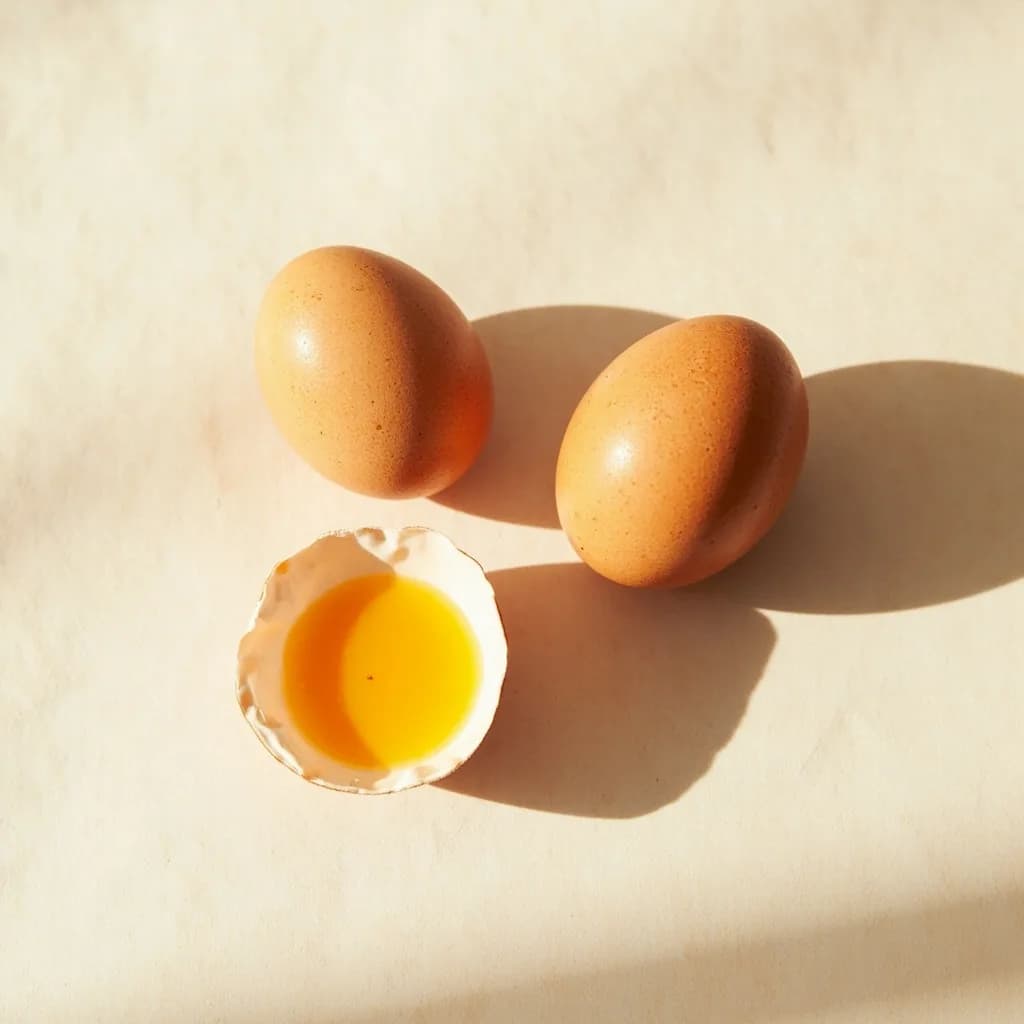
Egg
The kitchen's everything ingredient — bind, leaven, enrich, or fry
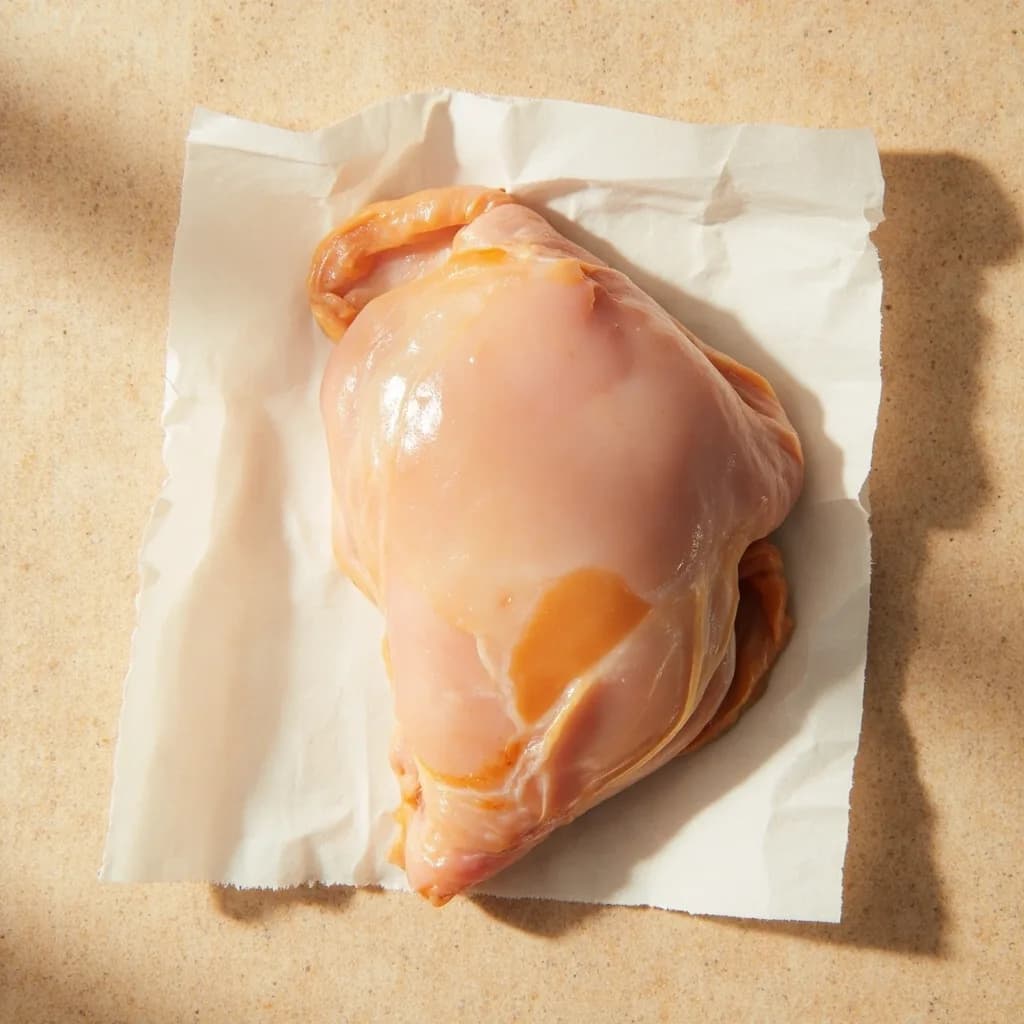
Chicken Breast
Lean, quick-cooking white meat for everyday dinners

Ground Beef
Versatile minced beef for burgers, ragù, tacos, and meatballs
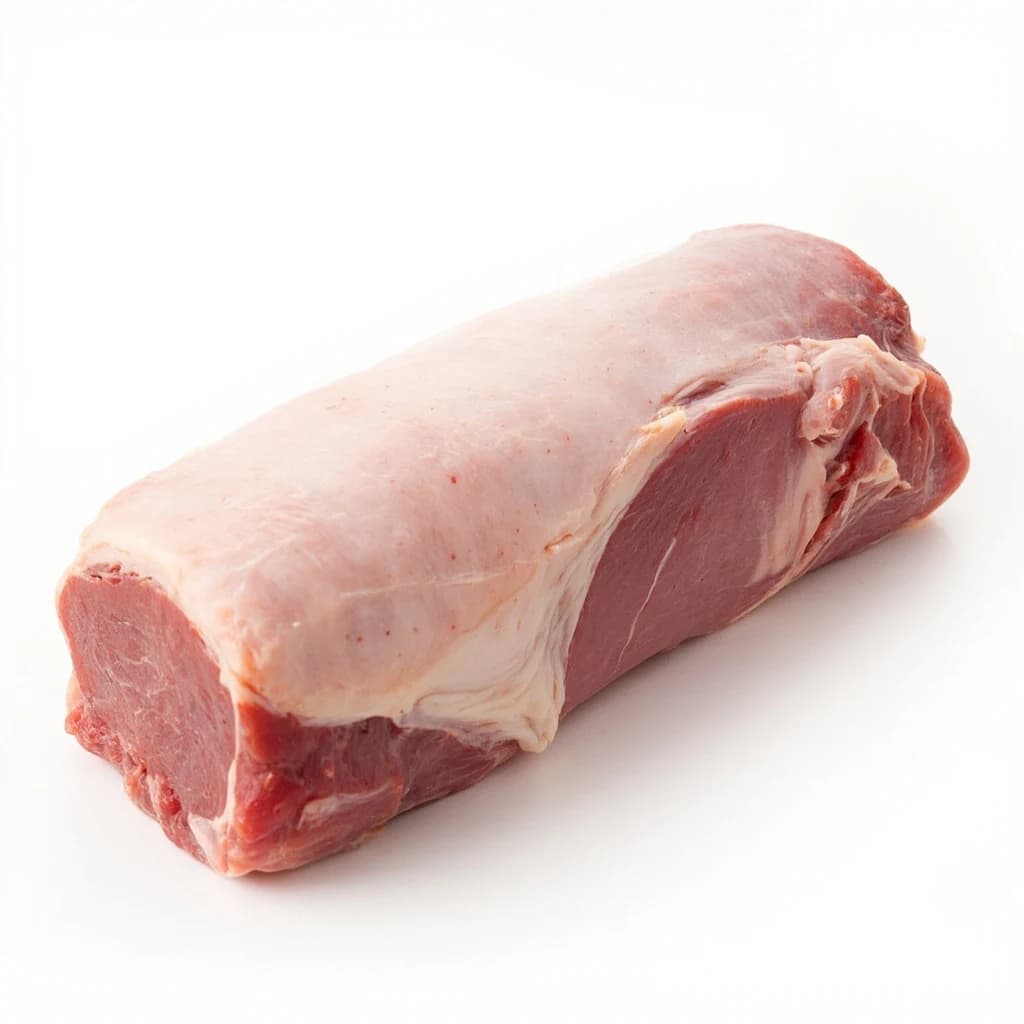
Pork Loin
Lean, tender roasting cut that stays juicy with care
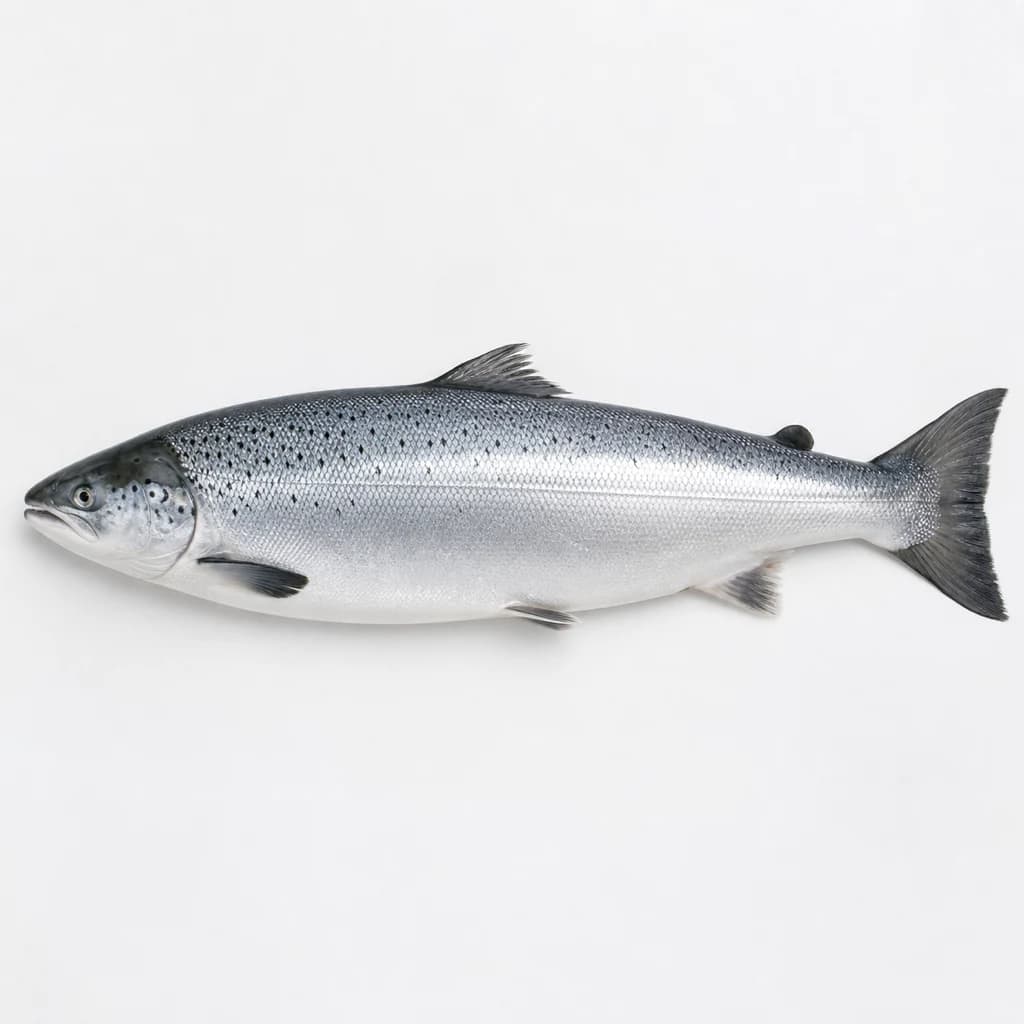
Salmon
Rich, rosy fish that roasts, grills, or cures beautifully

Egg White
Pure protein that whips to airy peaks for meringue and more
Egg Yolk
Rich, golden yolk for custards, mayonnaise, and pasta

Quail Egg
Tiny, speckled eggs for garnishing and elegant bites