Proteins
Horse Mackerel (Aji)
Oily, full-flavored small fish grilled whole or served as sashimi in Japan (aji).
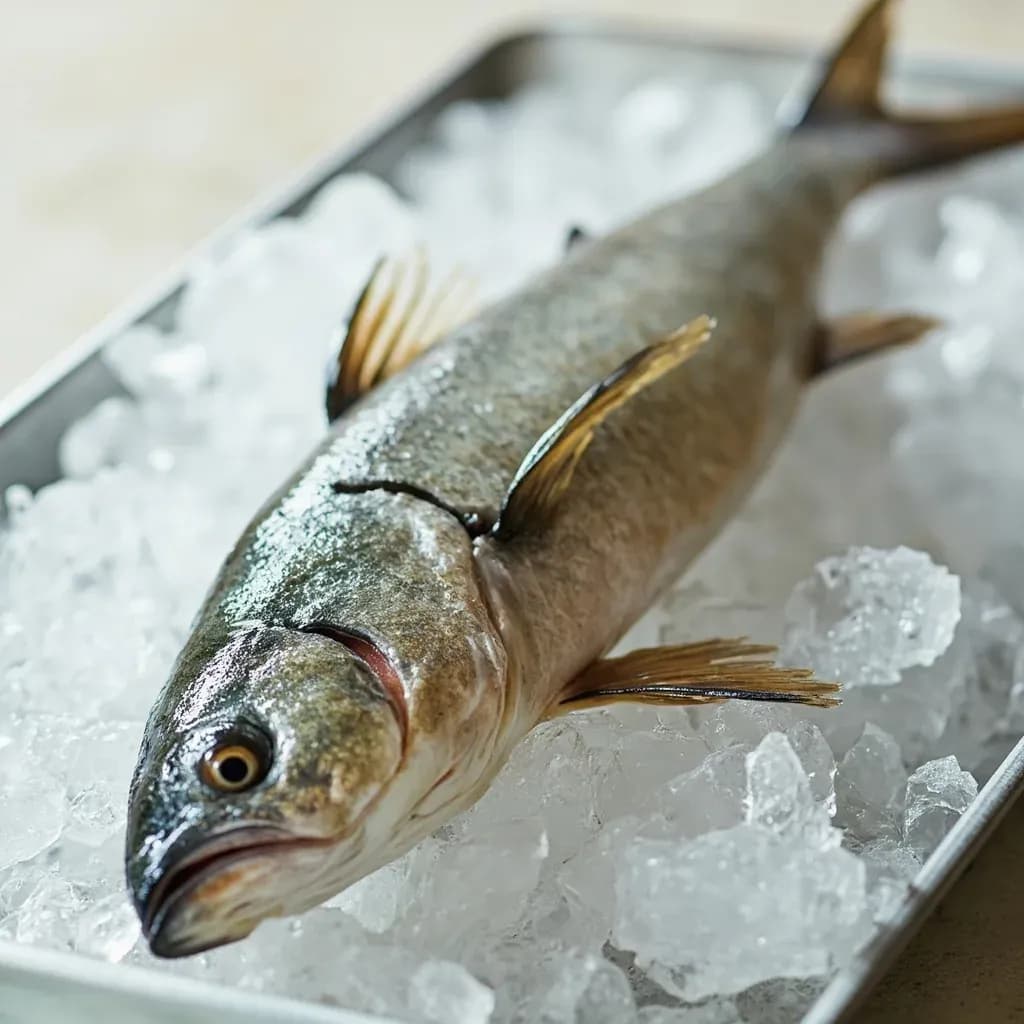
Horse mackerel, called aji in Japan, is a small oily fish with rich, savory flesh. It is grilled whole with salt, dried into himono, or served raw as sashimi and tataki. Its high oil content gives a deep umami flavor that pairs with ginger, citrus and soy.
Horse mackerel (aji) is a small, oily fish prized throughout Japan for its rich, full-flavored flesh and high fat content, particularly in the belly section known as toro. Unlike mild white fish, aji delivers pronounced umami and a distinctive fishy character that intensifies with freshness—making it both demanding and rewarding to work with. The flesh is firm and dense, holding together well during grilling while the belly meat renders into an exceptionally fatty, melt-in-mouth texture that sushi chefs regard as a premium cut. Aji is considered a working-class fish in Japan—affordable and ubiquitous—yet among sushi chefs it commands respect as a challenge: its high fat and quick spoilage demand precise timing and handling. The fish is so closely tied to freshness that Tokyo's Tsukiji traders used to say aji tells the truth about a fishmonger's care within hours of catch. For home cooks, the single most important rule is: buy the morning of service, cook or eat immediately, and never refrigerate whole aji for more than a day regardless of how it looks.
- Measured in
- g
- Storage
- Fridge
Allergens
Types & varieties
True horse mackerel; the standard market species with high fat content and firm flesh
Smaller species (up to 20 cm); milder flavor, thinner flesh; common in Setouchi region, often grilled whole as piri-piri
Often sold as aji but actually white croaker (Pennahia argentata); milder, less oily; common in Western Japan markets
Common uses
Tips & pitfalls
- Never substitute frozen aji for sashimi—the texture becomes mealy and the flavor flat; only use sashimi-grade fresh fish raw
- For grilling: score the thickest part of the body (behind the head) 2–3 times to allow heat penetration and prevent curling; this is essential for even cooking
- The blood line running along the spine is bitter; remove it with a thin knife for cleaner flavor, especially important for raw preparations
- Season grilled aji at the table, not before cooking—salt draws moisture and will steam the flesh rather than crisping the skin
- When buying whole for sashimi, request the fish be killed by the spike method (ikejime) if available—this preserves the flesh quality significantly
- Aji spoils faster than most fish; if the eyes have clouded even slightly or the gills have dulled, cook it rather than serving raw
- The liver (shimo) and roe are considered delicacies—ask your fishmonger to save them; liver is briefly seared and served with ponzu, roe is pickled or grilled
- The belly meat (toro) is the most prized part; if buying whole, negotiate to have it reserved or learn to remove it yourself for maximum yield
Nutrition
Nutrition
No USDA FoodData Central match for Horse Mackerel (Aji) yet. We surface a per-100 g profile once a generic whole-food entry is matched and verified.
In the shops
Matched grocery products
No matched grocery products for Horse Mackerel (Aji) yet.
Good to know
- Scientific Name
- Trachurus symmetricus (Pacific horse mackerel)
- Japanese Name
- Aji (鯵)
- Peak Season
- Late autumn through winter (November–February) for wild catch; aquaculture available year-round
- Flavor
- Rich, full-bodied with pronounced umami backbone and sweet undertone; pronounced fishiness when very fresh
- Texture
- Firm, dense flesh that holds together well; high fat content especially in the belly (toro)
- Size
- Typically 20–40 cm; market size 25–35 cm preferred for grill; larger specimens called "o-agane"
- Freshness Indicators
- Bright red gills, clear bulging eyes, iridescent scales, firm flesh that springs back; belly should feel heavy with fat
- Nutritional Notes
- High in omega-3 fatty acids (EPA, DHA); excellent source of vitamin B12 and selenium
- Storage
- Use within 24 hours of purchase for sashimi; wrap tightly, refrigerate at 0–2°C; freeze only if absolutely necessary (degrades texture)
- Yield
- Head-off, gutted: ~55–60%; filleted: ~40–45%; belly (toro): ~15% of flesh, the premium cut
- Common Forms
- Whole (market standard), filleted, as sashimi-grade blocks; frozen HGT (head-gutted-trimmed) common for foodservice
Substitutes
- Spanish Mackerel (Goma-saba) — Similar fat content and firm texture; slightly stronger flavor; good one-to-one substitute for grilling or baking
- Blue Mackerel (saba) — Higher fat, more pungent; reduce cooking time slightly; excellent for kabayaki but overpowering for sashimi
- Yellowtail/Amberjack (buri or kanpachi) — Milder flavor, larger flakes; works for sashimi and grilled preparations but lacks aji's characteristic richness
- Atlantic Mackerel — Closely related species; nearly identical culinary properties; widely available outside Japan
Pairs with
Also called
Aji · Scad
Appears in these dishes
Related
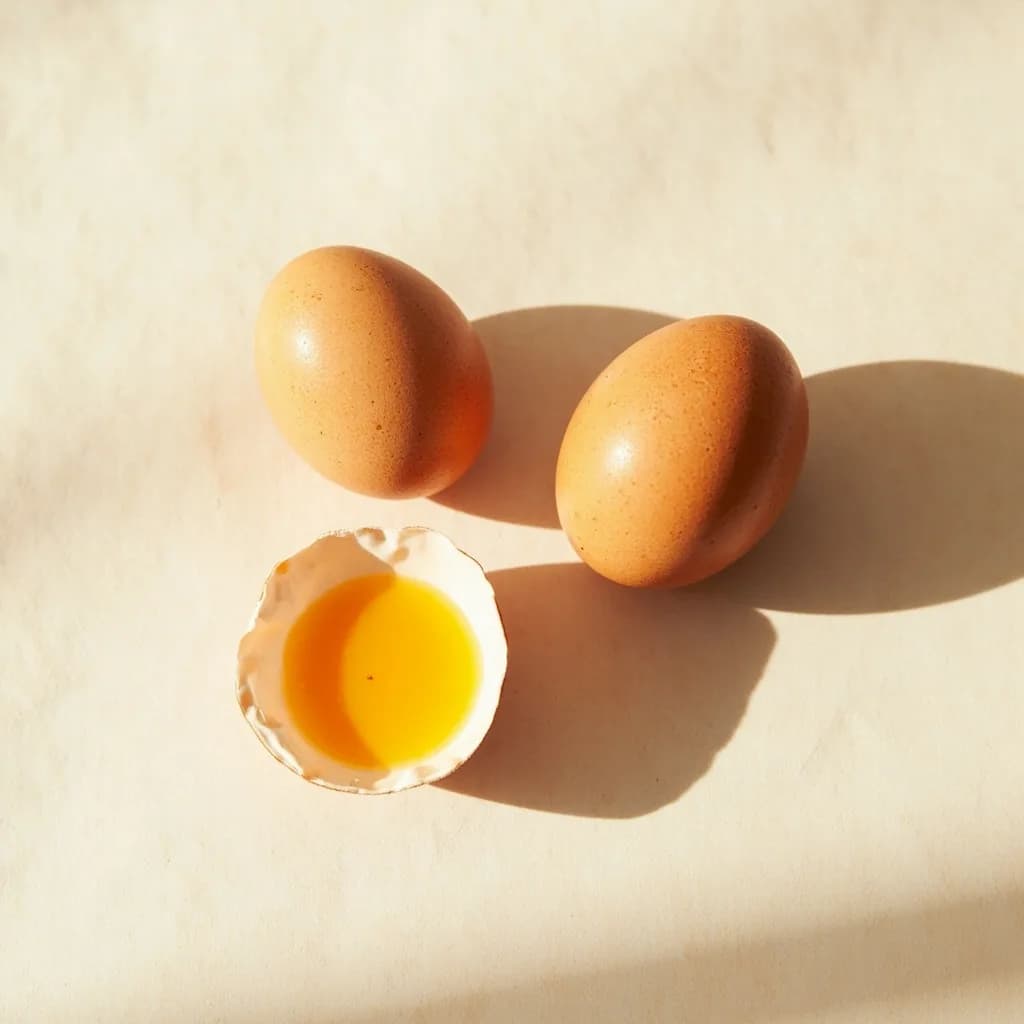
Egg
The kitchen's everything ingredient — bind, leaven, enrich, or fry
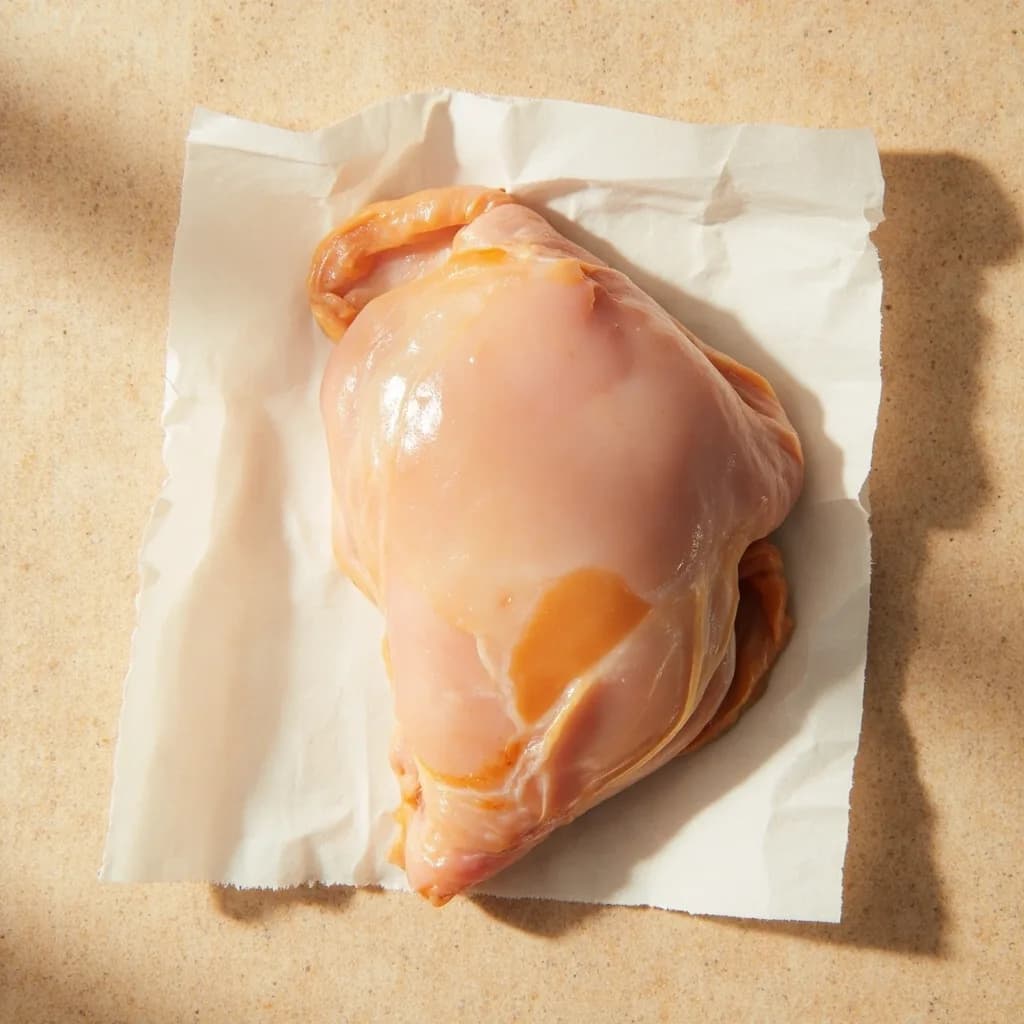
Chicken Breast
Lean, quick-cooking white meat for everyday dinners

Ground Beef
Versatile minced beef for burgers, ragù, tacos, and meatballs
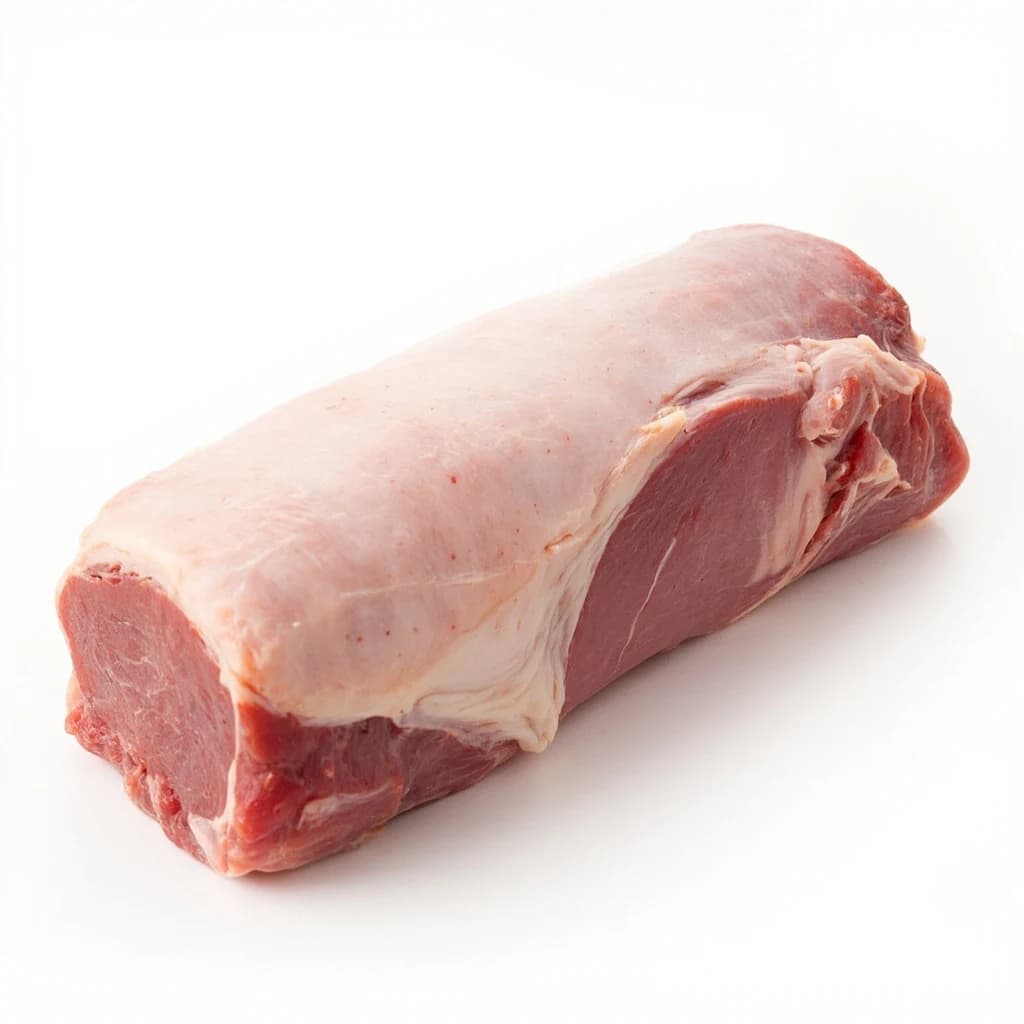
Pork Loin
Lean, tender roasting cut that stays juicy with care
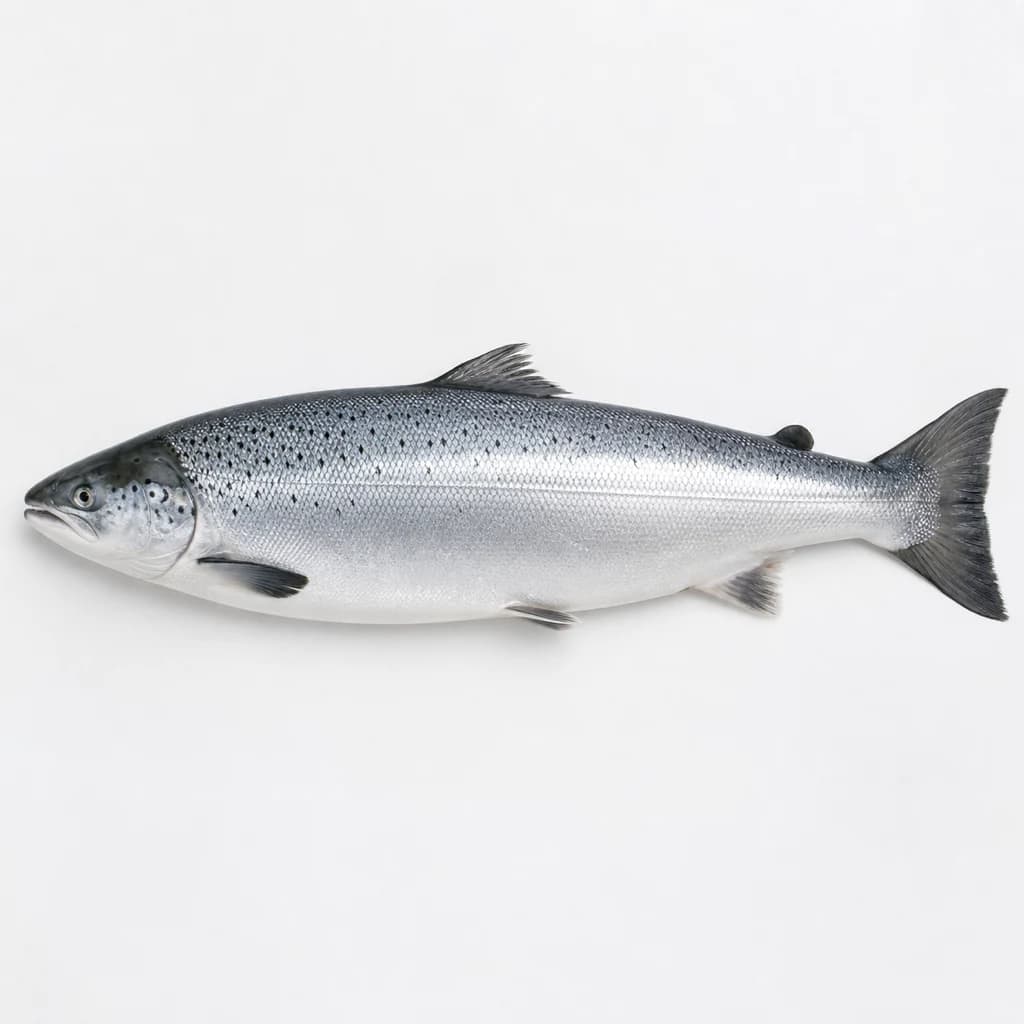
Salmon
Rich, rosy fish that roasts, grills, or cures beautifully

Egg White
Pure protein that whips to airy peaks for meringue and more

Egg Yolk
Rich, golden yolk for custards, mayonnaise, and pasta

Quail Egg
Tiny, speckled eggs for garnishing and elegant bites