Proteins
Seer Fish (Thora)
Firm-fleshed king mackerel popular in South Indian and Sri Lankan curries and fry.
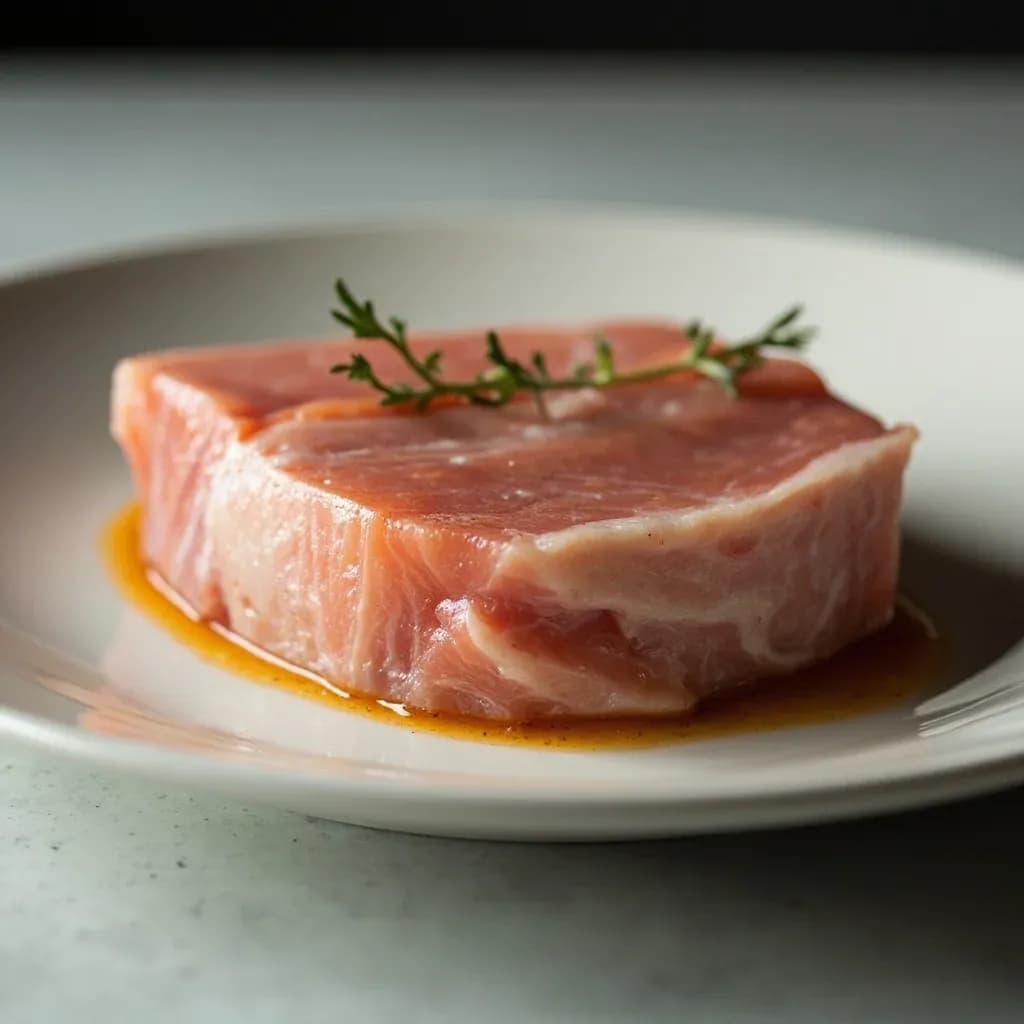
Seer fish is a large king mackerel widely eaten across South India and Sri Lanka for its firm, meaty steaks and few bones. It is cut into thick cross-section steaks for spicy fish curries, shallow-fried with masala, or grilled. Its dense flesh holds up well to bold seasoning.
Seer fish is not a single species but a small group of large Indo-Pacific mackerels in the genus Scomberomorus, with Scomberomorus commerson (the narrow-barred Spanish mackerel) dominating markets from East Africa through Southeast Asia to northern Australia. In South Indian and Sri Lankan kitchens it goes by a dozen names — thora in Sri Lanka, neymeen or vanjaram in Tamil Nadu, aiykoora in Kerala, and surmai in much of the rest of India — but cooks recognize it instantly by its firm, pale flesh, large flakes, and a pronounced, savory, slightly briny flavor that sits between salmon and shark. That oil-rich muscle is the reason seer is the prestige frying and curry fish of the coast: it takes high heat without falling apart, and it carries spice with uncommon authority.
What sets seer apart from leaner white fish is the marriage of fat and structure. The flesh is semi-dry rather than milky, holds a clean edge in a hot pan, and slices into steak-like portions that are forgiving enough for a home cook but rewarding enough for a fish specialist. Its downsides are real and worth respecting: the flavor flattens within a day or two of icing, the dark bloodline along the spine can taste muddy if left on, and slow braising turns it cottony. Treat seer the way you would a good tuna or mackerel steak — buy it fresh, cut it thick, sear it hard, and finish it fast — and the fish will give back everything you put in.
Because the name covers three closely related species and shifts from region to region, it pays to know what you are buying. Commerson's seer is the largest and oiliest, spotted seer (S. guttatus) is smaller and slightly milder, and streaked seer (S. lineolatus) sits between the two. Most home cooks will never see them labeled with such precision, but the cooking rules are the same across the group.
- Measured in
- g
- Storage
- Fridge
Allergens
Types & varieties
The largest and most prized, often 5–10 kg or more; bold, oily flesh; favored for Sri Lankan thora fry and Kerala neymeen curry.
Smaller, commonly 1–3 kg; slightly milder and a touch leaner; the everyday Tamil Nadu and southern Kerala seer.
Medium-sized, leanest of the three; used interchangeably in home kitchens; benefits from a short marinade.
Whole, gilled and gutted, steaks (2–2.5 cm thick), fillets, and prized belly and collar pieces for shallow frying.
Buying and judging freshness
Seer is one of those fish where the difference between a good piece and a tired piece is the entire dish. The oils that make it delicious oxidize quickly, and once that happens no amount of chili or tamarind will bring it back. Stand at the counter and use your eyes before your wallet.
- Eyes should be clear, full, and convex — not cloudy or sunken.
- Gills should be bright cherry or brick red, never brown, gray, or slimy.
- Skin should look metallic with tight, intact scales; a dull, patchy surface means the fish has been on ice too long.
- Press the thickest part of the flesh; it should spring back and feel firm, not leave a dent.
- Ask for the fish to be gutted and steaked on the spot if you are cooking within a few hours — the cut surface is your best freshness check.
Marinades and the logic behind them
Almost every classic seer preparation starts with a turmeric-and-salt marinade, and that is not tradition for its own sake. Turmeric tames the surface bacteria, salt draws off a little moisture so the flesh can sear, and the two together soften the fish's strong sea note without masking it. Beyond that base, regional styles branch out: roasted curry powder in Sri Lanka, fennel and pepper in Chettinad, ginger-garlic-green chili paste for banana-leaf roasts.
- Minimum 15–20 minutes for turmeric-salt; longer (1–2 hours) for spice pastes that need to penetrate.
- Pat the fish dry before it hits the pan — surface moisture is the enemy of a crisp sear.
- For tawa fry and grilled steak, a touch of rice flour or rawa in the marinade adds audible crunch without coating the fish in batter.
Why high heat is non-negotiable
Seer has enough intramuscular fat to lubricate a hot pan and enough connective tissue to hold its shape, but not enough moisture to survive a long simmer. Think of it as you would a beef steak: a hard, fast sear on the outside, a just-cooked interior, and out of the pan. In curries, the pieces are added after the masala is fully cooked and the gravy is at a full rolling simmer, then finished in 6–8 minutes.
- Cut steaks 2–2.5 cm thick; thinner pieces overcook before they brown.
- Score the skin lightly in a shallow crosshatch for even cooking and marinade uptake.
- Do not crowd the pan — steam is the enemy of crust.
- Finish cooked pieces on a warm plate, not back in the pan, or carryover heat will dry them out.
The surmai confusion
The word 'surmai' travels further than the species behind it. In coastal Maharashtra and parts of North India, surmai can refer to seer, but it is also used loosely for other large mackerel-like fish, and 'kingfish' abroad may mean Atlantic king mackerel, wahoo, or even a totally unrelated species. If a recipe specifically calls for seer, confirm the cut: pale, firm, large-flaked flesh with a thin lateral line of pin bones.
- Scomberomorus species all cook by the same rules and can stand in for one another.
- Atlantic king mackerel has a stronger, sometimes 'muddy' flavor; trim dark meat before using as a substitute.
- If a fish counter labels something 'kingfish' with no further detail, ask which species before committing to a high-heat recipe.
Common uses
Tips & pitfalls
- Buy on the day you cook it; seer loses its characteristic flavor within 24–36 hours on ice.
- Look for clear convex eyes, bright red gills, and metallic skin — the three freshness checks that never fail.
- Cut steaks 2–2.5 cm thick so the outside sears before the interior dries out.
- Always include turmeric and salt in the marinade for at least 15–20 minutes; it both seasons and steadies the fish.
- Trim the dark bloodline along the spine of larger fish; it carries a muddy, iron-rich flavor that throws off a clean curry.
- Finish seer in curry sauces by sliding raw or seared pieces into a fully cooked, rolling-simmer gravy for no more than 6–8 minutes — longer and the flesh goes cottony.
- Use mustard oil or coconut oil for traditional South Indian and Sri Lankan fry preparations; the flavor pairing is part of the dish, not optional.
- Beware mislabeling — 'surmai' and 'kingfish' can refer to different species depending on the market, so confirm you are getting Scomberomorus before committing to a seer-specific recipe.
Nutrition
Energy
439 kJ · per 100 g
Where the calories come from
Protein
20.3g
41% DV
Carbs
0g
0% DV
Fat
2g
3% DV
Fiber
0g
0% DV
Sodium
158mg
7% DV
Source · USDA FoodData Central · Fish, mackerel, king, raw
View on FDC →In the shops
Matched grocery products
No matched grocery products for Seer Fish (Thora) yet.
Good to know
- Primary species
- Scomberomorus commerson (narrow-barred Spanish mackerel); S. guttatus and S. lineolatus also sold as seer
- Family
- Scombridae (mackerel family)
- Regional names
- Thora (Sri Lanka), neymeen / vanjaram (Tamil Nadu), aiykoora / ayakura (Kerala), surmai (much of India)
- Flesh character
- Firm, semi-dry, moderate-to-high oil content, large flakes; pale pink raw, opaque white when cooked
- Typical market size
- Whole fish 1–10 kg; steaks and fillets common; yields about 55–60% edible flesh
- Bone structure
- Few small pin bones along the lateral line; main backbone lifts cleanly from steaks
- Storage
- Best cooked the day of purchase; on ice up to 2 days; freezes well 2–3 months if vacuum-sealed
- Indicative price tier
- Premium among South Asian coastal fish — above ordinary pomfret and mackerel, below large grouper and large pomfret
Substitutes
- Other Scomberomorus (Spanish mackerel) — The closest 1:1 substitute; cook by the same methods and times.
- Wahoo (ono) — Firm, lean, similar large flake; excellent for grilled steak and fry preparations.
- Atlantic king mackerel — Comparable size and oiliness; trim dark meat along the bloodline to mellow the flavor.
- Yellowfin tuna steak — Holds up to high heat and curry finishes; milder and drier, so shorten the curry cook time.
- Mahi-mahi — Firm but leaner; brush with oil before cooking to make up for the missing richness.
- Black pomfret — Mild, delicate substitute when seer is unavailable; not as oily, so shorten cooking time and finish with fat.
Pairs with
Also called
Thora · King Mackerel · Vanjaram · Surmai
Related
Egg
The kitchen's everything ingredient — bind, leaven, enrich, or fry
Chicken Breast
Lean, quick-cooking white meat for everyday dinners

Ground Beef
Versatile minced beef for burgers, ragù, tacos, and meatballs
Pork Loin
Lean, tender roasting cut that stays juicy with care
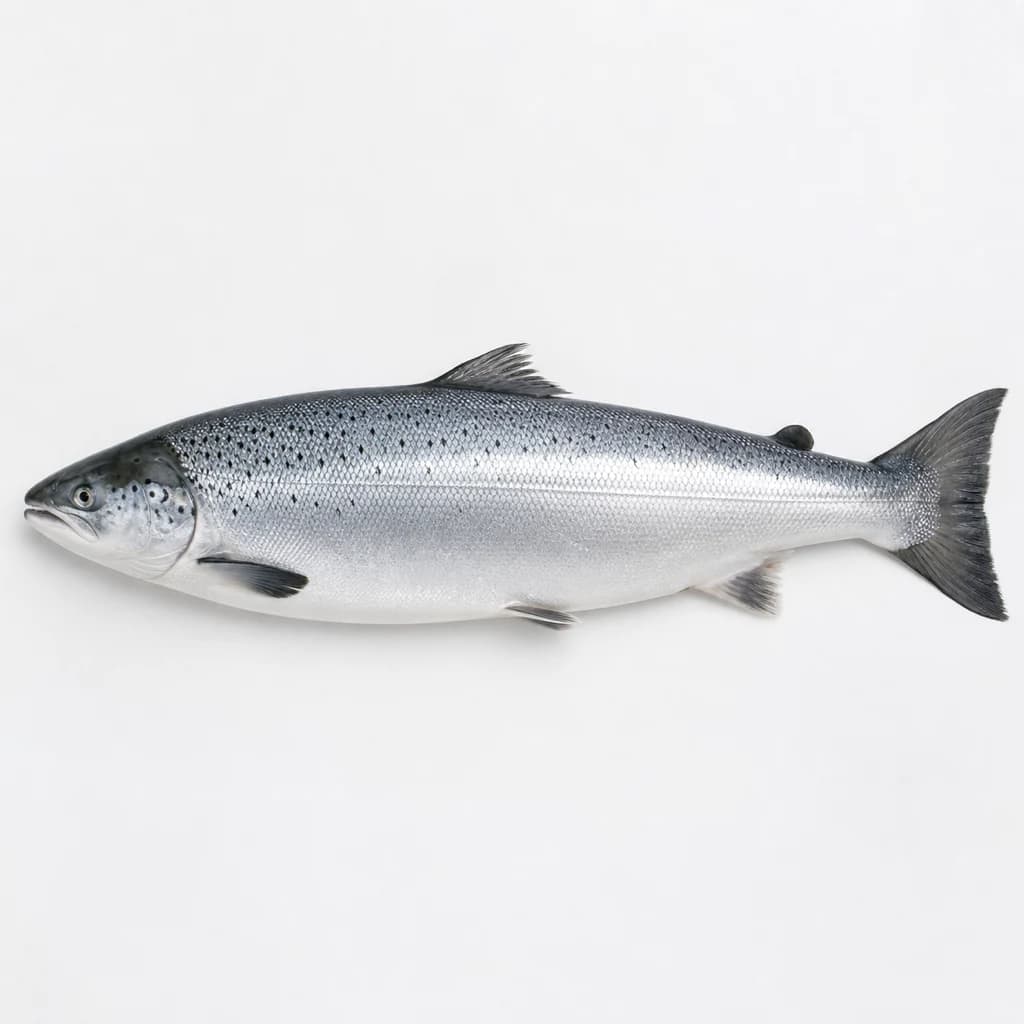
Salmon
Rich, rosy fish that roasts, grills, or cures beautifully

Egg White
Pure protein that whips to airy peaks for meringue and more
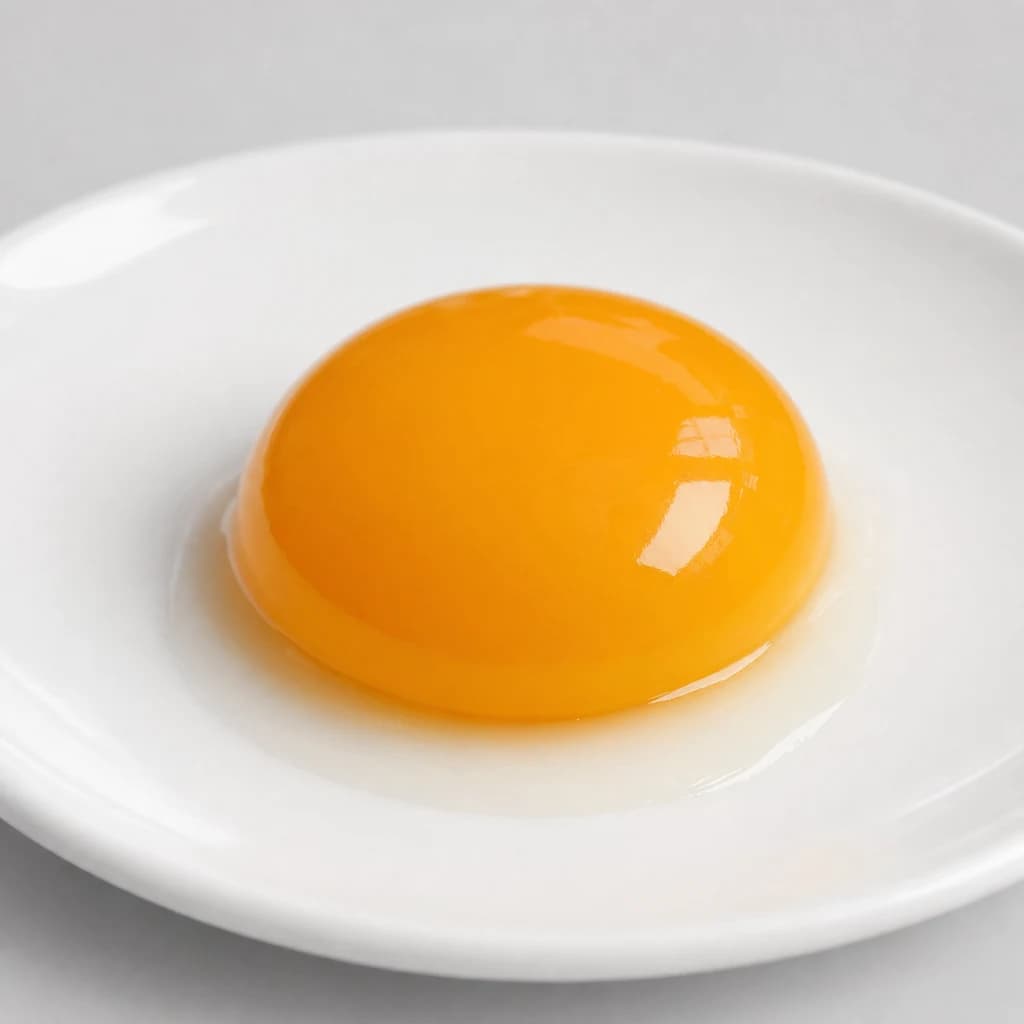
Egg Yolk
Rich, golden yolk for custards, mayonnaise, and pasta

Quail Egg
Tiny, speckled eggs for garnishing and elegant bites