
Natural form
Fresh banana leaf: broad, glossy, deep-green, with a thick central midrib running full length.
Shows the leaf's defining physical traits — scale, gloss, color, and midrib — so readers can identify it at a market or in packaging.
Produce
Banana Leaf
Large flexible leaves used as wrappers, plates, and steaming liners that add subtle aroma.
Banana leaves are the broad, glossy leaves of the banana plant, used as natural wrappers, steaming liners, and serving plates rather than eaten. Across Southeast Asia, India, the Caribbean, and Latin America they encase tamales, grilled fish, and steamed rice cakes, imparting a faint grassy aroma. They are usually softened over a flame to make them pliable before folding.
Banana leaves are the large, flexible, deep-green foliage of the banana plant (family Musaceae), ranging from 30 to 150 cm long and 20 to 60 cm wide depending on the maturity of the plant. Their distinguishing feature is a natural waxy coating that makes them waterproof and creates a non-stick surface without any pretreatment — a property food scientists have linked in part to antimicrobial compounds in the leaf extract, which may also help extend the shelf life of wrapped foods. Native to Southeast Asia and the Indian subcontinent, they are now cultivated in every tropical region and form the backbone of cooking traditions across Thai, Malay, Indonesian, Filipino, Vietnamese, Hawaiian, and Caribbean cuisines.
Unlike parchment paper or foil, banana leaves do not merely contain food — they actively participate in the cooking process. When heated, they release a subtle grassy, faintly herbal aroma that permeates the food without overpowering it, adding a dimension of flavor that no synthetic liner can replicate. The leaves fold into sealed packets that trap steam and aromatics, creating a humid cooking environment ideal for delicate fish, sticky rice, and slow-cooked meats. Beyond the stove, their stiff, wide surface makes them excellent disposable serving platters, a role they play in Malay, Filipino, and Caribbean cultures where they are also imbued with ceremonial significance.
Working with banana leaves requires understanding their physical behavior. Fresh leaves are pliable but can crack along the veins if bent sharply, especially when cold. The thick central rib running the length of the leaf must usually be removed before wrapping anything delicate. Once you learn to heat-treat the leaves briefly, cut around the rib, and orient them correctly (waxy side up for the food-contact surface), the leaf becomes one of the most versatile and forgiving tools in a tropical kitchen — a cooking vessel, a serving dish, and a flavoring agent rolled into one.
- Measured in
- piece
- Storage
- Fridge
Types & varieties
Standard large leaves from edible banana varieties used across most Asian, Latin American, and Caribbean cuisines
Thinner, more fibrous leaves preferred for certain traditional wraps in the Philippines
Pressed and dried sheets; reconstitute in warm water before use; more brittle, suitable where fresh leaves are unavailable
Choosing and Storing Banana Leaves
Select leaves that are deep green, glossy, and free of brown spots, mold, or brittle edges. The leaf should feel supple when purchased. Refrigerate fresh leaves wrapped in damp towels inside a plastic bag for up to a week. For longer storage, freeze flat between layers of parchment paper; they keep well for up to six months. Thaw frozen leaves at room temperature for about 30 minutes, then soak in room-temperature water for 15–30 minutes to restore flexibility before using. Never microwave a frozen leaf to thaw it — the uneven heat causes the waxy layer to break down and the leaf will tear easily.
- Fresh leaves: wrap in damp towels, store in a sealed bag, use within 5–7 days
- Frozen leaves: thaw at room temperature, then soak 15–30 minutes in room-temperature water to restore pliability
- Avoid leaves with brown spots, mold, or a papery, brittle texture that will crack during folding
Preparing the Leaf for Cooking
Before wrapping, briefly heat the leaf to increase pliability. Hold it over a gas burner for 10–15 seconds per side, or dip it in boiling water for a few seconds. The leaf will become noticeably more supple and less prone to tearing. Using kitchen scissors, cut out the thick central rib along its full length — this is the single most important step for wrapping delicate items, as the rib creates an uneven seam that can split open during cooking. If you are using the leaf as a serving platter or steamer liner, you can leave the rib intact. Tear strips by hand rather than cutting them with scissors when making decorative ruffled edges for platters; torn edges look more natural and are less likely to fray.
- Heat briefly over a gas flame or in boiling water before folding
- Remove the central rib with scissors for wrapping applications
- Tear strips by hand for decorative ruffled edges on serving platters
Common uses
Tips & pitfalls
- Heat briefly (10–15 seconds) over a gas flame or in boiling water to increase pliability before folding — cold leaves crack easily
- Cut out the thick central rib with scissors before wrapping delicate items for even, secure folding
- Secure wraps with bamboo skewers, toothpicks, or strips of pandan leaf rather than metal clips that may react with acids
- Tear strips by hand instead of cutting when making decorative ruffled edges on serving plates
- Place leaves shiny-side up (waxy side) as the food-contact surface for best non-stick performance
- Fold edges of serving platters under to create clean borders and prevent tearing during service
- Do not use leaves that show brown spots, mold, or a brittle texture that will crack during cooking
- For frozen leaves, soak in room-temperature water for 15–30 minutes to restore flexibility before use
- When layering leaves for steaming, overlap edges to prevent liquid from seeping through to food
- Save trimmed ribs and scraps to line the base of a steamer basket for extra aroma
Nutrition
Nutrition
No USDA FoodData Central match for Banana Leaf yet. We surface a per-100 g profile once a generic whole-food entry is matched and verified.
In the shops
Matched grocery products
 €0.26
€0.26Banana
170 g · Mercadona
 €0.22
€0.22Banana 1 unit
ud · Bonpreu
 €0.81
€0.81Plantain
280 g · Mercadona
 €0.41
€0.41Canary Islands Banana IGP
150 g · Mercadona
 €1.49
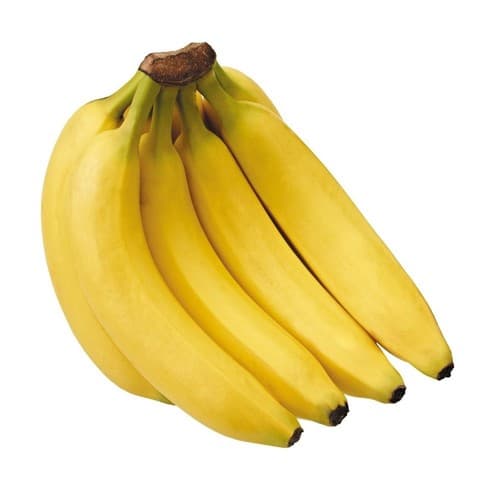
€1.49Banana Cluster 800 g
kg · Bonpreu
 €0.68
€0.68Canary Islands IGP Banana
LA COLLITA · ud · Bonpreu
Good to know
- Scientific family
- Musaceae (banana plant family)
- Physical form
- Large, flexible, waxy deep-green leaf with prominent central rib
- Typical dimensions
- 30–150 cm long, 20–60 cm wide depending on plant maturity
- Primary origin
- Native to Southeast Asia and the Indian subcontinent; cultivated in all tropical regions
- Flavor influence
- Subtle grassy, faintly herbal aroma; does not overpower food
- Fresh leaf shelf life
- 5–7 days refrigerated, wrapped in damp towels
- Frozen leaf shelf life
- Up to 6 months; thaw before use
- Texture note
- Waxy coating creates natural non-stick surface
- Safety note
- Wash thoroughly; inspect for insects or tears before use
Substitutes
- Corn husks — Smaller; best for tamales and Mexican-style wraps; they add a distinct corn flavor rather than grassy notes
- Grape leaves — Much smaller and more acidic; suitable for dolmas and small parcels, but require many leaves to cover what one banana leaf handles
- Bamboo leaves — Narrower and more rigid; traditional for zongzi rice dumplings; demand more careful layering and are harder to fold into broad packets
- Ti leaves (Cordyline fruticosa) — Traditional Hawaiian substitute with similar flexibility; native to Pacific island cuisines; slightly tougher texture
- Aluminum foil — Functional substitute for cooking wraps only; it contains heat and moisture but adds no aroma, flavor, or traditional presentation value
- Cabbage leaves — Work for lining steamer baskets; they are softer in texture and introduce a different flavor; not traditional for any dish that calls specifically for banana leaf
Pairs with
Also called
Daun Pisang
Appears in these dishes
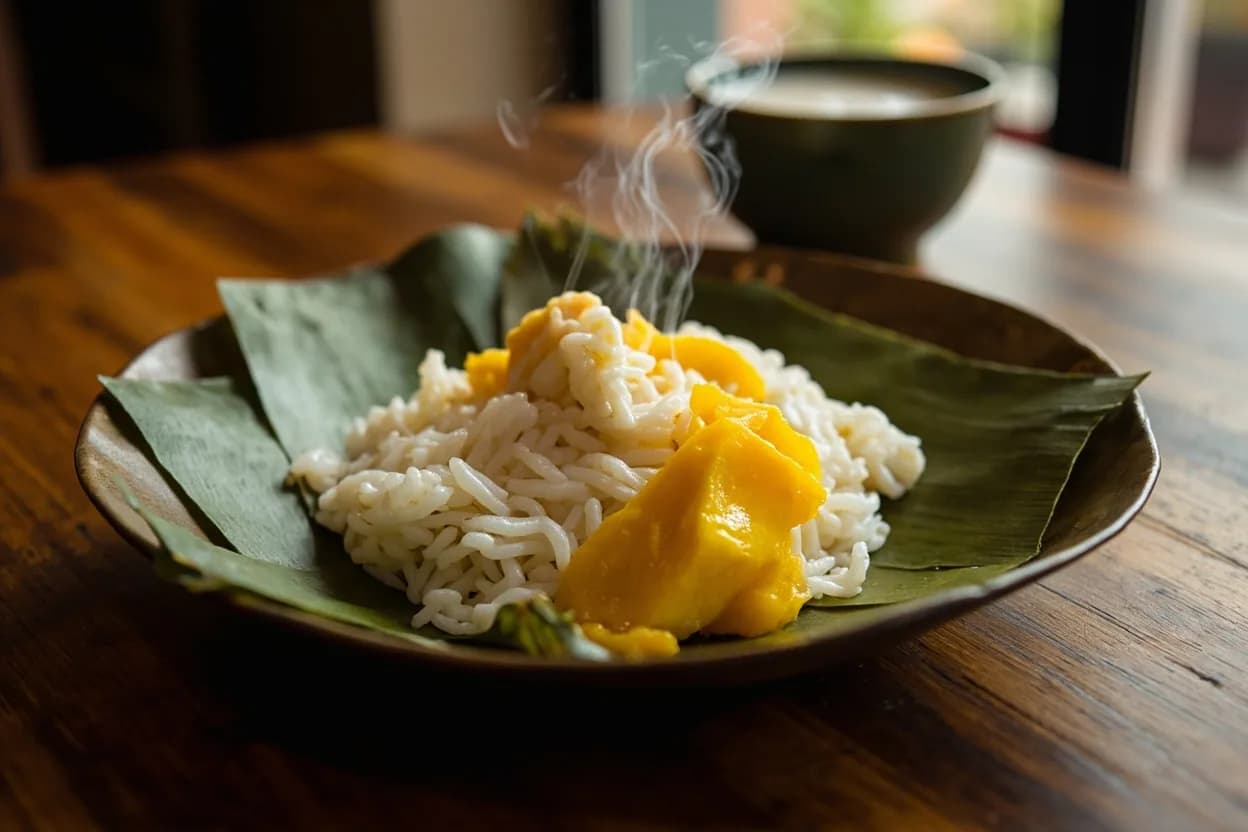
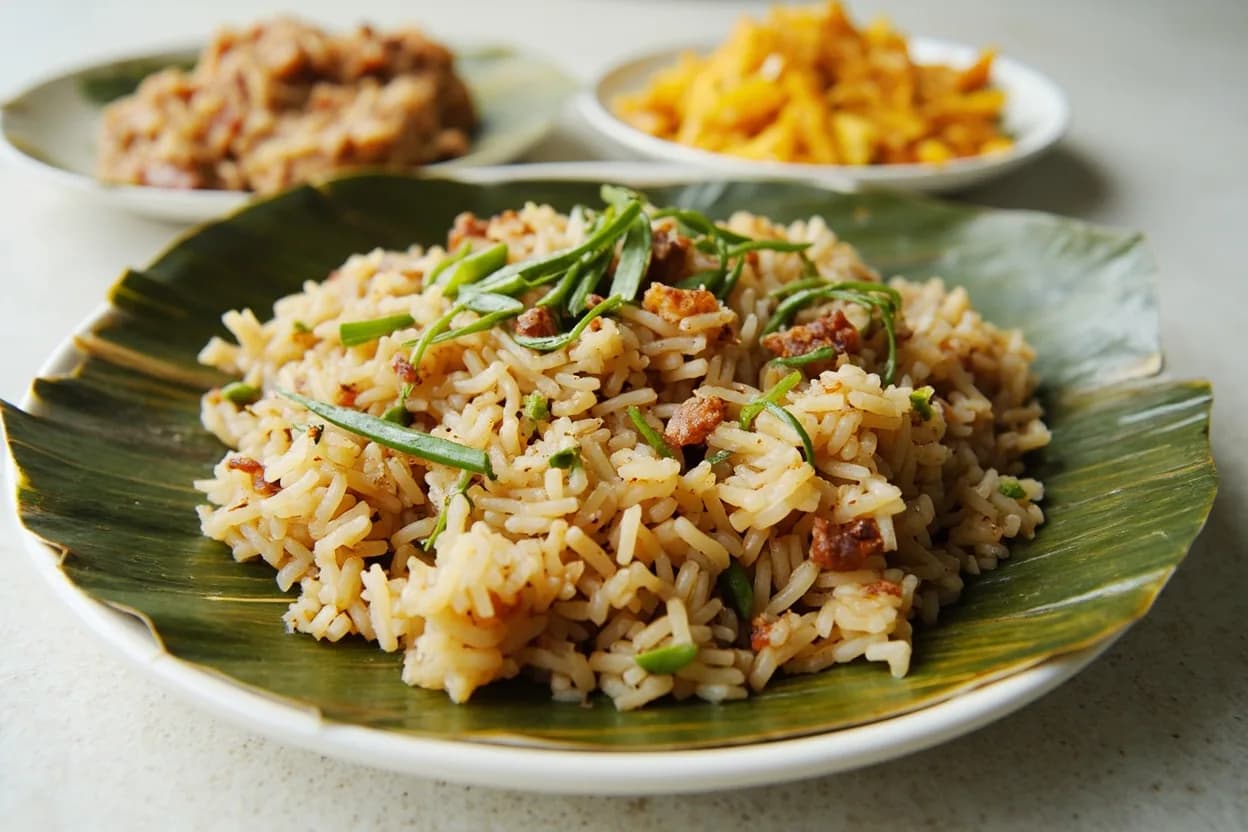
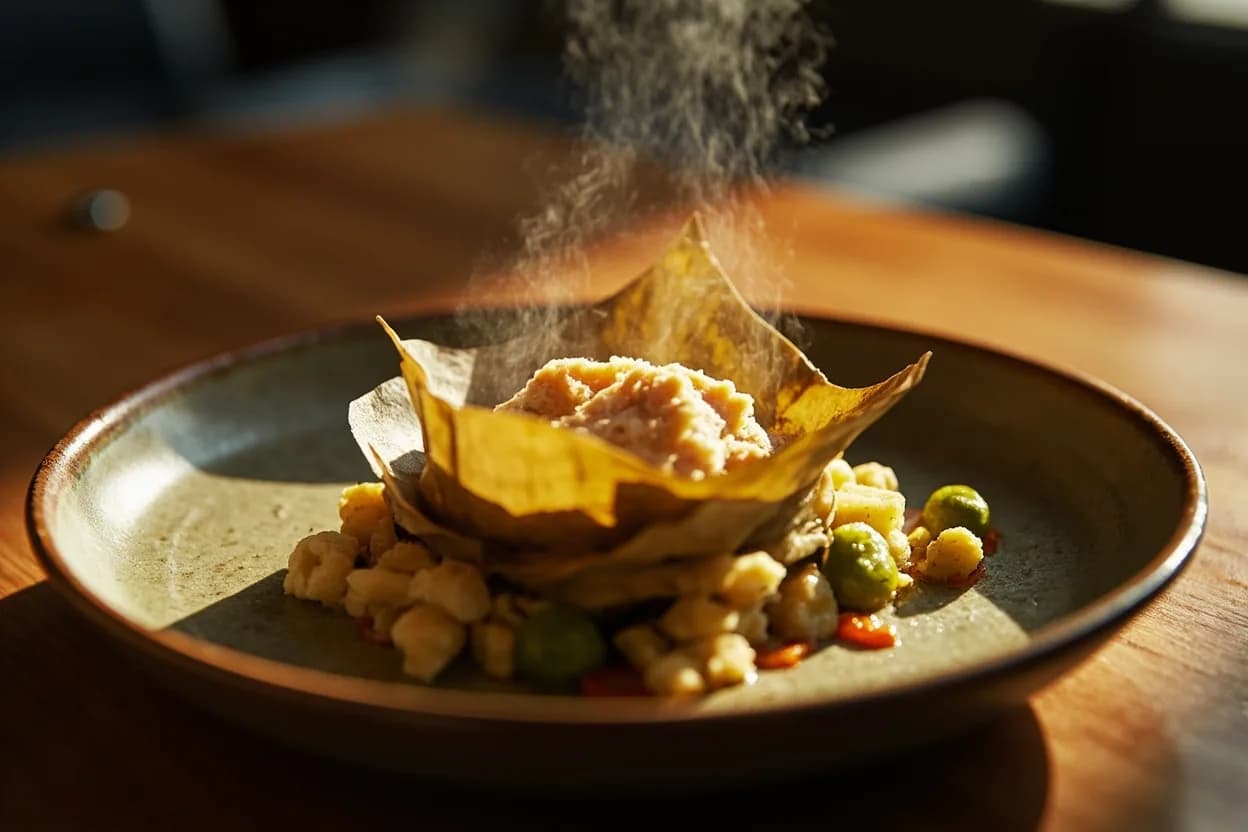
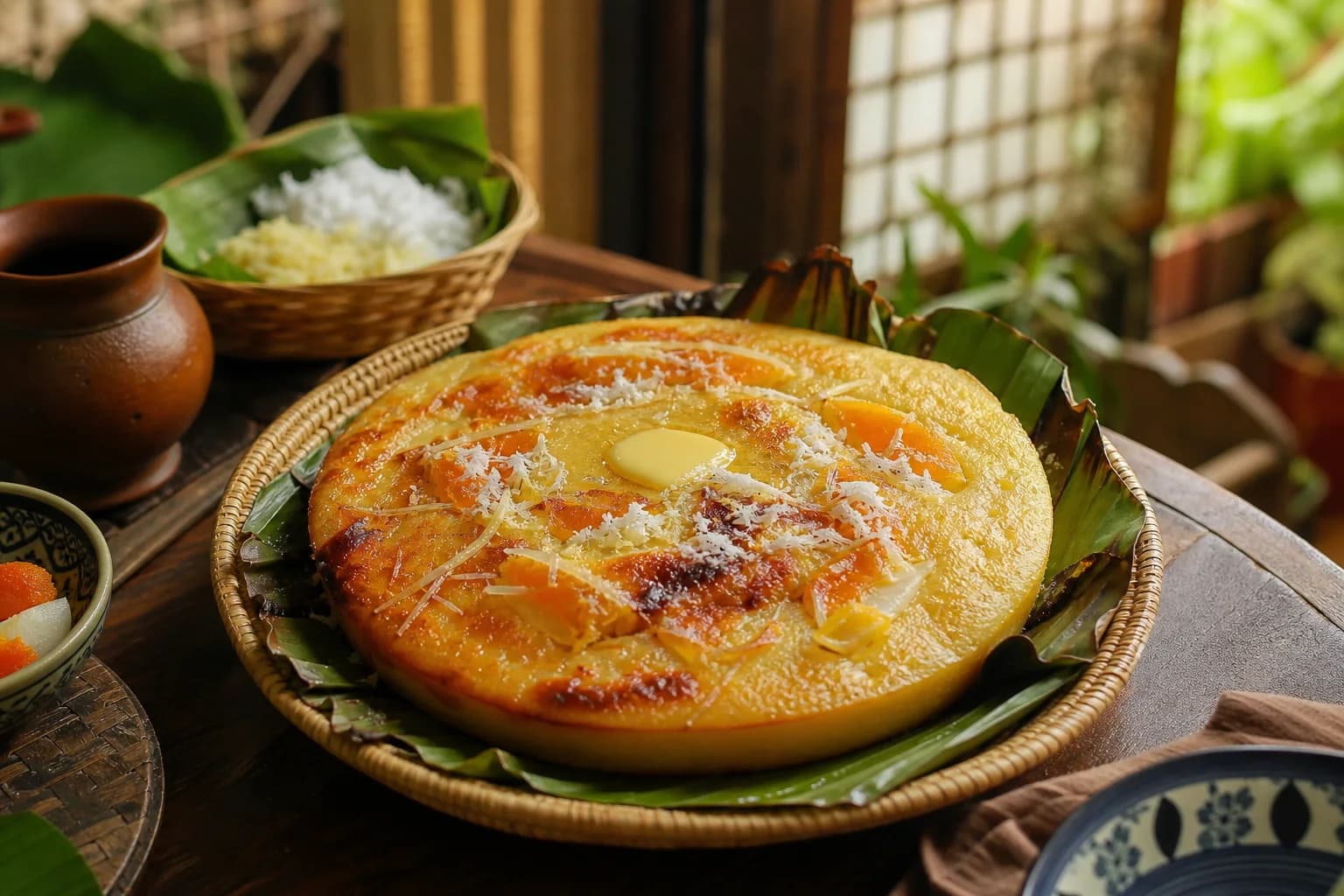
Related
Tomato
Juicy, sun-sweet fruit for sauces, salads, and slow-cooked depth
Yellow Onion
The aromatic backbone of soups, sofritos, and braises
Garlic
Pungent cloves that perfume nearly every savory dish
Lemon
Bright, acidic citrus that wakes up almost any dish
Potato
Humble, hearty staple — roast, mash, fry, or boil
Carrot
Sweet, crunchy root — raw, roasted, or the base of a sofrito
Cucumber
Cool, crisp, and watery — for salads, pickles, and tzatziki

Lettuce
Crisp leaves for salads, wraps, and a fresh crunch