Proteins
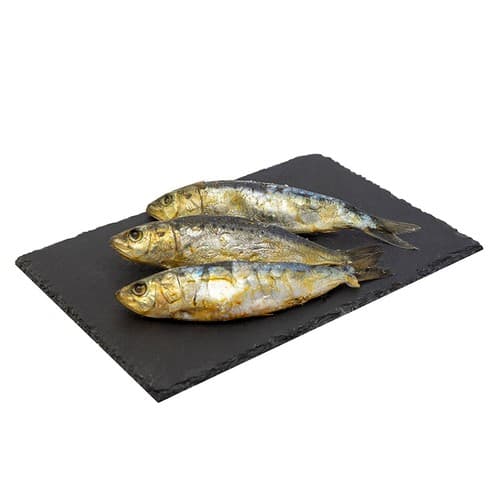
Fresh Sardine
Small oily fish grilled or fried whole for a rich Mediterranean bite.
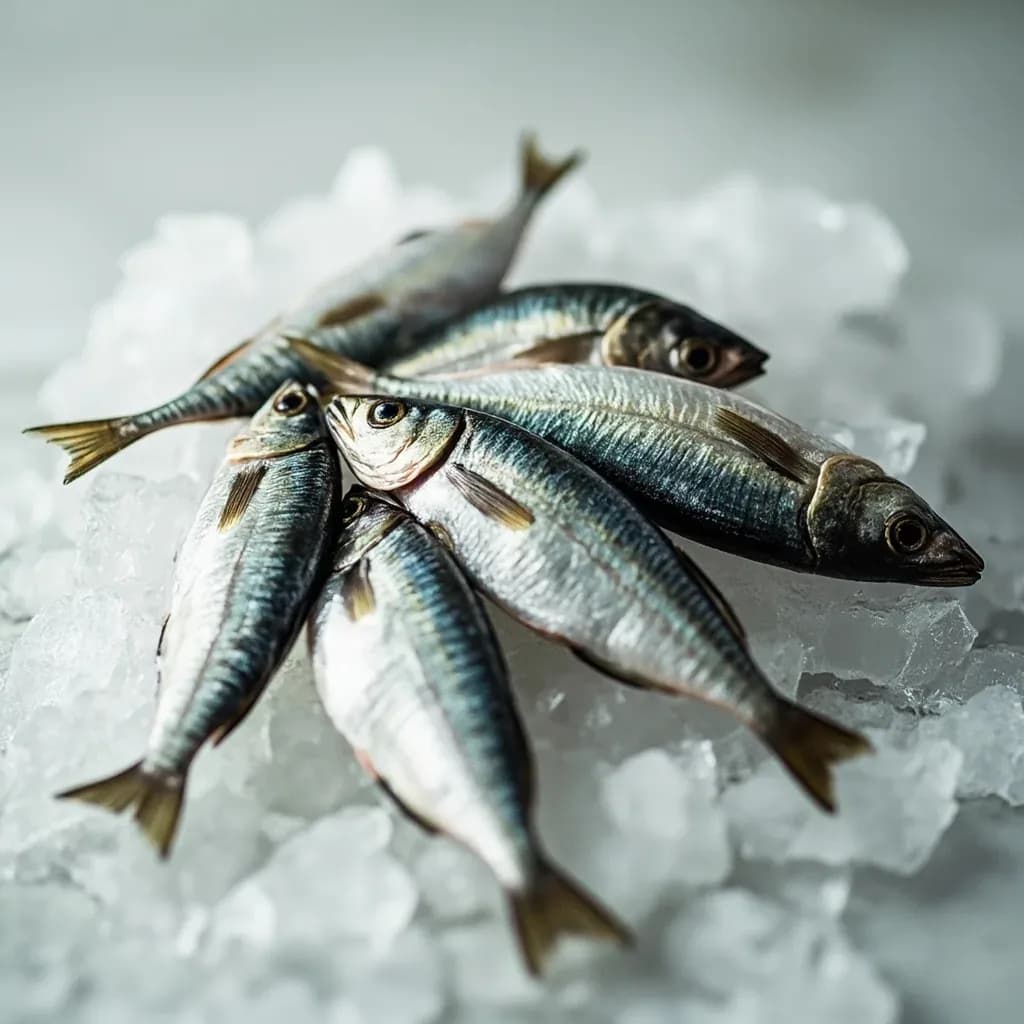
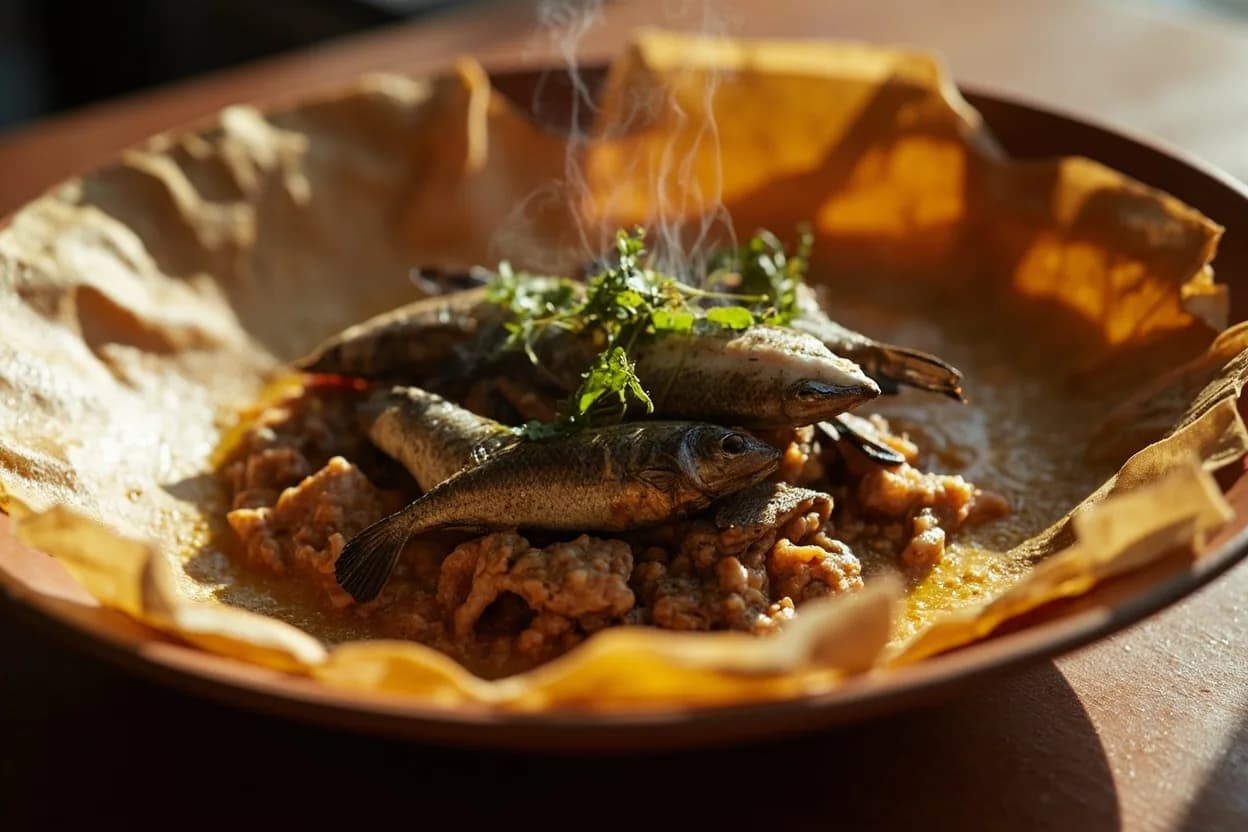
Fresh sardines are small, oily, silver fish best eaten very fresh. They are grilled whole over charcoal in Portugal and Spain, fried, or marinated, with their rich, full flavor and soft bones a hallmark of Mediterranean coastal cooking. High in omega-3s, they cook in minutes.
Fresh sardines are small, round-bodied fish belonging to the Clupeidae family, the same clan as herring. Unlike the canned sardines most Americans know, fresh sardines have tender, flaky flesh with a high fat content that keeps them moist even under high heat. Their flavor is rich, savory, and subtly sweet with a clean, briny character when truly fresh. The small pin bones become soft and edible after cooking, making them entirely edible fish that require no special skill to eat.
In Mediterranean and Atlantic European cuisines, fresh sardines are a celebrated seasonal ingredient, not a budget fallback. In Portugal, they anchor the beloved festival dish sardinhas assadas; in Spain they appear at tapas bars and seaside grills; in Italy they star in recipes from Sicily to the Adriatic. Their high omega-3 content and short food chain make them one of the most sustainable protein choices from the sea when sourced from well-managed fisheries.
The most common mistake home cooks make with fresh sardines is overcooking. Because their flesh is so rich in natural oils, sardines need only brief, intense heat—2 to 3 minutes per side on high heat is usually sufficient. Any more and the oils turn rancid-tasting and the flesh becomes dry and tough. Properly cooked sardines have opaque, just-flaking flesh and a depth of flavor that bears no resemblance to the bland, mushy canned version.
- Measured in
- g
- Storage
- Fridge
Allergens
Types & varieties
Sardina pilchardus — caught in the Mediterranean, Atlantic coast of Europe, and North Africa; the classic sardine for Mediterranean cuisine.
Sardinops sagax — found off California, Mexico, Japan, and Chile; slightly larger, firm texture.
Primarily Sardinops ocellatus and Sardinops australis from Argentine and Chilean waters; similar to Pacific variety.
Sardinops neopilchardus — common in southern Australia and New Zealand; smaller, more delicate.
Cleaning Fresh Sardines
Fresh sardines require minimal cleaning but the process must be done correctly. Hold the fish firmly and make a shallow incision along the belly from the vent toward the head. Pull out the entrails with your fingers or a small spoon. Rinse the cavity under cold running water to remove blood and residual organs. Pat dry with paper towels. The scales are small and adherent; they are typically left on for grilling, where they help hold the flesh together and crisp up nicely. For pan-frying, a quick scrape with the back of a knife removes most scales. The small pin bones run along the centerline and do not need to be removed; they soften during cooking and are safe to eat, contributing calcium.
- Make a single shallow cut from vent to jaw — no need to gut through the head
- Rinse thoroughly inside the cavity to remove all blood
- Pat completely dry before cooking to ensure browning
- Small sardines (smelt-size) can be cooked whole without gutting; simply scale and trim
Why Fresh Beats Canned
Canned sardines are typically European sardines that have been cooked twice (once in processing, again in the can) and packed in oil or tomato sauce. Fresh sardines, by contrast, are cooked only once, retaining a delicate texture and bright, clean flavor that canned fish cannot achieve. The flesh is tender and silky rather than firm and dry. Fresh sardines also have a more nuanced taste that pairs better with simple, high-quality accompaniments like good olive oil, lemon, and fresh herbs. When you can obtain truly fresh sardines, they represent an entirely different ingredient worthy of the same respect given to fresh tuna or sea bass.
- Single cooking preserves texture and delicate flavor
- Clean, briny ocean flavor without the tinny quality of cans
- Better suited to high-heat quick cooking methods
- The flesh remains silky rather than dense and overcooked
Common uses
Tips & pitfalls
- Ask your fishmonger to clean and gut the sardines, or clean them yourself by scoring the belly and pulling out the entrails; rinse well.
- Do not overcook. Sardines are done when the flesh turns from translucent to opaque and just begins to flake, roughly 2–3 minutes per side on high heat. Overcooking makes them dry and tough.
- Salt briefly (15–20 minutes) before cooking to draw out surface moisture and intensify flavor, a technique common in Portuguese and Greek cooking.
- The small, soft pin bones are edible when cooked properly and add calcium; they do not require removal unless serving to infants or elderly.
- Grill over medium-high heat in a grill basket or on a well-oiled grate to prevent sticking; the skin sticks readily.
- If the sardines are very small (smelt-size), they can be eaten whole without gutting — simply scale, trim, and cook.
- Marinating in citrus juice or vinegar for 30–60 minutes will gently denature proteins and help the flesh hold together on the grill.
- Sardines are among the most sustainable small oily fish when sourced from well-managed fisheries (MSC-certified); they are low on the food chain and have a favorable environmental footprint.
- For freezing: clean, pat dry, place in a single layer in a freezer bag with excess air removed; thaw overnight in the refrigerator before cooking.
Nutrition
Energy
3774 kJ · per 100 g
Where the calories come from
Protein
0g
0% DV
Carbs
0g
0% DV
Fat
100g
128% DV
Fiber
0g
0% DV
Sodium
0mg
0% DV
Source · USDA FoodData Central · approx. Fish oil, sardine
View on FDC →In the shops
Matched grocery products
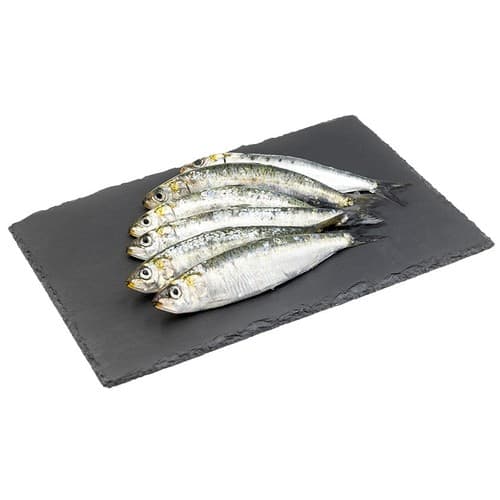 €3.50
€3.50Large Sardine
ud · Bonpreu
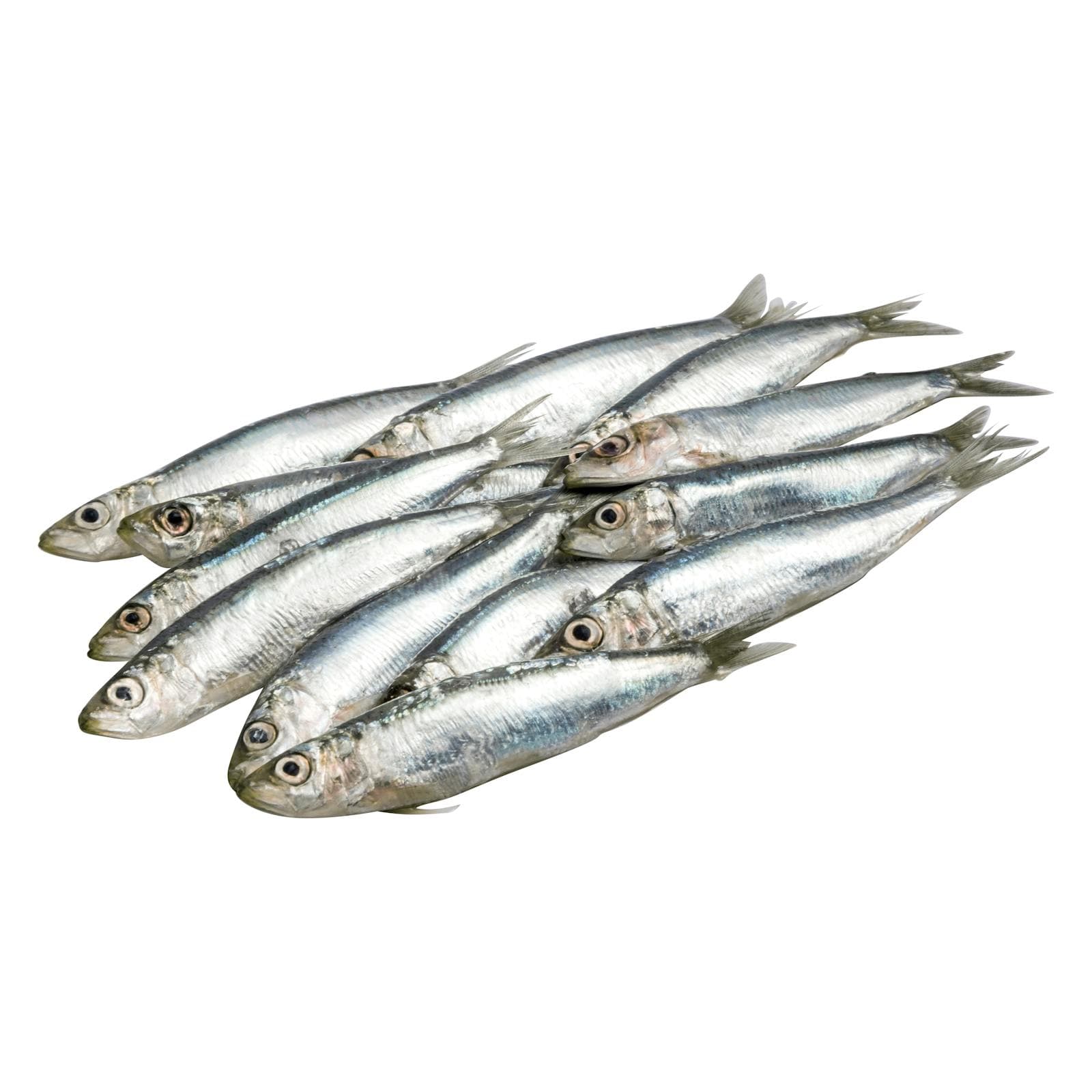 €1.19
€1.19Ungutted Sardine
200 g · Mercadona
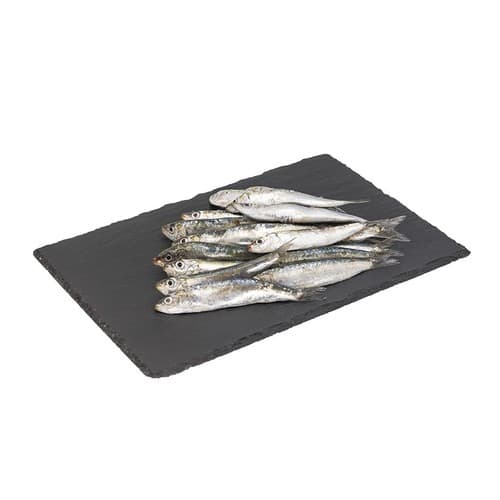 €1.20
€1.20Coastal Sardine
ud · Bonpreu
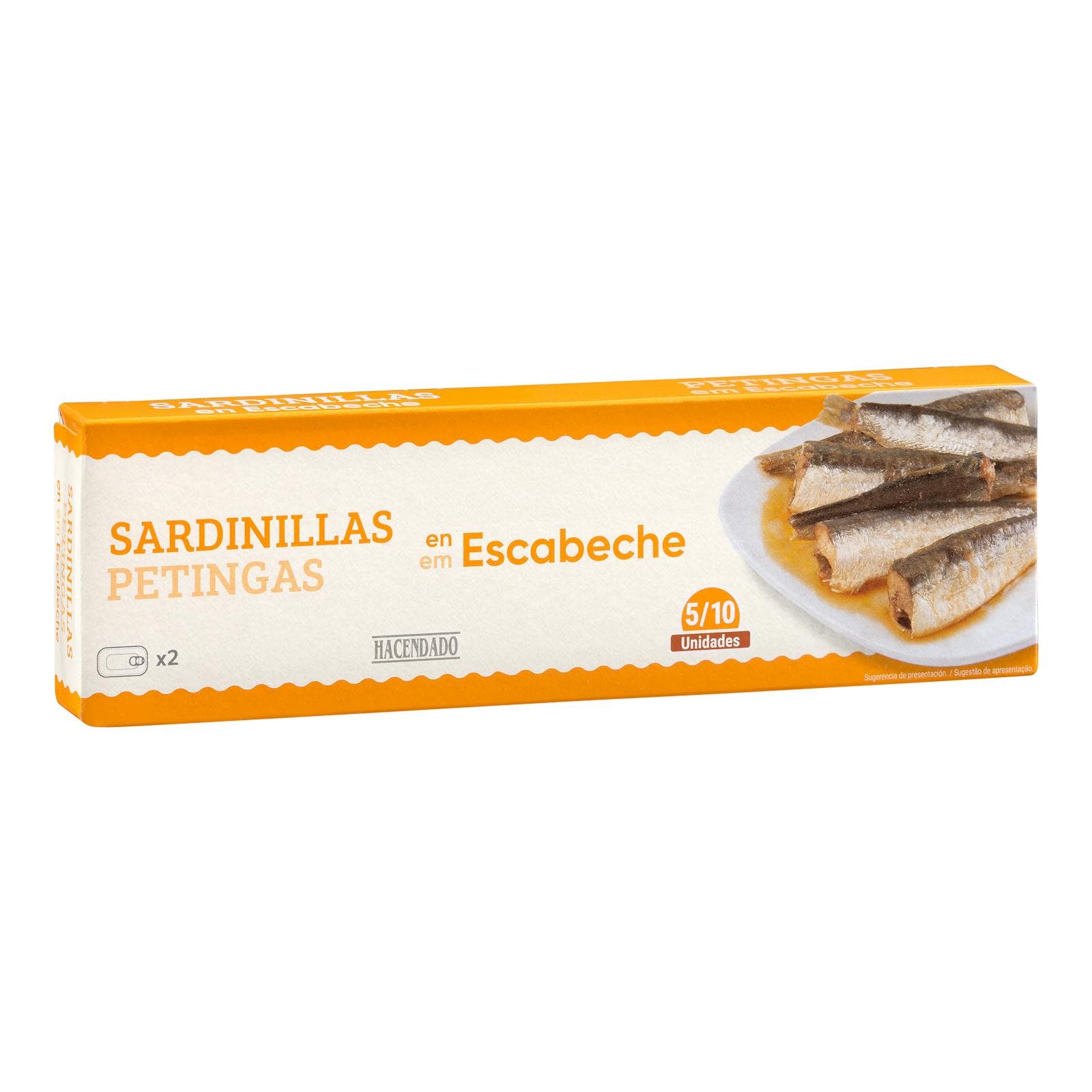 €1.95
€1.95Pickled Sardines
Hacendado · 180 g · Mercadona
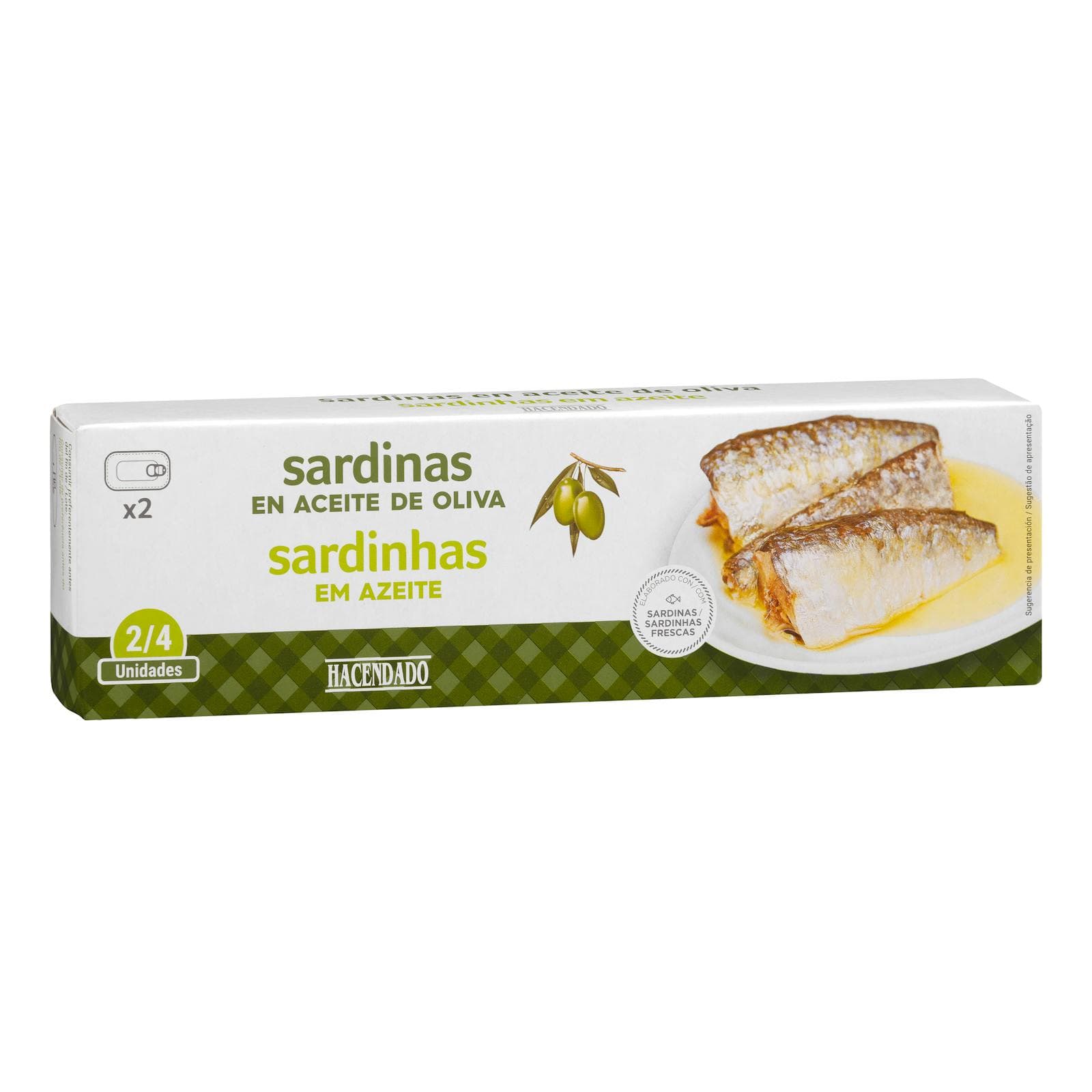 €2.20
€2.20Sardines in Olive Oil
Hacendado · 234 g · Mercadona
 €0.79
€0.79Salted Sardine
Bonpreu
Good to know
- Scientific Name
- Sardina pilchardus (European); Sardinops spp. (Pacific)
- Family
- Clupeidae (herring family)
- Average Size
- 6–8 inches (15–20 cm) at market; 3–5 ounces (85–140 g) each
- Flavor Profile
- Rich, oily, savory with sweet undertones; mild fishiness when fresh
- Peak Season
- May–October in the Mediterranean; varies by Pacific region (typically spring–summer)
- Texture
- Tender, flaky flesh; small soft bones become edible when cooked
- Nutritional Highlight
- Exceptionally high in omega-3s, vitamin B12, vitamin D, calcium (from soft edible bones), and selenium
- Shelf Life
- 1–2 days refrigerated on ice; up to 3 months frozen
- Purchase Indicator
- Bright, clear eyes; shiny, intact skin; bright red or pink gills; briny sea scent, not ammonia or strong fish odor
- Yield
- Approximately 50–55% edible weight after cleaning and cooking
Substitutes
- Anchovies — Much stronger, saltier flavor; use sparingly; not a direct substitute but acceptable in sauces and pasta.
- Atlantic Herring — Similar oily texture and flavor; larger, so may need to be split or butterflied; cooking time extends accordingly.
- Mackerel — Fattier, stronger-tasting; excellent when grilled; reduce cooking time slightly as mackerel is denser.
- Sprats — Smaller Baltic and Eastern European fish; nearly identical flavor and texture; cook identically.
- Smelt — Smaller and milder; excellent for frying whole; the entire fish is edible when small.
Pairs with
Also called
Sardines · Pilchard
Appears in these dishes

Related
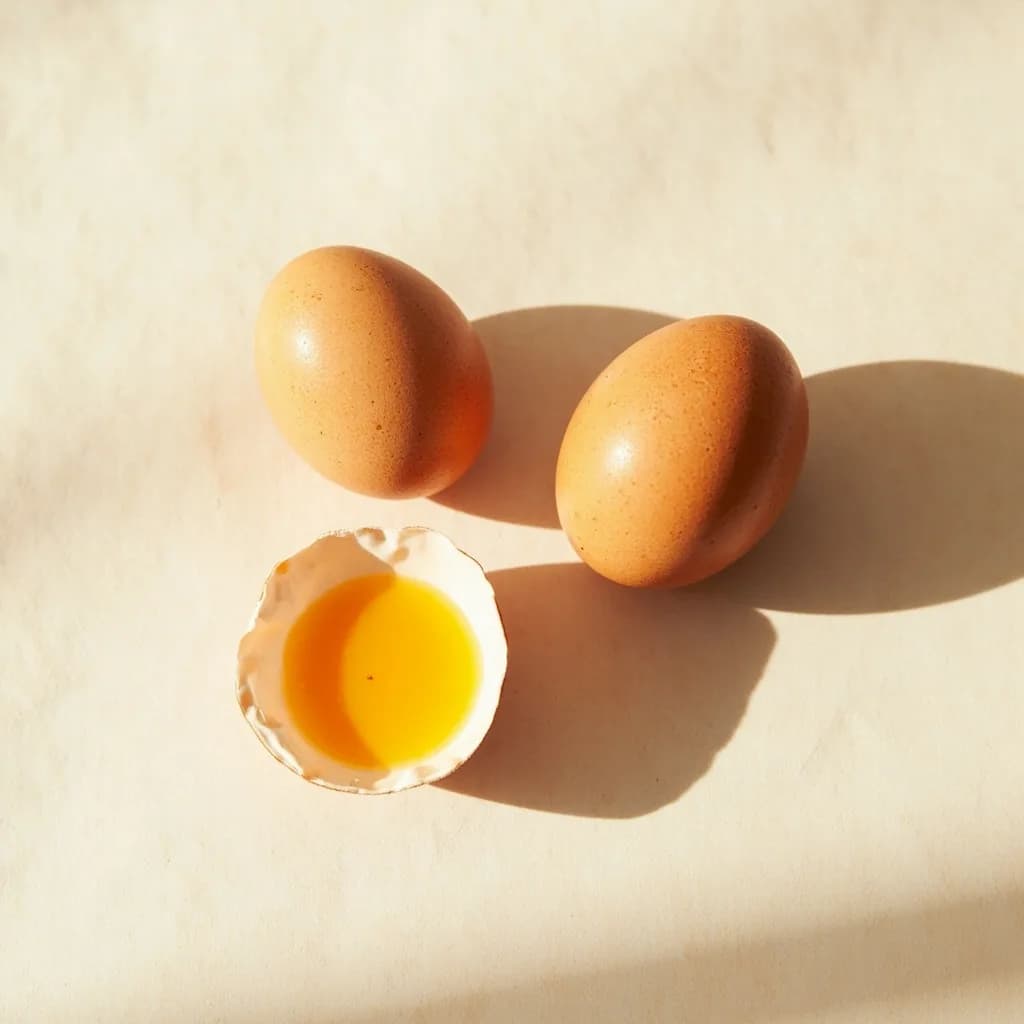
Egg
The kitchen's everything ingredient — bind, leaven, enrich, or fry
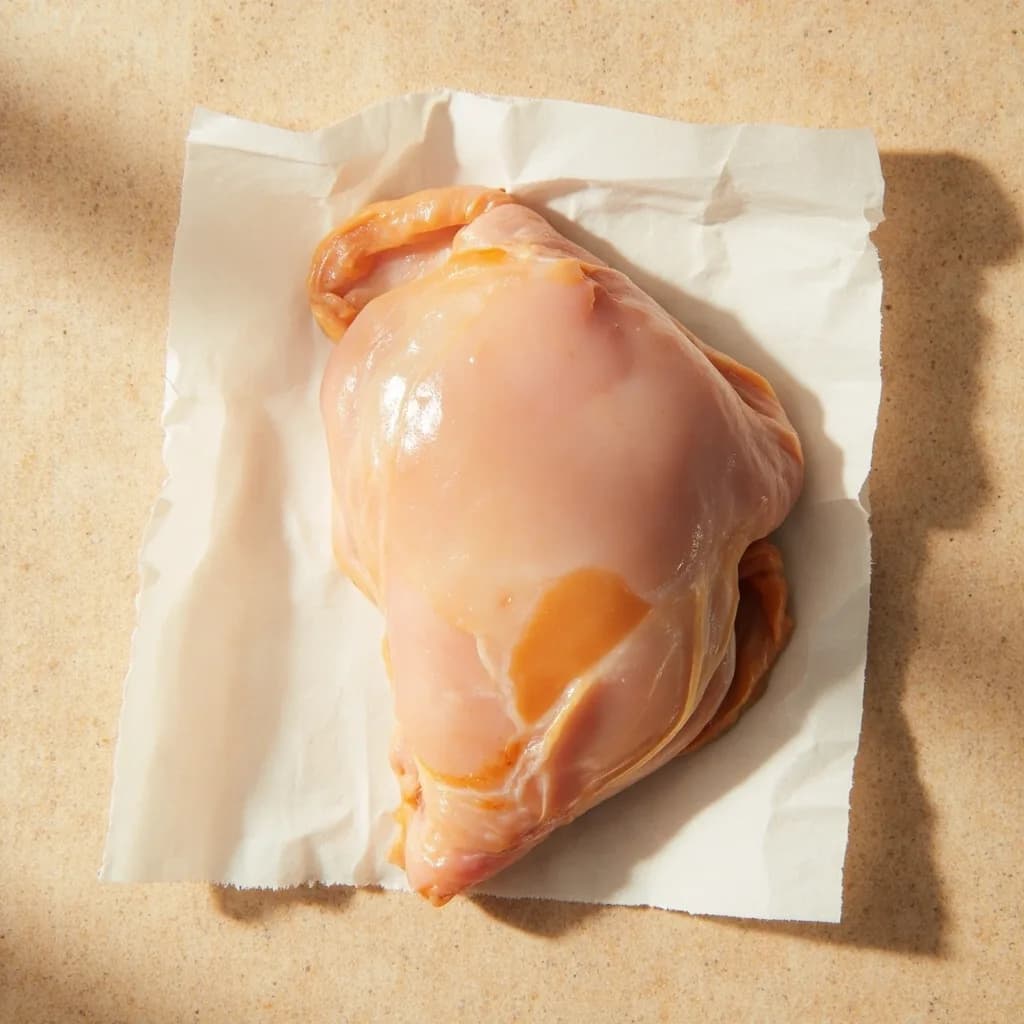
Chicken Breast
Lean, quick-cooking white meat for everyday dinners

Ground Beef
Versatile minced beef for burgers, ragù, tacos, and meatballs
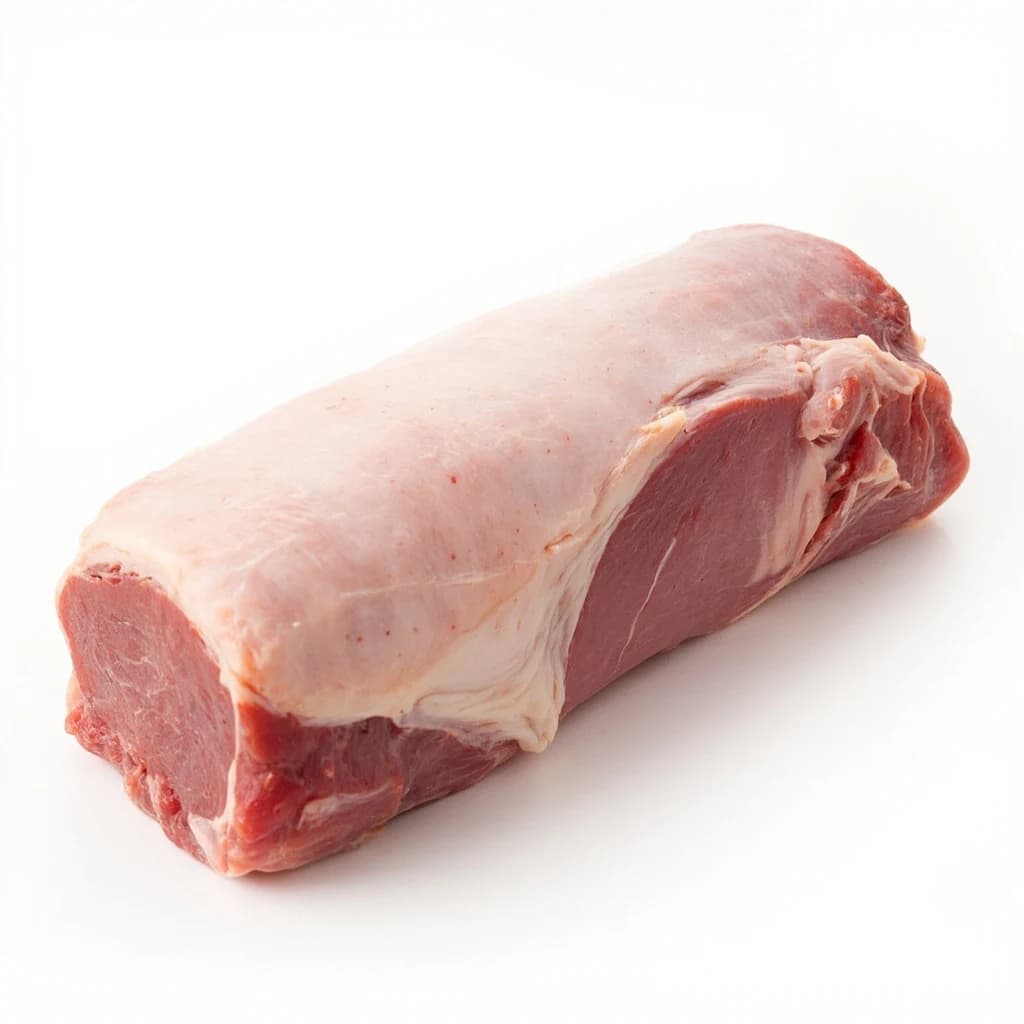
Pork Loin
Lean, tender roasting cut that stays juicy with care
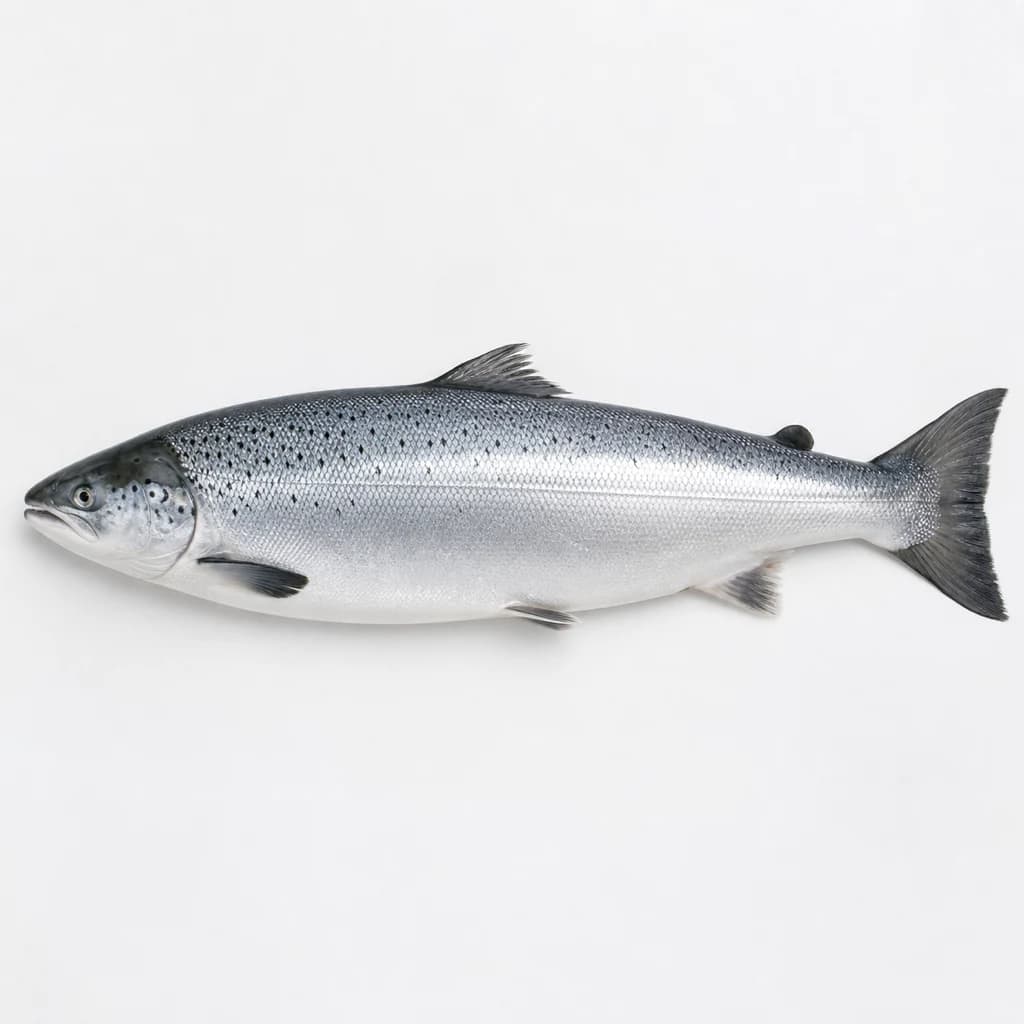
Salmon
Rich, rosy fish that roasts, grills, or cures beautifully

Egg White
Pure protein that whips to airy peaks for meringue and more
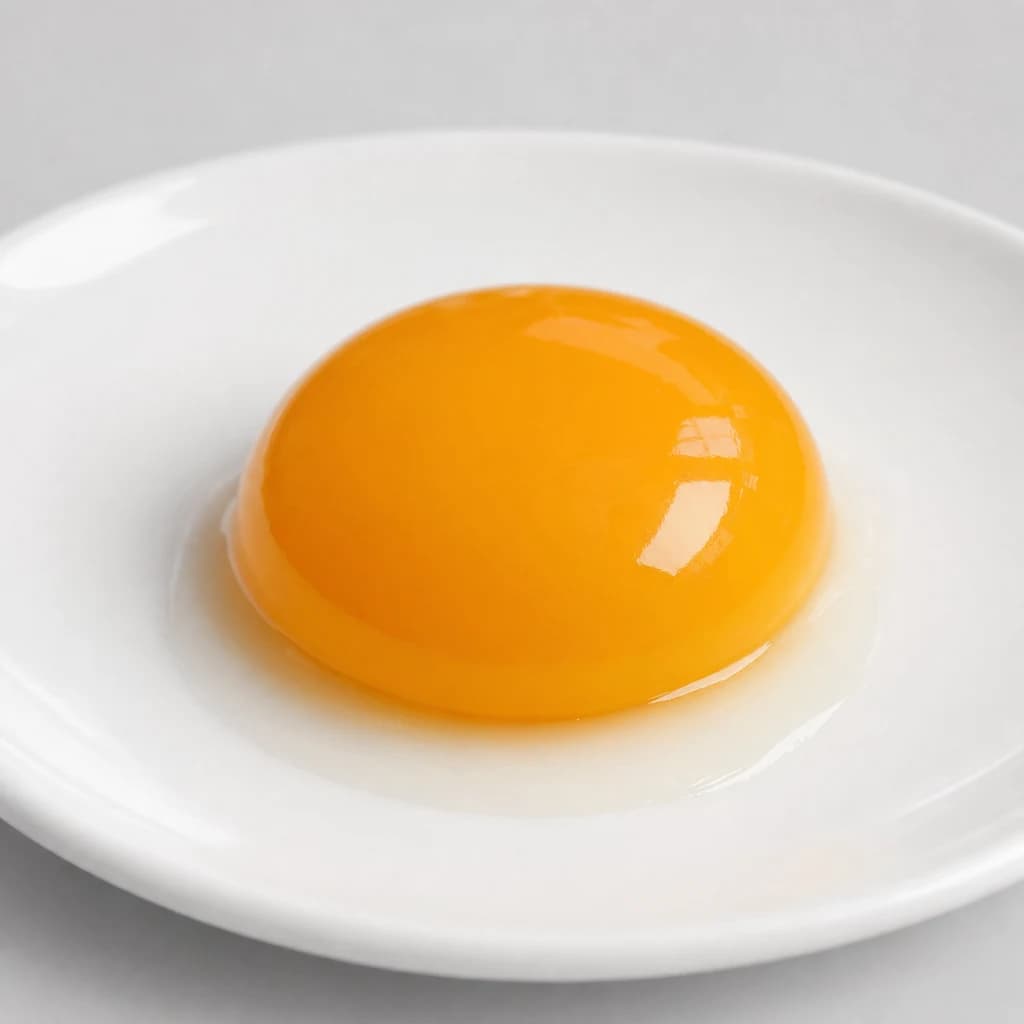
Egg Yolk
Rich, golden yolk for custards, mayonnaise, and pasta

Quail Egg
Tiny, speckled eggs for garnishing and elegant bites