Stored
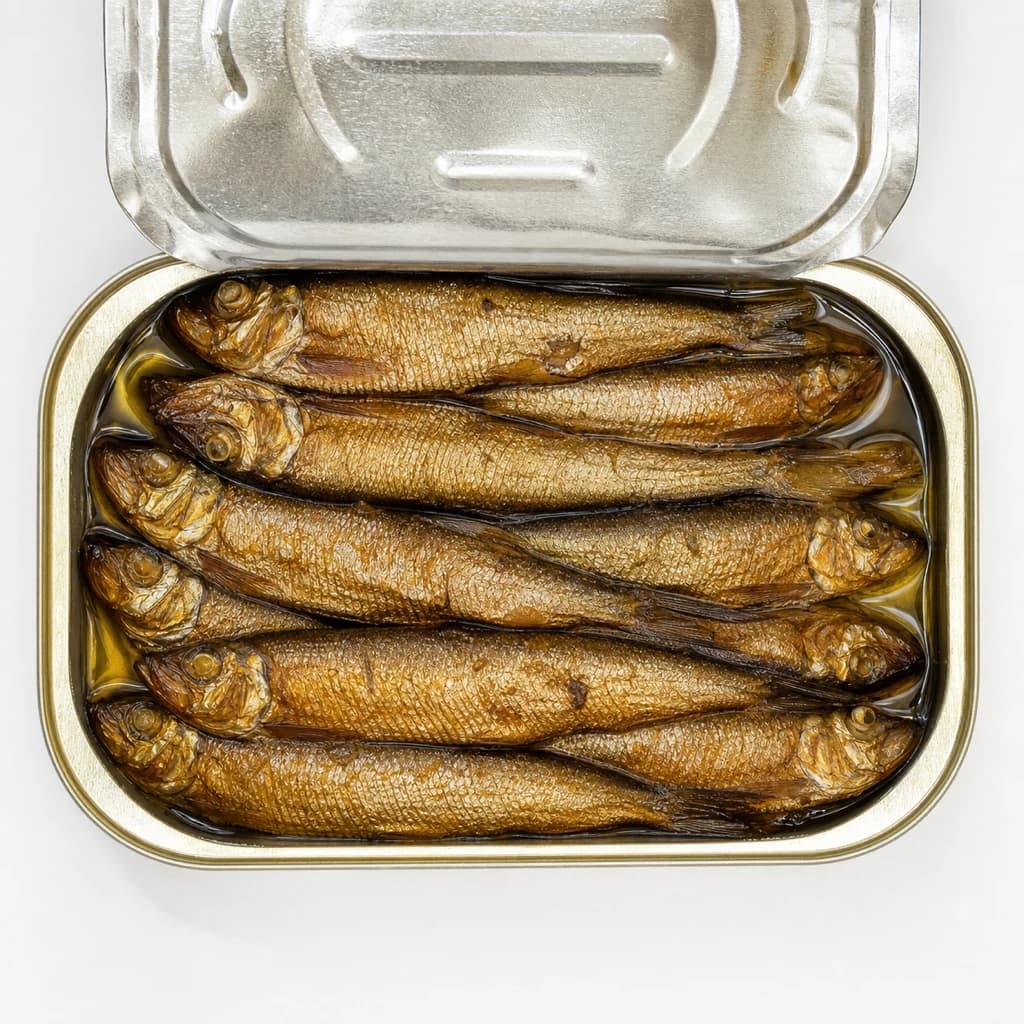
Smoked sprats packed in oil inside an open tin, showing the characteristic golden fish.
The tin is the defining form in which most people encounter this ingredient; showing the open can reveals color, arrangement, and oil medium.
Proteins
Smoked Sprats (Shproty)
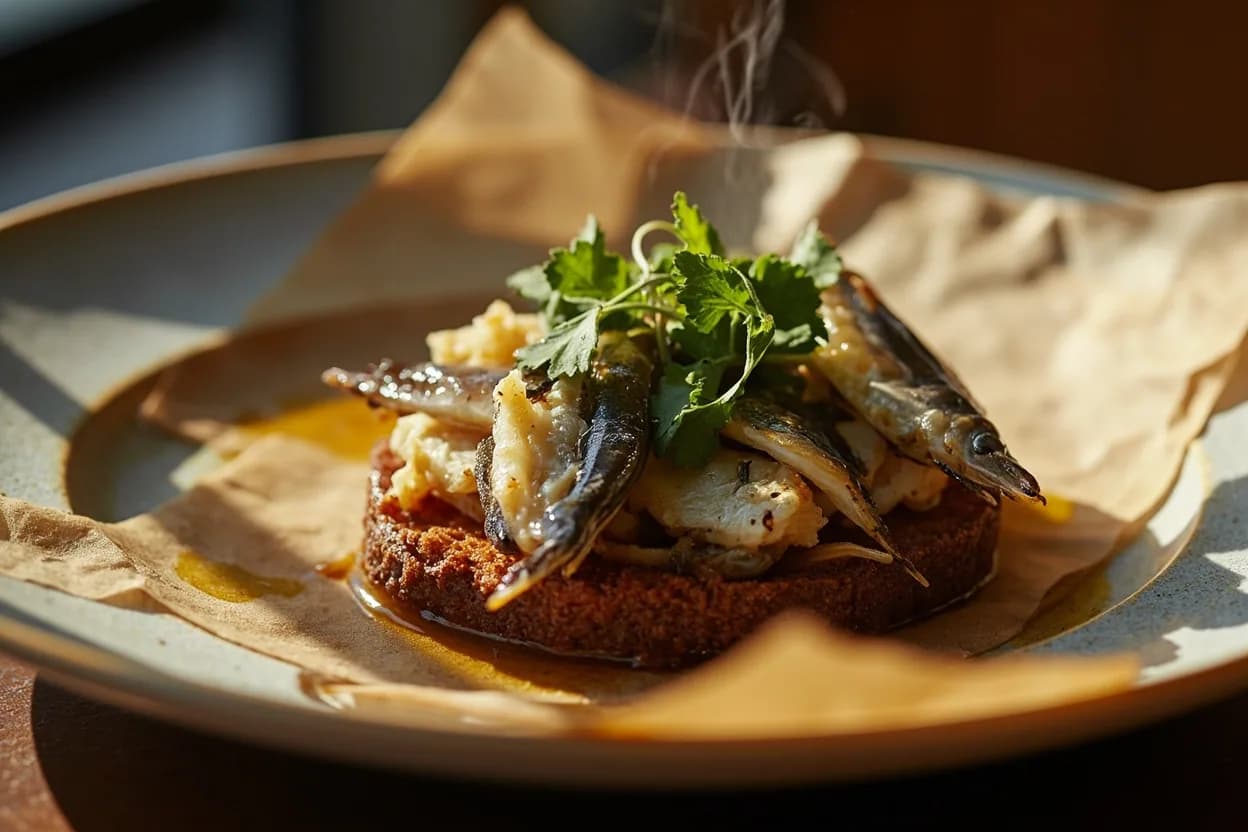
Small smoked sprats canned in oil; an Eastern European appetizer on dark bread.
Smoked sprats, known as shproty, are small oily fish that are smoked and packed in oil, popular across the Baltics and Eastern Europe. They are eaten straight from the tin on dark rye bread, often with egg, onion, or lemon, as a classic appetizer. The smoking gives them a deep golden color and savory aroma.
Shproty are small European sprats (Sprattus sprattus) that have been hot-smoked at 70–80°C over hardwood until the flesh turns a deep amber-brown and develops an intensely concentrated smoky flavor. Unlike standard canned fish where cooking happens in the tin, shproty are fully smoked before canning in sunflower oil—a process that drives moisture out, intensifies the fish's natural oils, and creates the characteristic rich, slightly sweet, and undeniably smoky character that defines the Baltic appetizer tradition. The result is a completely shelf-stable, ready-to-eat protein with soft, edible bones and a texture that holds together when lifted from the tin, making it far more versatile than its humble appearance suggests.
The product traces its roots to the Baltic states and Russia's northwestern coast, where herring-family fish from the Baltic Sea and Northeast Atlantic have been a staple for centuries. Lithuanian shproty from Klaipėda carry Protected Geographical Indication (PGI) status, recognizing the region's traditional smoking and canning methods that date to the early 20th century. The name itself—"shproty"—derives from the German "Sprotten," reflecting the historic trade routes that shaped the region's cuisine. What makes shproty distinctive is the combination of the fish's natural oiliness and the hardwood smoke penetration; the small sprats (typically 8–15 cm) absorb flavor deeply without becoming overpowering, and the hot-smoking renders their tiny bones soft enough to eat entirely.
In Eastern European culinary culture, shproty occupy a specific niche: they are neither an everyday protein nor a special-occasion luxury, but rather the honest, unpretentious bar snack and supper staple that appears on rye bread with a glass of beer or a shot of vodka. The oil that pools in the tin is not a byproduct to be discarded—it is, in fact, one of the most useful components of the product, carrying concentrated smoky flavor and omega-3 richness that can be deployed in dressings, frying, or simply spread on bread. Understanding this duality—fish as centerpiece and oil as finishing agent—is the key to working with shproty successfully.
- Measured in
- g
- Storage
- Pantry
Allergens
Types & varieties
The standard Eastern European product; hot-smoked sprats canned in oil, slightly sweet and intensely smoky—choose tins with firm, intact fish and minimal liquid separation.
Sprats in tomato sauce; slightly tangier and brighter. Common in Russian and Ukrainian markets; the acid cuts through the richness, making these good for mixing into pasta or rice.
Explicitly labeled hot-smoked; more robust smoky flavor and darker flesh. If you want maximum intensity, seek out tins marked with this phrase rather than generic shproty.
British term for smoked sprats with heads removed, similar preparation but different naming convention; interchangeably available in international markets.
Sprats in sweet ketchup-based sauce; more Western-influenced variant popular in some markets. The sugar can dominate—use these in dishes where sweetness is welcome, like seasoned potato salads.
Sprats in vinegar-based marinade rather than oil; less smoky, more tangy. These work well when you want the acidity to lead rather than the smoke—good for summer salads or cold appetizers.
The Oil Is Part of the Dish
The oil that fills the tin of quality shproty is an underrated ingredient that deserves equal billing with the fish. It carries the smoke from the wood, the oils drawn from the fish during hot-smoking, and the subtle saltiness of the curing process. Drain shproty over a fine-mesh sieve but do not discard what collects below—let it settle for a moment, then pour it into a small jar. The oil can be used immediately or refrigerated for up to two weeks.
- Use the oil to dress potato salads instead of mayo or vinaigrette—the smoky, fishy notes transform a standard side into something with Baltic character
- Fry onions or shallots in the oil as a base for soups, porridges, or scrambled eggs—the flavor builds depth without needing additional fat
- Spread it on rye bread croutons before topping with shproty; the bread toasts slightly from the residual heat and oil
- Stir a spoonful into boiled potatoes while still warm; the starch absorbs the oil completely, making each bite rich and smoky
Common uses
Tips & pitfalls
- Drain the fish over a sieve but always reserve the oil—it is excellent for dressing potato salads, frying onions, or spreading on bread
- Do not discard the small bones; they are soft from the hot-smoking process and contribute calcium—eating them is traditional and beneficial
- Choose tins with minimal liquid separation and firm, intact fish; excessive oil pooling at the top suggests age or poor quality
- Bring shproty to room temperature before serving—cold fish taste muted and the smoky flavors do not open up properly
- Press gently with a fork to separate flesh; unlike canned tuna, sprats should retain their shape and have moist, cohesive flesh, not dry or crumbly
- For a quick appetizer, rub the reserved oil onto rye bread croutons and arrange fish on top—the bread toasts slightly from residual oil and fat
- Common mistake: using white bread or sliced sandwich bread, which overwhelms the fish; dark rye or Borodinsky is the traditional and correct vehicle
- Avoid overheating if reheating—sprats are already cooked and become mushy if cooked further; they are best served at room temperature or lightly warmed
- Look for production dates on tins; shproty peak flavor within a few months of production, though sealed tins remain safe for years
- Common mistake: eating only the largest fish in the tin and discarding the smaller ones; smaller sprats are often more intensely flavored and have softer bones
Nutrition
Nutrition
No USDA FoodData Central match for Smoked Sprats (Shproty) yet. We surface a per-100 g profile once a generic whole-food entry is matched and verified.
In the shops
Matched grocery products
No matched grocery products for Smoked Sprats (Shproty) yet.
Good to know
- Scientific name
- Sprattus sprattus (European sprat)
- Origin
- Baltic Sea and Northeast Atlantic; major producers: Lithuania, Latvia, Estonia, Russia, Poland
- Etymology
- "Shproty" derives from German "Sprotten" (smoked sprats)
- Typical size
- 8–15 cm (3–6 inches); sold headless, gutted, and hot-smoked before canning
- Smoking method
- Hot-smoked at 70–80°C over hardwood; gives dark brown color and pronounced smoky flavor
- Packaging
- Canned in sunflower oil; also in tomato sauce, mustard, or jelly
- Shelf life
- 2–3 years sealed; once opened, refrigerate and consume within 3–4 days
- Nutritional profile
- High in omega-3 fatty acids, protein, calcium (soft edible bones), and vitamin B12
Substitutes
- Smoked Herring (Kippered Herring) — Similar smoky, oily fish profile; slightly larger and flakier; works well on dark bread or in salads. Reduce portion size by about one-third since the flavor is comparably intense.
- Canned Sardines in Oil — More common outside Eastern Europe; milder smoke flavor, similar texture and oiliness; use 1:1 as a direct substitute in any application.
- Smoked Mackerel Fillets — Richer and oilier; excellent on rye bread but significantly stronger fish flavor. Use half the quantity per serving and consider removing some of the darker skin.
- Baltic Cod Roe (Tushonka) — Completely different flavor and texture but similar serving context as a smoky, oily spread on dark bread. Good when you want the concept without the fish texture.
- Anchovy Fillets — Much saltier and more pungent; use sparingly as a flavor accent rather than a direct substitution. One or two fillets finely chopped can stand in for a small amount of shproty in sauces.
Pairs with
Also called
Shproty · Smoked Sprats
Appears in these dishes
Related
Egg
The kitchen's everything ingredient — bind, leaven, enrich, or fry
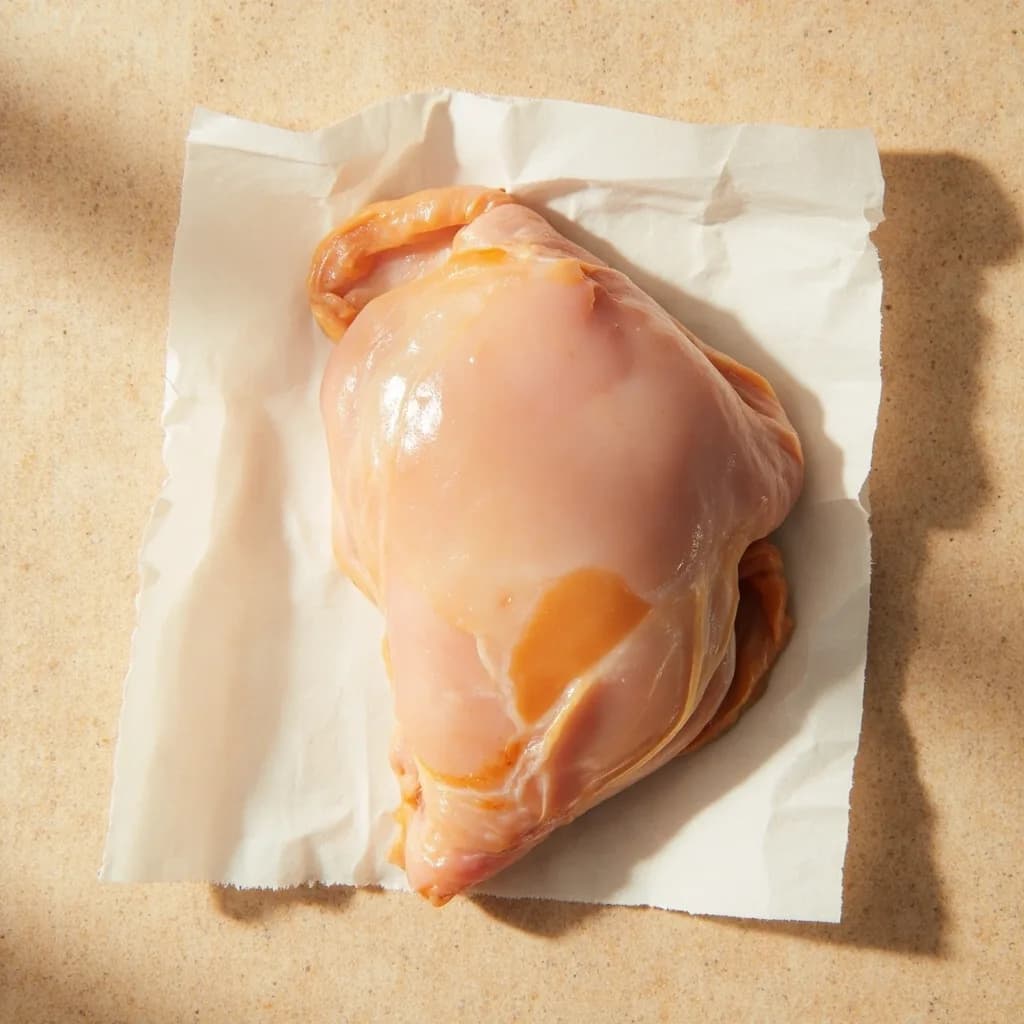
Chicken Breast
Lean, quick-cooking white meat for everyday dinners

Ground Beef
Versatile minced beef for burgers, ragù, tacos, and meatballs
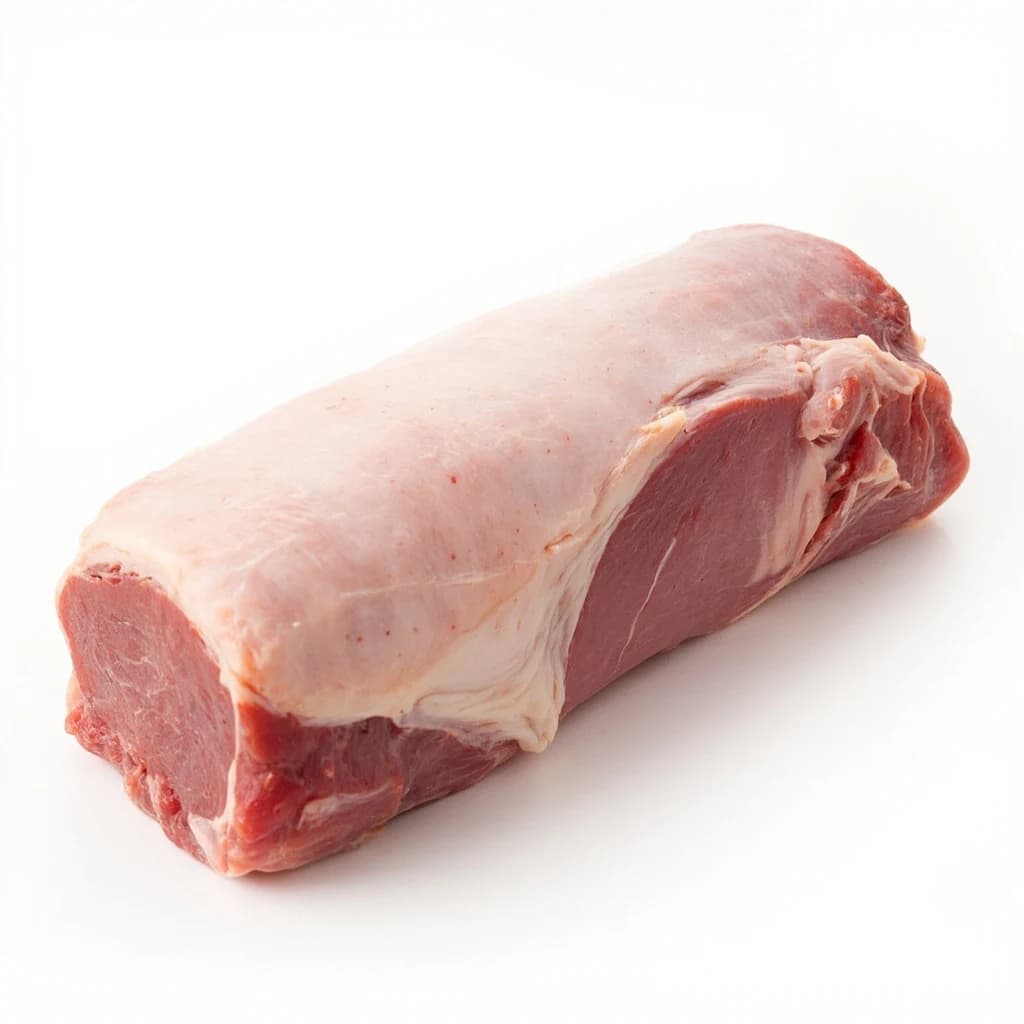
Pork Loin
Lean, tender roasting cut that stays juicy with care
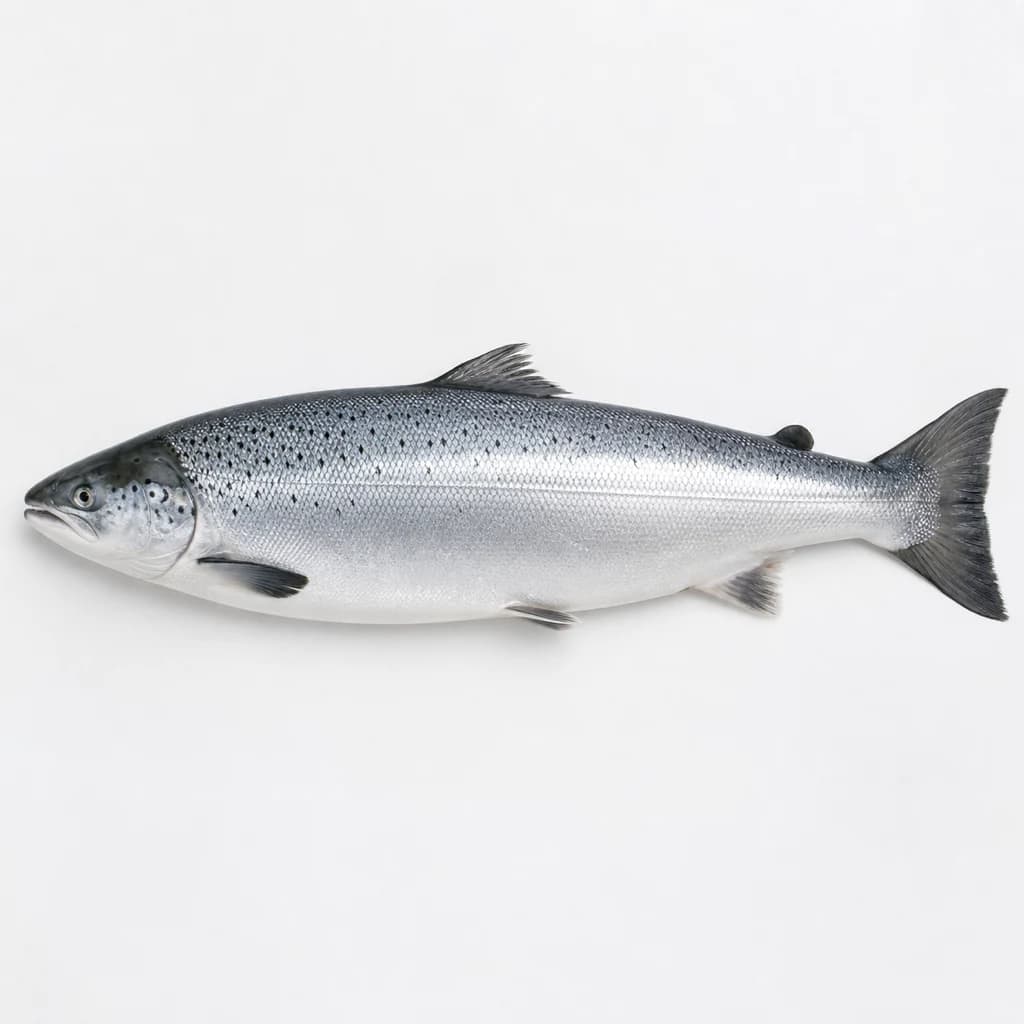
Salmon
Rich, rosy fish that roasts, grills, or cures beautifully

Egg White
Pure protein that whips to airy peaks for meringue and more
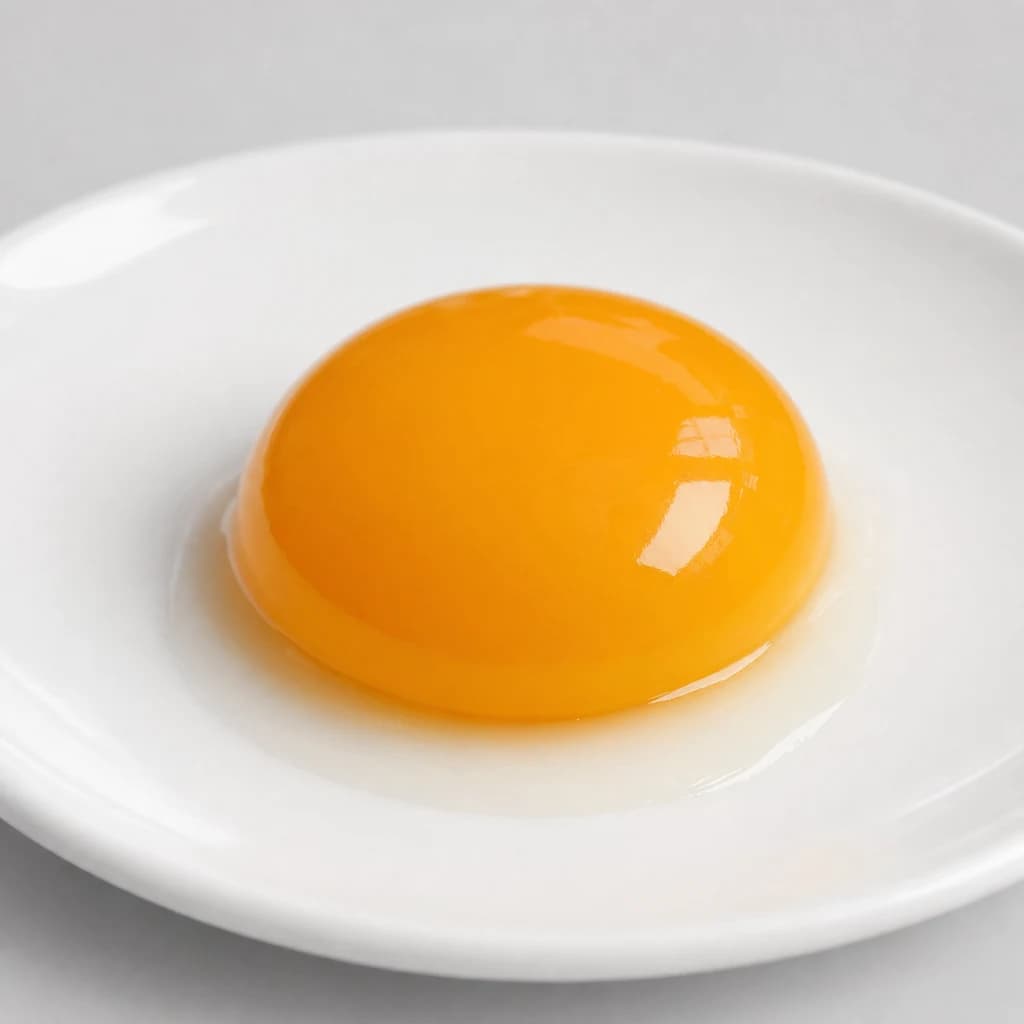
Egg Yolk
Rich, golden yolk for custards, mayonnaise, and pasta

Quail Egg
Tiny, speckled eggs for garnishing and elegant bites