
Stored
Whole hot-smoked trout fillet, skin-on, showing its amber-brown cured surface.
Shows the recognizable form readers encounter at a fishmonger or deli counter — intact fillet with characteristic smoked coloration.
Proteins
Smoked Trout
Delicate smoke-cured trout fillets, flaked into salads, pâtés, and on toast.
Smoked trout is trout that has been cured and smoked, producing tender, flaky fillets with a mild, savory smokiness. It is eaten cold, flaked into salads and scrambled eggs, blended into pâté, or served on toast or blinis with crème fraîche. Hot-smoked versions are fully cooked and ready to eat.
Smoked trout begins as fresh rainbow or brown trout, brined briefly in salt to draw moisture and set the proteins, then either hot-smoked at 60–80°C or cold-smoked at 25–30°C. The method determines everything: hot-smoked trout is fully cooked during processing, yielding an opaque, flaky flesh with a robust, smoky character that holds its shape in warm dishes and salads. Cold-smoked trout remains raw, dried only by the combined action of salt and cool smoke, producing translucent, silky slices with a more delicate, whispery smoke effect. Both sit comfortably between the boldness of smoked salmon and the subtlety of gravlax, giving cooks a middle ground of flavor intensity and textural range.
The versatility of smoked trout is its defining strength. Hot-smoked fillets can be flaked, torn, or chunked for salads, pasta, fish cakes, and warm preparations—their firm texture survives gentle heating and mixing. Cold-smoked sides demand a different approach: treat them like a fine fish charcuterie, slicing paper-thin for canapés and open sandwiches, letting the delicate flesh speak for itself on simple vehicles. The smoking process, whether oak, beech, or alder, amplifies rather than overwhelms the trout's own sweetness. Because the fish is secondary to its own husbandry, seek out products from smokehouses that source from sustainable aquaculture or reputable wild fisheries—the quality of the underlying fish always shows through the smoke.
- Measured in
- g
- Storage
- Fridge
Allergens
Types & varieties
Fully cooked, flaky, robust enough for salads and pasta; sold skin-on or skinless
Silky, translucent, ideal for thin slicing on canapés and open sandwiches; more delicate and perishable than hot-smoked
Common in Scandinavia; pronounced but clean smoky character from oak wood fuel
Coated with cracked black pepper before smoking; adds gentle heat and textural contrast
Blended with butter, cream cheese, or crème fraîche; seasoned with dill, horseradish, or lemon; ready to spread
Dyed with annatto to mimic smoked salmon's visual appeal; purely aesthetic distinction
Hot-Smoked vs. Cold-Smoked: Choosing and Using
The choice between hot and cold-smoked trout shapes the entire dish. Hot-smoked trout is forgiving and versatile: it can be flaked into warm potato salad, folded into scrambled eggs off-heat, warmed gently in a cream sauce for pasta, or simply pulled apart and piled onto toast. Its robust, fully-cooked nature means it holds together when tossed, mixed, or heated to around 120°C. Cold-smoked trout demands more respect. Its silky, raw flesh will turn rubbery if heated above roughly 40°C, so reserve it for cold preparations only. Think of it as a fish equivalent to prosciutto: it needs no cooking, benefits from an acidic or creamy counterpoint, and performs best when sliced thin on a supportive vehicle like dark bread or blinis. If a recipe calls for smoked trout without specifying, hot-smoked is the safer default for most Western preparations.
- Hot-smoked: warm dishes, tossing, flaking, gentle heating
- Cold-smoked: cold preparations only, thin slicing, canapés, open sandwiches
Buying and Storing Smoked Trout
Smoked trout is sold as whole sides, fillets, flaked portions, or prepared spreads. Whole sides offer the best value and flexibility; inspect them for firm flesh that springs back when pressed, a clean smoky aroma without sharp ammonia notes, and no discoloration or dried-out edges. Vacuum-sealed packages will keep refrigerated until the use-by date. Once opened, wrap tightly and consume within 7–10 days. If you must freeze hot-smoked trout, understand that the texture will become mealy upon thawing; it works acceptably in fully cooked preparations like fish cakes or pies where the flake is broken down, but never serve it thin-sliced from frozen. Cold-smoked trout should never be frozen.
- Choose firm, springy flesh with clean smoke aroma
- Avoid any package with a sharp ammonia smell—this indicates spoilage
- Refrigerate immediately; do not leave at room temperature for more than 2 hours total
- Freeze only if desperate, and only hot-smoked trout for cooked applications
Common uses
Tips & pitfalls
- Taste before using: smoked trout carries enough salt and smoke to season a dish; add minimal additional salt until you've tasted
- For cold-smoked trout in salads or canapés, let it come to refrigerator temperature before serving—cold dramatically suppresses its delicate flavor
- Pull hot-smoked trout apart with your fingers rather than cutting it with a knife; this preserves the flaky texture instead of compressing it
- Remove all visible pin bones with tweezers or a dedicated pin-bone knife before using fillets, even if the package claims they're boneless
- When making a trout mousse, fold flaked hot-smoked trout into softly whipped cream at the very end to keep visible flakes rather than a smooth paste
- Hot-smoked trout can be warmed gently in a controlled oven at 120°C max or briefly in a sauce; cold-smoked trout should never be heated—its texture will turn rubbery
- If the smoked trout smells sharply of ammonia rather than smoke and sea, discard it; ammonia indicates bacterial spoilage, not a stronger smoke character
- Gold trout is identical in flavor to uncolored smoked trout—the dye is purely visual; don't pay a premium for it unless presentation demands it
Nutrition
Nutrition
No USDA FoodData Central match for Smoked Trout yet. We surface a per-100 g profile once a generic whole-food entry is matched and verified.
In the shops
Matched grocery products
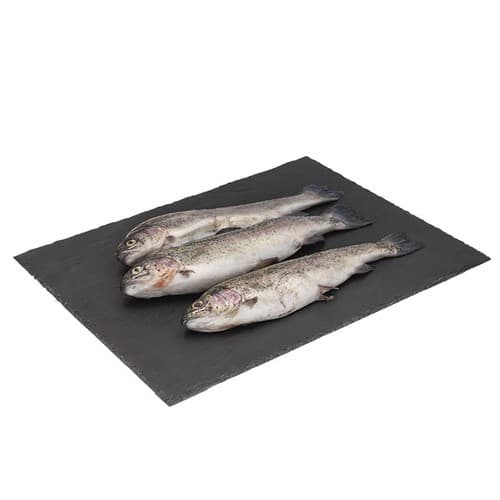 €2.50
€2.50Rainbow Trout
ud · Bonpreu
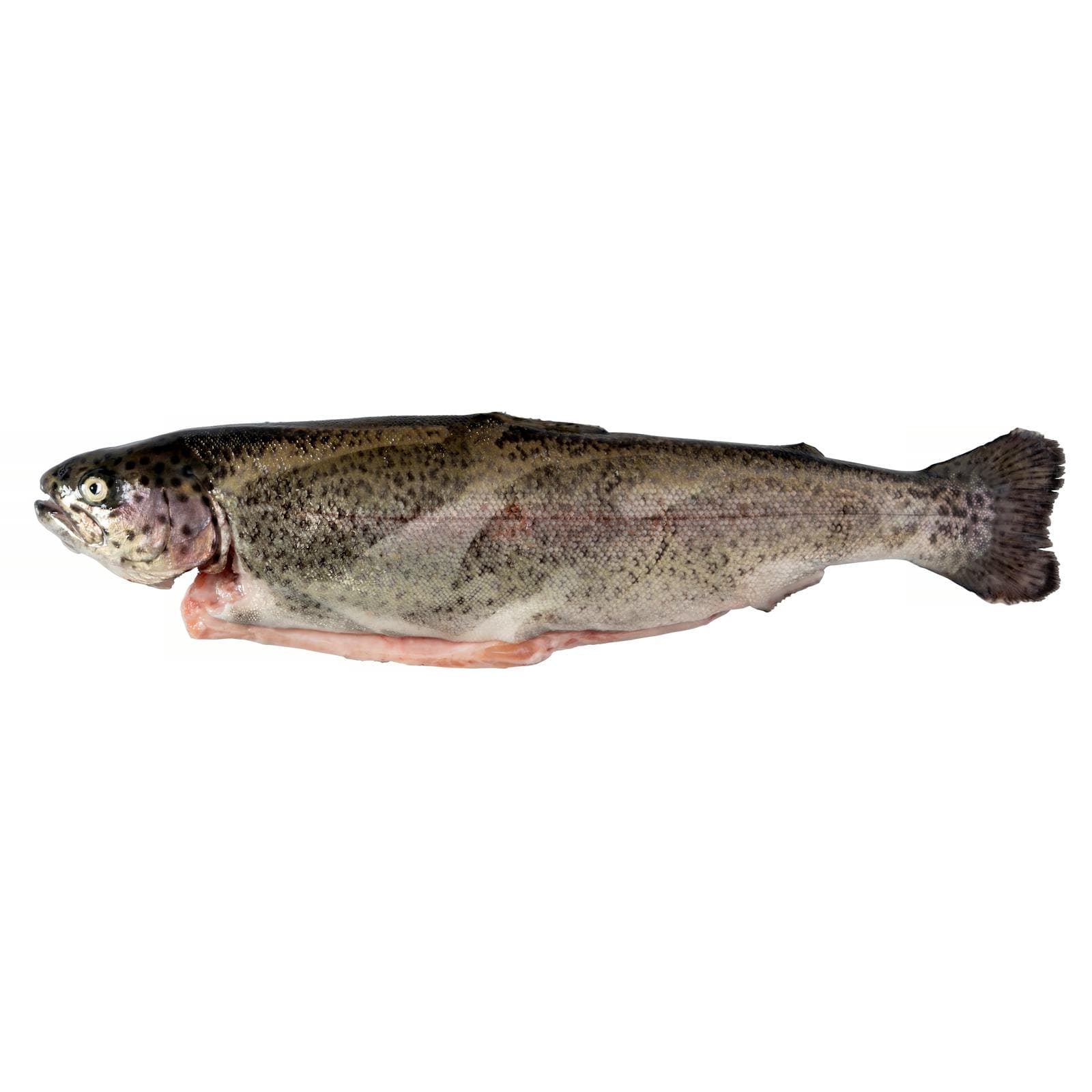 €3.94
€3.94Rainbow Trout Finless
440 g · Mercadona
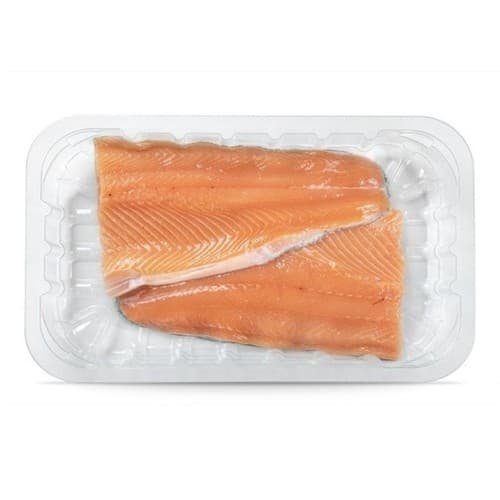 €5.99
€5.99Rainbow Trout Fillet
kg · Bonpreu
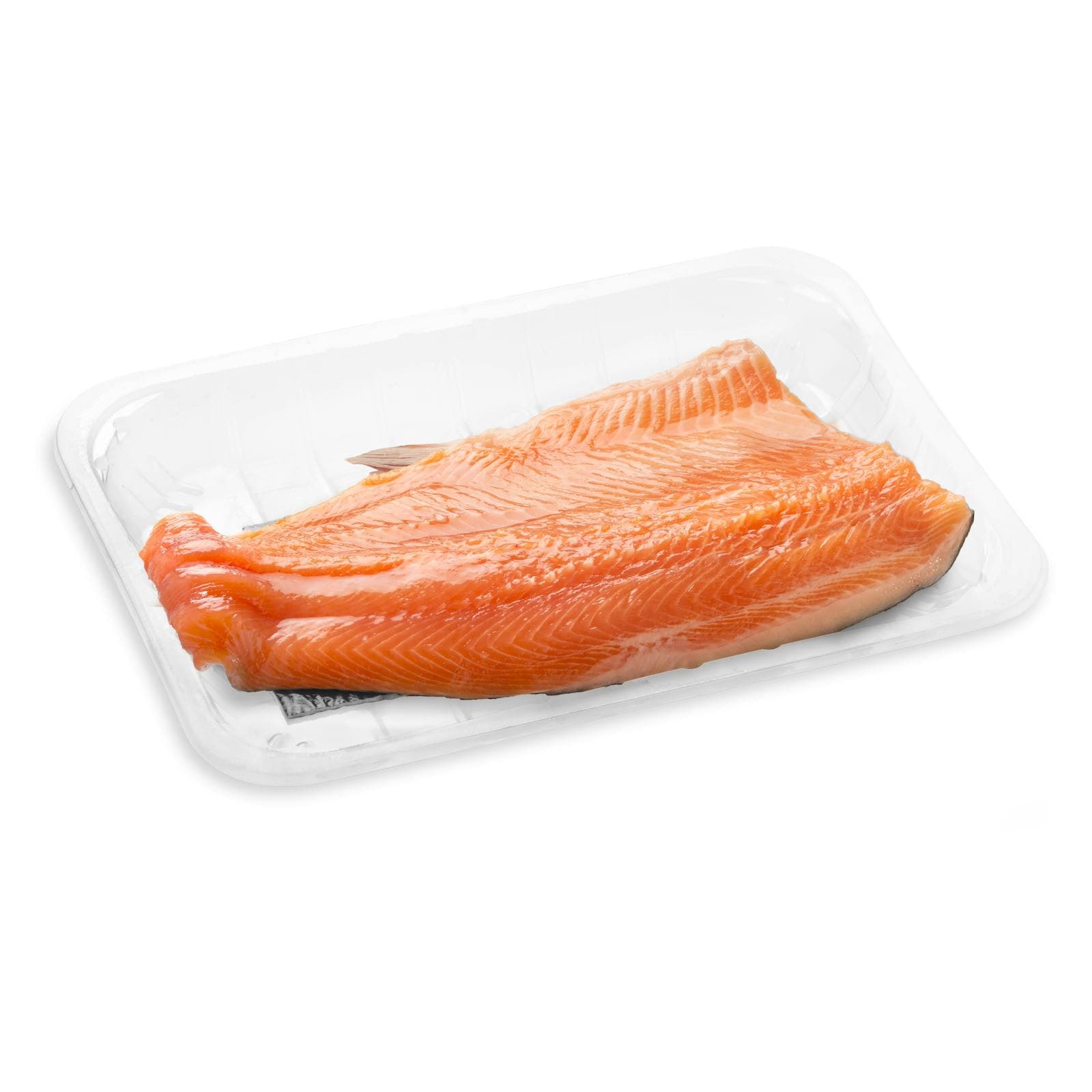 €3.50
€3.50Rainbow Trout Fillets
226 g · Mercadona
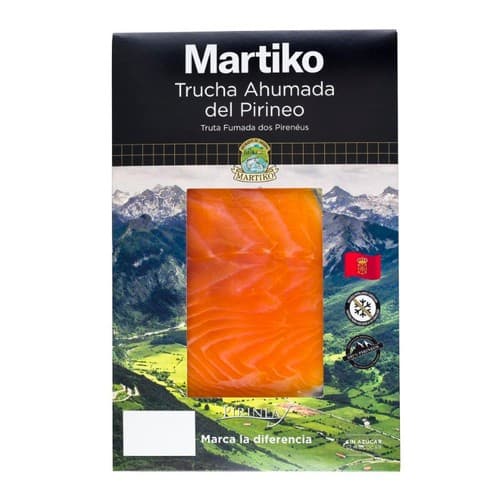 €5.49
€5.49MARTIKO Smoked Rainbow Trout from the Pyrenees
MARTIKO · kg · Bonpreu
Good to know
- Source fish
- Rainbow trout (Oncorhynchus mykiss) and brown trout (Salmo trutta); primarily farmed, some wild
- Processing method
- Salt brine cure, then hot-smoked (60–80°C) or cold-smoked (25–30°C)
- Hot-smoked texture
- Opaque, flaky, firm; fully cooked, holds shape well in warm and cold dishes
- Cold-smoked texture
- Translucent, silky, sliceable; raw flesh is cured and dried but not cooked
- Sodium content
- 400–600mg per 100g; taste before seasoning any dish containing smoked trout
- Shelf life
- 7–10 days refrigerated after opening; freezing degrades texture significantly
- Smoke woods
- Oak, beech, and alder are traditional; fruit woods used for specialty products
- Yield
- Nearly 100% edible once skin and residual scales are removed
Substitutes
- Smoked salmon — Most accessible substitute; use cold-smoked salmon for cold preparations, hot-smoked salmon for warm dishes; salmon has a richer, fattier flavor and larger flake
- Kipper (hot-smoked herring) — Stronger, oilier fish; reduce to one-third of the trout amount in any dish or it will dominate the flavor
- Smoked mackerel fillet — Intensely flavored and oily; excellent in potato salads and pâtés but needs to be balanced with acid; not appropriate for delicate applications
- Gravlax (salt-cured salmon) — Not smoked, but cured salmon can stand in for cold-smoked trout in canapés and salads; lacks the smoky note but preserves the silky texture
- Smoked Arctic char — Closest flavor and texture to trout; can often be used interchangeably in any preparation; slightly more delicate than rainbow trout
Pairs with
Related
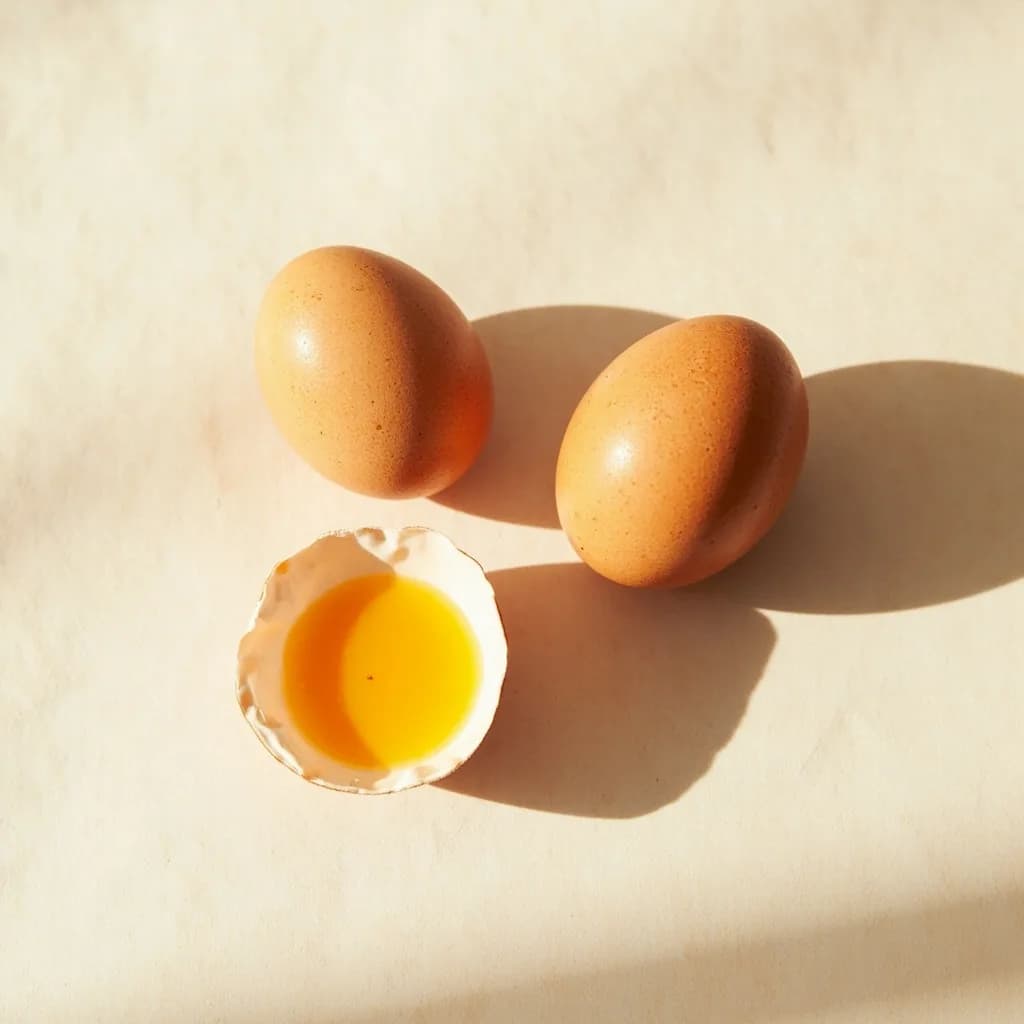
Egg
The kitchen's everything ingredient — bind, leaven, enrich, or fry
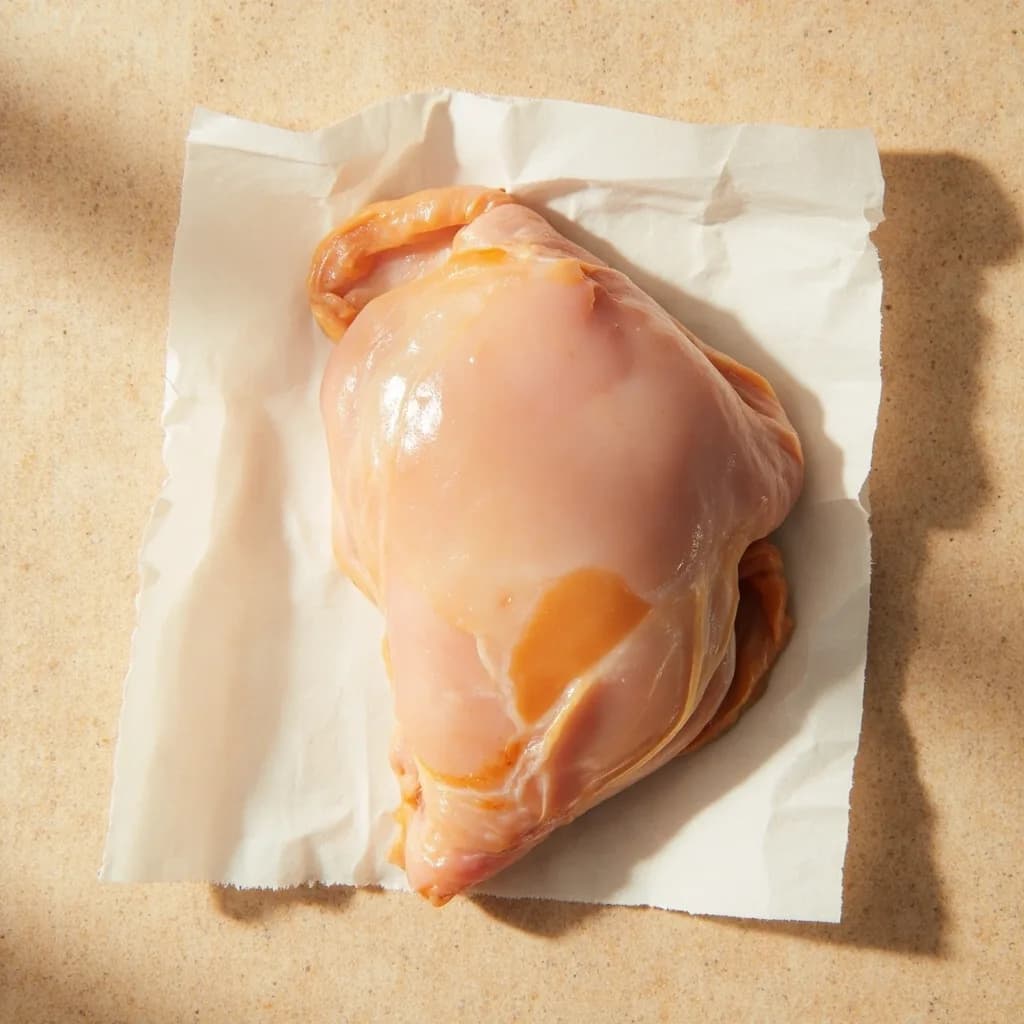
Chicken Breast
Lean, quick-cooking white meat for everyday dinners

Ground Beef
Versatile minced beef for burgers, ragù, tacos, and meatballs
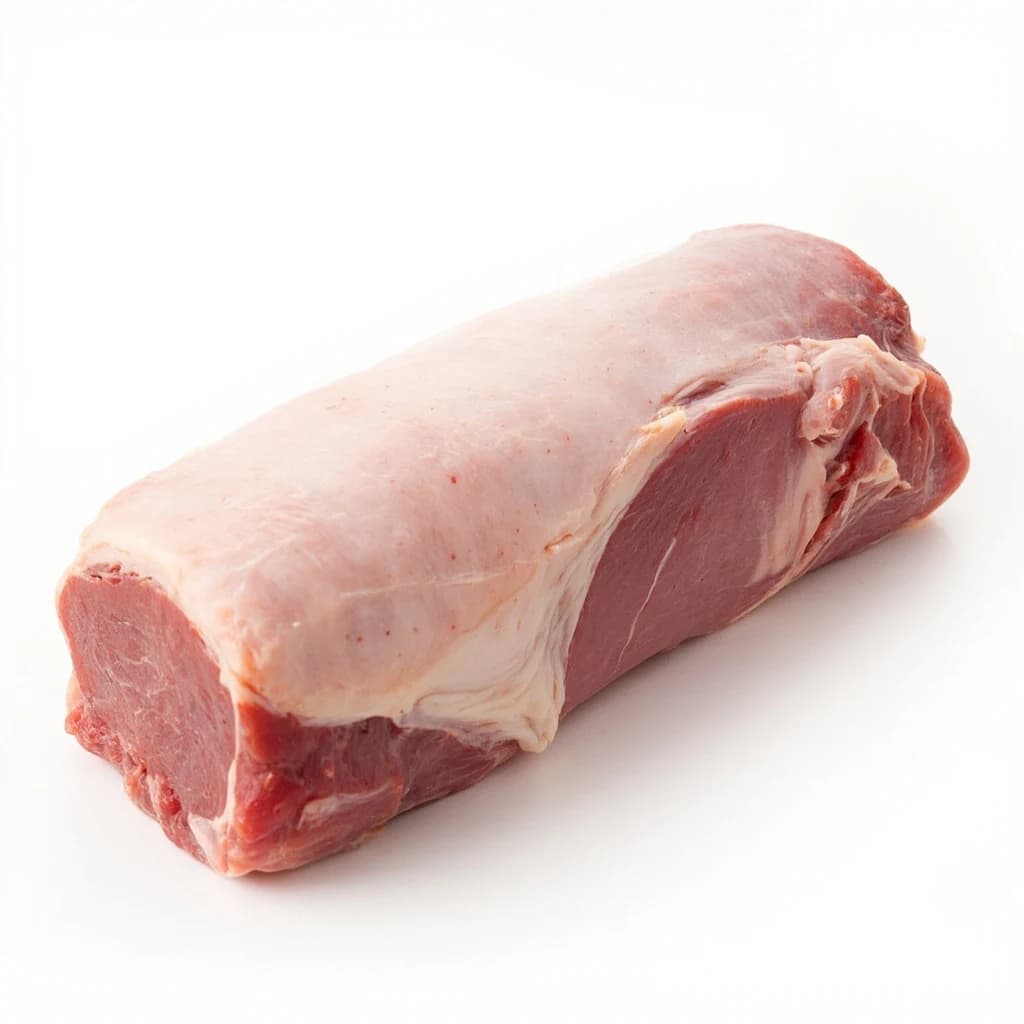
Pork Loin
Lean, tender roasting cut that stays juicy with care
Salmon
Rich, rosy fish that roasts, grills, or cures beautifully

Egg White
Pure protein that whips to airy peaks for meringue and more
Egg Yolk
Rich, golden yolk for custards, mayonnaise, and pasta

Quail Egg
Tiny, speckled eggs for garnishing and elegant bites