Grains & Rice
Farro
Ancient hulled wheat with a chewy bite and nutty taste, great in salads and soups.
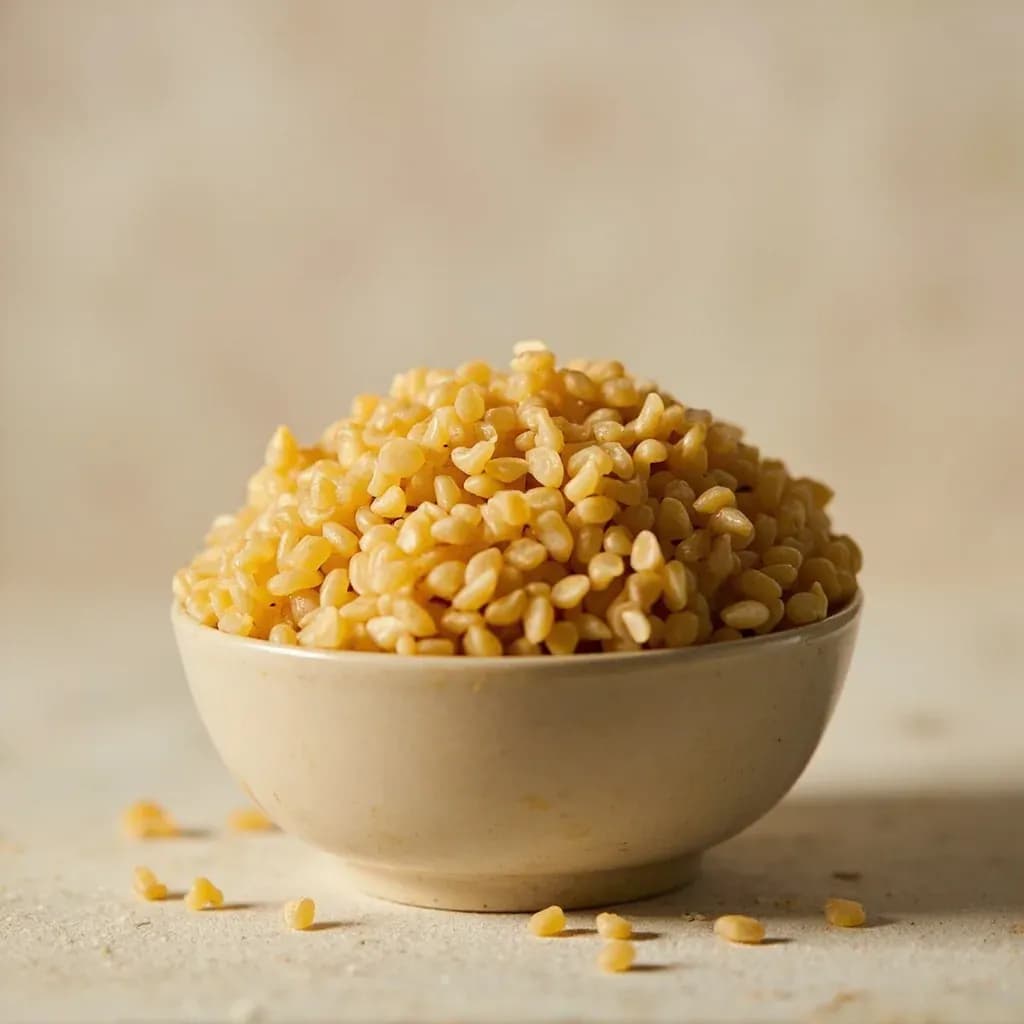
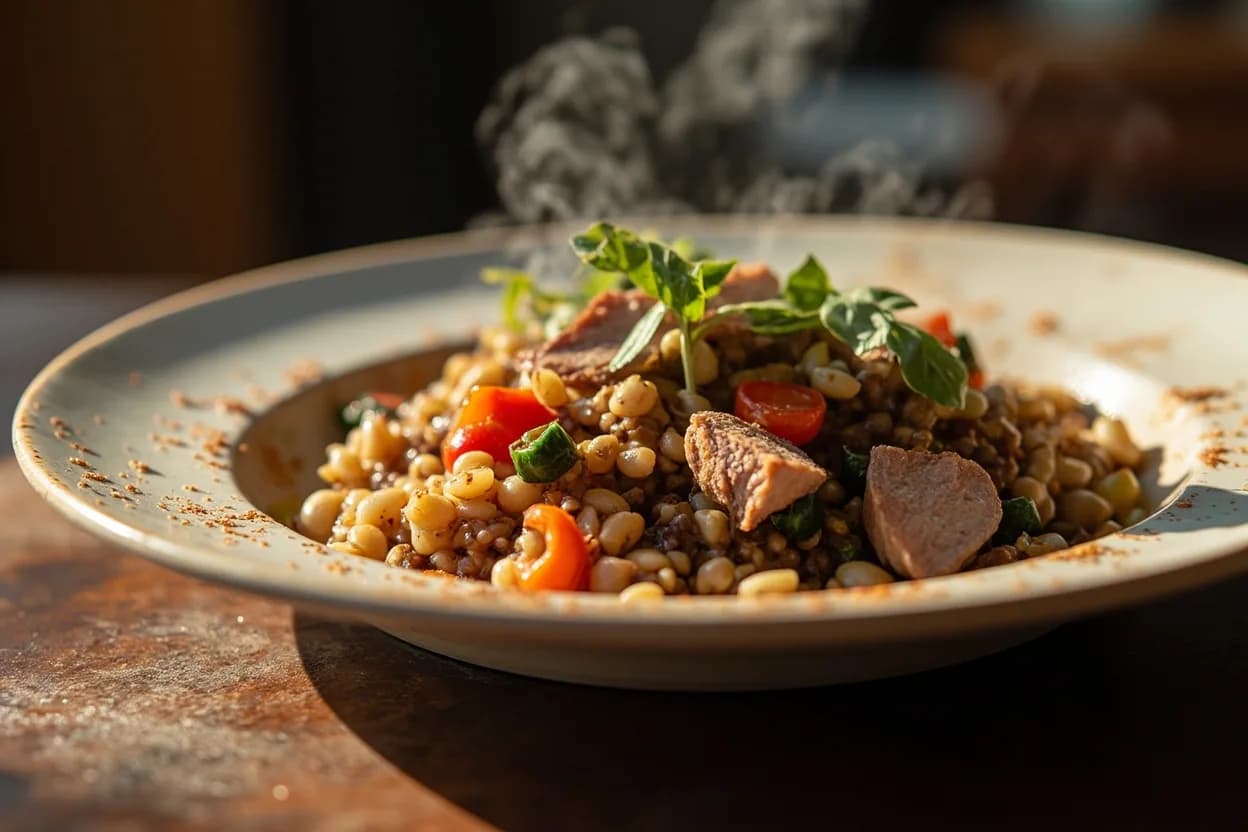
Farro is an ancient wheat, most often emmer, sold as whole or pearled grains with a firm, chewy texture and nutty flavor. A Tuscan and broader Italian staple, it is simmered into grain salads, hearty soups, and risotto-style dishes. Pearled farro cooks faster since some bran is removed, while whole farro keeps more fiber.
Farro is an ancient hulled wheat grain that has sustained Mediterranean populations for over five millennia. Unlike modern wheat, farro retains a tough outer hull that must be removed before processing but leaves the bran and germ largely intact, giving it a substantially denser, chewier texture and more complex nutritional profile. The term encompasses three distinct species—emmer (the most common), einkorn (the oldest cultivated variety), and spelt (larger-grained and sweeter)—all ancient relatives of modern wheat. In Italy, 'farro' legally refers to emmer, and Tuscany's Garfagnana and Mugello regions produce prized PGI-protected varieties prized for their robust, nutty character. Farro was so essential to Roman civilization that soldiers called it 'far'—the root of both the Italian word for flour (farina) and the English 'farina.'
When cooked properly, farro develops a distinctive chewy bite with a nutty, slightly sweet wheat flavor that distinguishes it from blander grains. Whole-grain farro requires soaking—typically 6 to 12 hours—before simmering 30 to 50 minutes, while pearled or semi-pearled varieties (labeled 'perlato') skip the soaking and cook in 20 to 30 minutes. The grain roughly doubles in volume when cooked, absorbing about three to four parts liquid to one part grain. This absorbency makes farro excellent for slurrying up sauces and dressings, while its firm texture holds up beautifully in soups and salads without turning mushy.
Understanding which farro you have matters enormously in the kitchen. True whole-grain farro (farro integrale) delivers the best nutrition and most pronounced wheat flavor but requires patience. Pearled farro sacrifices some fiber and chew for speed and convenience. Most American grocery stores sell spelt labeled as farro, which behaves slightly differently—it's lighter, sweeter, and more widely available. Always read packaging for soaking and cooking instructions, as preprocessing varies by producer.
- Measured in
- g
- Storage
- Pantry
Allergens
Types & varieties
The most common farro; what most Italians mean when they say 'farro.' Medium-sized grain with robust flavor and excellent chewy texture.
The oldest cultivated variety; smaller, more elongated grain. Higher protein and more dietary fiber than emmer with a slightly sweeter, more delicate flavor. Often harder to find.
Technically spelt; larger grain than true emmer. More widely available in North America. Slightly sweeter and lighter in texture.
Whole-grain farro with all bran layers intact. Requires longest soaking and cooking time. Nuttiest, chewiest, and most nutritious.
Partially polished to remove some bran. Cooks faster without soaking. Shorter shelf life than whole farro. Lighter color and milder flavor.
Farro with the bran partly polished off so it cooks faster, around 20 minutes, while staying nutty and chewy. Great for quick grain salads, risotto-style farrotto, and soups.
Common uses
Tips & pitfalls
- Always check the package for soaking instructions—some semi-pearled varieties are pre-treated and do not need soaking.
- Salt the cooking water generously; farro absorbs seasoning as it cooks, much like pasta does.
- Do not overcook—farro should retain a distinct chewy bite even when tender. Taste frequently in the final minutes of cooking.
- Toast dry farro in a dry pan for 2–3 minutes before adding liquid to deepen its nutty flavor significantly.
- Cook a large batch and refrigerate or freeze portions for quick weeknight meals; cooked farro freezes well for up to 3 months.
- The water used to cook farro can be reserved and used as a starchy base for soups or risottos, especially if unsalted.
- Use a large pot with plenty of room—farro expands significantly and needs space for liquid to circulate properly.
- For salads, cook until firmly al dente; the grain will continue softening slightly as it cools and absorbs dressing.
Nutrition
Energy
1418 kJ · per 100 g
Where the calories come from
Protein
13.7g
27% DV
Carbs
71.1g
26% DV
Fat
2.5g
3% DV
Sodium
2mg
0% DV
Source · USDA FoodData Central · approx. Wheat, durum
View on FDC →In the shops
Matched grocery products
No matched grocery products for Farro yet.
Good to know
- Origin
- Mediterranean region, cultivated for over 5,000 years; Italy, especially Tuscany, is the primary source today
- Type
- Ancient hulled wheat (emmer, einkorn, or spelt depending on variety)
- Gluten
- Contains gluten; not suitable for gluten-free diets
- Prep Required
- Whole farro: soak 6–12 hours; pearled varieties: no soaking needed
- Cook Time
- 30–50 minutes for whole; 20–30 minutes for semi-pearled or quick-cook varieties
- Ratio
- 1 part farro to 3–4 parts liquid
- Yield
- Approximately doubles in volume; 1 cup dry yields 2–2.5 cups cooked
- Storage (Dry)
- 6–12 months in an airtight container in a cool, dark pantry
- Storage (Cooked)
- Up to 5 days refrigerated in an airtight container
- Flavor
- Nutty, earthy, slightly sweet with pronounced wheat flavor and chewy texture
Substitutes
- Spelt — Closest flavor and texture; use 1:1 ratio. Not interchangeable in recipes calling for true Italian farro if authenticity matters.
- Wheat Berries — Hard winter wheat kernels; similar chewy texture and cooking time. Flavor is slightly blander; may need more seasoning.
- Barley — Pearled barley works for soups; hulled barley requires similar soaking. Different flavor—milder and less nutty.
- Einkorn Berries — Direct substitute if using farro piccolo; similar ancient grain with comparable cooking method and chewy texture.
- Brown Rice — Longer cooking time; does not achieve the same chew. Acceptable in grain bowls or salads where nuttiness is less critical.
- Quinoa — Gluten-free alternative for salads; different texture (lighter, fluffier) and flavor (earthy-sweet). Cooking time much shorter.
Pairs with
Also called
Emmer Wheat · Emmer
Appears in these dishes
Related

White Rice
Fluffy long-grain rice — the neutral base for almost any meal

White Bread
Soft sandwich loaf for toast, sandwiches, and crumbs
Brown Rice
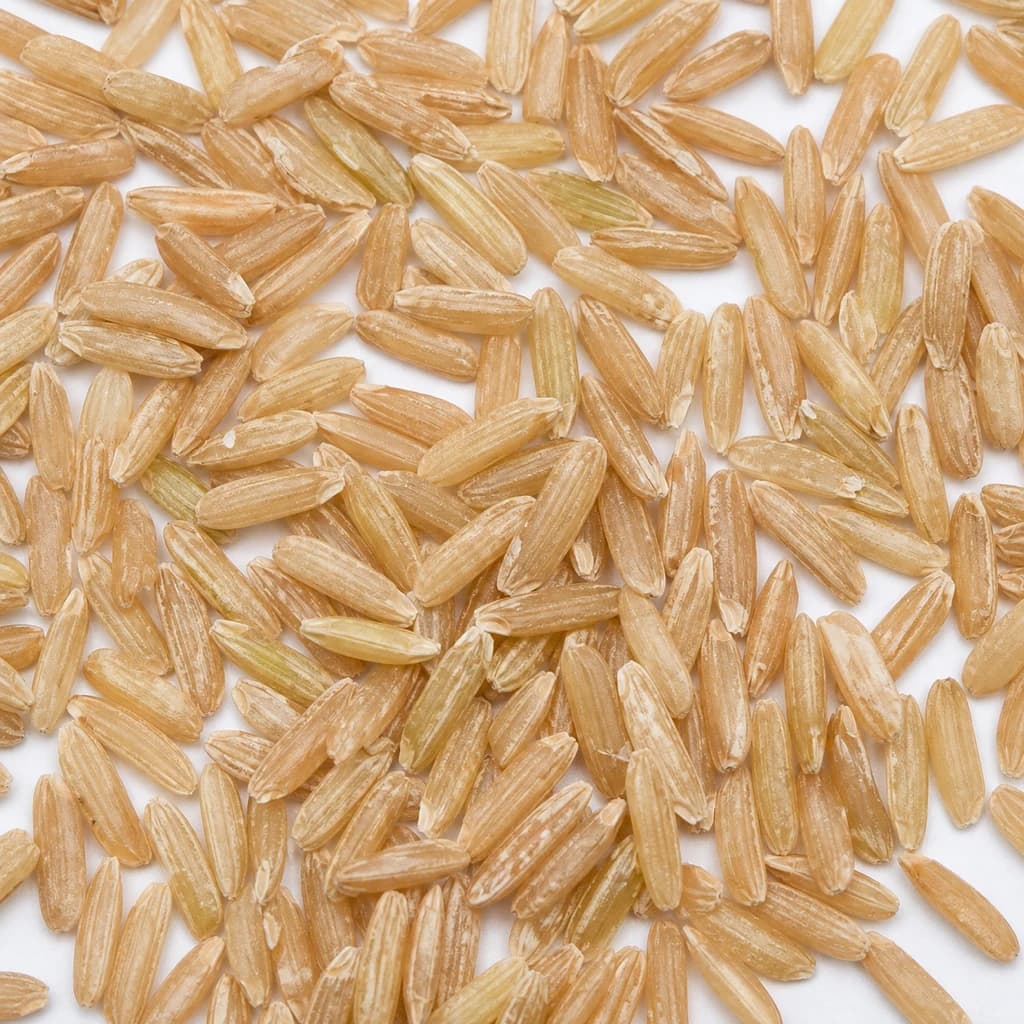
Nutty, whole-grain rice with chew and extra fiber

Basmati Rice
Fragrant, long-grain rice that cooks up light and separate
Jasmine Rice
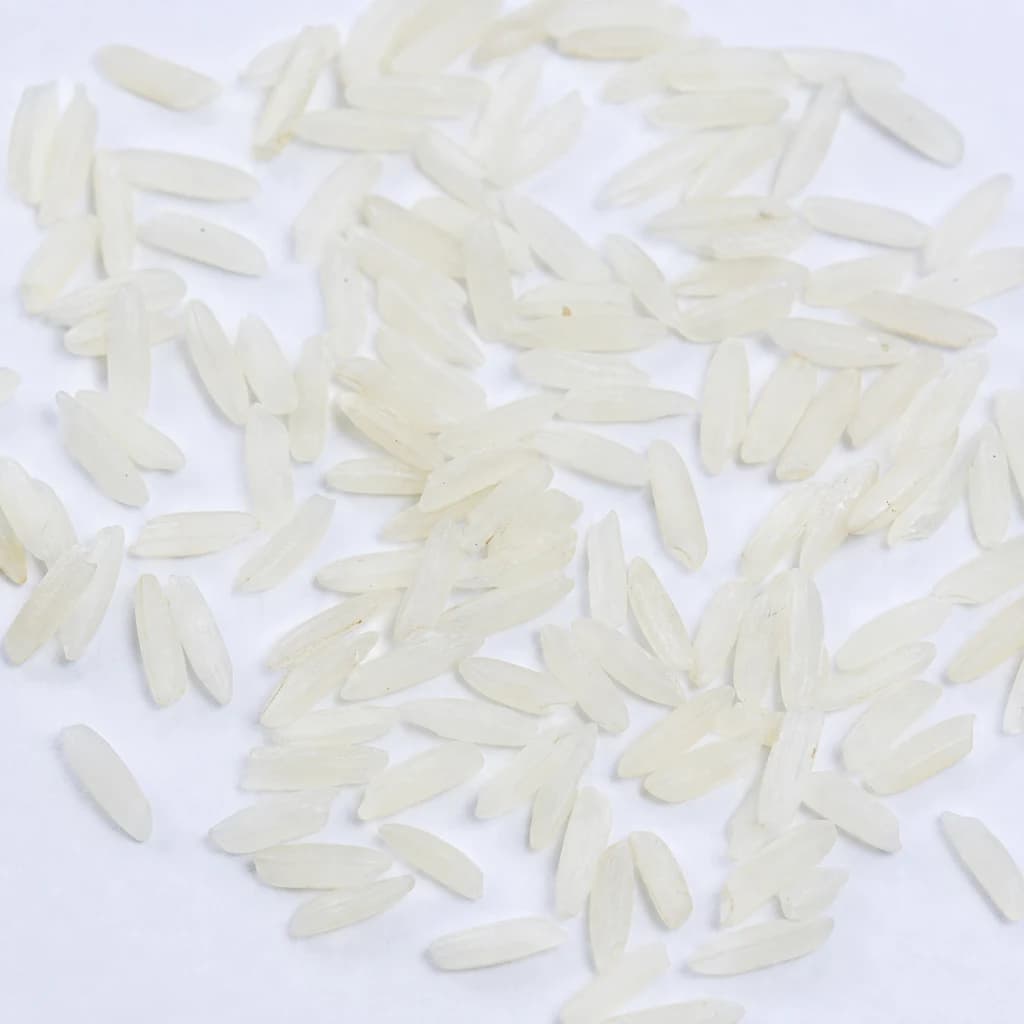
Soft, floral-scented rice that's the pillar of Thai meals
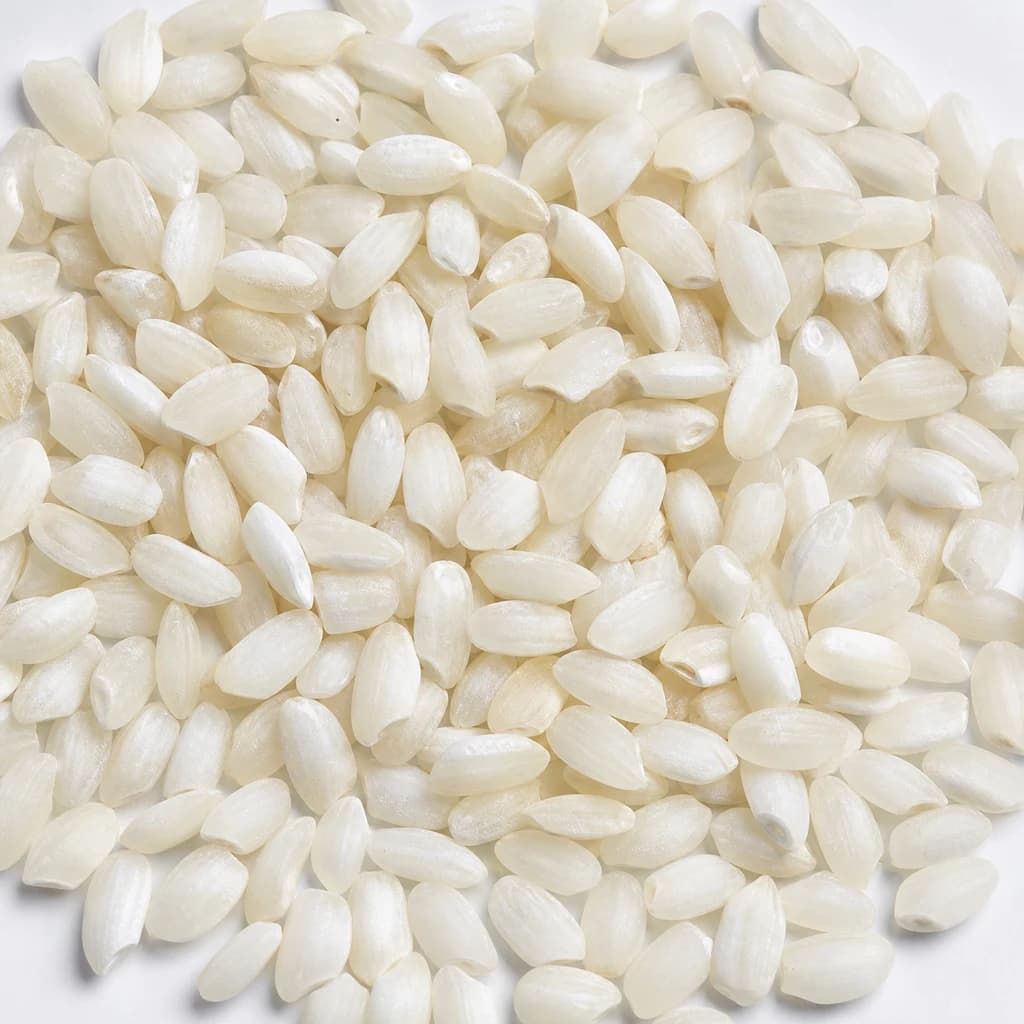
Arborio Rice
Plump, starchy rice that makes risotto creamy
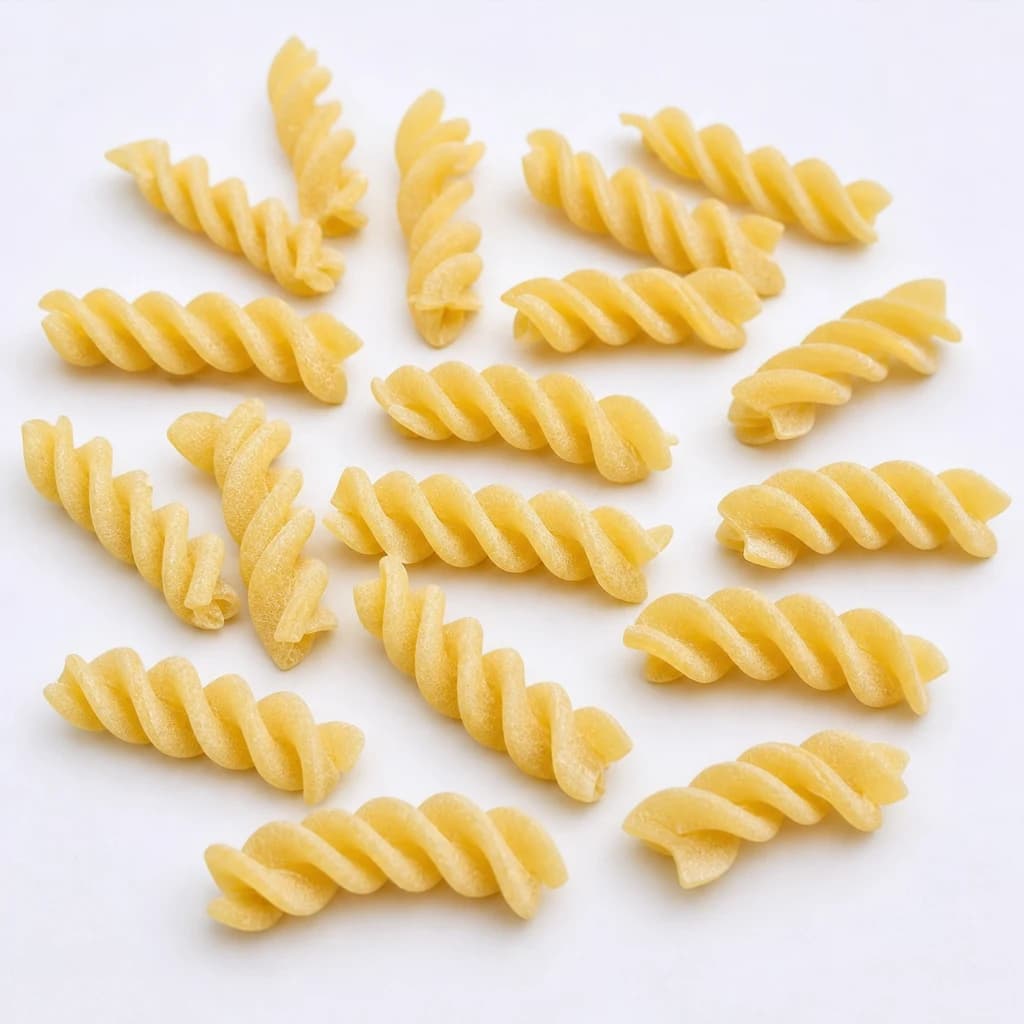
Fusilli
Spiraled pasta that twirls up sauce and dresses cold salads
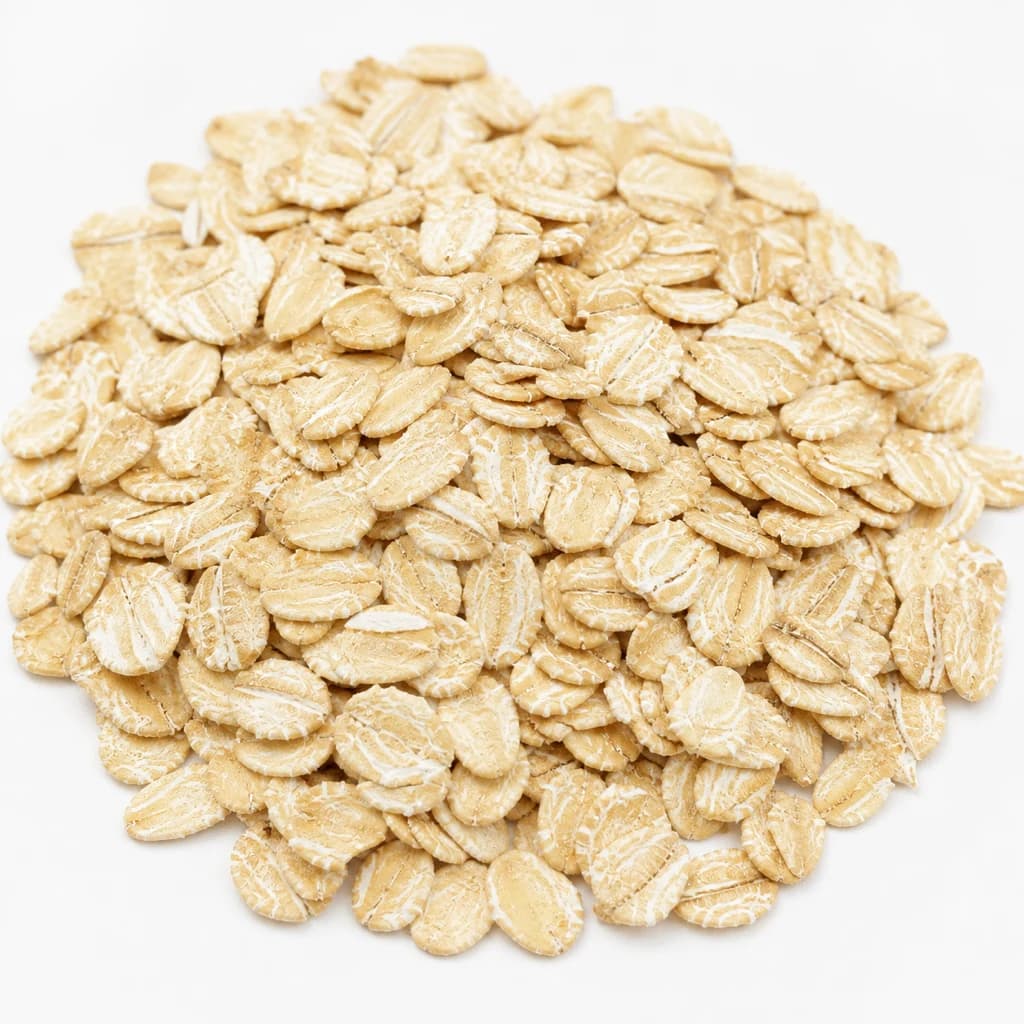
Rolled Oats
Hearty flakes for porridge, granola, and chewy cookies