Grains & Rice
Spelt
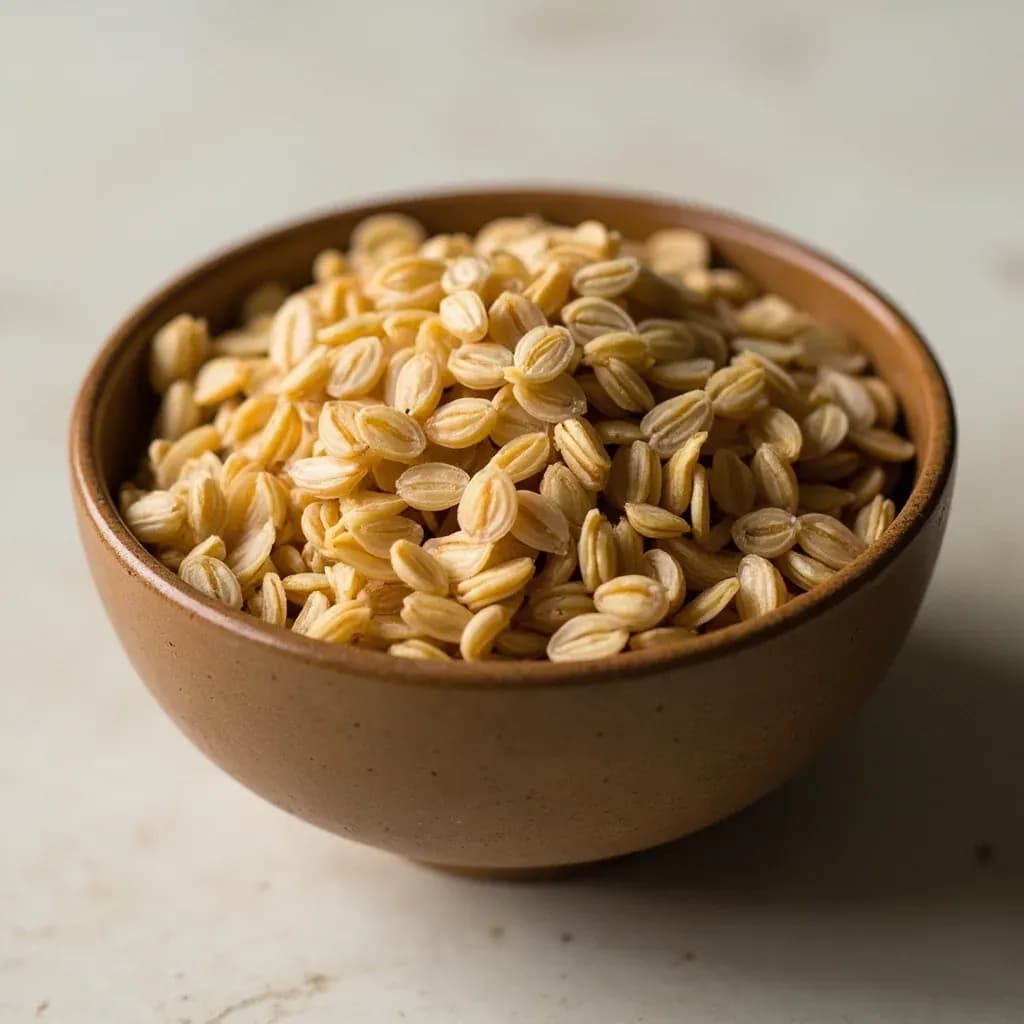
Ancient nutty wheat eaten as whole berries or milled for breads.
Spelt is an ancient hulled wheat with a nutty, slightly sweet flavor and chewy texture. The whole grains are simmered for salads and soups, while spelt flour bakes into rustic breads and pastries. It contains gluten but is often tolerated for its different protein profile and easy digestibility.
Spelt is an ancient hulled wheat (Triticum spelta) that humans domesticated in southwestern Asia around 5000 BCE, making it one of the oldest cultivated grains still in regular kitchen use. Unlike modern wheat, spelt retains its tough outer hull, which must be removed before the grain can be milled or cooked—this natural armor also explains its exceptional storage stability without preservatives. In the kitchen, spelt offers a distinctly nutty, slightly sweet flavor that sets it apart from common wheat, with a tender yet chewy texture when cooked as whole berries and a lighter, more delicate crumb in baked goods. Its gluten structure is weaker than bread wheat, which makes it unsuitable for high-risen sandwich loaves but excellent for flatbreads, focaccia, and open-crumb rustic loaves where an open, airy interior is desirable rather than a tight, sliceable crumb.
- Measured in
- g
- Storage
- Pantry
Allergens
Types & varieties
Intact grain; requires soaking 6–12 hours before cooking; used in salads, soups, porridge, and as a rice alternative in grain bowls
Ground whole berry; nuttier, lighter than whole wheat; ideal for rustic breads, pancakes, and waffles
Refined version with bran and germ removed; produces lighter baked goods than whole-grain spelt flour
Cooking Whole Spelt Berries
Spelt berries are dense and require both soaking and simmering to reach a properly tender texture. Skipping the soak results in rock-hard grains even after extended cooking. The cooked berries should retain a pleasant chew—slightly al dente at the center—without any crunch. Drain any remaining liquid after cooking; undercooked berries that haven't absorbed all water will spoil quickly in the refrigerator.
- Soak berries 6–12 hours in cold water (water should be generously above grain level)
- Drain soaking water and rinse briefly
- Simmer in fresh water (3:1 ratio) for 50–60 minutes until tender but with slight resistance
- Season cooking water like pasta water—a bay leaf, salt, or even a splash of white wine adds depth
- Test early at 45 minutes to avoid mushiness, especially for salad applications
Working with Spelt Flour
Spelt flour's weaker gluten network means it behaves differently than standard bread flour. It absorbs less water, mixes more quickly, and develops structure with far less kneading—overworking spelt dough will actually make it tough. For best results, use a lighter hand when mixing and expect a dough that comes together faster and feels more extensible than wheat dough. Baked goods made with whole spelt flour will brown more quickly due to the grain's natural sugars, so monitor oven temperatures accordingly.
- Reduce mixing time by half compared to wheat doughs
- Expect a stickier dough—resist adding extra flour
- Reduce oven temperature by 25°F (15°C) to prevent excessive browning
- Spelt pastries and pie crusts tend to be more tender and fragile than their wheat counterparts
Common uses
Tips & pitfalls
- Always soak whole berries 6–12 hours before cooking to reduce active time by half and improve texture—skipping this step can double your cooking time and produce uneven results.
- A common mistake is assuming spelt can substitute 1:1 for bread wheat in high-risen sandwich loaves—the weak gluten structure causes collapse; reserve spelt for flatbreads, focaccia, and open-crumb rustic loaves.
- Spelt flour goes rancid faster than wheat flour because of its higher oil content; store in the freezer if keeping beyond one month and smell before using—fresh spelt flour has a sweet, nutty aroma.
- When using spelt flour in bread, add ingredients when the dough is just combined—overmixing develops the weak gluten into tough, rubbery strands.
- Whole spelt berries that remain crunchy after cooking haven't been soaked long enough or were cooked at too high a temperature; always use a gentle simmer, not a rolling boil.
- Do not confuse spelt with spelled—spelled is an archaic variant spelling of the same grain; both refer to Triticum spelta.
- Season the cooking water generously; unseasoned spelt berries taste flat and bland, while properly salted cooking liquid seasons the grain throughout.
Nutrition
Energy
1414 kJ · per 100 g
Where the calories come from
Protein
14.6g
29% DV
Carbs
70.2g
26% DV
Fat
2.4g
3% DV
Fiber
10.7g
38% DV
Sugars
6.8g
of which
Sodium
8mg
0% DV
Source · USDA FoodData Central · Spelt, uncooked
View on FDC →In the shops
Matched grocery products
No matched grocery products for Spelt yet.
Good to know
- Scientific name
- Triticum spelta
- Origin
- Southwestern Asia, domesticated ~5000 BCE
- Type
- Hulled wheat (gluten-containing)
- Protein content
- 15–18% (higher than common wheat)
- Whole berry cooking time
- 50–60 minutes simmered after soaking
- Flour storage (pantry)
- 1–3 months; freeze for up to 6 months
- Berry storage
- 6–12 months in airtight container in cool, dry place
- Yield (berries to cooked)
- Approximately 2.5:1
- Gluten
- Present; not suitable for gluten-free diets
- Hull removal
- Requires de-hulling before milling or cooking
Substitutes
- Farro — Closest texture and nutty flavor; cooking time and method are nearly identical; use at 1:1 ratio
- Emmer — Another ancient hulled wheat; slightly earthier; direct substitute in most applications
- Hulled barley — Comparable chewy texture; note that barley has a distinctly different, more neutral flavor and longer cooking time
- Hard red winter wheat berries — Will yield a nuttier result; may require slightly longer cooking time for berries
Pairs with
Also called
Pira · Dinkel
Related

White Rice
Fluffy long-grain rice — the neutral base for almost any meal

White Bread
Soft sandwich loaf for toast, sandwiches, and crumbs
Brown Rice
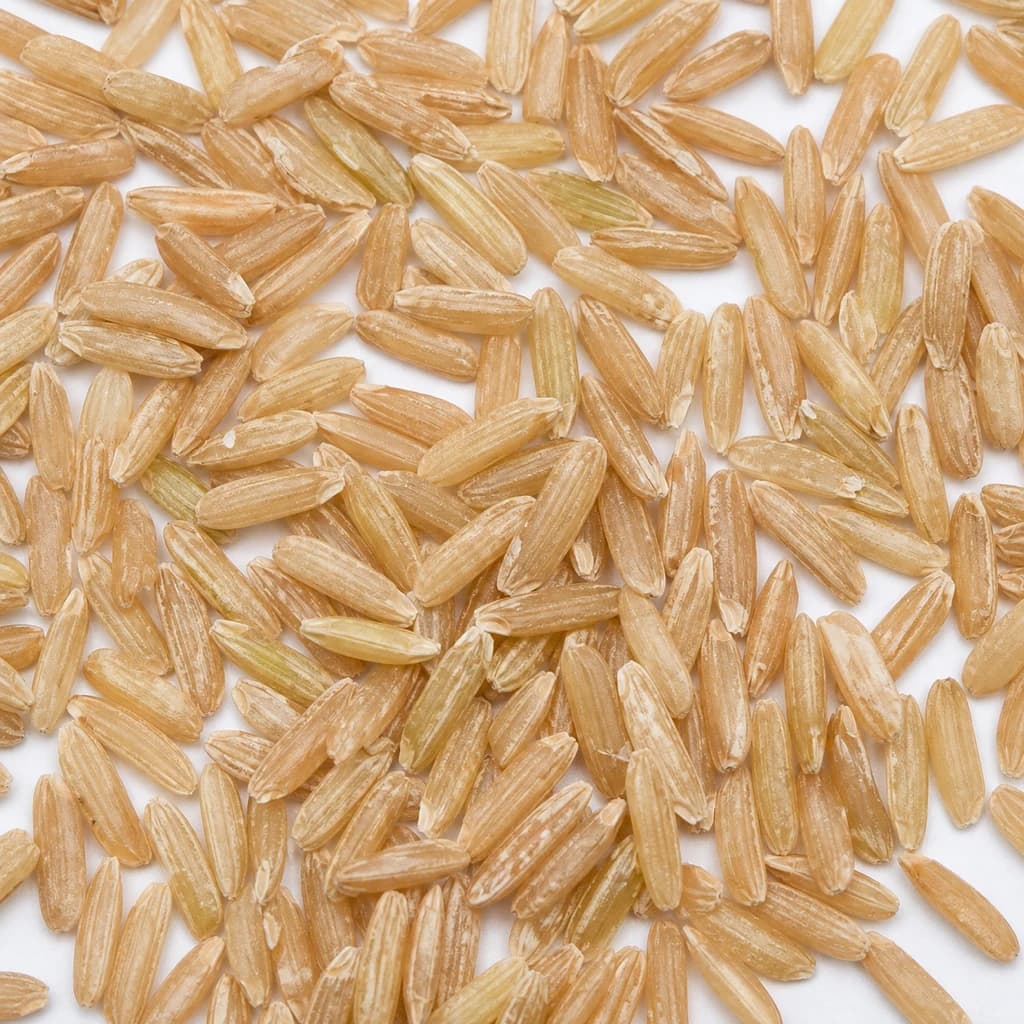
Nutty, whole-grain rice with chew and extra fiber

Basmati Rice
Fragrant, long-grain rice that cooks up light and separate
Jasmine Rice
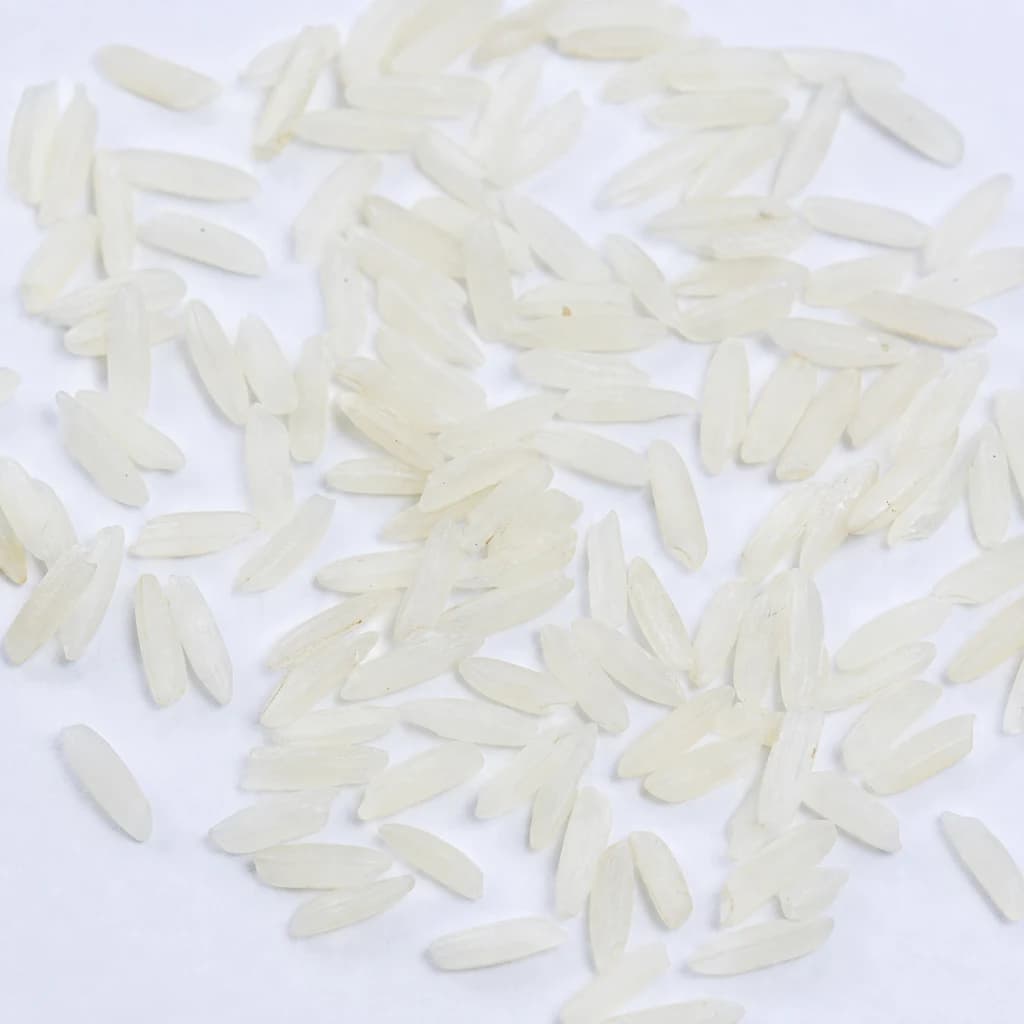
Soft, floral-scented rice that's the pillar of Thai meals
Arborio Rice
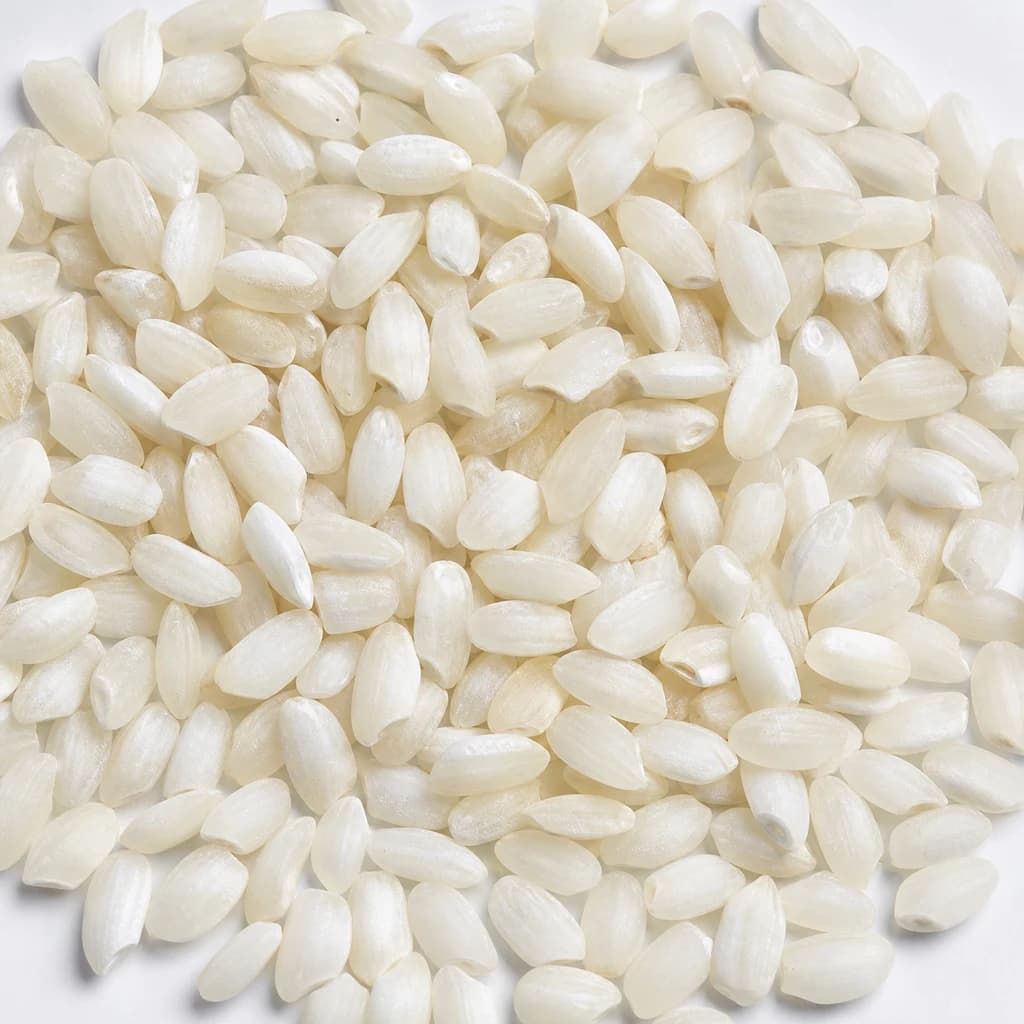
Plump, starchy rice that makes risotto creamy
Fusilli
Spiraled pasta that twirls up sauce and dresses cold salads
Rolled Oats
Hearty flakes for porridge, granola, and chewy cookies