Grains & Rice
Emmer Wheat (Farro)
Ancient hulled wheat, sold as farro, with chewy nutty berries for salads and soups.
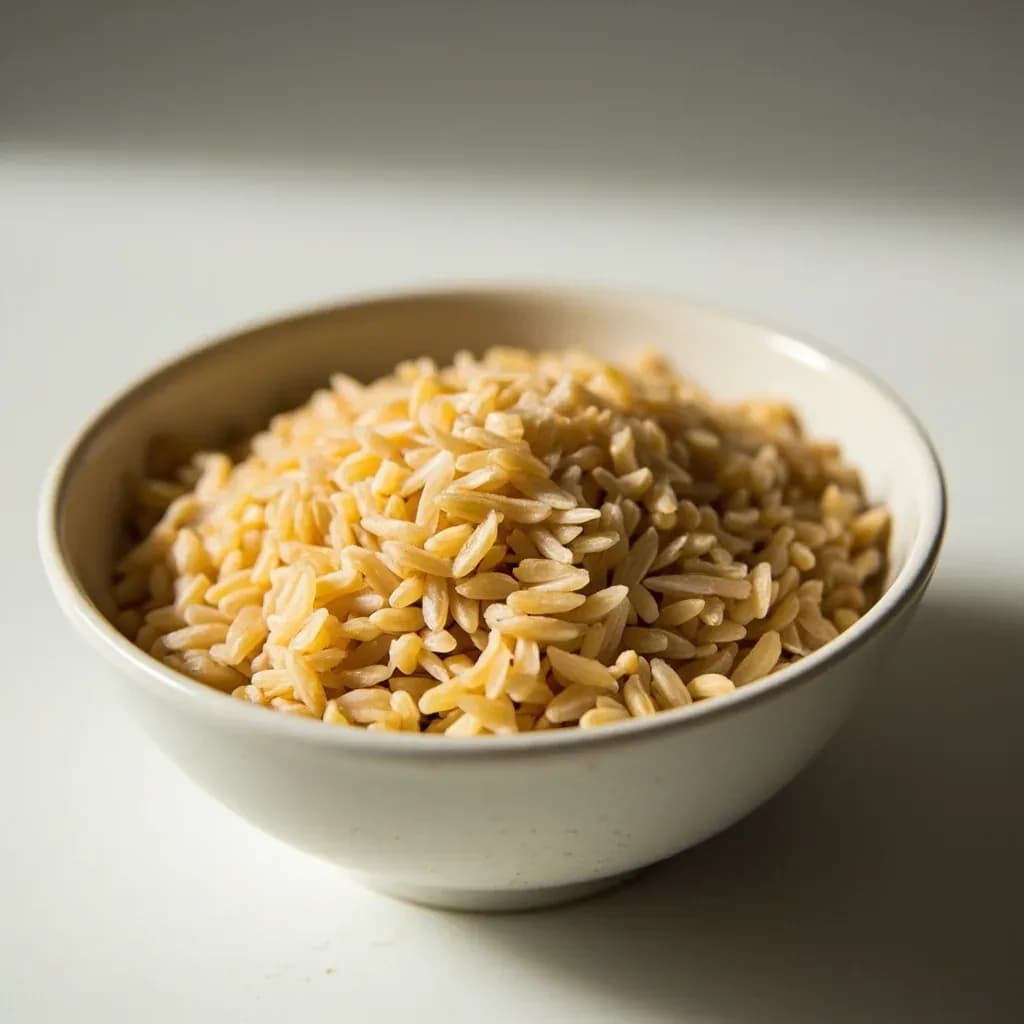
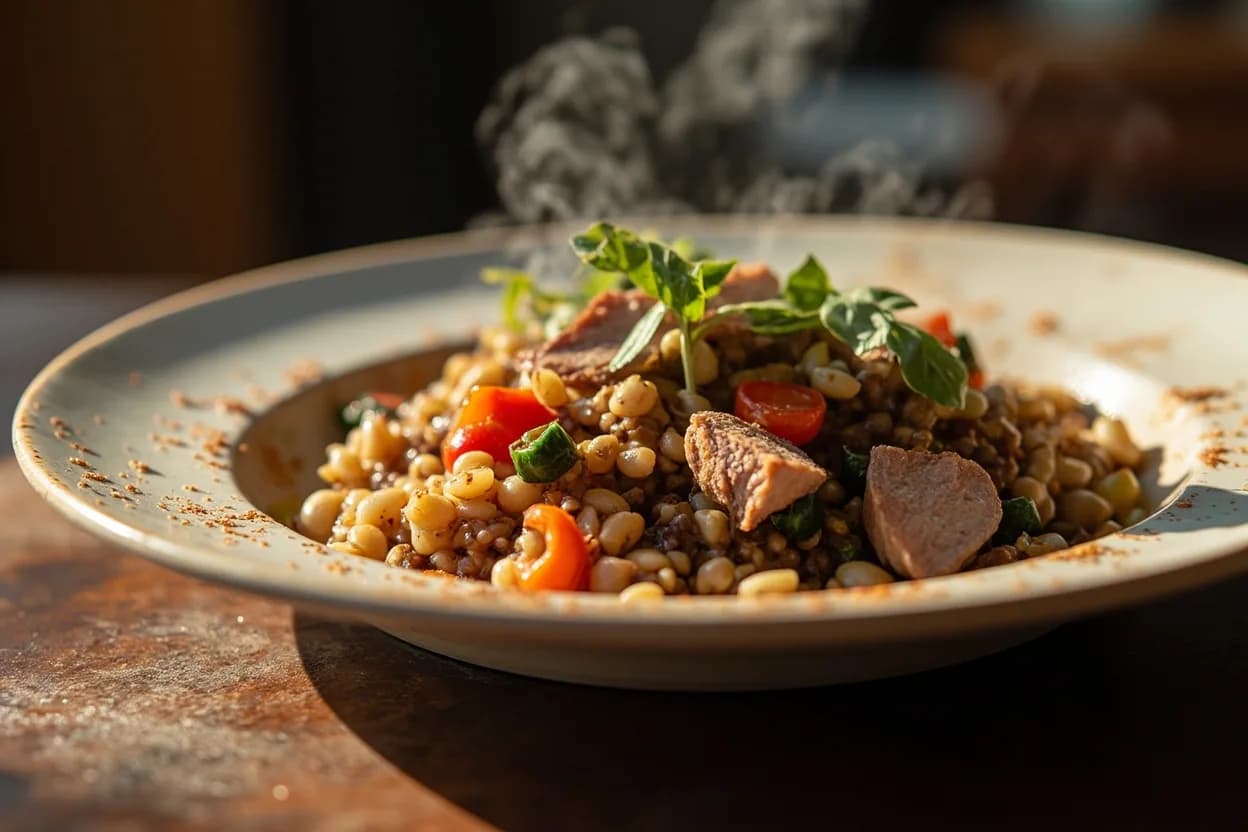
Emmer is an ancient hulled wheat widely sold as farro, especially in Italy. Its plump berries cook to a chewy, nutty bite and hold their shape, making them ideal for grain salads, soups, and risotto-style dishes. It is hardy, high in protein, and was a staple of the ancient Mediterranean.
Emmer wheat (Triticum turgidum subsp. dicoccum), sold in the United States under the Italian name farro, is one of the oldest cultivated grains in the world, domesticated in the Fertile Crescent at least 10,000 years ago. Unlike modern wheat, emmer is a hulled grain—the tough outer chaff remains locked around the berry during harvest and must be mechanically removed before cooking. This hulling process preserves more of the grain's bran and nutrients than conventional wheat milling, giving cooked emmer its distinctive chewy bite and complex nutty flavor that softer modern grains lack.
In American markets, 'farro' typically means emmer, though the Italian term also encompasses spelt (farro grande) and einkorn (farro piccolo). Emmer falls in the middle—larger than einkorn but smaller than spelt, with a robust earthy character that holds its structure through long simmering. The grain swells dramatically during cooking, absorbing roughly two and a half times its volume in liquid, so generous pot headroom is essential. Properly cooked emmer should have a firm, almost al dente center with a slight resistance when you bite down—never mushy or split.
The grain is sold in three forms: whole (intact berry with full bran layer), semi-pearled (husk removed, most bran intact), or fully pearled (husk and up to a quarter of bran polished away). Whole and semi-pearled yield the best texture and nutrition, while fully pearled cooks faster but sacrifices character. Italian imports, typically sold in one-pound paper bags, are usually whole or semi-pearled; American brands are more likely to be pearled. Check the label and expect different cooking times accordingly—whole grain needs 40–50 minutes, semi-pearled 30–40, and fully pearled just 20–25.
- Measured in
- g
- Storage
- Pantry
Allergens
Types & varieties
Most common farro in commerce; medium-sized grain, robust nutty flavor, widely available in the US under the 'farro' label
Most common variety in markets; lighter color, milder flavor than red emmer
Hardier variety with earthier, more pronounced flavor; more common in whole-grain and heritage markets
Technically a different species (Triticum spelta); sold interchangeably as farro in Italy; slightly larger grain, sweeter taste
Smallest ancient wheat grain; most ancient of the trio; harder to find; produces sticky texture when cooked; lower yield
Understanding Hulled vs. Pearled Farro
The distinction matters more than most cooks realize. True hulled farro—whole or semi-pearled—retains the bran layer intact beneath the outer husk, giving it the nutritional profile of a whole grain and the characteristic chew that makes the grain worth cooking. Fully pearled farro is debearded, hulled, and polished, removing up to 25% of the bran and all of the outer fiber. It cooks faster and appeals to convenience, but the result is softer, less nutritious, and closer in character to barley than to traditional farro. When a recipe calls for farro and you use fully pearled, expect shorter cooking times, a softer texture, and a milder grain flavor. Many American-packaged 'farro' products are fully pearled—look for Italian imports or check the ingredient list for 'farro integrale' (whole) or 'farro semi-integrale' (semi-pearled).
- Whole farro: intact berry with full bran layer, longest cooking time, most authentic texture
- Semi-pearled: husk removed, most bran intact, best balance of convenience and quality for most cooks
- Fully pearled: husk and some bran removed, shortest cooking time, softer texture, less nutrition
Common uses
Tips & pitfalls
- Soak whole and semi-pearled farro overnight in cold water—this cuts cooking time by roughly 15 minutes and promotes more even hydration throughout the grain; discard soak water before cooking
- Toast dry grains in a dry skillet over medium heat for 2–3 minutes before adding liquid to intensify the nutty flavor and set the exterior
- Season cooking water generously with salt—undersalted water produces bland grain since the grain absorbs the liquid as it cooks
- Add salt only after the grains have softened, after about 20 minutes of simmering; salt added too early can actually firm the exterior and prevent proper hydration
- Do not stir during cooking—agitating releases starch and creates a gluey texture; instead, swirl the pot gently if you need to redistribute
- Test for doneness starting 5 minutes before the expected time; the grain should offer slight resistance at the center, not be completely soft throughout
- If your farro never becomes tender despite extended cooking, it is likely old or was never properly hulled—discard it and try a fresh source from a different supplier
- Cook a large batch and refrigerate for up to 5 days or freeze for up to 3 months—cooked farro reheats well with a splash of broth or water
- Store unopened packages in the freezer to extend shelf life and kill any potential grain weevils common in whole grains
Nutrition
Energy
1418 kJ · per 100 g
Where the calories come from
Protein
13.7g
27% DV
Carbs
71.1g
26% DV
Fat
2.5g
3% DV
Sodium
2mg
0% DV
Source · USDA FoodData Central · approx. Wheat, durum
View on FDC →In the shops
Matched grocery products
No matched grocery products for Emmer Wheat (Farro) yet.
Good to know
- Scientific name
- Triticum turgidum subsp. dicoccum
- Origin
- Fertile Crescent; cultivated since at least 10,000 BCE
- Processing
- Hulled—the outer chaff is removed mechanically; retains intact bran layer (unlike whole wheat)
- Forms available
- Whole berry, semi-pearled (husk removed), or fully pearled (husk and some bran removed)
- Cooking time
- Whole: 40–50 min; semi-pearled: 30–40 min; fully pearled: 20–25 min
- Liquid ratio
- 1 cup grain to 2.5–3 cups liquid for whole/semi-pearled; 1:2 for fully pearled
- Yield
- Approximately 2.5–3 cups cooked per 1 cup dry grain
- Gluten
- Contains gluten; not suitable for gluten-free diets
Substitutes
- Spelt — Closest texture and flavor; substitute 1:1; slightly sweeter and larger grain; also hulled, so adjust cooking time to 35–45 minutes
- Pearled barley — Readily available; softer texture and milder flavor; substitute 1:1; cooks in 25–35 minutes
- Kamut (khorasan wheat) — Ancient wheat with buttery, mild flavor; substitute 1:1; larger grain, cooks in 35–45 minutes
- Freekeh — Young green wheat roasted for a smoky flavor; not interchangeable for neutral applications but works well in soups and salads; cooks in 15–20 minutes
- Hulled millet — Gluten-free alternative with very different flavor and smaller size; cooks in 20–25 minutes; best for grain bowls rather than Italian preparations
- Short-grain brown rice — Gluten-free option; cooks in 40–50 minutes; less chewy texture but acceptable for soups
Pairs with
Also called
Farro · Farro Medio
Appears in these dishes
Related

White Rice
Fluffy long-grain rice — the neutral base for almost any meal

White Bread
Soft sandwich loaf for toast, sandwiches, and crumbs
Brown Rice
Nutty, whole-grain rice with chew and extra fiber

Basmati Rice
Fragrant, long-grain rice that cooks up light and separate
Jasmine Rice
Soft, floral-scented rice that's the pillar of Thai meals
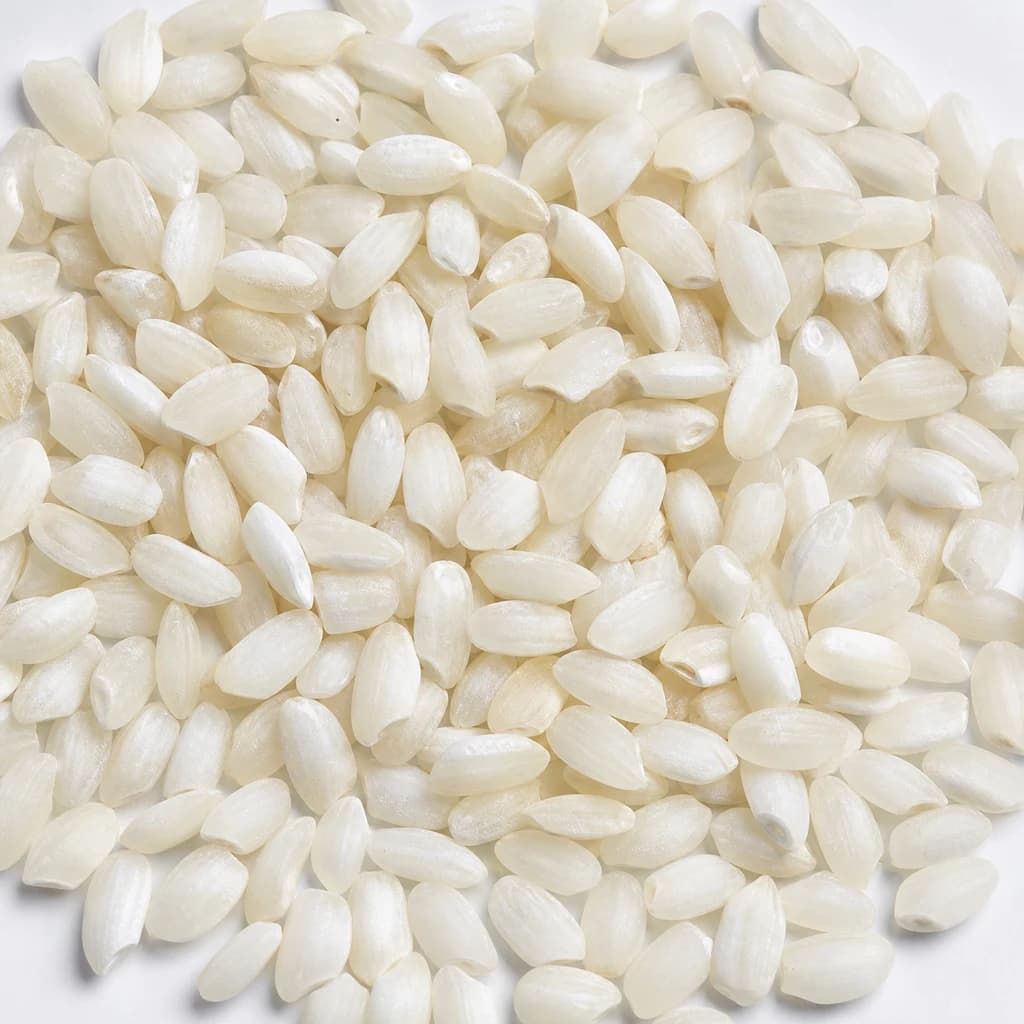
Arborio Rice
Plump, starchy rice that makes risotto creamy
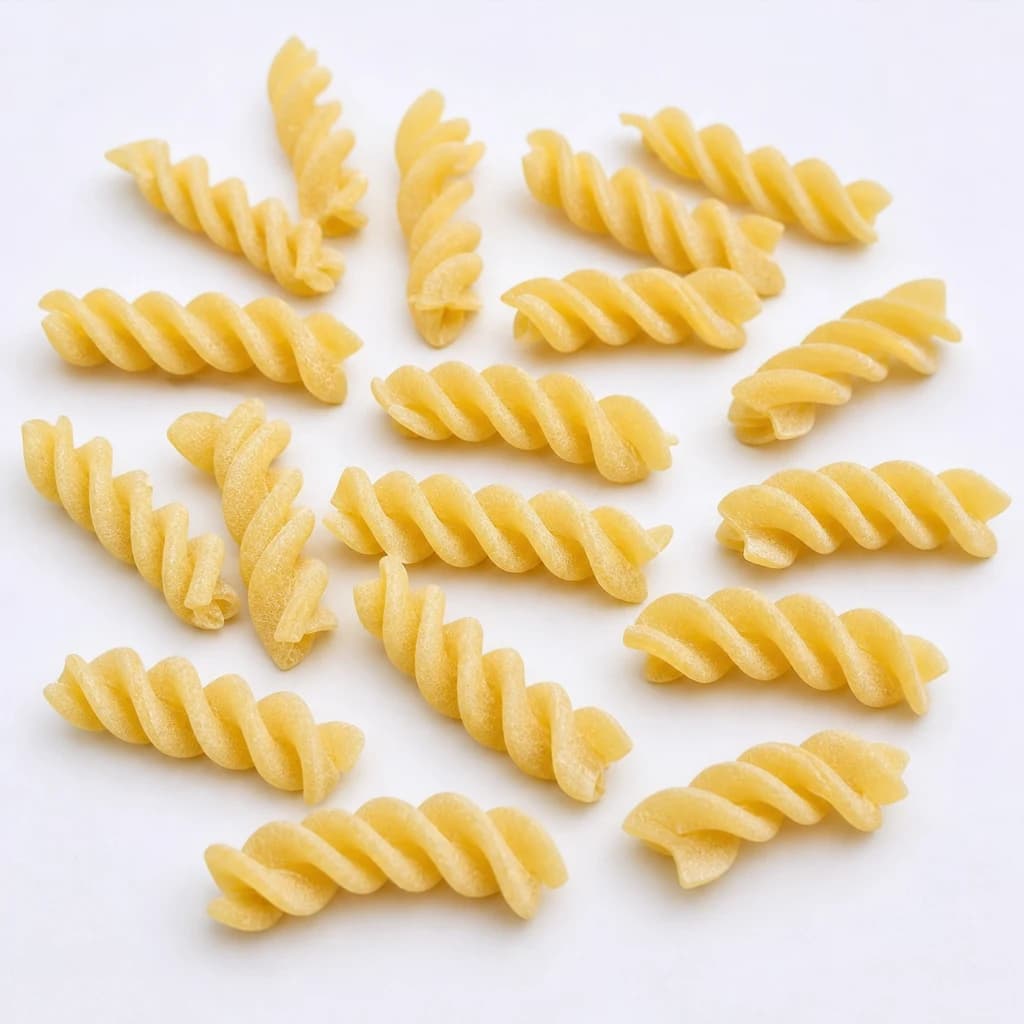
Fusilli
Spiraled pasta that twirls up sauce and dresses cold salads
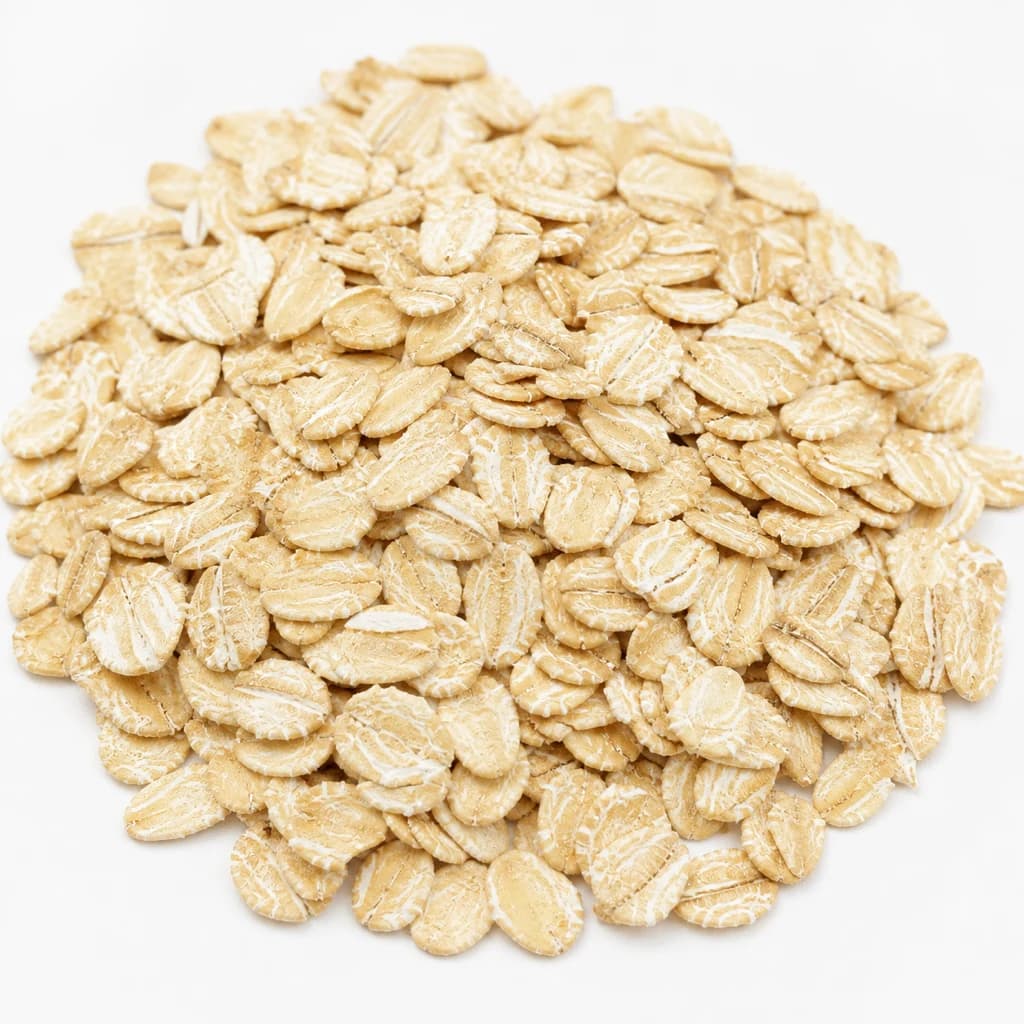
Rolled Oats
Hearty flakes for porridge, granola, and chewy cookies