Grains & Rice
Freekeh
Young green wheat roasted and cracked for a smoky, nutty grain pilaf.
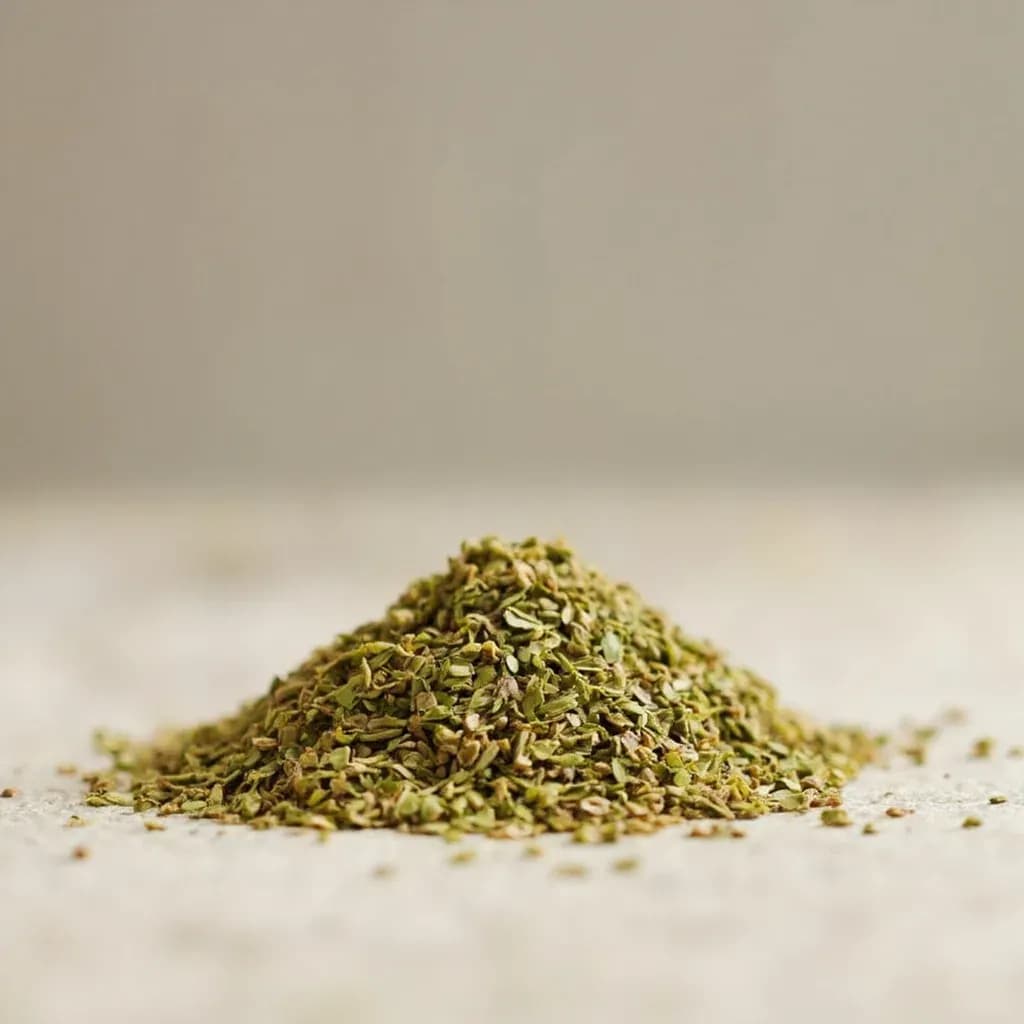
Freekeh is durum wheat harvested while still green, then roasted and rubbed so the chaff burns away, leaving smoky, chewy grains. A Levantine and North African staple, it is simmered into pilafs, soups, and salads with a distinctive toasty flavor. It comes whole or cracked, with the cracked form cooking faster and absorbing broth well.
Freekeh (farīk) is green durum wheat harvested at the milky stage of ripeness, then roasted over open flames before being rubbed and cracked into irregular pieces. The roasting process, which has roots in ancient Levantine farming, serves a practical purpose: it dries the grain enough to permit threshing while imbuing it with a distinctive smoky, nutty character that no other wheat product possesses. This sets freekeh apart from bulgur (burghul), which is made from mature, parboiled wheat that is simply dried and cracked without any fire contact. The result is a grain that holds its shape well during cooking, has a satisfying chew, and delivers a depth of flavor that many home cooks find remarkably forgiving compared to rice or other grains.
Because freekeh is processed while the grain is still young and moist, it retains more of its natural green color, higher chlorophyll content, and a more pronounced vegetable-like sweetness beneath the smoke. The color of the finished product—ranging from pale green to olive-brown—indicates the intensity of the roasting and directly affects flavor intensity: darker freekeh carries stronger smokiness, while lighter versions tend toward a gentler, more wheaty character. In its native Lebanon, Palestine, Syria, and Jordan, freekeh appears in dishes ranging from simple brothy soups to elaborate pilafs, stuffings, and breakfast porridges. Its high protein (12–14g per 100g dry weight) and fiber (roughly 20%) make it nutritionally dense, and its ability to absorb seasoning while maintaining texture makes it versatile across cuisines.
For the home cook, freekeh's greatest virtue is its resilience. Unlike rice, it resists becoming mushy even when slightly overcooked, and it benefits from toasting in fat before liquid is added, which deepens the smoky notes. The grain absorbs aromatics and seasonings readily, making it an excellent vehicle for bold flavors. Whether used as the base for a pilaf studded with toasted nuts and dried fruit, stirred into a pot of lentil soup for body, or served cold in a salad dressed with lemon and herbs, freekeh brings a complexity that elevates everyday cooking.
- Measured in
- g
- Storage
- Pantry
Allergens
Types & varieties
Small pieces; cooks in 20–25 minutes; best for soups, porridge, and salads where a softer texture is desired
Larger cracked pieces; 30–40 minutes; holds texture well in pilafs, stuffings, and as a rice substitute
Typically more finely cracked with lighter smoke; versatile across preparations
Often more heavily toasted with pronounced smokiness; excellent for robust pilafs and hearty soups
Buying and Storing
Look for freekeh sold in sealed, airtight packaging (bags with zip closures or rigid containers) to ensure freshness. Avoid packages with any visible moisture or clumping, which indicates improper storage. Once opened, transfer to an airtight container and store in a cool, dark pantry; do not refrigerate, as moisture in the fridge will degrade the grain. Properly stored, freekeh remains viable for up to 12 months, though flavor is most pronounced within the first six months. Fine-cracked varieties spoil faster than whole-grain forms due to increased surface area.
- Check for a sealed, undamaged package before purchasing
- Transfer opened freekeh to airtight containers
- Store in a cool, dark pantry; avoid refrigeration
- Use within 6 months for best flavor; viable up to 12 months
Preparation Methods
Freekeh can be prepared in several ways depending on the desired outcome. The pilaf method (toasting then simmering in measured liquid) yields the most consistent results and is ideal for side dishes and stuffings. For soups and stews, add dry or lightly toasted freekeh directly to the pot and allow it to cook in the broth, absorbing liquid and flavor from the surrounding ingredients. For a creamy, risotto-like consistency, use a higher ratio of liquid and stir frequently during the final stages of cooking.
- Pilaf method: toast in fat, add liquid 1:2 to 1:2.5 ratio, simmer covered
- Soup method: add dry or toasted grains directly to simmering broth
- Creamy method: use extra liquid and stir frequently for starch release
- Cold salad: cook pilaf-style, then spread on sheet pan to cool and prevent clumping
Common uses
Tips & pitfalls
- Rinse briefly before cooking to remove any residual chaff or dust from processing.
- Toast dry grains in 1–2 teaspoons of oil over medium heat for 2 minutes before adding liquid to deepen the smoky flavor significantly.
- Use broth (chicken, vegetable, or beef) instead of water for noticeably more depth in the finished dish.
- Season the cooking liquid generously; freekeh absorbs seasoning well and bland cooking liquid yields bland results.
- Add aromatics such as diced onion, minced garlic, or a bay leaf to the cooking liquid for extra flavor layers.
- Rest the cooked grain covered for 5 minutes after removing from heat to allow excess liquid to absorb fully.
- Do not over-stir while cooking; this breaks the grains and creates a mushy, porridge-like texture instead of distinct chewy pieces.
- For cold salad use, spread cooked freekeh on a sheet pan immediately after draining to cool quickly and prevent clumping.
- When substituting for rice in pilafs, use slightly less liquid than you would for rice (freekeh needs 1:2 to 1:2.5 versus rice's 1:2.5 to 1:3).
- Freekeh contains gluten (durum wheat) and is not suitable for celiac diets.
Nutrition
Energy
1418 kJ · per 100 g
Where the calories come from
Protein
13.7g
27% DV
Carbs
71.1g
26% DV
Fat
2.5g
3% DV
Sodium
2mg
0% DV
Source · USDA FoodData Central · approx. Wheat, durum
View on FDC →In the shops
Matched grocery products
No matched grocery products for Freekeh yet.
Good to know
- Origin
- Levant region (Lebanon, Palestine, Syria, Jordan); documented since ancient Roman times
- Processing
- Green durum wheat harvested at milky stage, roasted over open flame, then rubbed and cracked
- Form
- Whole-grain (large cracked pieces) or fine-cracked (smaller pieces, faster cooking)
- Color
- Pale green to olive-brown (color indicates roasting intensity)
- Flavor
- Smoky, nutty, earthy; distinctly different from other wheat grains
- Protein
- Approximately 12–14g per 100g dry weight
- Fiber
- Roughly 20% dietary fiber by weight
- Cooking time
- 20–25 minutes (fine-cracked); 30–40 minutes (whole-grain)
- Liquid ratio
- 1:2 to 1:2.5 (grain to liquid) for pilaf-style texture
- Shelf life
- 12 months in airtight container in cool, dark pantry
- Gluten
- Contains gluten (durum wheat)
- Season
- Available year-round; peak harvest in late spring/early summer
Substitutes
- Bulgur (burghul) — Closest texture and cooking time; use medium-grind; significantly less smoky flavor but best functional match
- Spelt berries or wheat berries — Longer cooking time required (soak overnight first); similar nutty flavor profile; chewier texture
- Farro — Comparable chewy texture; needs longer cooking; milder wheat flavor without smoke
- Hulled barley — Different flavor but similar use in soups and pilafs; longer cooking; milder taste
- Brown rice — Longer cooking time; neutral flavor profile; not a direct substitute for flavor but works for texture in simple preparations
Pairs with
Also called
Frik · Roasted Green Wheat
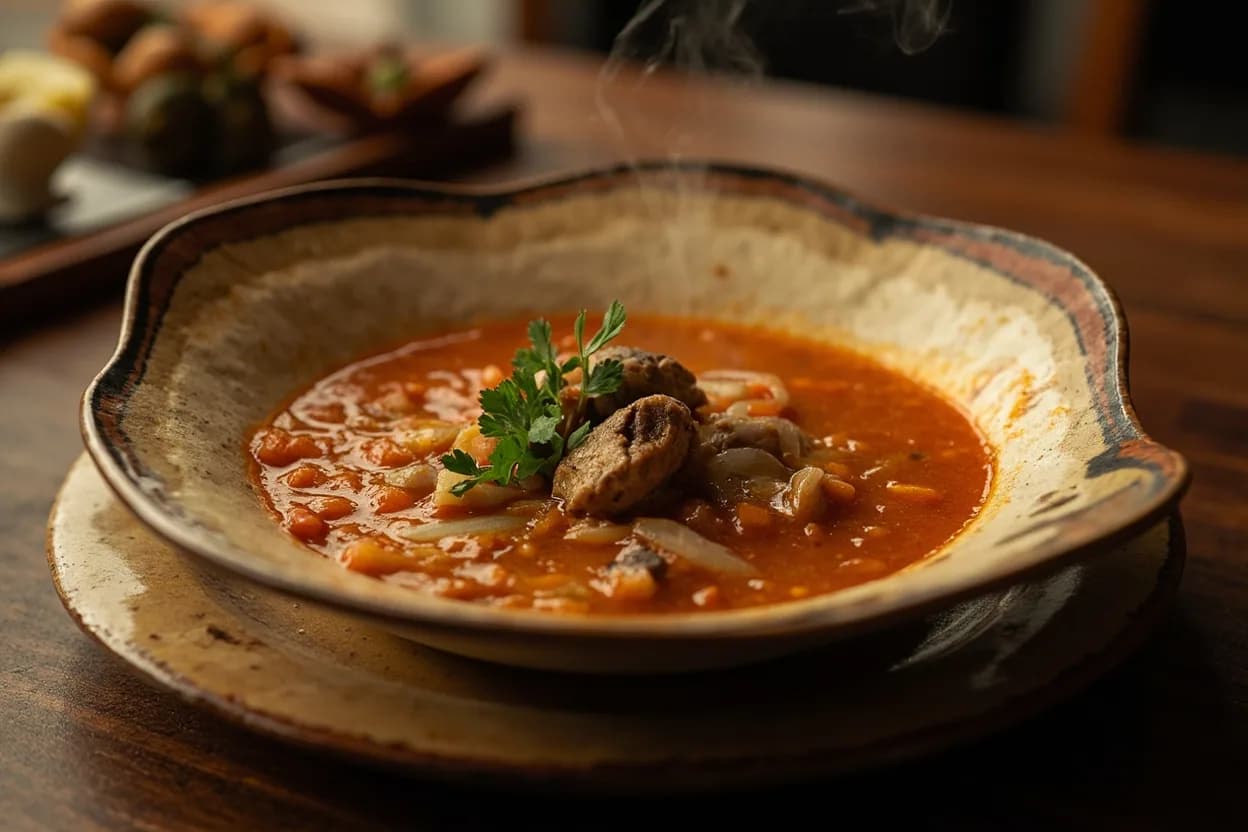
Appears in these dishes
Related

White Rice
Fluffy long-grain rice — the neutral base for almost any meal

White Bread
Soft sandwich loaf for toast, sandwiches, and crumbs
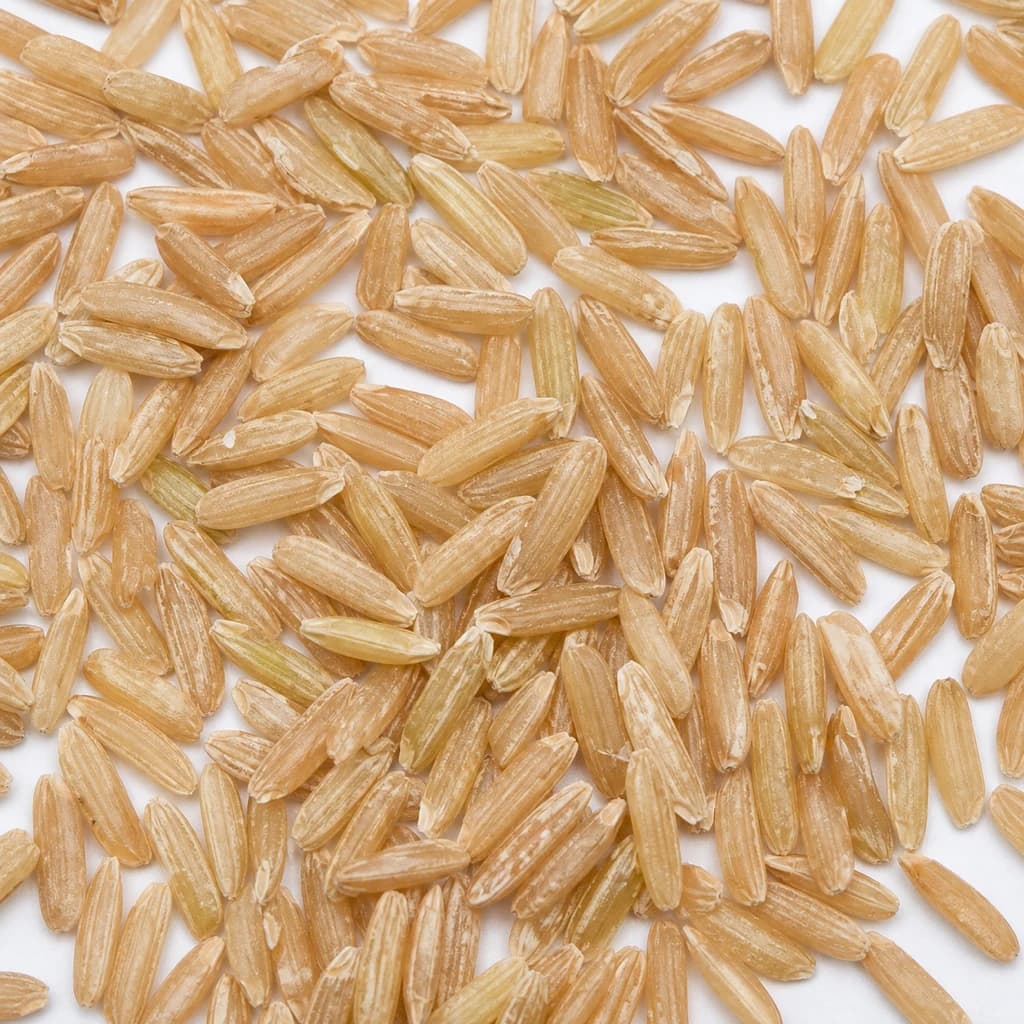
Brown Rice
Nutty, whole-grain rice with chew and extra fiber

Basmati Rice
Fragrant, long-grain rice that cooks up light and separate
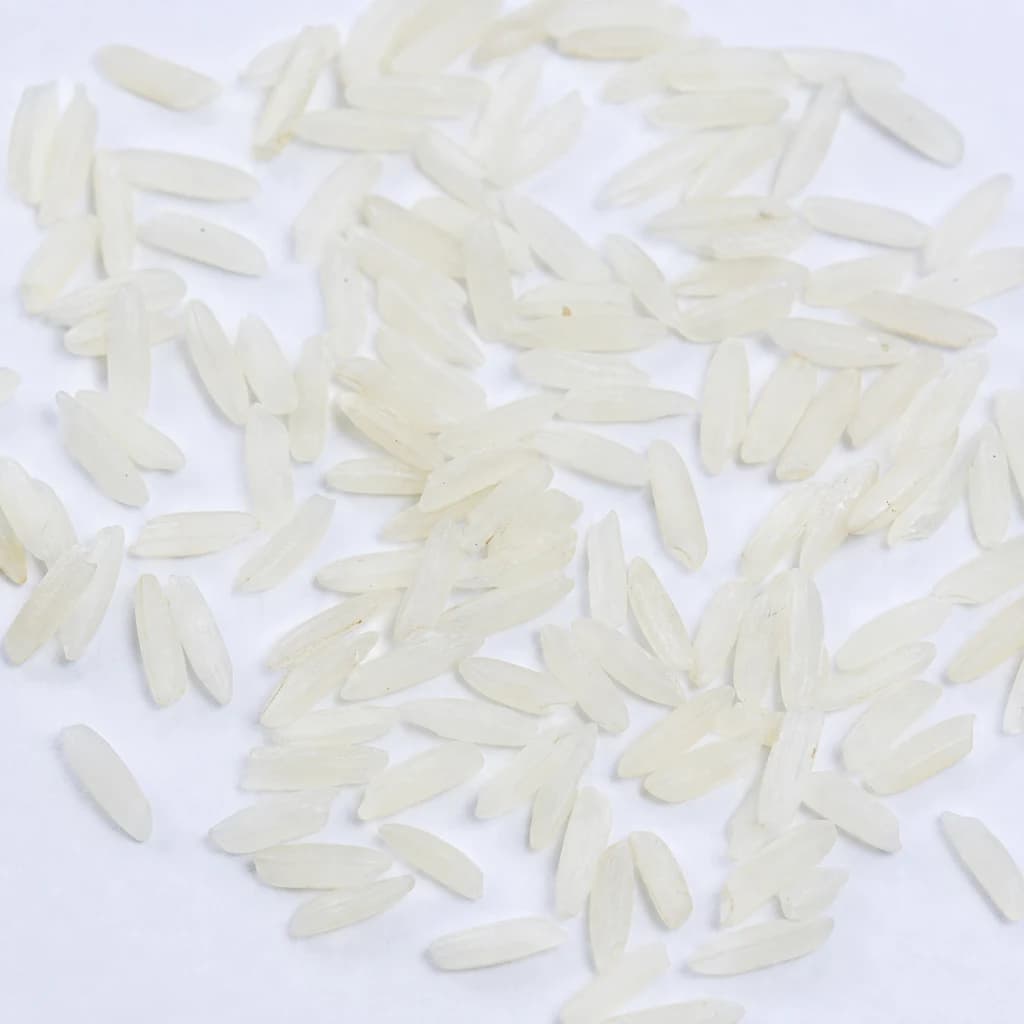
Jasmine Rice
Soft, floral-scented rice that's the pillar of Thai meals
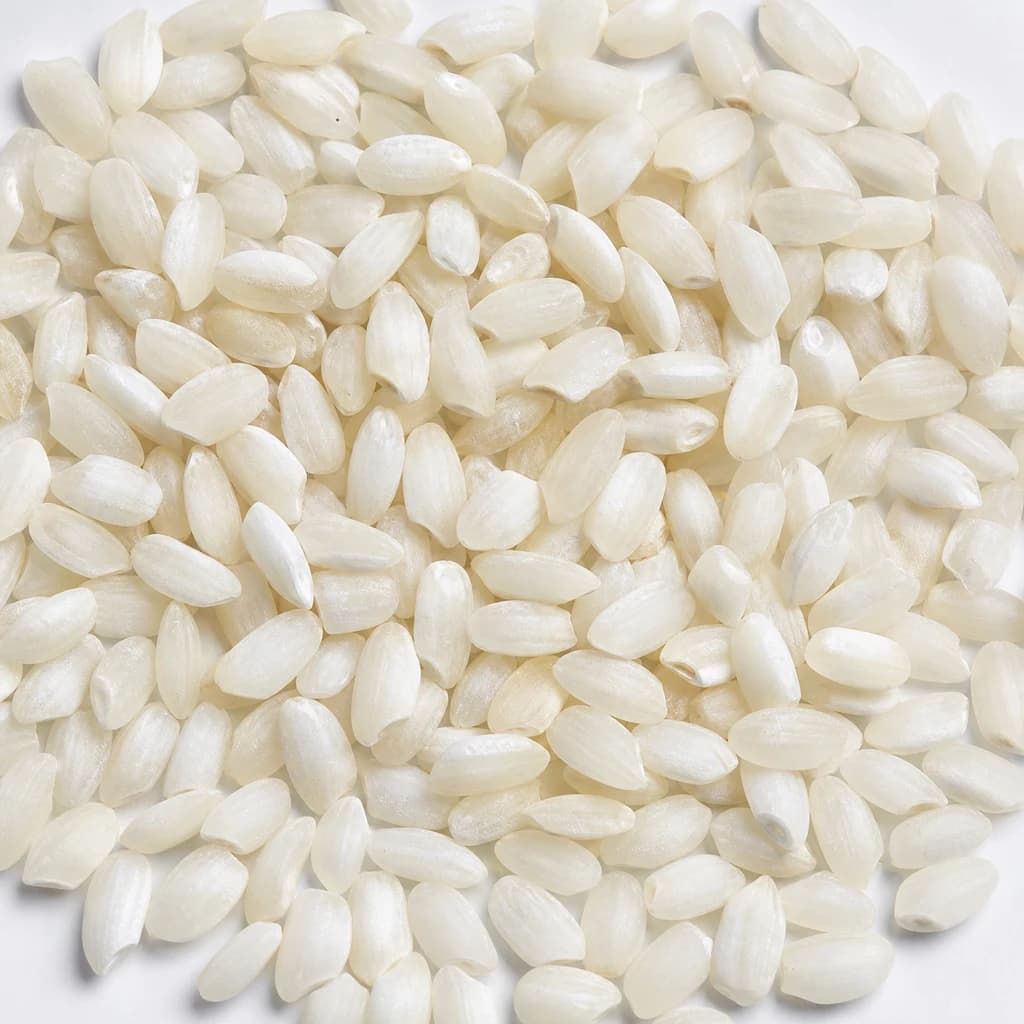
Arborio Rice
Plump, starchy rice that makes risotto creamy
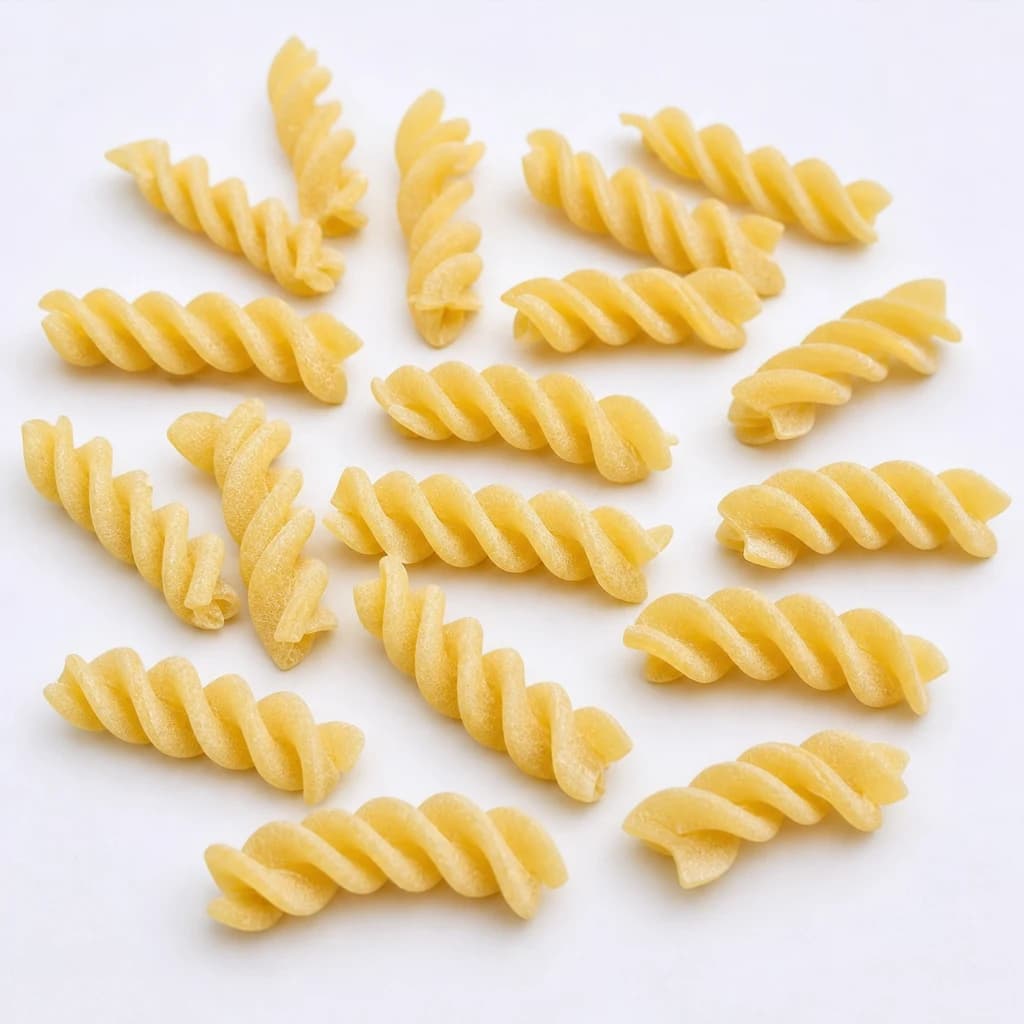
Fusilli
Spiraled pasta that twirls up sauce and dresses cold salads
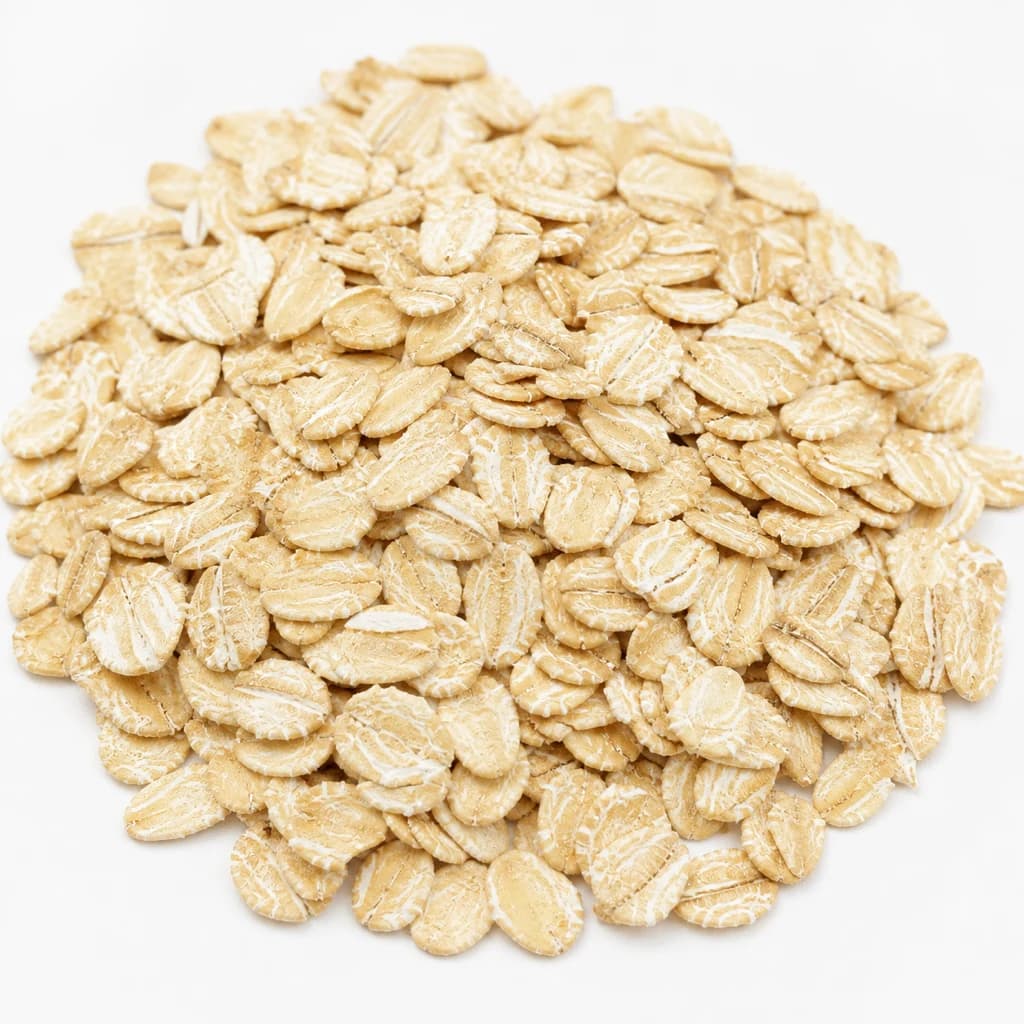
Rolled Oats
Hearty flakes for porridge, granola, and chewy cookies