Grains & Rice
Khorasan Wheat (Kamut)
Ancient large-kerneled wheat with a buttery, nutty taste, trademarked as Kamut.
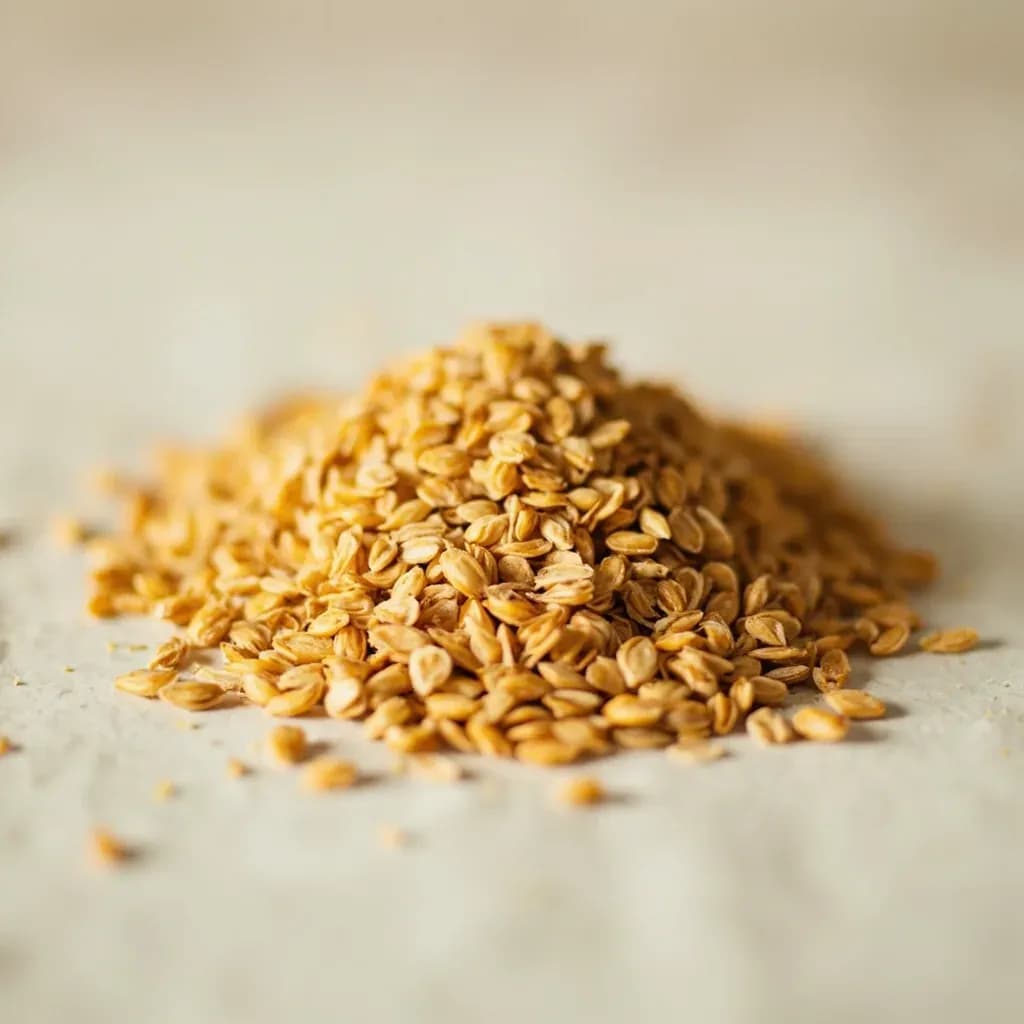
Khorasan is an ancient wheat variety with grains roughly twice the size of modern wheat, sold commercially under the brand name Kamut. It has a rich, buttery, slightly nutty flavor and a firm chew, making it popular in salads, pilafs, breads, and pasta. Though higher in protein than common wheat, it still contains gluten and is not safe for celiacs.
Khorasan wheat is an ancient grain with kernels roughly two to three times the size of modern bread wheat, giving it a substantial, chewy presence in the kitchen. Originally cultivated along the Silk Road in the Khorasan region—spanning parts of modern Iran, Afghanistan, and Turkmenistan—this tetraploid wheat (Triticum turgidum subsp. turanicum) predates common hybrid wheats by millennia. Its deep amber-to-golden color and rich, buttery, nutty flavor set it apart from commodity wheat, making it a favorite among cooks who want more personality in their grains.
The grain was reintroduced to North America in the late twentieth century and trademarked as "Kamut" by Kamut International Ltd. to establish quality standards—purity requirements and a minimum 12% protein content—that distinguish it from generic Khorasan sold without verification. Whether purchased as trademarked Kamut or under generic labels like Oriental or Egyptian wheat, the grain offers a reliable eating experience. Its high protein content (typically 12–15%) and superior mineral levels compared to modern wheat make it nutritionally noteworthy, though it bears repeating: Khorasan contains gluten and is not suitable for celiac or gluten-sensitive diets. The grain's forgiving nature in cooking—its tendency to hold shape and resist going mushy—makes it approachable for home cooks even if they do not routinely work with heritage grains.
Khorasan's substantial texture and mild sweetness lend themselves equally to savory and sweet preparations. Unlike some ancient grains that require specialized equipment or careful technique, Khorasan cooks with standard pantry methods: soaking, simmering, and draining. Its versatility across cold salads, warm pilafs, breakfast porridges, and hearty soups has secured its place in contemporary grain cooking.
- Measured in
- g
- Storage
- Pantry
Allergens
Types & varieties
Grain marketed under the Kamut trademark; must meet purity standards and minimum protein content; often organically grown
May be sold simply labeled as Khorasan, Oriental wheat, or Egyptian wheat; quality standards less defined than trademarked Kamut
Cooking Whole Khorasan: Soaking and Simmering
Soaking is essential for cooking Khorasan well. Cover the grain with cool water and let it rest for 4–8 hours or overnight. Soaked grains cook in roughly half the time and achieve a more even, tender texture throughout. A grain that has swelled with water during soaking will also cook more consistently from center to exterior than a dry kernel forced to hydrate while simmering.
- Rinse grains thoroughly before soaking to remove any dust or debris
- Drain and rinse soaked grains before adding to fresh boiling water
- Cook in generously salted water, like pasta, then drain any excess liquid
- Add salt only after grains have softened (after 20+ minutes of cooking) to prevent the exterior from toughening
Grinding Fresh Flour
Khorasan grinds beautifully into a nutty, aromatic flour well suited to rustic breads, pancakes, and pastries. Because whole grain flour oxidizes and loses aroma quickly after grinding, it is worth milling small batches as needed rather than relying on store-bought flour that may have been ground months earlier. A home grain mill or high-powered blender can handle the large kernels without difficulty.
- Grind just before you plan to bake for the freshest flavor and maximum nutrition
- For best loaf structure, combine with bread flour or a higher-gluten flour; Khorasan flour alone produces dense, crumbly results
- The flour's buttery note shines in quick breads, waffles, and pizza dough
Common uses
Tips & pitfalls
- Soak whole kernels 4–8 hours or overnight before cooking to reduce cooking time by roughly half and improve texture
- Cook in ample water like pasta, then drain excess; this prevents sticking and ensures even cooking
- Do not mistake Khorasan for spelt or emmer—they are distinct species with different textures and flavors
- The grain holds its shape well during cooking and rarely becomes mushy, even with slight overcooking
- Use 2:1 liquid-to-grain ratio for a firm, chewy result; use 2.5:1 for softer, more porridge-like texture
- Add salt only after grains have softened (after 20+ minutes of cooking) to prevent the exterior from toughening
- Toast dry grains in a dry skillet for 2–3 minutes before cooking to enhance the nutty, buttery flavor
- Grind fresh for flour as needed; whole grain flour loses aroma and some nutrition faster than whole kernels
- Substitute 1:1 by weight in most recipes calling for wheat berries or farro
- If using in bread dough, combine Khorasan flour with bread flour or another high-gluten flour for best loaf structure
- Slow cookers work well: add 1 part grain to 3 parts liquid on low for 7–8 hours
- Refrigerate unused raw grain in an airtight container to extend shelf life beyond the standard 6–12 months
Nutrition
Energy
1410 kJ · per 100 g
Where the calories come from
Protein
14.5g
29% DV
Carbs
70.6g
26% DV
Fat
2.1g
3% DV
Fiber
11.1g
40% DV
Sugars
7.8g
of which
Sodium
5mg
0% DV
Source · USDA FoodData Central · Wheat, KAMUT khorasan, uncooked
View on FDC →In the shops
Matched grocery products
No matched grocery products for Khorasan Wheat (Kamut) yet.
Good to know
- Origin
- Khorasan region of the Middle East (historically encompassing parts of Iran, Afghanistan, and Turkmenistan)
- Botanical Name
- Triticum turgidum subsp. turanicum (tetraploid wheat)
- Kernel Size
- Large; roughly 2–3 times the size of common bread wheat (Triticum aestivum)
- Color
- Deep amber to golden-brown
- Classification
- Hard wheat; tetraploid (unlike hexaploid modern bread wheat)
- Trademark
- "Kamut" is a registered trademark owned by Kamut International Ltd.; designates grain meeting specific purity and protein (≥12%) standards
- Gluten
- Contains gluten; not suitable for celiac or gluten-sensitive diets
- Protein Content
- Typically 12–15%, generally higher than modern bread wheat
- Typical Cooking Time
- 30–45 minutes for pre-soaked whole kernels; 50–60 minutes unsoaked
- Liquid Ratio
- 2 cups liquid per 1 cup dry grain for pilafs and side dishes (2.5:1 for softer, porridge-like results)
- Shelf Life (uncooked)
- 6–12 months in airtight container in cool, dry pantry
- Refrigerator Life (cooked)
- 3–5 days in sealed container
- Yield (dry to cooked)
- Approximately 1 cup dry yields 3 cups cooked
- Mineral Content
- Good source of selenium, magnesium, and zinc compared to modern wheat varieties
Substitutes
- Farro (emmer) — Most similar texture and chewy bite; slightly smaller kernel; 30–40 minute cook time; use 1:1 ratio
- Spelt — Related ancient wheat; softer texture when cooked; good for soups; substitute 1:1
- Wheat Berries (hard white or red) — Longer cooking time (50–60 minutes unsoaked); chewier texture; use 1:1 ratio
- Barley (hulled or pearl) — Similar chewy, hearty quality; shorter cooking time for pearl barley; use 1:1 ratio for hulled, slightly less liquid for pearl
Pairs with
Also called
Kamut · Oriental Wheat
Related

White Rice
Fluffy long-grain rice — the neutral base for almost any meal

White Bread
Soft sandwich loaf for toast, sandwiches, and crumbs
Brown Rice
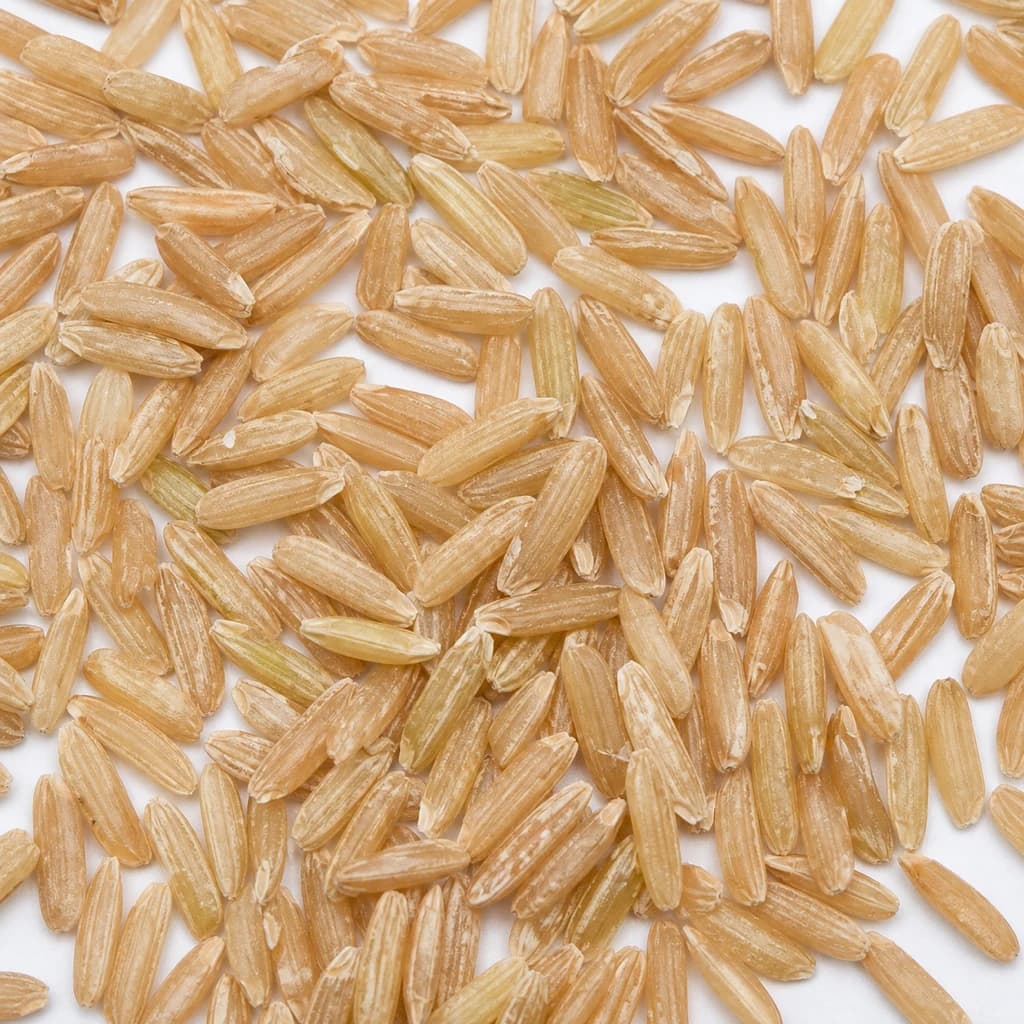
Nutty, whole-grain rice with chew and extra fiber

Basmati Rice
Fragrant, long-grain rice that cooks up light and separate
Jasmine Rice
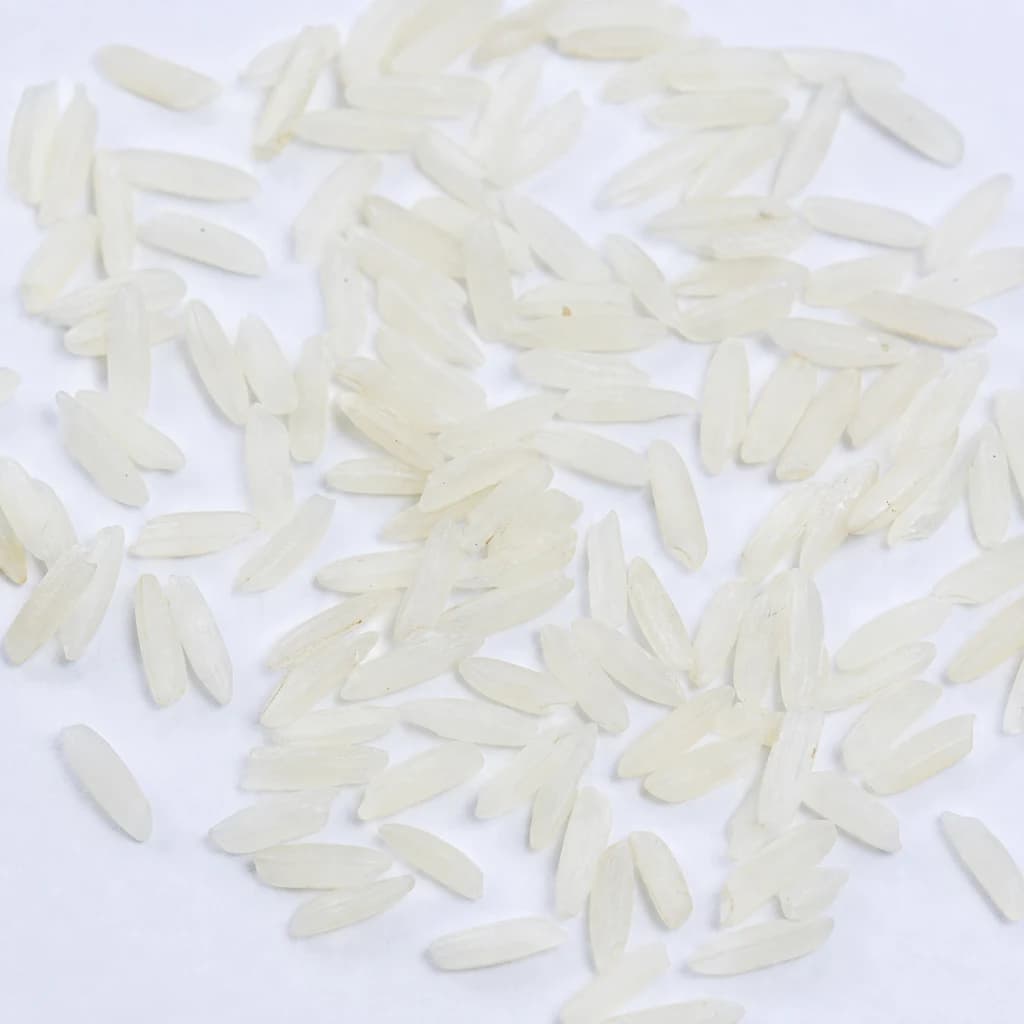
Soft, floral-scented rice that's the pillar of Thai meals
Arborio Rice
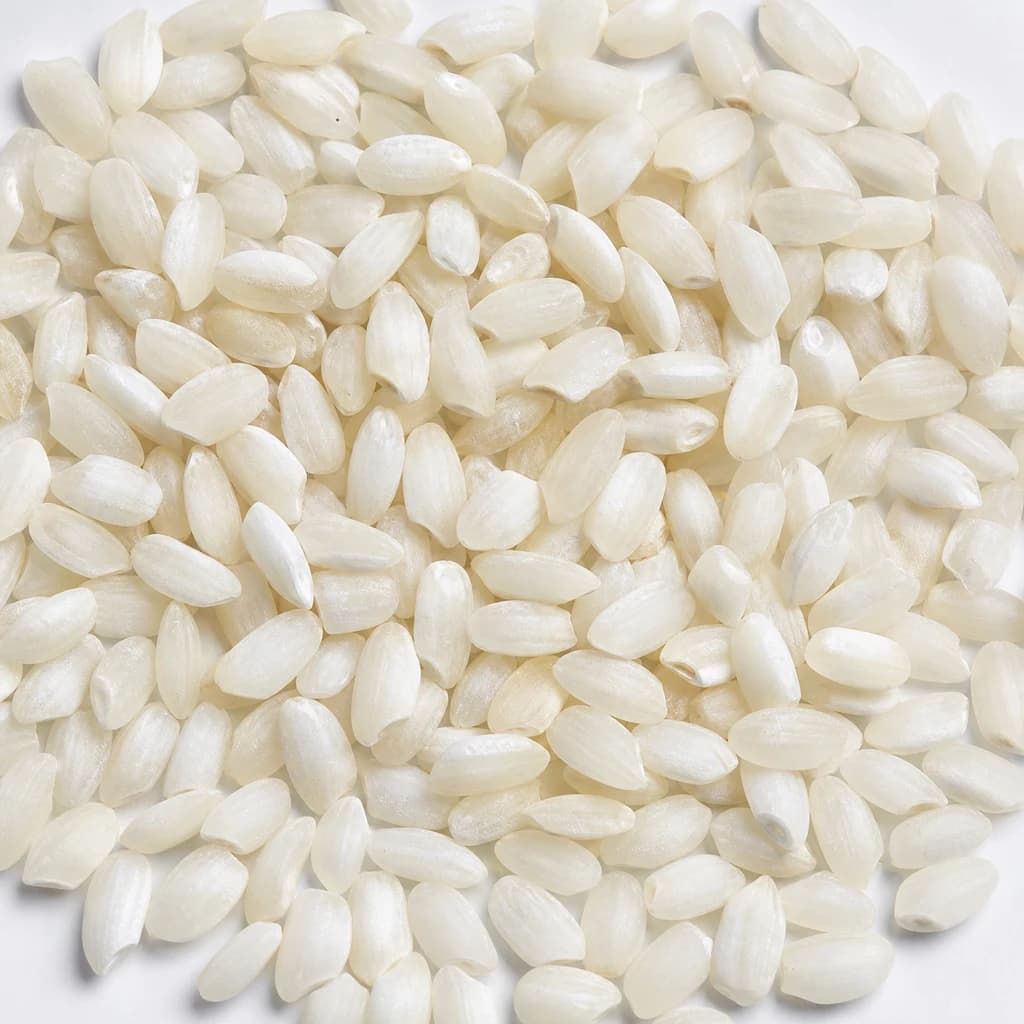
Plump, starchy rice that makes risotto creamy
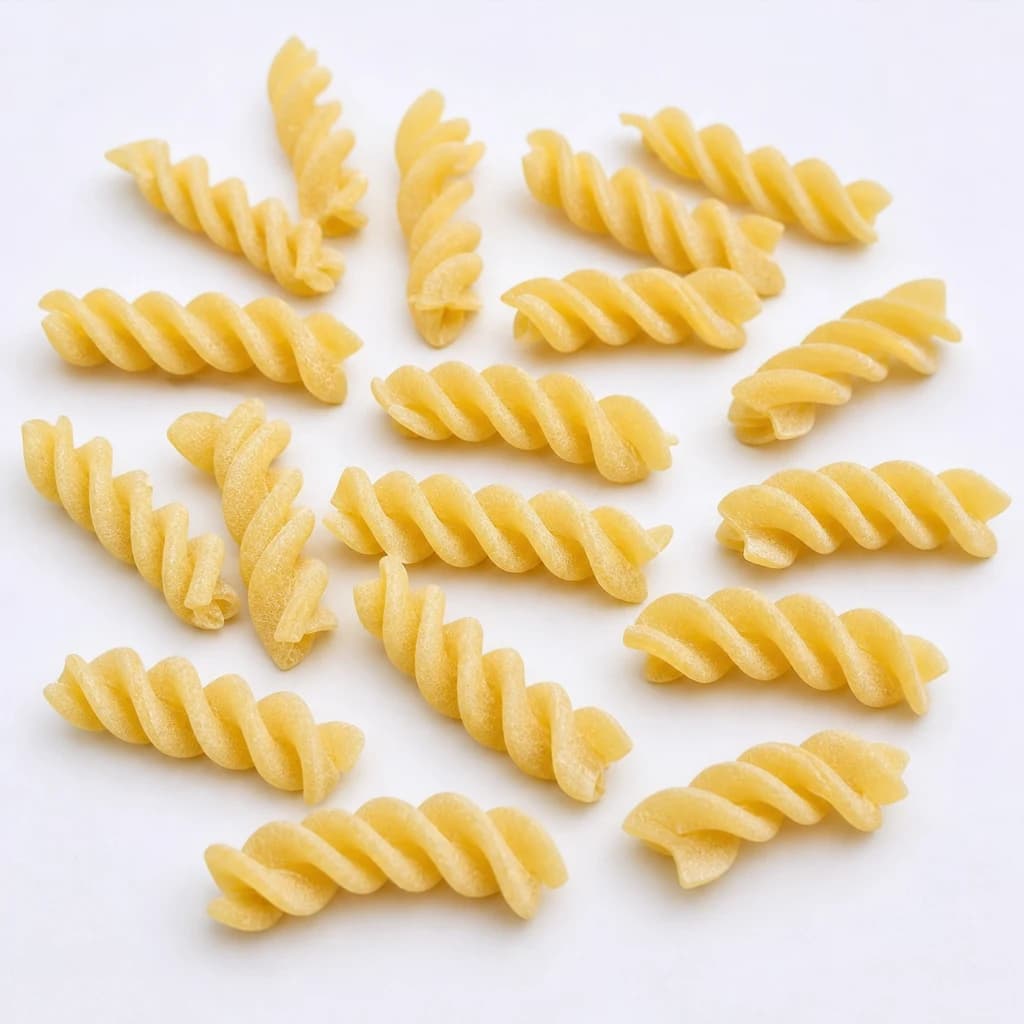
Fusilli
Spiraled pasta that twirls up sauce and dresses cold salads
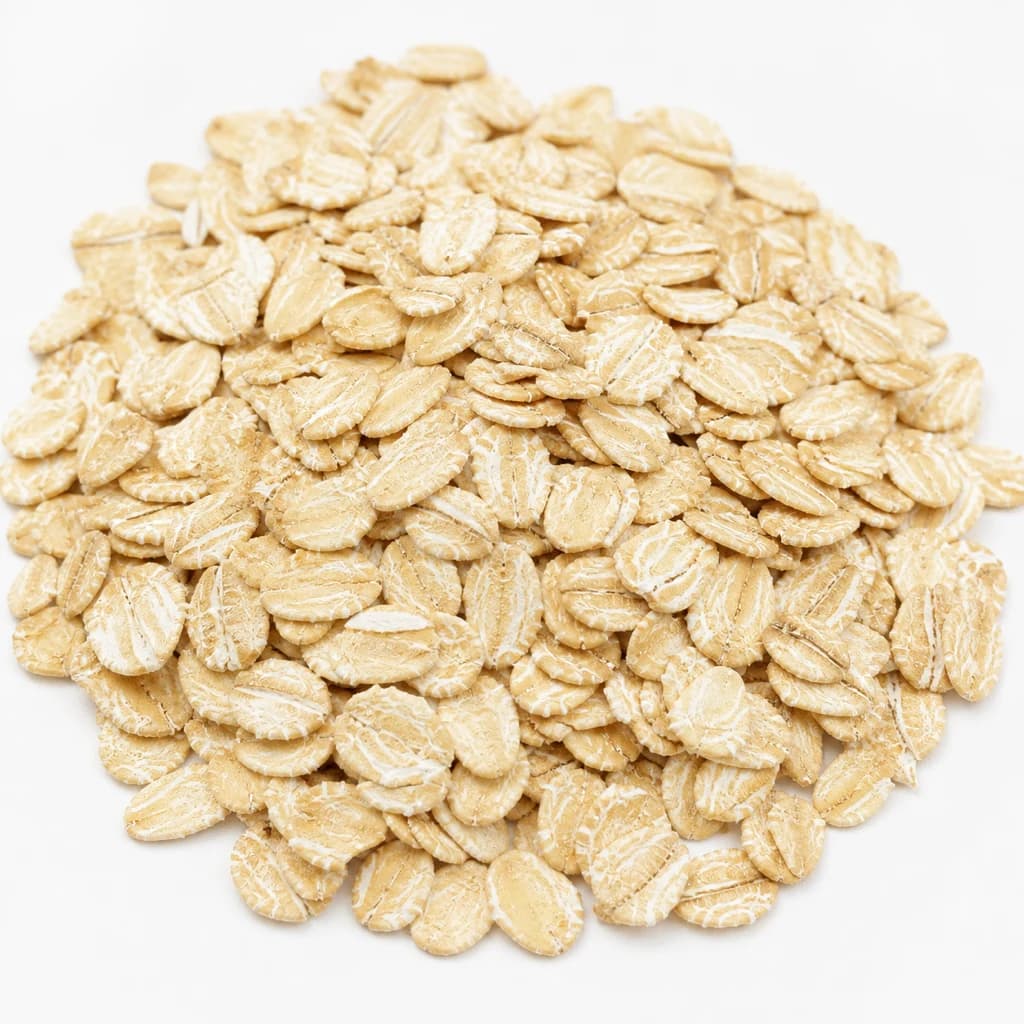
Rolled Oats
Hearty flakes for porridge, granola, and chewy cookies