Grains & Rice
Pearl Barley
Polished barley grain that simmers into chewy, creamy soups, stews, and salads.
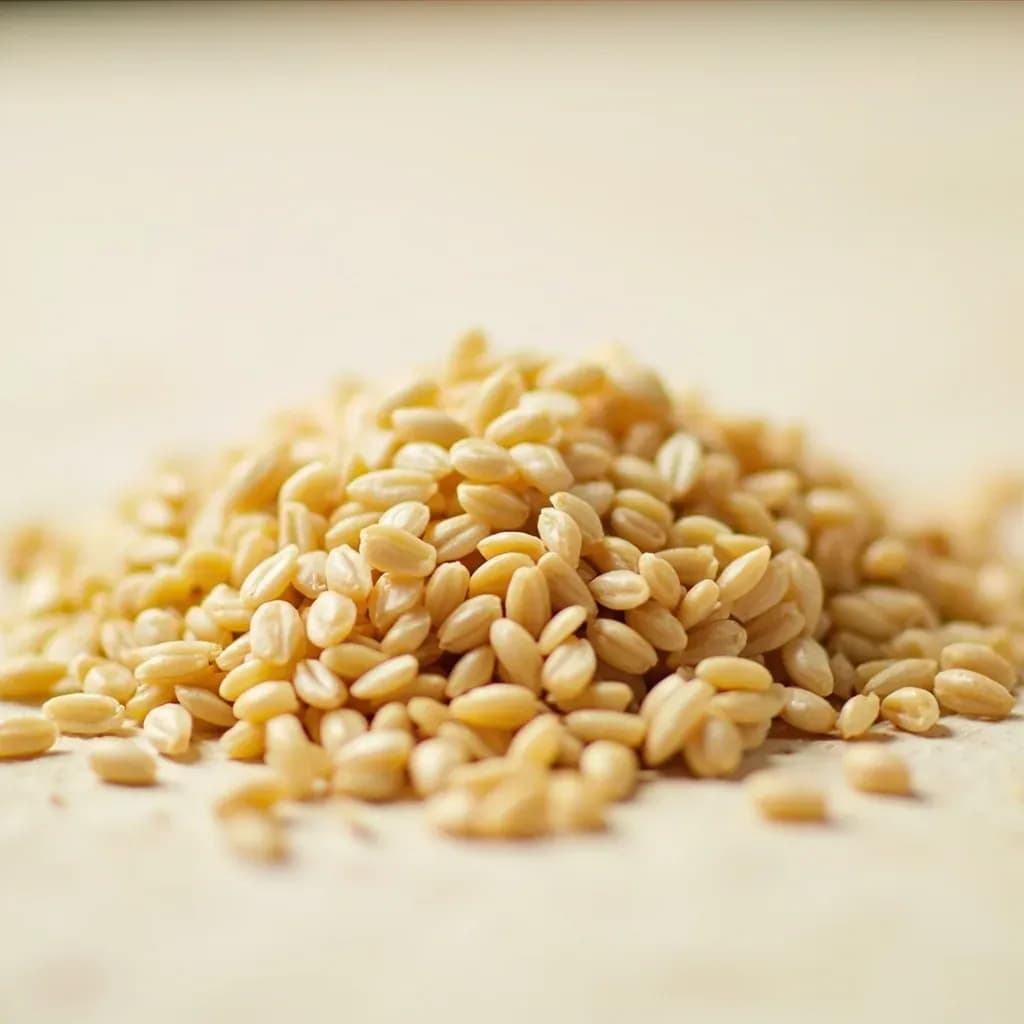
Pearl barley is barley with its hull and bran polished away, so it cooks faster than hulled barley into tender, chewy grains. It thickens soups and stews, makes a creamy risotto-style orzotto, and adds bite to salads. It releases starch as it cooks, lending body to broths.
Pearl barley is whole barley grain that has been polished through abrasion to remove the outer hull and most or all of the bran layer, leaving a smooth, pearly-white kernel. This pearling process is what distinguishes it from hulled barley, which retains the full bran and germ. The result is a grain that cooks more quickly—30 to 45 minutes for regular pearl barley—and develops a softer, more tender texture with a milder, subtler flavor than its whole-grain counterpart. Pearl barley releases starch as it cooks, which thickens the surrounding liquid naturally, making it especially valuable in soups, stews, and braised dishes where body and richness are desired without added thickeners.
Because the bran has been largely removed, pearl barley is less nutritious than hulled barley—its fiber content drops to about 3 grams per quarter-cup dry serving—but it is still a wholesome source of carbohydrates and offers a satisfyingly chewy bite that holds up well in long-simmered dishes. In practice, pearl barley behaves like a neutral, starch-rich foundation: it absorbs flavors from the cooking liquid, contributes body and creaminess to broths, and pairs readily with both delicate and robust seasonings. It is not a rice variety, though it is frequently used as a rice substitute in grain bowls and side dishes precisely because of its comparable chew and versatility.
Pearl barley is one of the oldest cultivated grains, domesticated in the Middle East over 10,000 years ago and now grown widely in Russia, Canada, France, the United States, and Germany. It stores well—up to a year in an airtight container in a cool, dry place—and cooked barley keeps for five days in the refrigerator or freezes well for two to three months, making it a practical pantry staple for meal prep. Whether stirred into a hearty vegetable soup, folded into a warm grain salad with roasted roots, or prepared risotto-style with Parmesan, pearl barley earns its place through adaptability and genuine culinary utility.
- Measured in
- g
- Storage
- Pantry
Allergens
Types & varieties
Fully pearled; shortest cooking time, mildest flavor, most tender texture; the standard kitchen variety
Partially pre-cooked and dried; cuts cooking time nearly in half; best for weeknight soups and fast meal prep
Medium pearled; retains more fiber than pearl barley, slightly chewier texture, nuttier flavor; a practical middle ground between pearl and hulled barley
Only the outer hull removed; retains full bran layer and germ; requires 50–60 minutes to cook; chewier, more nutritious, nuttier; not technically a pearl variety but worth knowing as the less-processed alternative
Whole-grain barley with only the inedible outer hull removed, keeping its bran intact. Chewier and more nutritious than pearl barley, needing a longer simmer for soups and grain bowls.
How Pearl Barley Differs from Hulled Barley
The key difference lies in processing. Hulled barley has only the inedible outer hull mechanically removed, leaving the fibrous bran layer and the nutrient-rich germ intact. Pearl barley goes further: it is abraded or polished to strip away the bran and sometimes part of the germ as well. This shortens cooking time dramatically and softens the final texture, but it also strips away most of the fiber, B vitamins, and minerals that make whole barley nutritious. For everyday soups and salads where texture matters more than maximum nutrition, pearl barley is the practical choice. For more robust, nutrient-dense preparations where a pronounced chew and nutty flavor are welcome, reach for hulled or pot barley and plan for extra cooking time.
- Pearl barley: faster cooking, milder flavor, tender texture, less fiber
- Hulled barley: longer cooking, nuttier flavor, chewy texture, full fiber and nutrients
- Pot barley: intermediate in all categories—a useful compromise
The Starch-Thickening Property
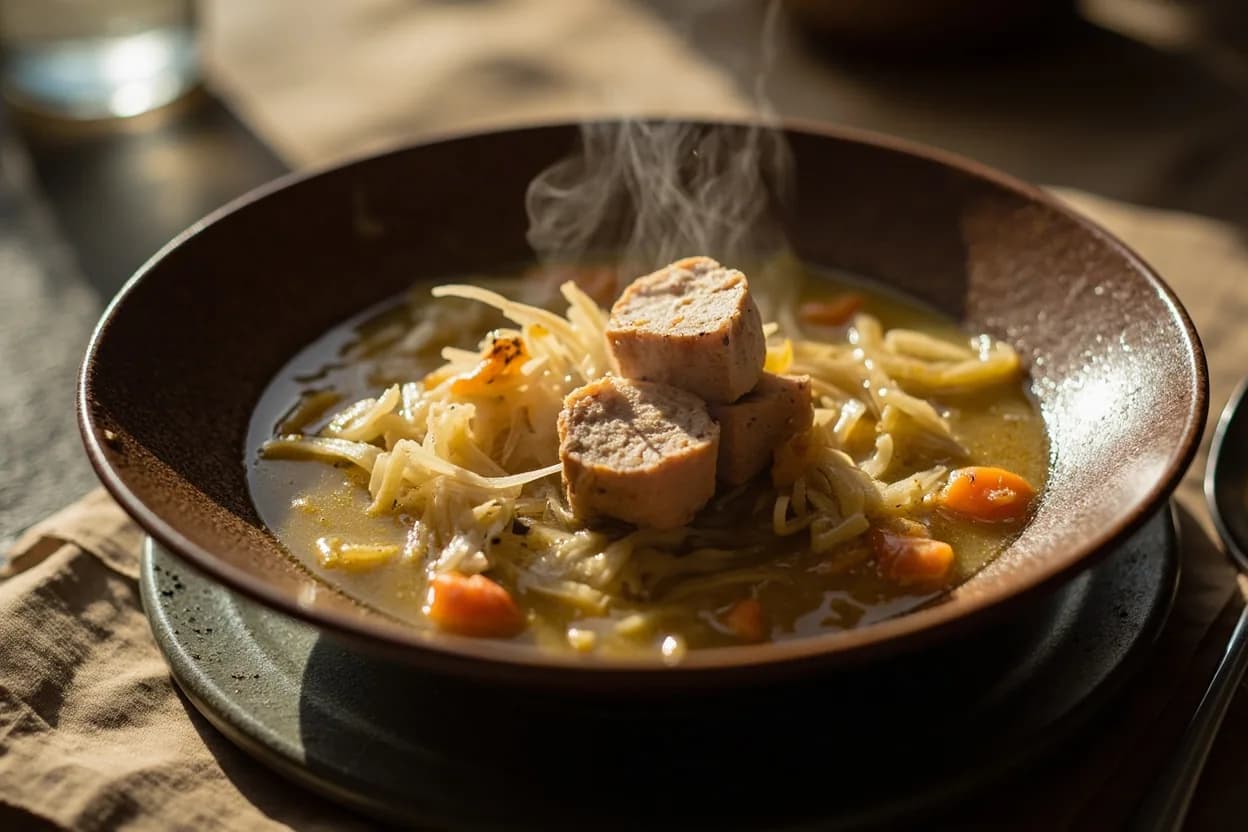
One of pearl barley's defining culinary characteristics is the starch it releases into the cooking liquid. Unlike rice or quinoa, which tend to stay discrete, barley kernels gradually shed starch as they simmer, producing a velvety, slightly thickened broth without any added flour, cornstarch, or roux. This makes it invaluable in traditional recipes like Scotch broth, ribollita, and beef barley soup, where the liquid itself is part of the dish's appeal. The thickening effect increases the longer barley cooks, which is why adding it too early in a long-simmered soup can result in an overly starchy, glue-like consistency. Understanding this behavior allows you to control the final texture deliberately.
- Starch release is gradual—longer cook time means thicker liquid
- Adding barley at the end of cooking keeps the broth clear and the kernels intact
- Frequent stirring accelerates starch release; a gentle simmer is gentler on the grain
Common uses
Tips & pitfalls
- Rinse pearl barley in a fine-mesh strainer before cooking to remove any dust or loose starches from processing and storage.
- Toast dry barley in a dry skillet over medium heat for 2–3 minutes before adding liquid to deepen its nutty flavor—this is especially worthwhile for pilafs, stuffings, and grain salads.
- Use adequate liquid—3 to 4 cups per cup of dry barley—to ensure even cooking and a properly hydrated, tender grain.
- Add barley toward the end of long-cooking soups, ideally in the last 30–45 minutes, to prevent it from over-softening and releasing too much starch into the liquid.
- Avoid stirring frequently while simmering—barley releases starch naturally, and stirring only accelerates that process, which can make the liquid gummy.
- Cooked pearl barley keeps in the refrigerator for up to 5 days in an airtight container and freezes well for 2–3 months, making it ideal for batch cooking ahead of time.
- Use stock or broth instead of water when cooking barley for soups or side dishes—the grain absorbs whatever it cooks in, so the cooking liquid directly flavors the result.
- Do not use pearl barley as a strict nutritional substitute for hulled barley in fiber-focused applications; the difference in bran content is significant.
Nutrition
Energy
1473 kJ · per 100 g
Where the calories come from
Protein
9.9g
20% DV
Carbs
77.7g
28% DV
Fat
1.2g
1% DV
Fiber
15.6g
56% DV
Sugars
0.8g
of which
Sodium
9mg
0% DV
Source · USDA FoodData Central · Barley, pearled, raw
View on FDC →In the shops
Matched grocery products
No matched grocery products for Pearl Barley yet.
Good to know
- Scientific name
- Hordeum vulgare
- Origin
- Middle East; cultivated for over 10,000 years
- Processing
- Hulled barley polished to remove outer hull and most or all of the bran layer
- Cooking time
- 30–45 minutes (regular); 10–20 minutes (quick-cooking)
- Liquid ratio
- 3–4 cups liquid per 1 cup dry barley
- Yield
- Approximately 3 cups cooked per 1 cup dry
- Gluten
- Contains gluten; not suitable for gluten-free diets
- Storage (dry)
- Airtight container in cool, dry place; up to 1 year
- Main producers
- Russia, Canada, France, United States, Germany
- Fiber content
- Approximately 3 g per 1/4-cup dry serving (less than hulled barley)
Substitutes
- Farro — Similar chewy texture; cooking time and flavor profile are close; slightly nuttier and holds its shape well
- Short-grain brown rice — Comparable cooking time; nuttier flavor; does not thicken liquid the way barley does
- Hulled barley — Direct substitute for more fiber and nuttiness; requires 10–20 additional minutes of cooking time
- Spelt berries — Similar chewy bite; slightly sweeter flavor; comparable cooking time to hulled barley
Pairs with
Also called
Barley Groats · Pearled Barley
Appears in these dishes


Related

White Rice
Fluffy long-grain rice — the neutral base for almost any meal

White Bread
Soft sandwich loaf for toast, sandwiches, and crumbs
Brown Rice
Nutty, whole-grain rice with chew and extra fiber

Basmati Rice
Fragrant, long-grain rice that cooks up light and separate
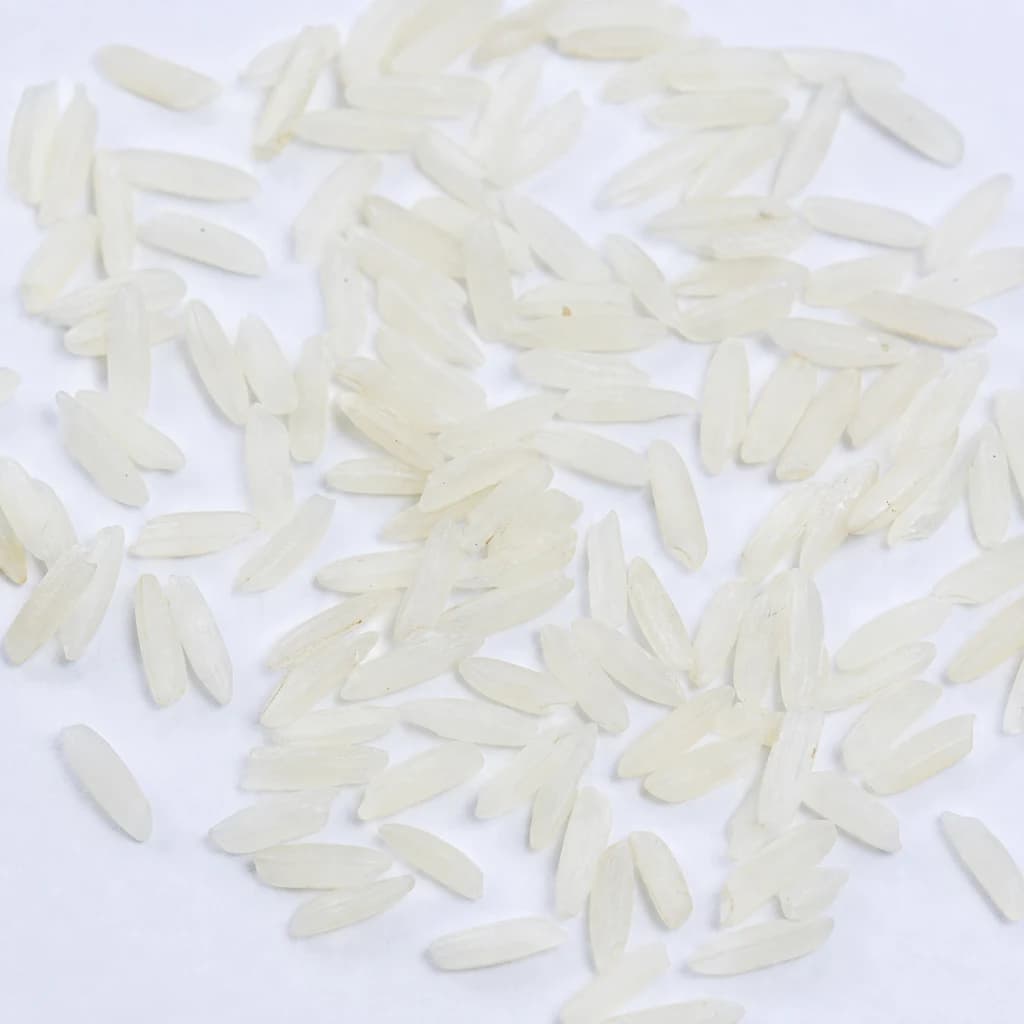
Jasmine Rice
Soft, floral-scented rice that's the pillar of Thai meals
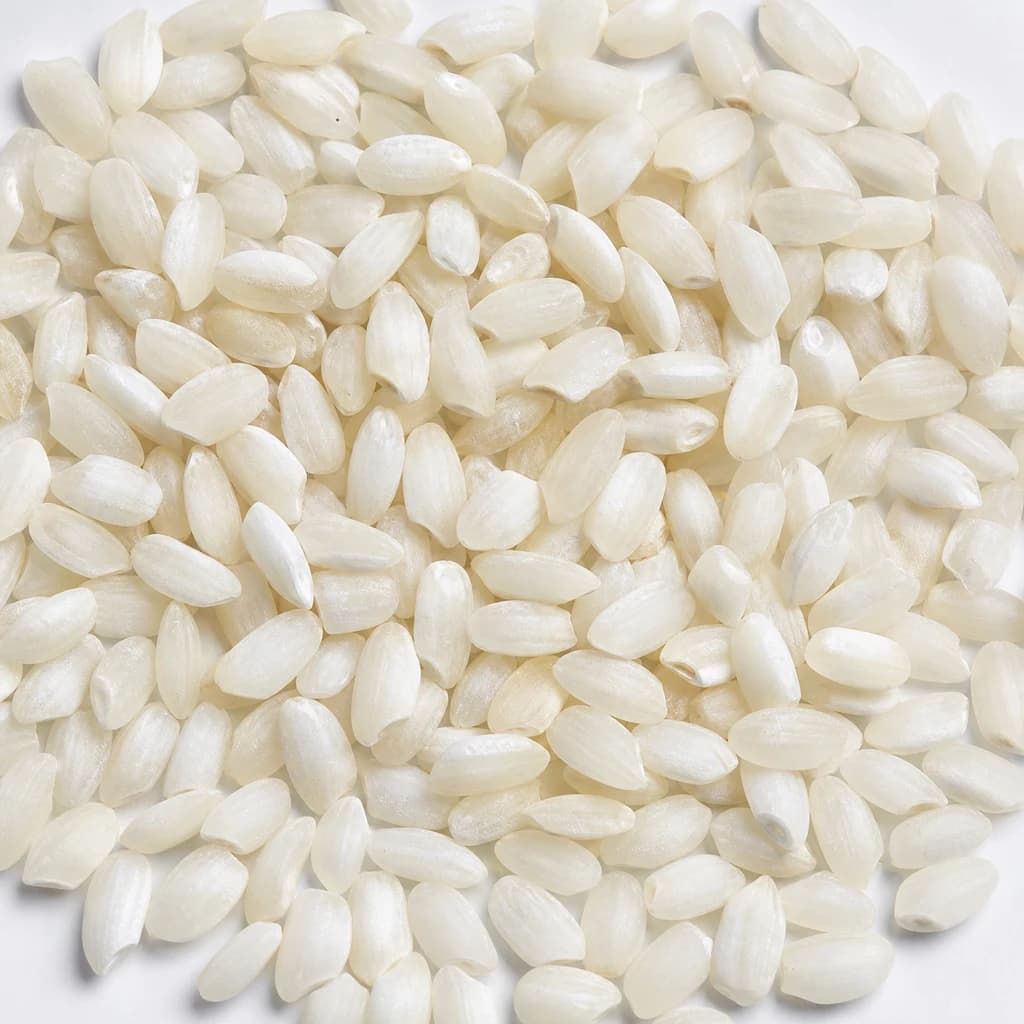
Arborio Rice
Plump, starchy rice that makes risotto creamy
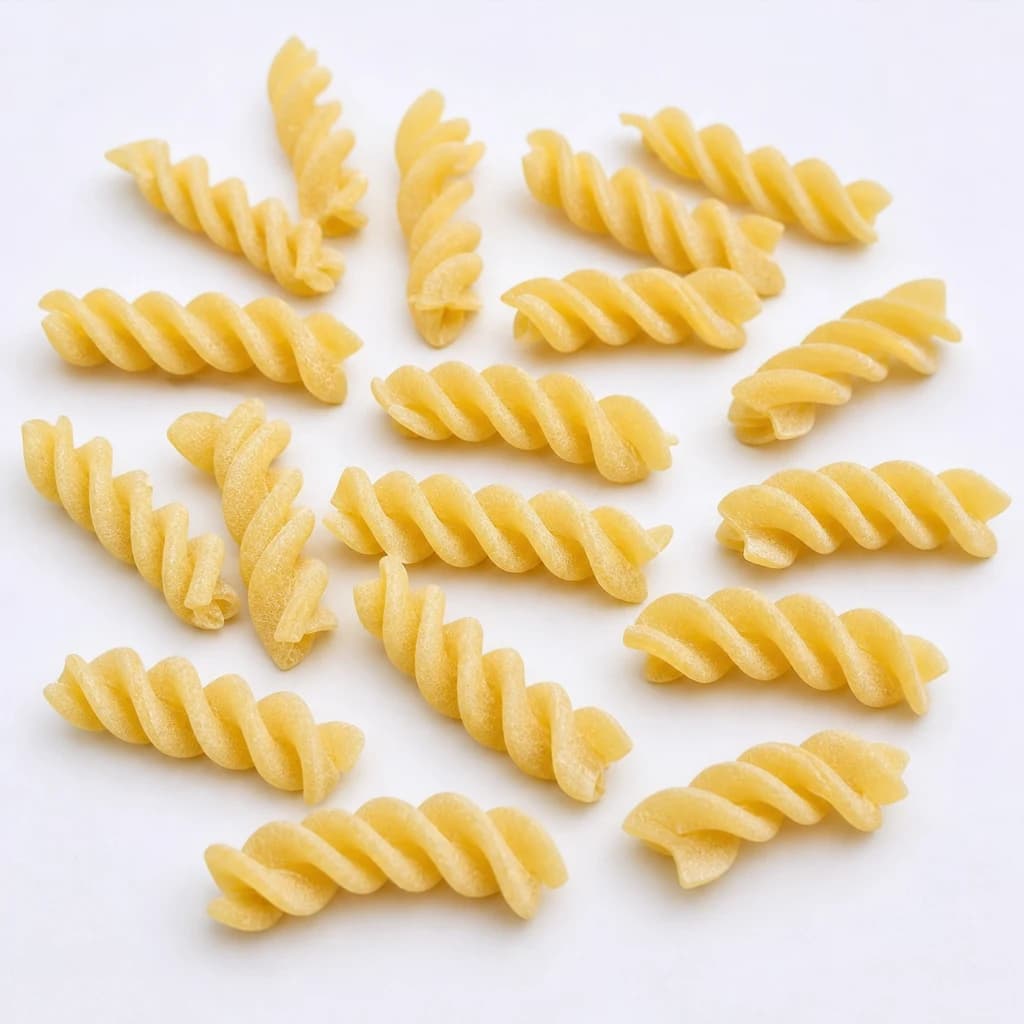
Fusilli
Spiraled pasta that twirls up sauce and dresses cold salads
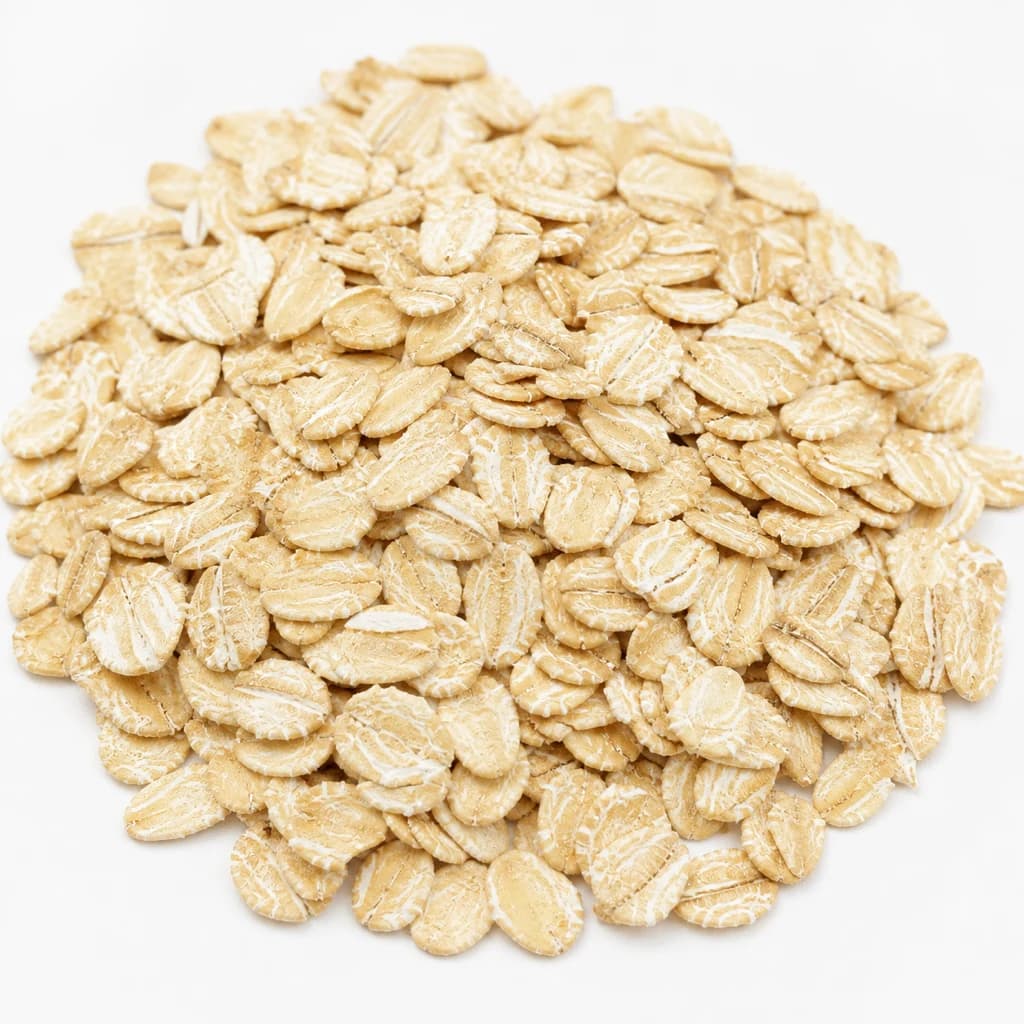
Rolled Oats
Hearty flakes for porridge, granola, and chewy cookies