Grains & Rice
Steel-Cut Oats
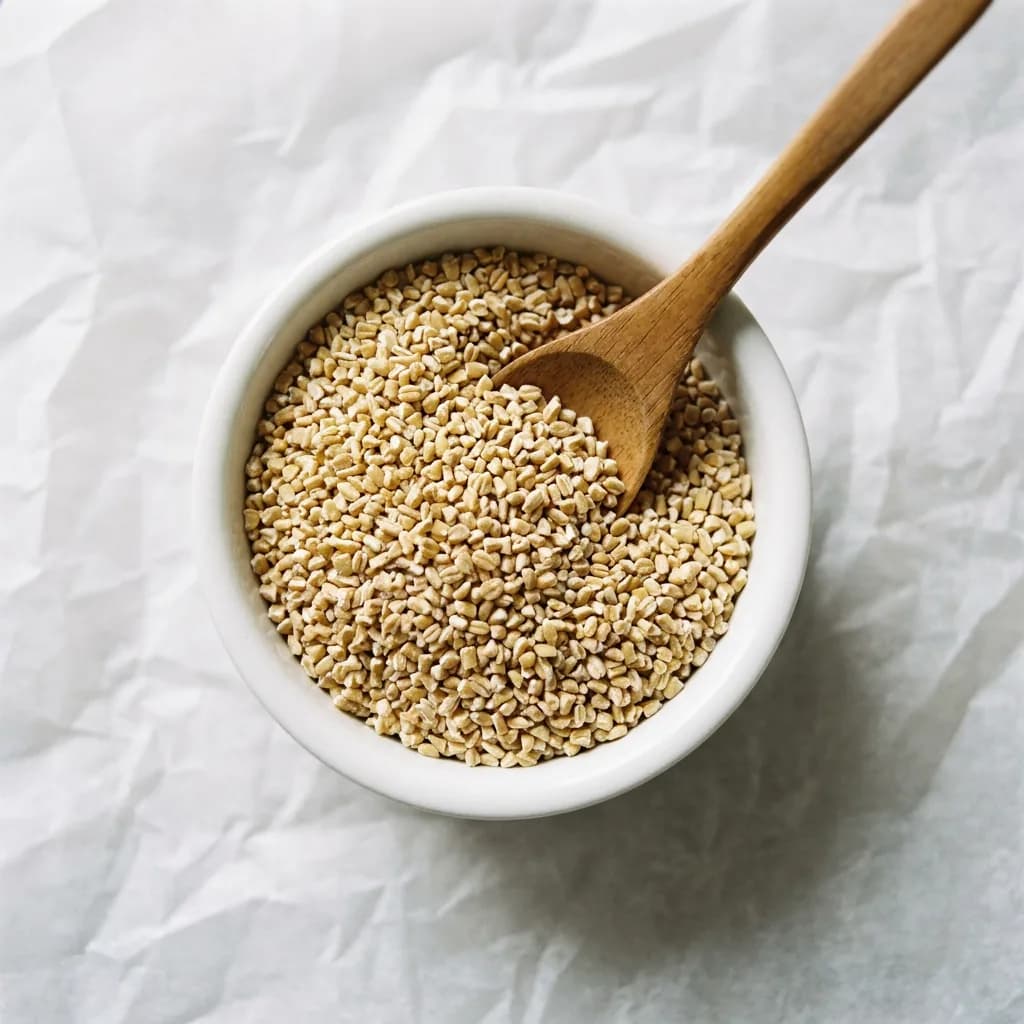
Coarsely chopped whole oat groats that cook into a chewy, nutty porridge.
Steel-cut oats are whole oat groats sliced into a few pieces with steel blades rather than rolled flat. They cook slower than rolled oats and yield a porridge with a distinctly chewy, hearty texture and nutty flavor. Beyond breakfast oatmeal they are used in savory bowls and baked goods.
Steel-cut oats are whole oat groats sliced into 2–4 pieces by rotating steel blades, producing the least-processed oat form available in most markets. Unlike rolled oats, which are steamed and flattened, steel-cut oats retain their natural grain structure and cook into a porridge with distinctly separate, chewy pieces. This processing difference is not cosmetic — it fundamentally affects how the oats hydrate, how they release starch, and how they behave in recipes. The result is a denser, more satisfying texture and a lower glycemic response than more processed oat forms, because less surface area is exposed to heat and liquid during cooking. Steel-cut oats require more active attention and longer cooking than instant varieties, but they reward patience with a nutty, substantial porridge that holds its shape rather than dissolving into mush.
- Measured in
- g
- Storage
- Pantry
Allergens
Types & varieties
Cut into the smallest pieces (2–3 mm); cook faster, slightly creamier texture
Coarsest cut; individual groats remain larger and more distinct; longer cook time, nuttier texture
Pre-soaked or steamed then cut; significantly faster but not a true steel-cut; check label for processing details
Same product, from organically grown oats; no difference in cooking behavior
Steel-Cut vs. Rolled: Why the Difference Matters
The distinction between steel-cut and rolled oats is not merely about convenience — it affects the final dish in fundamental ways. Rolled oats are steamed, rolled flat, and dried, which gelatinizes the starches and creates a product that hydrates quickly and breaks down easily. Steel-cut oats, cut rather than pressed, maintain intact cell walls in each piece of grain. This means they hydrate more slowly, release starch more gradually, and retain structural integrity throughout cooking. The practical consequences: steel-cut oats cannot be substituted for rolled oats in granola (which depends on oats holding their shape while coated in fat and sugar), and they produce a coarser, more textured porridge than rolled oats. Conversely, rolled oats make a poor substitute in savory preparations where you want the grain to stand up to bold flavors and a chewy bite.
- Rolled oats are steamed before rolling; steel-cut oats are cut raw
- Steel-cut oats cook in 20–30 minutes; rolled oats cook in 5–10 minutes
- Steel-cut porridge is chewy with distinct grains; rolled oat porridge is soft and creamy
- Do not substitute one for the other in recipes where oat structure determines the outcome
Common uses
Tips & pitfalls
- Toast dry oats in a dry pan over medium heat 2–3 minutes before adding liquid to deepen nutty flavor — but watch carefully, they burn fast.
- Always salt the cooking liquid (about 1/4 tsp per cup of dry oats); salting early is essential for proper texture development.
- Do not stir constantly during cooking — this breaks the grains down into mush. Stir only 2–3 times at most.
- Soak in the cooking liquid overnight in the refrigerator to reduce active cooking time to 5–10 minutes the next morning.
- Add a pinch of baking soda (1/4 tsp per cup of oats) when cooking in dairy to prevent curdling and improve creaminess.
- Use chicken or vegetable broth instead of water for savory preparations.
- Cook at a gentle simmer (around 200°F/93°C); a rolling boil makes gluey porridge. A heavy-bottomed pot helps regulate temperature.
- The liquid is fully absorbed when the oats have a loose, oatmeal-like consistency — they will continue thickening as they cool. Add more liquid and cook briefly to loosen.
- Avoid products labeled "quick steel-cut" or "instant steel-cut" unless verified — these are often pre-processed with steam or pressure, altering cooking behavior.
Nutrition
Energy
1029 kJ · per 100 g
Where the calories come from
Protein
17.3g
35% DV
Carbs
66.2g
24% DV
Fat
7g
9% DV
Fiber
15.4g
55% DV
Sugars
1.5g
of which
Sodium
4mg
0% DV
Source · USDA FoodData Central · approx. Oat bran, raw
View on FDC →In the shops
Matched grocery products
No matched grocery products for Steel-Cut Oats yet.
Good to know
- Processing
- Whole oat groats cut into 2–4 pieces by steel blades; least-processed common oat form
- Alternate Names
- Irish oats, pinhead oats, coarse oatmeal
- Origin
- Scotland and Ireland; traditional oat processing dating to the 17th century
- Cooking Time
- 20–30 minutes stovetop (longer if unsoaked)
- Liquid Ratio
- 1 part oats to 3–4 parts liquid by volume
- Texture
- Chewy, nutty; grains retain distinct shape and structure
- Glycemic Response
- Lower glycemic index than rolled or quick oats due to intact grain structure
- Shelf Life
- 6–12 months in airtight container at cool room temperature; longer refrigerated or frozen
- Yield
- Approximately 2.5–3x original volume when cooked
- Equipment
- Heavy-bottomed saucepan or pot with lid; wooden spoon; measuring cups
Substitutes
- Rolled Oats (old-fashioned) — Faster cooking (10–15 min), softer texture; use 1.5x the liquid and expect a less chewy result. Not interchangeable in baked applications where structure matters.
- Quick Oats — Pre-cut and pre-steamed; cook in 5 minutes but produce a gummy porridge. Poor substitute for steel-cut in most uses.
- Hulled Barley (pot barley) — Comparable chew and cook time; neutral grain flavor; use 1:3 ratio with liquid, 25–35 minutes.
- Farina (Cream of Wheat) — Completely different texture (smooth, creamy); not a meaningful substitute for chewy porridge applications.
Pairs with
Also called
Pinhead Oatmeal · Irish Oats · Coarse Oatmeal
Appears in these dishes
Related

White Rice
Fluffy long-grain rice — the neutral base for almost any meal

White Bread
Soft sandwich loaf for toast, sandwiches, and crumbs
Brown Rice
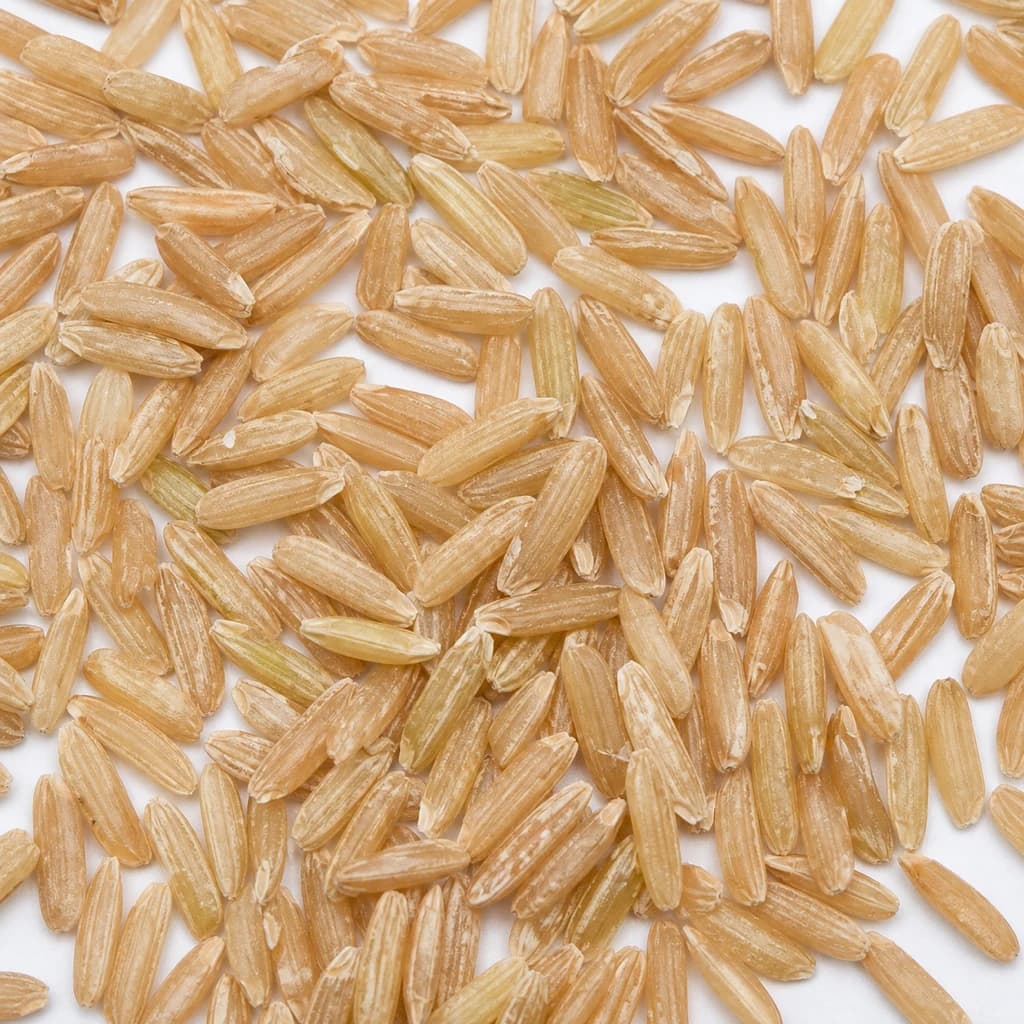
Nutty, whole-grain rice with chew and extra fiber

Basmati Rice
Fragrant, long-grain rice that cooks up light and separate
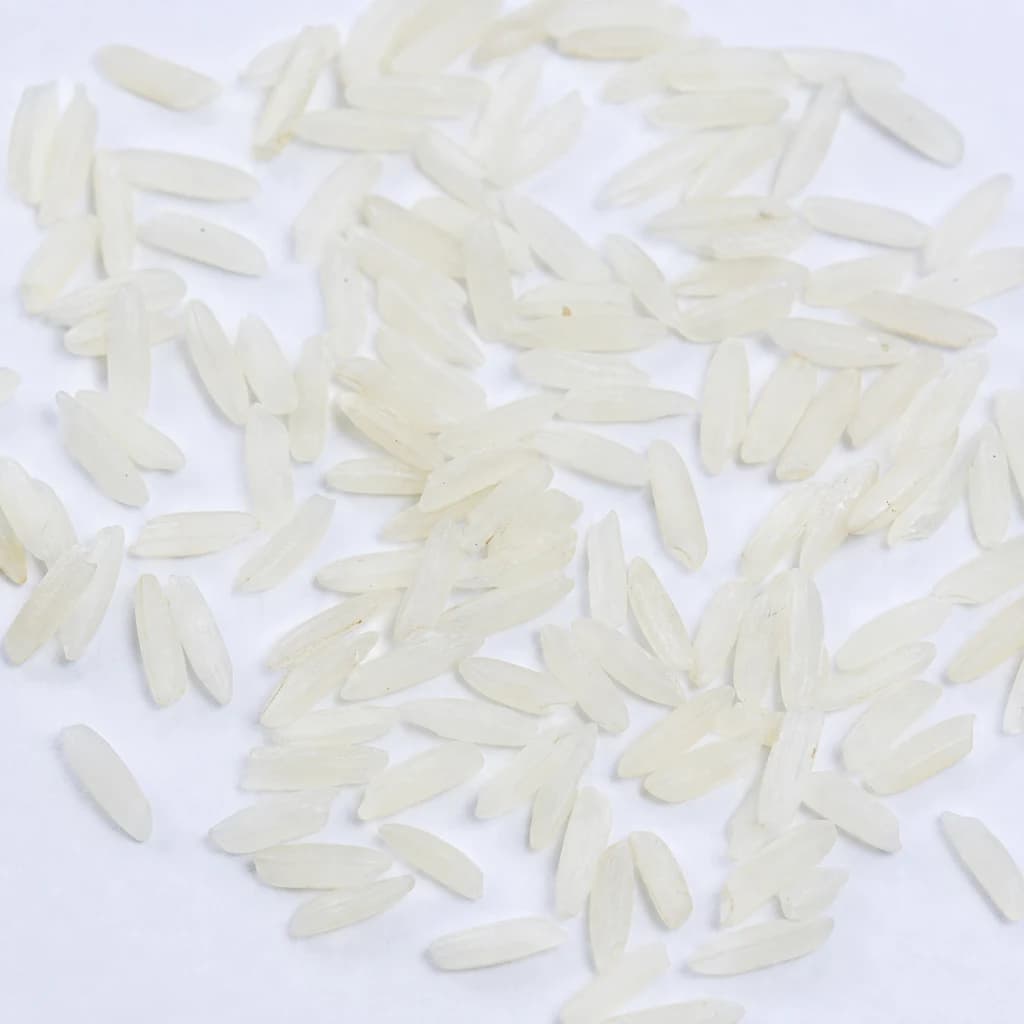
Jasmine Rice
Soft, floral-scented rice that's the pillar of Thai meals
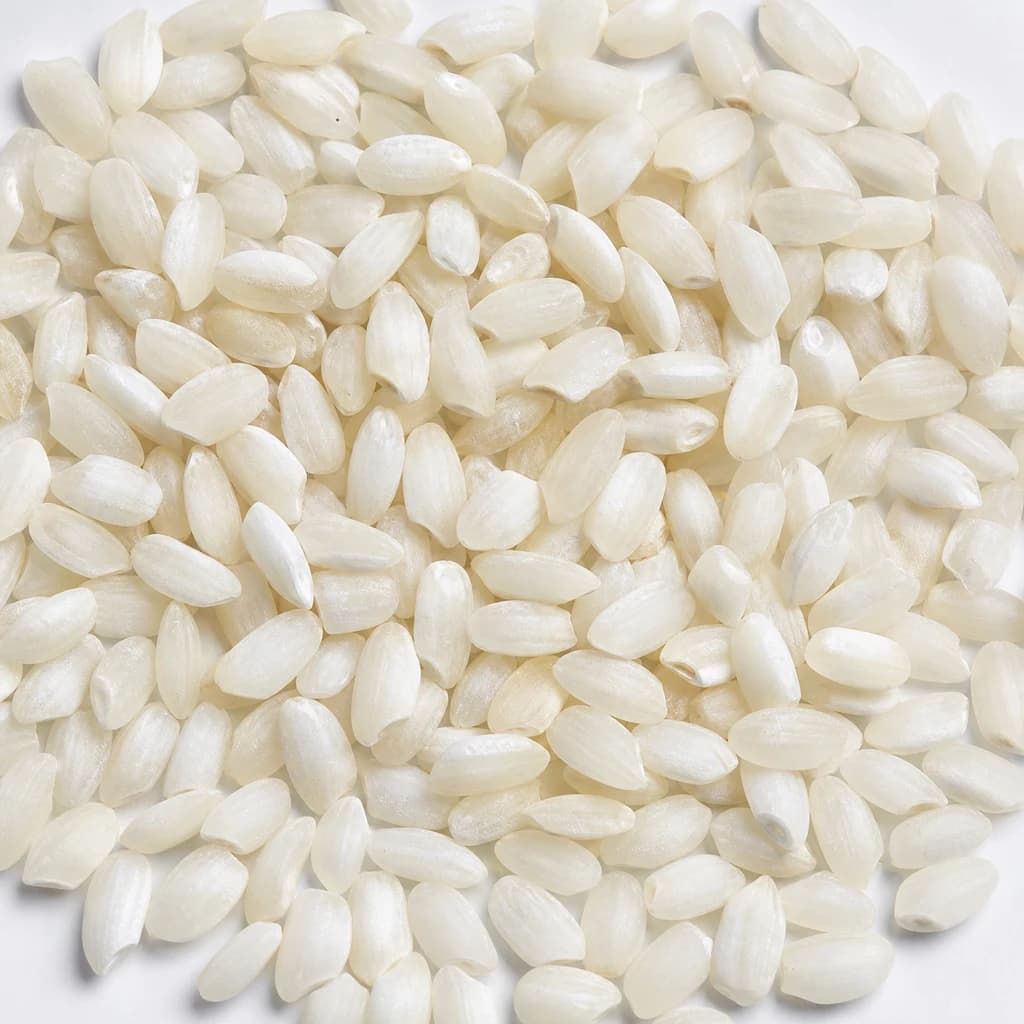
Arborio Rice
Plump, starchy rice that makes risotto creamy
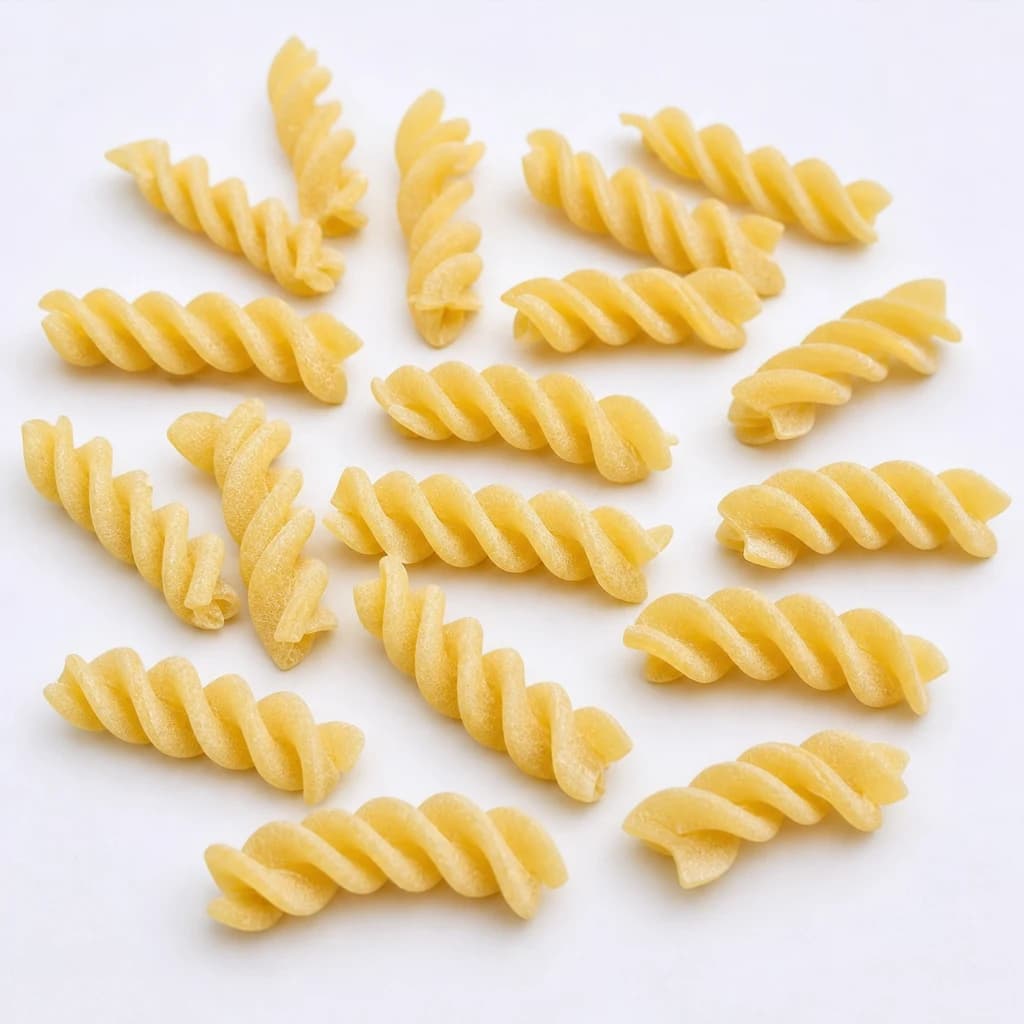
Fusilli
Spiraled pasta that twirls up sauce and dresses cold salads
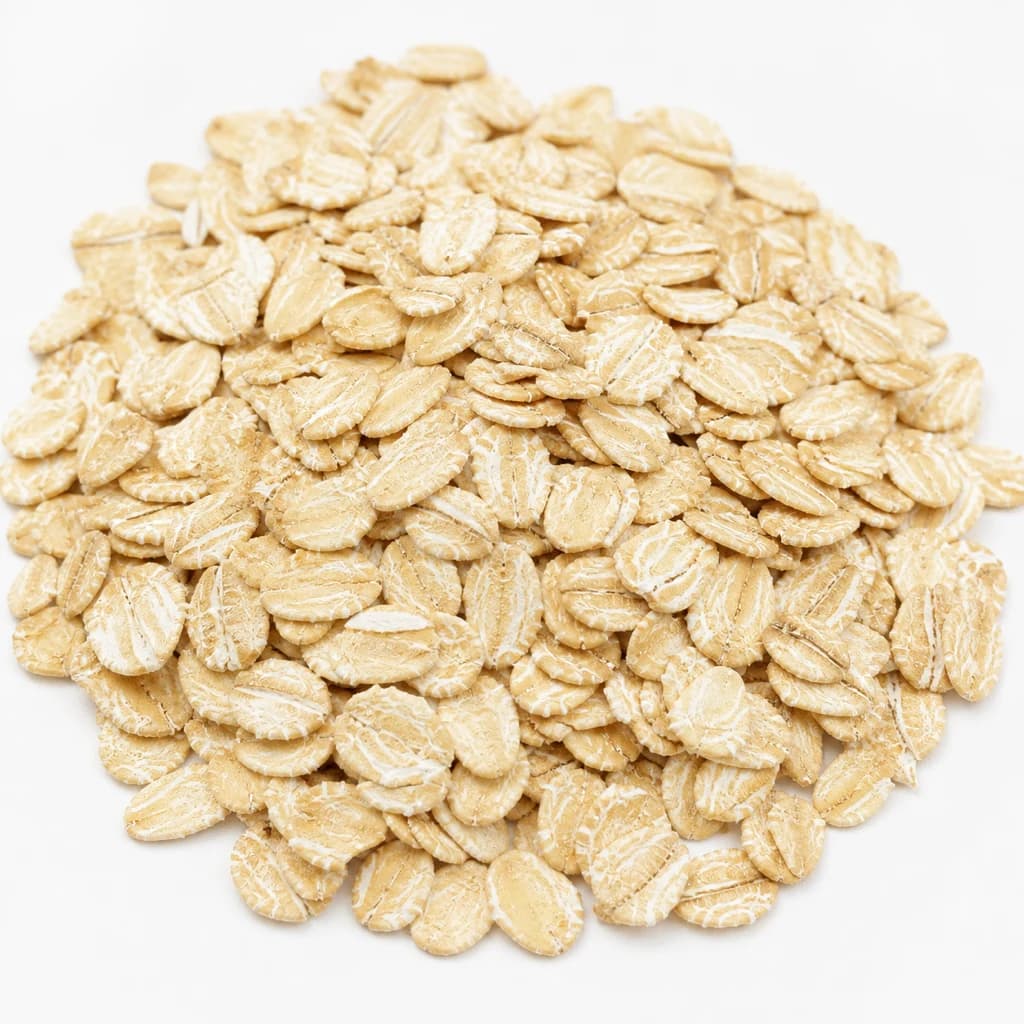
Rolled Oats
Hearty flakes for porridge, granola, and chewy cookies