Natural form
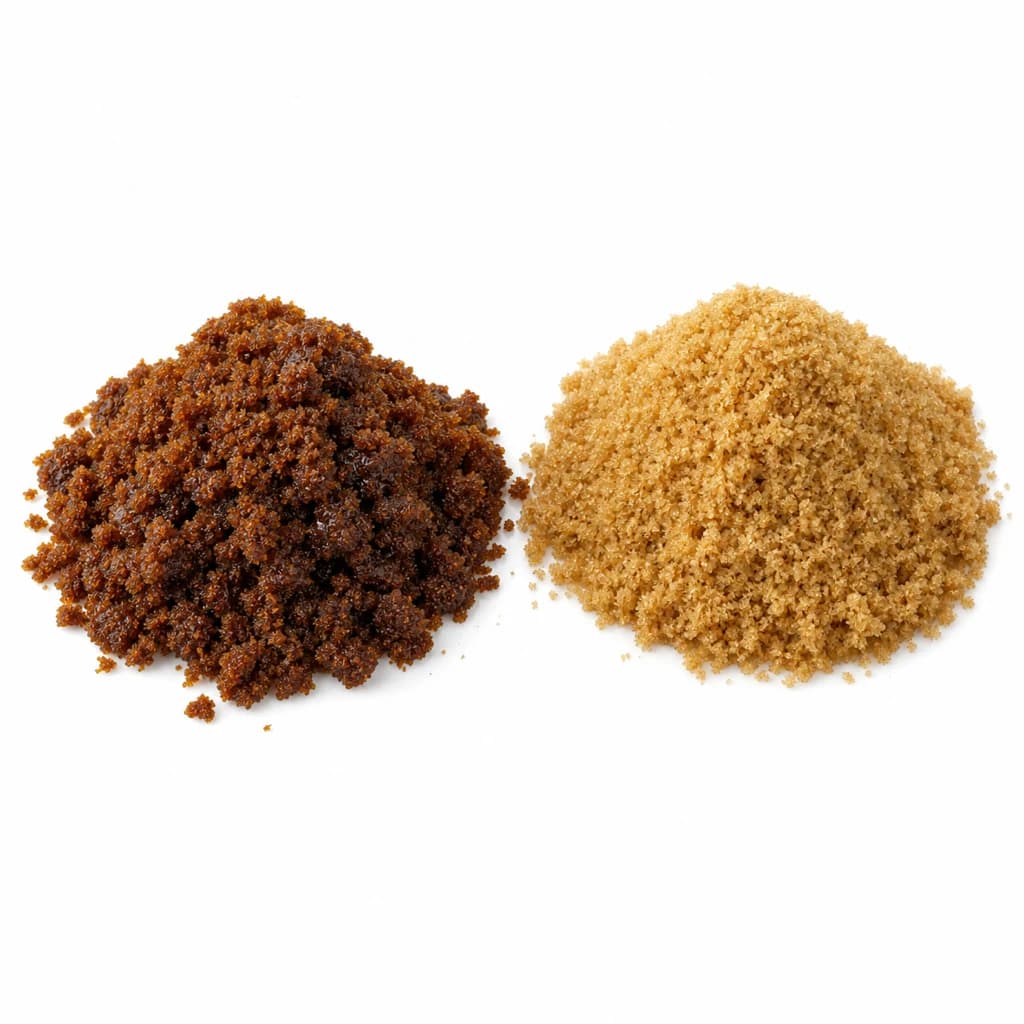
Dark and light brown sugar side by side, showing the distinct molasses content difference.
Shows the two common commercial forms and their visual difference so readers can identify what they have.
Sweeteners
Brown Sugar
Moist, molasses-rich sugar for chewy cookies and glazes
Soft and molasses-rich, brown sugar gives cookies their chew, deepens a barbecue glaze, and caramelizes beautifully. Keep it airtight so it doesn't harden into a brick.
Brown sugar is white sugar with molasses added back in — that molasses gives it its damp, clumpy texture, caramel color, and warm toffee flavor. Light brown has less molasses (subtle, all-purpose); dark brown has more (deeper, more assertive). The molasses also makes it slightly acidic and moisture-rich, which is why brown sugar bakes into chewier cookies, moister cakes, and richer-tasting glazes and barbecue sauces than white sugar. The trace minerals from the molasses are negligible — nutritionally brown and white sugar are essentially the same.
- Measured in
- g
- Storage
- Airtight
Find it in
Types & varieties
Less molasses; subtle, the everyday default.
More molasses; deeper flavor for gingerbread and BBQ.
Unrefined, intensely molasses-rich and moist.
Coarse raw-style crystals for crunch and topping.
Dark, sticky unrefined cane sugar heavy with molasses; brings toffee depth and moisture to gingerbread, BBQ rubs, and rich fruit cakes.
Coarse amber raw-cane crystals that stay crunchy; sprinkle for a sparkling crackle on muffin tops, scones, and cookie edges.
How to use
Pack it into the measuring cup, since it's damp and airy. Use light brown for general baking and dark brown when you want pronounced molasses flavor in gingerbread, barbecue sauce, and glazes.
- Chewy cookies and blondies
- Barbecue sauces and glazes
- Gingerbread and spiced cakes
- Oatmeal, crumbles, and streusel toppings
How to store
Keep it airtight — exposed to air it dries rock-hard. Revive hardened sugar with a slice of bread or a terracotta brown-sugar disc in the container, or a quick microwave with a damp paper towel.
Common uses
Tips & pitfalls
- Pack it firmly into the cup when measuring, unlike white sugar.
- Revive hardened brown sugar with a slice of bread overnight.
- Make your own by mixing white sugar with a spoonful of molasses.
- Swap dark for light brown for deeper, more caramel flavor.
Nutrition
Energy
1590 kJ · per 100 g
Where the calories come from
Protein
0.1g
0% DV
Carbs
98.1g
36% DV
Fat
0g
0% DV
Fiber
0g
0% DV
Sugars
97g
of which
Sodium
28mg
1% DV
Source · USDA FoodData Central · Sugars, brown
View on FDC →In the shops
Matched grocery products
 €2.25
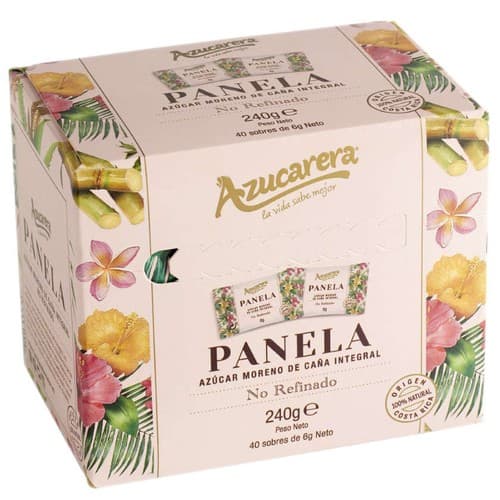
€2.25Panela
AZUCARERA · kg · Bonpreu
 €1.90
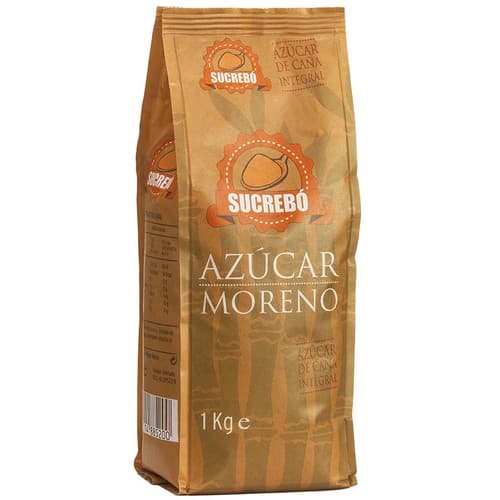
€1.90SUCREBÓ Brown Sugar
SUCREBÓ · kg · Bonpreu
 €1.50
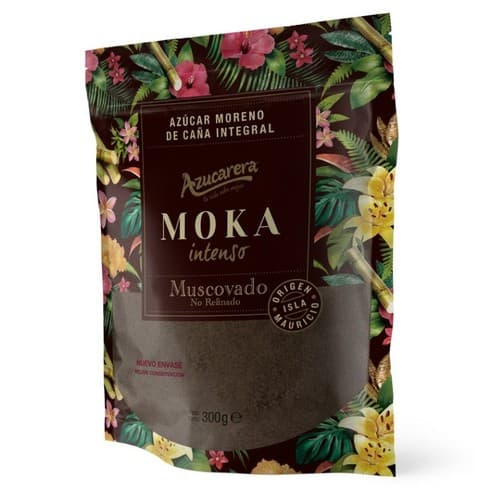
€1.50Moka Intense Brown Sugar
AZUCARERA · kg · Bonpreu
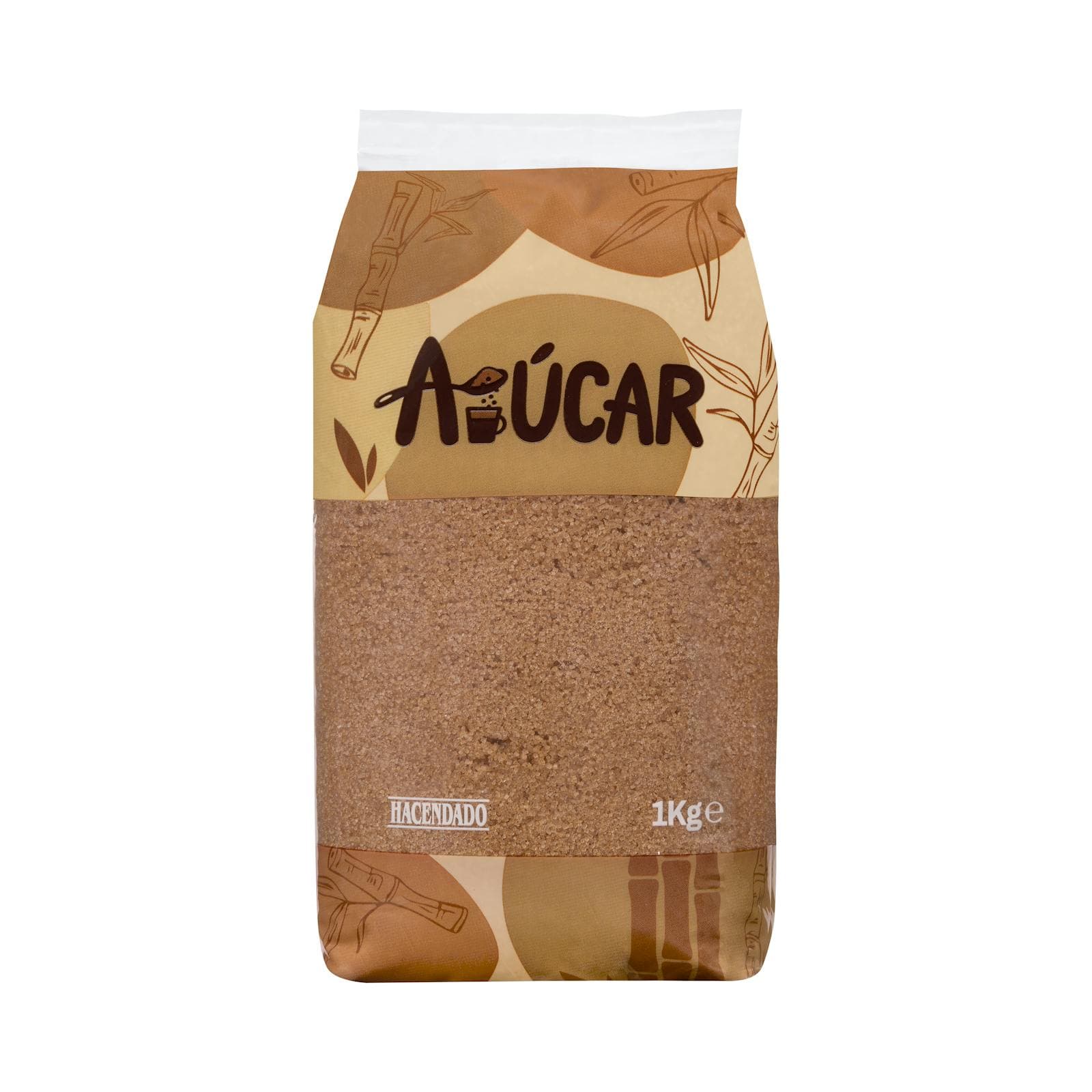 €1.90
€1.90Brown Cane Sugar
Hacendado · 1 kg · Mercadona
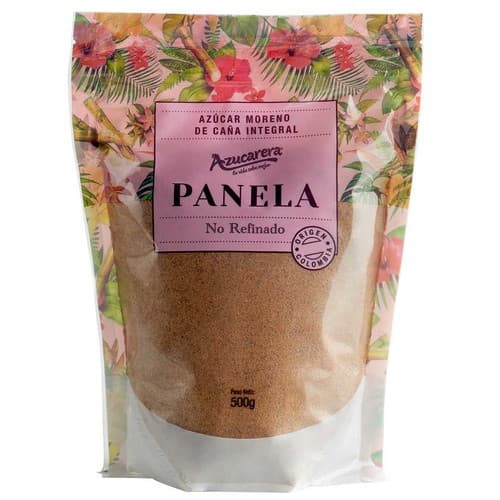 €2.35
€2.35Azucarera Panela
AZUCARERA · kg · Bonpreu
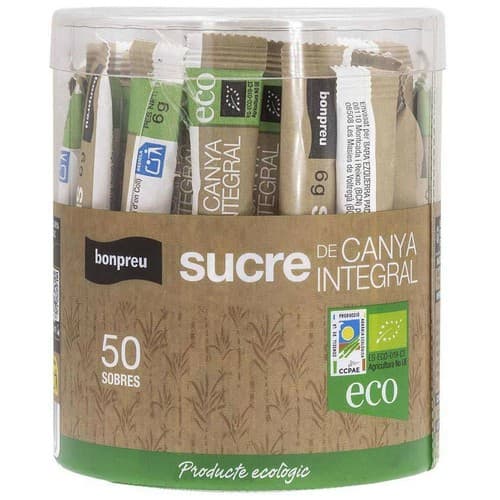 €1.79
€1.79Organic Whole Cane Brown Sugar
BONPREU · kg · Bonpreu
Good to know
- Flavor
- Caramel, toffee, warm molasses notes
- Made from
- White sugar plus molasses
- Best for
- Chewy cookies, glazes, BBQ, gingerbread
- Baking effect
- Adds moisture, chew, and color
- How to store
- Airtight to keep it from hardening
- Shelf life
- Indefinite; softens if it dries out
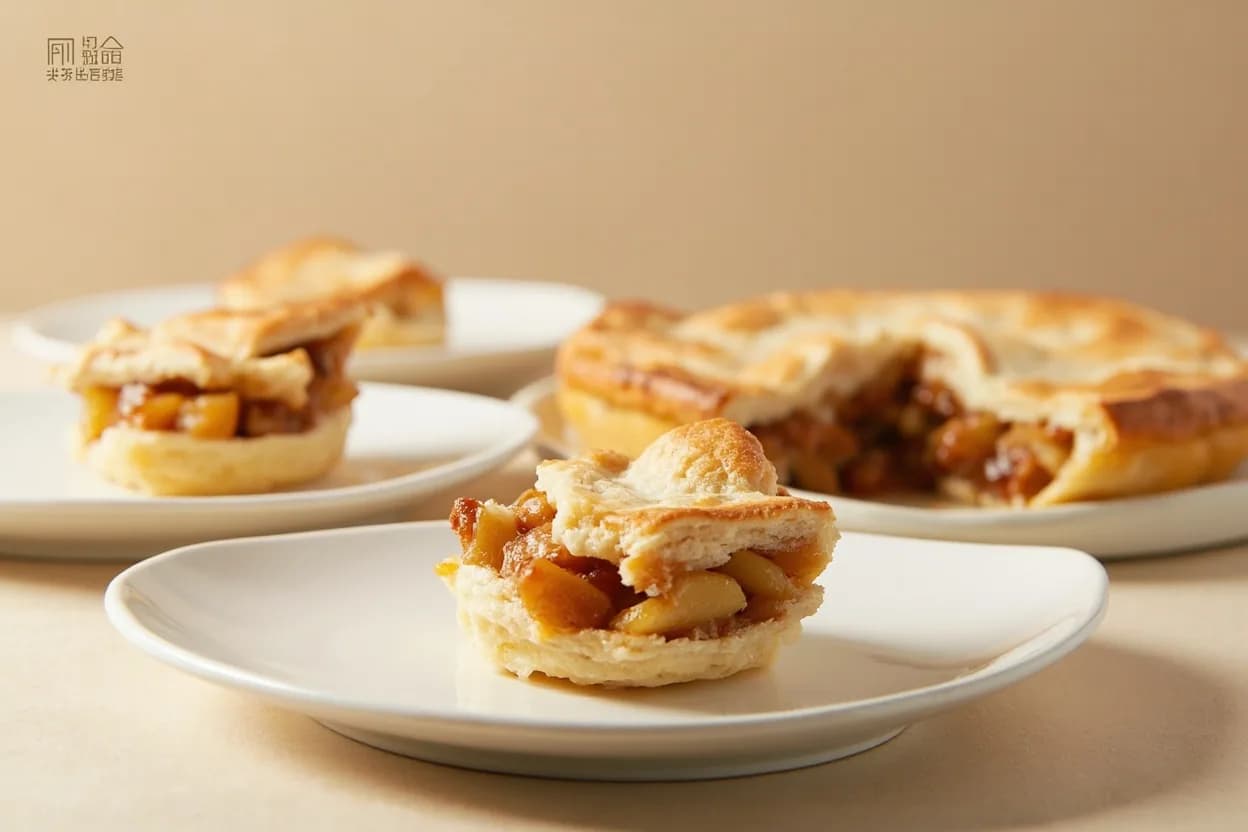
Appears in these dishes
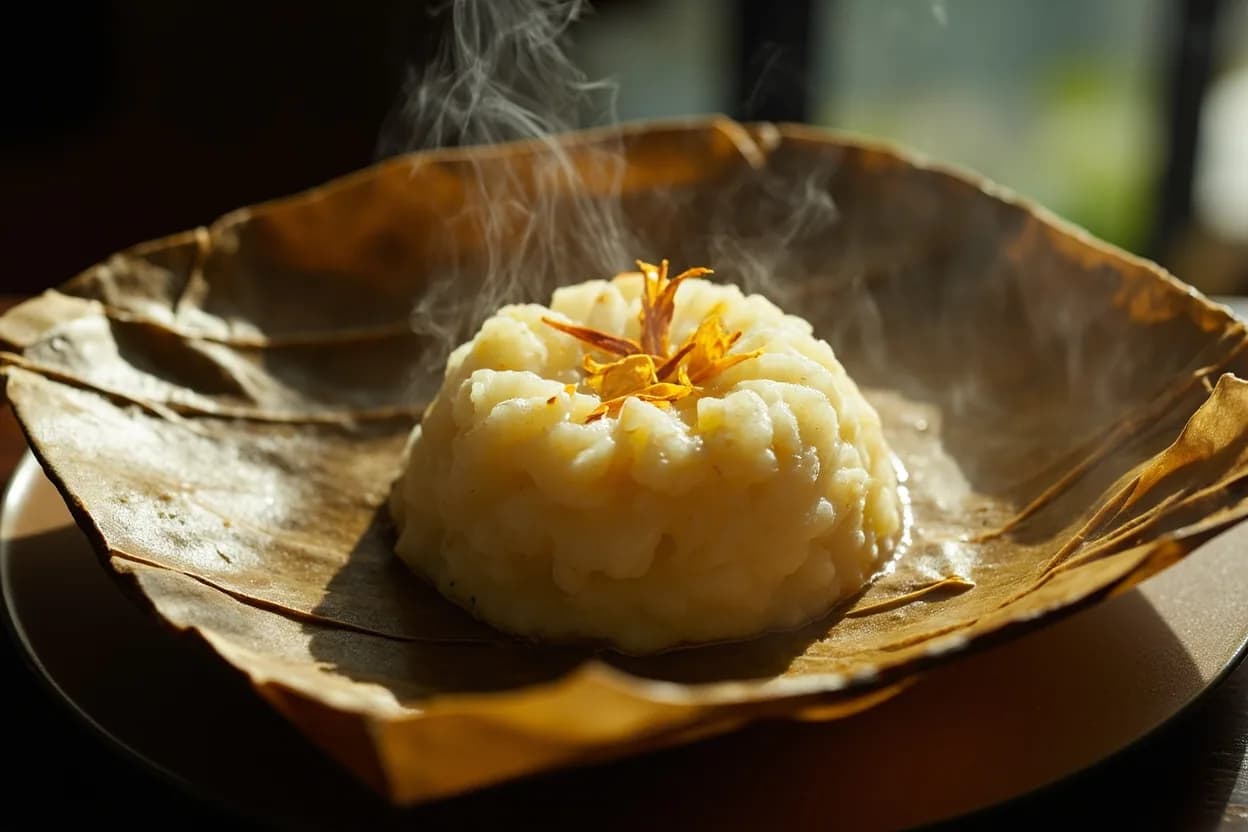
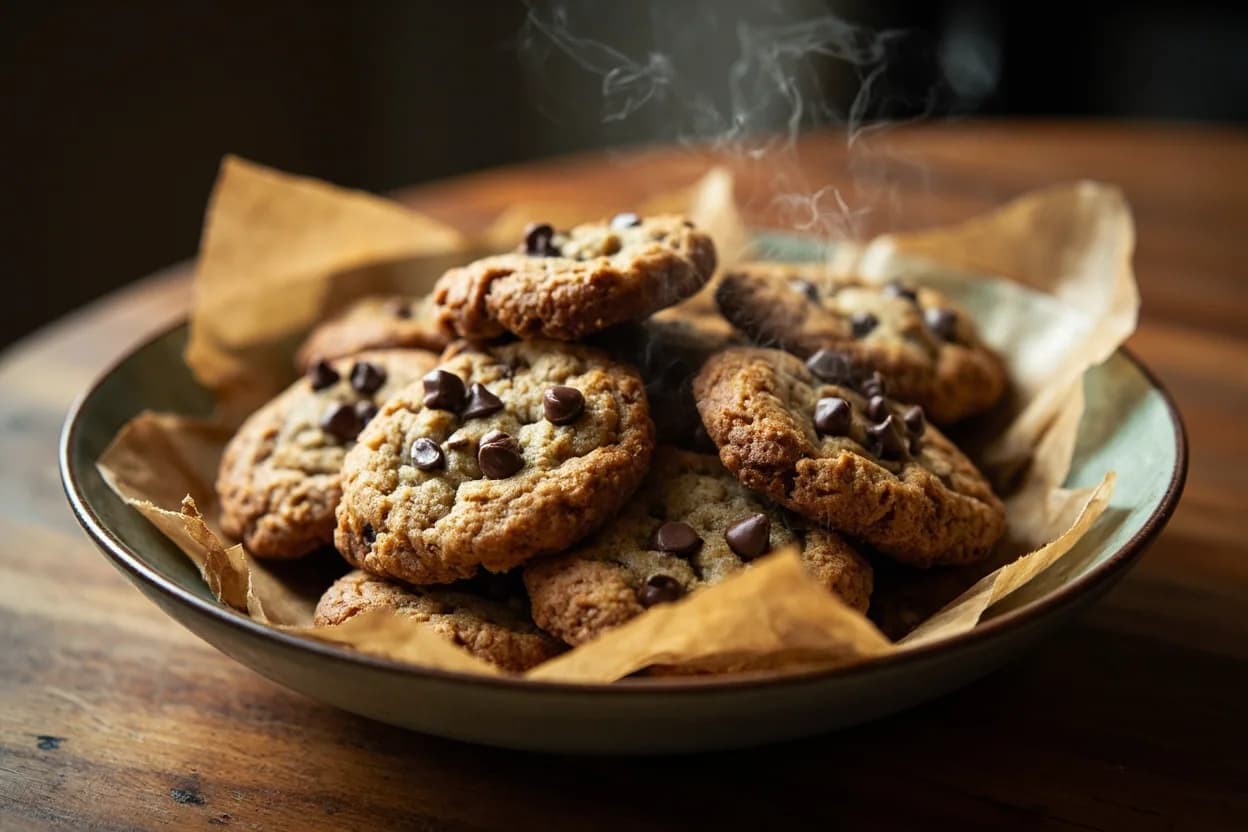
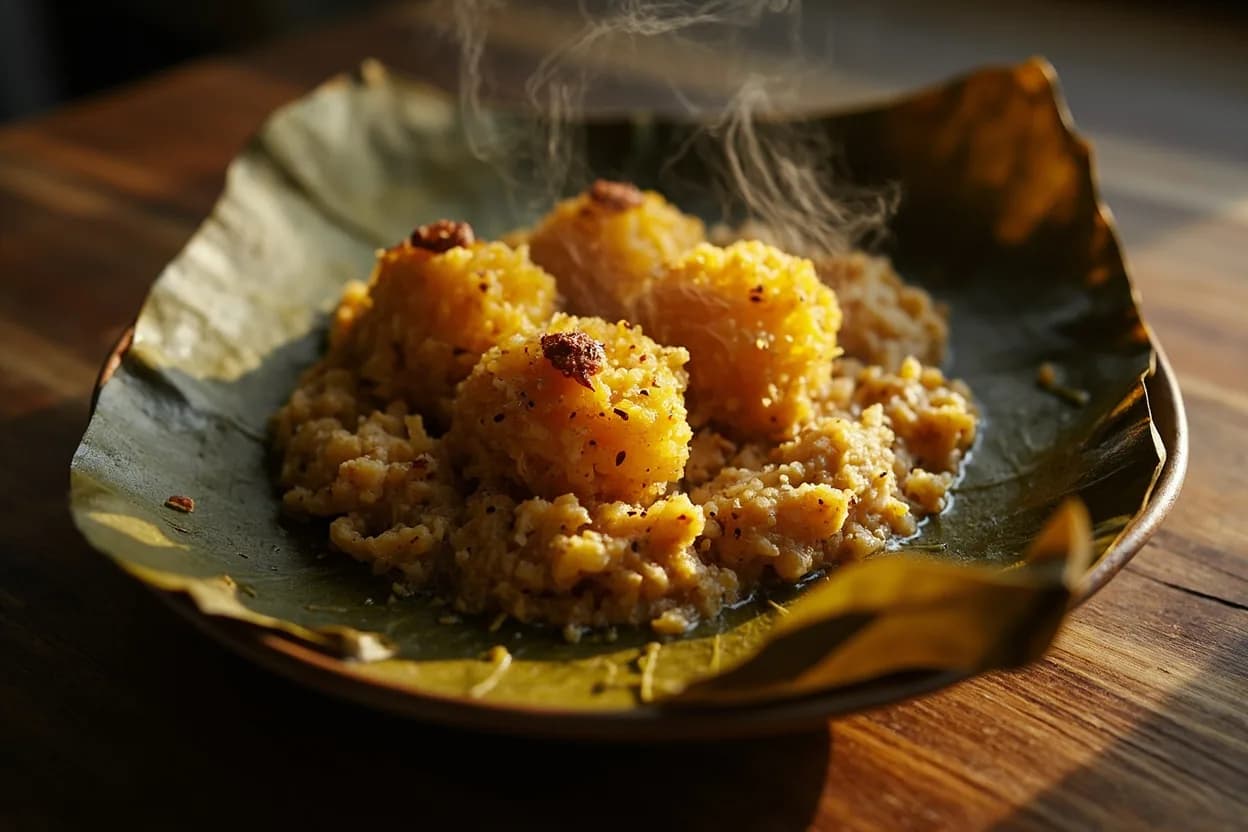
Related

White Sugar
Clean, granulated sweetness for baking, drinks, and beyond
Honey
Floral, golden sweetener for drizzling, glazing, and baking

Maple Syrup
Rich, woodsy syrup for pancakes, glazes, and baking
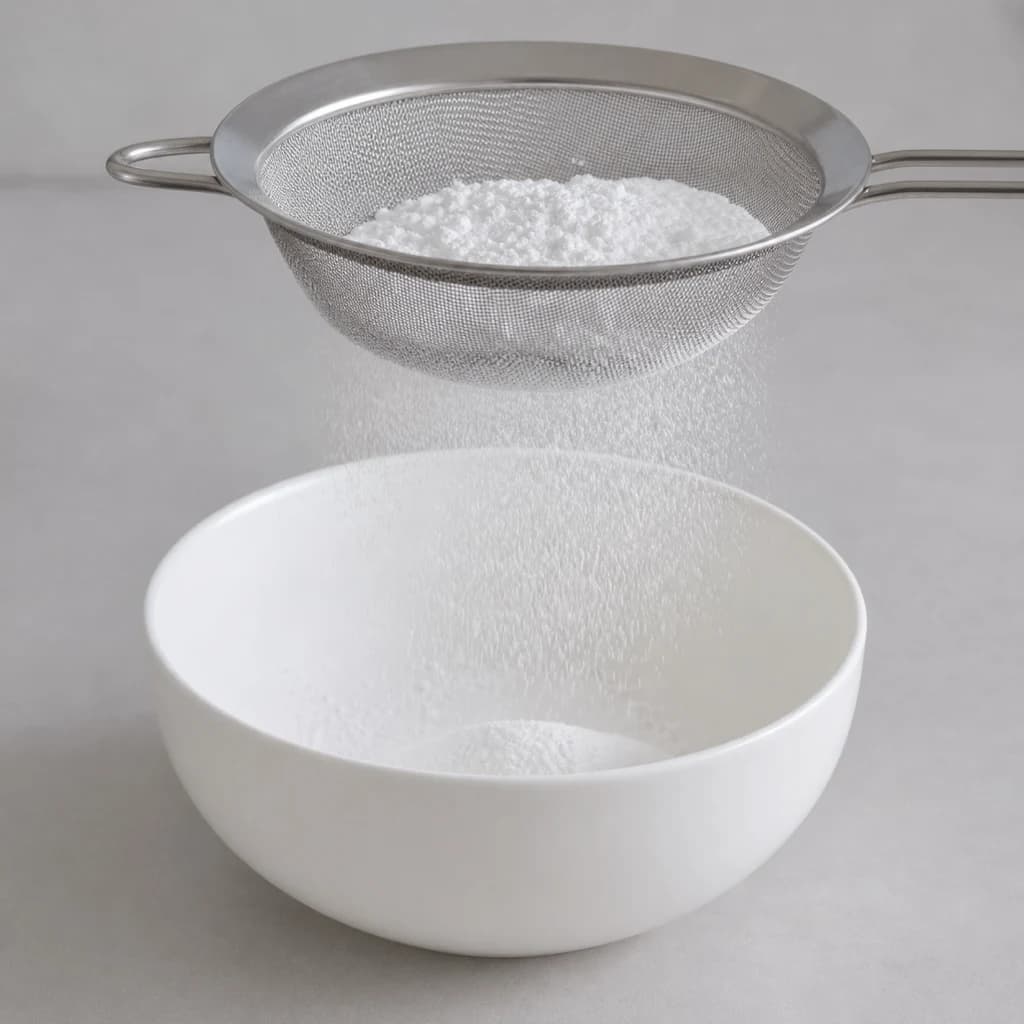
Powdered Sugar
Fine, dissolvable sugar for icing, dusting, and frosting
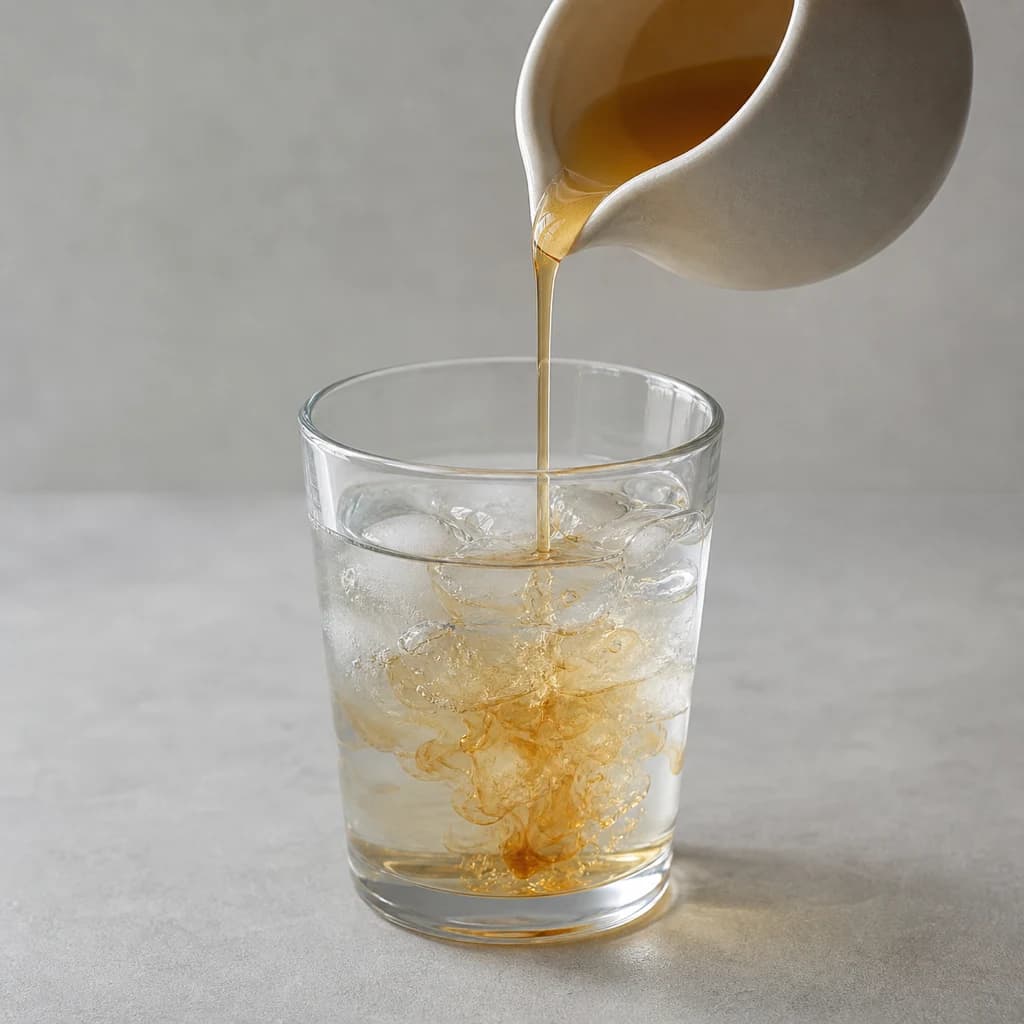
Agave Syrup
Mild, pourable sweetener that dissolves easily into drinks
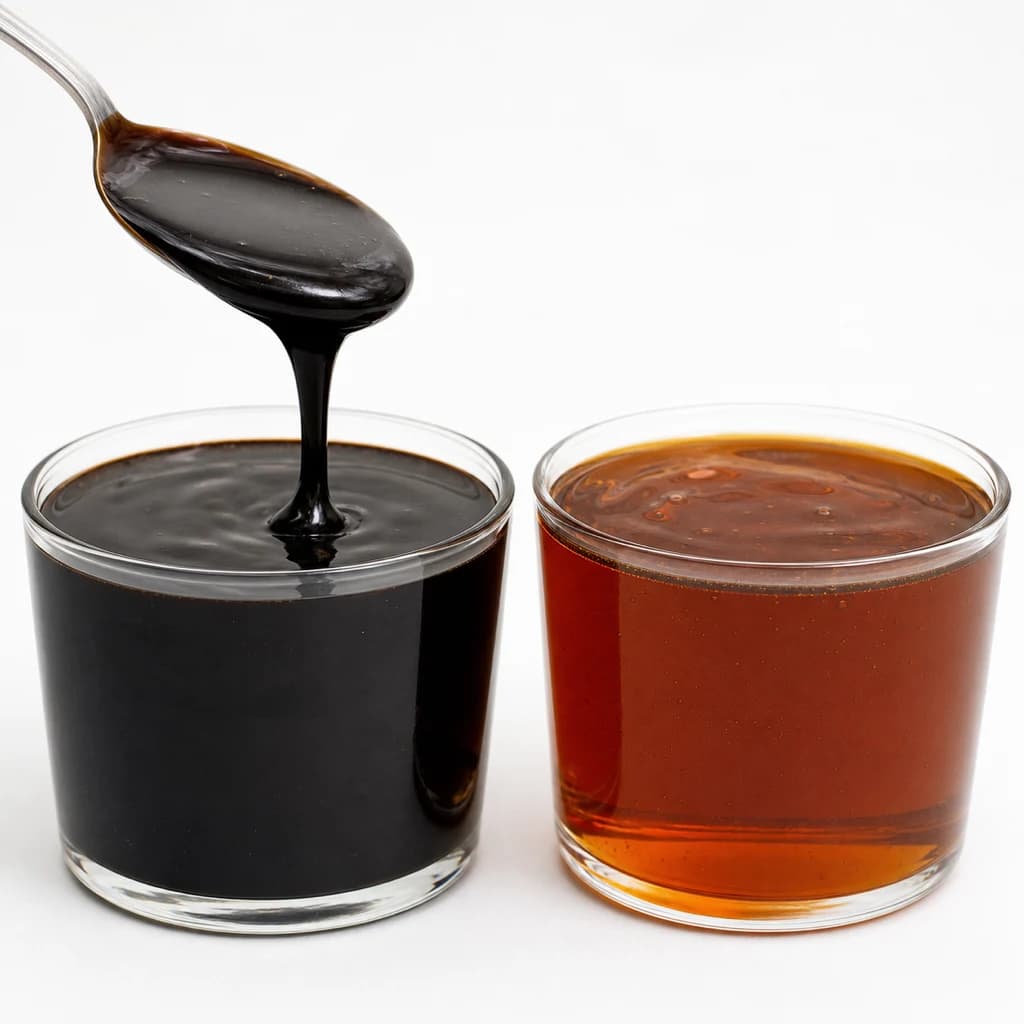
Molasses
Dark, bittersweet syrup for gingerbread, beans, and rubs
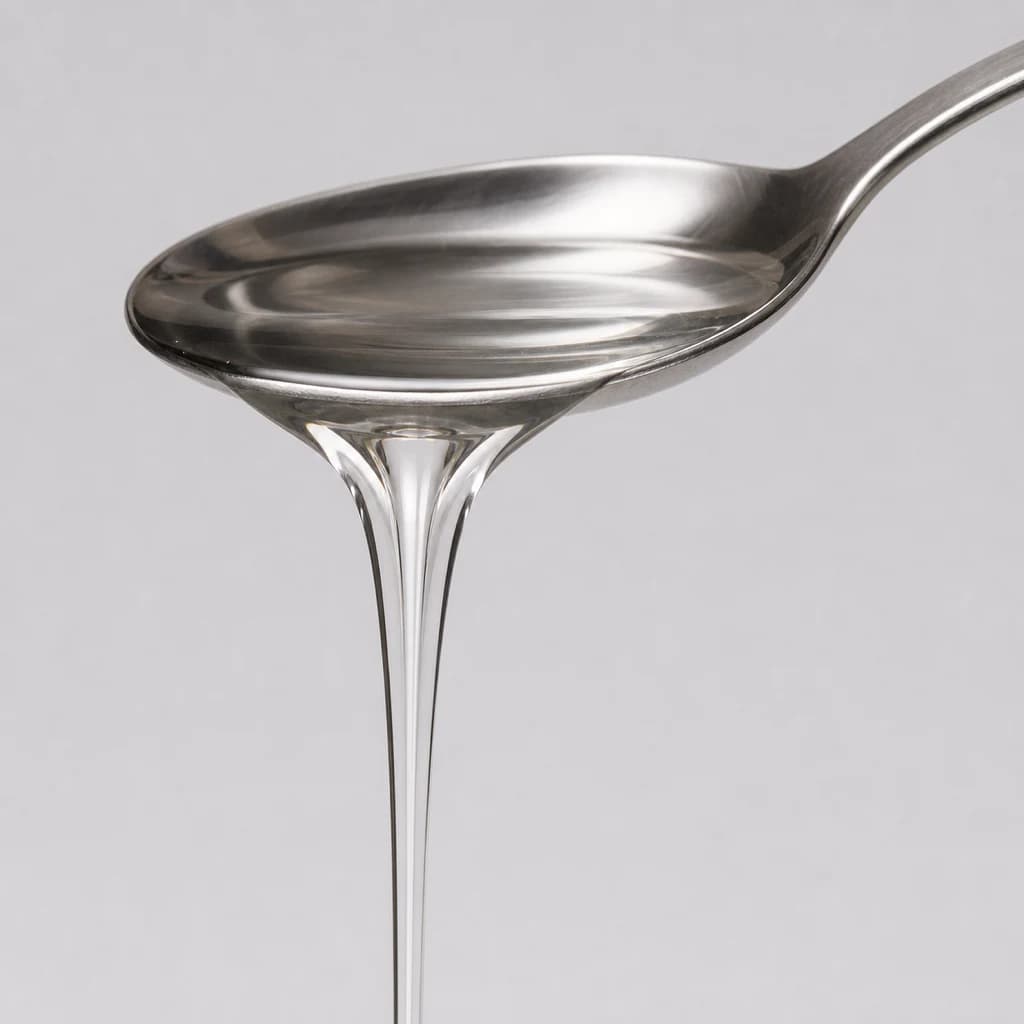
Simple Syrup
Dissolved sugar syrup for sweetening drinks and cocktails
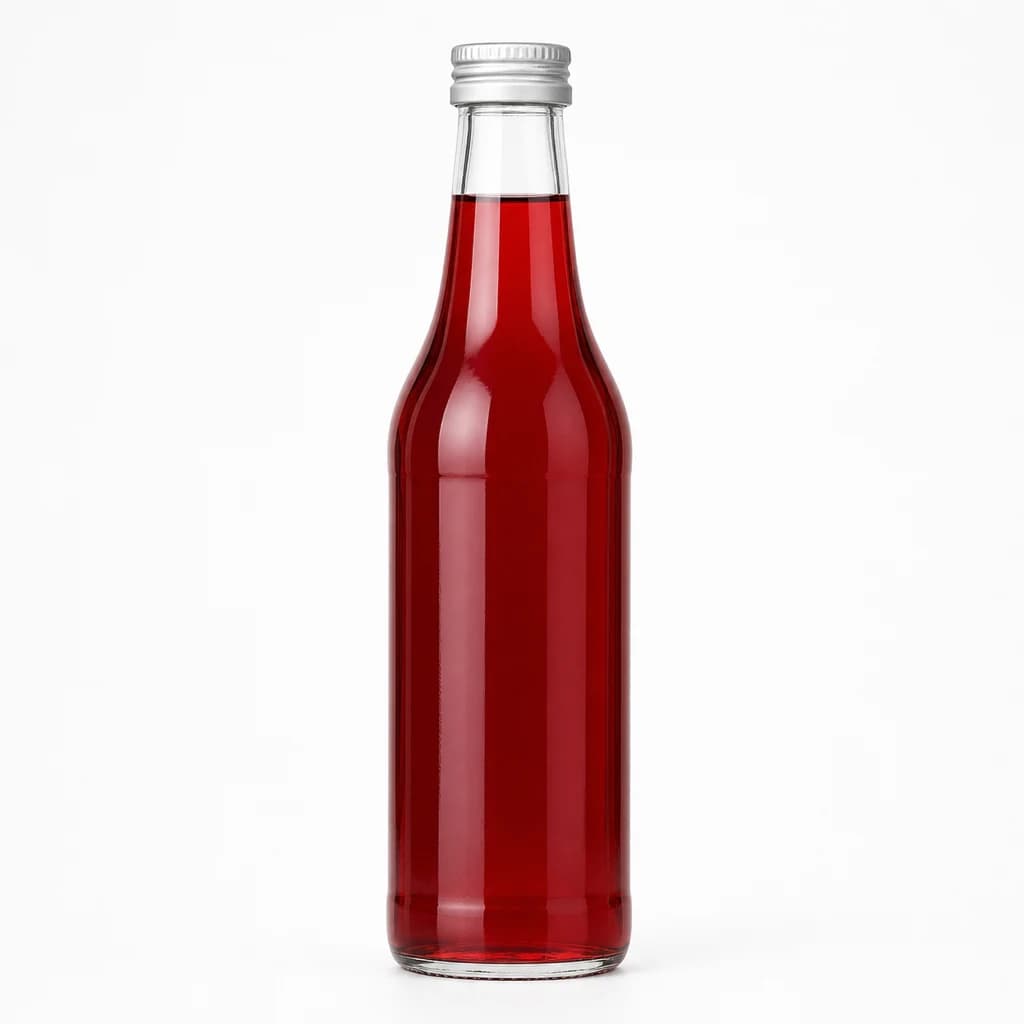
Grenadine
Sweet-tart pomegranate syrup for color and cocktails