Sweeteners
Turbinado / Demerara Sugar
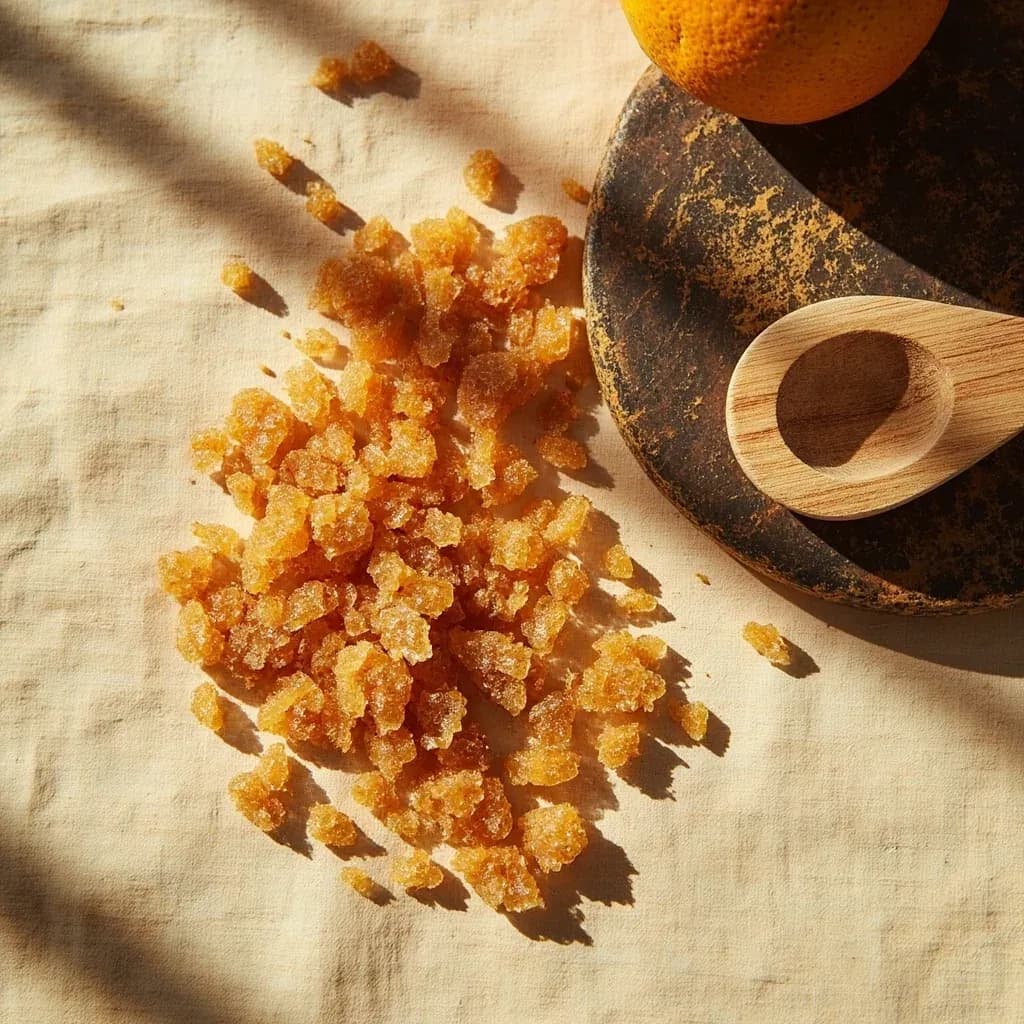
Coarse amber raw-cane crystals that stay crunchy; sprinkle for a sparkling crackle on muffin tops, scones, and cookie edges.
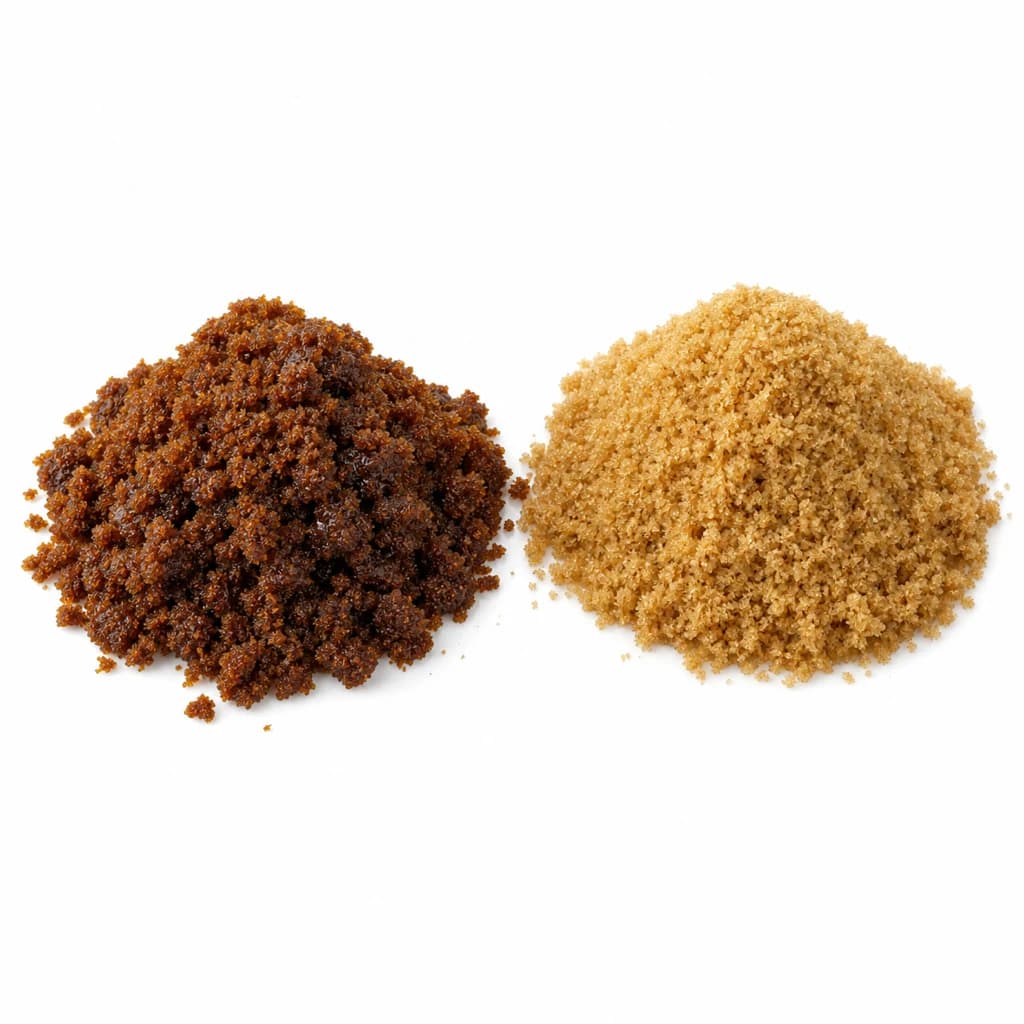
Turbinado and Demerara sugar are the same minimally refined cane sugar sold under different regional names. The crystals are spun in a centrifuge after the first evaporation step, a process that strips only the surface film of molasses and leaves a thin, flavorful coating behind. The result is a pale amber crystal that is noticeably larger, drier, and more caramel-edged than ordinary granulated sugar. "Turbinado" comes from the turbines used to spin off the molasses; "Demerara" comes from the former British Guiana colony where the style originated and remains the standard label in U.K. and Commonwealth baking.
What sets turbinado apart in practice is not sweetness — its sucrose content is essentially identical to white sugar — but texture and a faint butterscotch note. The crystals resist melting and dissolving, which is exactly why cooks reach for them. They hold their shape on top of muffin batter, survive a hot oven as visible crackle, and add a soft molasses hum that granulated sugar cannot. That same resistance is why they fail in delicate roles: dropped into a thin batter, custard, or meringue, the crystals stay gritty and can disrupt a smooth texture.
Treat turbinado as a finishing sugar and a kitchen accent, not a workhorse sweetener. It is the right choice for the topping of a scone, the rim of a crumble, the slow muddle of an Old Fashioned, and the spoon you stir into strong black coffee. It is the wrong choice for the structural sugar in a génoise, a pastry cream, or a pavlova. Knowing where that line falls is the whole art of using it well.
- Measured in
- g
- Storage
- Pantry
Find it in
Suits
Types & varieties
Traditional British-style Demerara from the original Demerara colony; light amber, dry, crunchy — the benchmark flavor
Domino and other American packers sell the same product as "Turbinado"; Sugar in the Raw is the most widely distributed U.S. brand
U.K. baker's standard; consistent coarse crystals and a mild, clean molasses note
Some Caribbean and Indian Ocean producers make a slightly darker, stickier Demerara that edges toward light muscovado
Unwashed or lightly washed estate raws carry more residual molasses and moisture — closer to light muscovado than to retail turbinado
Choosing and storing
Buy by look and feel, not brand loyalty. Good turbinado has uniform, sparkly amber crystals that pour freely and feel dry to the touch; if the bag is rock-hard in the middle or visibly damp on the crystals, the molasses content is climbing toward muscovado and the sugar may have started to clump. Both are fine for some uses (muddling into an Old Fashioned, dissolving into syrup) but a clumpy bag will not give the clean crackle you want on a scone top.
- Keep it in a jar with a tight-fitting lid, or in the original bag clipped shut — its residual moisture makes it clump faster than granulated sugar.
- Toss a food-safe silica packet into the jar in humid climates.
- Don't refrigerate; condensation on cold crystals speeds clumping and can invite mold.
- Use within 1–2 years for best crystal integrity; old turbinado tends to cake even when it hasn't actually spoiled.
In the glass: cocktails and coffee
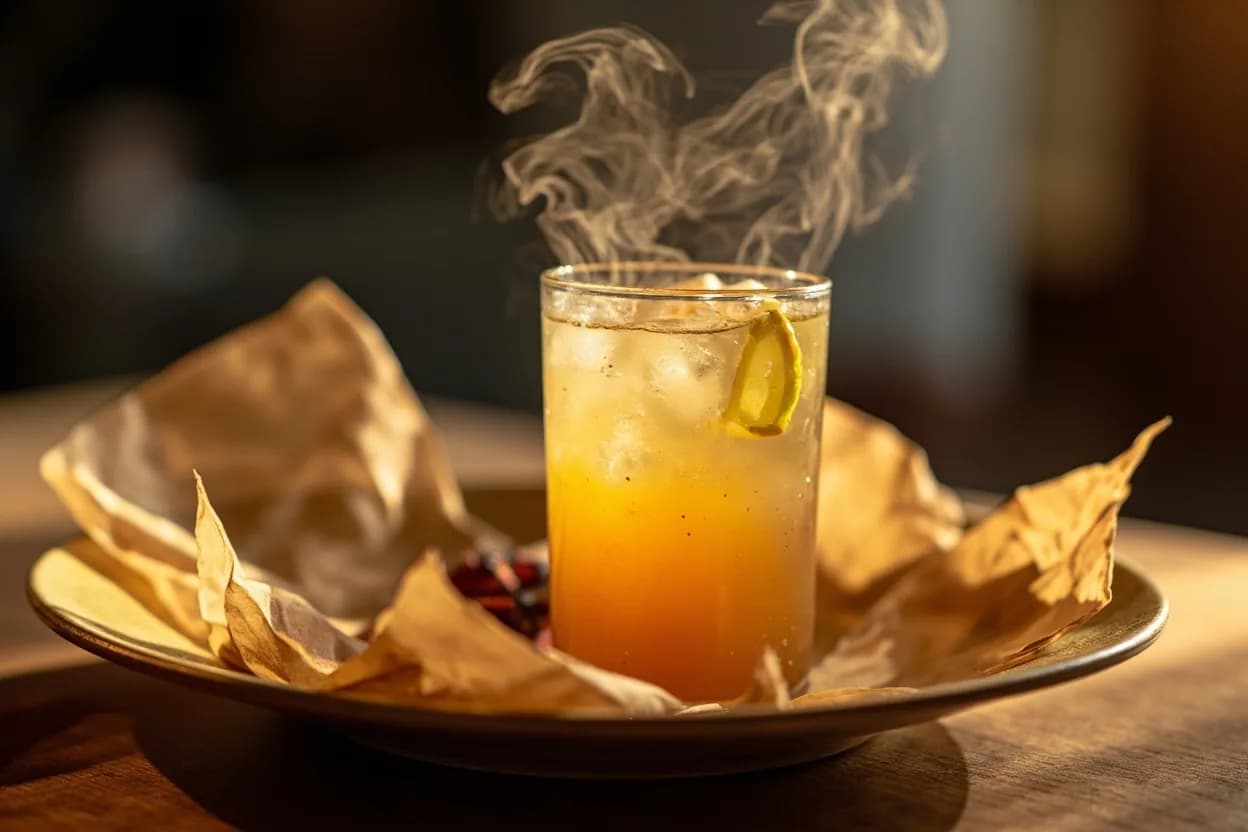
Turbinado's slow-dissolving crystals are an asset at the bar, not a liability. Muddled directly into an Old Fashioned, the sugar takes longer to melt than granulated, so it sweetens gradually as you stir — the drinker's dilution does the work. For shaken or stirred drinks where you want the sugar fully incorporated (Daiquiris, sours, anything served cold), make a Demerara syrup instead: a 2:1 sugar-to-water ratio by weight dissolves cleanly because the syrup has enough heat and water to break down the coarse crystals.
- Demerara syrup (2:1 by weight) is the craft-cocktail standard sweetener; standard 1:1 simple syrup leaves crystals undissolved.
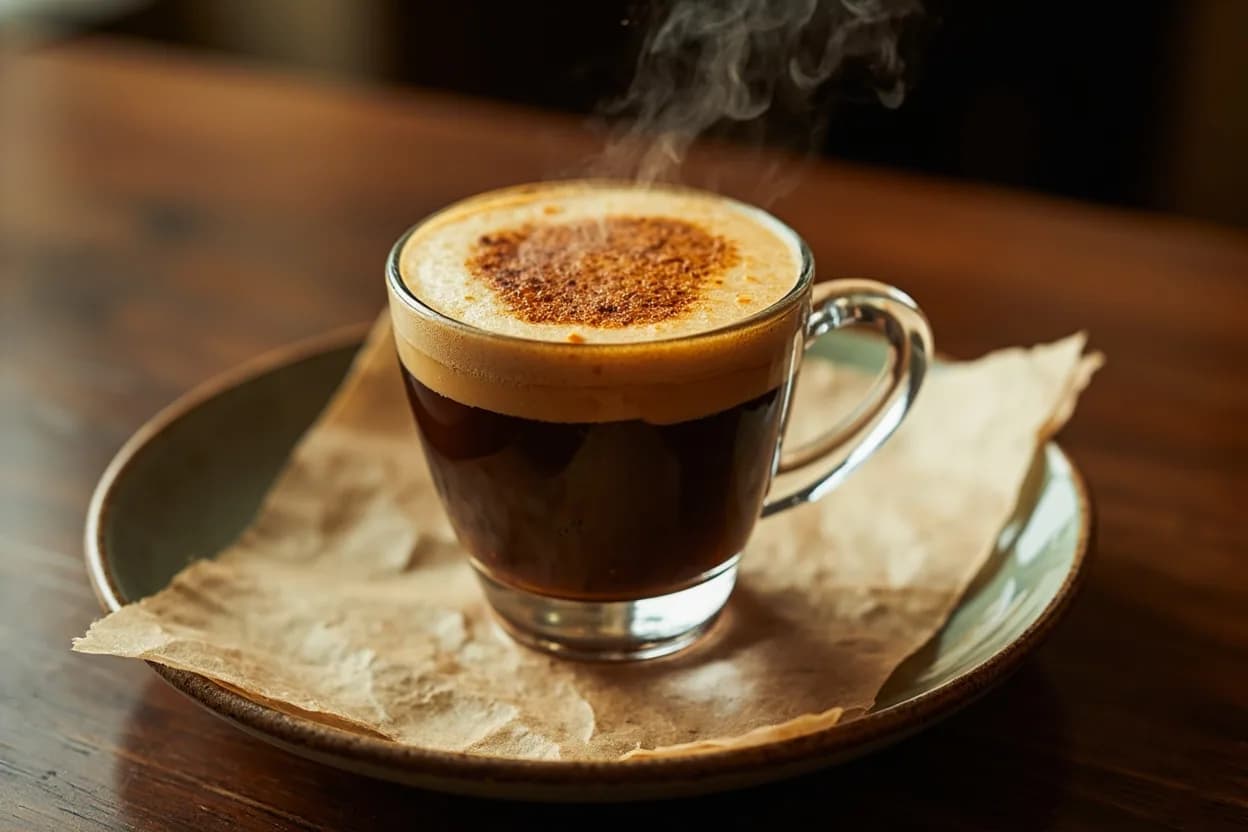
- For café con leche, Cuban espresso, and strong black coffee, turbinado is traditional and tastes notably warmer than white sugar.
- Pair with dark rum, bourbon, and rye — the cane/molasses echoes the spirit's own caramel notes.
- Avoid using raw crystals in anything shaken with citrus and ice: they will sit at the bottom of the glass.
On the bake: the finishing role
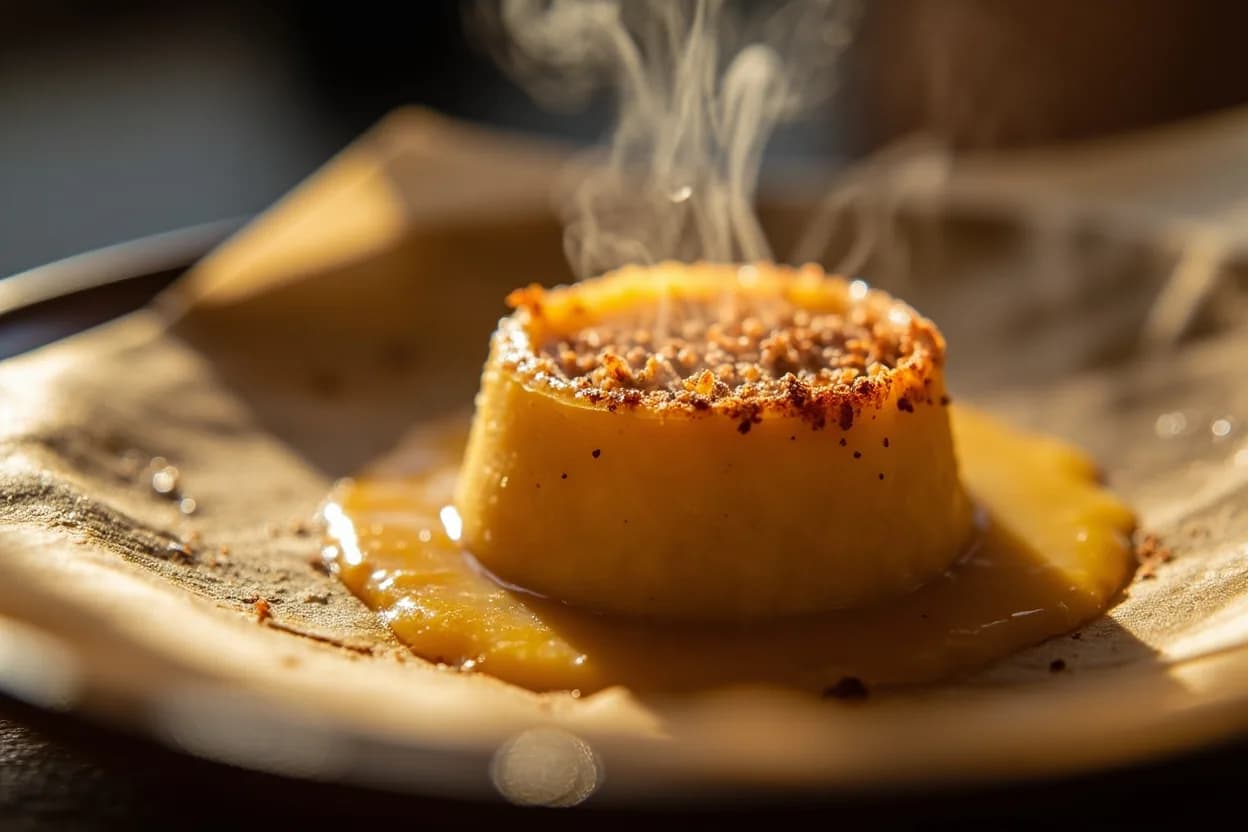
Sprinkled on top of scones, muffins, banana bread, snickerdoodles, and shortbread before baking, turbinado delivers the crackling, sparkling crust that bakers call "the crackle." The crystals grip a butter glaze, egg wash, or milk brush and survive the oven without fully dissolving. Inside the bake, do not substitute it for granulated 1:1 in a cake or custard — the coarse grains resist the flour's hydration and can leave pockets of dry, gritty sweetness that the crumb cannot mask. When a batter calls for it dissolved, pulse the crystals briefly in a clean spice grinder to roughly granulated size; do not powder them, or you lose the molasses nuance and risk melting too far in the oven.
- Brush dough with cream, milk, or egg wash before sprinkling so the crystals adhere and don't sink into wet batter.
- For cookies and biscotti, sprinkle just before the pan goes into the oven.
- For a deeper caramel edge, toast the sugar dry in a skillet for 1–2 minutes before adding to streusel or granola.
- In cakes, custards, and meringues, swap to regular sugar — turbinado will fight you.
Common uses
Tips & pitfalls
- Use turbinado as a finishing sugar, not a structural sweetener; its large crystals resist dissolving and will leave gritty pockets in cakes, custards, and meringues.
- When a recipe needs it dissolved into a batter, pulse a few seconds in a clean spice grinder to roughly granulated size — do not powder it.
- For muffin tops and scones, sprinkle after an egg wash or milk brush so the crystals grip the surface instead of sinking.
- Store airtight with a silica packet in humid climates; turbinado clumps faster than granulated because of its residual molasses moisture.
- Don't confuse it with white sanding/decorating sugar — sanding sugar has no molasses flavor and exists only for visual crunch.
- It is not a true substitute for muscovado when you want a deep, sticky molasses hit; turbinado's molasses layer is much thinner.
- For cocktail syrups, use a 2:1 sugar-to-water ratio by weight; the standard 1:1 simple syrup ratio leaves turbinado crystals undissolved.
- Brush cookie dough with cream or milk before sprinkling to maximize the crackle — dry dough sheds crystals before they set.
Nutrition
Energy
1669 kJ · per 100 g
Where the calories come from
Protein
0g
0% DV
Carbs
99.8g
36% DV
Fat
0g
0% DV
Sugars
99.2g
of which
Sodium
3mg
0% DV
Source · USDA FoodData Central · Sugar, turbinado
View on FDC →In the shops
Matched grocery products
No matched grocery products for Turbinado / Demerara Sugar yet.
Good to know
- Also known as
- Demerara sugar (UK/Commonwealth); raw cane sugar; partially refined cane sugar
- Origin of name
- Turbinado from the centrifugal turbines that spin off surface molasses; Demerara from the Demerara region of Guyana
- Processing
- Cane juice is pressed, evaporated, crystallized, then spun to remove only the surface film of molasses — not fully refined
- Composition
- Roughly 96–99% sucrose with a thin residual molasses coating; trace minerals from the cane
- Crystal size
- Large, coarse, irregular — visibly bigger than granulated sugar
- Flavor
- Mild but distinct caramel/butterscotch note; reads as drier and less sweet than white sugar
- Storage
- Airtight container in a cool, dry pantry; 1–2 years stable if kept dry
- U.S. labeling
- FDA permits "turbinado sugar," "raw cane sugar," and "Demerara sugar" for this minimally refined product
Substitutes
- Demerara sugar — Same product under a different name in most markets; use 1:1
- Raw cane sugar (e.g., Sugar in the Raw) — The most direct U.S. substitute; swap 1:1
- Sanding / decorating sugar — Match for visual crunch on top of baked goods, but no molasses flavor — finishing swaps only
- Light brown sugar, packed — Finer and wetter; works 1:1 in most batters if you reduce another liquid by ~1 tbsp per 1/2 cup, but loses the crunch
- Light muscovado — Darker and stickier with much more molasses; 1:1 by weight only, expect a stronger flavor
- Maple sugar — Use sparingly — distinct maple flavor and roughly 3/4 the volume of turbinado
- Coconut sugar — Finer grain and more caramel-like; 1:1 swap but will not give the crackle on top
Pairs with
Also called
demerara sugar · raw cane sugar · sugar in the raw · azúcar moreno de caña · coarse brown sugar