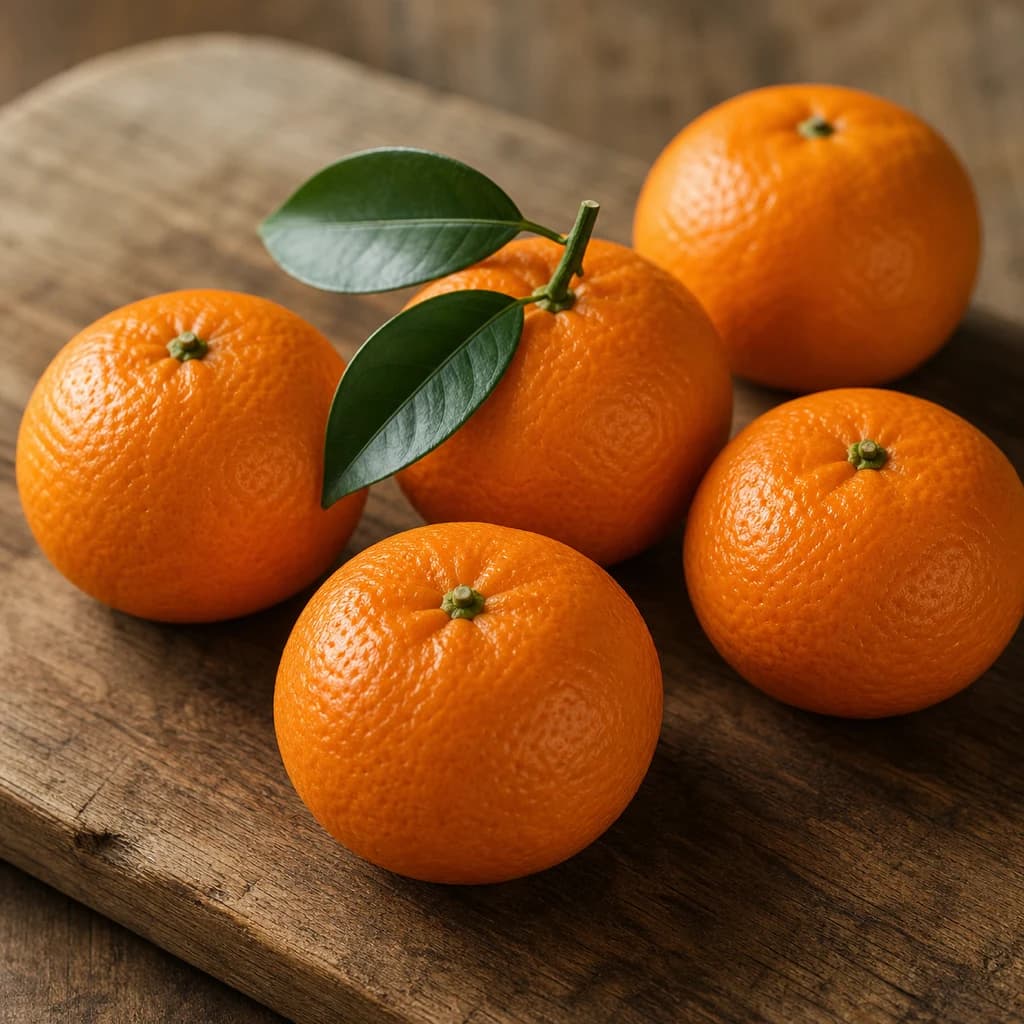
Natural form
Whole mandarins with their distinctive flattened shape and loose orange skin.
Shows the reader the fruit's unmistakable silhouette, skin texture, and characteristic slightly flattened globe form before any preparation.
Produce
Mandarin
Small, sweet, easy-to-peel orange citrus eaten fresh or segmented into dishes.
Mandarins are small, loose-skinned citrus fruits that peel easily and have sweet, low-acid segments. They are eaten fresh out of hand, segmented into salads and desserts, and their zest and juice flavor sauces and baking. The group includes tangerines, satsumas, and clementines.
The mandarin is a small, loose-skinned citrus fruit from the species Citrus reticulata, native to southeastern Asia. Its defining culinary trait is skin that peels away from the flesh effortlessly—a practical distinction from true oranges, which must be cut. This loose skin makes mandarins uniquely convenient for both quick snacking and kitchen prep, since segments separate cleanly without sawing through pith. The fruit was historically associated with Mandarin Chinese officials who distributed it along trade routes, though it has been cultivated in China for millennia and remains central to Chinese cooking, from preserved garnishes to braised dishes.
Mandarins are sweeter and less acidic than oranges, with a floral, aromatic quality that punches above their modest size. The flavor carries bright citrus top notes and a honeyed base that intensifies when cooked or concentrated. This makes them extraordinarily versatile: raw they offer refreshing brightness; cooked they deepen into jammy sweetness without cloying. Their juice is more delicate than orange juice, and the zest carries volatile aromatic oils that dissipate quickly with heat—something to account for when baking.
In the kitchen, the mandarin's loose skin is the key to working efficiently with it. Fruit should feel heavy for its size (indicating juice) and need not be fully orange-colored to be ripe—many varieties sweeten while still partly green. Refrigerated, they hold well for two weeks in the crisper drawer, though bringing them to room temperature before eating restores much of their aromatic intensity. The white pith beneath the skin is more bitter than it appears, so clean zesting technique matters here.
- Measured in
- piece
- Storage
- Fridge
Types & varieties
Seedless, very sweet, nearly pith-free; the most common commercial mandarin variety in the U.S.
Japanese origin; exceptionally sweet, seedless, loose skin; peaks October–November, earliest of the season
Late-season variety; rich honey-sweet flavor with deeper color; skin adheres more tightly than other mandarins
Classic tangerine variety with deep orange-red rind; more acidic and typically seedy compared to modern varieties
Mandarin-grapefruit hybrid; bell-shaped, tangy-sweet, peels like a mandarin but has a distinctive tang
Medium-sized, seedless when grown alone; bright orange with well-balanced sweet-tart flavor
Small, round, primarily grown in the Philippines; extremely tart—used as a lime substitute in savory cooking rather than eaten fresh
Mandarins, Tangerines, and Clementines: Sorting Out the Names
These three names cause genuine and understandable confusion in the kitchen. Technically, mandarin (Citrus reticulata) is the species. Tangerine is a culinary category—mandarins with reddish-orange skin and typically more seeds—though botanists do not universally agree on the distinction. Clementine is a separate hybrid of mandarin and sweet orange, developed in Algeria in the early 20th century.
In practical cooking terms, these terms are effectively interchangeable. The defining characteristic across all three is the loose, easily-peeled skin that separates cleanly from the flesh—a characteristic that sets them apart from true oranges (Citrus sinensis), which must be cut. When a recipe specifies mandarin rather than orange, it is almost always seeking greater sweetness, less acidity, and a more aromatic, floral quality.
Common uses
Tips & pitfalls
- Select fruit that feels heavy for its size—this is the single most reliable indicator of juiciness
- Color is not a reliable ripeness indicator; mandarins can ripen to full sweetness with a greenish tinge on the skin
- Store refrigerated in the crisper drawer, away from ethylene-producing fruits such as apples, bananas, and pears, which accelerate spoilage
- Bring refrigerated fruit to room temperature before eating or juicing for fullest aromatic flavor
- To segment cleanly: slice off both poles, stand fruit upright, and slice down the skin following the curve of the fruit—the pith should pull away in strips
- When zesting, avoid the bitter white pith entirely—only use the thin orange outer layer (use a microplane or fine grater, not a channel zester)
- Overripe mandarins turn mealy and lose their clean citrus character; discard fruit with wrinkled skin or soft spots before using
- Juice extracted from room-temperature fruit yields significantly more liquid than juice from cold fruit
Nutrition
Energy
222 kJ · per 100 g
Where the calories come from
Protein
0.8g
2% DV
Carbs
13.3g
5% DV
Fat
0.3g
0% DV
Fiber
1.8g
6% DV
Sugars
10.6g
of which
Sodium
2mg
0% DV
Source · USDA FoodData Central · Tangerines, (mandarin oranges), raw
View on FDC →In the shops
Matched grocery products
No matched grocery products for Mandarin yet.
Good to know
- Scientific name
- Citrus reticulata
- Origin
- Southeastern Asia, particularly China; name historically associated with Mandarin Chinese officials who distributed the fruit along trade routes
- Peak season
- November through April in the Northern Hemisphere
- Typical size
- 4–8 cm diameter, 50–100 g each
- Flavor profile
- Sweet with light acidity, bright, aromatic, distinctly floral
- Nutrient highlight
- Excellent source of vitamin C; also provides folate, fiber, and potassium
- Storage (room temp)
- 3–5 days
- Storage (refrigerated)
- Up to 2 weeks in the crisper drawer
- Yield
- Approximately 40–50% juice by weight; 10–12 segments per fruit
- Botanical relationship
- Parent species for many citrus hybrids including clementine, satsuma, and common tangerine
Substitutes
- Clementine — Nearly identical in flavor, texture, and use; seedless and slightly smaller—use one-for-one
- Satsuma — If available, practically interchangeable; slightly more delicate in flavor
- Tangerine — Very similar; may be slightly more acidic and seedier depending on variety—adjust sweetness accordingly
- Navel Orange — Less aromatic and more acidic; acceptable in salads and juice but noticeably different in baked goods and zest applications
- Blood Orange — Similar sweetness with berry undertones; works well in desserts and salads but changes the flavor profile significantly
Pairs with
Also called
Naartjie · Tangerine · Clementine
Appears in these dishes
Related
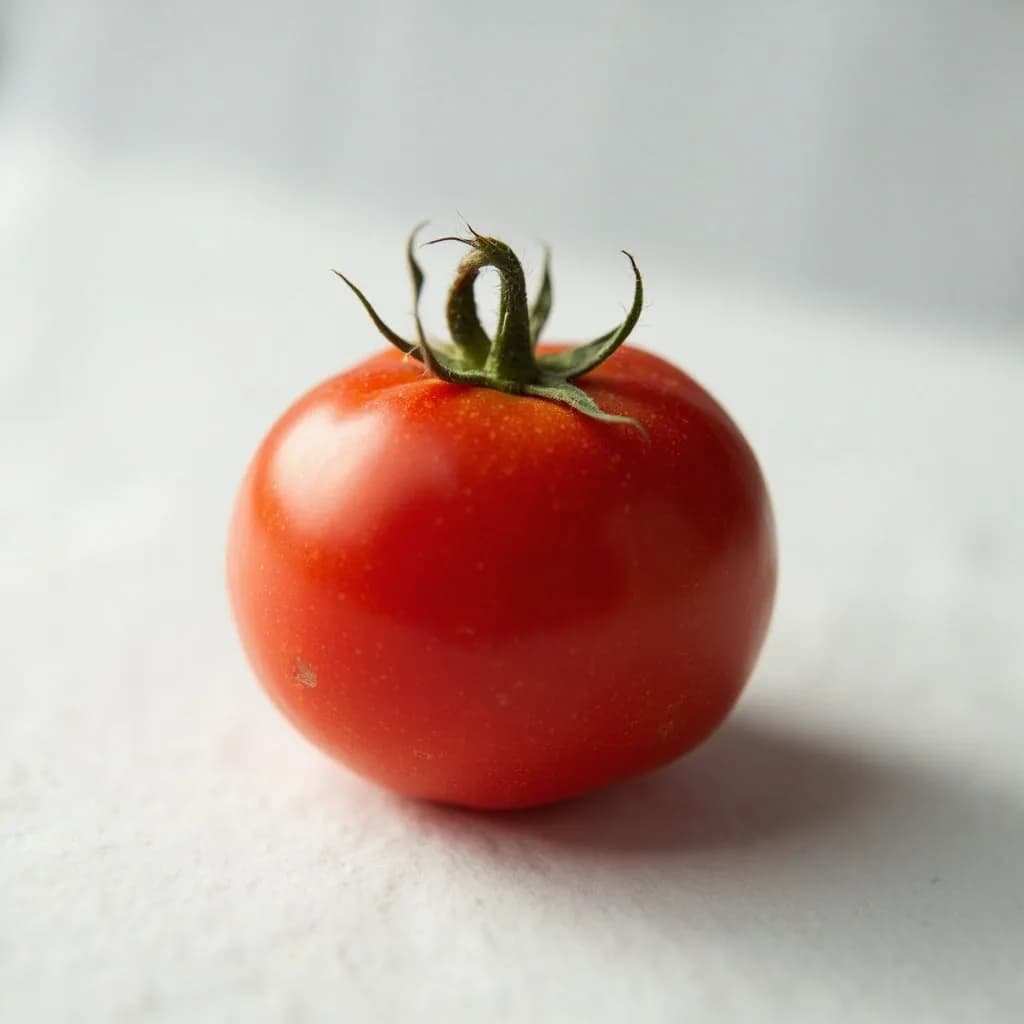
Tomato
Juicy, sun-sweet fruit for sauces, salads, and slow-cooked depth
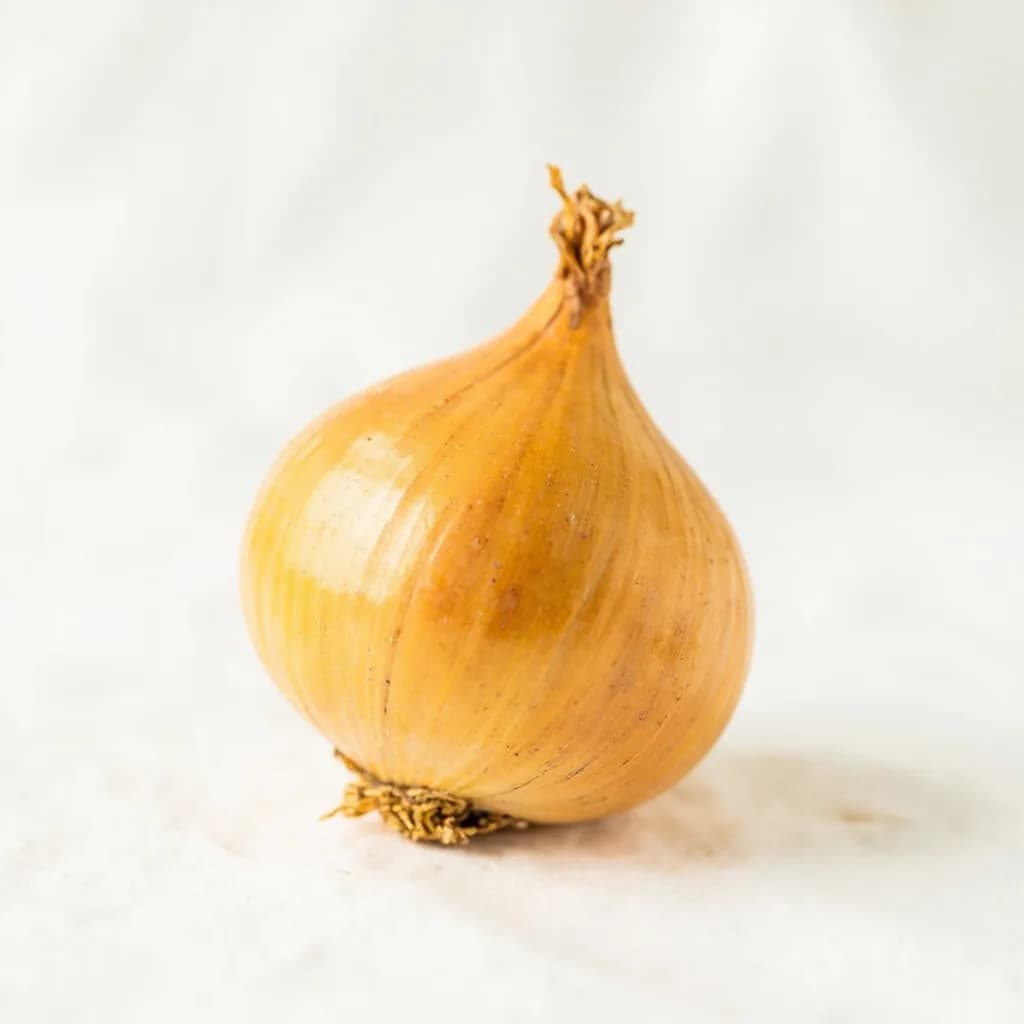
Yellow Onion
The aromatic backbone of soups, sofritos, and braises
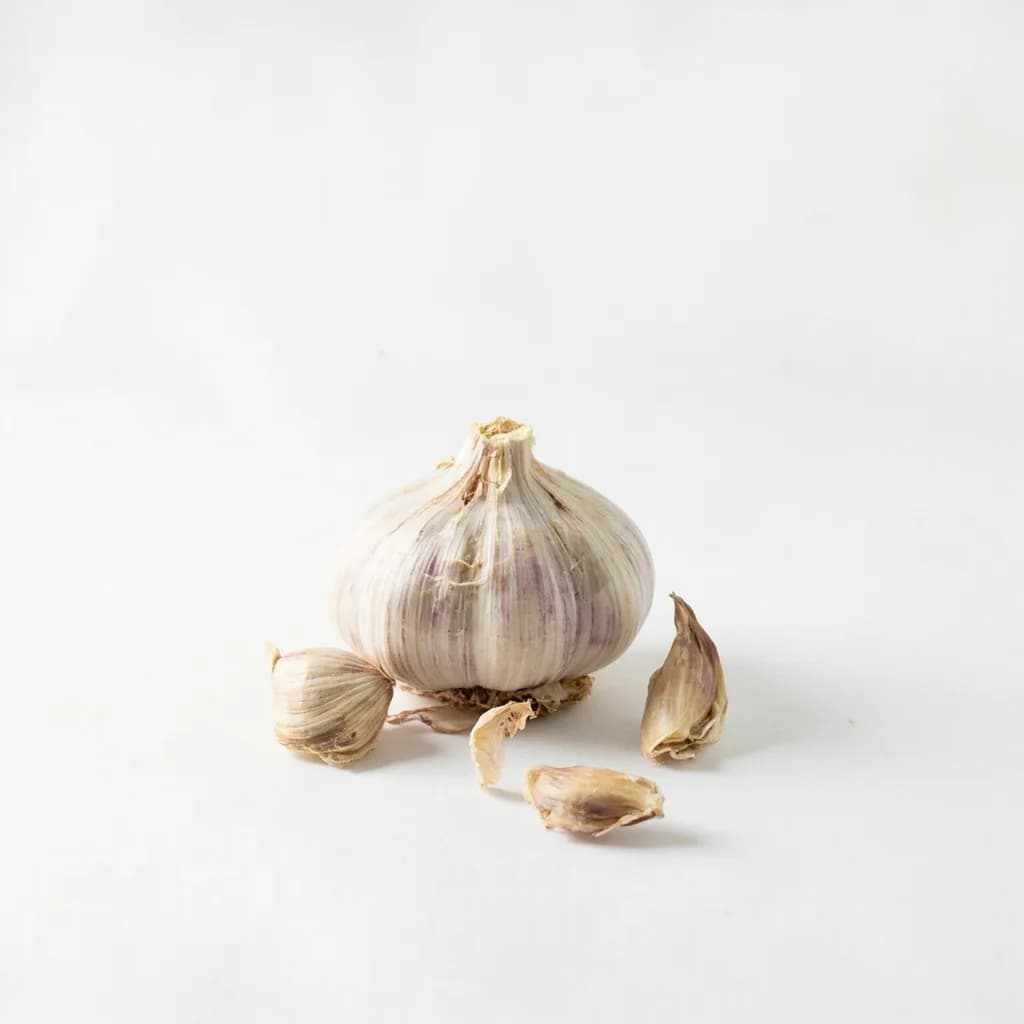
Garlic
Pungent cloves that perfume nearly every savory dish
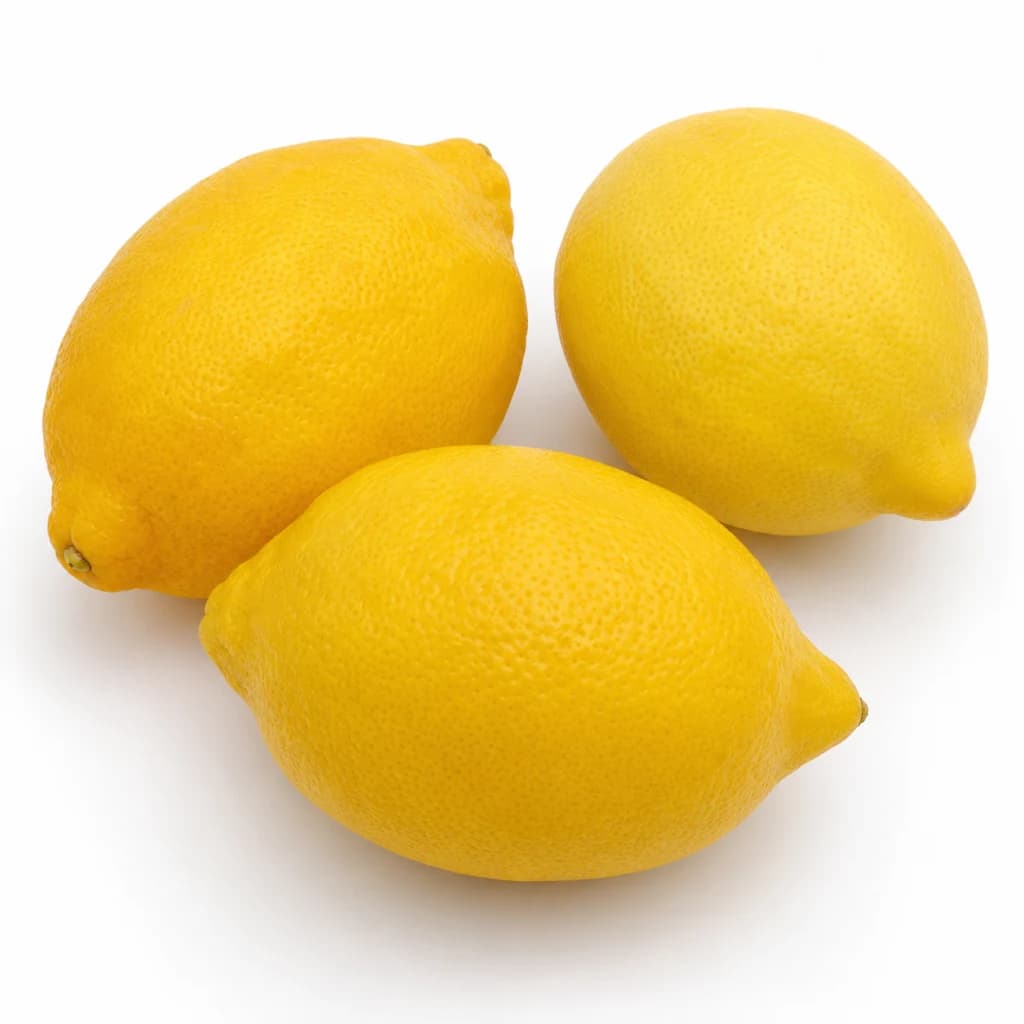
Lemon
Bright, acidic citrus that wakes up almost any dish
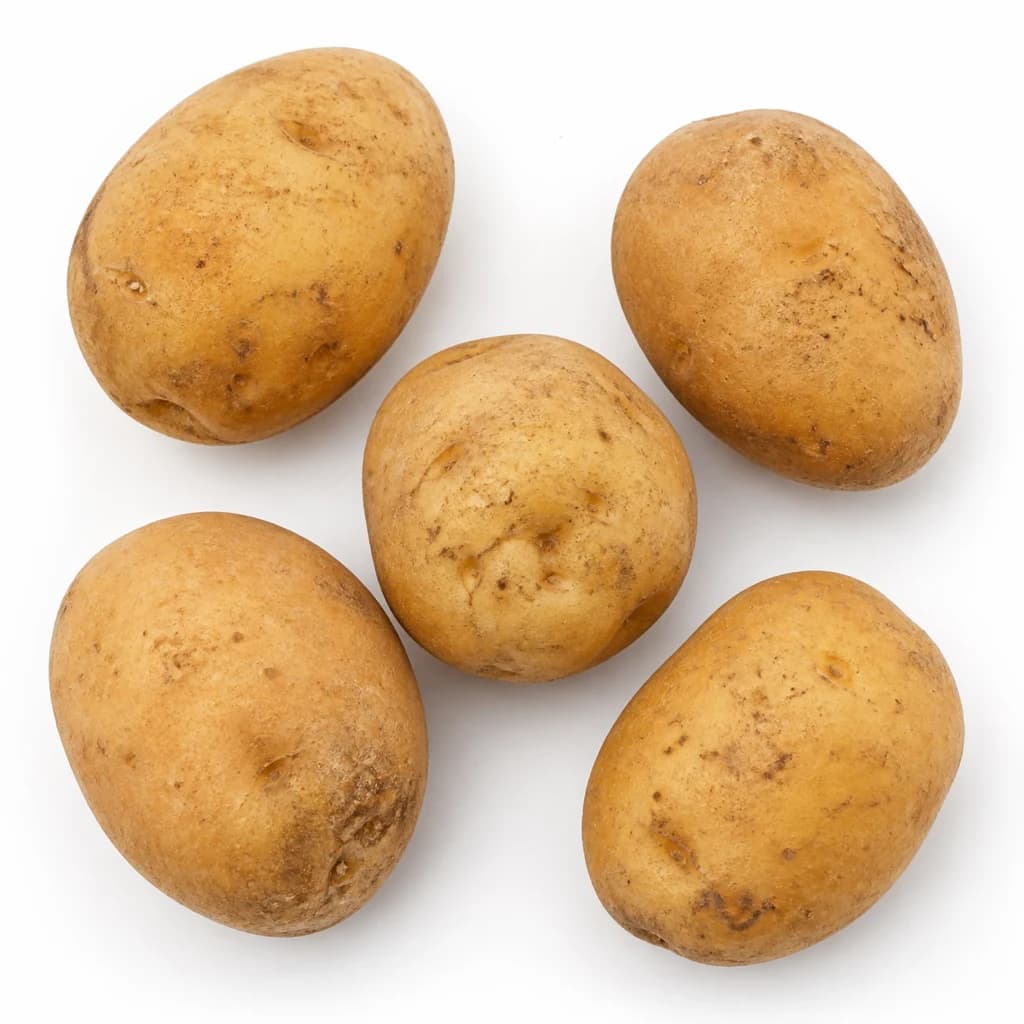
Potato
Humble, hearty staple — roast, mash, fry, or boil
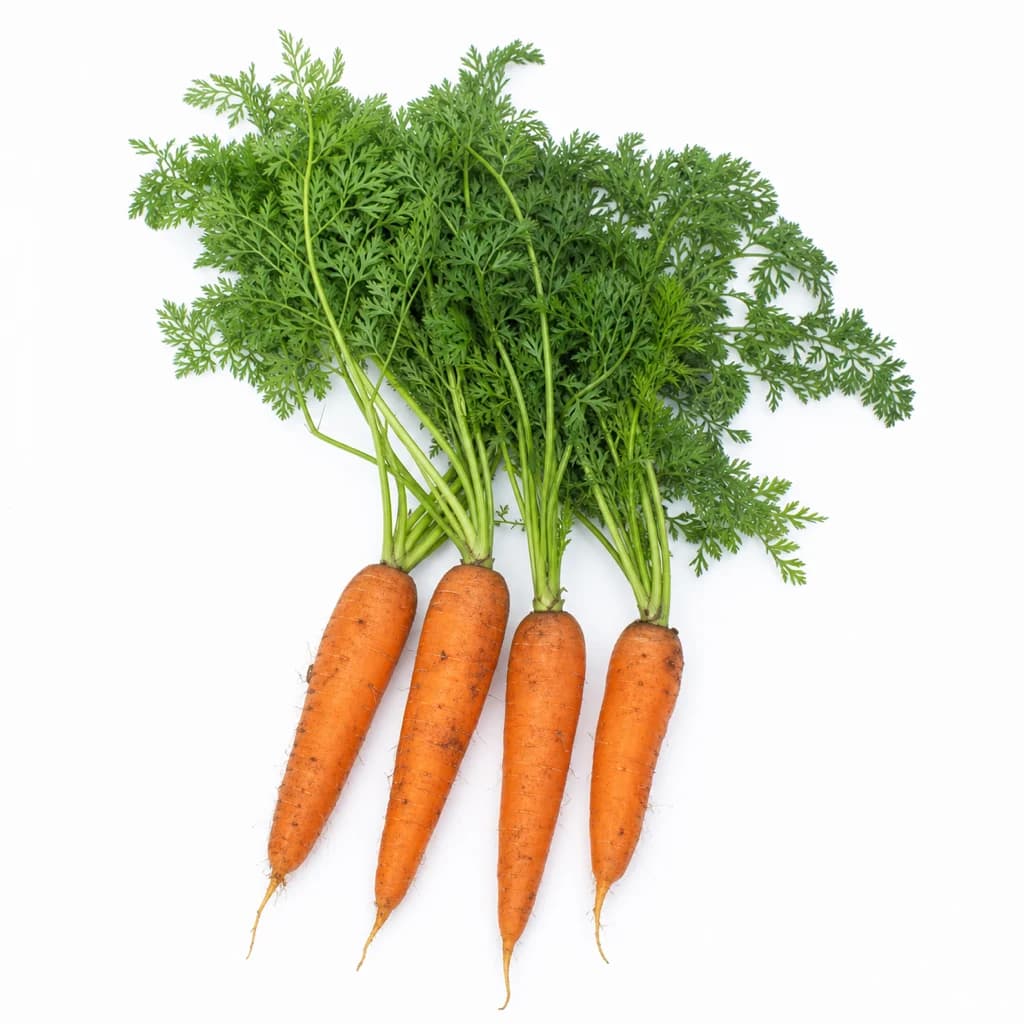
Carrot
Sweet, crunchy root — raw, roasted, or the base of a sofrito
Cucumber
Cool, crisp, and watery — for salads, pickles, and tzatziki

Lettuce
Crisp leaves for salads, wraps, and a fresh crunch