
Natural form
Ripe calamansi limes cluster on a wooden surface, showing their small round shape and green-to-orange color range.
Shows the fruit's defining size, color range, and characteristic abundance — the reader immediately grasps scale and appearance.
Produce
Calamansi Lime
Tiny tart Filipino citrus with a sour-sweet, orange-lime flavor.
Calamansi is a small round citrus, green to orange when ripe, central to Filipino and Southeast Asian cooking. Its juice is intensely sour with a fragrant, sweet-orange edge, used in marinades, dipping sauces, drinks, and as an all-purpose squeeze over food. The whole fruit is small enough to use by the handful.
Calamansi (×Citrofortunella microcarpa) is a small citrus fruit native to the Philippines and surrounding Southeast Asia, technically a hybrid of mandarin orange and kumquat. The fruit runs 2–4 cm in diameter—about the size of a large marble—and ripens from bright green to orange-yellow. Unlike standard limes with their clear juice, calamansi yields juice that is distinctly yellow‑orange, more aromatic, and with a tart‑sour profile tempered by subtle sweetness. It is so central to Filipino cooking that the word itself is often used in place of "lime" or "lemon" in English‑language Philippine recipes. The entire fruit is used: juice for beverages and sauces, zest for aromatic intensity, and sometimes the whole fruit in marinades and pickles. With a pH around 2.3–2.6, it is among the more acidic citrus fruits, which makes it a powerful seasoning agent and preservative.
The fruit grows year‑round in tropical climates, with peak season in the Philippines running from October through March. In the United States, the same fruit is sold as calamondin and is commercially grown in Florida, where it was introduced in the early 20th century. In Filipino markets, calamansi is typically sold in large bunches still attached to the stem; select fruit that is firm with no browning or softening. Because the peel is thin and edible, the fruit bruises easily—handle with care and store refrigerated for up to two weeks, or freeze the juice in ice cube trays for up to six months.
In the kitchen, calamansi occupies a unique flavor niche between lime and tangerine. Its floral aromatics make it distinguishable in blind tests from regular lime, and it behaves differently in cooking: the sweetness in the peel comes through more prominently when zest is used, and the acid profile is sharper but more nuanced than Persian or Key lime. It is a common souring agent in Filipino sour stews (sinigang) and an essential condiment alongside fried and grilled dishes, squeezed tableside like a Western lemon wedge—but with far more complex flavor.
- Measured in
- piece
- Storage
- Fridge
Types & varieties
Common uses
Tips & pitfalls
- Roll the fruit under your palm on a flat surface before juicing—this breaks the internal membranes and yields significantly more juice
- The thin peel is edible and adds floral notes; do not discard it when making zest or when using the whole fruit in marinades
- To maximize juice extraction, microwave whole fruits for 10–15 seconds, or soak in warm water for 5 minutes before squeezing
- Fresh juice oxidizes quickly once exposed to air; use immediately, or add a pinch of salt to slow discoloration
- When a recipe calls for 'calamansi halves' for squeezing, quarter them and remove seeds before adding to the dish
- Common mistake: substituting regular lime juice 1:1—the flavor profile differs significantly; calamansi has a distinctive floral quality that standard limes lack
- Frozen juice cubes are the most practical way to keep supply on hand; freeze in ice cube trays, then transfer to freezer bags for up to 6 months
- Refrigerate calamansi as soon as you get home from market; even at room temperature, the thin peel dries out within 2–3 days and juice yield drops noticeably
Nutrition
Energy
126 kJ · per 100 g
Where the calories come from
Protein
0.7g
1% DV
Carbs
10.5g
4% DV
Fat
0.2g
0% DV
Fiber
2.8g
10% DV
Sugars
1.7g
of which
Sodium
2mg
0% DV
Source · USDA FoodData Central · Limes, raw
View on FDC →In the shops
Matched grocery products
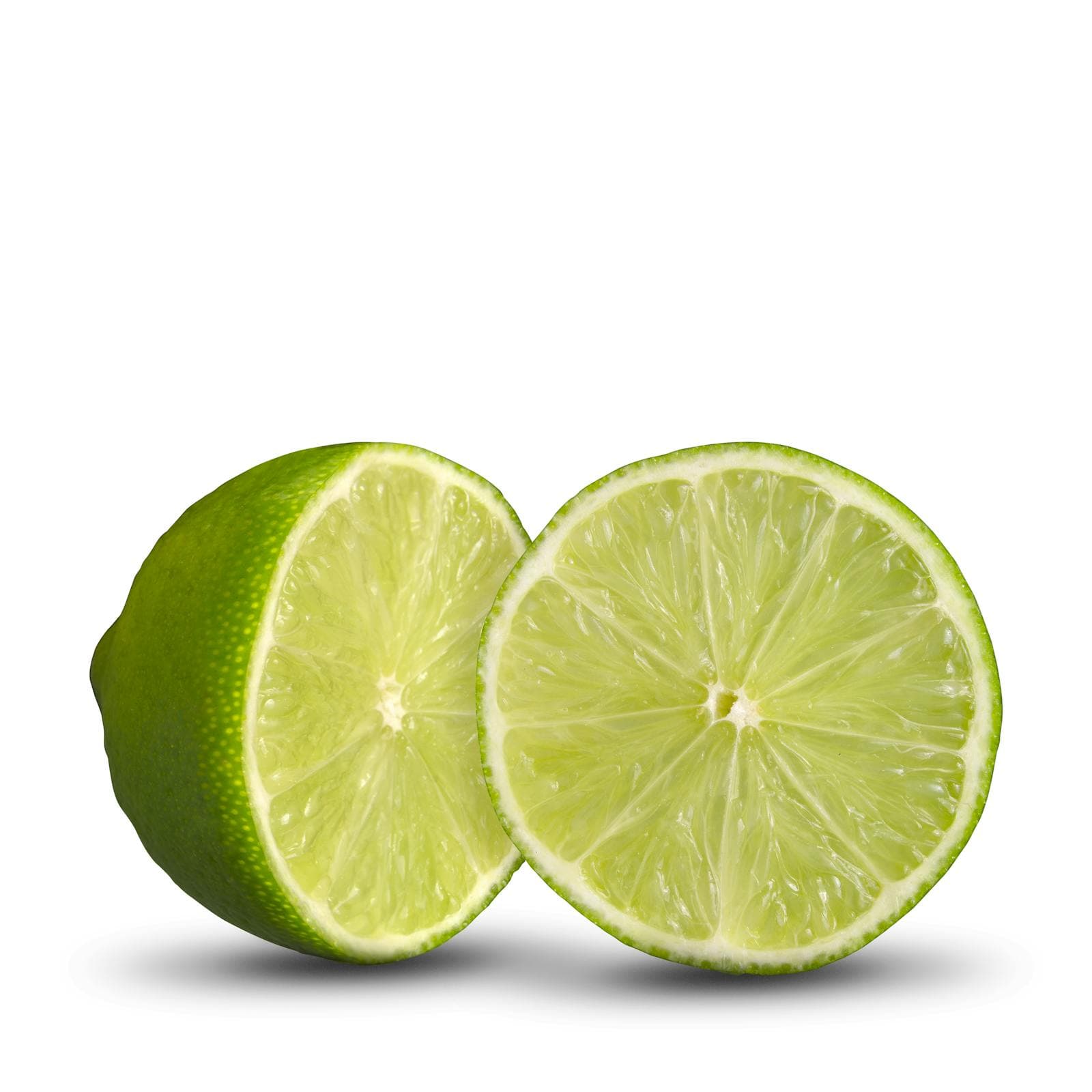 €0.40
€0.40Lime
90 g · Mercadona
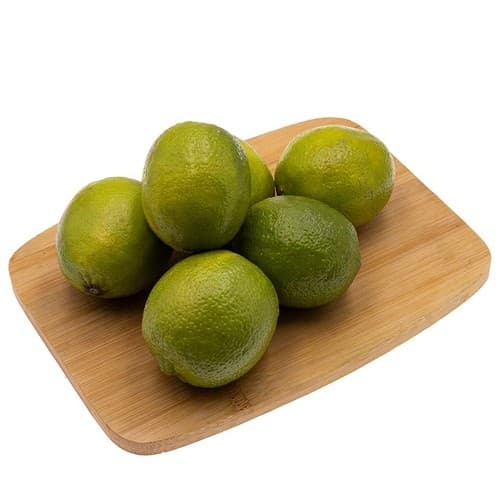 €1.49
€1.49Lime in tray of 350 g
LA COLLITA · kg · Bonpreu
Good to know
- Origin
- Philippines; also native to Indonesia, Malaysia, and southern China
- Scientific name
- ×Citrofortunella microcarpa (mandarin × kumquat hybrid)
- Other names
- Calamondin, Philippine lime, kalamansi
- Appearance
- Round to slightly oval, 2–4 cm diameter; green unripe, orange‑yellow when ripe
- Interior
- Yellow‑orange juice (not clear); small seeds present
- Flavor
- Tart and sour with subtle sweetness; more aromatic than standard limes
- pH
- Approximately 2.3–2.6 (highly acidic)
- Juice per fruit
- 1–1.5 teaspoons per medium fruit (about 5–7 mL)
Substitutes
- Key lime (Mexican lime) — More tart and less aromatic; use slightly less juice and add a pinch of sugar to approximate the sweetness
- Lemon + mandarin orange juice — Blend equal parts to mimic the sour‑sweet balance and orange‑citrus notes
- Persian lime + orange zest — Use lime juice with a small amount of fresh orange zest to approximate the floral character
Also called
Limau · Calamansi · Calamondin · Philippine Lime
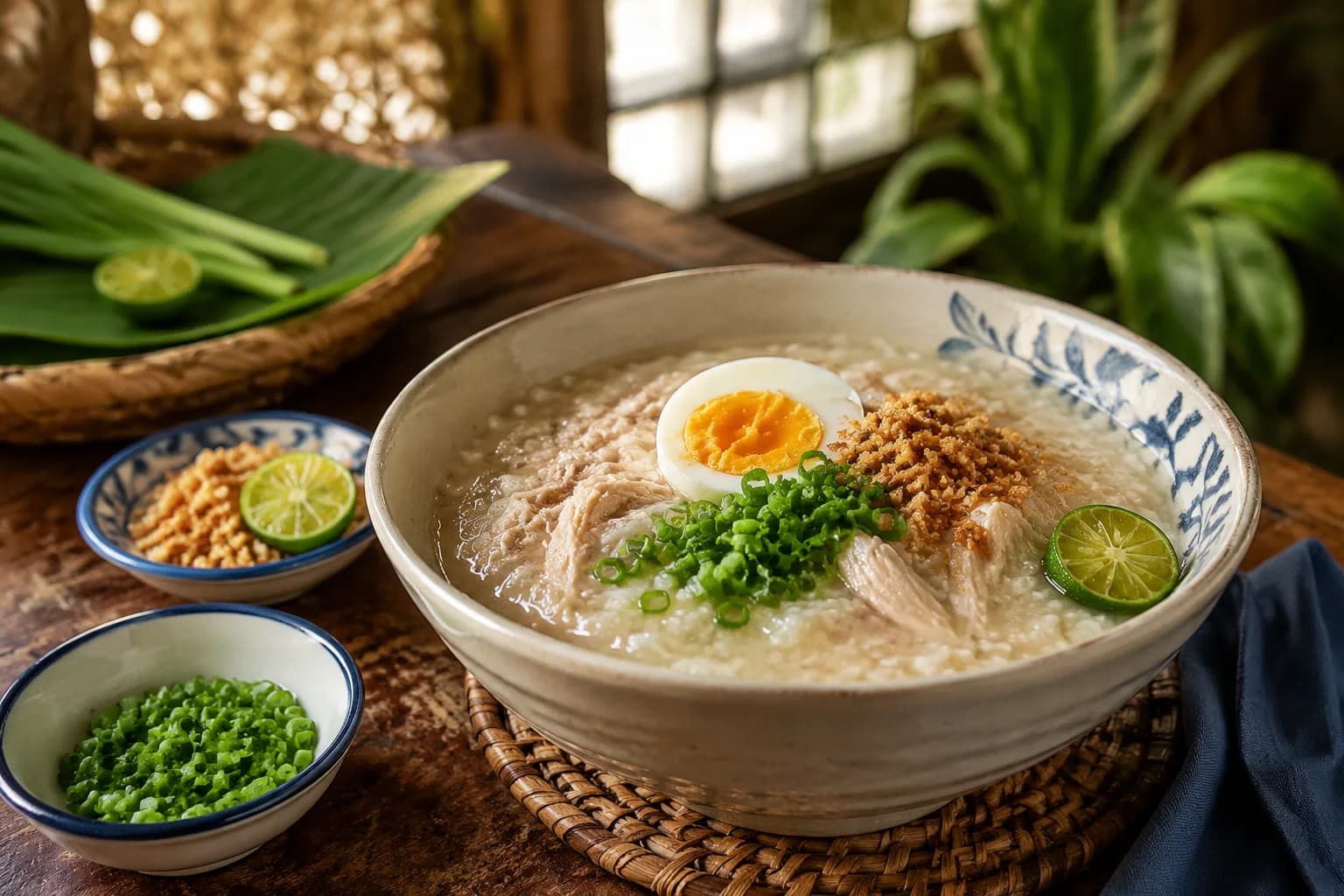
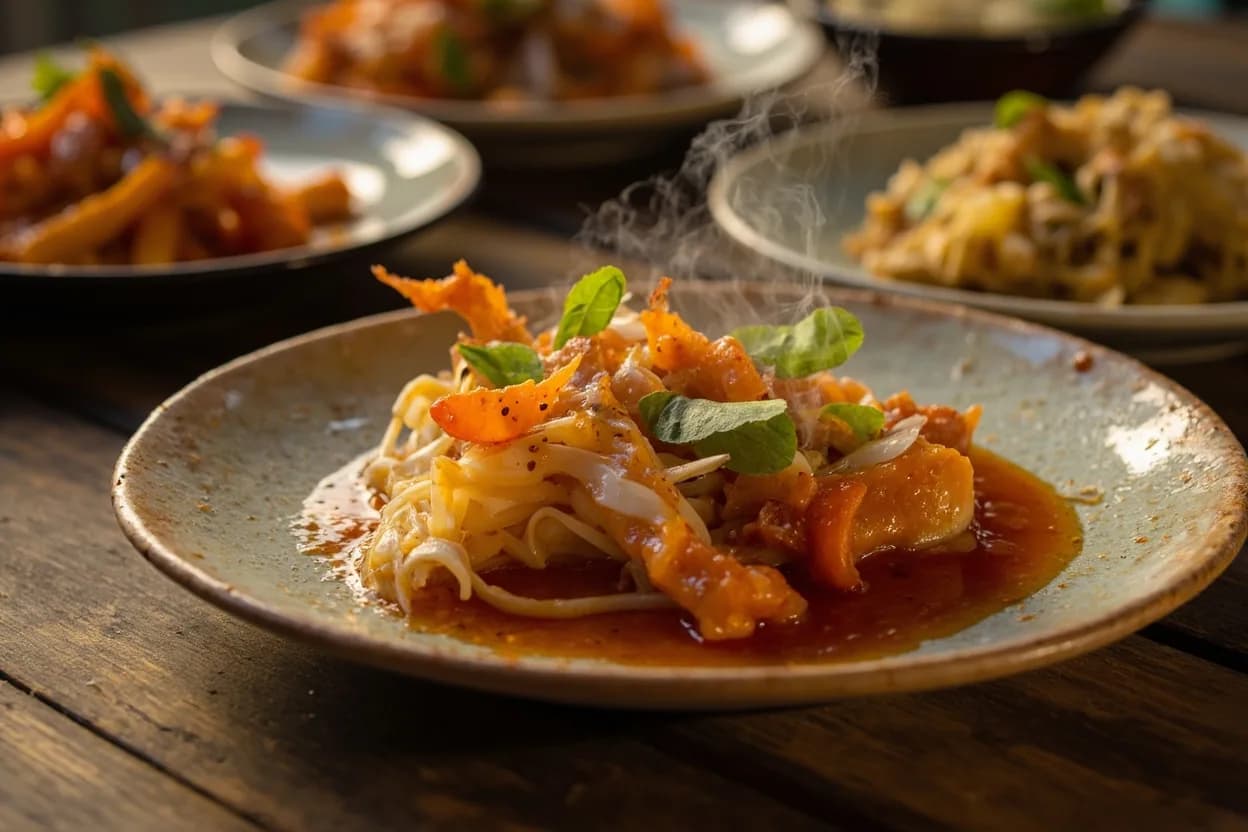
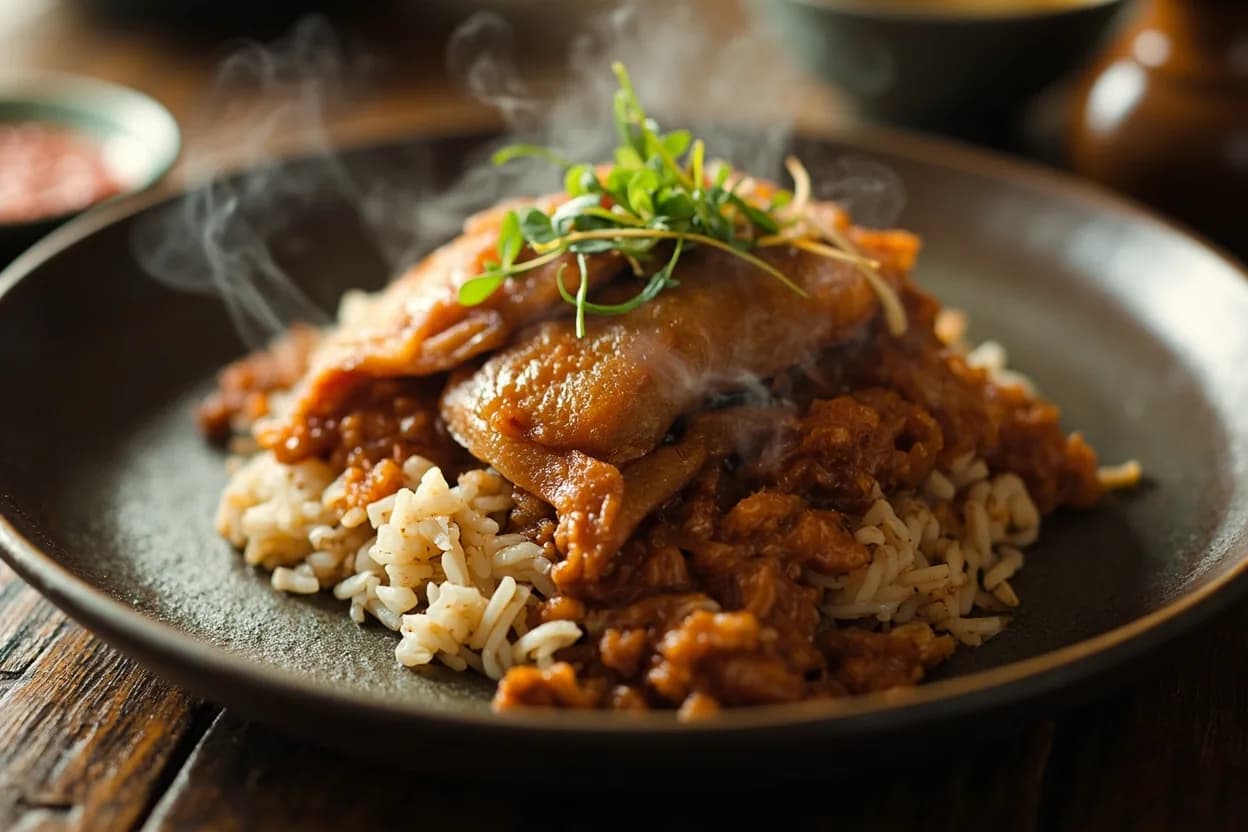
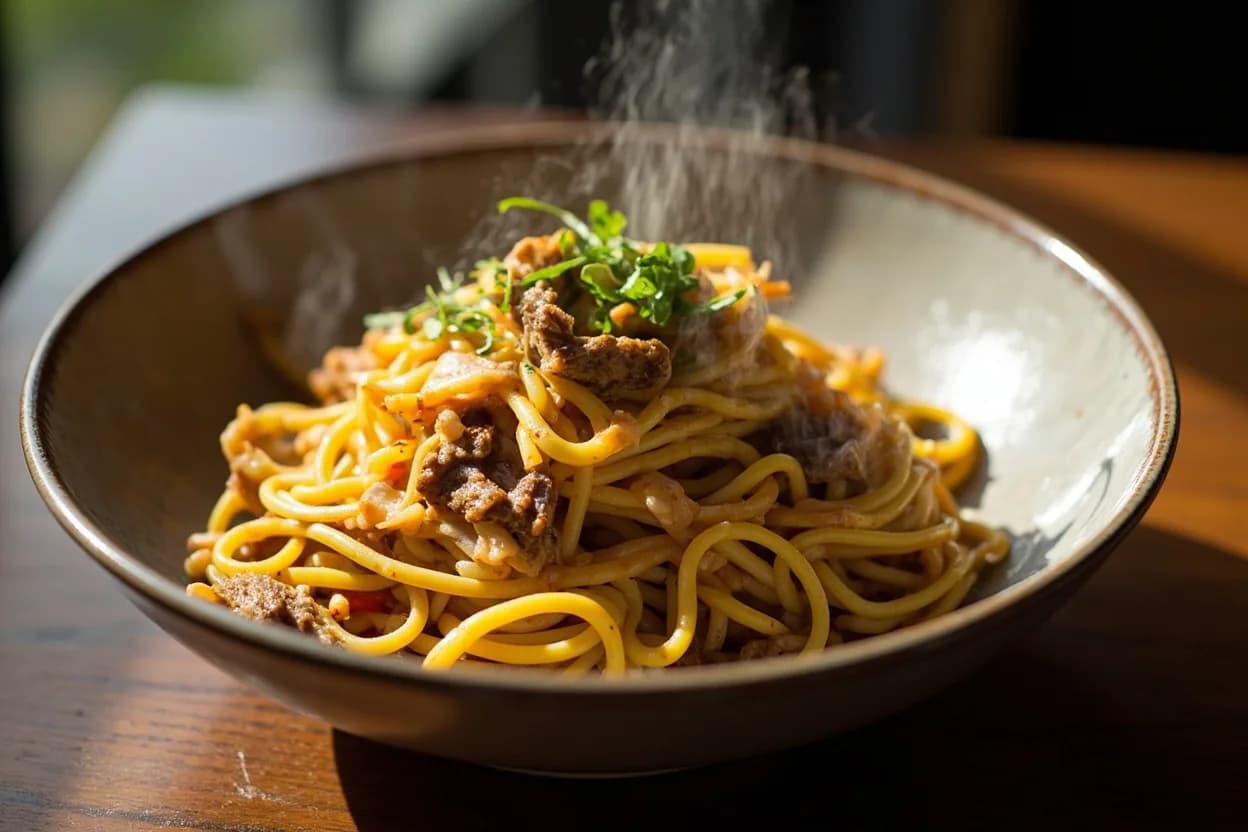
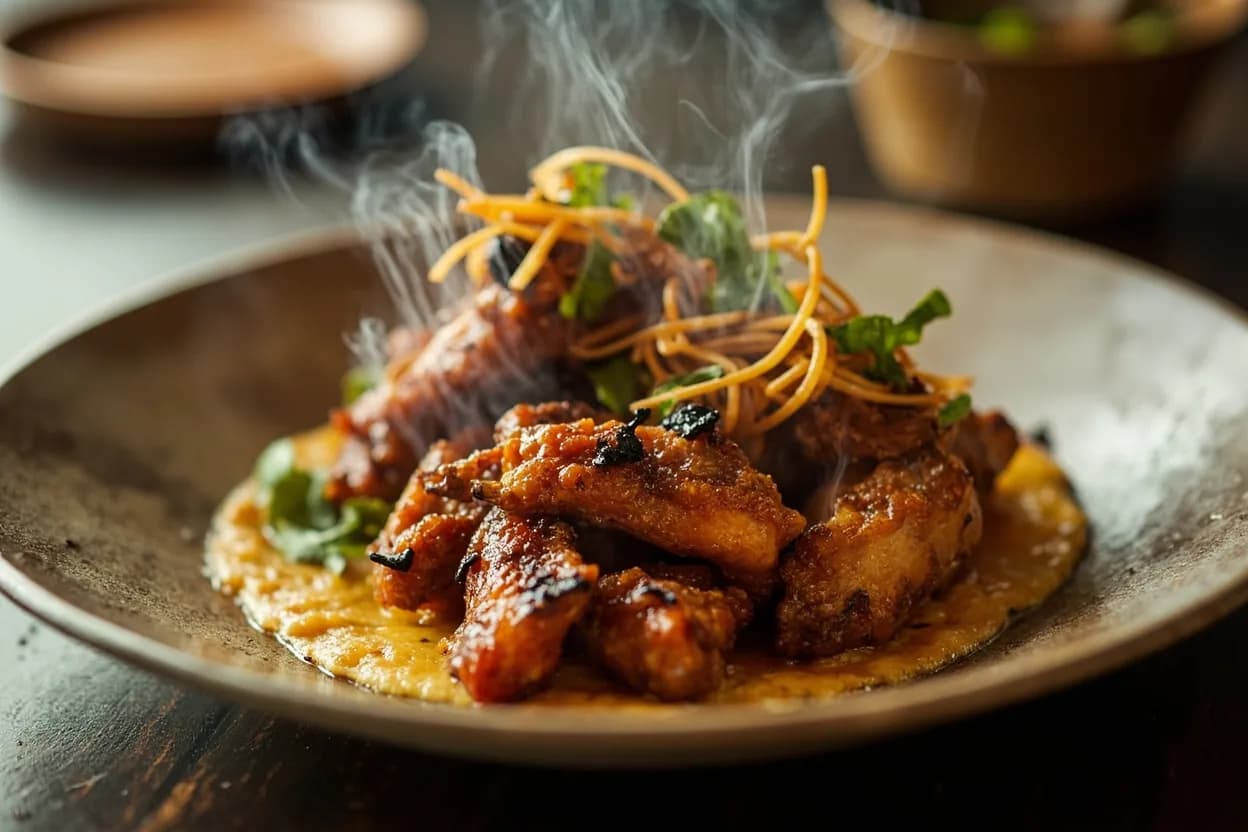
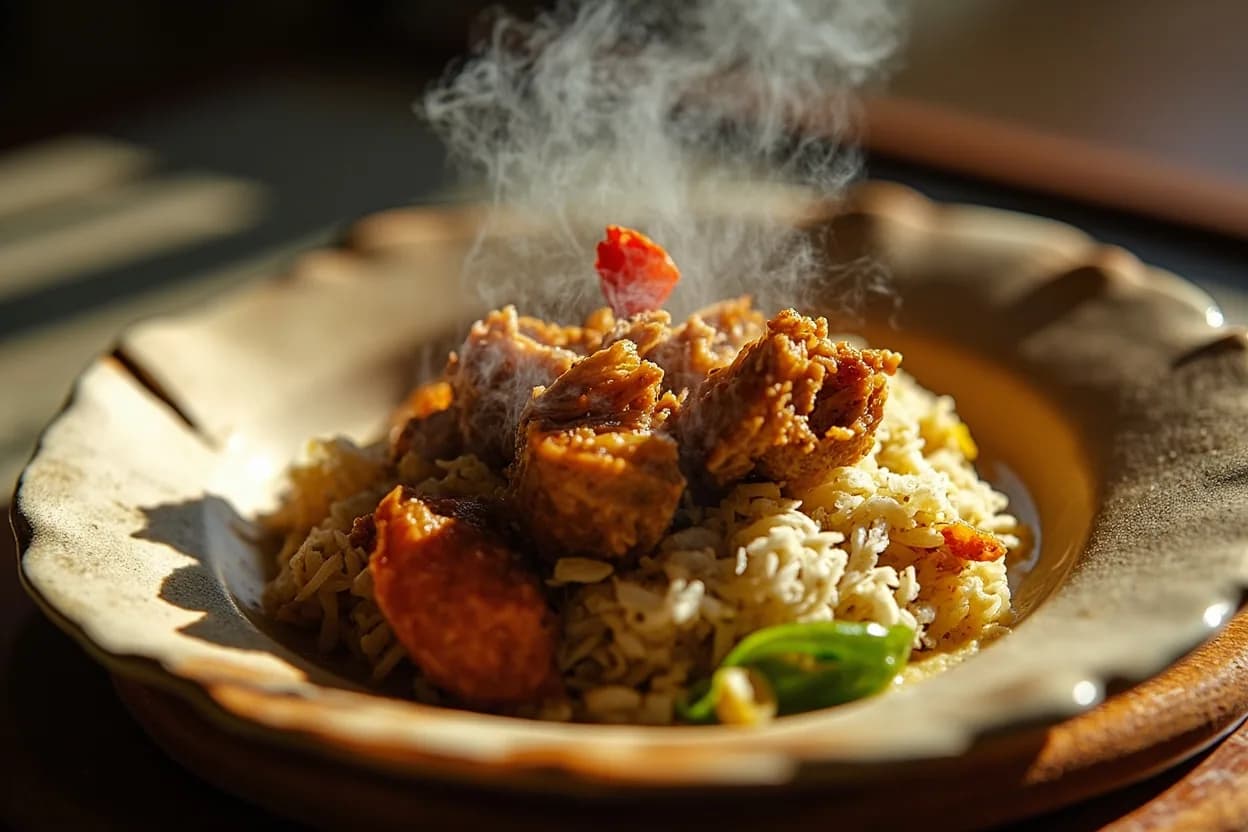
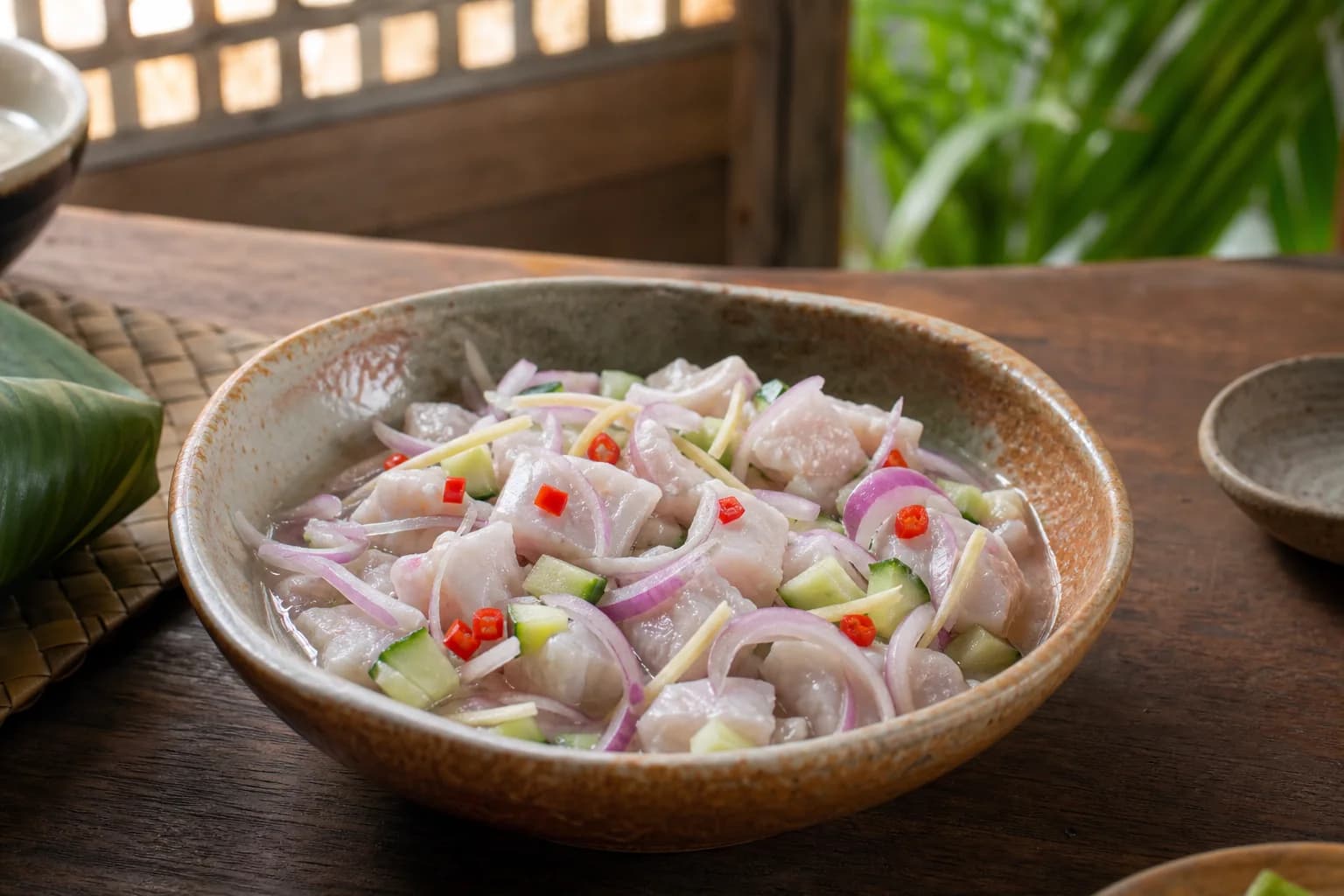
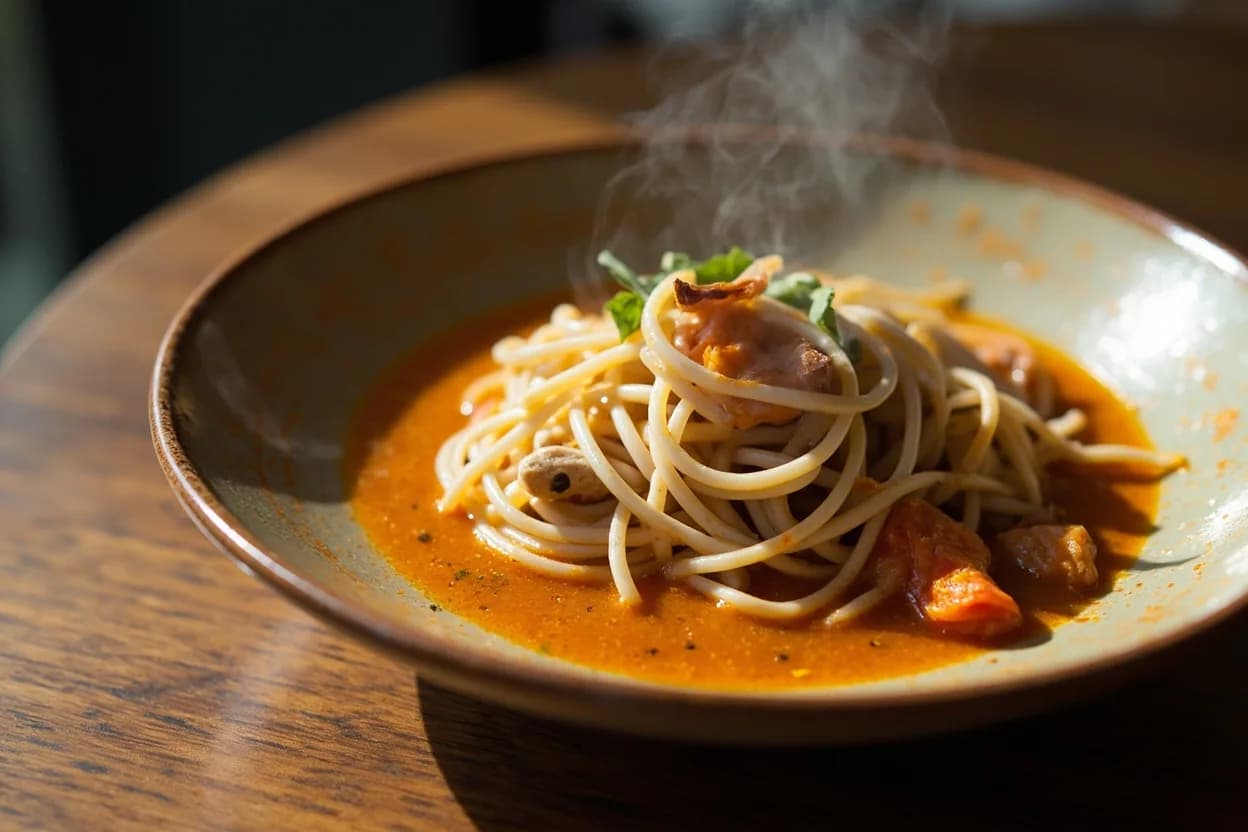
Appears in these dishes
Related
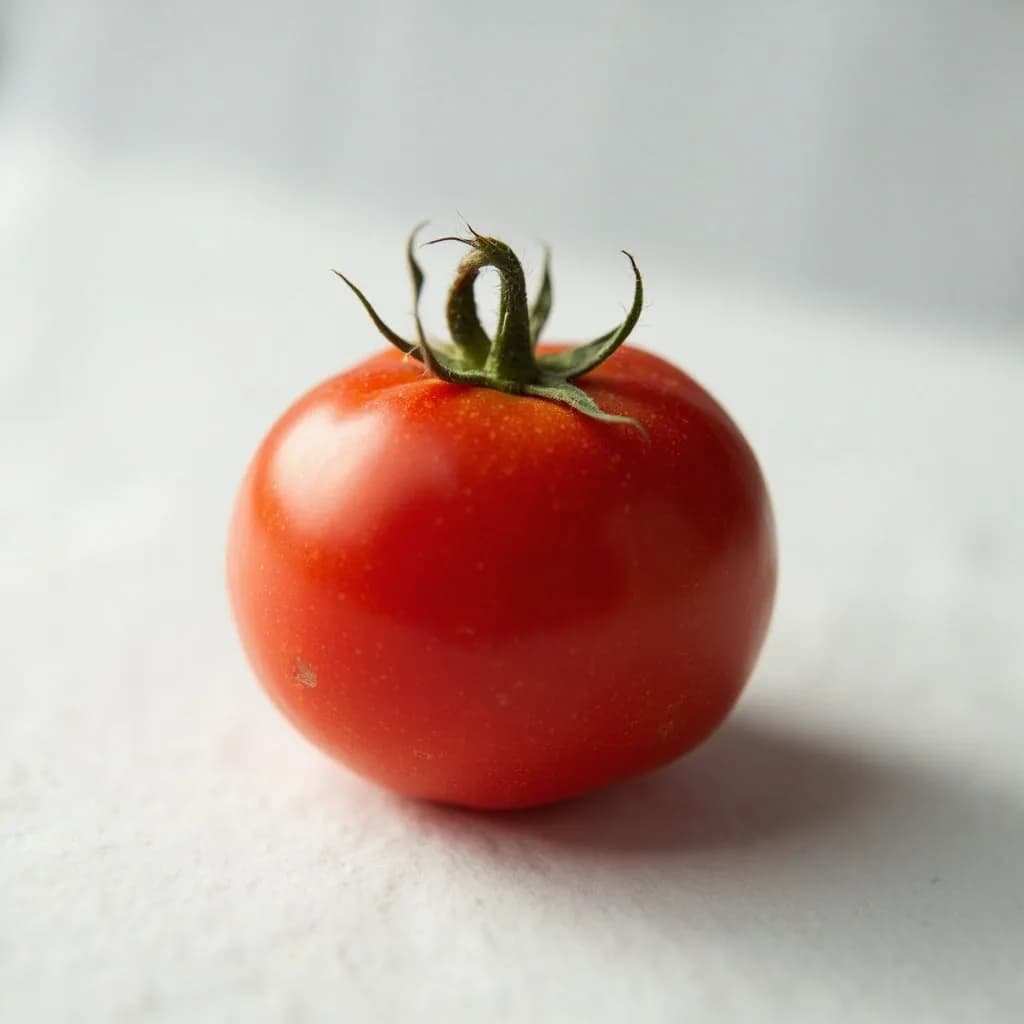
Tomato
Juicy, sun-sweet fruit for sauces, salads, and slow-cooked depth
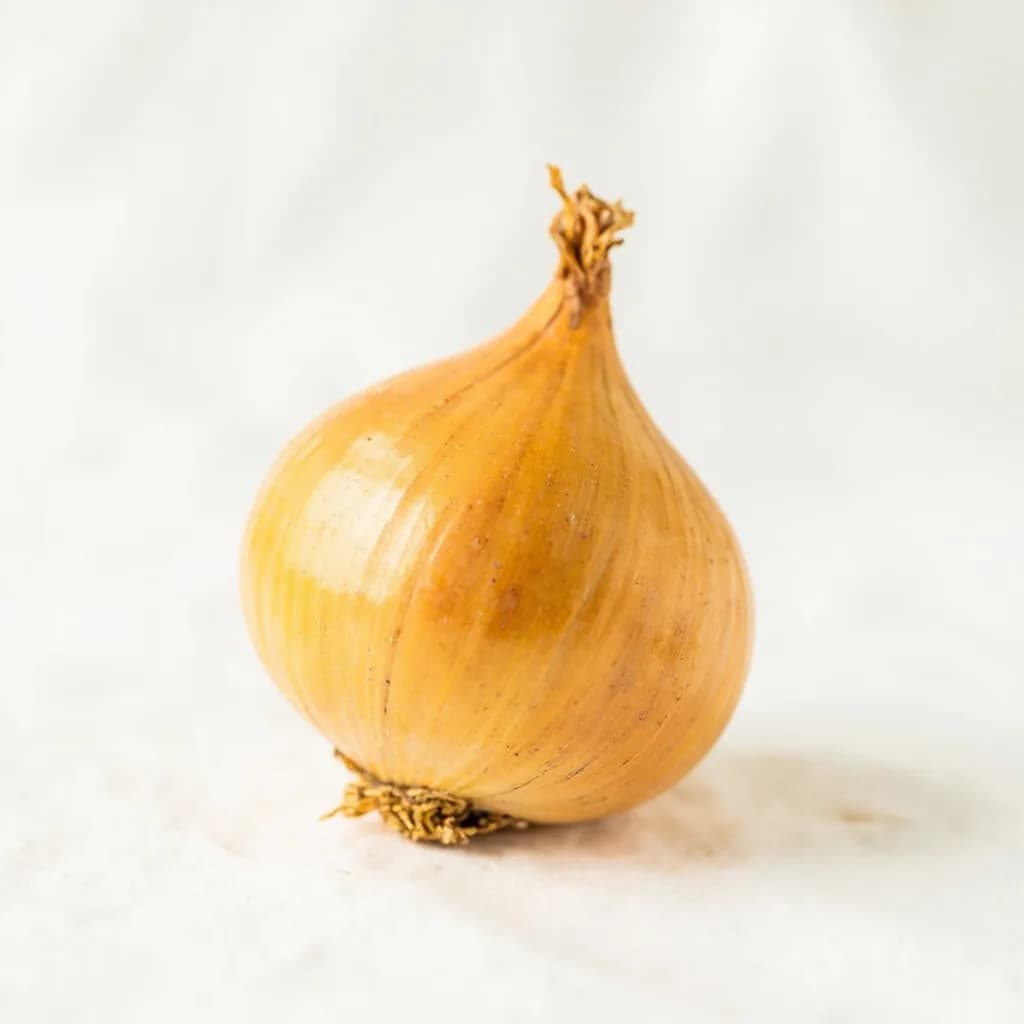
Yellow Onion
The aromatic backbone of soups, sofritos, and braises
Garlic
Pungent cloves that perfume nearly every savory dish
Lemon
Bright, acidic citrus that wakes up almost any dish
Potato
Humble, hearty staple — roast, mash, fry, or boil
Carrot
Sweet, crunchy root — raw, roasted, or the base of a sofrito
Cucumber
Cool, crisp, and watery — for salads, pickles, and tzatziki

Lettuce
Crisp leaves for salads, wraps, and a fresh crunch