Natural form
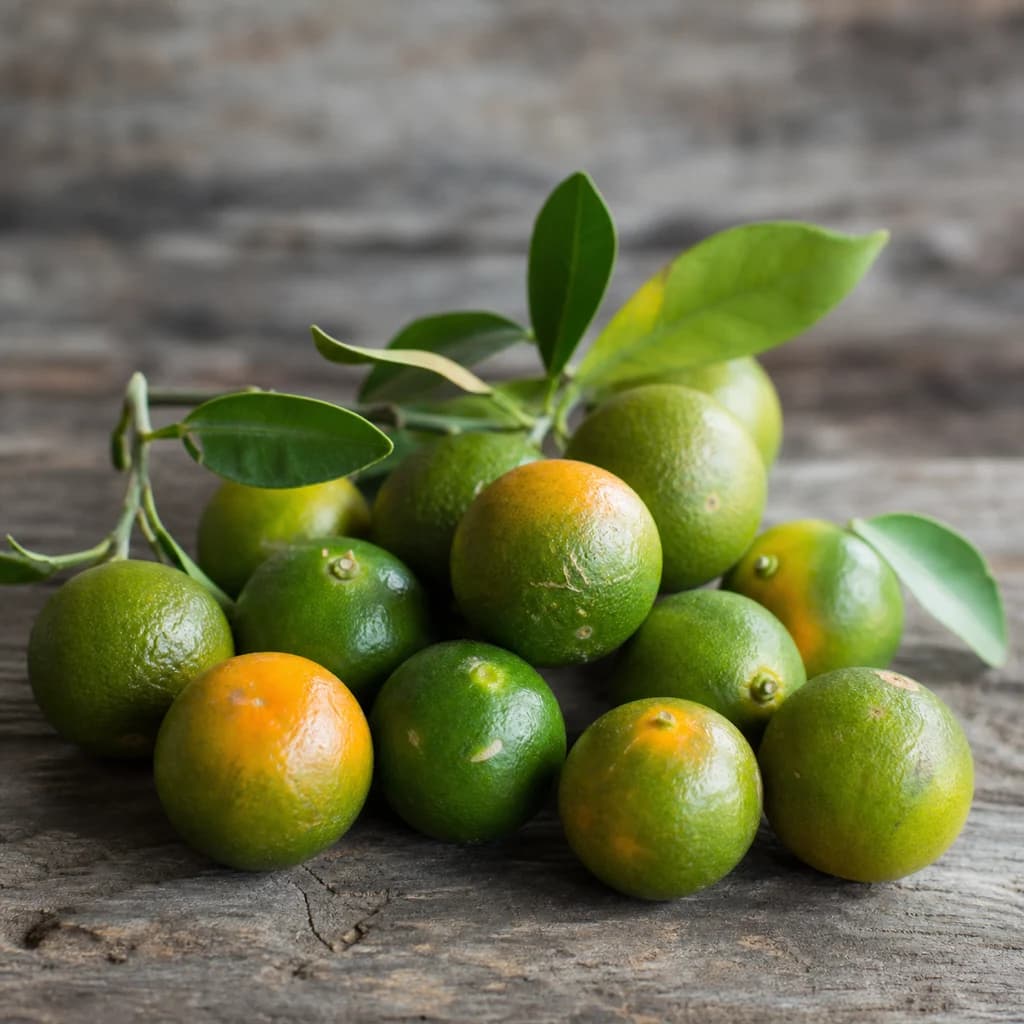
Fresh calamansi: small round green fruits with smooth thin skin, clustered together.
Shows the distinctive small size, green-to-orange color range, and round shape that distinguish calamansi from other citrus.
Produce
Calamansi
Small tart Filipino citrus with the punch of lime and a hint of tangerine.
Calamansi is a small round citrus from the Philippines, green-skinned with orange flesh and an intensely sour, fragrant juice that blends lime and tangerine. It is squeezed over grilled food, into dipping sauces, marinades and drinks, and is a defining souring agent in Filipino cooking. The whole fruit is used for juice and zest.
Calamansi is a small, round citrus fruit native to the Philippines and surrounding Southeast Asia, prized for its intensely tart flavor that falls somewhere between a Key lime and a tangerine. Measuring just 1–1.5 inches in diameter, the fruit ripens from bright green to orange and features a thin, loose rind that separates easily from the flesh. The bright orange interior contains 6–8 segments of exceptionally juicy pulp with few seeds, delivering punchy acidity (pH 2.0–2.4) tempered by subtle sweetness and faint tangerine notes. Its year-round availability in tropical regions and winter peak season in Florida and California make it a staple across Filipino cuisine and increasingly available in specialty markets worldwide. The fruit's high acidity and aromatic rind make it invaluable for both brightening savory dishes and providing citrus complexity to sweets and beverages, functioning as both a seasoning agent and a refreshing juice in its own right.
In Filipino cooking, calamansi occupies the same essential role that lime or lemon does in Mexican or Mediterranean cuisine—it is the default souring agent, the finishing squeeze, the dipping sauce foundation. Its flavor is more aggressive than lemon but less bitter than grapefruit, with a distinctive floral quality that distinguishes it from standard limes. The fruit's small size means juicing one or two is enough to season a dish; the yield is modest—roughly 1–2 teaspoons of juice per fruit—but what you get is concentrated, vibrant, and highly aromatic. Both the juice and the zest carry significant flavor, making every part of the fruit usable in the kitchen. The thin rind is particularly fragrant and can be zested or used whole in certain preparations, though it requires careful washing due to common wax coatings on imported fruit.
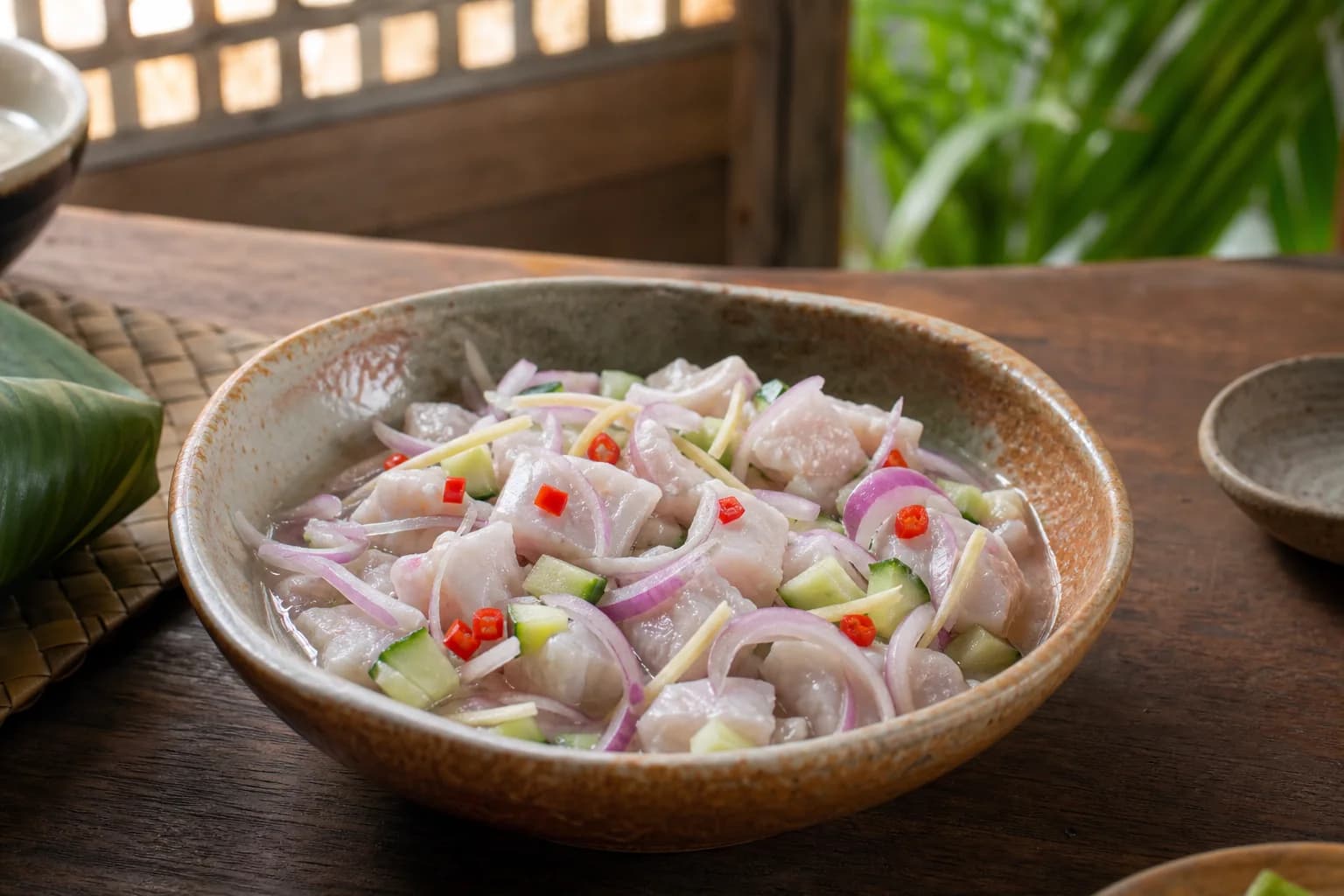
Understanding how calamansi behaves in cooking is key to using it well. Because it is so acidic, it works effectively as a meat tenderizer in marinades, breaking down proteins without the need for extended marinating times. The acid also makes it an excellent agent for "cooking" raw fish in ceviche and kinilaw preparations. However, this acidity is also what makes it vulnerable—prolonged cooking rapidly degrades the fresh, bright character that makes calamansi desirable. For this reason, the fruit is almost always added at the end of cooking or used raw in sauces, dressings, and condiments. Its versatility spans the entire meal, from appetizer dipping sauces through main course seasoning to dessert infusions, making it one of the most broadly useful citrus fruits in any cook's arsenal.
- Measured in
- piece
- Storage
- Fridge
Types & varieties
The standard commercial type; slightly smaller, very aromatic, high juice content. This is what you will typically find in markets.
Larger-fruited variety with slightly thinner rind; popular in Taiwan where it is called suan mei. Slightly easier to juice.
Rare cultivar with green and cream-striped rind; same flavor as standard variety.
Calamansi vs. Lime: Knowing the Difference
While calamansi can substitute for lime in most applications, the flavor profile differs enough to matter in refined preparations. Standard limes (particularly Key limes) are more purely acidic without the subtle tangerine sweetness that characterizes calamansi. When substituting, calamansi juice will give dishes a slightly fruitier, more aromatic quality than lime would. Conversely, when using lime as a calamansi substitute, the result will be more straightforwardly sour without the floral complexity. In Filipino cuisine, this distinction is significant—dishes like sinigang rely on calamansi's particular balance, and substituting lime changes the finished flavor noticeably. For most everyday applications like dipping sauces or marinades, the swap works well enough. In cocktails or desserts where the nuanced flavor matters, adjust quantities and expect a slightly different result.
- Calamansi has tangerine-like floral notes that standard limes lack
- Limes are more purely acidic; calamansi adds a subtle fruity sweetness
- In sour soups and ceviche, this difference affects the finished dish significantly
- For dipping sauces and marinades, the substitution works interchangeably
Getting the Most Juice from Calamansi
Because each calamansi yields only 1–2 teaspoons of juice, extraction efficiency matters. The fruit's small size and thick albedo relative to interior pulp make it easy to leave juice behind. Room-temperature fruit yields more readily than cold fruit, so plan ahead if you need maximum extraction. The rolling technique—pressing and rolling the fruit on a flat surface with palm pressure before cutting—ruptures the internal membranes and significantly increases juice output. For clear applications like cocktails, strain through a fine-mesh sieve to remove seeds and excess pulp. For dressings and marinades where texture is welcome, pressing the cut fruit directly or using the pulp works well. When juicing many fruits for batch preparation, a manual citrus juicer or reamer handles the small size effectively; electric juicers designed for larger citrus often struggle with calamansi's dimensions.
- Roll fruit on counter before juicing to rupture internal membranes
- Room-temperature fruit yields more juice than refrigerated fruit
- Manual reamers work better than electric juicers for the small size
- Strain through fine mesh for clear applications; use pulp directly for texture
Common uses
Tips & pitfalls
- Always wash and scrub the rind before using, even if juicing—waxes and pesticides are common on imported fruit
- Roll the fruit on a counter with palm pressure before juicing to rupture internal membranes and maximize juice extraction
- Use a fine-mesh strainer when juicing to catch seeds and excess pulp for clear applications like cocktails
- Add juice to dishes late in cooking or as a finishing element—prolonged cooking destroys the bright, fresh citrus character
- When a recipe calls for zest, use a microplane—the thin rind is fragrant enough that a little goes far
- Common mistake: over-diluting with water or ice when making calamansi juice; start with less liquid and adjust to taste
- If using as a lime substitute in baking or cooking, use roughly equal amounts by volume, but be aware the flavor profile differs slightly
- Store excess juice in ice cube trays for convenient portioning—one cube approximates 1 tablespoon
- The pulp can be used in dressings where you want texture alongside acidity
Nutrition
Energy
126 kJ · per 100 g
Where the calories come from
Protein
0.7g
1% DV
Carbs
10.5g
4% DV
Fat
0.2g
0% DV
Fiber
2.8g
10% DV
Sugars
1.7g
of which
Sodium
2mg
0% DV
Source · USDA FoodData Central · Limes, raw
View on FDC →In the shops
Matched grocery products
No matched grocery products for Calamansi yet.
Good to know
- Scientific name
- Citrus × microcarpa (also classified as × Citrofortunella microcarpa)
- Typical size
- 1–1.5 inches (2–4 cm) diameter
- Color
- Bright green when unripe; turns orange when ripe
- Flavor profile
- Intensely tart and acidic with subtle sweetness and faint tangerine notes; more sour than lemons, slightly less harsh than Key limes
- pH
- 2.0–2.4 (highly acidic)
- Yield
- 1–2 teaspoons juice per fruit; juice comprises ~60% of fruit weight
- Peak season
- Year-round in tropical climates; November–March in Florida and California
- Storage (fresh)
- Room temperature 1 week; refrigerated 2–3 weeks
- Storage (juice)
- Refrigerated 1 week; frozen in ice cube trays up to 3 months
Substitutes
- Key lime — Most similar in acidity and small size; slightly less aromatic. Use equal amounts by volume.
- Persian lime — More acidic but less aromatic; good general substitute for savory applications. Use equal amounts.
- Lemon juice — Less tart and lacks the tangerine notes; acceptable in beverages and dressings. Use slightly more to match acidity.
- Combination of lime juice and tangerine juice — Mimics calamansi's flavor profile closely; mix 3 parts lime juice with 1 part tangerine juice.
Pairs with
Also called
Calamondin · Kalamansi · Philippine Lime
Appears in these dishes

Related
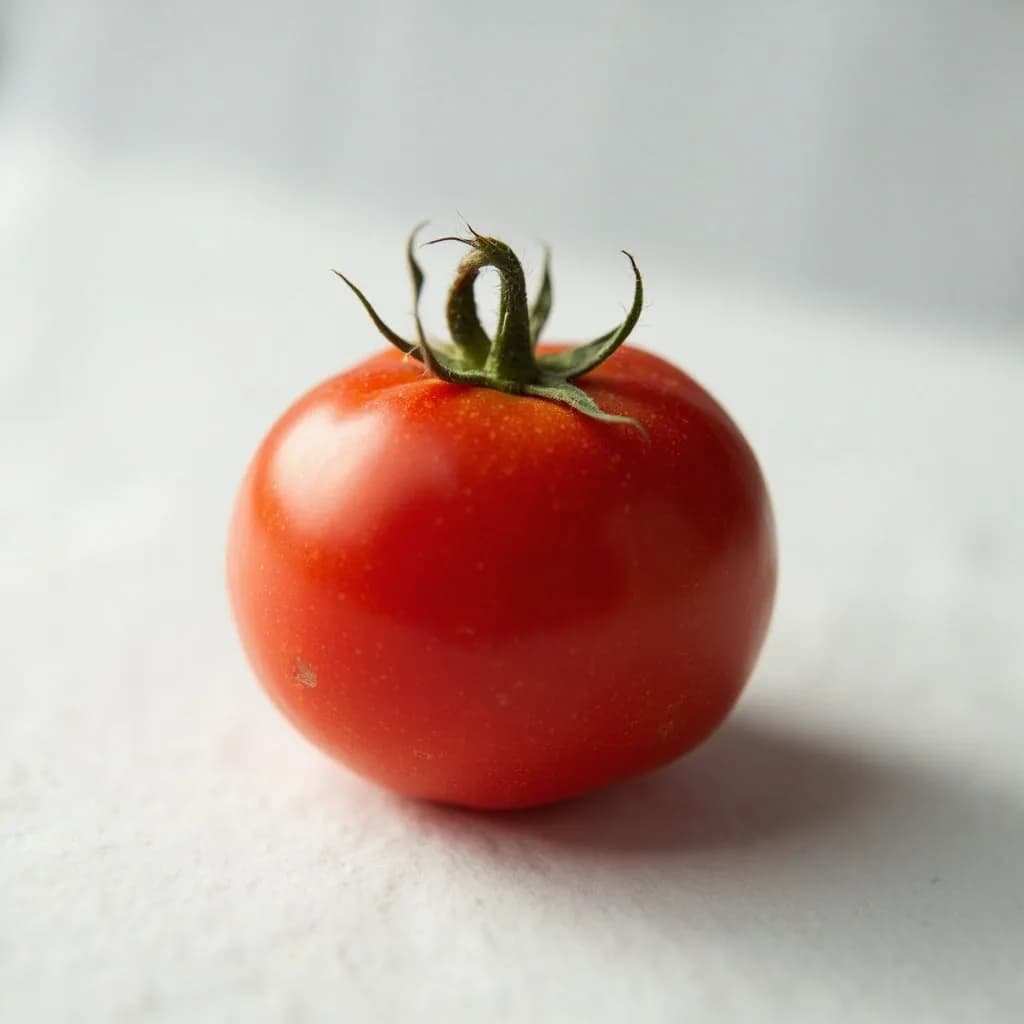
Tomato
Juicy, sun-sweet fruit for sauces, salads, and slow-cooked depth
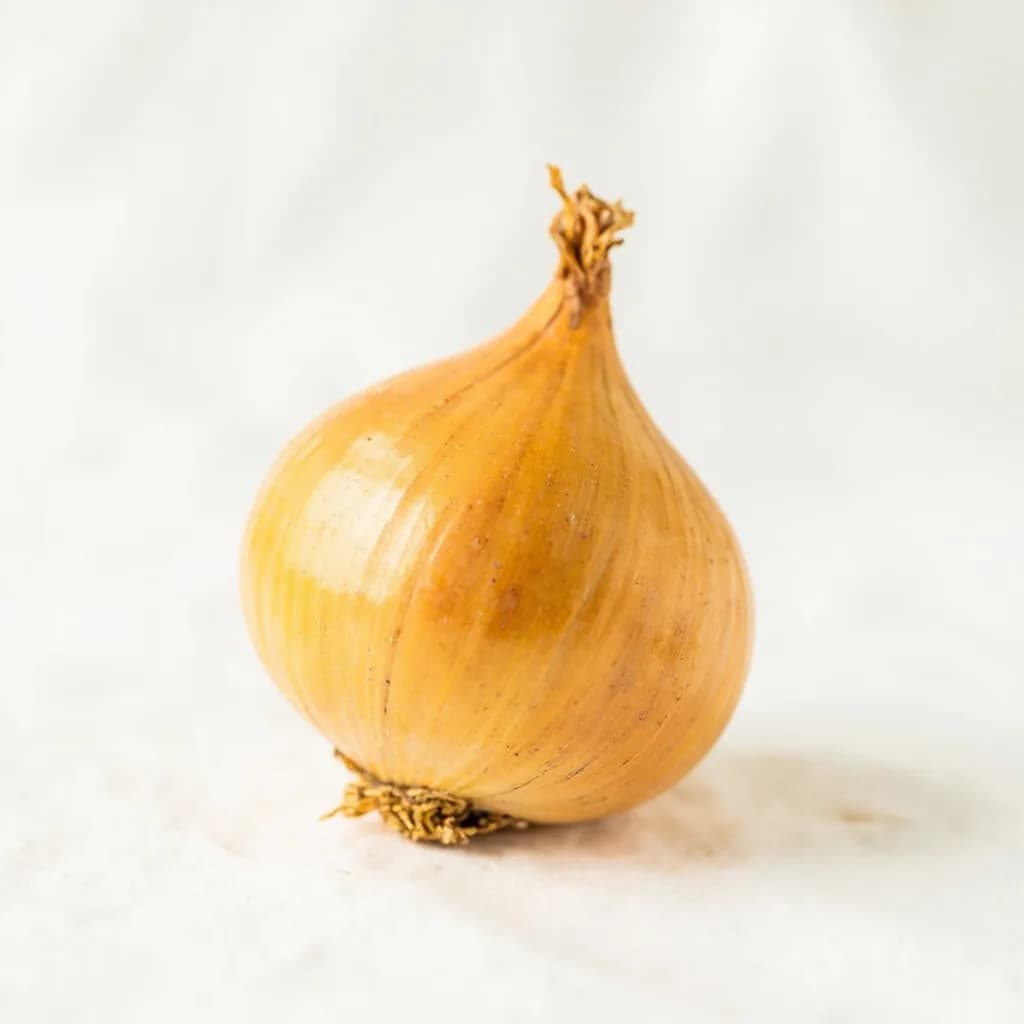
Yellow Onion
The aromatic backbone of soups, sofritos, and braises
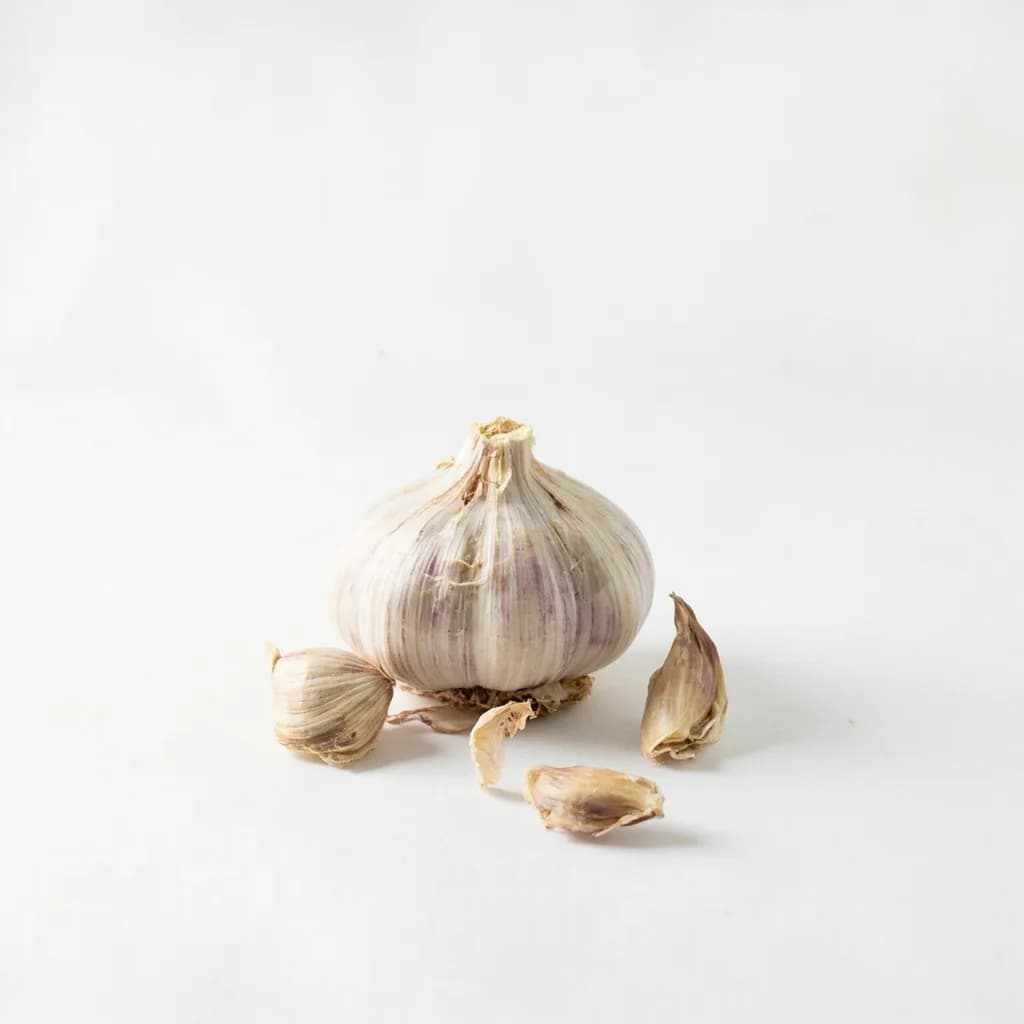
Garlic
Pungent cloves that perfume nearly every savory dish
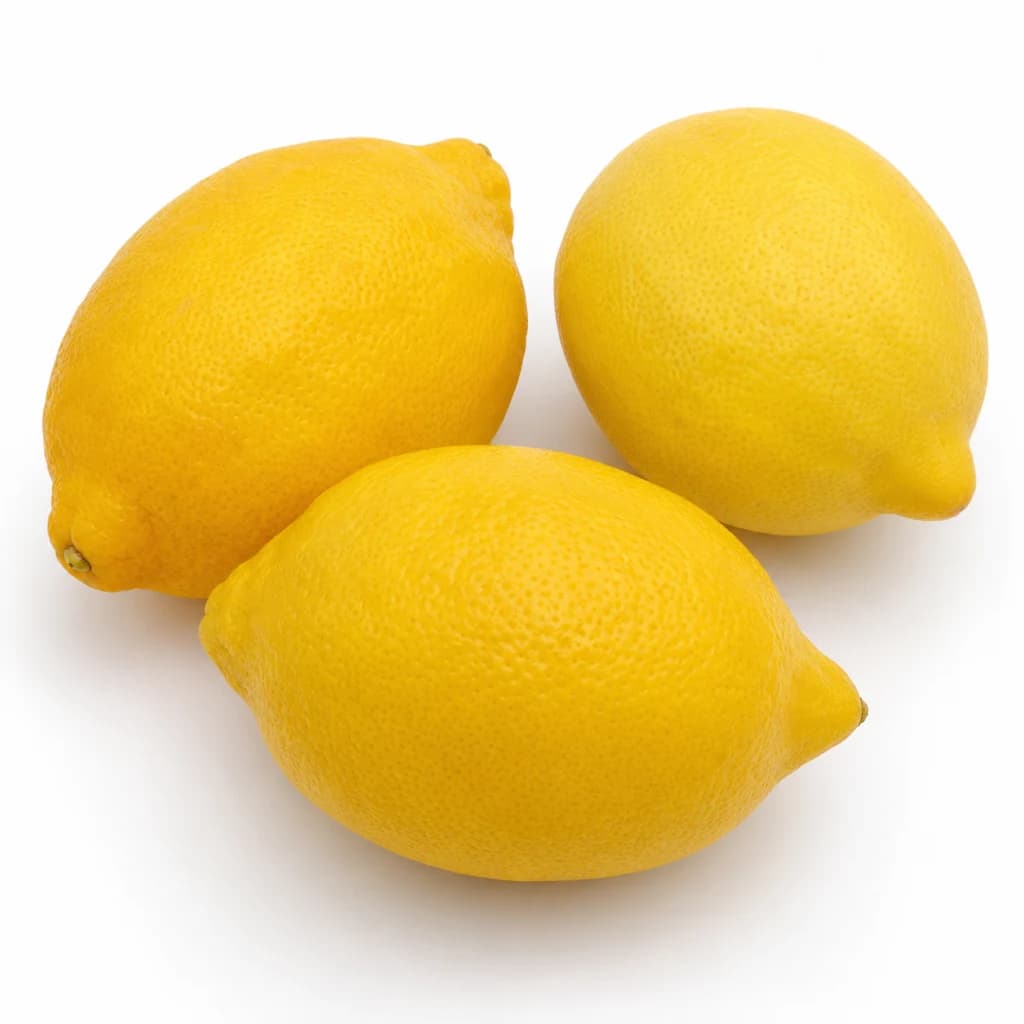
Lemon
Bright, acidic citrus that wakes up almost any dish
Potato
Humble, hearty staple — roast, mash, fry, or boil
Carrot
Sweet, crunchy root — raw, roasted, or the base of a sofrito

Cucumber
Cool, crisp, and watery — for salads, pickles, and tzatziki

Lettuce
Crisp leaves for salads, wraps, and a fresh crunch