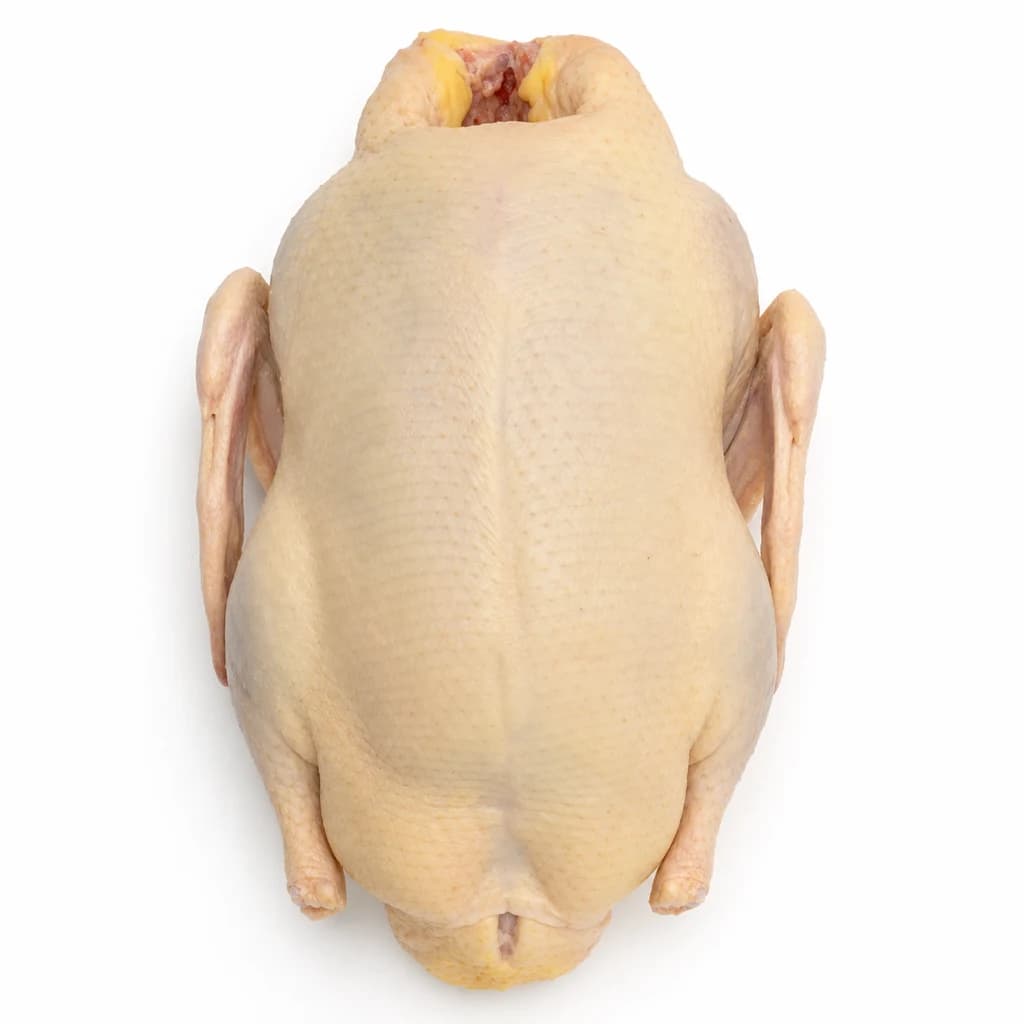
Natural form
Whole raw duck showing thick fat layer beneath the skin and dark meat.
Shows the defining physical trait of duck — its substantial fat deposit and dark muscle — distinguishing it from chicken.
Proteins
Duck
Rich, dark poultry for crisping skin and rendering fat
Deep and rich, duck rewards slow cooking — render the fatty skin crisp on a breast or confit the legs until they fall apart. Save that golden fat. Keep it cold; cook within days.
Duck is rich, dark, deeply flavored poultry with a thick layer of fat under its skin — and managing that fat is the whole art of cooking it. Rendered slowly, the fat melts away to leave shatteringly crisp skin and gives up the prized golden duck fat for roasting potatoes. Unlike chicken, duck breast is a red meat best served medium-rare and pink, seared skin-side down to render before a brief finish; the legs, tougher and fattier, become meltingly tender confited or braised. From crispy Peking duck to seared magret and slow confit, it's a special-occasion bird that rewards a little technique.
- Measured in
- g
- Storage
- Refrigerate
- Shelf life
- 2 days
Find it in
Types & varieties
Sear skin-side to render fat; serve pink, like steak.
Fattier and tougher; perfect confit or slow-braised.
Roast for crisp skin; pierce and render the fat (Peking-style).
Rendered cooking fat — superb for roasting potatoes.
Cured and cooked in its own fat; ready to crisp.
Duck legs salt-cured then poached slow in their own fat until fall-apart tender; crisp the skin in a hot pan to serve. Rich, savory and already cooked.
How to choose
Look for plump breasts with a thick, even, pale fat layer and dry, intact skin — dry skin crisps best. Pekin (Long Island) ducks are milder and meatier; Muscovy and the magret of moulard ducks are leaner and more intensely flavored.
How to store / food safety
Keep cold at or below 4°C and cook within a couple of days. Duck is poultry, so handle it like chicken to avoid cross-contamination. The key safety difference: whole-muscle duck breast can be served medium-rare (pink) because surface searing handles the risk — but ground duck and the legs should be cooked through. Rendered duck fat keeps for months chilled.
How to cook
Score the breast skin in a crosshatch (not into the meat), salt it, and lay it skin-side down in a cold, dry pan over medium heat — let the fat render slowly until the skin is deep amber and crisp, then flip briefly and rest to a pink 54–57°C. Save the rendered fat. Legs want the opposite: long, low cooking (confit or braise) until the collagen melts and the meat pulls apart.
Common uses
Tips & pitfalls
- Start the breast skin-side down in a cold, dry pan to render fat and crisp the skin.
- Score the skin crosshatch, but don't cut into the meat.
- Serve duck breast pink (medium-rare); cook legs low and slow until tender.
- Save the rendered fat — it makes the best roast potatoes.
- Pat skin dry and salt ahead for maximum crackle.
Nutrition
Energy
569 kJ · per 100 g
Where the calories come from
Protein
18.7g
37% DV
Carbs
3.5g
1% DV
Fat
4.6g
6% DV
Fiber
0g
0% DV
Sodium
140mg
6% DV
Source · USDA FoodData Central · Duck, domesticated, liver, raw
View on FDC →In the shops
Matched grocery products
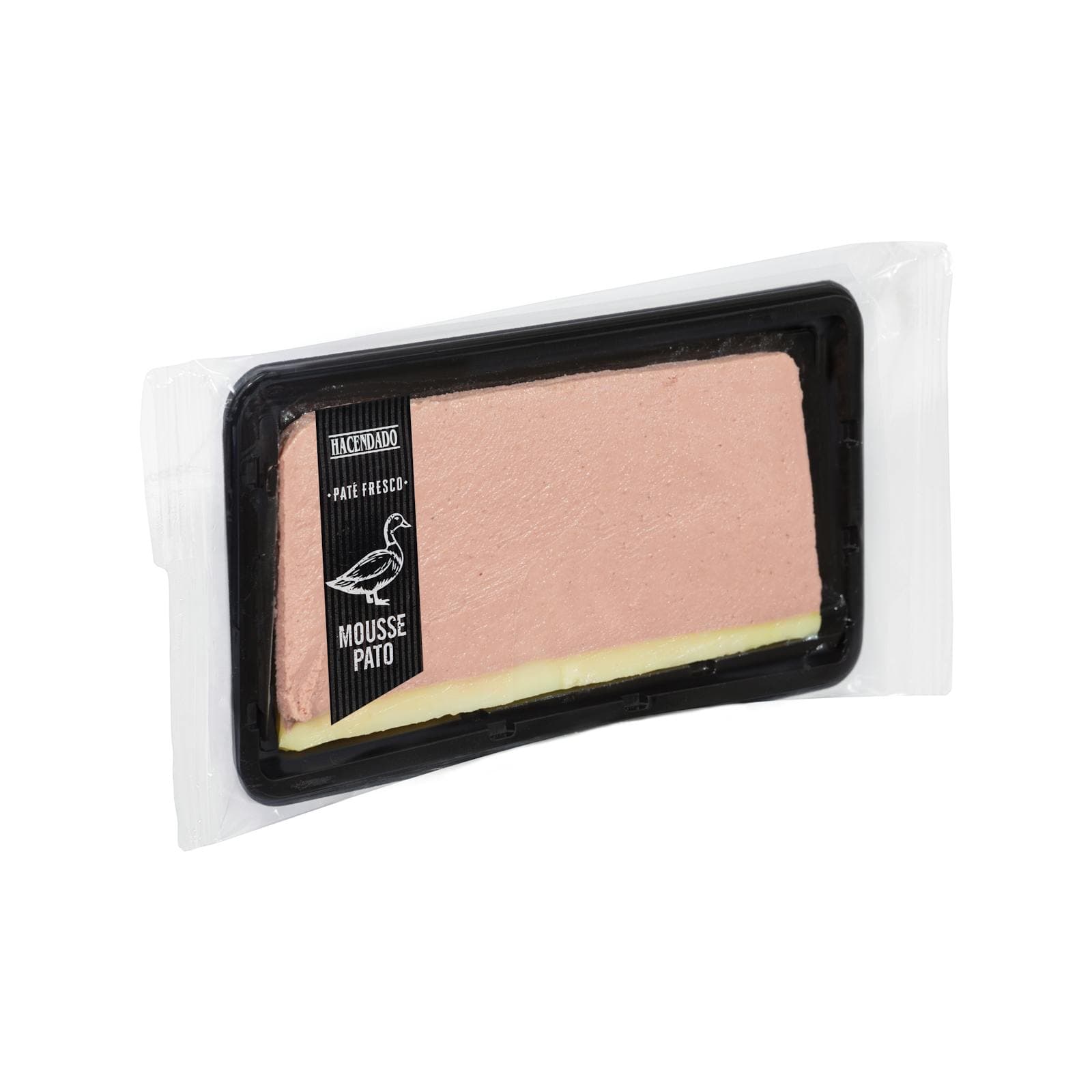 €1.90
€1.90Duck Mousse
Hacendado · 100 g · Mercadona
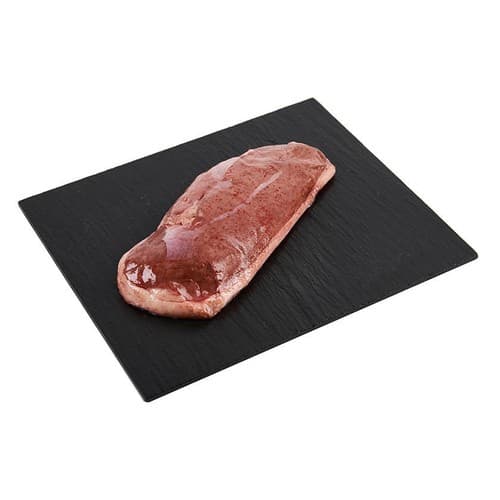 €8.85
€8.85Duck Breast
BONPREU · kg · Bonpreu
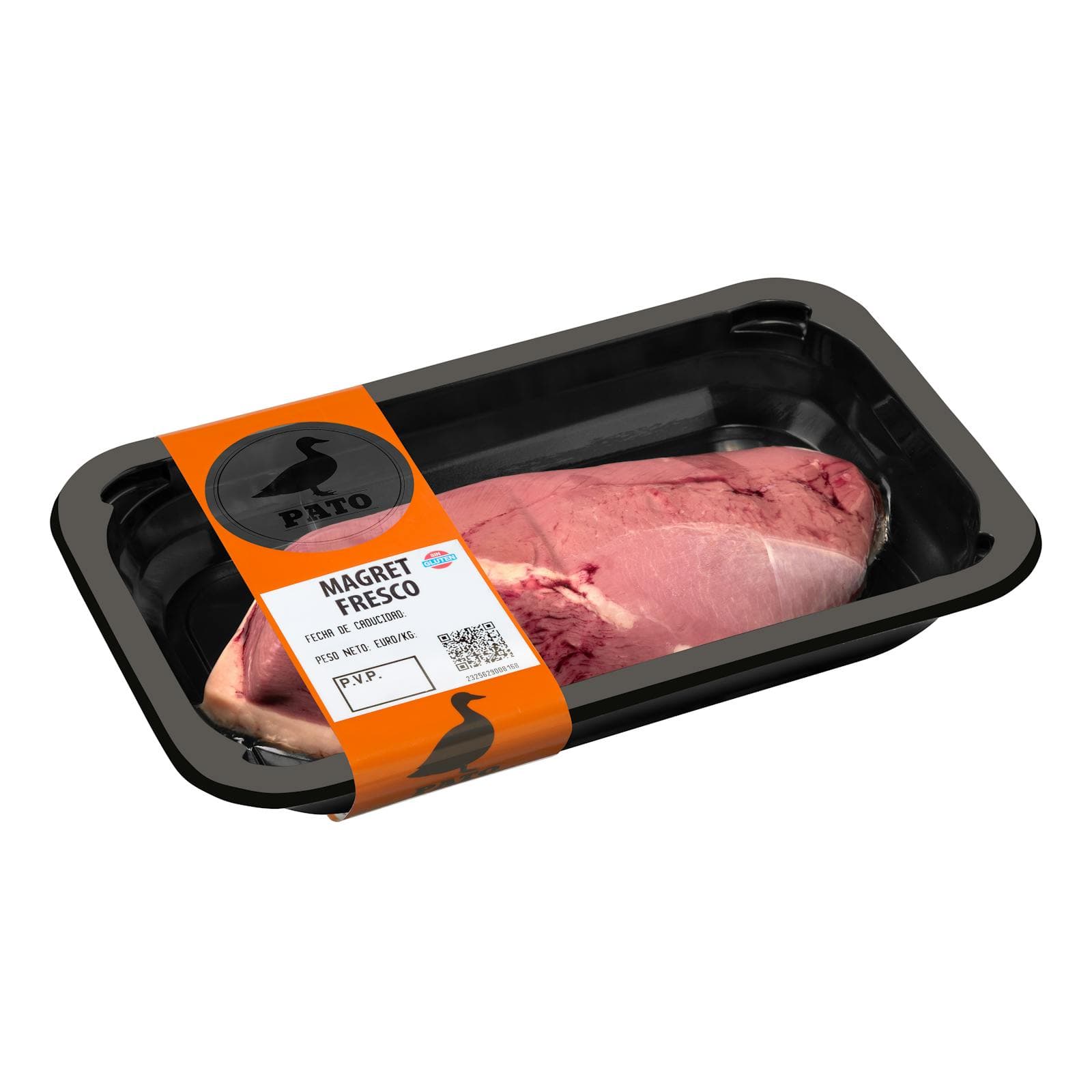 €9.12
€9.12Duck Magret
380 g · Mercadona
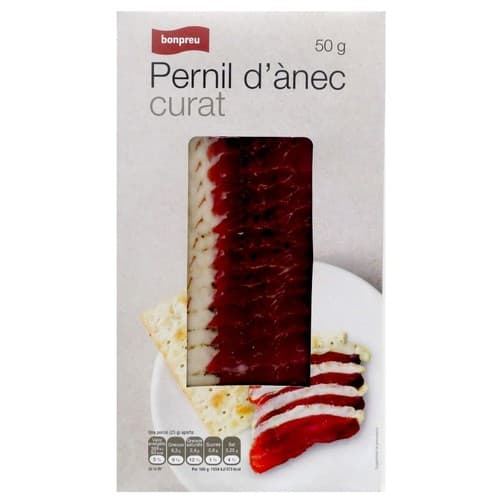 €3.99
€3.99Cured Duck Ham
BONPREU · kg · Bonpreu
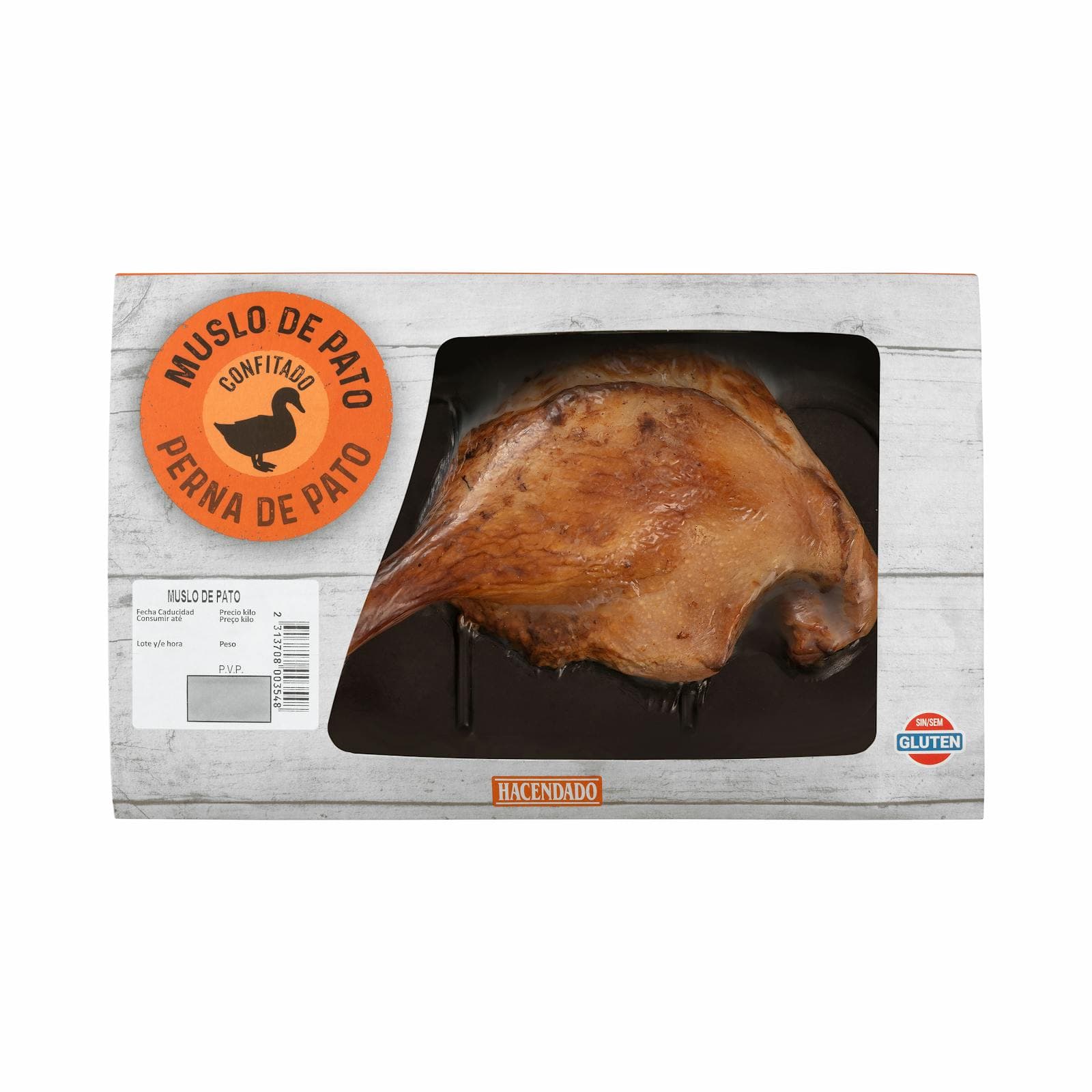 €6.30
€6.30Confit Duck Thigh
Hacendado · 300 g · Mercadona
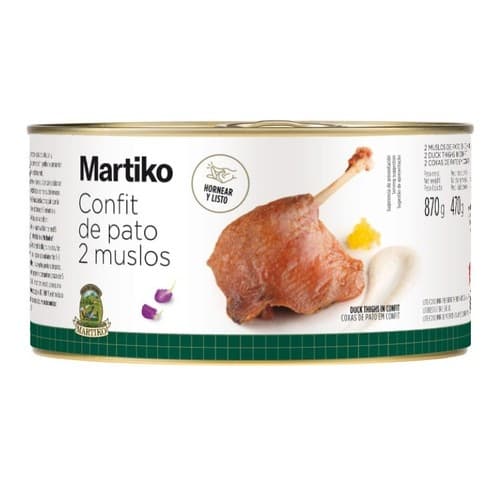 €17.99
MARTIKO Duck Legs
MARTIKO · kg · Bonpreu
Good to know
- Cut/type
- Whole bird, breast (magret), or leg
- Flavor
- Rich, dark, savory, slightly gamey
- Cook to
- Breast ~54–57°C medium-rare; legs ~75°C+ for tender
- Nutrition
- ~337 kcal/100g roasted with skin; cooked skinless meat ~201 kcal (raw skinless ~130), ~19g protein
- Buy
- Plump breast, thick even fat, dry intact skin
Substitutes
- Chicken thigh — Leaner and milder; lacks the fat and richness.
- Goose — Richer, fattier, even more intense; for big roasts.
- Squab / pigeon — Small dark game bird with similar pink-served richness.
Also called
pato
Appears in these dishes
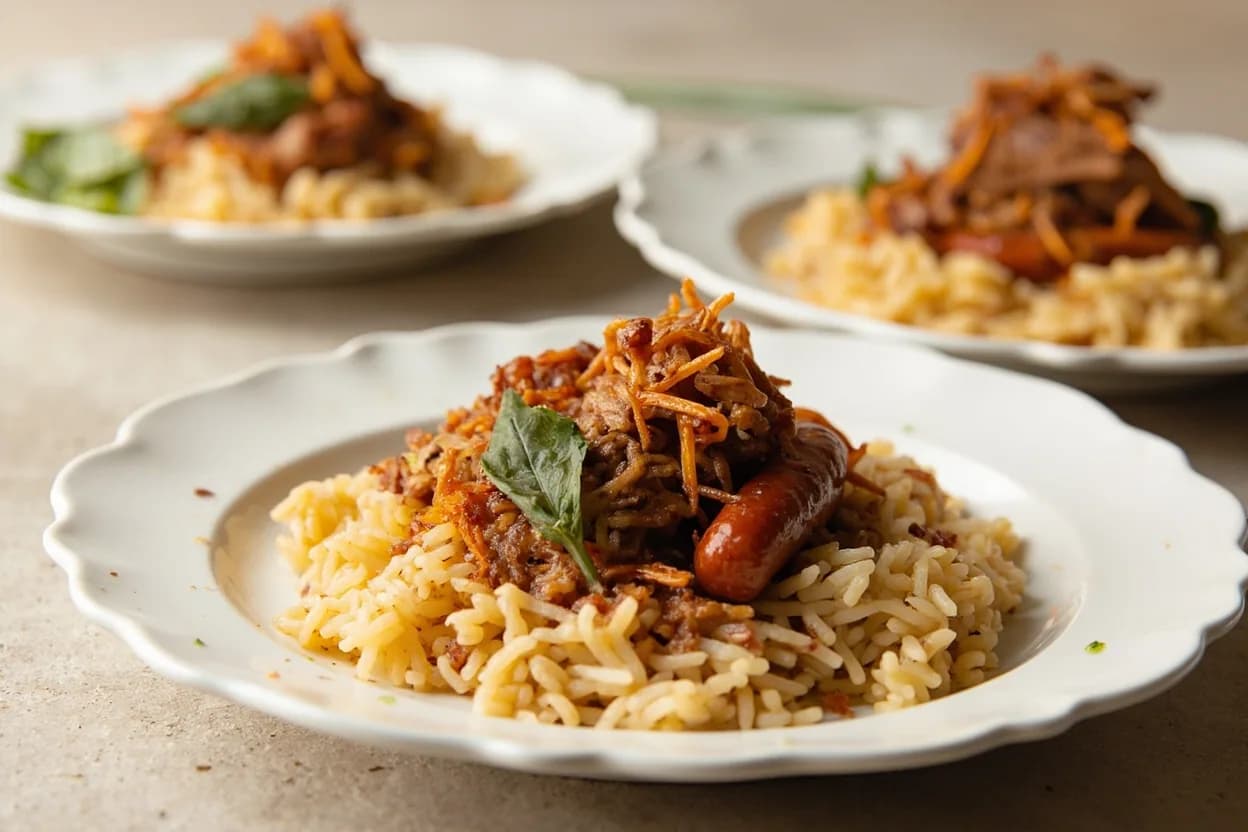
Related
Egg
The kitchen's everything ingredient — bind, leaven, enrich, or fry
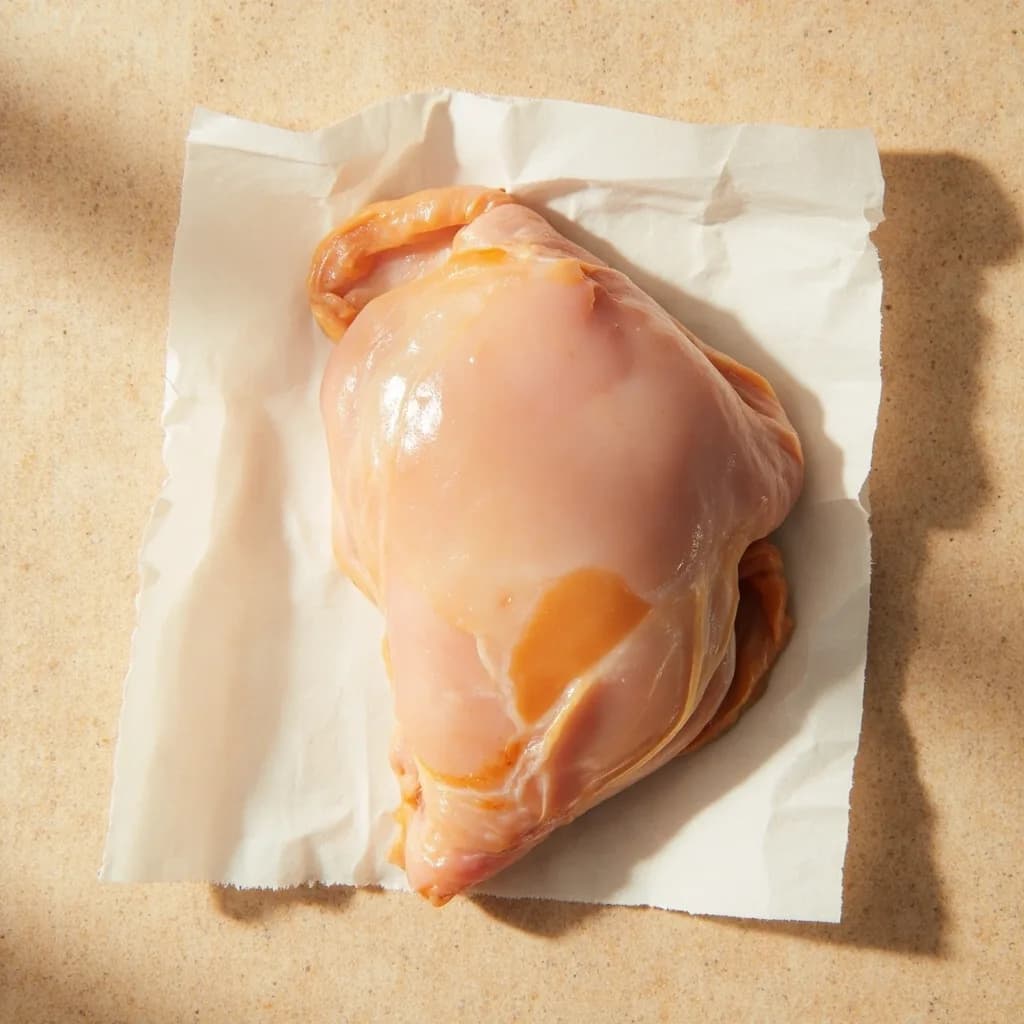
Chicken Breast
Lean, quick-cooking white meat for everyday dinners

Ground Beef
Versatile minced beef for burgers, ragù, tacos, and meatballs
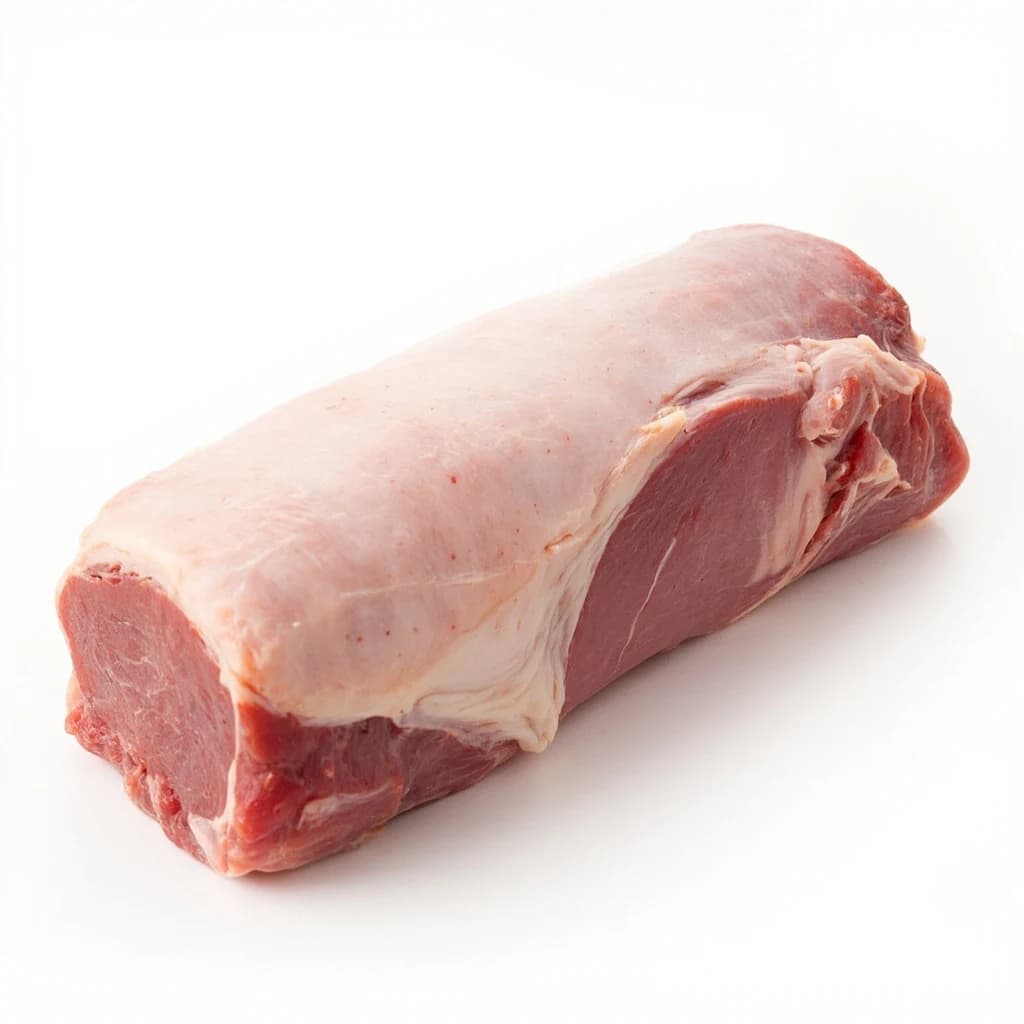
Pork Loin
Lean, tender roasting cut that stays juicy with care
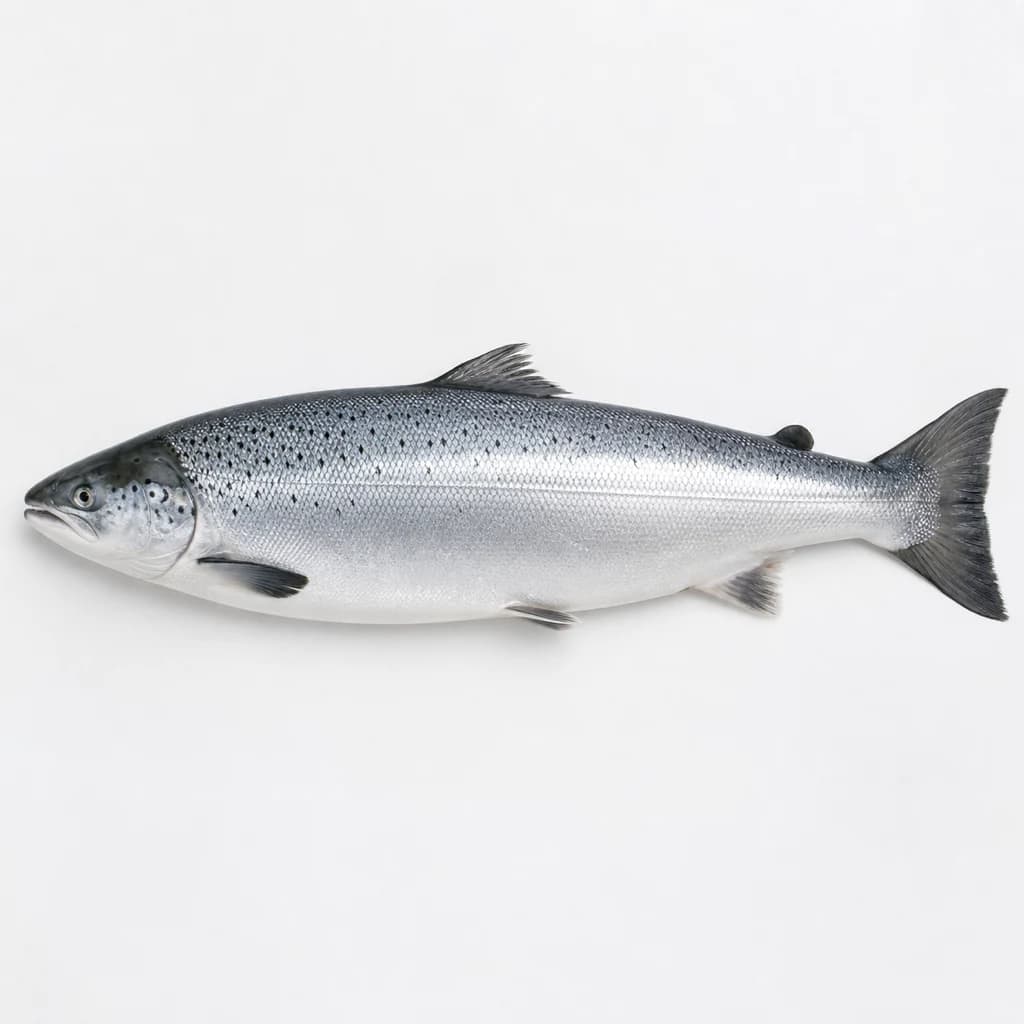
Salmon
Rich, rosy fish that roasts, grills, or cures beautifully

Egg White
Pure protein that whips to airy peaks for meringue and more
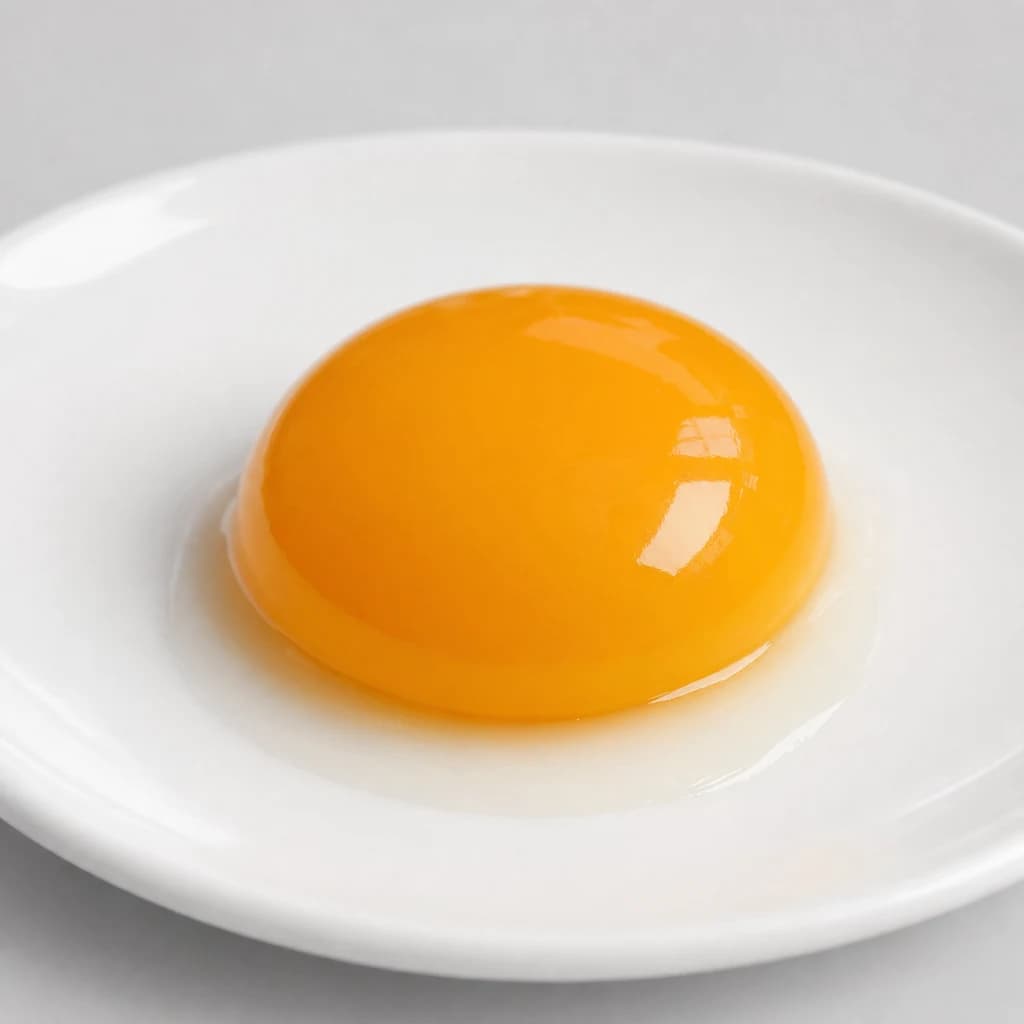
Egg Yolk
Rich, golden yolk for custards, mayonnaise, and pasta

Quail Egg
Tiny, speckled eggs for garnishing and elegant bites