Proteins
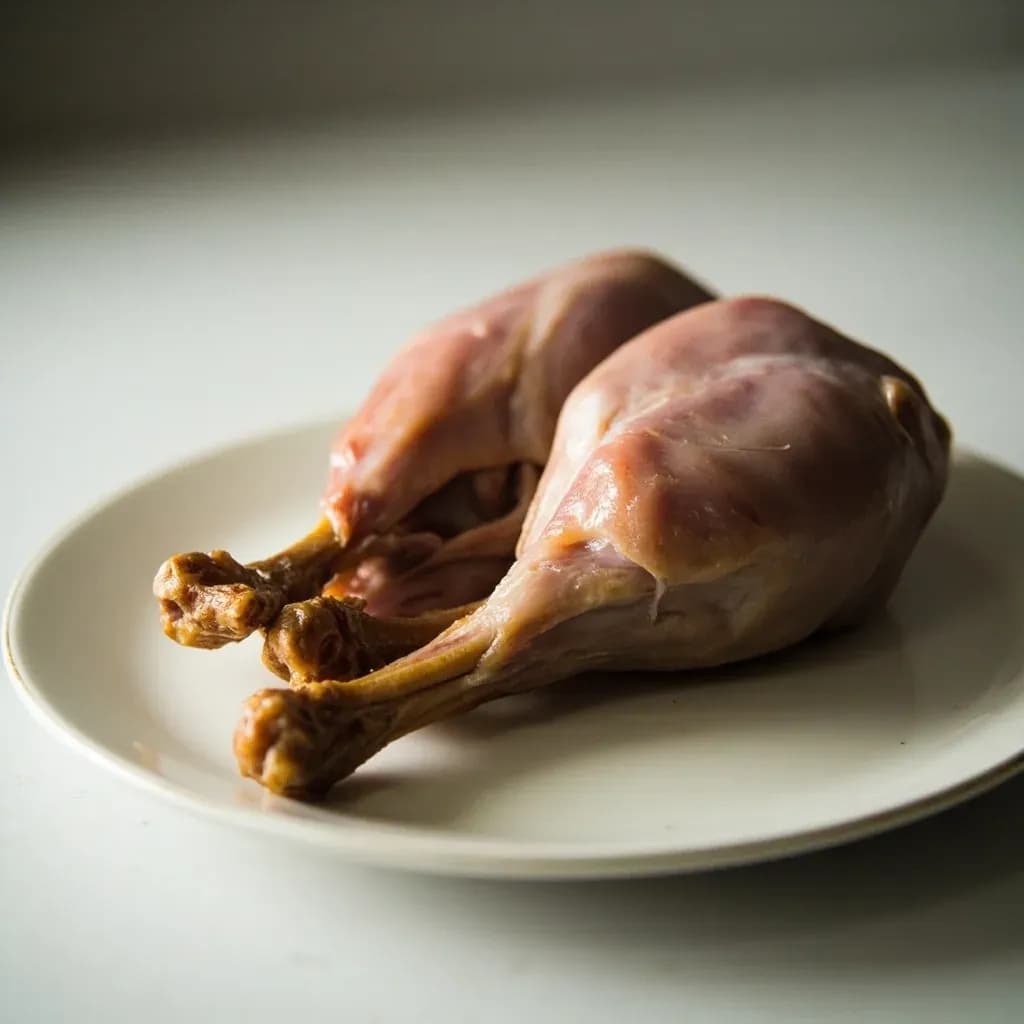
Duck Leg
Meaty, fatty duck leg-and-thigh cut, classic for slow confit and braises.
Duck leg is the leg-and-thigh portion of the duck, with dark, flavorful meat and plenty of fat under the skin. It is ideal for slow cooking methods like confit, where it is cured then poached in its own fat, as well as braising and roasting. The tough connective tissue breaks down with long, gentle cooking into tender, succulent meat.
The duck leg is a bone-in, skin-on cut comprising both leg and thigh, still attached as a single piece. Unlike the lean, quick-cooking breast, the leg carries the load of a walking bird its entire life—its muscles are dense with connective tissue and marbled with fat between fibers. This composition makes it a tough cut by poultry standards, but that toughness is the key to its appeal: low-and-slow moist cooking transforms chewy collagen into silky gelatin while the intramuscular fat bastes the meat from within. The result, when properly handled, is fall-off-the-bone tenderness with an intensely savory, almost unctuous quality that no other poultry cut delivers.
The skin on a duck leg is not a problem to be removed—it is a thick subcutaneous fat cap that is the secret weapon of the cut. This layer renders slowly during long cooking, crisping beautifully under a hot broiler if you let it, or melting into the braising liquid to enrich whatever sauce you build from it. The fat also means duck legs are essentially self-basting. Commercial Pekin legs (often labeled Long Island duck) have the most accessible fat and the mildest gamey flavor; Muscovy legs are leaner and more assertively flavored; Moulard legs, a Pekin-Muscovy hybrid, are the largest and most richly fat, the preferred choice for traditional confit.
Duck leg confit is one of the foundational techniques of French charcuterie, developed centuries ago as a preservation method. Salted, herb-coated legs submerged in their own rendered fat and slow-cooked at low temperature could be stored in that fat for months in a cool cellar. Today the technique endures not for preservation but for the extraordinary texture and depth it produces—the fat penetrates the meat during cooking, perfuming it with thyme and garlic, and the result is a leg whose meat shreds in luscious, fatty strands. Beyond confit, duck legs anchor braises in French, Italian, and Chinese traditions, each bringing their own aromatics and liquids but relying on the same fundamental principle: give the collagen time to dissolve and the fat time to render, and the humble leg becomes the most satisfying thing on the plate.
- Measured in
- piece
- Storage
- Fridge
Types & varieties
Most common commercial variety (Long Island duck); mildest flavor, moderate fat; the standard choice for most recipes
Smaller, leaner, more intensely gamey; prized in French and Spanish cuisine; breast is the primary commercial product, legs are a byproduct
From Pekin × Muscovy hybrid; larger than pure Pekin; richer flavor; a byproduct of foie gras production; excellent for confit
Very small (4–6 oz); intensely gamey; requires careful cooking to avoid toughness; typically from hunters or specialty suppliers
French term for Muscovy or Muscovy-Pekin cross; leaner than standard Pekin with more pronounced flavor
Common uses
Tips & pitfalls
- Score the skin in a crosshatch pattern before roasting or braising—this allows fat to render out and penetrate the meat evenly, rather than staying trapped beneath the skin as a greasy layer
- Prick the skin thoroughly all over with a fork before slow roasting—each puncture is a channel for fat to escape and pool in the pan, leaving crisp skin behind
- For confit, salt with 2% by weight kosher salt plus fresh thyme and crushed garlic for 12–24 hours before cooking in fat; this firms the meat, seasons it throughout, and draws out moisture for better fat absorption during cooking
- Always cook duck legs to at least 165°F (74°C) for food safety, but know that 175–185°F (79–85°C) yields far more tender texture as the collagen fully converts to gelatin
- Rest braised or confited legs for 10–15 minutes before serving—carryover cooking and settling of the juices makes a measurable difference in how cleanly the meat releases from the bone
- Reserve rendered duck fat from any cooking method; strain it through a fine-mesh sieve and refrigerate—it keeps for months and is incomparable for roasting potatoes or vegetables
- Degrease braising liquid by chilling it overnight—the fat solidifies on top and lifts off cleanly, leaving a concentrated, non-greasy sauce base
- Do not crowd legs in the pan when searing—they will steam and turn gray instead of browning; use a very large skillet or work in batches with plenty of room between each piece
- The most common mistake is applying high heat hoping for a quick result—duck legs demand patience; high heat only toughens the muscle fibers before the collagen has time to melt
- Select legs with dry, unblemished skin and no pronounced odor; avoid any with a slimy texture, which indicates age or improper handling
Nutrition
Energy
305 kJ · per 100 g
Where the calories come from
Protein
16.4g
33% DV
Carbs
0g
0% DV
Fat
0.3g
0% DV
Fiber
0g
0% DV
Sugars
0g
of which
Sodium
58mg
3% DV
Source · USDA FoodData Central · approx. Frog legs, raw
View on FDC →In the shops
Matched grocery products
 €1.90
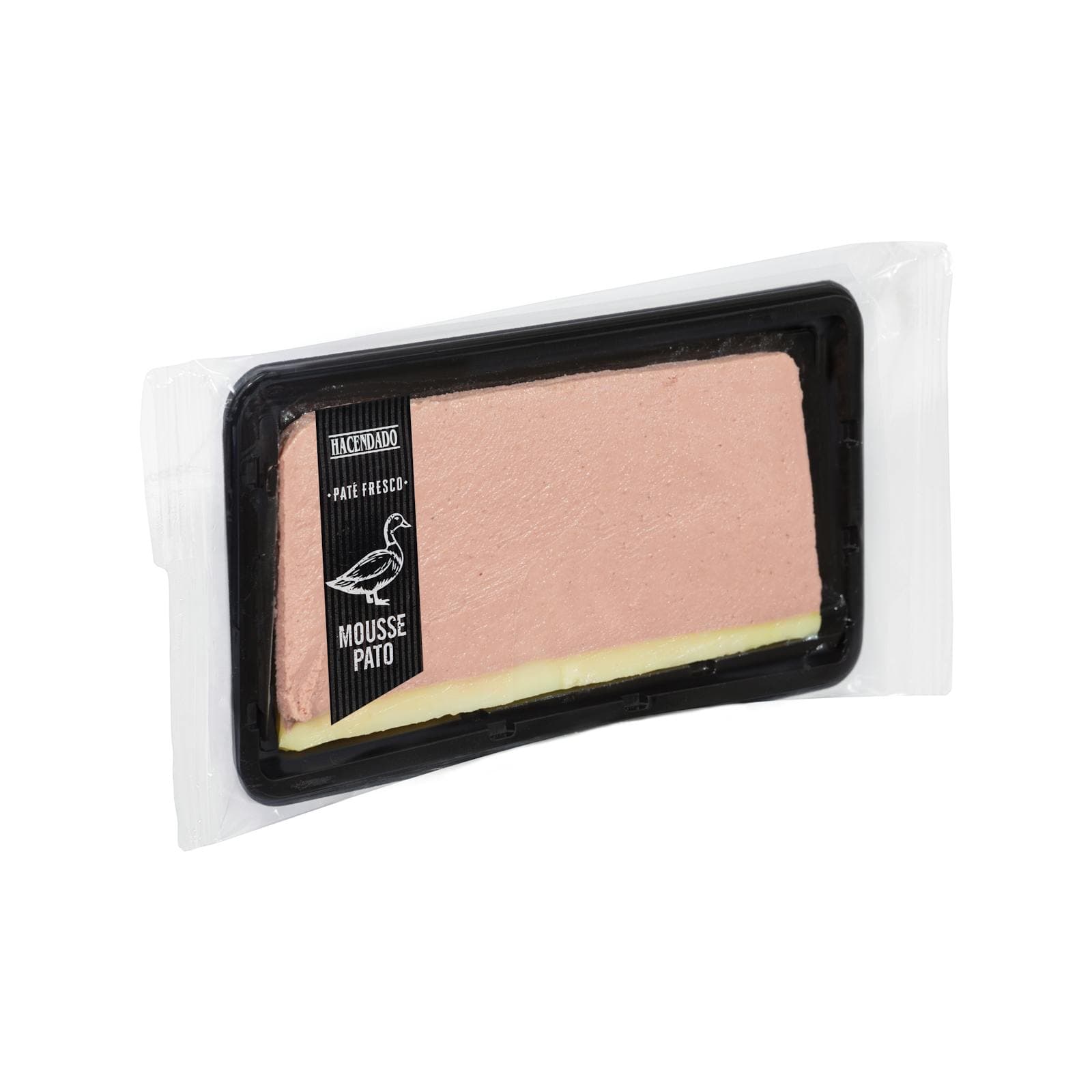
€1.90Duck Mousse
Hacendado · 100 g · Mercadona
 €8.85
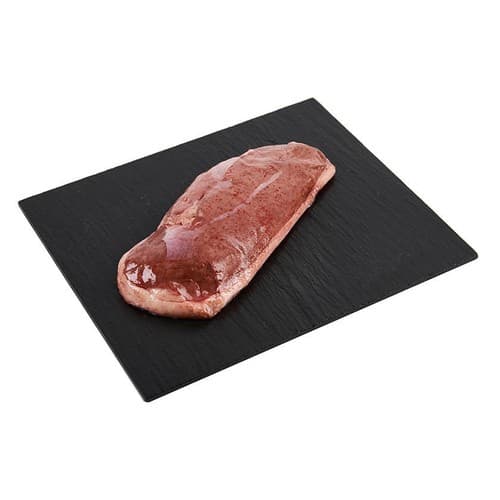
€8.85Duck Breast
BONPREU · kg · Bonpreu
 €9.12
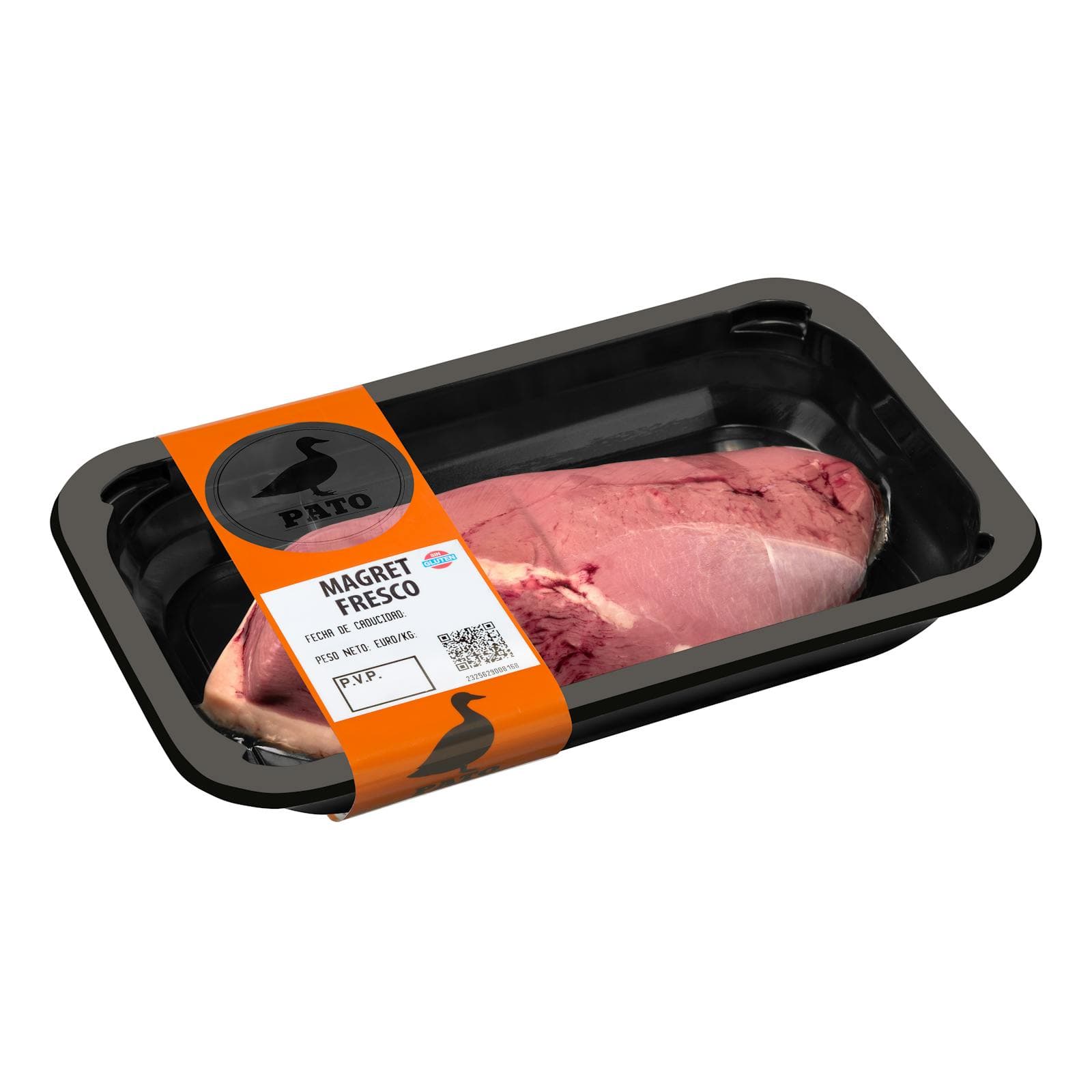
€9.12Duck Magret
380 g · Mercadona
 €3.99
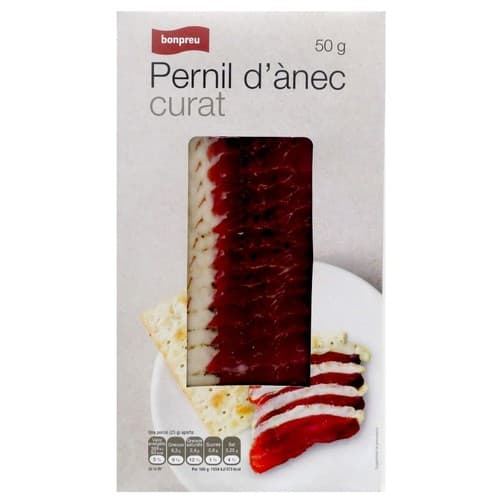
€3.99Cured Duck Ham
BONPREU · kg · Bonpreu
 €6.30
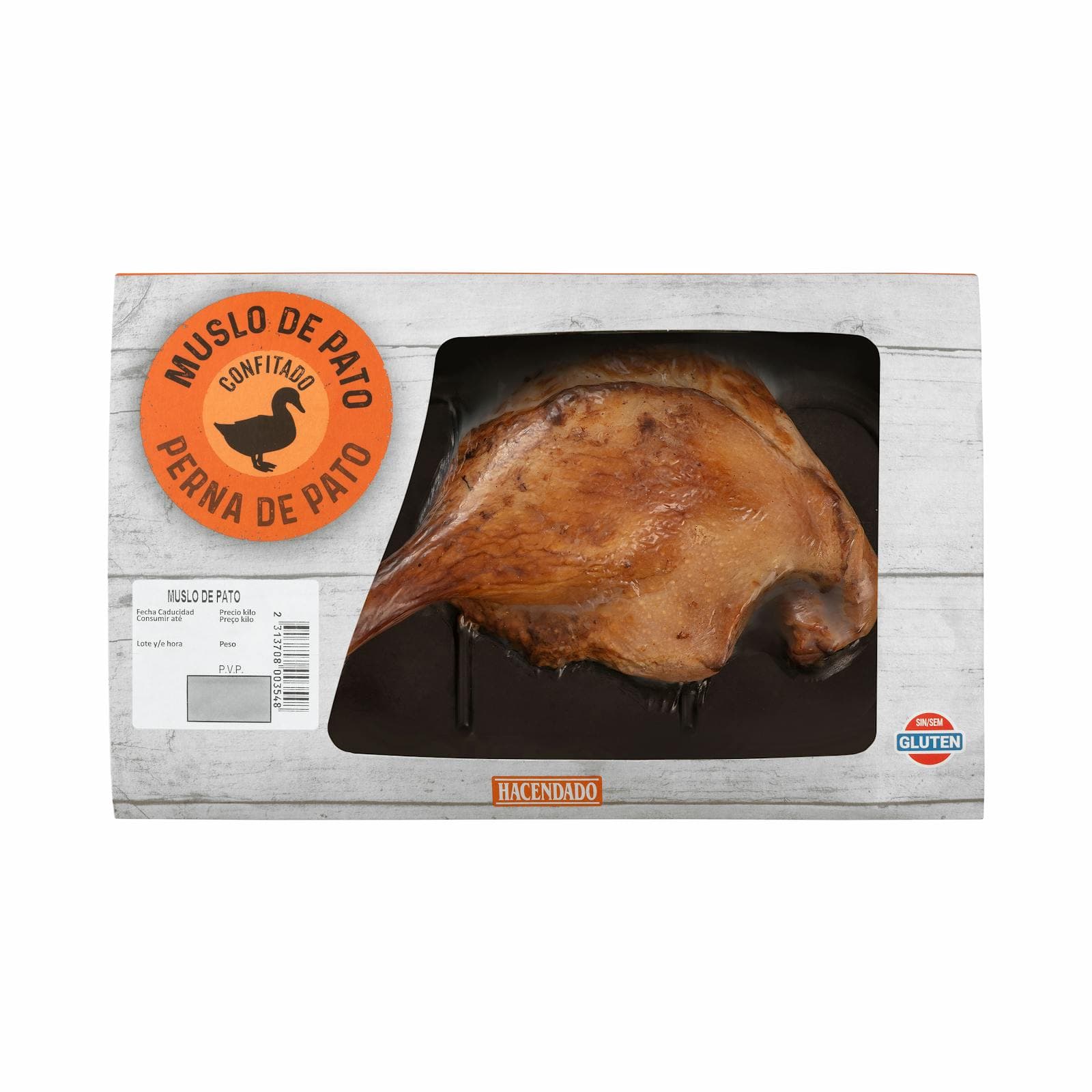
€6.30Confit Duck Thigh
Hacendado · 300 g · Mercadona
 €17.99
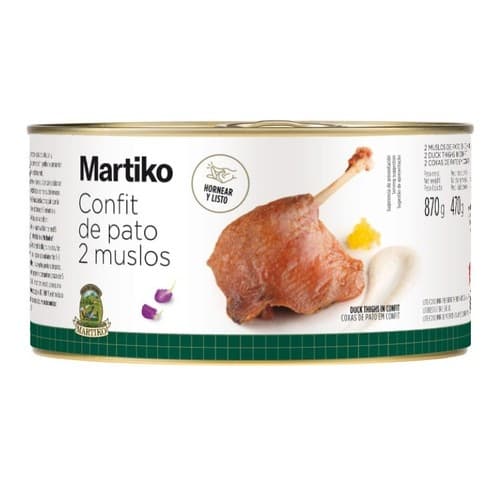
MARTIKO Duck Legs
MARTIKO · kg · Bonpreu
Good to know
- Type
- Fresh or frozen whole leg-and-thigh cut, bone-in, skin-on
- Typical weight
- 8–12 oz (225–340 g) per leg; Moulard legs up to 1 lb (450 g)
- Primary fat
- Subcutaneous fat cap with significant intramuscular fat throughout the muscle
- Flavor
- Rich, savory, distinctly gamey; darker and more intensely flavored than chicken thigh
- Best cooking methods
- Low-and-slow: confit, braise, slow roast; collagen dissolves above 160°F (71°C)
- Storage (fresh)
- Refrigerate below 40°F (4°C), use within 1–2 days
- Storage (frozen)
- Well-wrapped, up to 6–9 months at 0°F (-18°C) or below
- Primary producers
- Pekin (US, France), Muscovy (Spain, Italy, France), Moulard (France for foie gras cross)
Substitutes
- Chicken Thighs — Closest cooking method substitute; cook 20–30% longer than you would chicken; lacks gamey flavor and rich fat, so increase seasoning and consider basting with oil
- Guinea Fowl Leg — Similar leanness and subtle gamey character; slightly smaller portion; cook identically to duck leg with the same low-and-slow methods
- Turkey Thigh — Larger portions requiring longer cooking; similar low-and-slow braising and roasting methods work well; significantly leaner with less fat cap
- Goose Leg — Larger and fattier than duck; the most authentic substitute for confit if available; increase cooking time proportionally due to size
Also called
Duck Leg Quarter
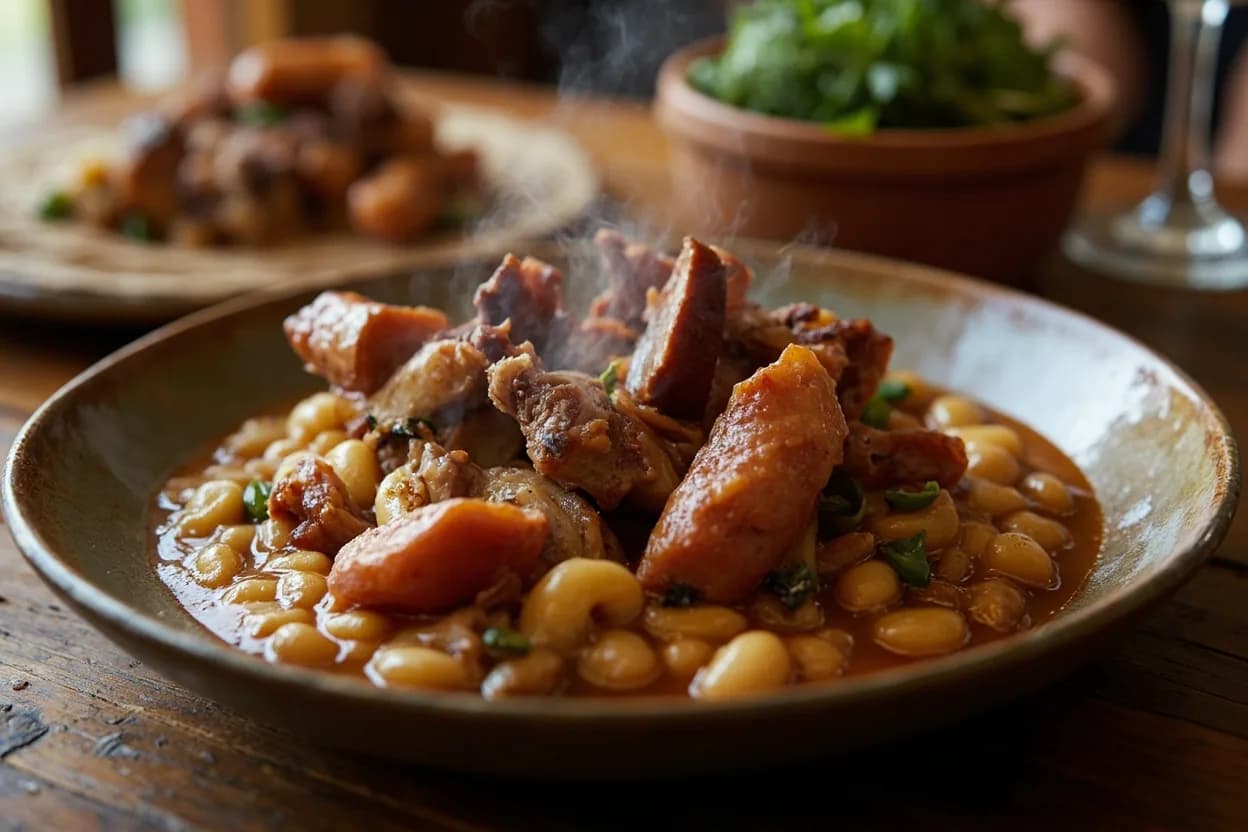
Appears in these dishes
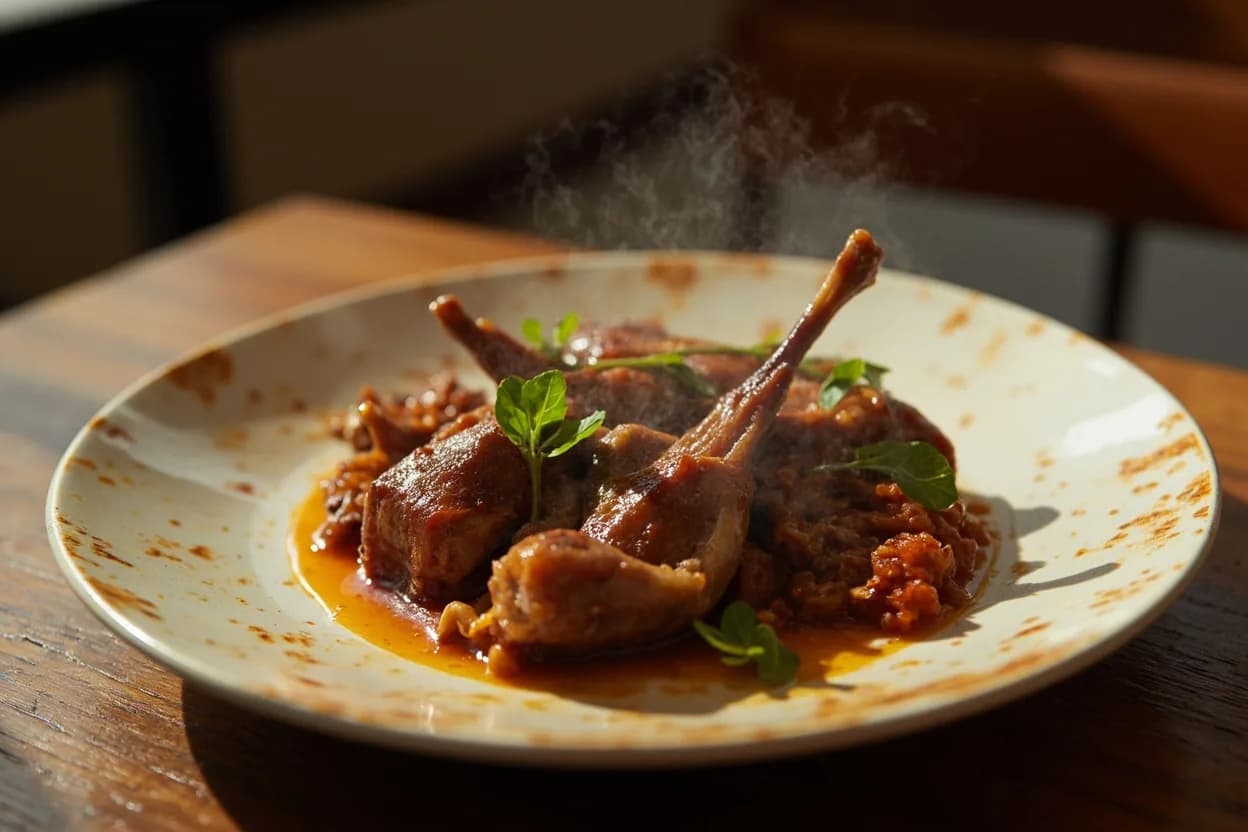
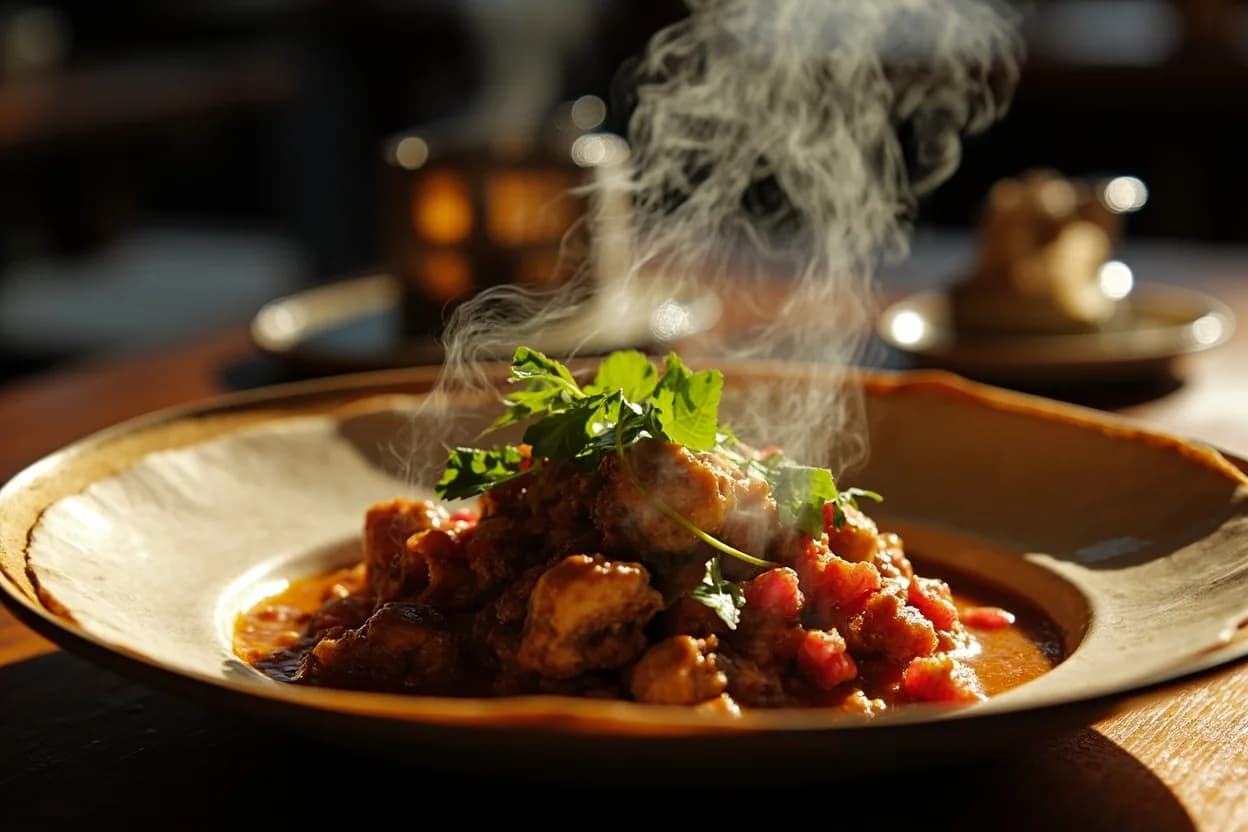
Related
Egg
The kitchen's everything ingredient — bind, leaven, enrich, or fry
Chicken Breast
Lean, quick-cooking white meat for everyday dinners

Ground Beef
Versatile minced beef for burgers, ragù, tacos, and meatballs
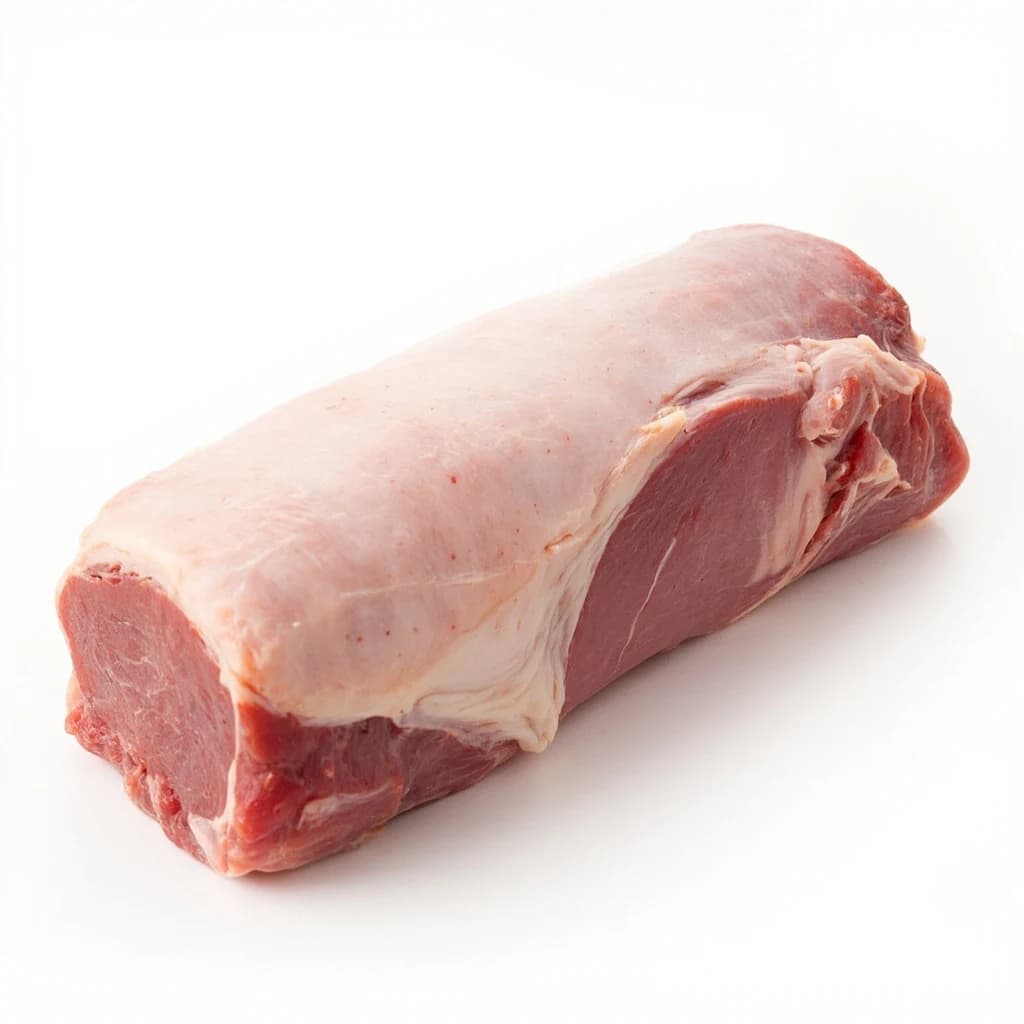
Pork Loin
Lean, tender roasting cut that stays juicy with care
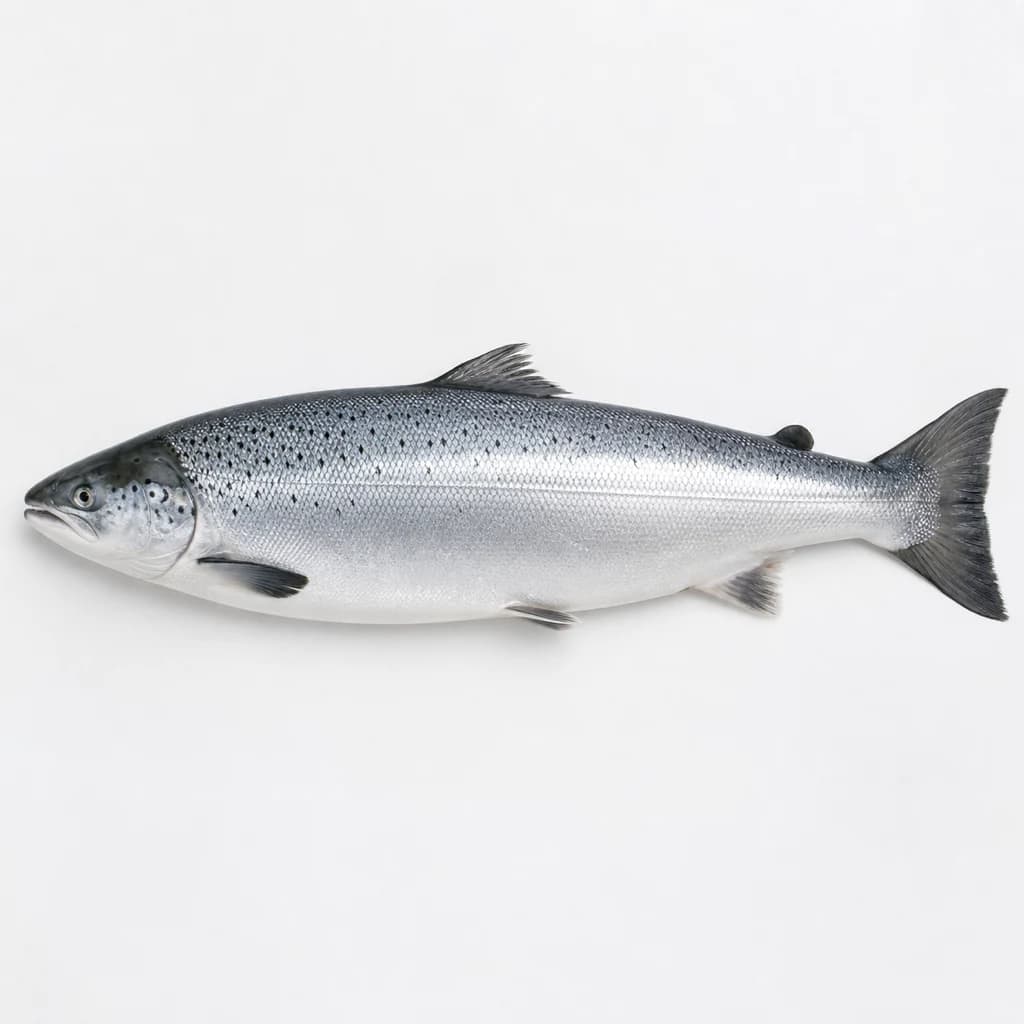
Salmon
Rich, rosy fish that roasts, grills, or cures beautifully

Egg White
Pure protein that whips to airy peaks for meringue and more
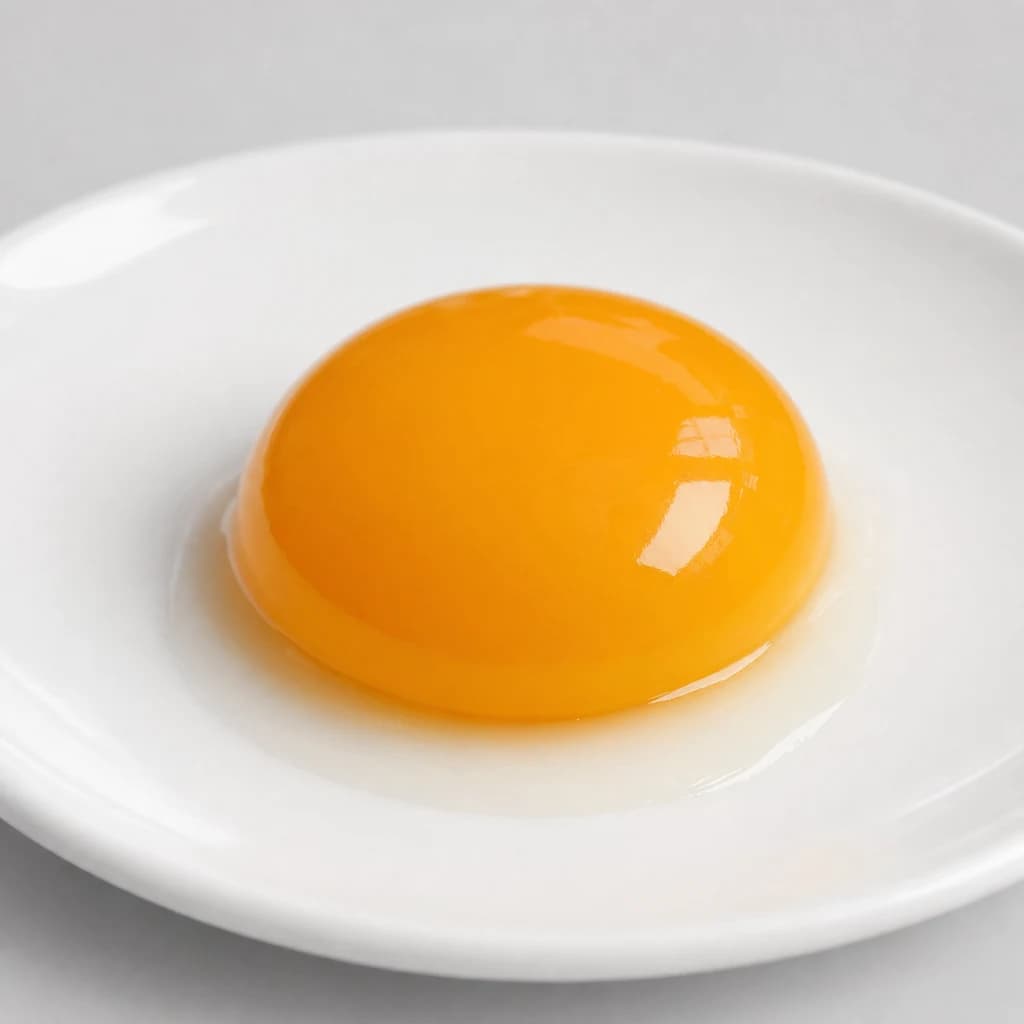
Egg Yolk
Rich, golden yolk for custards, mayonnaise, and pasta

Quail Egg
Tiny, speckled eggs for garnishing and elegant bites