Natural form
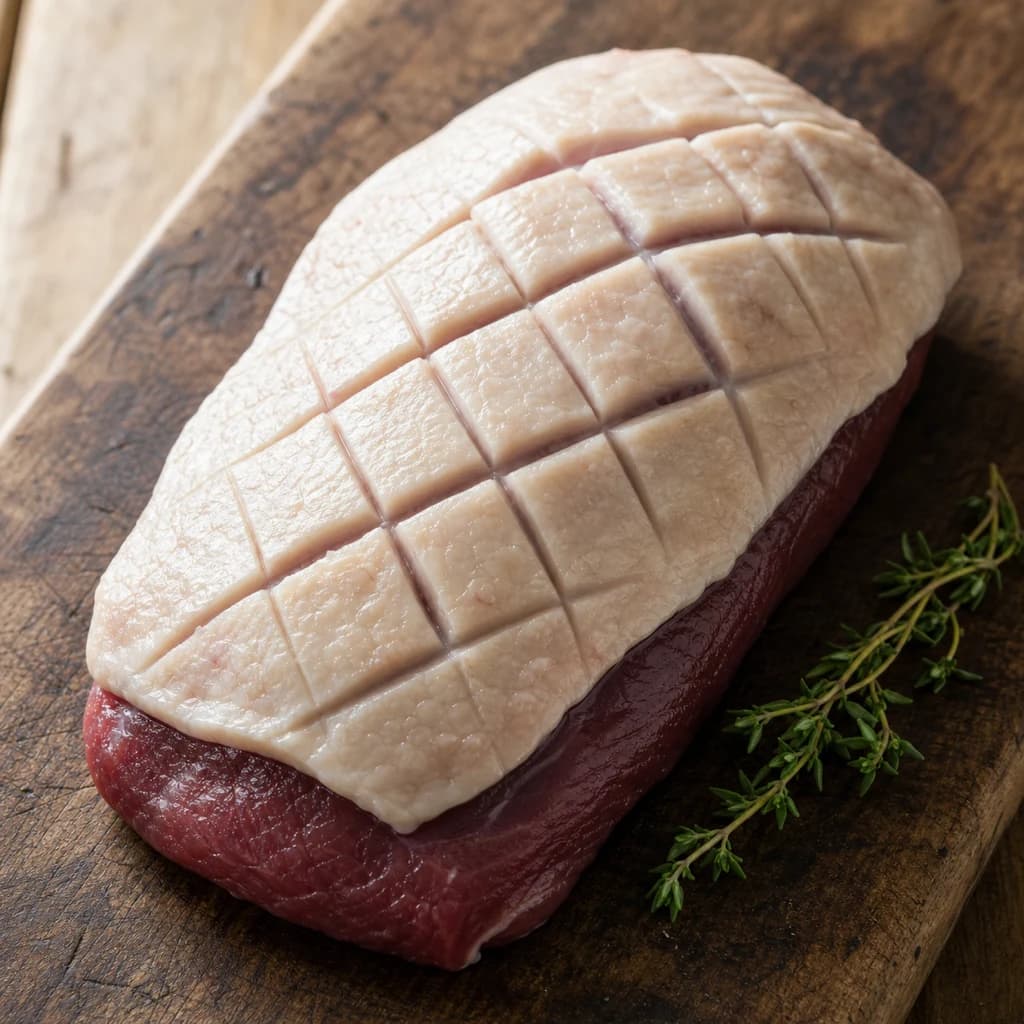
Raw duck breast shows its defining thick fat cap and deep red flesh before cooking.
Shows the reader the raw cut's two defining features — deep red lean meat and a substantial white fat layer — so they can identify it at a butcher or market.
Proteins
Duck Breast (Magret de Canard)
Rich, red-meated breast with a thick fat cap, seared skin-side down and served pink.
Duck breast is a lean, rosy cut topped with a thick layer of skin and fat. It is scored and rendered slowly skin-side down to crisp the skin, then served medium-rare like a steak, a hallmark of French magret de canard. Its deep, gamey richness pairs with fruit, spice, and acidic glazes.
Magret de Canard is the breast of the Moulard duck, a hybrid of Muscovy and Pekin breeds developed in Gascony, Southwest France, by chef André Daguin in the 1950s. The magret is not merely a duck cut—it is a category unto itself, distinct from legs (used for confit) or liver (foie gras). What makes it extraordinary is the combination of a thick fat cap and dense, dark red muscle that behaves more like beef than poultry when cooked. The fat renders slowly into a sweet, golden liquid, while the meat stays pink and tender when kept below 63°C (145°F). This duality—rendered fat as cooking medium and asset, versus the steak-like interior—demands a cooking approach unlike any other protein.
The breed matters significantly. True magret comes from Moulard or related large breeds; retail duck breast may be from Pekin (milder, more common in North America) or Muscovy (leaner, more gamey, smaller birds). Whatever the source, look for breasts in the 300–500g range with a firm, bright-red muscle and an intact white fat layer at least 1cm thick. Avoid any breast where the fat appears yellow, soft, or has been trimmed. The fat cap is structural to both the cooking method and the flavor—never trim it before cooking.
When executed correctly, a seared magret delivers something no other protein can: a blistered, almost translucent skin giving way to deep pink meat at the center, sliced and fanned like a premium steak. The fat renders completely, leaving crisp, golden skin and producing enough flavorful drippings to roast a pan of potatoes. This is not a difficult technique, but it is unforgiving of impatience or inattention—the difference between a transcendent dish and a tough, greasy one comes down to 12–15 minutes of deliberate, controlled heat.
- Measured in
- g
- Storage
- Fridge
Types & varieties
Breast of the Moulard duck; the classic French standard; thick fat cap, intense flavor, 75% edible yield
Hot-smoked duck breast; sliced for charcuterie boards, pizzas, salads, and appetizers
Poached or roasted whole breast; sliced thin for sandwiches, salads, and charcuterie
True magret breed; balanced fat-to-meat ratio; preferred for restaurant use
Leaner than Moulard; denser texture; more pronounced game flavor; smaller birds, adjust rendering time
From White Pekin; milder flavor, slightly more fat; most common in North American retail
Common uses
Tips & pitfalls
- Score the skin in a tight crosshatch pattern, cutting through the fat but never into the meat—this maximizes surface area for rendering and crisping
- Start in a cold skillet, skin-side down, over medium heat: slow rendering prevents the fat from seizing and ensures even, thorough cooking
- Render fat slowly for 12–15 minutes until the skin is deeply golden and almost all white fat has melted away; pour off fat periodically and reserve it for other uses
- Season aggressively with salt and pepper on both sides—duck breast benefits from more seasoning than you think—or dry brine 24 hours ahead for deeper penetration
- Flip only once, in the last 2 minutes of cooking, to sear the meat side briefly; do not press or move the breast unnecessarily
- Rest the breast 5–10 minutes, tented loosely with foil, before slicing—this is essential for juice retention and allows the interior temperature to rise 2–3 degrees
- Slice against the grain into 1cm slabs; fan the slices on the plate to display the pink interior and crispy skin
- Common mistake: cooking past medium-rare—this tightens the proteins and yields a dry, tough result that loses the duck's appeal
- Common mistake: not rendering the fat long enough—translucent, blistered skin should result, not soft, white fat that chews rubbery
- Use the rendered duck fat for roasting potatoes, sautéeing vegetables, or frying eggs—it is one of cooking's finest flavoring agents
Nutrition
Energy
515 kJ · per 100 g
Where the calories come from
Protein
19.9g
40% DV
Carbs
0g
0% DV
Fat
4.3g
5% DV
Fiber
0g
0% DV
Sodium
57mg
2% DV
Source · USDA FoodData Central · Duck, wild, breast, meat only, raw
View on FDC →In the shops
Matched grocery products
 €1.90
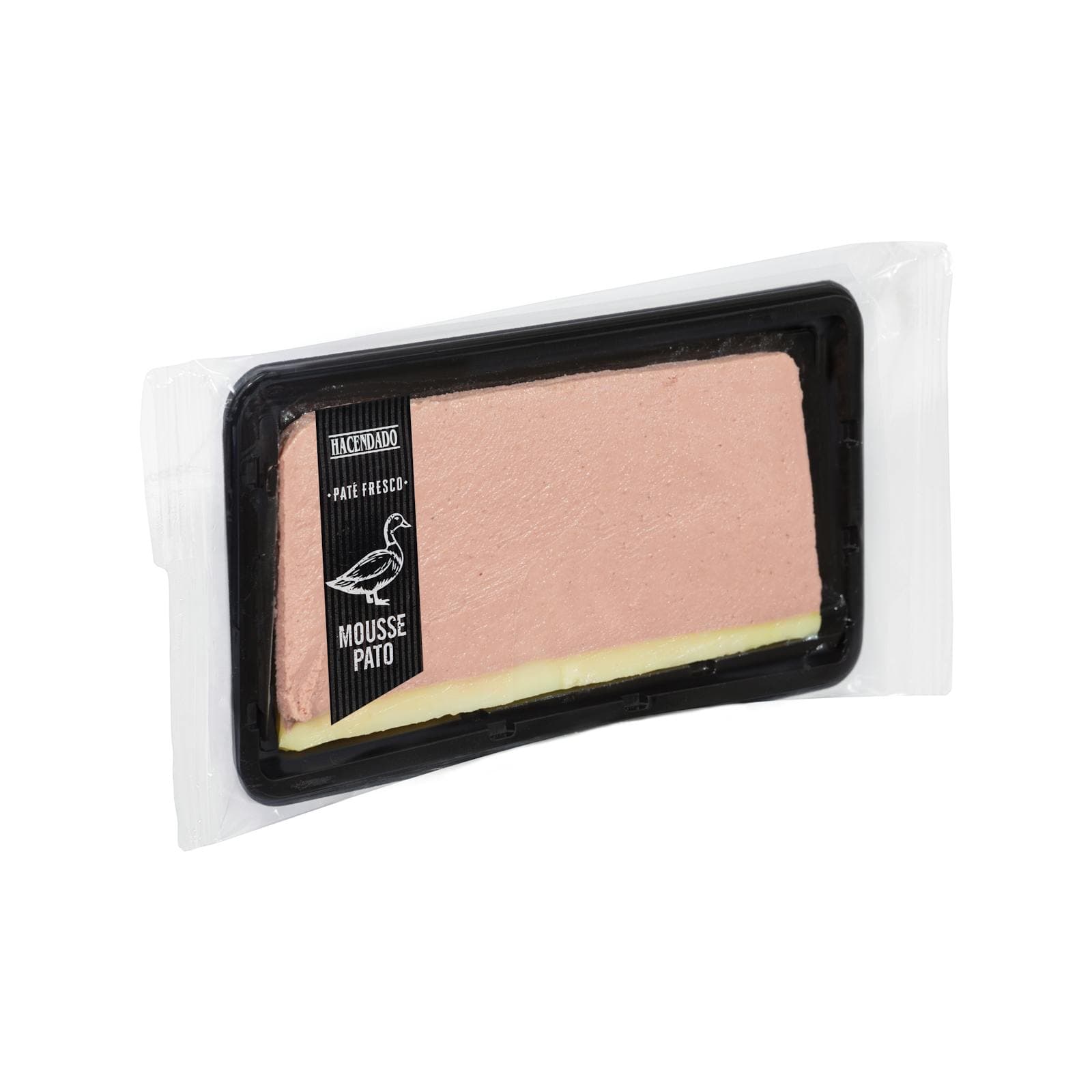
€1.90Duck Mousse
Hacendado · 100 g · Mercadona
 €8.85
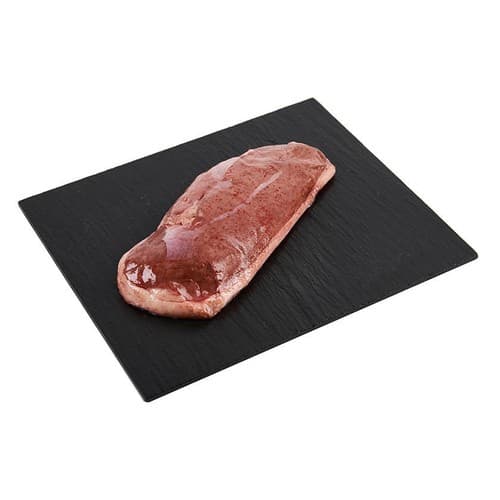
€8.85Duck Breast
BONPREU · kg · Bonpreu
 €9.12
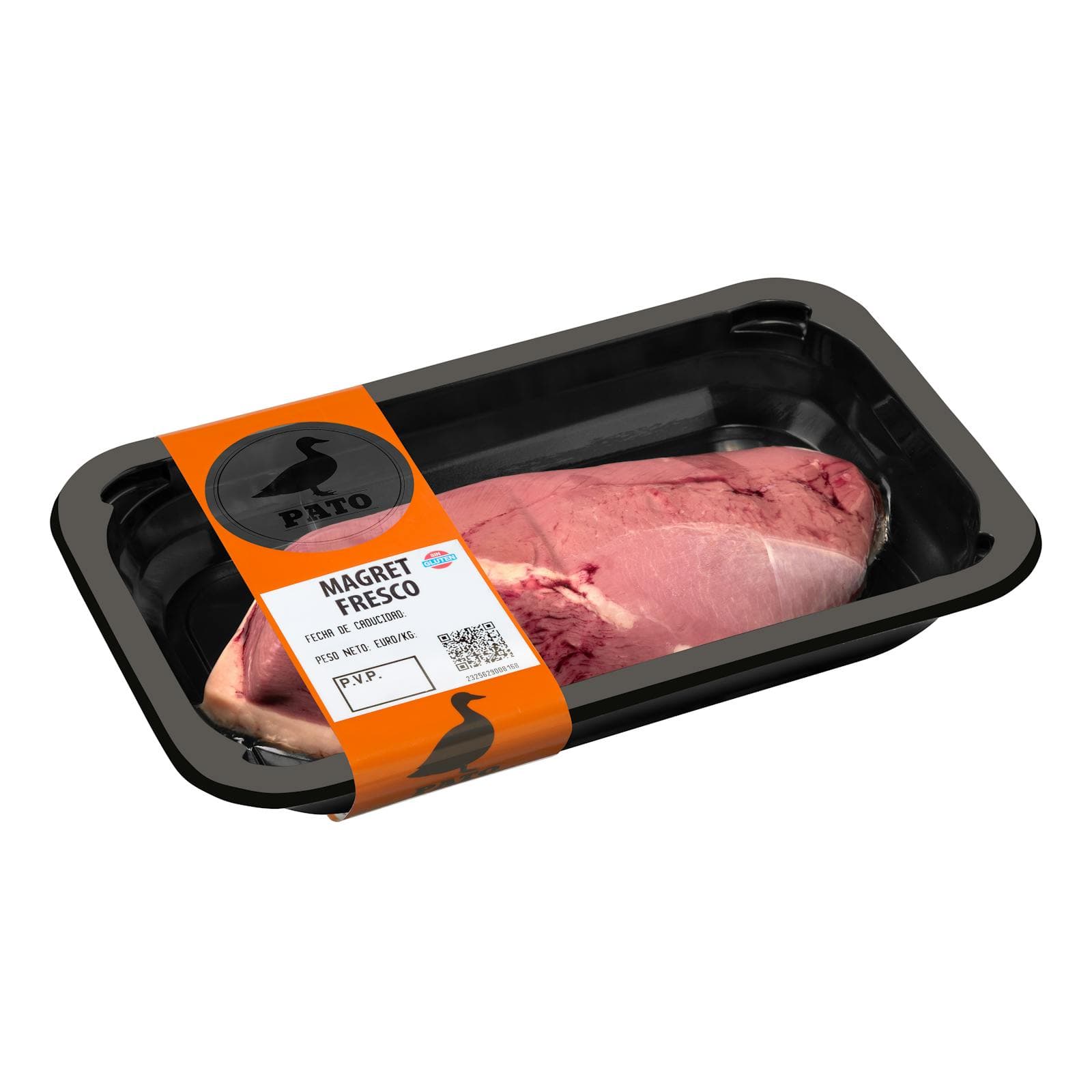
€9.12Duck Magret
380 g · Mercadona
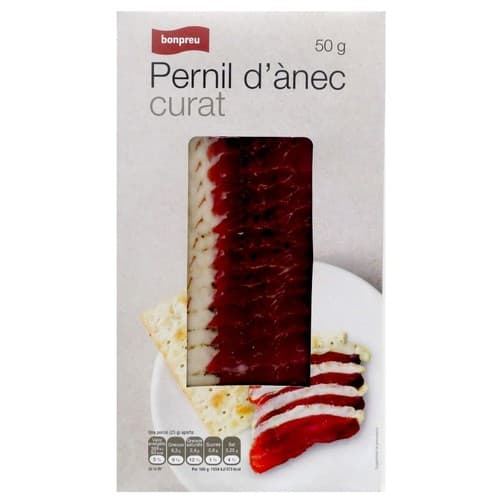 €3.99
€3.99Cured Duck Ham
BONPREU · kg · Bonpreu
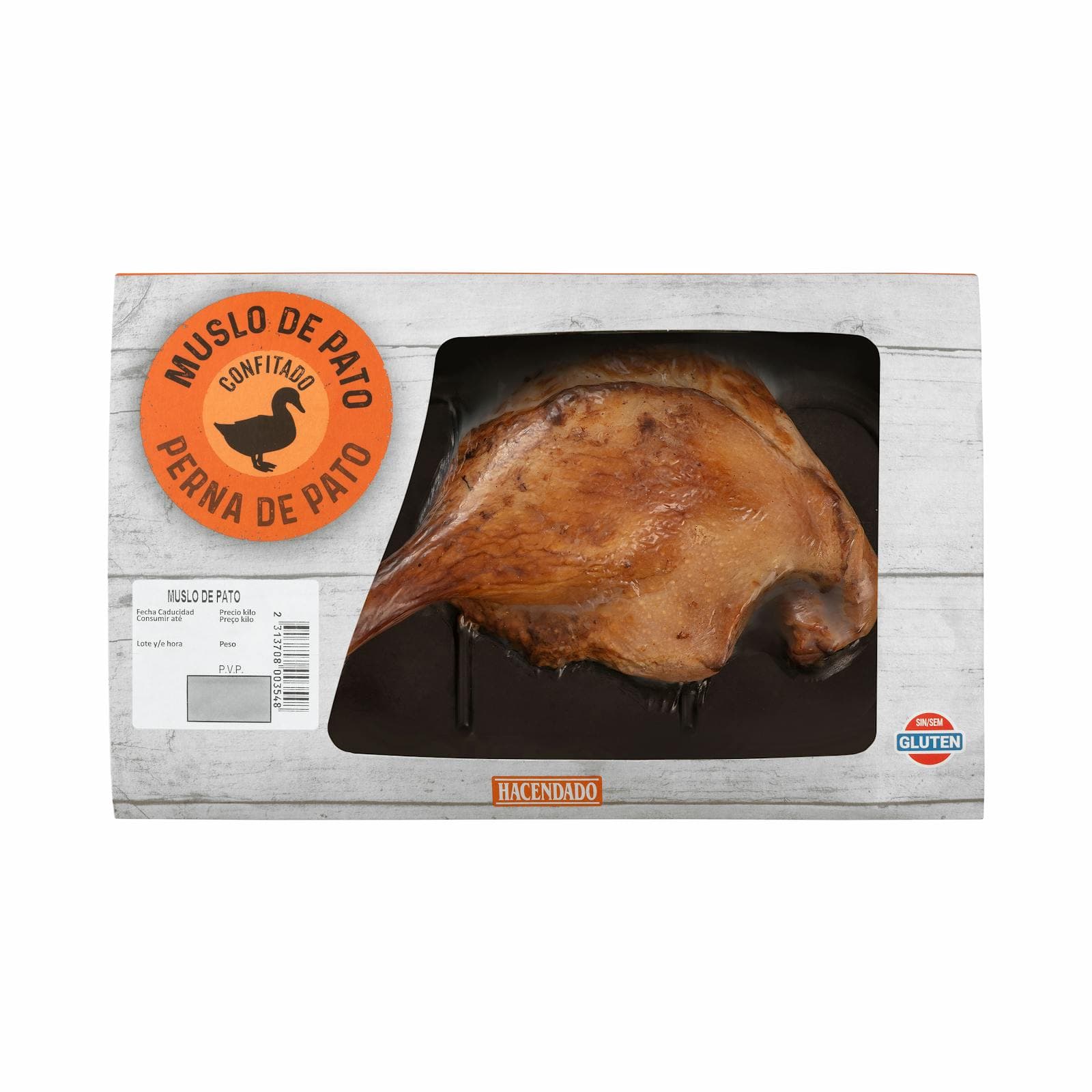 €6.30
€6.30Confit Duck Thigh
Hacendado · 300 g · Mercadona
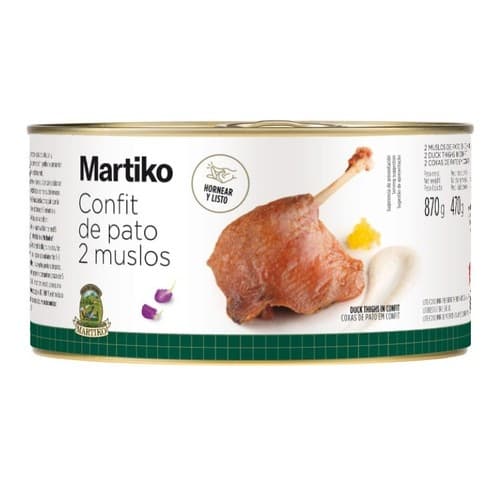 €17.99
MARTIKO Duck Legs
MARTIKO · kg · Bonpreu
Good to know
- Origin
- Southwest France (Gascony), developed by André Daguin in the 1950s
- Primary Breed
- Moulard duck (Muscovy × Pekin cross)
- Typical Weight
- 300–500g per breast (10–18 oz)
- Ideal Internal Temp
- 54–57°C (130–135°F) for medium-rare; never beyond 63°C (145°F)
- Flavor Profile
- Rich, gamey, beef-like; fat is sweet and renders to golden liquid
- Color
- Dark red muscle, white fat cap
- Yield
- ~75% edible after trimming and cooking loss
- Season
- Available year-round; peak quality in fall and winter
- Storage (Raw)
- Refrigerate until use-by date; freeze up to 6 months
- Storage (Cooked)
- Refrigerate up to 4 days
- Difficulty
- Moderate; fat-rendering technique is the key skill
- Equipment
- Heavy skillet (cast iron preferred); instant-read thermometer; sharp carving knife
Substitutes
- Pork chop (bone-in, thick-cut) — Closest texture and fat content; cook to medium-rare for similar juiciness
- Beef ribeye steak — Different flavor but similar cooking technique and doneness target; lacks the fat cap to render
- Muscovy duck breast — Direct substitute with slightly leaner results; adjust rendering time downward
- Veal chop — Similar tenderness and cooking target; lacks the fat cap and gamey notes
- Seared foie gras — Same duck origin, richer flavor; cook briefly over high heat; difficult but related substitute
Pairs with
Also called
Magret de Canard
Related
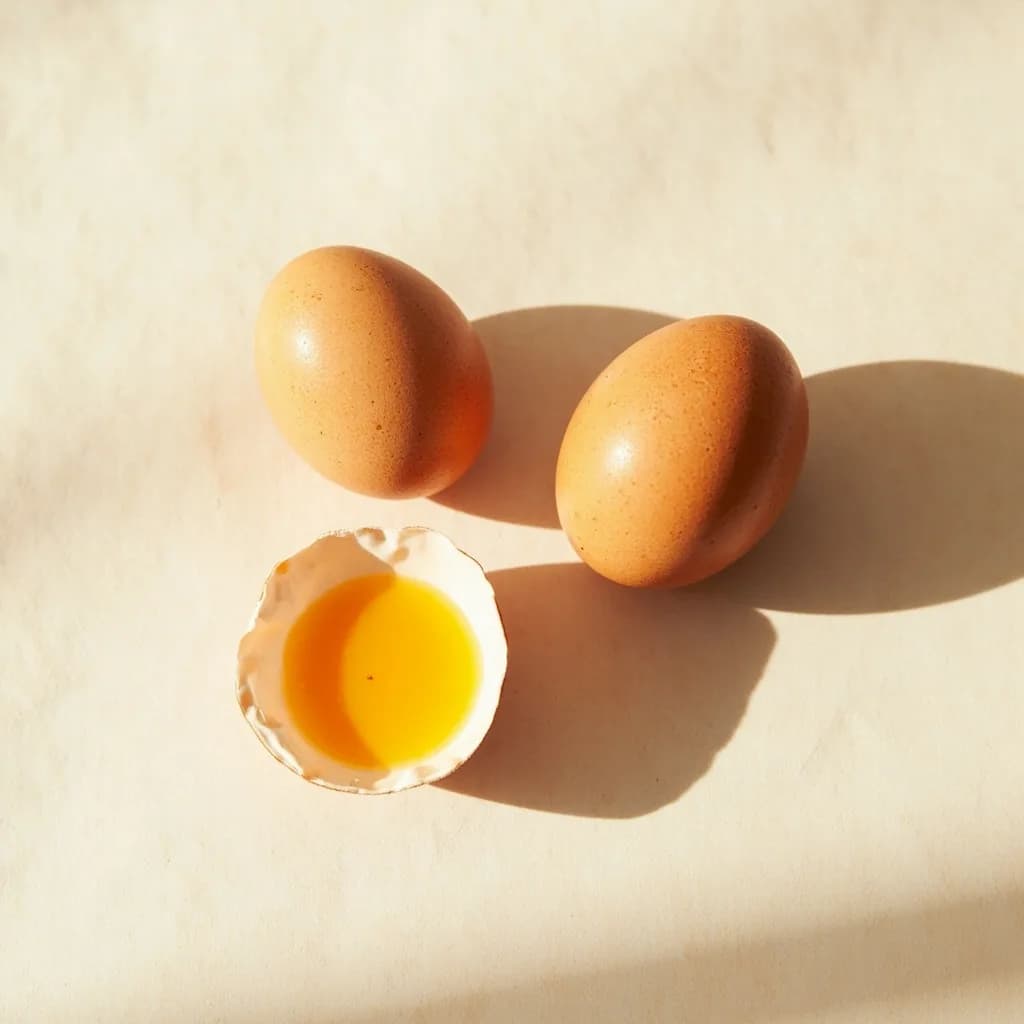
Egg
The kitchen's everything ingredient — bind, leaven, enrich, or fry
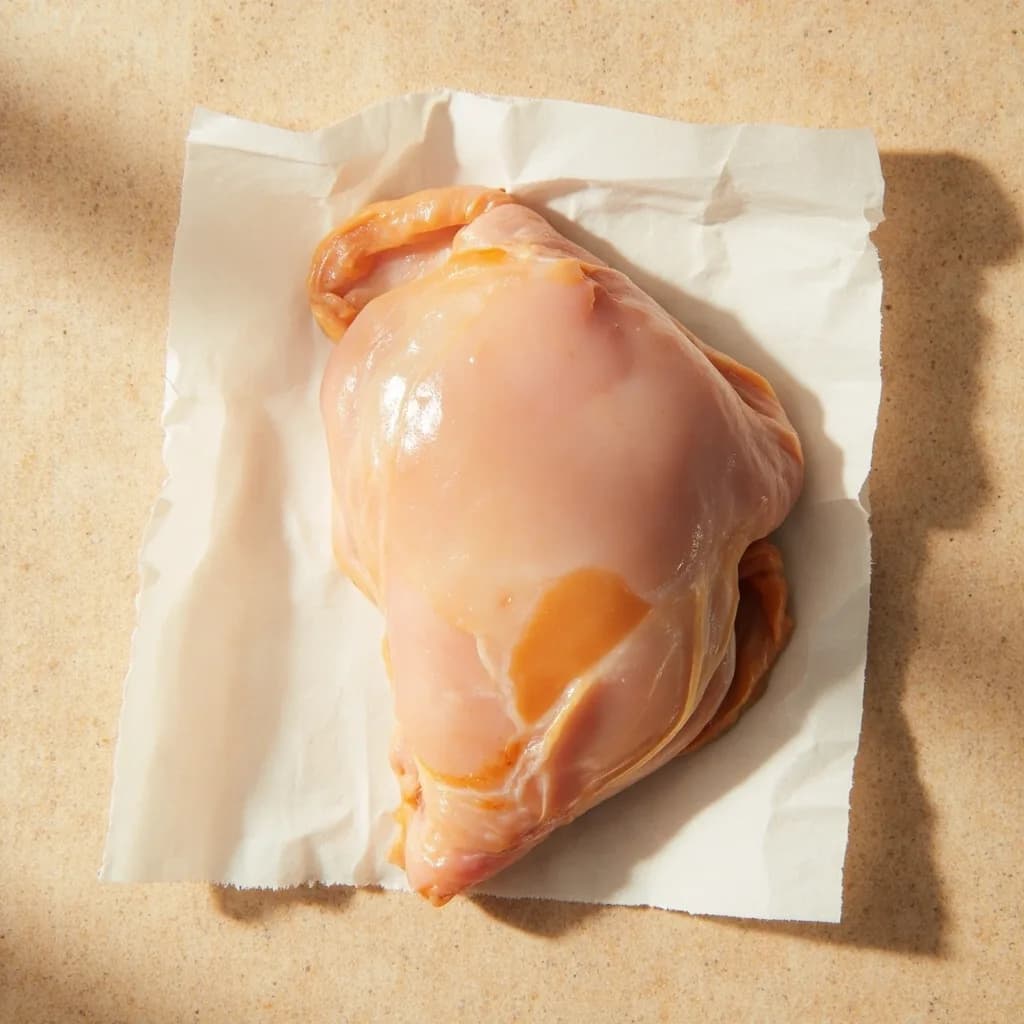
Chicken Breast
Lean, quick-cooking white meat for everyday dinners

Ground Beef
Versatile minced beef for burgers, ragù, tacos, and meatballs
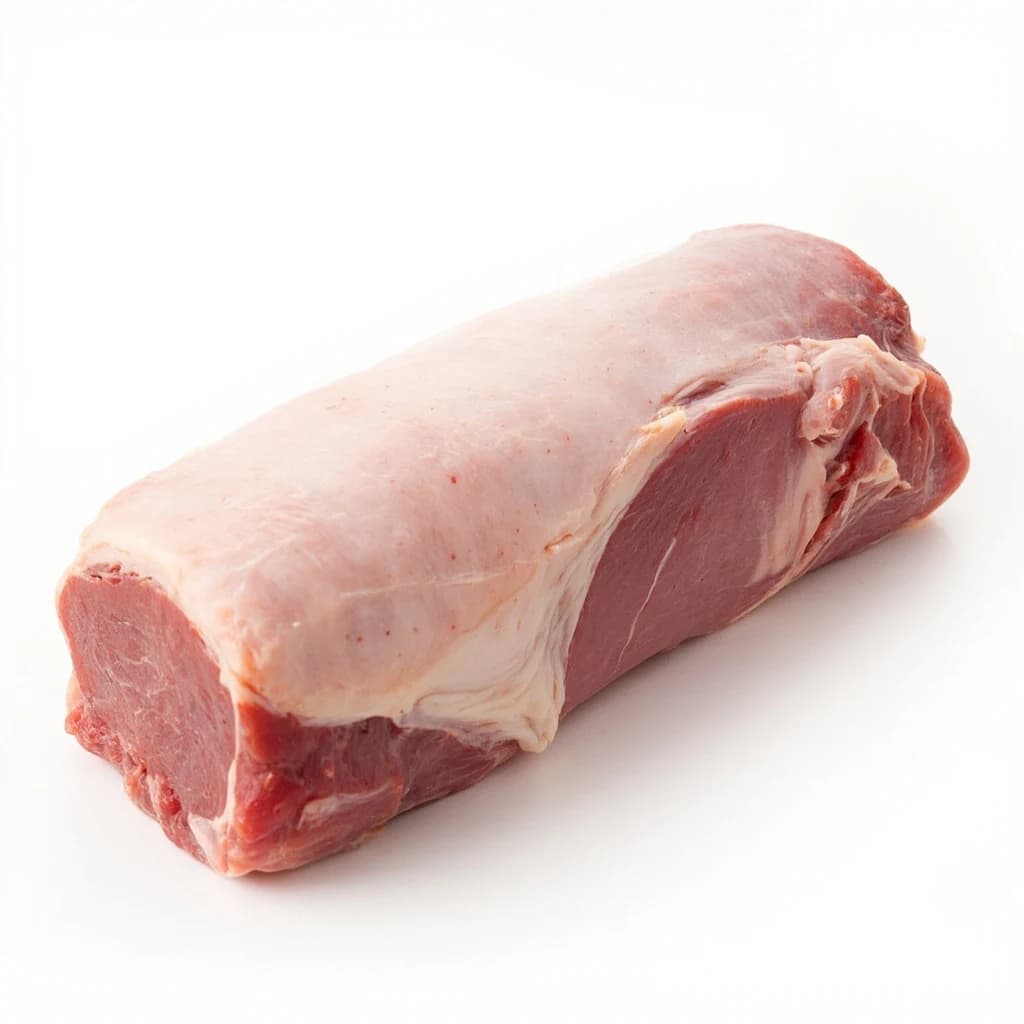
Pork Loin
Lean, tender roasting cut that stays juicy with care
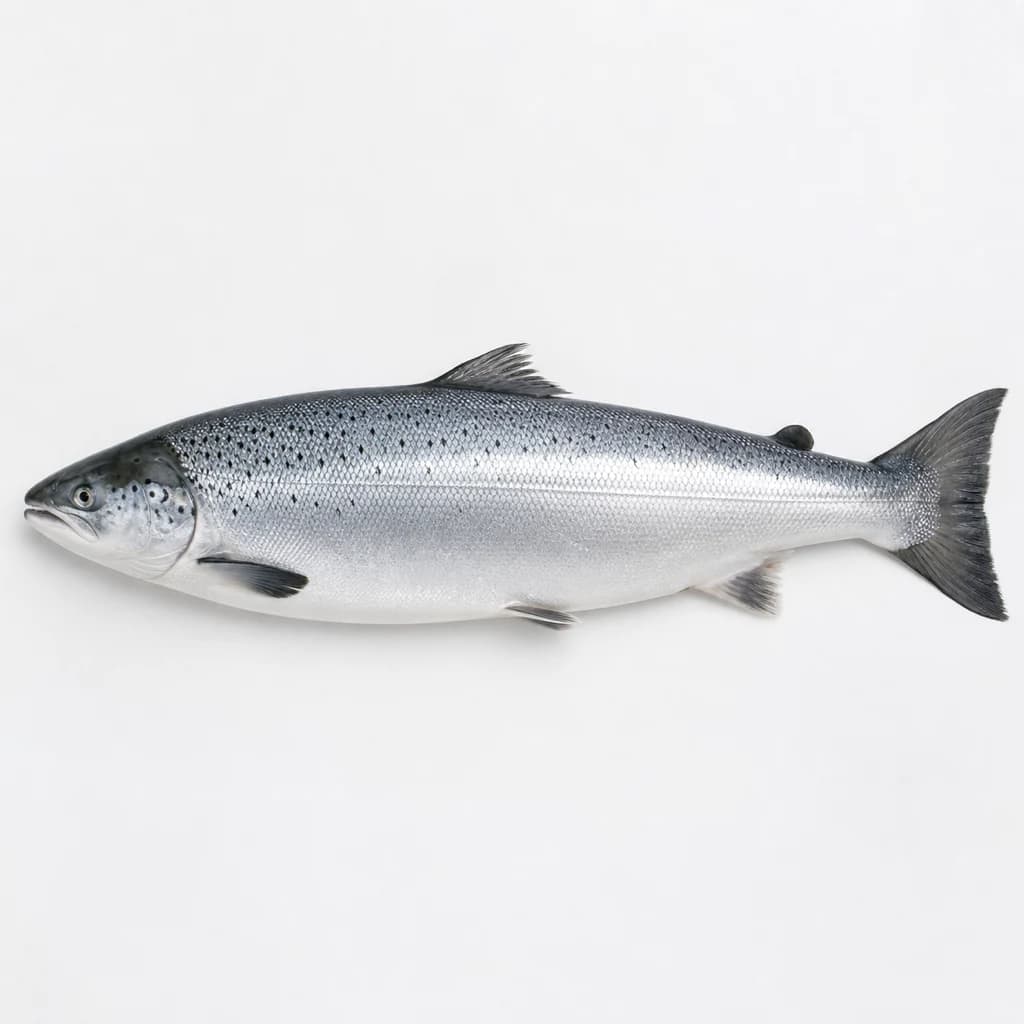
Salmon
Rich, rosy fish that roasts, grills, or cures beautifully

Egg White
Pure protein that whips to airy peaks for meringue and more
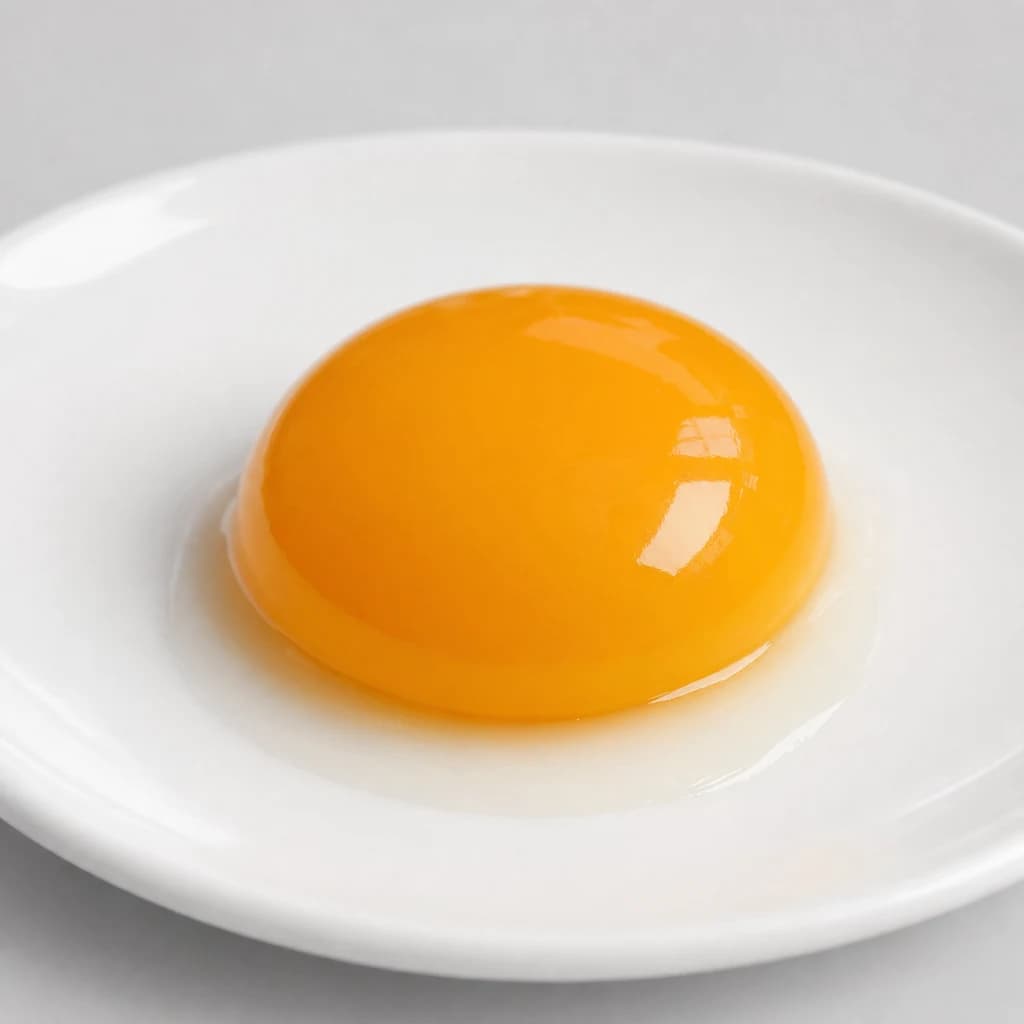
Egg Yolk
Rich, golden yolk for custards, mayonnaise, and pasta

Quail Egg
Tiny, speckled eggs for garnishing and elegant bites