Natural form
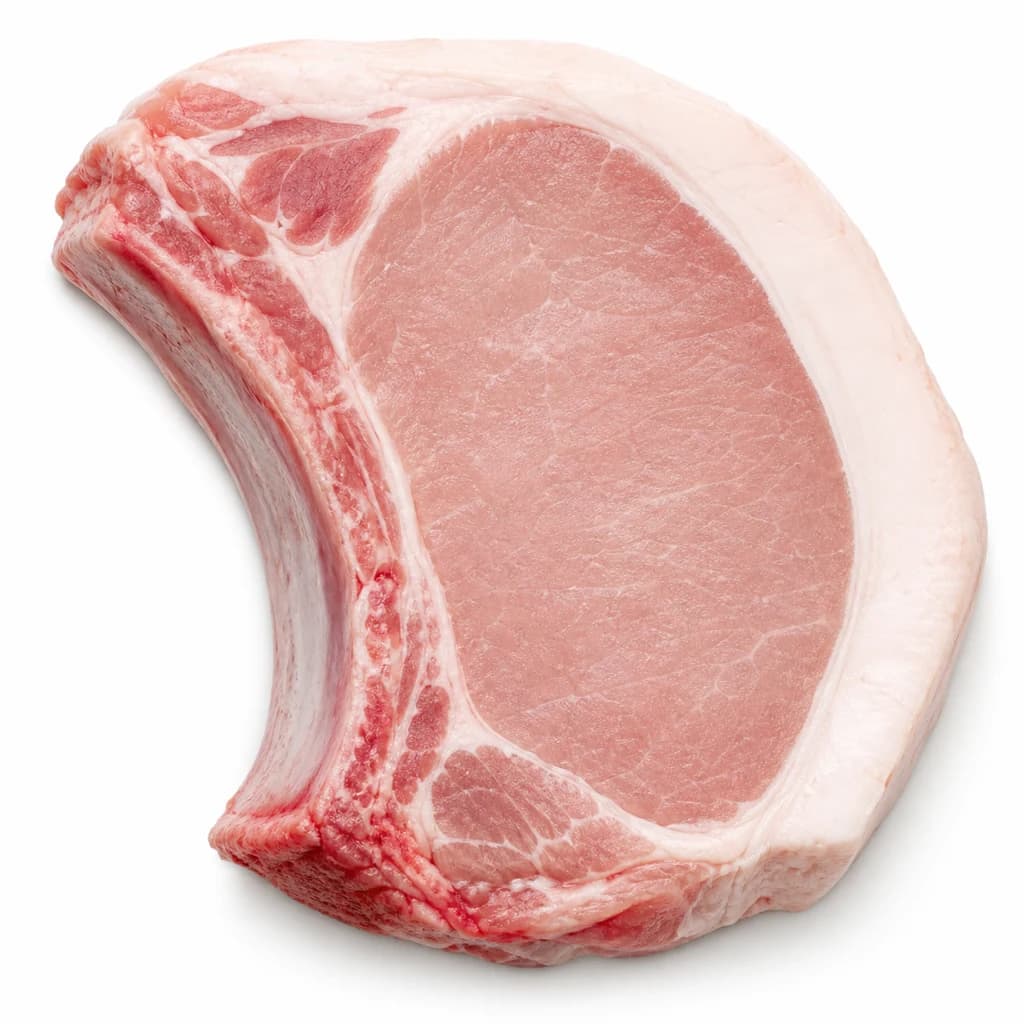
Bone-in pork loin chop showing the characteristic T-bone cross-section and fat cap.
Establishes the defining anatomy — the exposed rib bone, loin eye muscle, and surrounding fat layer — so readers can identify a raw pork chop at the butcher or market.
Proteins
Pork Chop
Crosscut of pork loin, pan-seared, grilled or breaded into a versatile main.
A pork chop is a cut taken across the pig's loin, sold bone-in or boneless. It is quick-cooking and versatile, pan-seared, grilled, breaded as a schnitzel or katsu, or braised. Because the loin is lean, it is best cooked to just done and rested to stay juicy.
The pork chop is a cross-section cut from the loin of the pig, taken between the shoulder and the hind leg. Unlike rib or baby back cuts, which come from the side belly, pork chops come from the loin muscle—a relatively lean, dense section that runs along the back of the animal. This cut delivers a firm, meaty texture with a mild, slightly sweet flavor that makes it one of the most versatile pork preparations in American cooking. The loin produces several distinct chop varieties depending on where along the length the cut is made, each with different characteristics in marbling, tenderness, and best cooking method.
Bone-in pork chops retain moisture significantly better during cooking than boneless cuts, as the bone acts as a heat conductor and creates a natural barrier against overcooking the center. Modern American pork is bred substantially leaner than historic varieties, which means overcooking—the primary failure mode—produces dry, tough results far more readily than with fattier cuts. Understanding this characteristic shifts your entire approach: with pork chops, gentle heat and precise timing matter far more than aggressive seasoning or heavy sauces.
Thickness is the single most important factor in determining success. Chops thinner than 1 inch will overcook before developing proper browning, making them difficult to render correctly. Always seek cuts at least 1 to 1.5 inches thick for direct searing or grilling; the extra mass allows you to develop a proper sear while bringing the interior to temperature without the exterior becoming tough. Tougher cuts from the blade or shoulder end, while less expensive, are excellent when subjected to low, slow moist-heat cooking methods like braising rather than the high-heat searing suitable for loin cuts.
- Measured in
- piece
- Storage
- Fridge
Types & varieties
Bone-in with rib bone attached; well-marbled, most flavorful; often includes tenderloin attachment on one side; ideal for searing
Thick, uniform cut from mid-loin; available bone-in or boneless; most consistent quality for pan-searing or grilling
Boneless cut from top of loin; leanest variety; widely available in supermarkets; best cooked quickly over high heat
Cut from shoulder end near blade bone; heavily marbled but requires slower cooking; richer, deeper pork flavor; excellent for braising
Cut near the hip; leaner and slightly tougher; benefits from braising or marinating before high-heat cooking
Actually a pork chop from the blade end; thick, meaty, often boneless; best suited for braising or slow roasting
Why Thickness Determines Everything
The thickness of a pork chop is the single most important quality indicator and the factor most predictive of cooking success. Chops cut at 3/4 inch or less are nearly impossible to cook properly—they overcook and dry out before a proper sear can develop. Seek cuts at least 1.25 to 1.5 inches thick, or ask your butcher to cut them to order. Thick cuts allow you to sear aggressively in a hot pan while bringing the interior to temperature gradually, resulting in a browned exterior with a juicy, slightly pink center. If you encounter a thinner cut, reduce heat significantly and monitor with a thermometer, or use it for quick-cook applications like stir-fries where residual carryover cooking is minimal.
- Ask butcher to cut thick (1.5-inch) chops to order for best results
- Thick cuts allow sear-and-finish oven method for reliable doneness
- Thin cuts (<1 inch) are only suitable for stir-fries or rapid high-heat cooking
Understanding Pork Doneness
USDA guidelines changed in 2011 to reflect that pork cooked to 145°F with a three-minute rest is safe and optimally juicy—similar to beef recommendations. The traditional well-done standard of 160°F produces significantly drier meat. For a true medium-rare result with good color throughout, target 145°F internally and rest the chop uncovered for at least 5 minutes before cutting. Carryover cooking will raise internal temperature 5-10°F during rest. Never rely on the color of juices or meat firmness to gauge doneness; an instant-read thermometer is essential equipment for consistently successful results.
- Medium-rare: 145°F internal, rest 5 minutes for optimal juiciness
- Medium: 160°F internal; well-done produces noticeably drier meat
- Carryover adds 5-10°F during resting period
Common uses
Tips & pitfalls
- Bring chops to room temperature 30-45 minutes before cooking for even doneness throughout the cut
- Pat completely dry with paper towels before searing—surface moisture is the enemy of browning
- Season aggressively with salt 30-40 minutes ahead, or dry-brine overnight in the refrigerator for deeper seasoning penetration
- Use an instant-read thermometer to check doneness—never rely on cut color or meat firmness
- Rest chops 5-10 minutes after cooking uncovered to allow juices to redistribute before cutting
- Score the fat cap at 1-inch intervals if bone-in to prevent curling and uneven searing
- For thick cuts (1.5 inches or more), sear in a screaming-hot pan 2-3 minutes per side, then finish in a 350°F oven
- Avoid crowding the pan—cook in batches maintaining proper searing temperature for optimal browning
- Braise blade and sirloin chops low and slow (325°F or lower) for at least 90 minutes to fully render connective tissue
- Deglaze the pan with wine, stock, or fruit juice to make a quick pan sauce while the chop rests
- The most common mistake is cooking too high for too long—lower heat and patience produce better results than aggressive heat
- Avoid cutting into the chop immediately after cooking; this releases all the accumulated juices onto the cutting board
Nutrition
Nutrition
No USDA FoodData Central match for Pork Chop yet. We surface a per-100 g profile once a generic whole-food entry is matched and verified.
In the shops
Matched grocery products
 €2.20
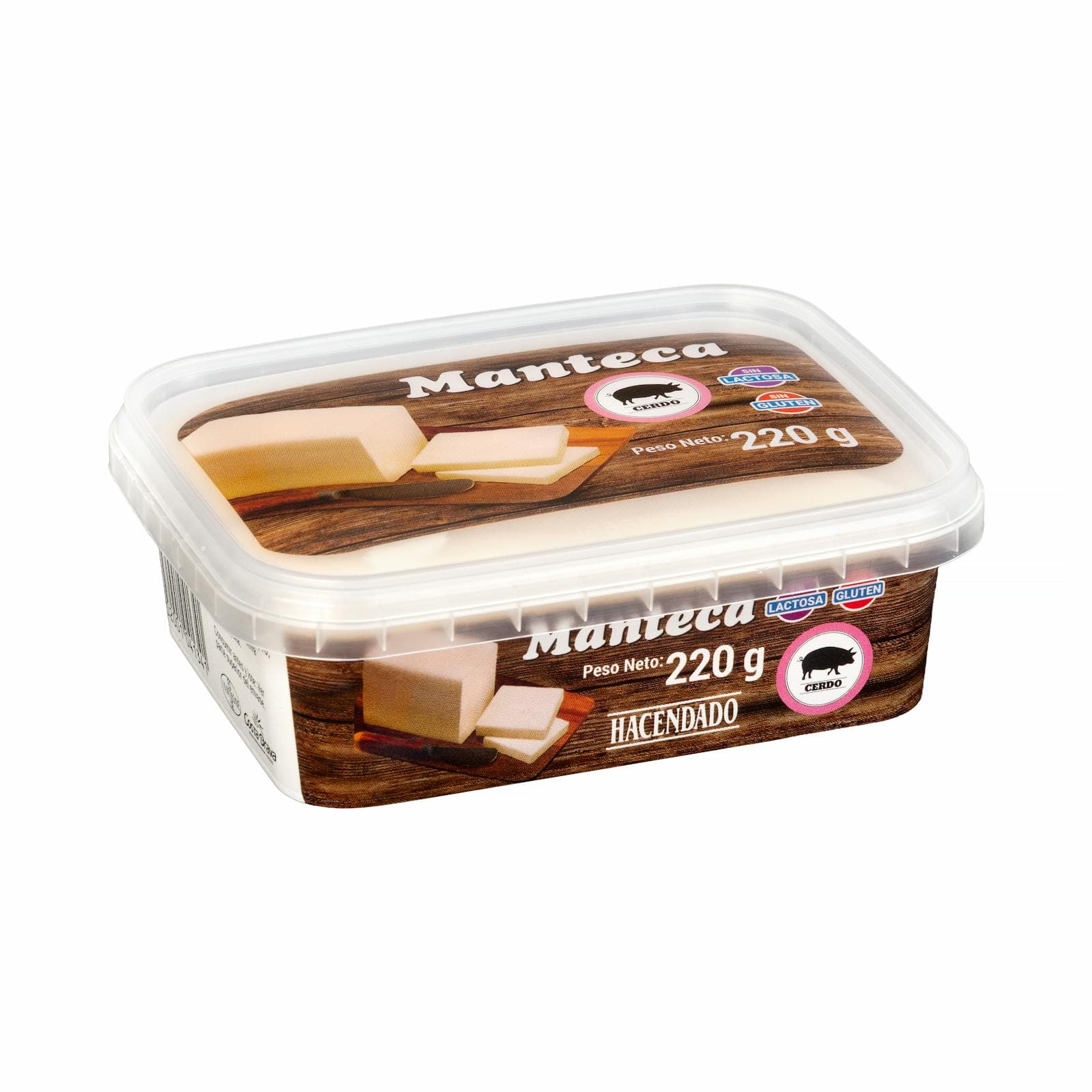
€2.20Pork Lard
Hacendado · 220 g · Mercadona
 €3.40
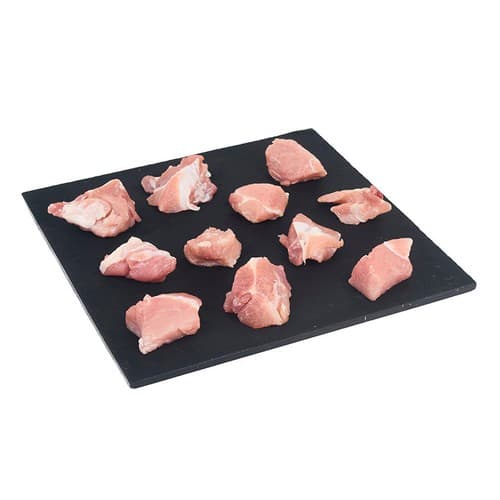
€3.40Pork Stew
BONPREU · ud · Bonpreu
 €3.45
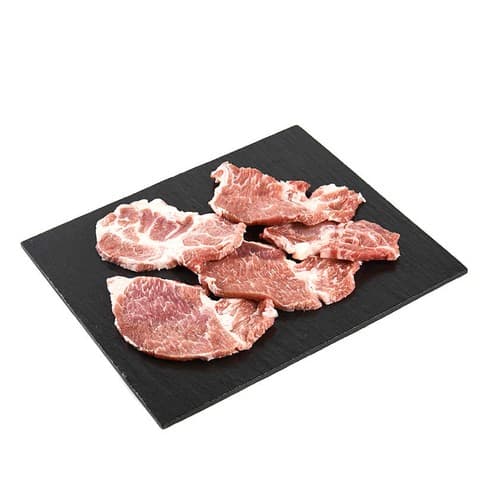
€3.45Lean Pork
BONPREU DE L'ERA · ud · Bonpreu
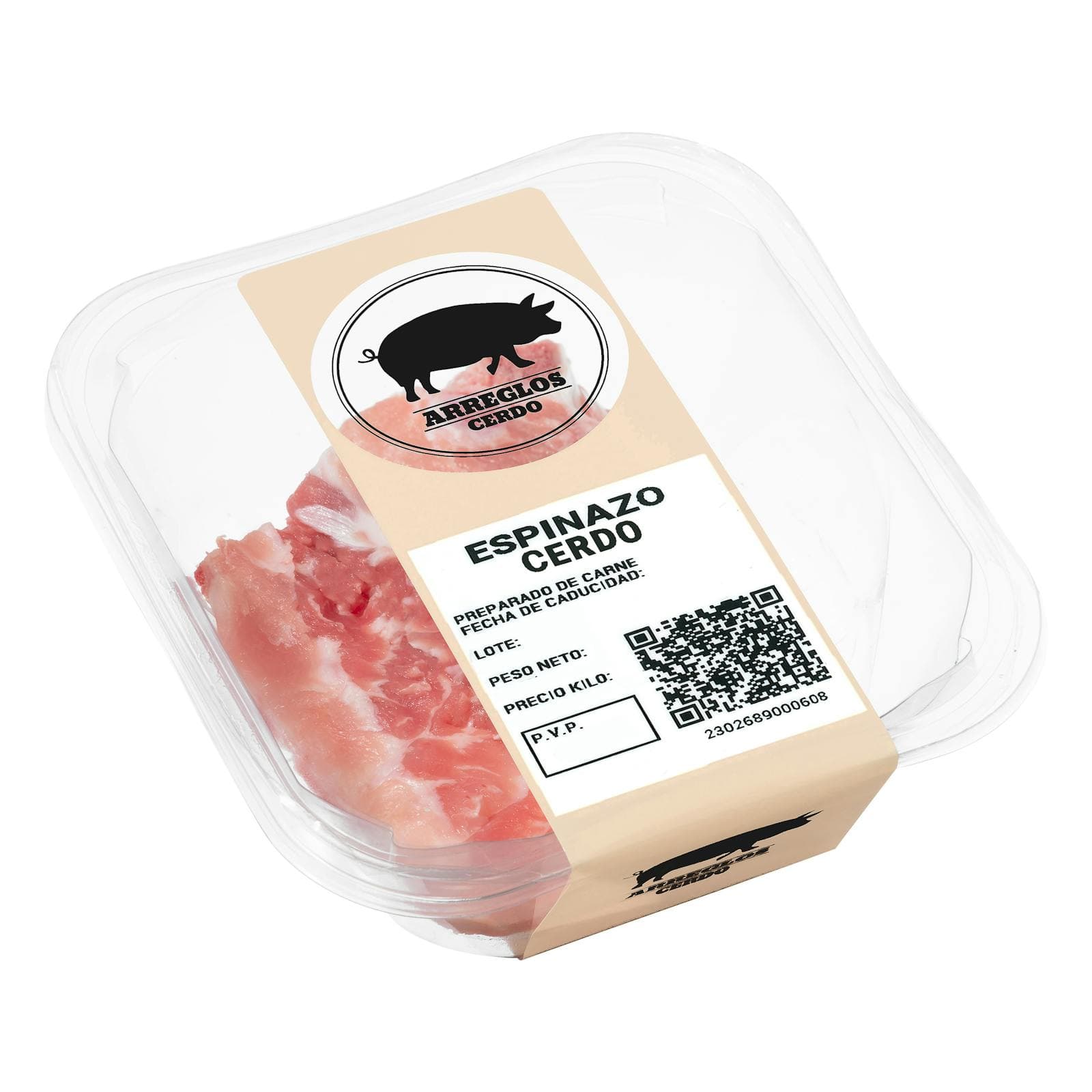 €2.10
€2.10Pork Spine
300 g · Mercadona
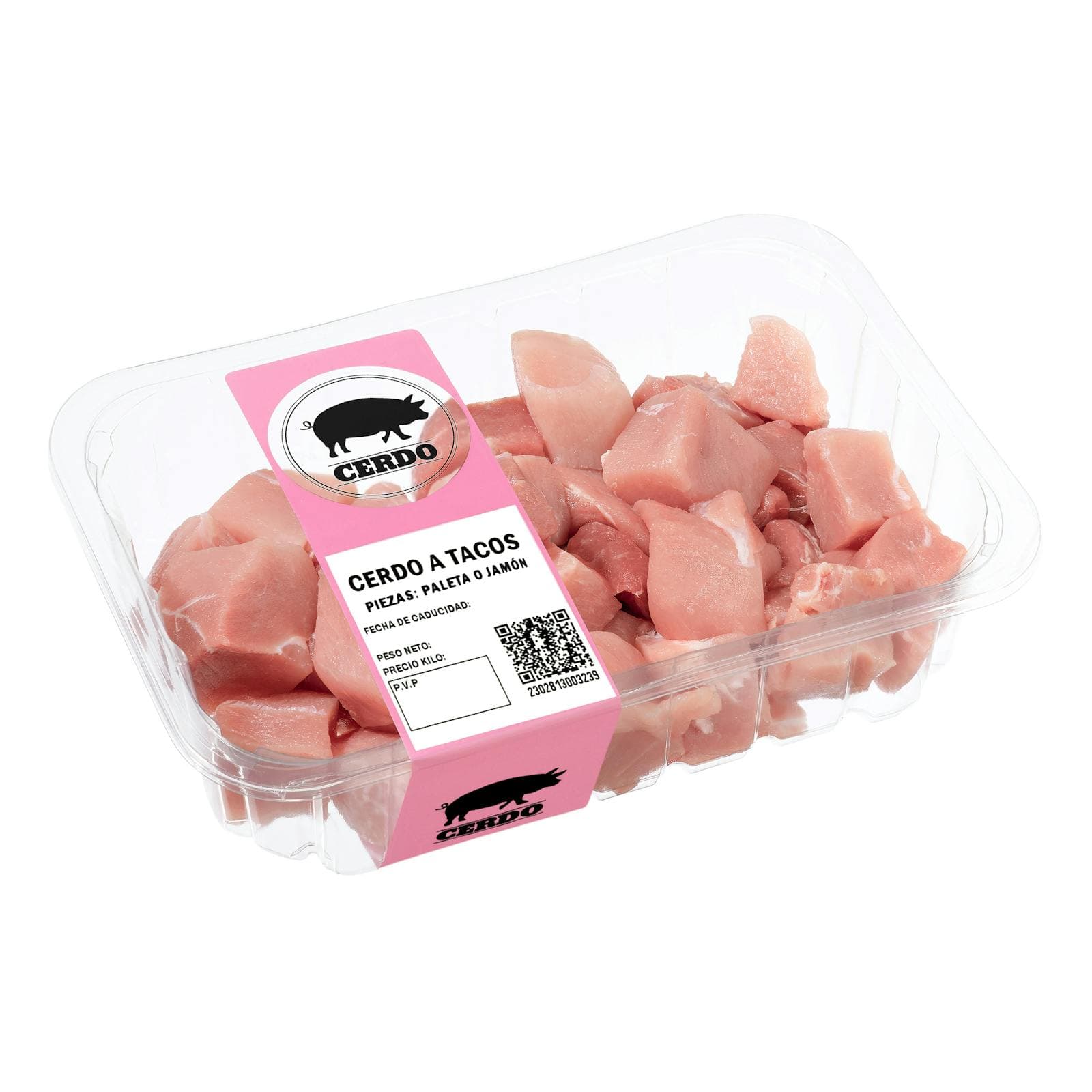 €3.22
€3.22Diced Pork
560 g · Mercadona
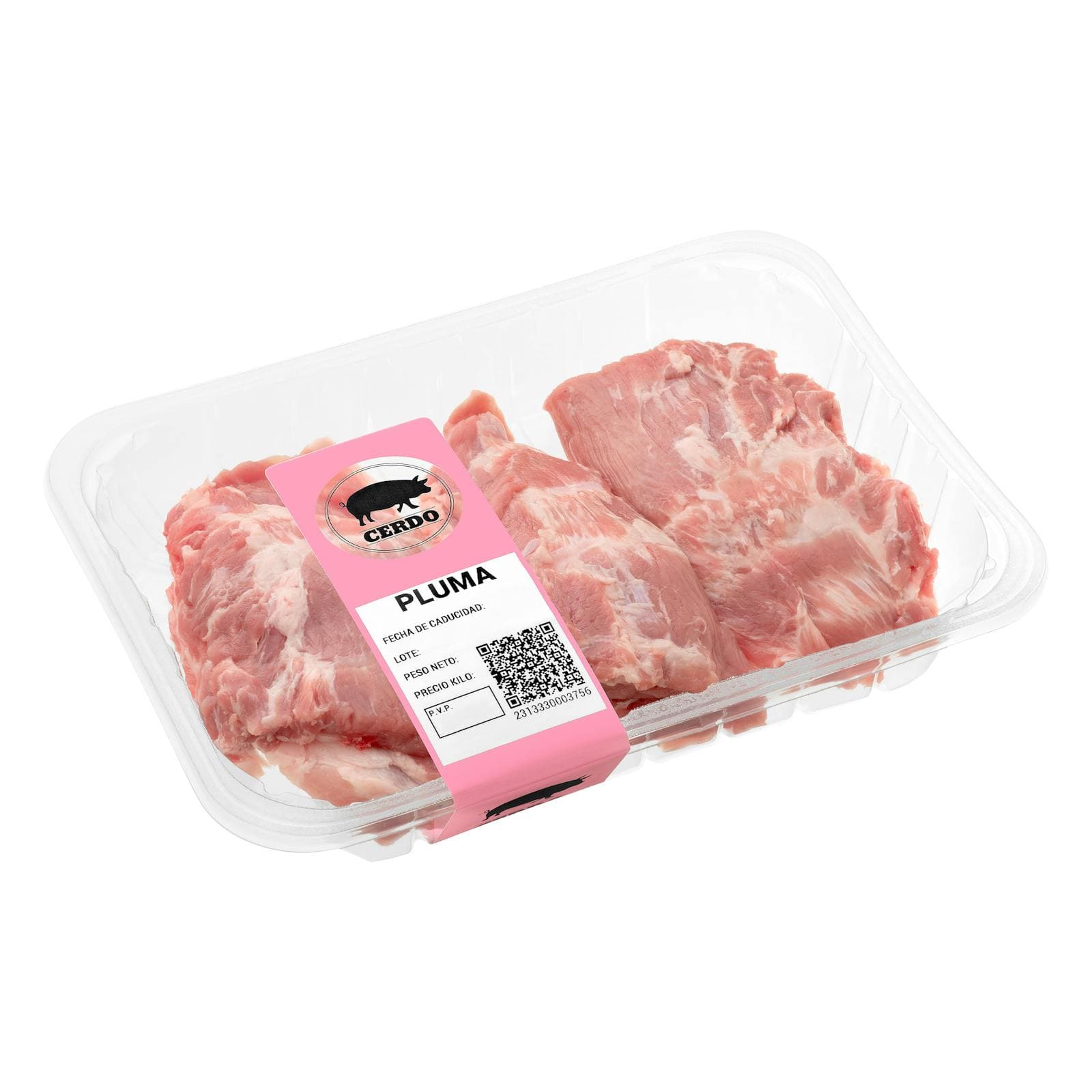 €3.75
€3.75Pork Pluma
300 g · Mercadona
Good to know
- Source
- Cross-section cut from the pork loin, between shoulder and hind leg
- Bone Structure
- Typically bone-in (rib or loin bone) or boneless (center-cut); bone-in retains moisture better
- Recommended Thickness
- 1 to 2 inches for direct cooking; thicker cuts retain moisture and allow proper browning
- Safe Internal Temp (USDA)
- 145°F (63°C) with 3-minute rest for medium-rare; 160°F (71°C) for medium
- Flavor Profile
- Mild, slightly sweet, lean; marbling varies dramatically by cut location
- Refrigerator Storage
- 1-2 days raw; 3-4 days cooked
- Freezer Storage
- 4-6 months raw; 2-3 months cooked
- Cooked Yield
- Approximately 50-55% after bone removal and trimming
- Peak Season
- Year-round availability; best quality from fall through winter
Substitutes
- Pork Tenderloin — Different cut from loin muscle; much leaner and more tender; cooks 30% faster; not a direct substitute in most preparations
- Veal Chop — Similar bone-in cut with richer, more delicate flavor; requires gentler cooking; best for pan-searing or grilling
- Lamb Loin Chop — Comparable cooking time and method; distinctly lamby flavor; works well for Mediterranean preparations
- Chicken Breast — Similar lean protein; lacks natural fat cap; requires more careful timing; absorbs marinades faster
- Thick-Cut Ham Steak — Pre-cooked and smoked; much saltier; needs only reheating; not suitable for raw preparations
Pairs with
Also called
Boneless Pork Chop · Pork Loin Chop
Appears in these dishes
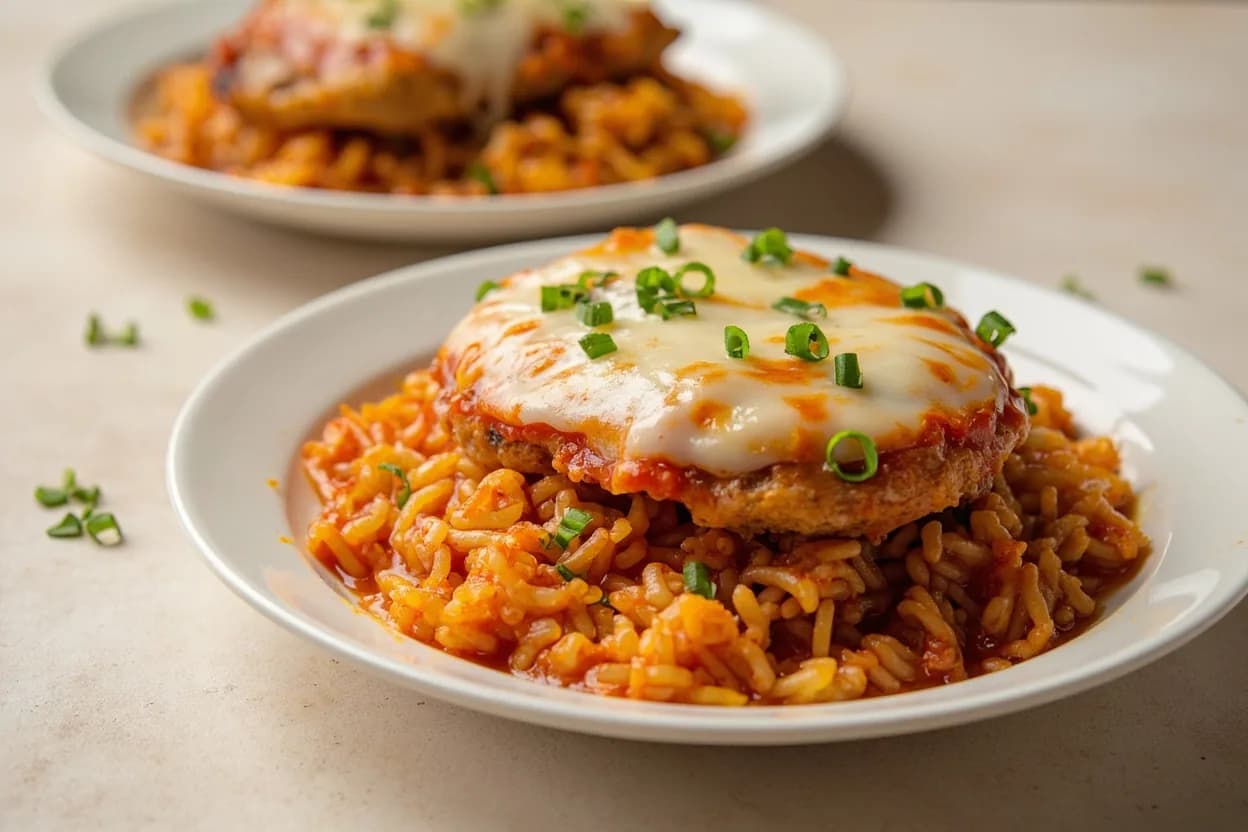
Related
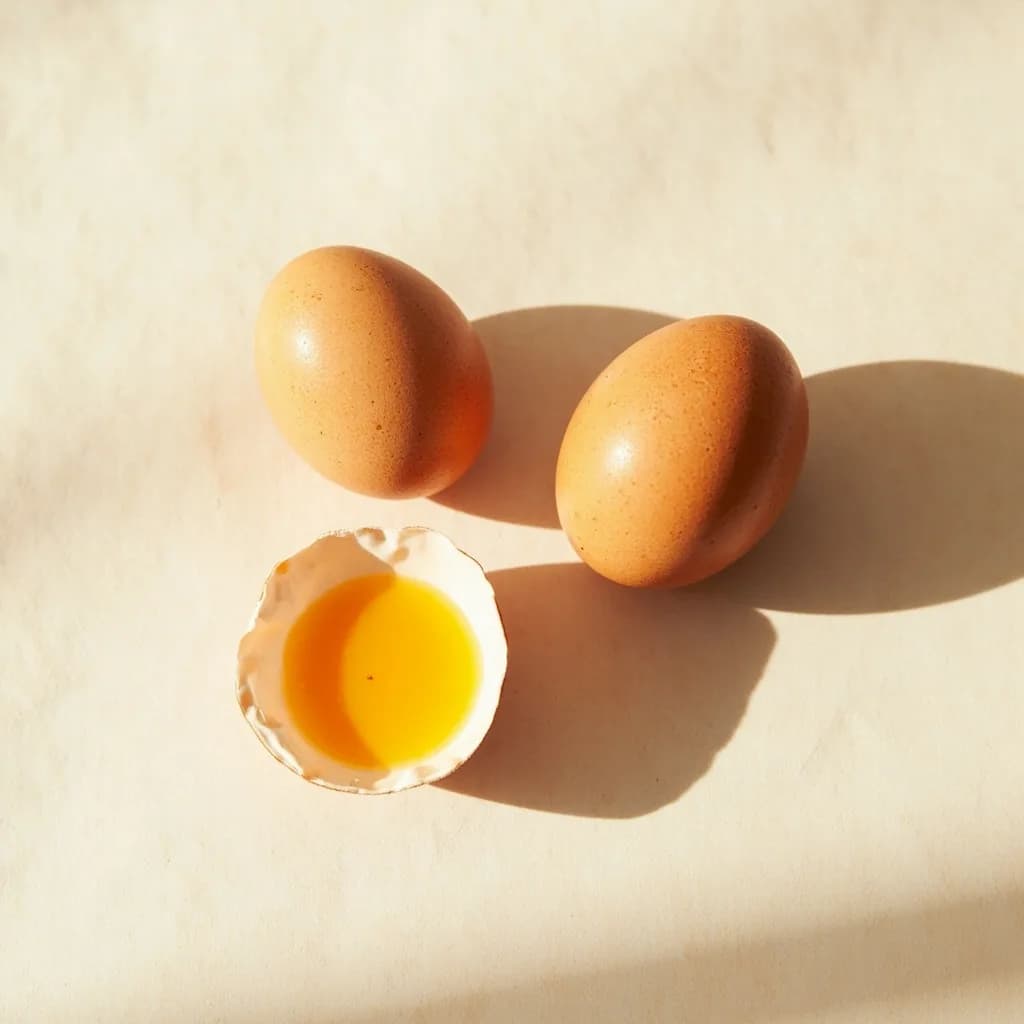
Egg
The kitchen's everything ingredient — bind, leaven, enrich, or fry
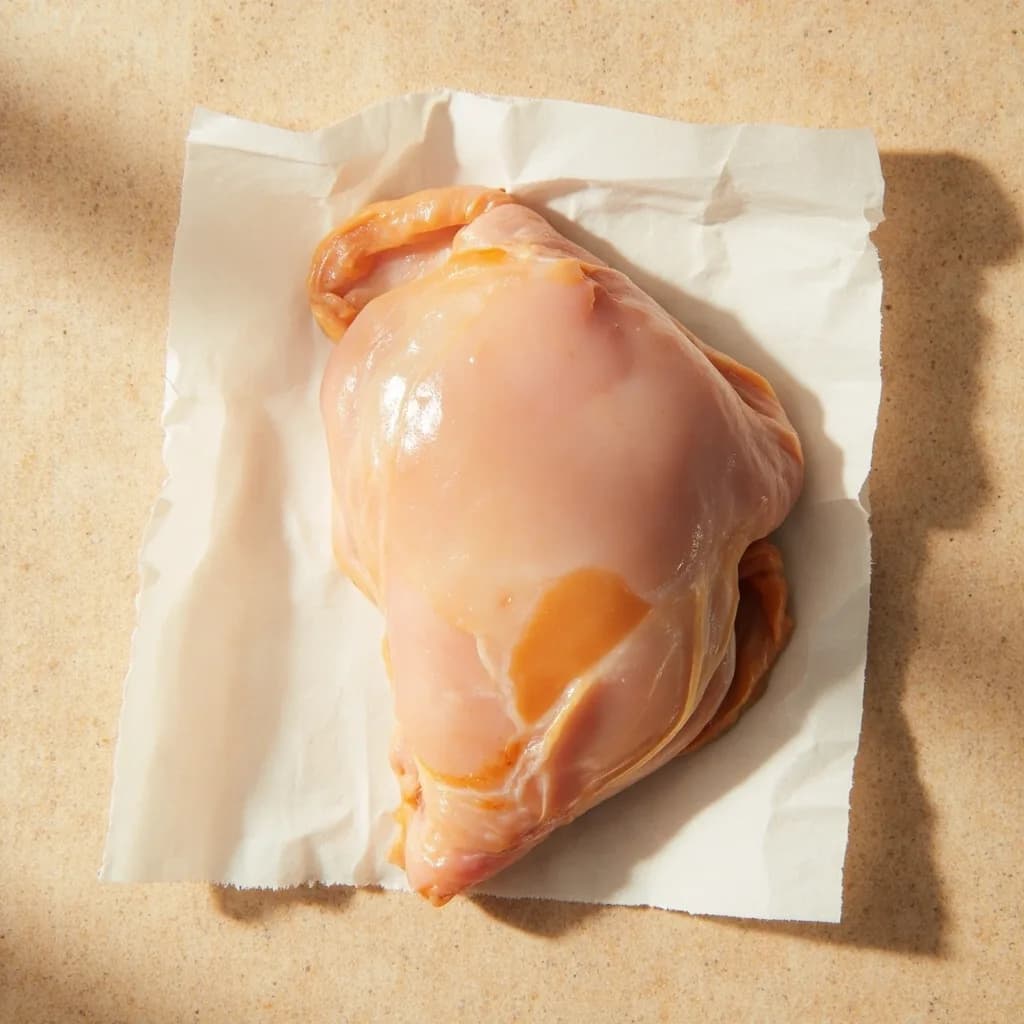
Chicken Breast
Lean, quick-cooking white meat for everyday dinners

Ground Beef
Versatile minced beef for burgers, ragù, tacos, and meatballs
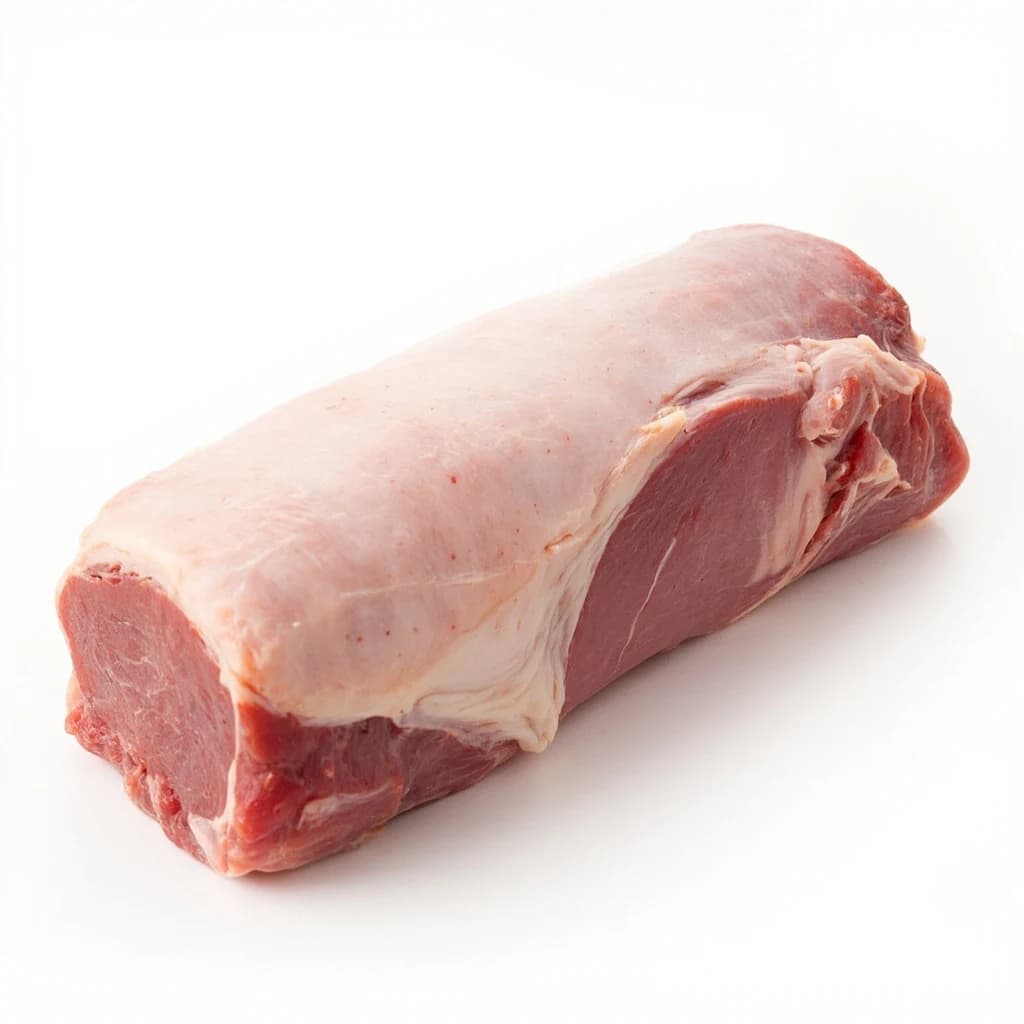
Pork Loin
Lean, tender roasting cut that stays juicy with care
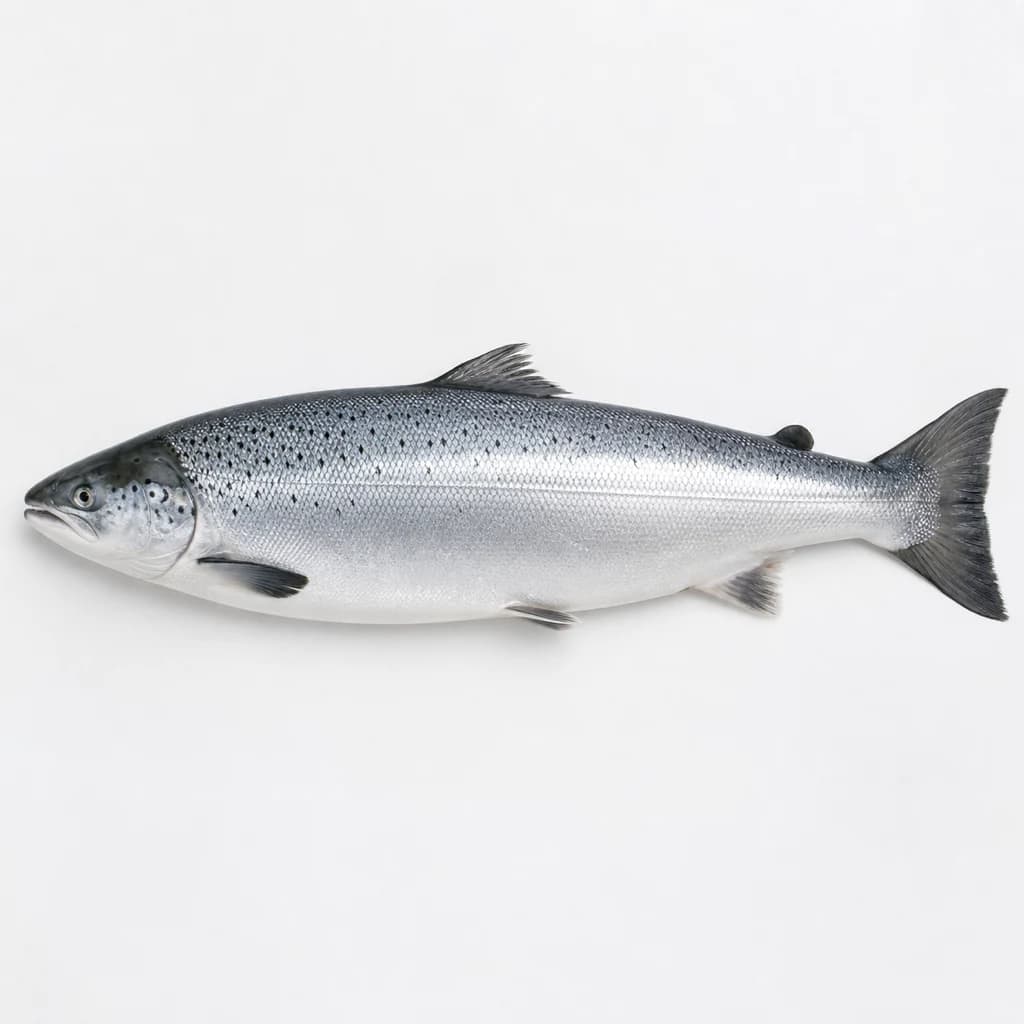
Salmon
Rich, rosy fish that roasts, grills, or cures beautifully

Egg White
Pure protein that whips to airy peaks for meringue and more
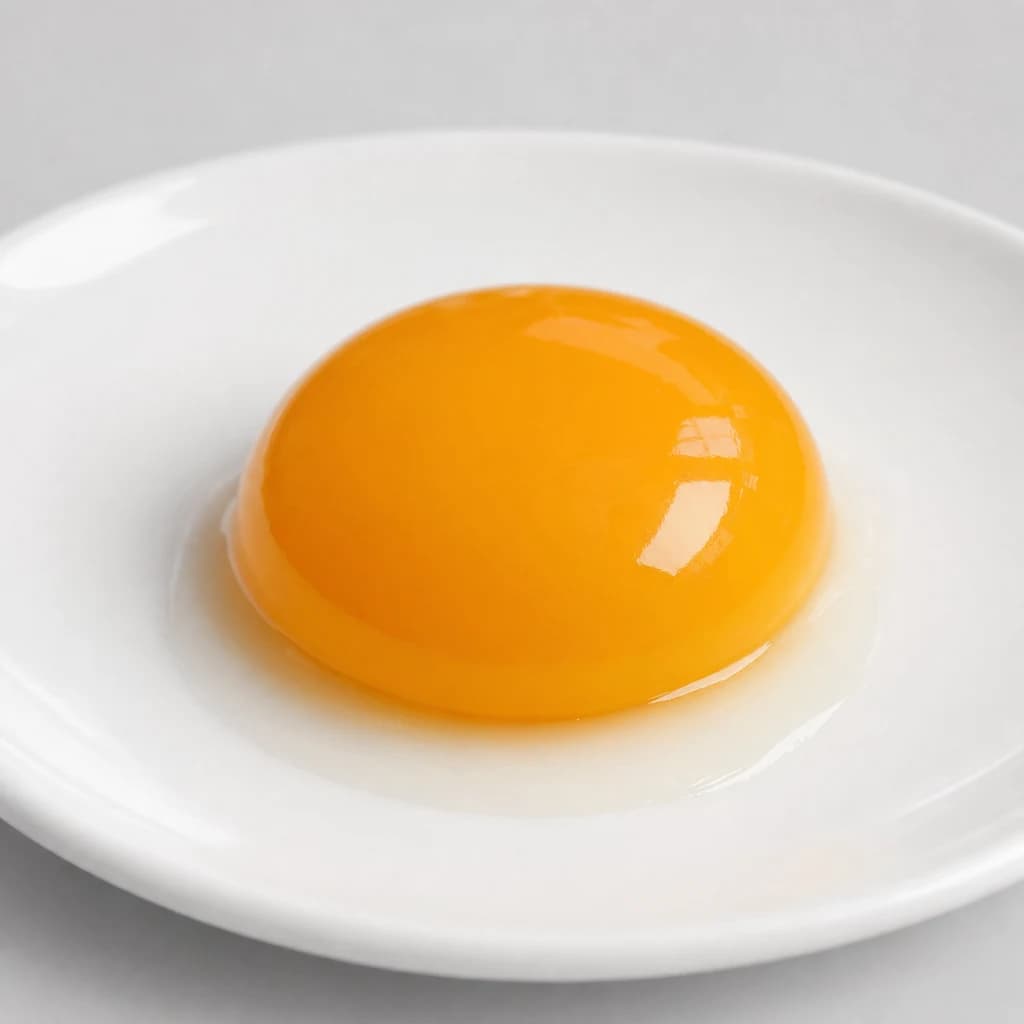
Egg Yolk
Rich, golden yolk for custards, mayonnaise, and pasta

Quail Egg
Tiny, speckled eggs for garnishing and elegant bites