Varieties
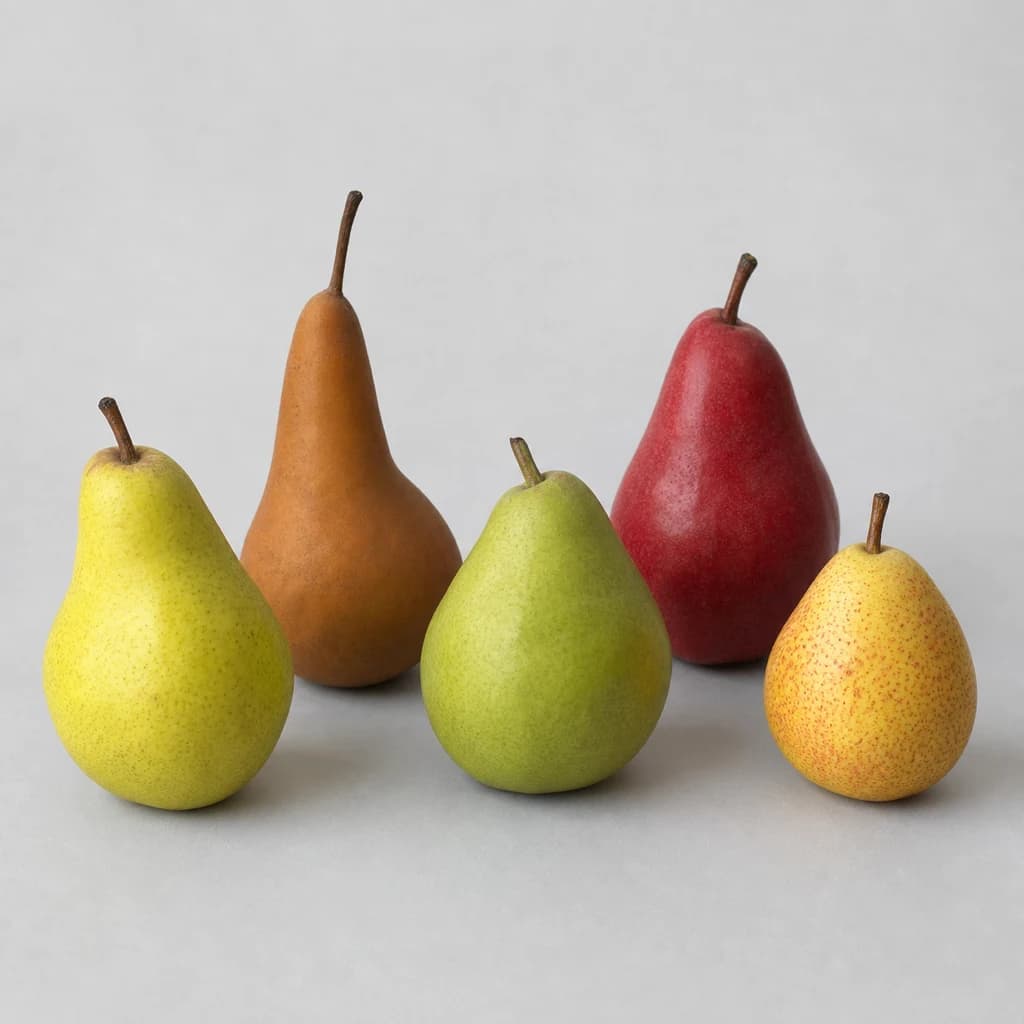
Five common pear varieties arranged together showing differences in shape, size, and skin color.
Showing multiple varieties side by side in one scene teaches readers to recognize the fruit's range — from the classic Bartlett's yellow-green to Bosc's russet-brown elongated neck to d'Anjou's short squat form.
Produce
Pear
Sweet, mellow fruit for snacking, poaching, and salads
Honeyed and floral when ripe, pears poach in wine, slice into salads with blue cheese, and are lovely out of hand. Ripen them at room temperature, then refrigerate.
The pear is a study in patience — honeyed, floral, and almost buttery when perfectly ripe, but sold rock-hard because it ripens best off the tree. Catch it at the right moment and it's lush enough to eat over the sink; cooked, it poaches in wine, roasts to caramelized sweetness, and slices into salads against sharp blue cheese and walnuts. The whole skill is timing the ripeness, which a pear conveniently signals at the neck.
- Measured in
- piece
- Storage
- Refrigerate
- Shelf life
- 14 days
Find it in
Types & varieties
Classic, juicy, very sweet; turns from green to yellow when ripe
Russeted bronze skin, firm dense flesh; the best for poaching and roasting
Mild, sweet, holds shape; good raw and cooked (stays green or red)
Exceptionally sweet, soft, buttery; a dessert pear
Round, crisp, apple-like; eaten firm
How to ripen (check the neck)
Most pears are picked unripe and ripen best after harvest, at room temperature. The reliable ripeness test is the neck, not the body: press gently near the stem — when it yields slightly to thumb pressure, the pear is ripe and juicy throughout. Waiting for the body to soften means a mealy, overripe center. Pears ripen from the inside out.
- Ripens off the tree at room temperature
- Press the neck near the stem to test
- Soft body = already overripe inside
How to store
Keep firm pears at room temperature to ripen, speeding it in a paper bag with an apple or banana. Once they give at the neck, refrigerate to hold them a few more days. Cold storage before ripening keeps unripe pears dormant for weeks, then you bring them out to finish at room temperature.
How to cook
Choose firmer varieties (Bosc, Anjou) for cooking, since they hold their shape — softer dessert pears (Comice, ripe Bartlett) collapse. Poach in spiced wine or syrup, roast with honey and butter, or sauté for tarts and pancakes. Slightly underripe pears actually work better for poaching. A squeeze of lemon keeps cut pears from browning.
Common uses
Tips & pitfalls
- Test ripeness at the neck, not the belly — press near the stem
- Ripen in a paper bag with an apple to speed it up
- Use firm Bosc or Anjou for poaching and roasting so they hold shape
- Lemon juice stops cut pears browning
- Pair sweet ripe pears with salty blue cheese and toasted nuts
Nutrition
Energy
238 kJ · per 100 g
Where the calories come from
Protein
0.4g
1% DV
Carbs
15.2g
6% DV
Fat
0.1g
0% DV
Fiber
3.1g
11% DV
Sugars
9.8g
of which
Sodium
1mg
0% DV
Source · USDA FoodData Central · Pears, raw
View on FDC →In the shops
Matched grocery products
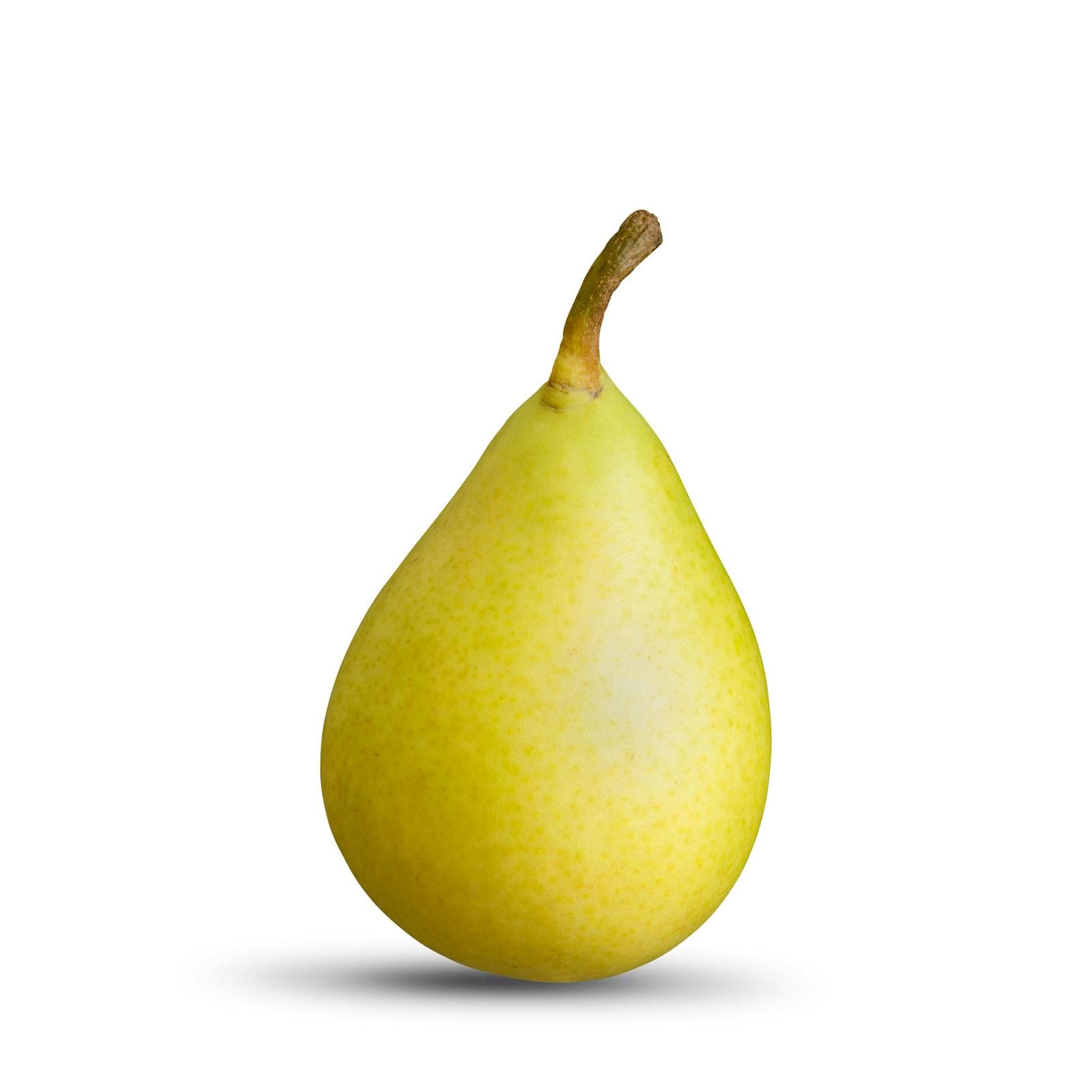 €0.31
€0.31Ercolina Pear
80 g · Mercadona
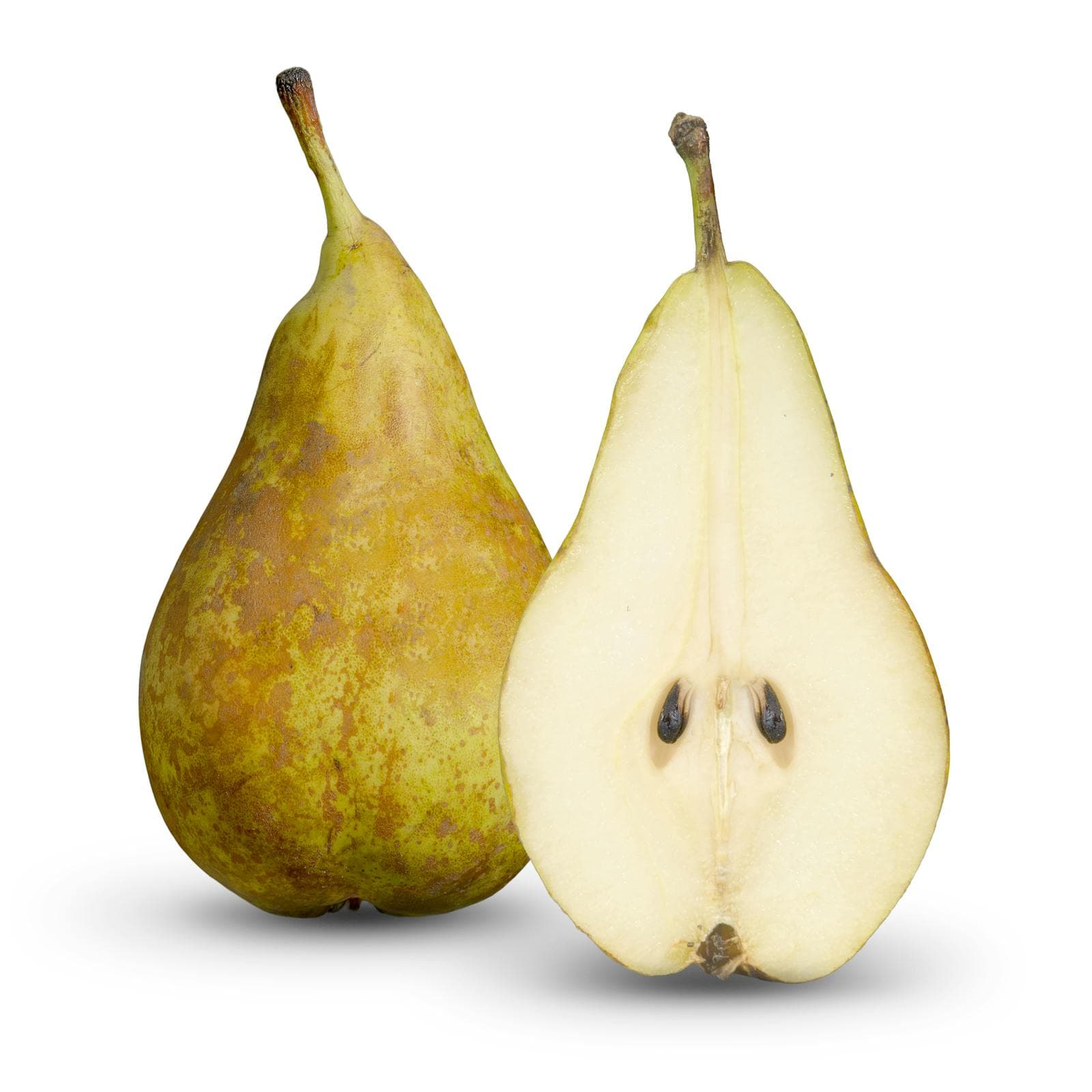 €0.44
€0.44Conference Pear
180 g · Mercadona
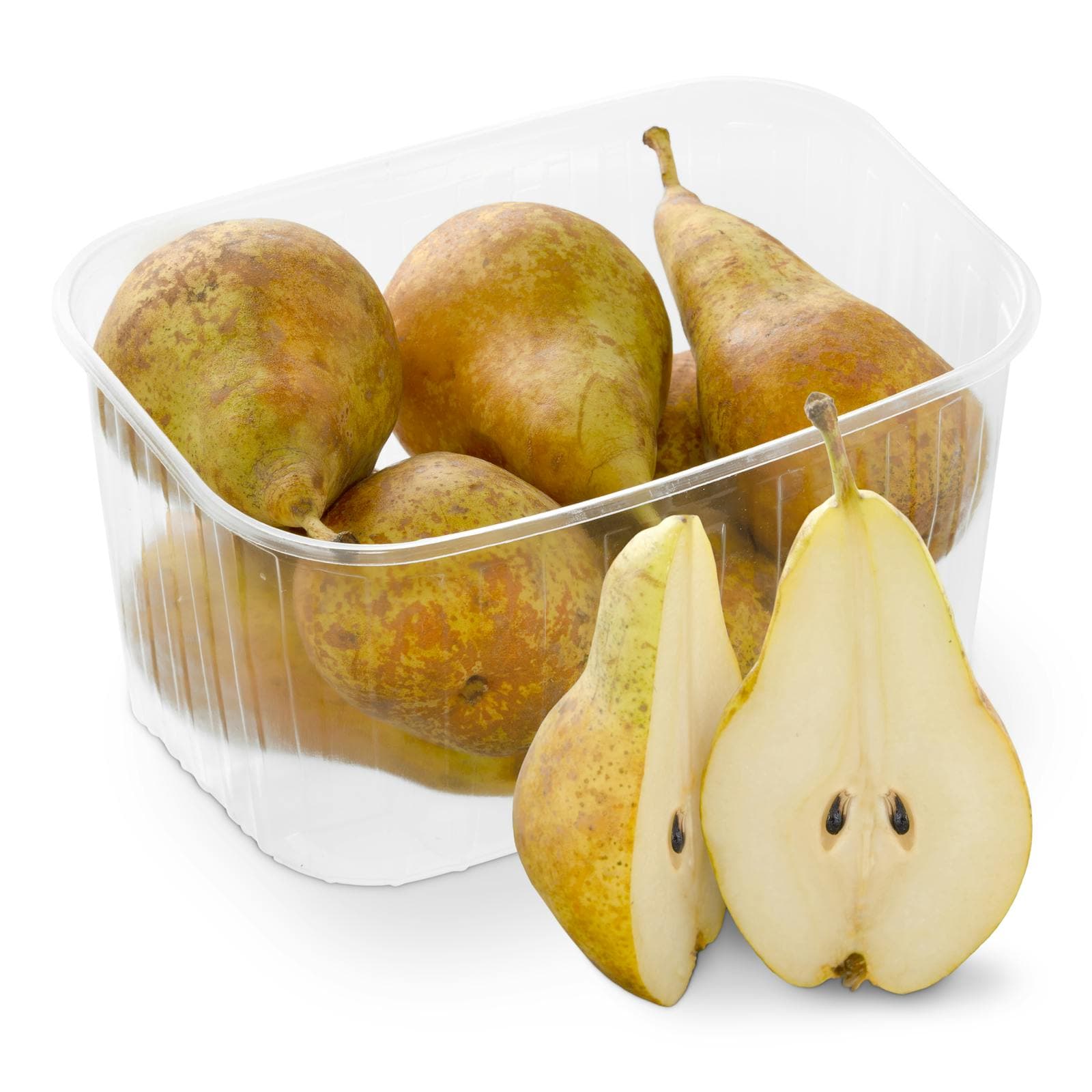 €2.39
€2.39Conference Pears
1.11 kg · Mercadona
 €0.36
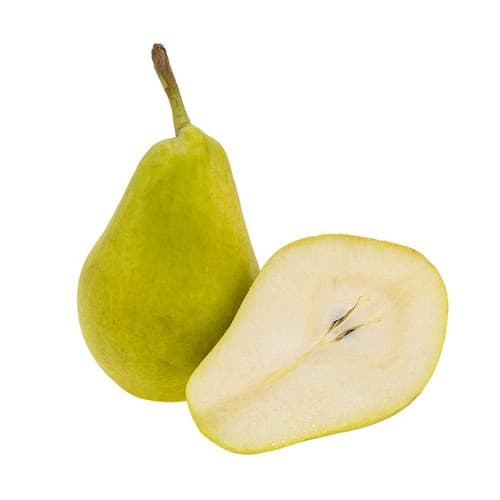
€0.36Ercolina Pear 1 unit
ud · Bonpreu
 €0.45
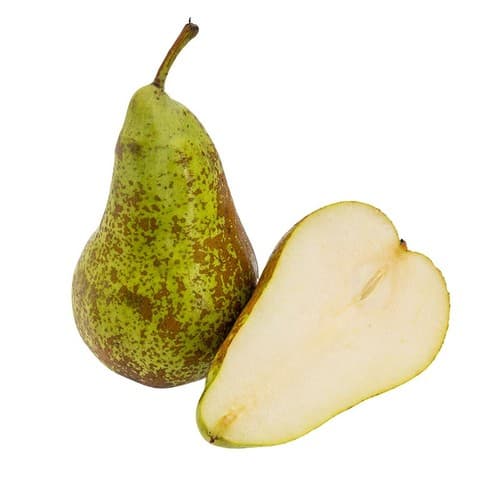
€0.45Conference Pear Km0 1 unit
Bonpreu
 €0.52
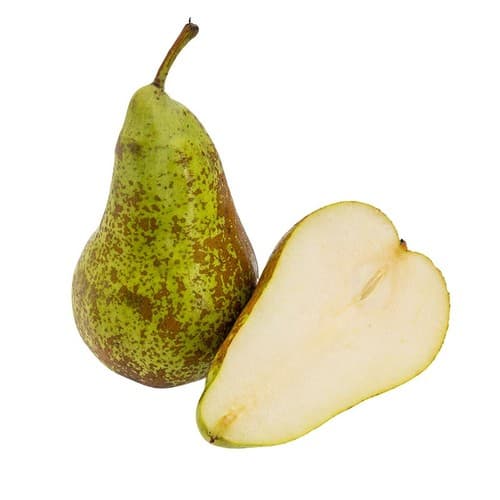
€0.52Conference Pear Km0 1 unit
ud · Bonpreu
Good to know
- Peak season
- Late summer through winter (variety-dependent)
- Flavor
- Sweet, floral, honeyed; soft and buttery when ripe
- Origin
- Europe and Asia; cultivated for thousands of years
- Nutrition
- ~57 kcal/100g; fiber, vitamin C; eat the skin
- How to buy
- Firm and unblemished; ripens off the tree — check the neck for give
Substitutes
- Apple — For baking and salads; firmer, less floral
- Quince — For poaching (must be cooked); aromatic
- Asian pear — For crisp, juicy raw use
Pairs with
Also called
pera
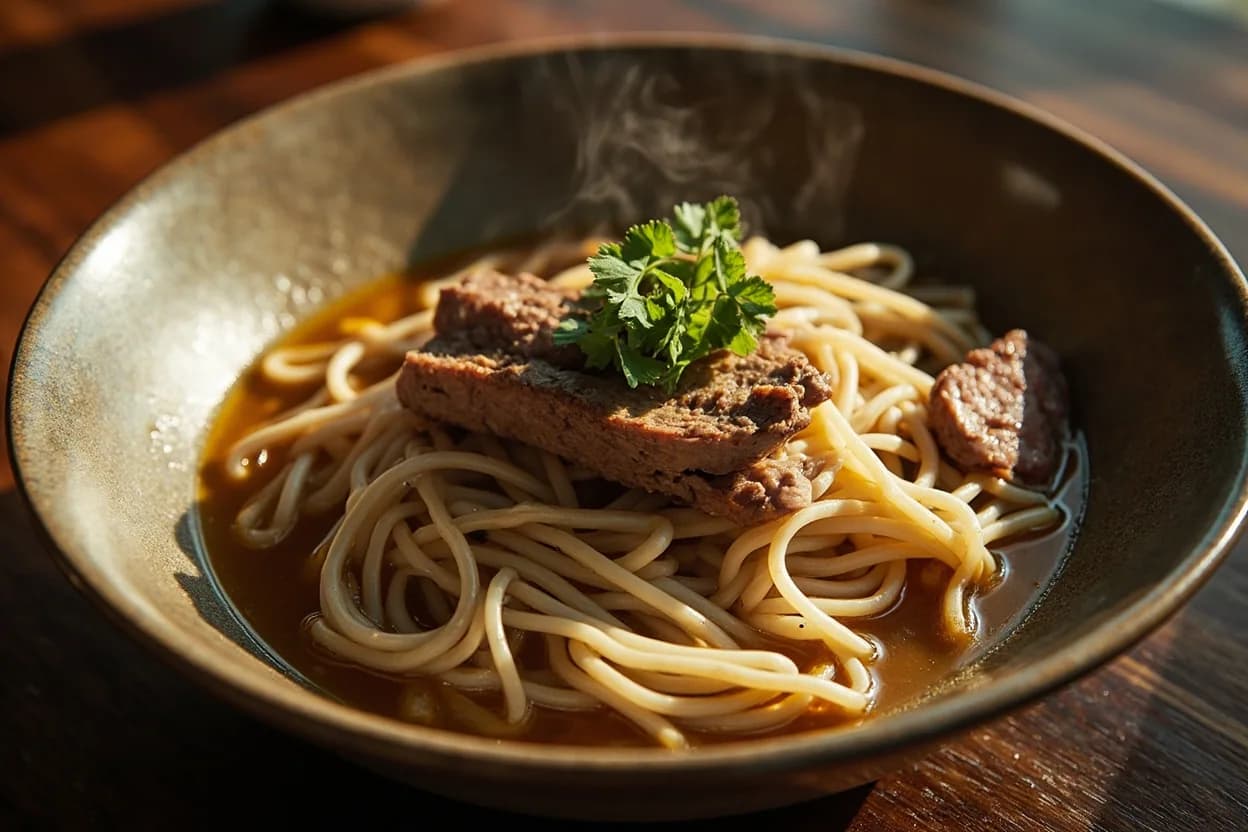
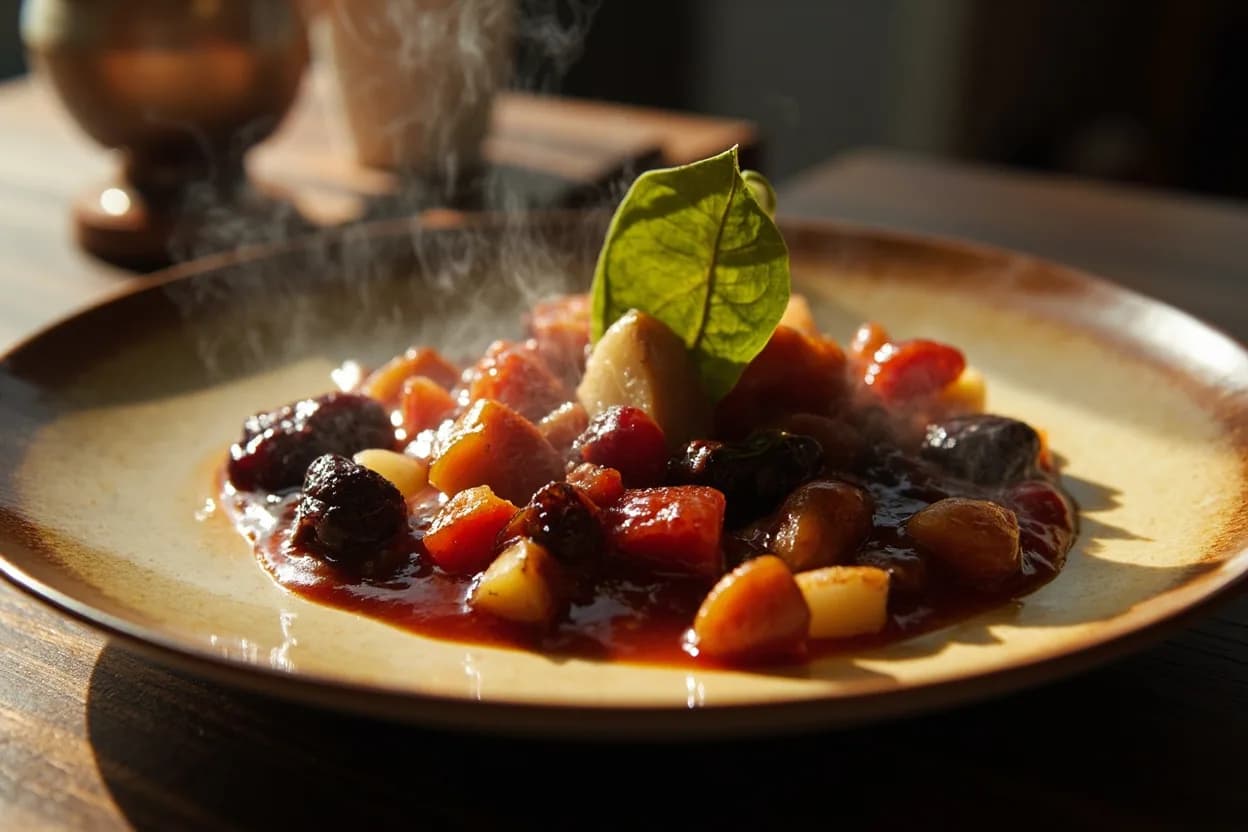
Appears in these dishes
Related
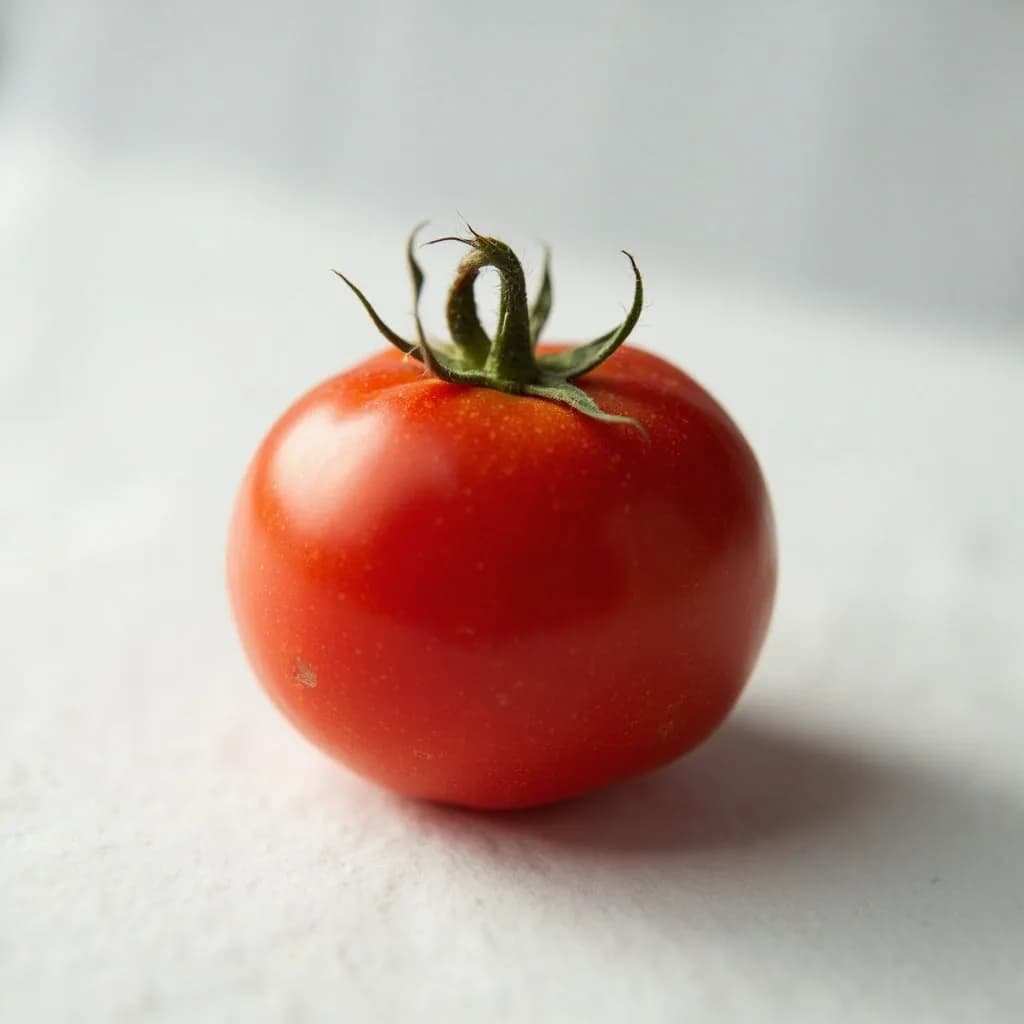
Tomato
Juicy, sun-sweet fruit for sauces, salads, and slow-cooked depth
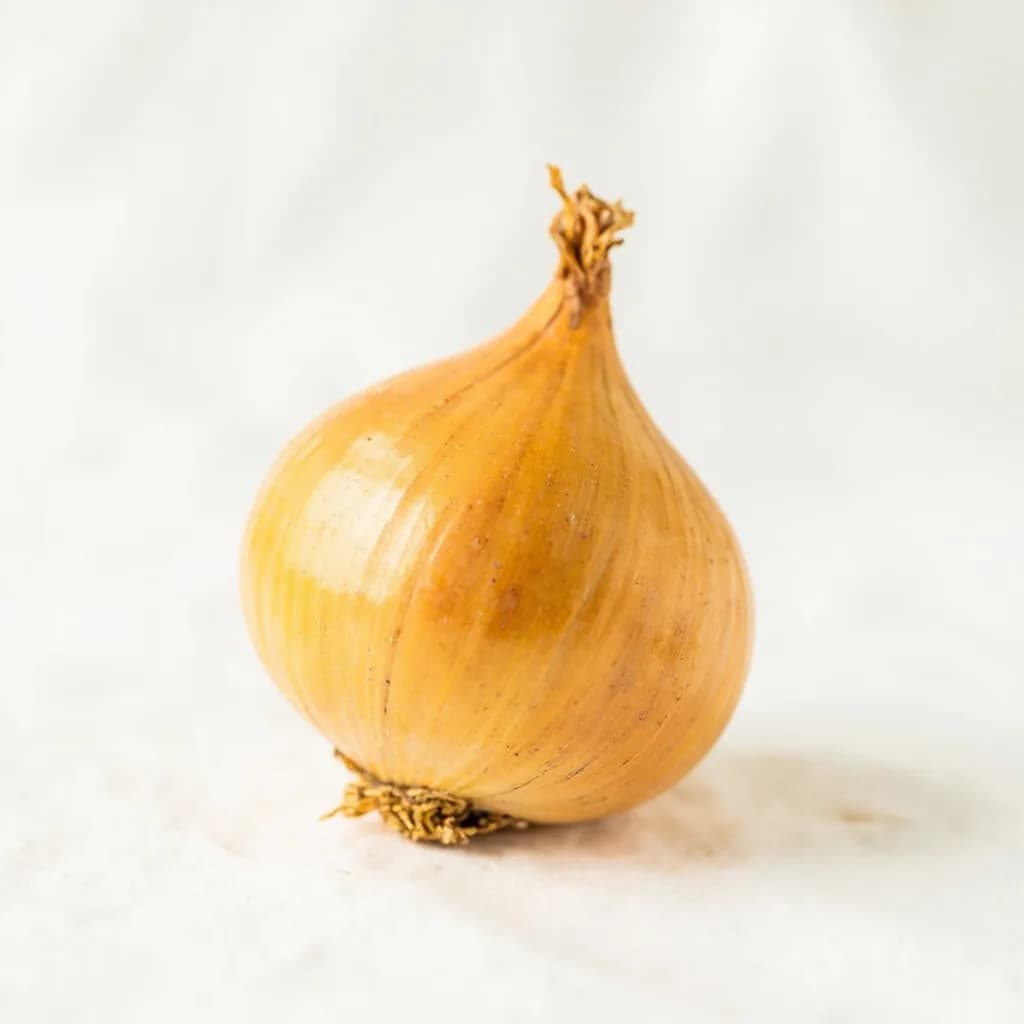
Yellow Onion
The aromatic backbone of soups, sofritos, and braises
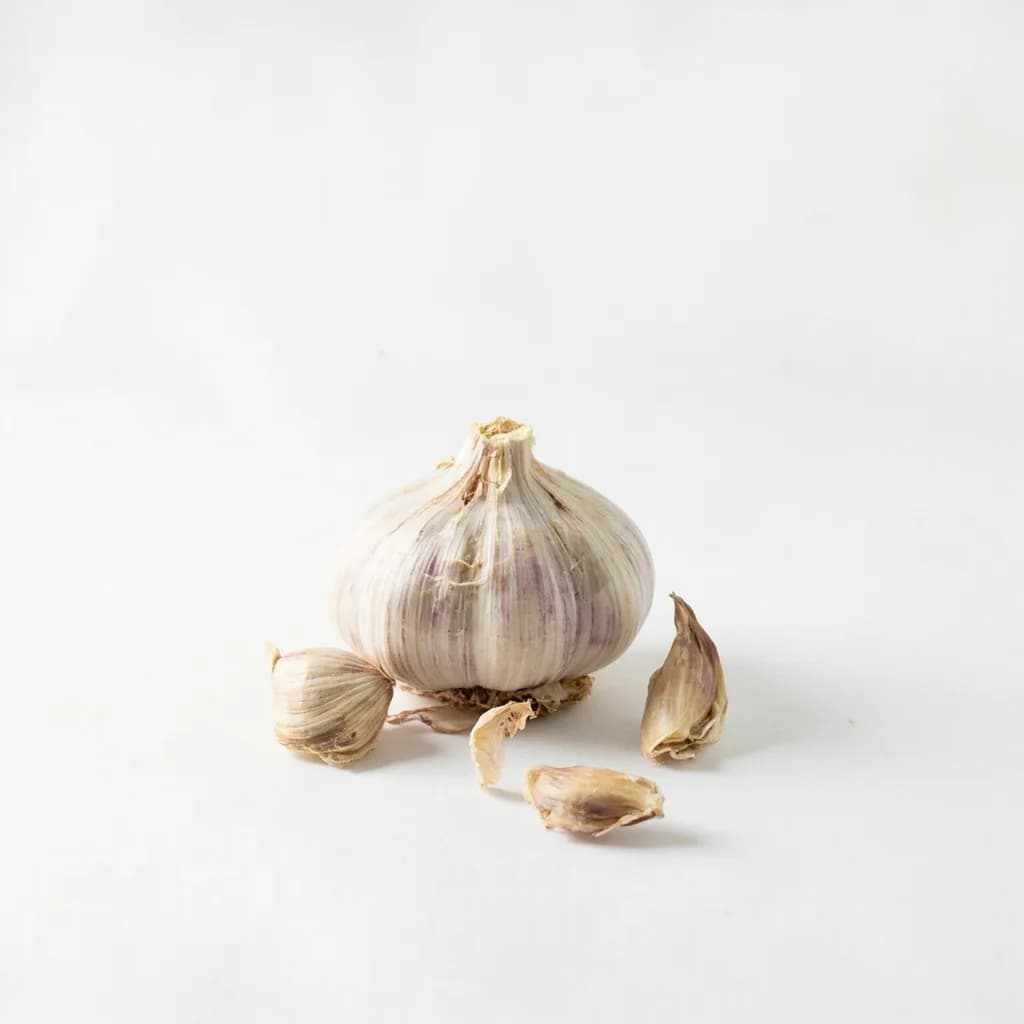
Garlic
Pungent cloves that perfume nearly every savory dish
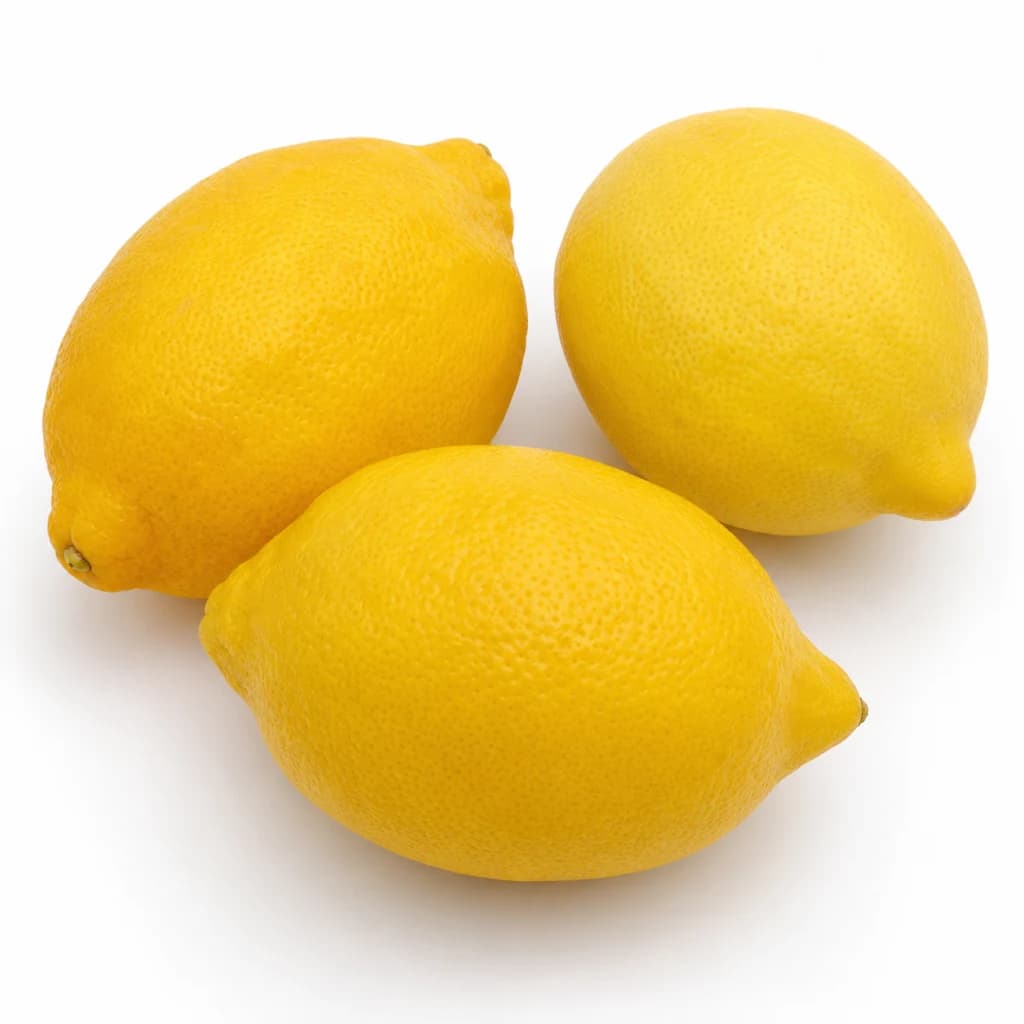
Lemon
Bright, acidic citrus that wakes up almost any dish
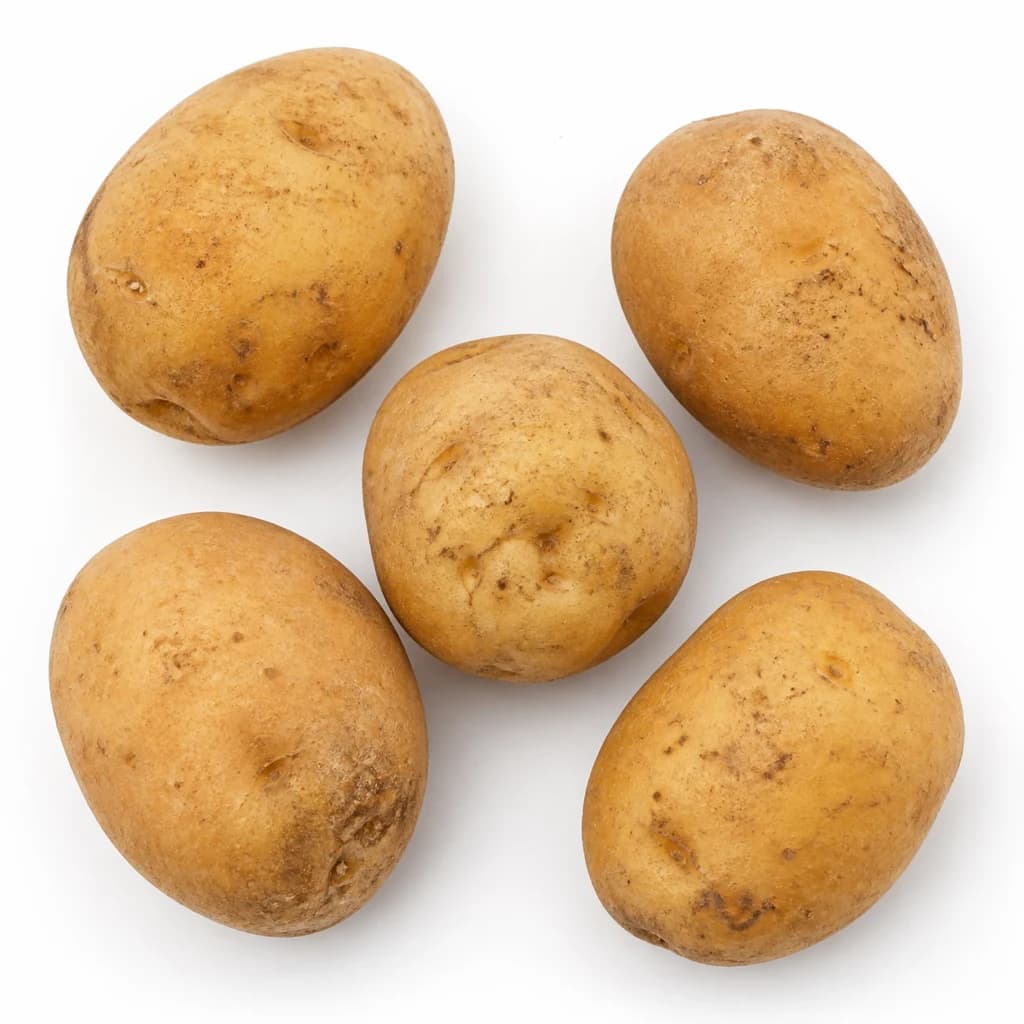
Potato
Humble, hearty staple — roast, mash, fry, or boil
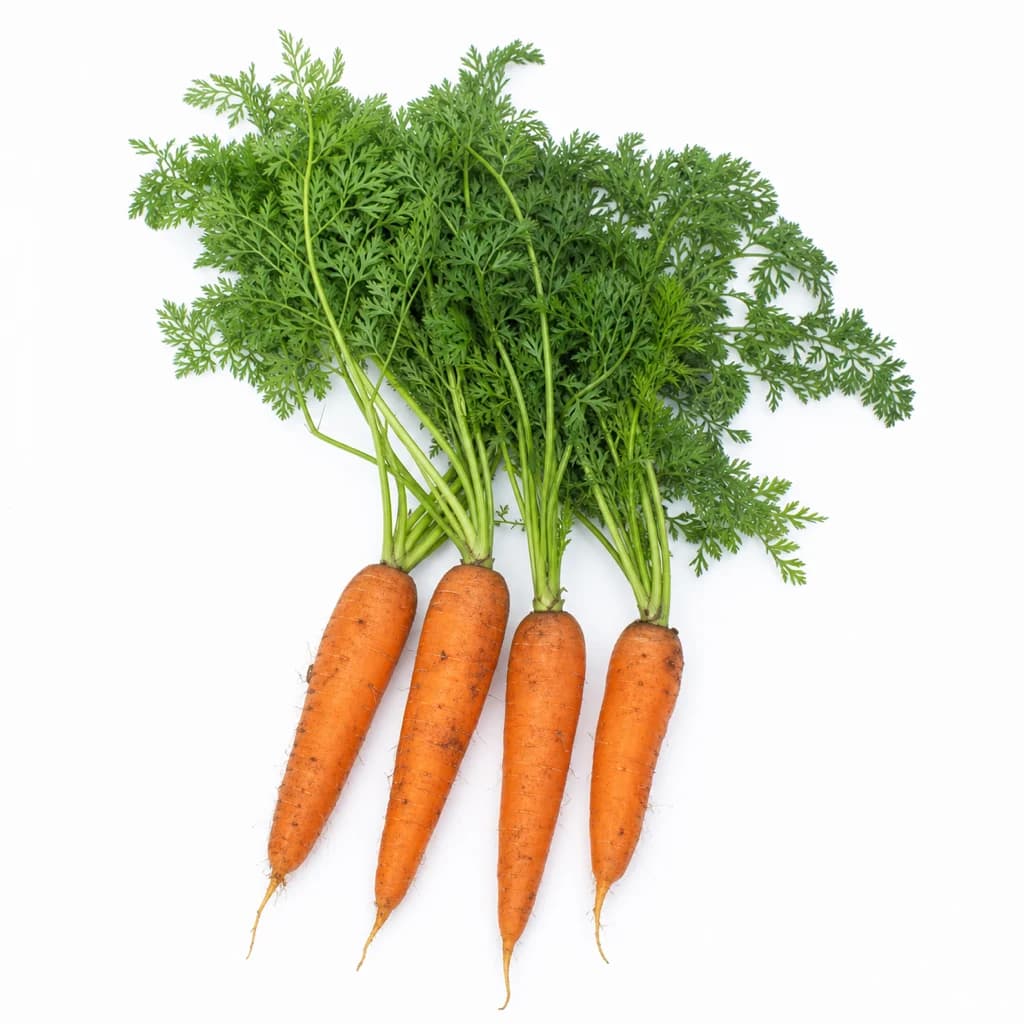
Carrot
Sweet, crunchy root — raw, roasted, or the base of a sofrito
Cucumber
Cool, crisp, and watery — for salads, pickles, and tzatziki

Lettuce
Crisp leaves for salads, wraps, and a fresh crunch