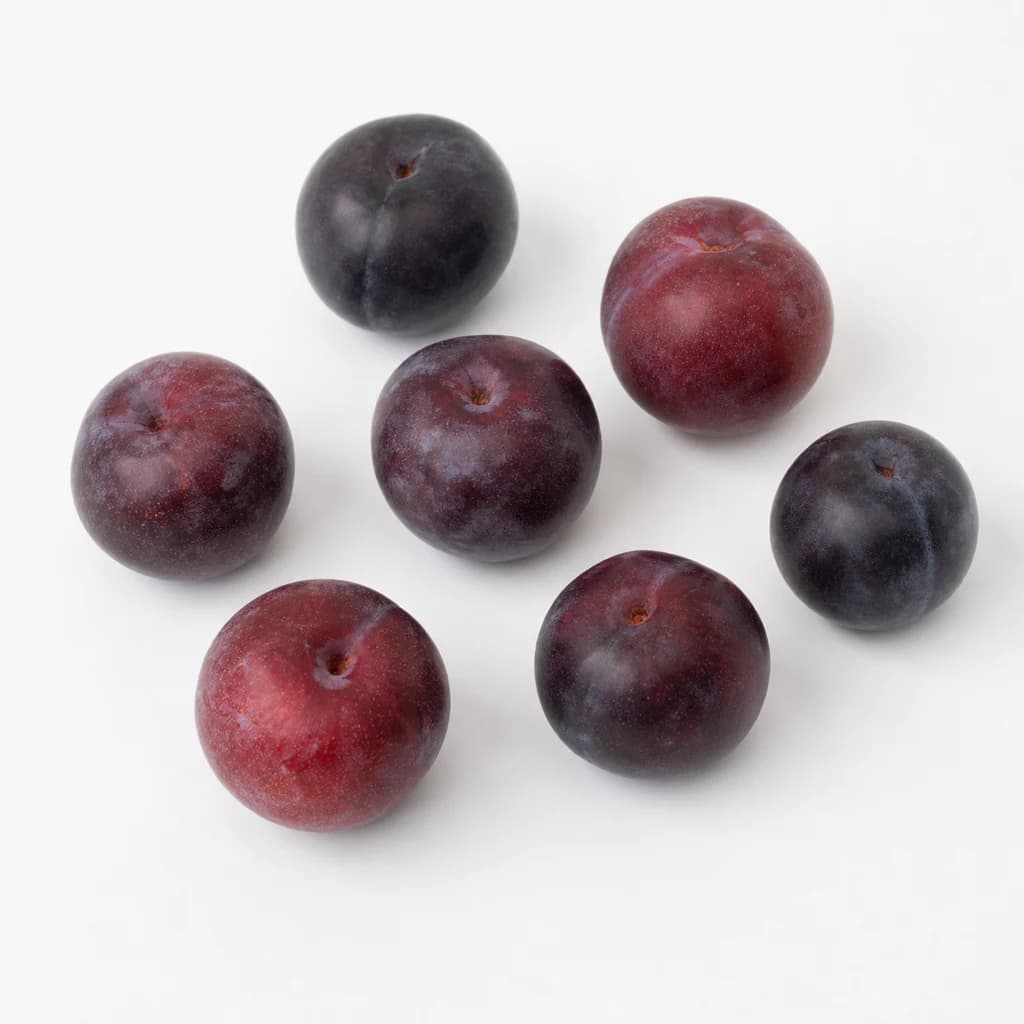
Natural form
Whole plums showing the smooth skin, dusty bloom, and range of deep colors.
Teaches readers to recognize an uncut plum by its distinctive oval shape, smooth skin, and color range from red-purple to deep blue-black.
Produce
Plum
Juicy stone fruit eaten fresh, baked, or dried; sour varieties go into sauces and preserves.
Plums are smooth-skinned stone fruits ranging from sweet and juicy to tart, with flesh from yellow to deep purple-red. They are eaten fresh, baked into tarts and cakes, dried into prunes, or simmered into sauces and preserves. Sour plums are especially valued in Balkan and Caucasian cooking for tangy sauces and stews.
Plums belong to the genus Prunus and rank among the most versatile stone fruits in the kitchen, prized for their natural balance of sweetness and acidity that shifts dramatically with variety and ripeness. Two broad categories define the market: European plums (Prunus domestica), which tend toward firm flesh, freestone pits, and dual-purpose versatility; and Japanese plums (Prunus salicina), generally larger, juicier, and often better suited to fresh eating than prolonged cooking. Their waxy skins range from deep purple-black to red, yellow, green, and amber, with flesh color typically mirroring the exterior. High natural pectin concentrated in the skin makes plums exceptionally reliable for preserves, while their acidity acts as a built-in stabilizer in baked goods, preventing the cloying sweetness that other stone fruits sometimes produce. When cooked, plums transform: they bloom from tight and slightly astringent into something yielding and intensely perfumed, their color deepening and their juices rendering into syrups, compotes, and reductions that partner equally well with breakfast porridge or a crown roast of pork. The plum's behavior in the kitchen depends heavily on variety and ripeness—knowledgeable cooks match plum type to application rather than treating all plums as interchangeable.
- Measured in
- piece
- Storage
- Fridge
Types & varieties
Oval, dark blue-purple; freestone; excellent for drying, baking, and preserves; sweet with mild acidity
Small, oval, dark purple; extremely tart fresh; high pectin; the classic cooking plum for jams and pies
Small, round, green-yellow skin; sweet, floral, juicy; European type; excellent fresh and in desserts
Large, oval, dark blue; freestone; dual-purpose; popular commercial variety in the U.S.
Japanese type; red-purple skin, yellow flesh; aromatic, sweet-tart; clingstone; excellent fresh and for sauce
Japanese type; large, very dark purple; firm flesh; mild, sweet flavor; good fresh and for shipping
Japanese type; late-season; dark purple, firm; sweet; keeps well; widely grown commercially
Small, round, yellow with red blush; intensely sweet; French specialty; primarily for preserves and tarts
Japanese type; deep red skin and flesh; firm, sweet; good for fresh eating and light cooking
Japanese type; large, black; sweet, mild; freestone; versatile kitchen plum
French name for greengage; green, honey-sweet; one of the oldest cultivated varieties
Choosing Plums by Application
The single most useful plum for the kitchen is the Italian prune, despite its name being widely grown in American orchards. Its freestone pit releases cleanly, its firm flesh holds structure when baked, and its sweetness doesn't disappear into mush during long simmers. Damson plums, while harder to find commercially, remain superior for preserves—their intense acidity and high pectin content produce clean-setting jams with less added pectin required. For fresh eating, seek fragrant, yielding Greengages, Santa Rosas, or Satsumas. Japanese plums bred for commercial shipping often disappoint in the oven: they break down to sauce before they caramelize, making them better candidates for purees, sorbets, or quick compotes than for tarts where you want defined fruit pieces.
- European plums: more versatile, better for cooking and drying
- Japanese plums: often too soft for baking, excellent for fresh eating and sauces
- Italian prune: the most reliable all-purpose cooking plum
- Damson: the preservation specialist, hard to find but worth seeking out
- Underripe plums hold shape in baking; ripe plums break down into compote
Ripening and Storage
Plums continue ripening after harvest, but refrigeration halts this process entirely. Store unripe plums at room temperature in a single layer until fragrant and yielding slightly to palm pressure, usually 1–2 days. Once ripe, refrigerate unwashed in a loosely perforated bag for up to 5 days. Wash only before eating or cooking—cold moisture on unwashed fruit promotes mold during storage. For preserves or baking projects requiring peak ripeness, allow plums to ripen fully at room temperature; for tarts where you want structure, slightly underripe fruit performs better. Dried plums (prunes) keep for months in an airtight container in a cool, dark place but can become chewy over time; a brief steam or soak restores pliability.
- Never refrigerate unripe plums—cold stops ripening
- Ripen at room temperature until fragrant
- Wash only before use, not before storing
- Dried plums last months but can toughen; revive with steam
Common uses
Tips & pitfalls
- Ripen at room temperature until fragrant and yielding; refrigerating unripe plums stops the process entirely
- Wash plums just before eating or cooking; cold water on unwashed fruit promotes mold growth during storage
- To halve and pit cleanly: cut around the seam, twist open, remove pit with fingers or a small paring knife; a cherry pitter works for smaller varieties
- For baking: don't sweeten the fruit before assembling; let plums bleed into batter or pastry naturally
- For preserves: combine ripe and underripe fruit for ideal pectin-to-sugar balance
- When roasting: toss halved plums cut-side down in oil, roast at 425°F until caramelized edges form, about 15–20 minutes
- Common mistake: using only overripe plums for jam; too much liquid dilutes set; mix in firmer fruit or reduce longer
- Common mistake: discarding the skins; they contain most of the color and a significant portion of pectin
- Store dried plums (prunes) in an airtight container in a cool, dark place; they keep for months but can become chewy
- Choose firm-fleshed varieties like Italian prune or Damson for tarts; softer Japanese plums for sauces and purees
Nutrition
Energy
192 kJ · per 100 g
Where the calories come from
Protein
0.7g
1% DV
Carbs
11.4g
4% DV
Fat
0.3g
0% DV
Fiber
1.4g
5% DV
Sugars
9.9g
of which
Sodium
0mg
0% DV
Source · USDA FoodData Central · Plums, raw
View on FDC →In the shops
Matched grocery products
No matched grocery products for Plum yet.
Good to know
- Botanical name
- Prunus domestica (European), Prunus salicina (Japanese)
- Origin
- China; cultivated for over 2,000 years, spread to Europe via Rome
- Peak season
- June through September (Northern Hemisphere)
- Flavor profile
- Sweet to tart depending on variety; high natural acidity balances sugar
- Color range
- Deep purple, red, yellow, green, or amber skin with corresponding flesh
- Typical size
- 1.5–2.5 inches in diameter; mirabelles are notably smaller (~1 inch)
- Structure
- Stone fruit (drupe) with a single pit; skin is edible, waxy coating should be washed
- Yield
- Meat-to-pit ratio approximately 90:10 by weight
- Key nutrients
- Vitamin C, Vitamin K, potassium, dietary fiber, antioxidants (anthocyanins in dark varieties)
- pH
- 2.8–4.0 (moderately acidic, varies by variety)
- Shelf life
- 5–7 days refrigerated (unwashed, loosely bagged); ripen 1–2 days at room temperature
- Pectin content
- High in skin, medium in flesh; Damson and Italian prune highest
- Common forms
- Fresh, dried (prunes), canned, juice, wine, brandy
Substitutes
- Peach — Similar sweetness, texture, and behavior in baking; slightly less acidic; direct 1:1 substitute
- Nectarine — Comparable stone fruit character; slightly firmer; works in most applications
- Apricot — Similar acidity and pectin levels; excellent for preserves; slightly smaller, so double quantity needed
- Cherries — Acceptable in cooked applications; adjust sugar; different texture fresh
- Italian prune plum — Best substitute if available; exact behavior in recipes
- Rhubarb — Only in cooked savory applications; needs significantly more sugar; different flavor entirely
Pairs with
Also called
Šljiva · Sour Plum · Alça
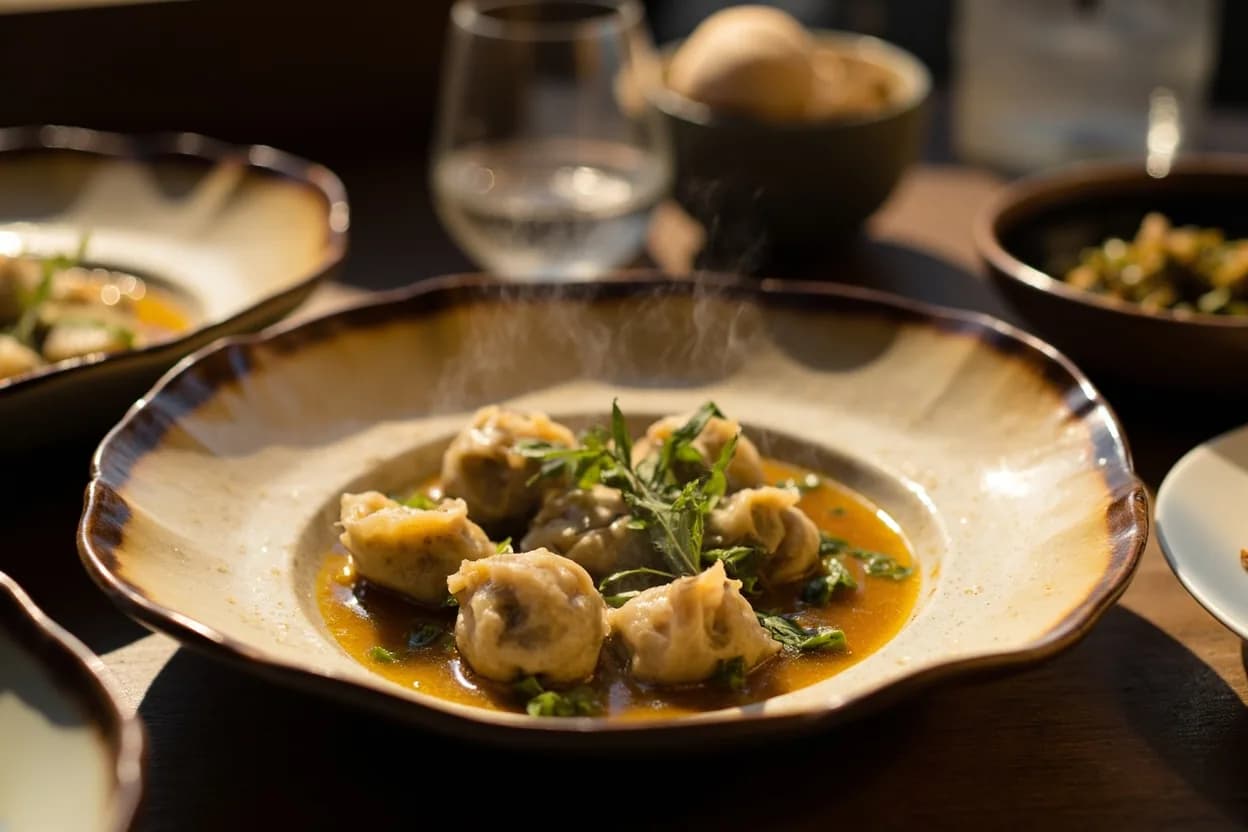
Appears in these dishes
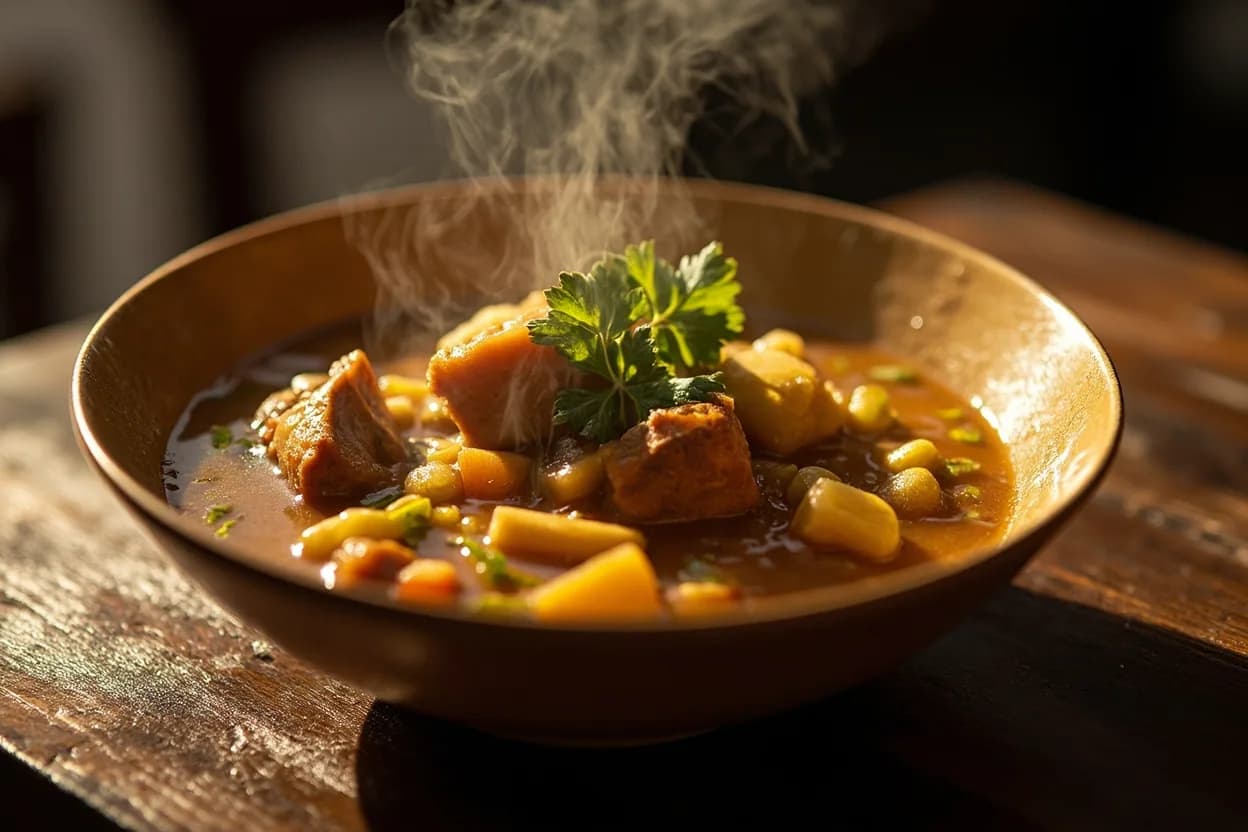
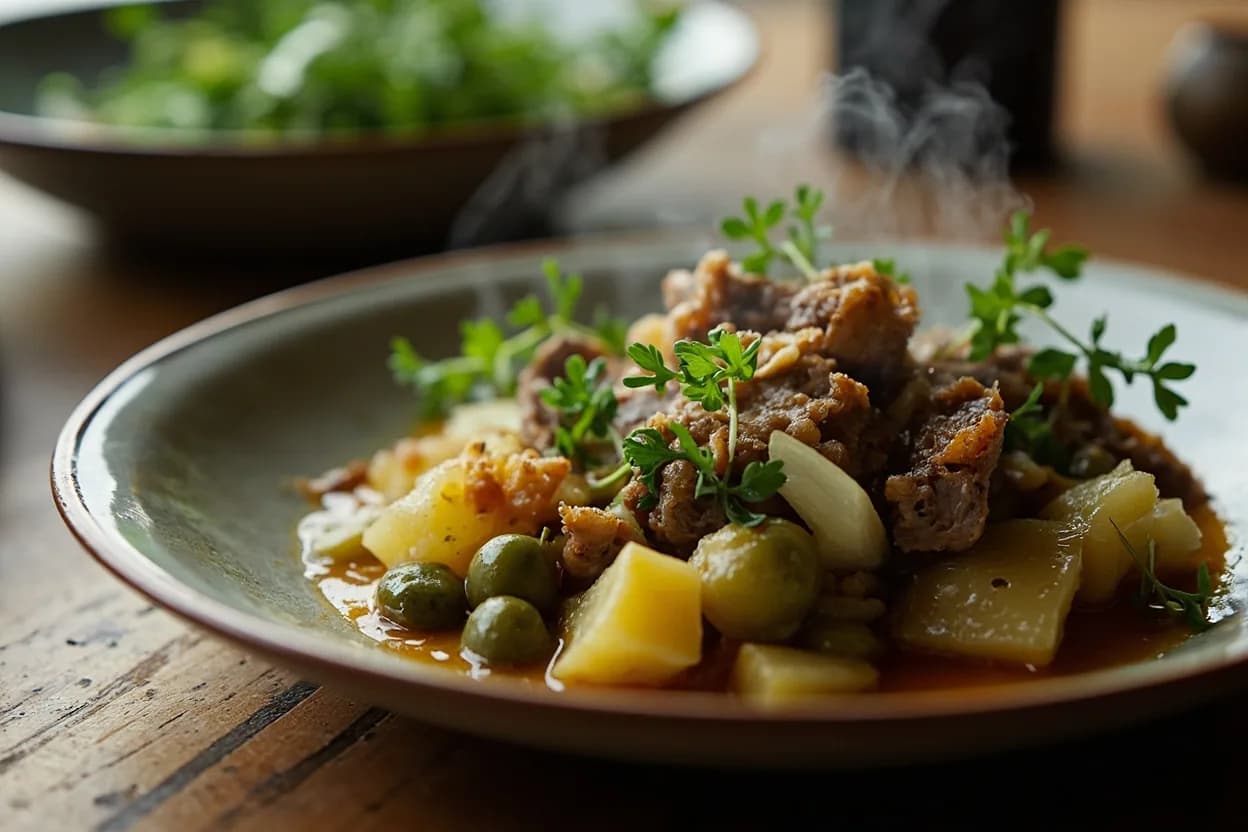
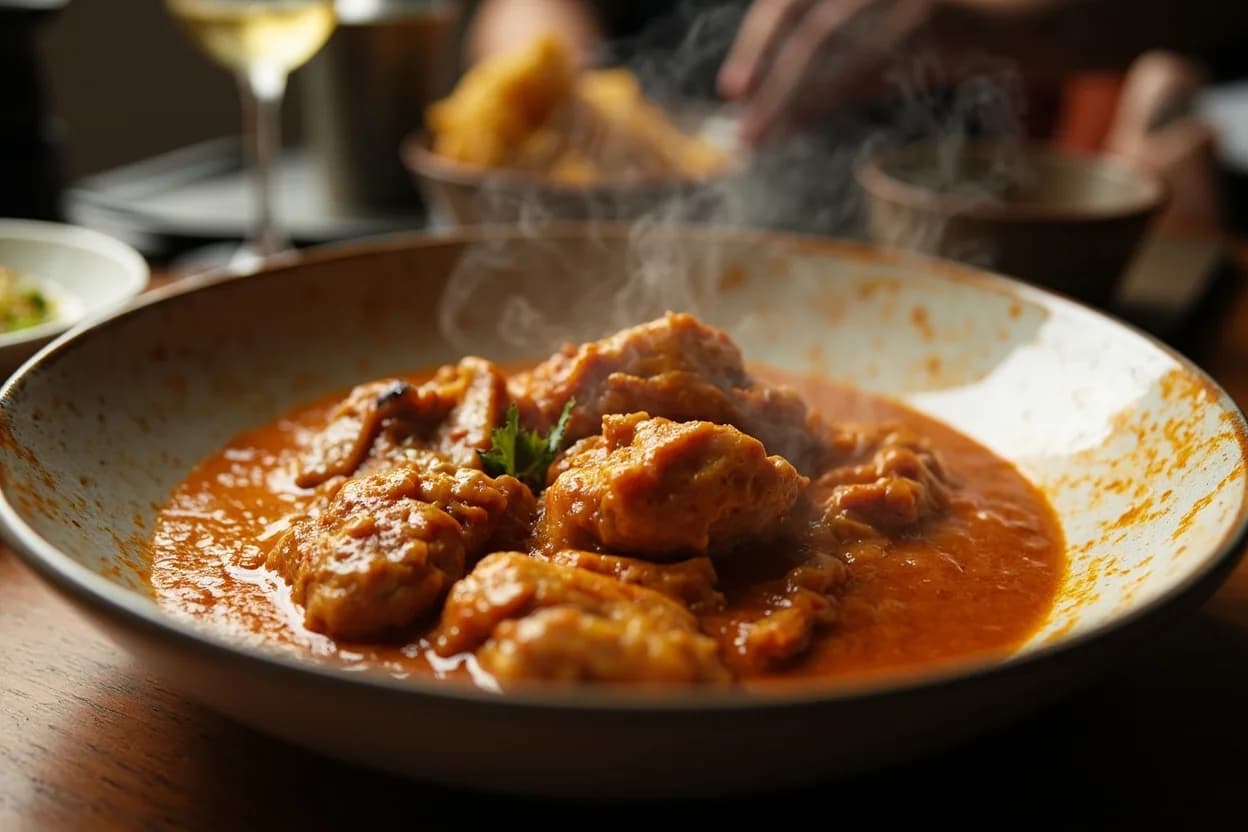
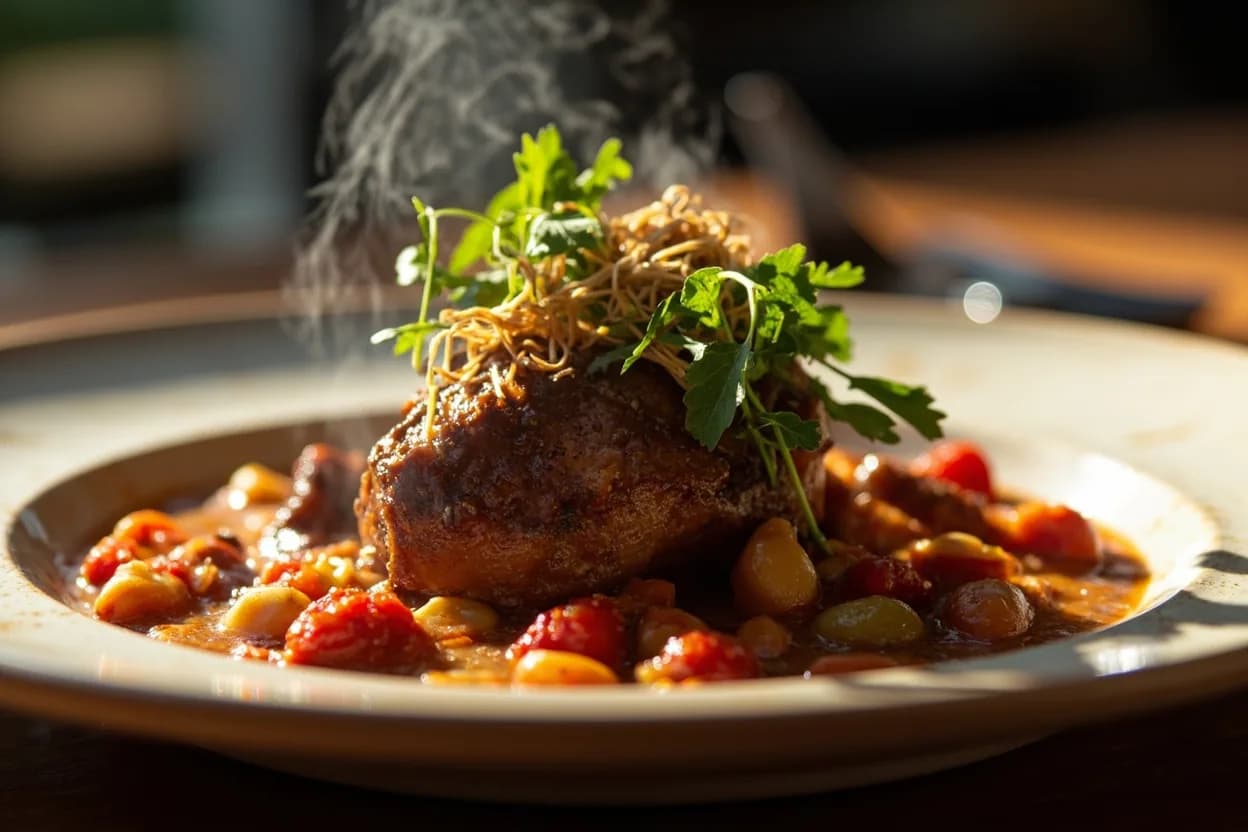
Related
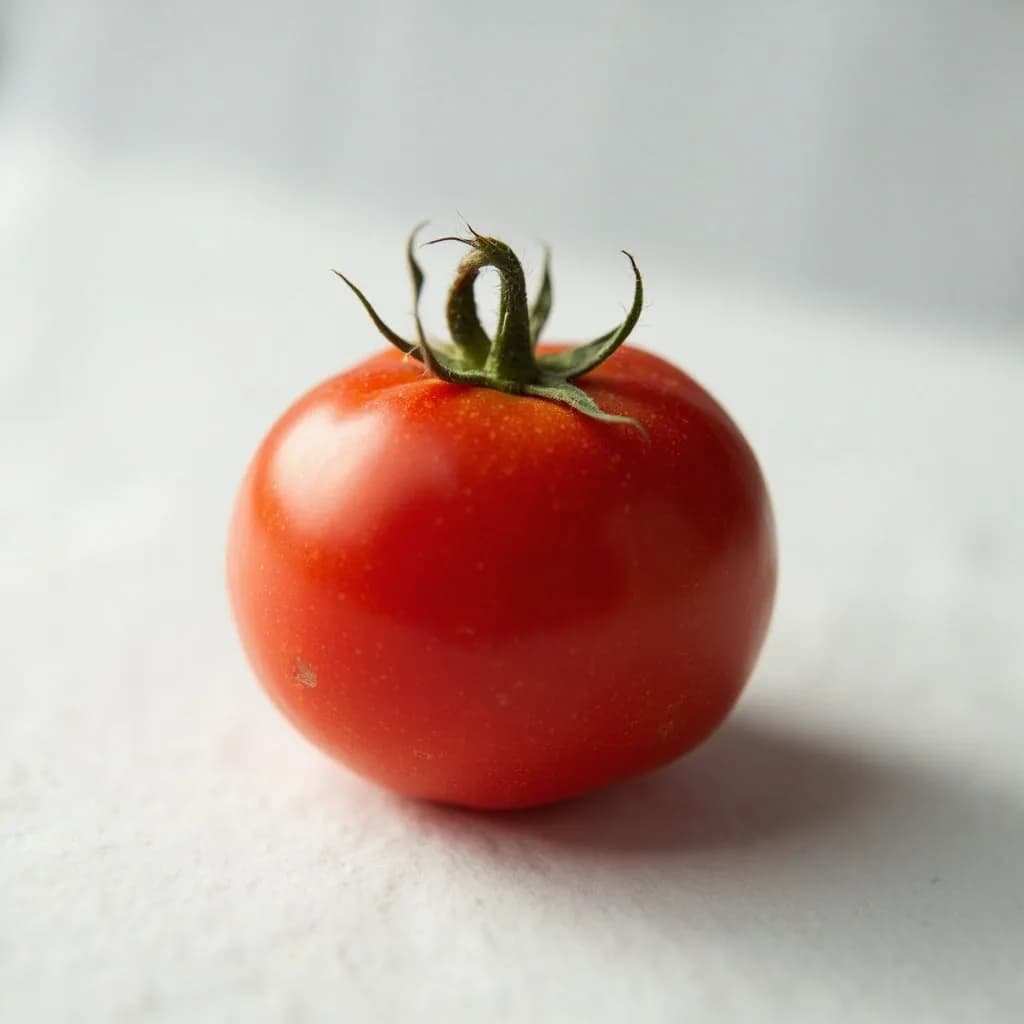
Tomato
Juicy, sun-sweet fruit for sauces, salads, and slow-cooked depth
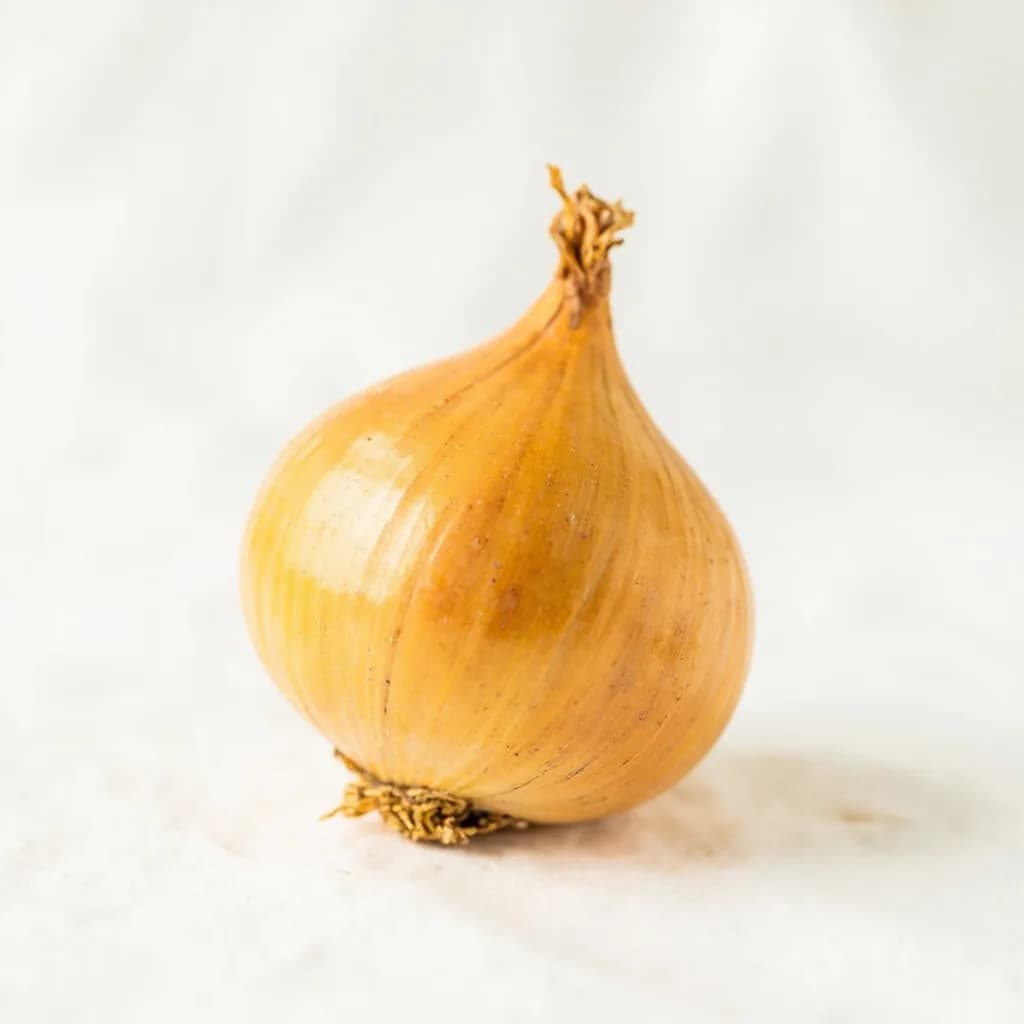
Yellow Onion
The aromatic backbone of soups, sofritos, and braises
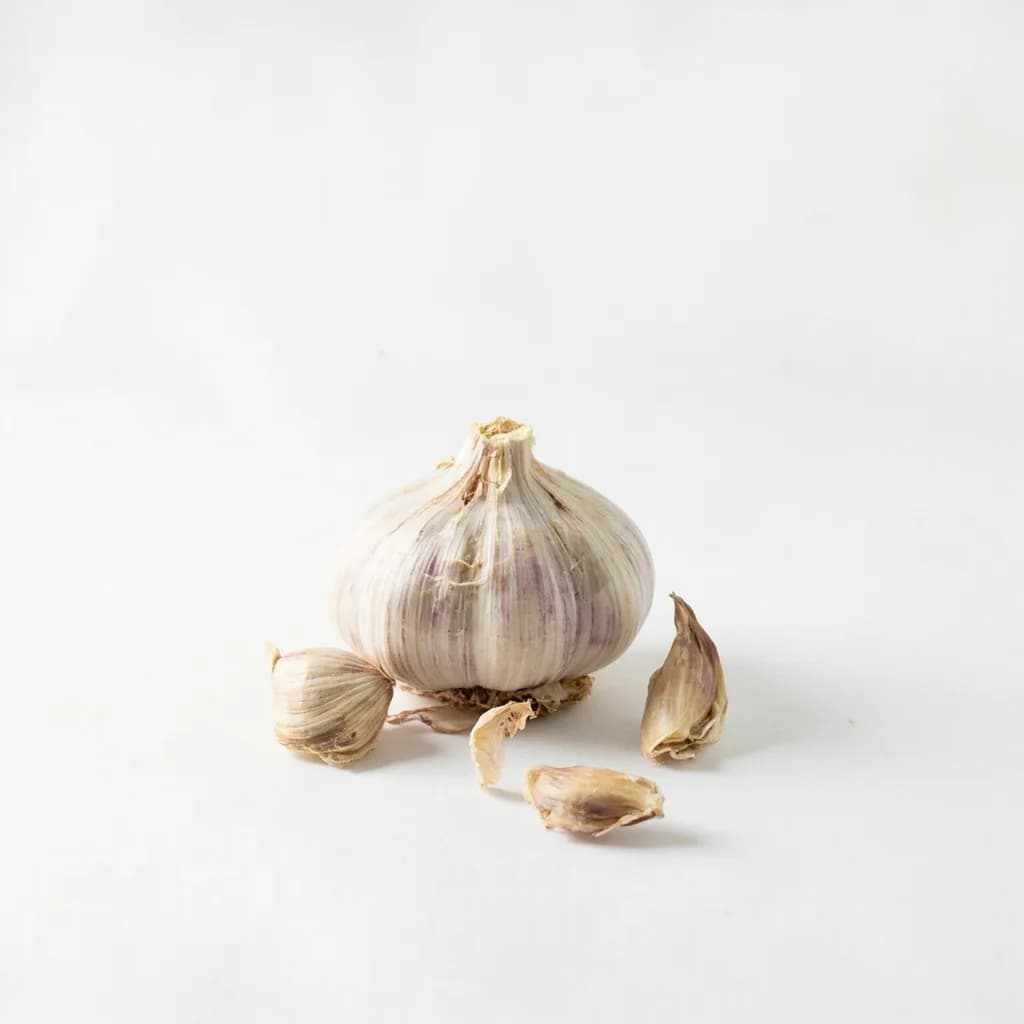
Garlic
Pungent cloves that perfume nearly every savory dish
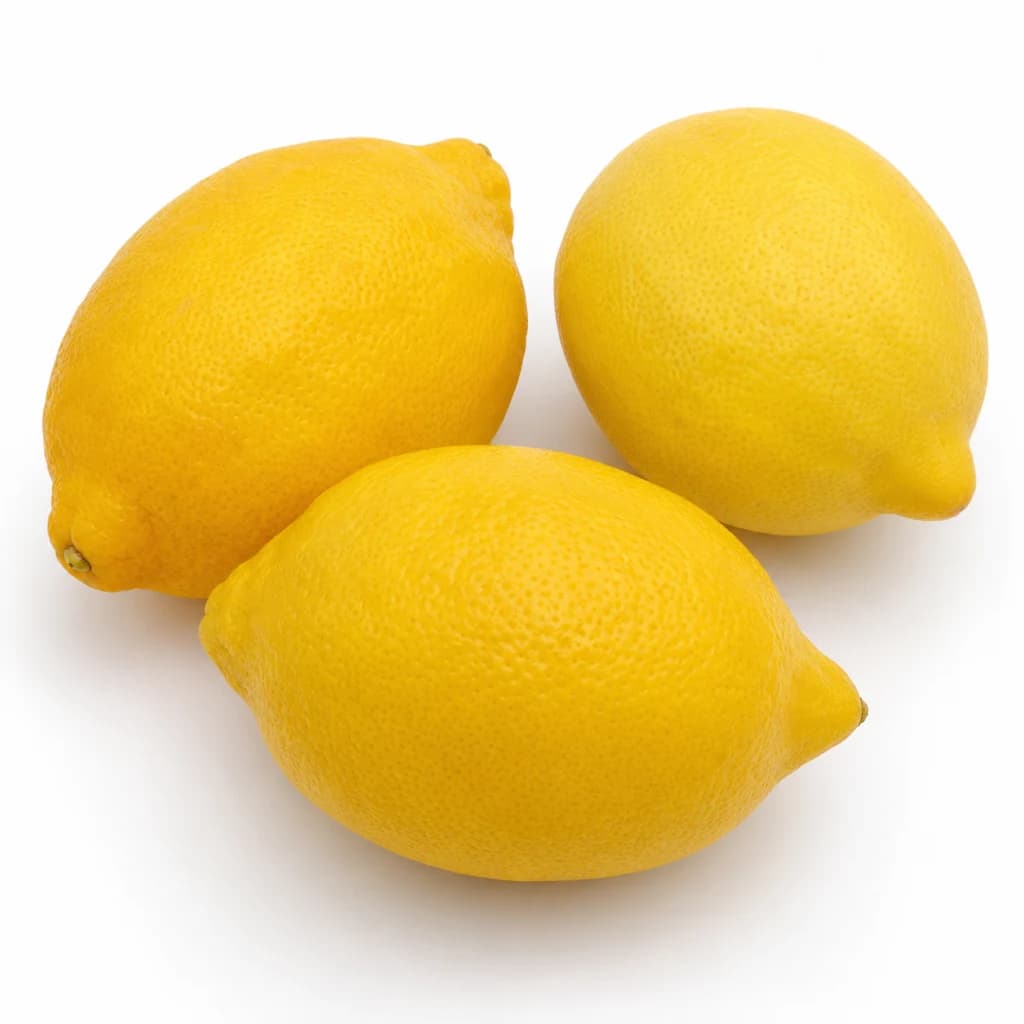
Lemon
Bright, acidic citrus that wakes up almost any dish
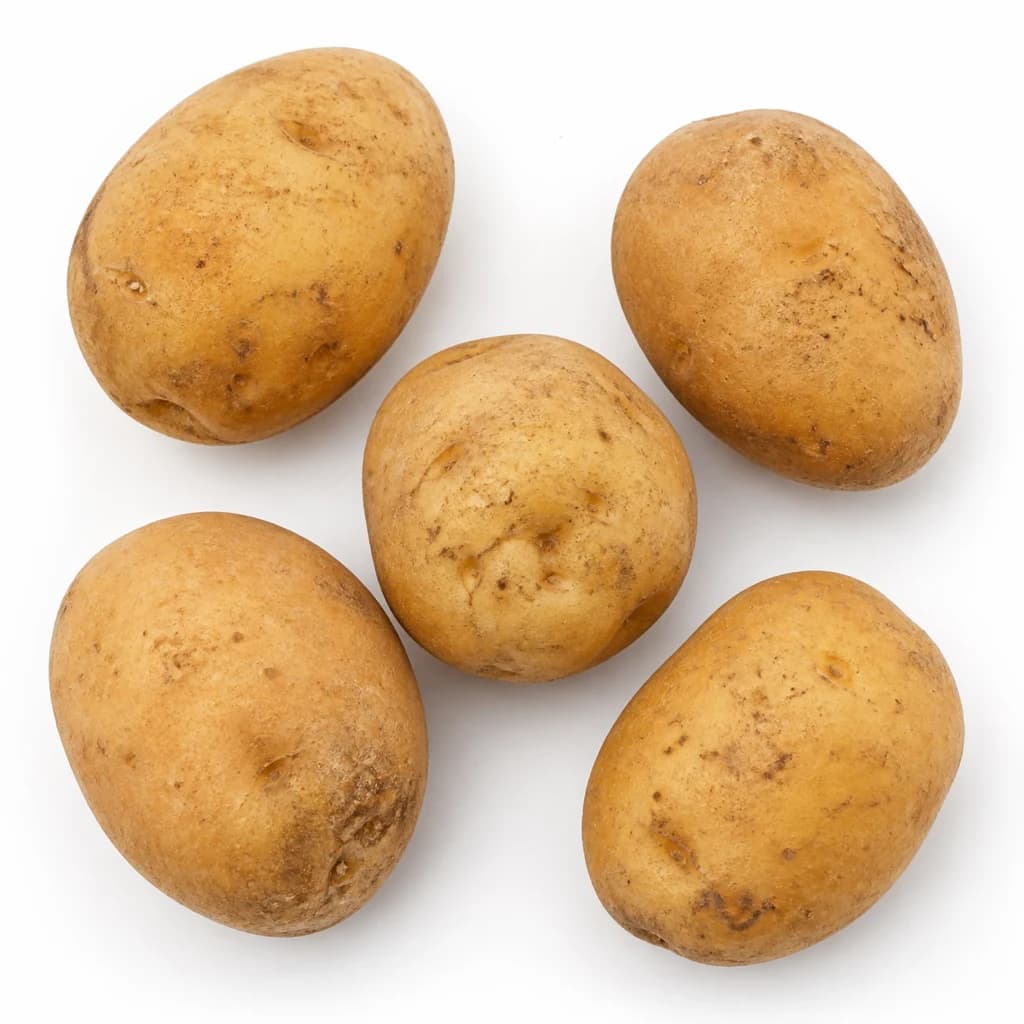
Potato
Humble, hearty staple — roast, mash, fry, or boil
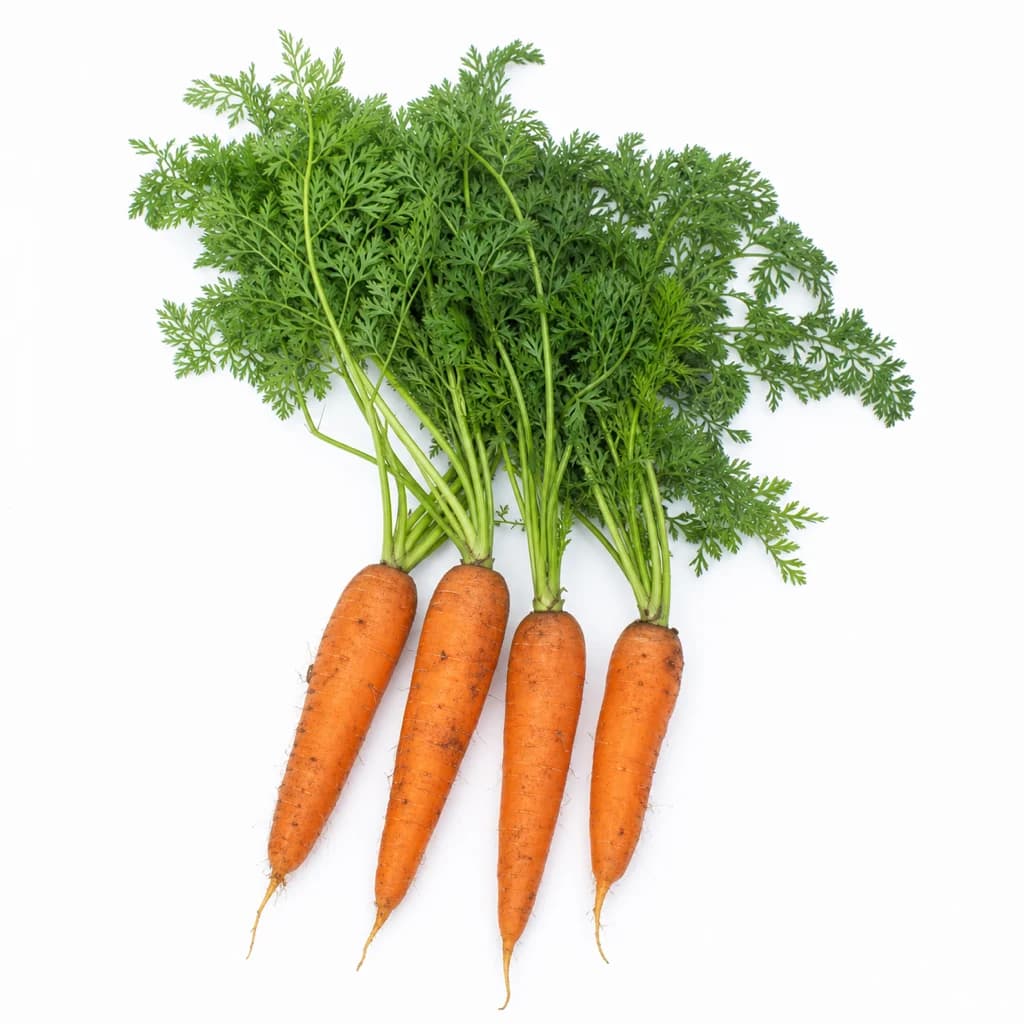
Carrot
Sweet, crunchy root — raw, roasted, or the base of a sofrito
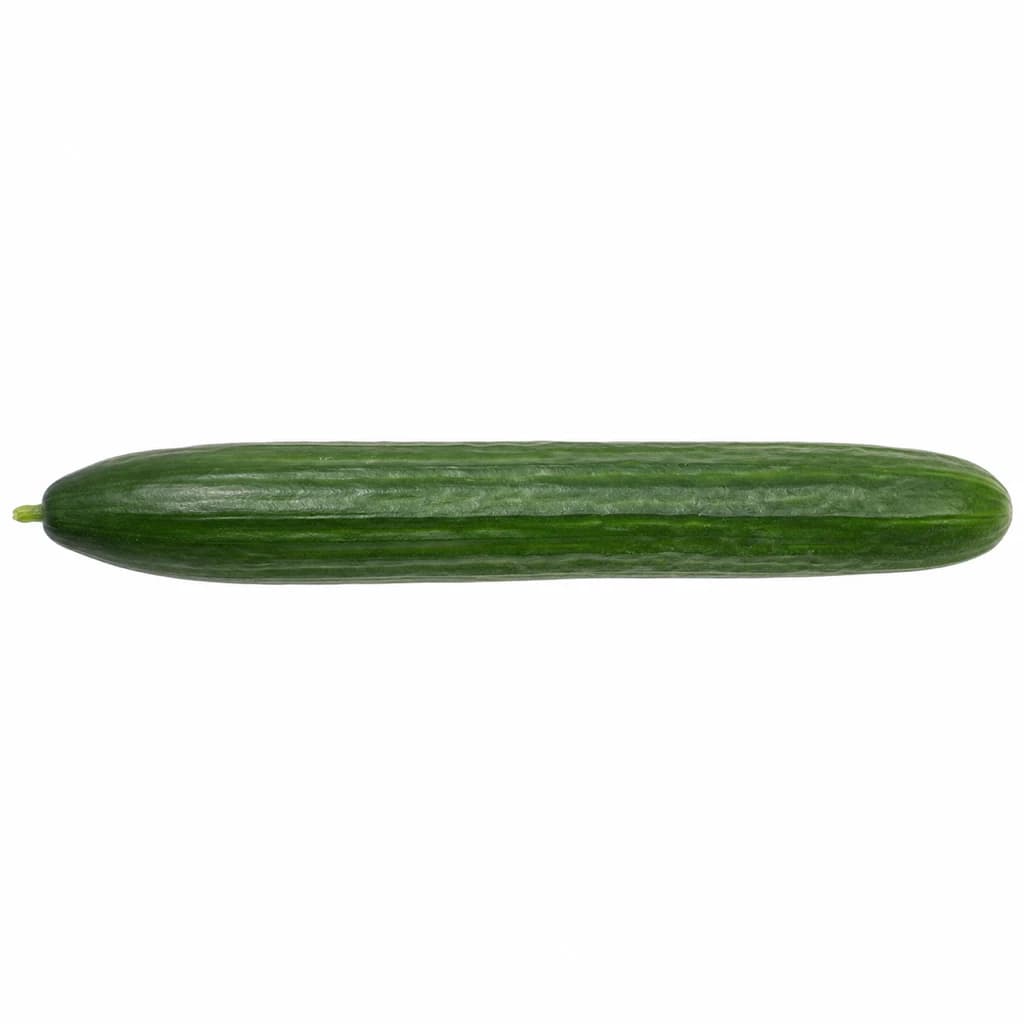
Cucumber
Cool, crisp, and watery — for salads, pickles, and tzatziki

Lettuce
Crisp leaves for salads, wraps, and a fresh crunch