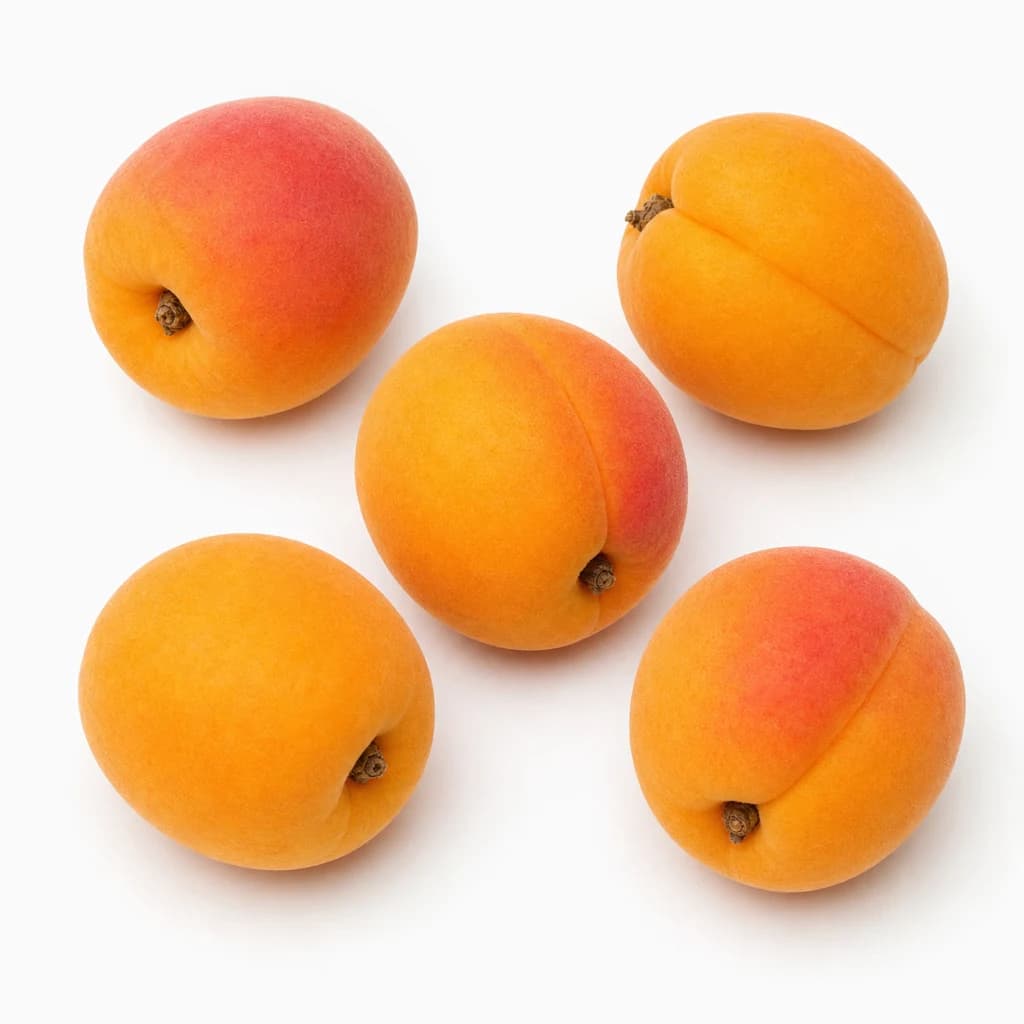
Natural form
Whole ripe apricots showing the characteristic golden-orange velvety skin and small stone-fruit size.
Shows the reader exactly what a fresh apricot looks like before any preparation — color, size, and skin texture are the primary identifiers.
Produce
Apricot
Small velvety stone fruit, sweet-tart when ripe, eaten fresh, baked, or made into jam.
Apricots are small, golden-orange stone fruits with velvety skin and a delicate sweet-tart flavor. They are eaten fresh, baked into tarts and cakes, poached, or cooked into jams and preserves across the Mediterranean, Middle East, and Central Asia. They are best fully ripe, as underripe fruit stays firm and tart.
Apricot (Prunus armeniaca) belongs to the Rosaceae family and is one of the most ancient cultivated fruits, originating in northeastern China and carried along the Silk Road to Armenia—hence its Latin name. What distinguishes apricot from its stone-fruit relatives is its sharper balance between sweetness and acidity, a trait that grants it unusual culinary range: it can stand up to robust meats and game while holding its own in delicate pastries. The fruit's velvety skin ranges from pale orange to deep yellow-orange, often carrying a red blush where exposed to sun, and its flesh is firm yet juicy when ripe. A single pit encloses a bitter kernel that yields a prized cold-pressed oil used in finishing applications.
In the kitchen, apricot variety dictates technique. Aromatic, soft-fleshed Blenheims excel barely cooked or raw, while firmer varieties like Patterson, Tilton, or Modesto tolerate vigorous heat without disintegrating—making them better choices for canning, freezing, or tagines. Dried apricots are not merely dehydrated fresh fruit; unsulfurated varieties undergo a slower cure that concentrates sugars and develops a deeper, wine-like complexity prized in Moroccan and Provençal cooking. Whether fresh, dried, preserved, or glazed, apricot rewards attention to ripeness and variety.
Nutritionally, apricot earns its reputation as a powerhouse fruit. Its exceptional beta-carotene content gives the flesh its signature orange color and delivers substantial provitamin A, while vitamin C, fiber, and potassium round out a profile that makes fresh and dried forms both delicious and nourishing.
- Measured in
- piece
- Storage
- Fridge
Types & varieties
The classic California variety; small, very aromatic, sweet-tart; ideal for fresh eating and drying
Large, orange-red; rich, highly flavored; popular in Britain; excellent for cooking and preserves
Medium-large, orange with red blush; firm flesh; good for canning and freezing
Most widely planted commercial variety in California; bright orange, firm; stores well
Early-season; bright orange, medium-large; very sweet; good for fresh use
Early-season Canadian breeding; large, orange with red blush; sweet and juicy
Large, firm, orange; widely grown in California; excellent for canning
Small, firm, deep yellow; prized for drying; naturally unsulfurated dried apricots are typically this type
A hybrid (Prunus dasycarpa) with dark purple-black skin and amber flesh; tarter and more astringent than standard apricots
Common uses
Tips & pitfalls
- Select fresh apricots that are fully orange with a slight give when pressed; avoid fruit with significant green patches, which indicate immaturity that will not ripen off the tree.
- Ripe apricots emit a sweet, floral fragrance—sniff near the stem cavity as your primary quality test.
- To ripen underripe apricots quickly, place them in a single layer in a paper bag at room temperature; check daily, as ripening progresses rapidly once started.
- Do not refrigerate unripe apricots; cold temperatures arrest ripening and produce a bland, mealy texture.
- For baking, choose slightly underripe to firmer apricots, as fully ripe fruit will collapse into mush during cooking.
- When halving and pitting, use the edge of a spoon to cleanly remove the pit without wasting flesh.
- For dried apricots in savory dishes like tagines, rehydrate in warm water or the recipe's cooking liquid for 15–20 minutes before use; reserve the soaking liquid as it carries concentrated flavor.
- When making jam, add a small amount of lemon juice; the acidity intensifies the apricot's flavor and ensures a proper set with pectin.
- Common mistake: overcooking fresh apricot halves—they need only 10–15 minutes of gentle heat to soften and concentrate flavors without turning mushy.
- Sulfur dioxide–treated dried apricots (bright orange) keep indefinitely sealed; unsulfurated apricots (dark brown) have a more intense flavor but a shorter shelf life due to faster oxidation.
Nutrition
Energy
201 kJ · per 100 g
Where the calories come from
Protein
1.4g
3% DV
Carbs
11.1g
4% DV
Fat
0.4g
1% DV
Fiber
2g
7% DV
Sugars
9.2g
of which
Sodium
1mg
0% DV
Source · USDA FoodData Central · Apricots, raw
View on FDC →In the shops
Matched grocery products
No matched grocery products for Apricot yet.
Good to know
- Scientific Name
- Prunus armeniaca
- Family
- Rosaceae (stone fruit)
- Origin
- Northeastern China; named for Armenia, where it was first cultivated in ancient times
- Peak Season
- Late May through August (Northern Hemisphere); counter-seasonal November–March in Southern Hemisphere
- Primary Growing Region
- Turkey is the world's largest producer; California grows roughly 95% of the US crop
- Fresh Fruit Size
- 4–6 cm (1.5–2.5 inches) in diameter
- Key Nutrients
- Exceptional beta-carotene (provitamin A), vitamin C, fiber, and potassium
- Dried Form
- Sulfur dioxide–treated (bright orange) or unsulfurated (dark brown); rehydrates in 15–20 minutes
Substitutes
- Peach — Nearest in texture and sweet-tart balance; slightly softer and less acidic; use 1:1 in cooked preparations
- Nectarine — Similar stone-fruit character; slightly firmer; interchangeable in most baked and raw applications
- Plum — More tart and juicier; works well in cooked applications, jams, and compotes; reduce sugar slightly when substituting
- Mango (fresh) — Sweeter, less acidic; best for fresh eating, salads, and smoothies; not a direct substitute in cooked savory dishes
- Dried Peach — Best substitute for dried apricots; similar texture and mild honeyed flavor; rehydrate before using
- Dried Apple (sulphured) — Acceptable in trail mixes and baking; lacks apricot's distinct honeyed flavor; add a squeeze of lemon juice
Pairs with
Appears in these dishes

Related
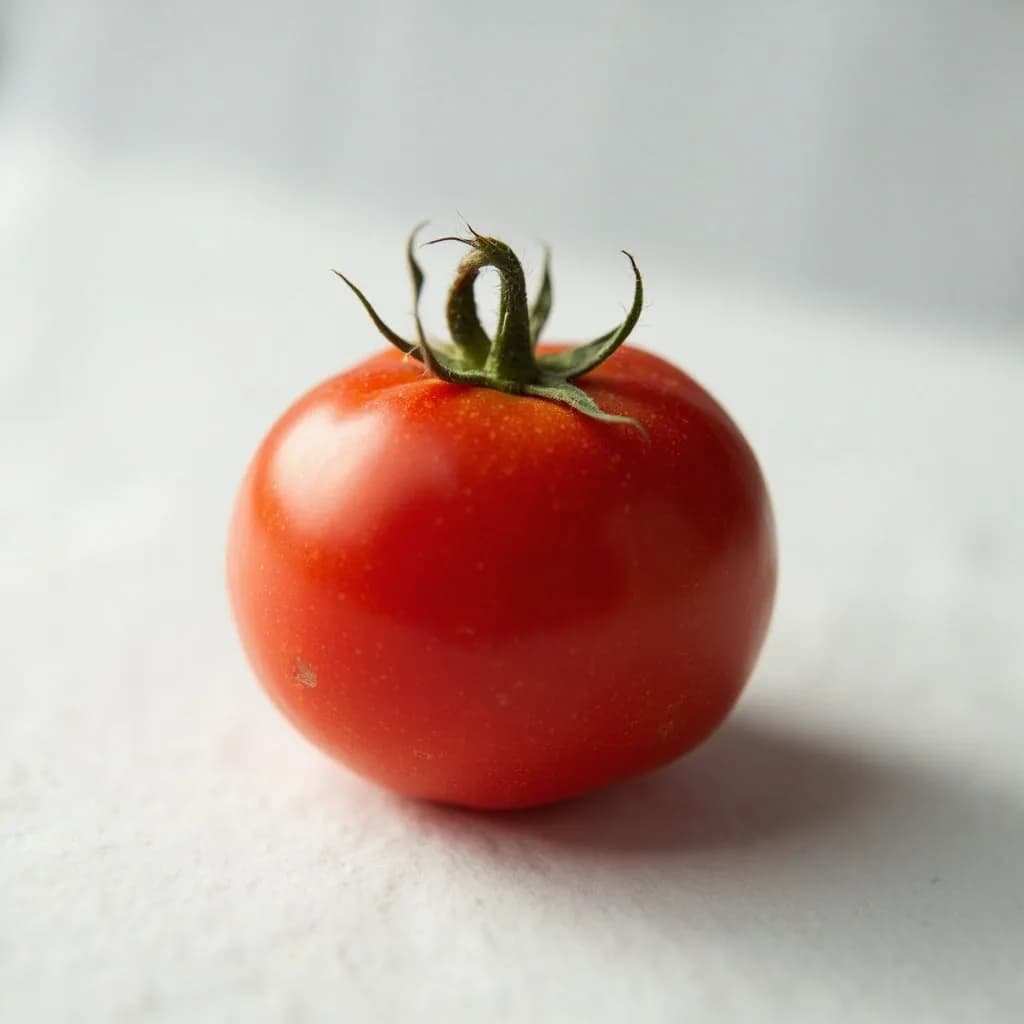
Tomato
Juicy, sun-sweet fruit for sauces, salads, and slow-cooked depth
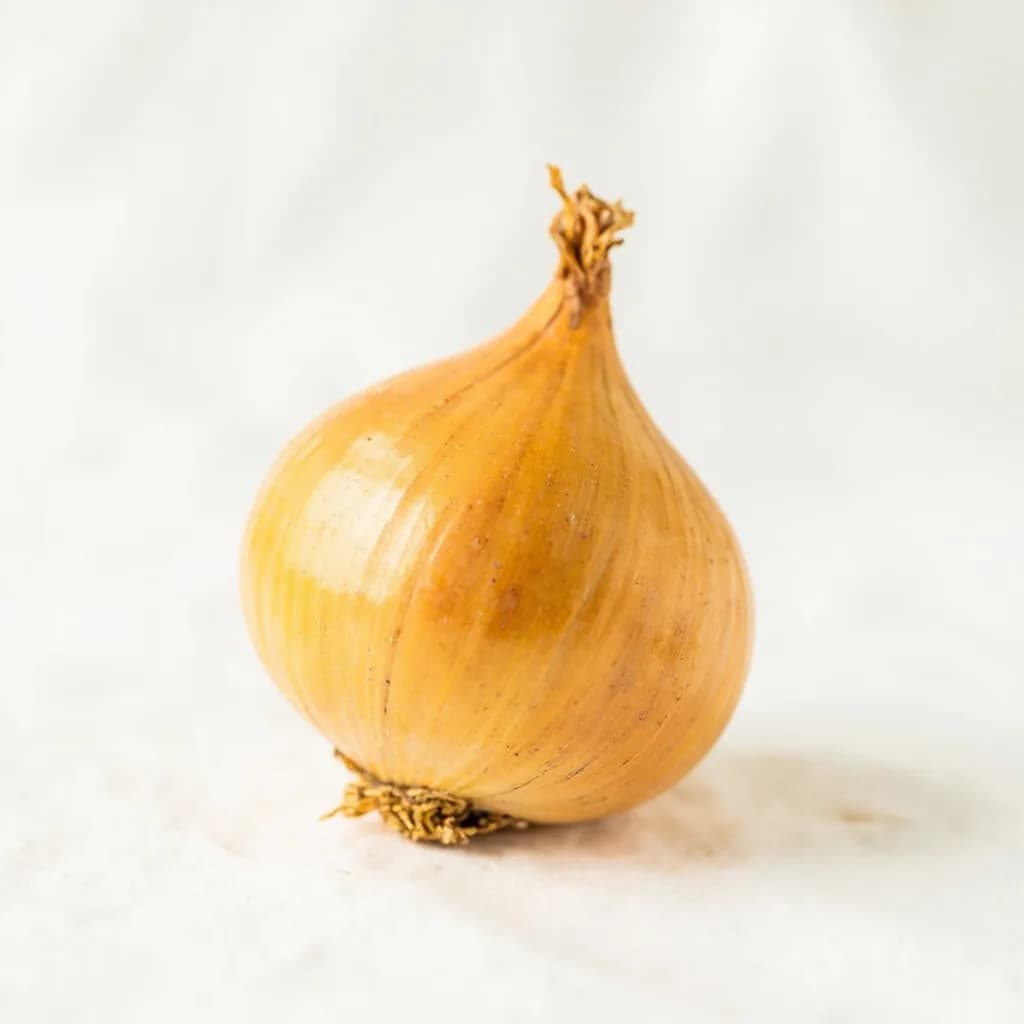
Yellow Onion
The aromatic backbone of soups, sofritos, and braises
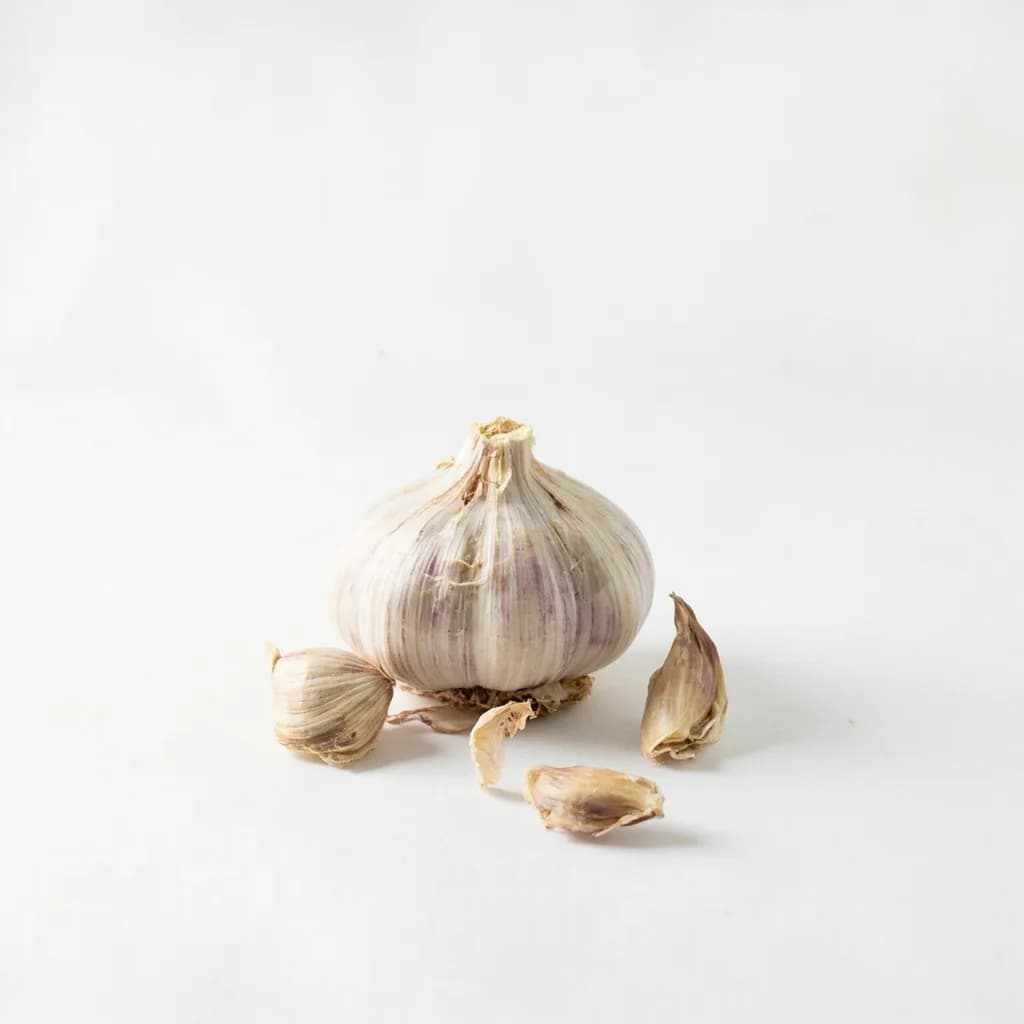
Garlic
Pungent cloves that perfume nearly every savory dish
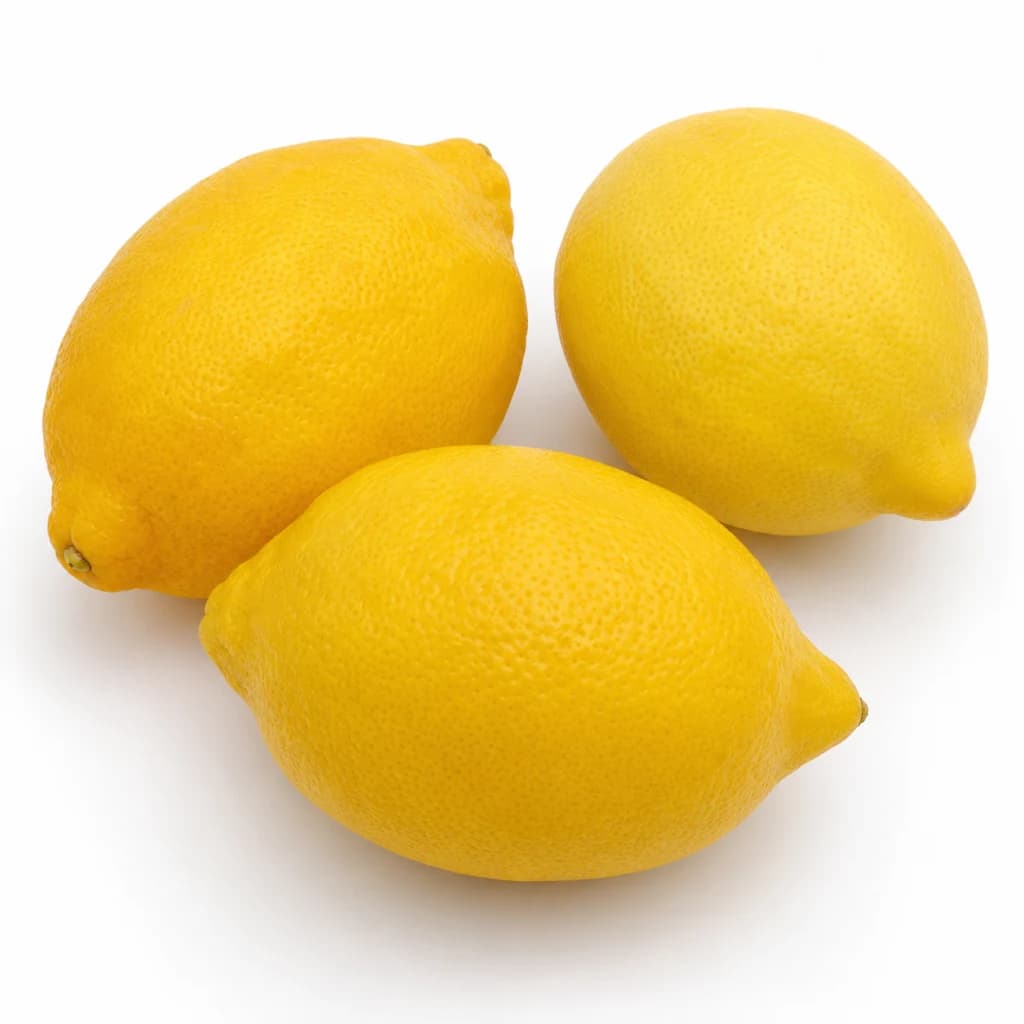
Lemon
Bright, acidic citrus that wakes up almost any dish
Potato
Humble, hearty staple — roast, mash, fry, or boil
Carrot
Sweet, crunchy root — raw, roasted, or the base of a sofrito
Cucumber
Cool, crisp, and watery — for salads, pickles, and tzatziki

Lettuce
Crisp leaves for salads, wraps, and a fresh crunch