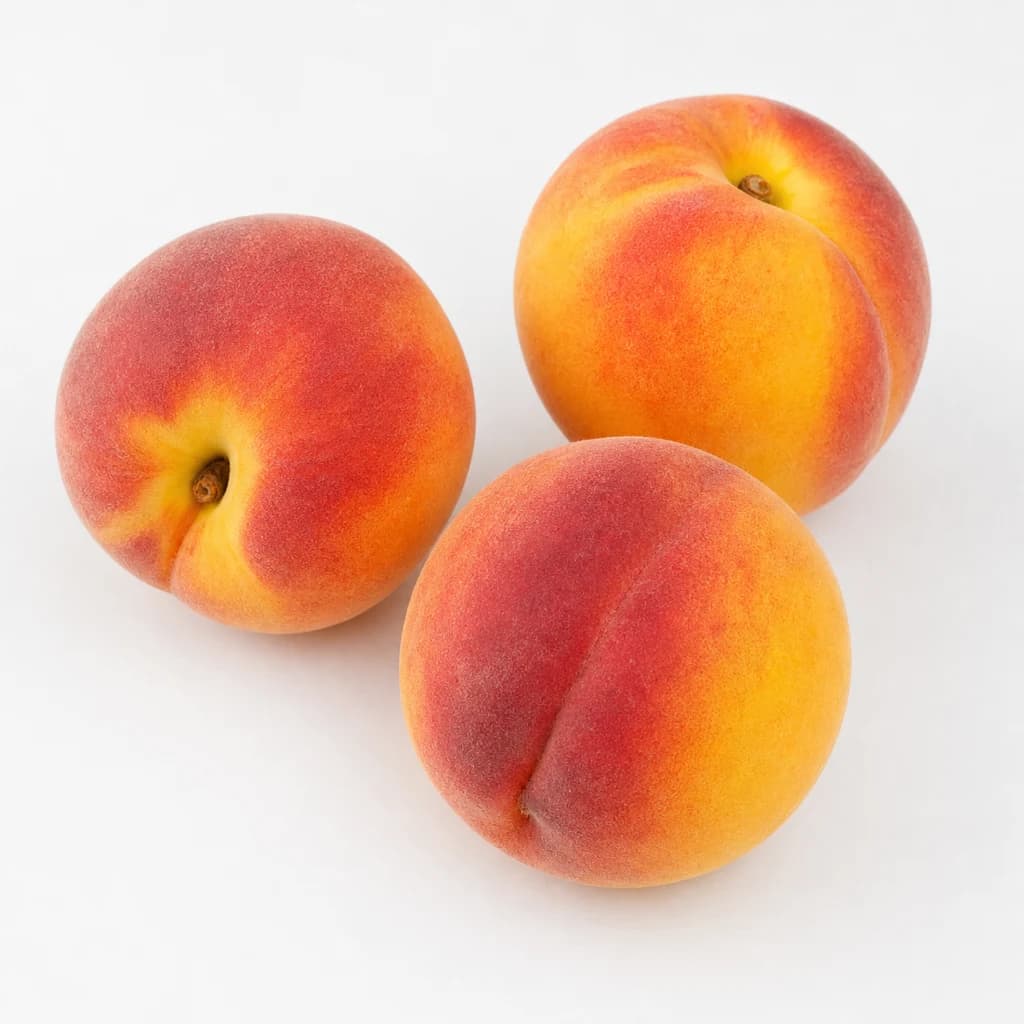
Natural form
Ripe freestone peaches showing the characteristic fuzzy golden-orange skin with red blush.
Teaches readers to recognize a whole peach by its color, fuzz texture, and size before buying or handling.
Produce
Peach
Juicy, fragrant stone fruit for grilling, baking, and eating
Sweet, fragrant, and dripping at its peak, peaches grill to a smoky char, bake into cobblers, and are perfection eaten over the sink. Ripen on the counter, then chill.
The peach is high summer in a single bite — fragrant, juicy, and dripping sweet when perfectly ripe, with velvety skin and golden (or white) flesh. Eaten out of hand over the sink, grilled to smoky caramelization, baked into cobblers and pies, or sliced into salads with prosciutto and basil, it's one of the year's most fleeting pleasures. The trick is buying it ripe (or ripening it carefully) and never refrigerating an unripe one.
- Measured in
- piece
- Storage
- Refrigerate
- Shelf life
- 5 days
Find it in
Types & varieties
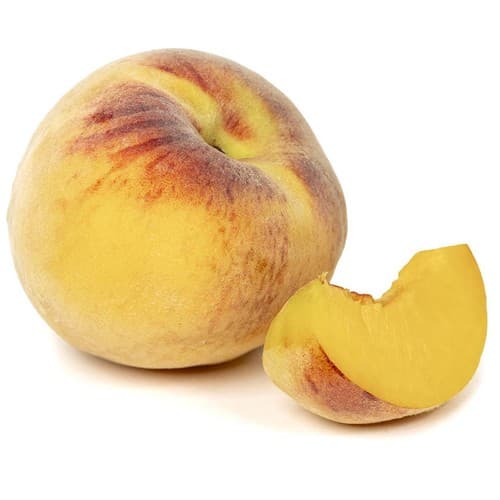
Golden flesh, sweet-tart, classic peach flavor
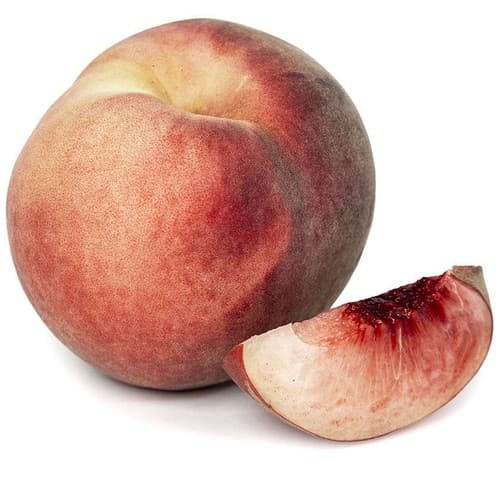
Pale flesh, lower acid, very sweet and floral
Freestone pits pop out cleanly (best for cooking); clingstone clings
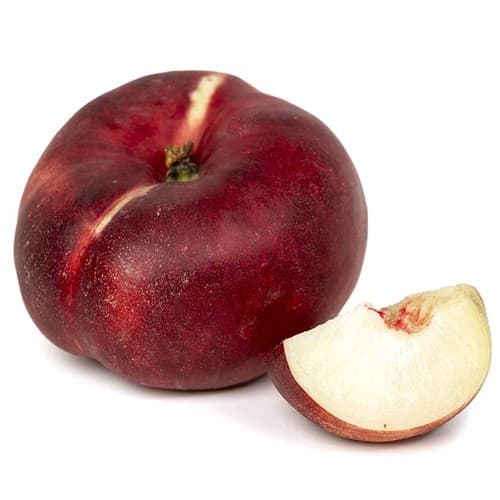
Flat, sweet, low-acid; easy to eat
Smooth-skinned peach variety; interchangeable
How to choose
Smell first — a ripe peach is intensely fragrant at the stem. Want a creamy-gold or yellow background color (any green means it was picked too early and won't sweeten much), and a gentle give when pressed at the shoulders, not the tip. Avoid hard, green, bruised, or wrinkled fruit. The blush isn't a ripeness sign — it's just the variety.
- Smell for fragrance — the best ripeness clue
- Cream/gold background, never green
- Gentle give at the shoulder
How to ripen and store
Ripen peaches at room temperature, stem-side down or in a single layer (a paper bag speeds it), until they're fragrant and give slightly. Never refrigerate an unripe peach — cold turns the flesh mealy and dry ('mealy peach' is a chill injury). Once ripe, the fridge holds them a couple of days; bring them back to room temperature for full flavor.
How to peel and pit
For freestone peaches, cut around the seam to the pit and twist the halves apart; clingstones need cutting off the pit in slices. To peel for pies and preserves, score an X in the base, blanch 30–60 seconds in boiling water, then plunge into ice water — the skins slip right off. Toss cut peaches with lemon to slow browning.
Common uses
Tips & pitfalls
- Buy by smell — a fragrant peach is a ripe peach
- Never fridge an unripe peach; cold makes it mealy and dry
- Blanch-and-shock to slip the skins off for pies and jam
- Grill halves cut-side down for smoky, caramelized sweetness
- Choose freestone varieties when you need clean slices for cooking
Nutrition
Energy
163 kJ · per 100 g
Where the calories come from
Protein
0.9g
2% DV
Carbs
9.5g
3% DV
Fat
0.3g
0% DV
Fiber
1.5g
5% DV
Sugars
8.4g
of which
Sodium
0mg
0% DV
Source · USDA FoodData Central · Peaches, yellow, raw
View on FDC →In the shops
Matched grocery products
 €0.82
€0.82Peach 1 unit
ud · Bonpreu
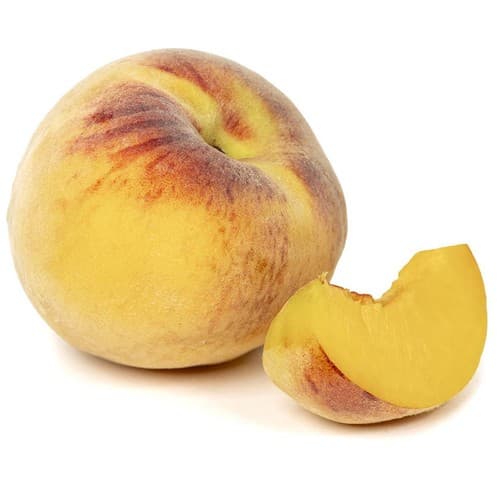 €0.85
€0.85Yellow Peach
Bonpreu
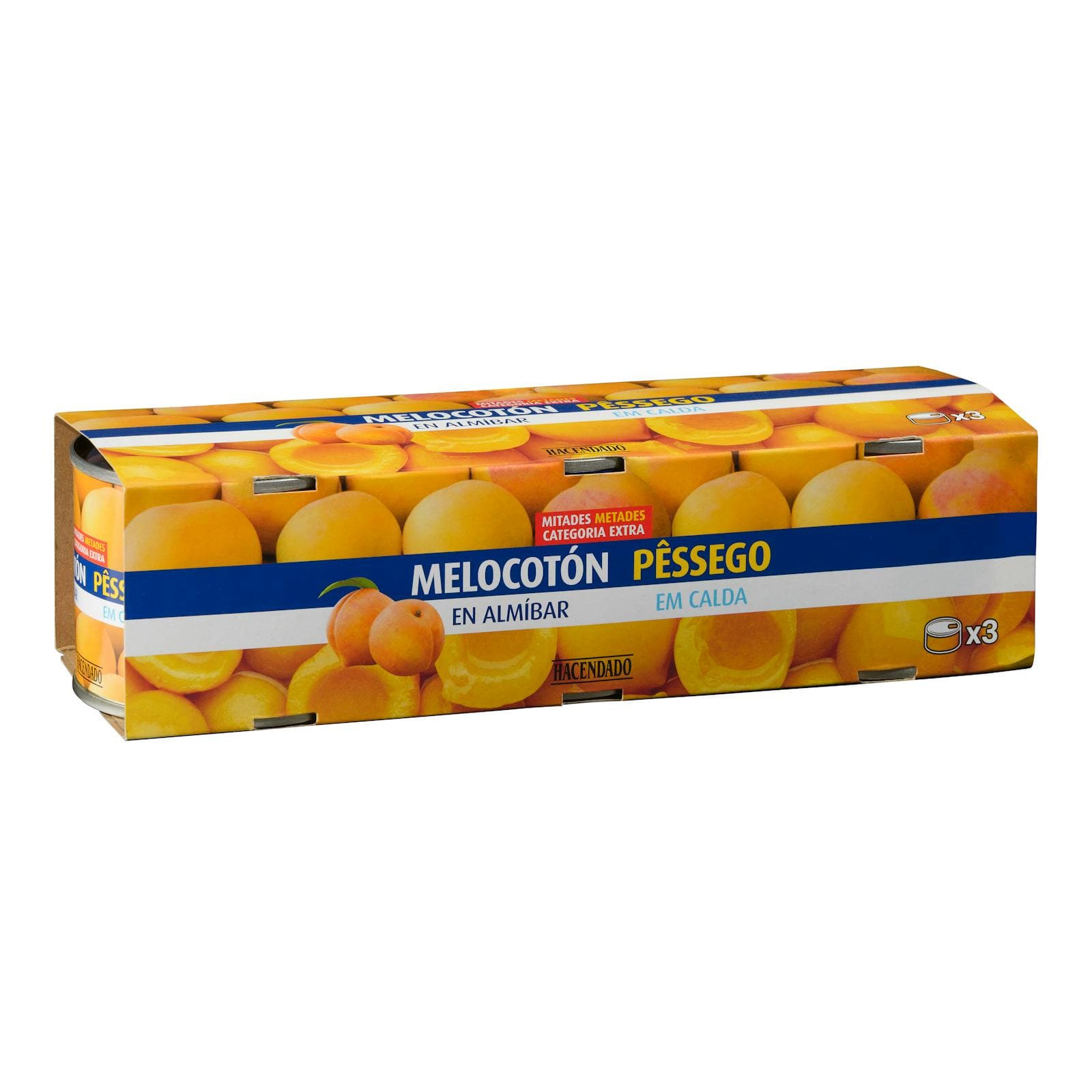 €2.35
€2.35Peaches in Syrup
Hacendado · 600 g · Mercadona
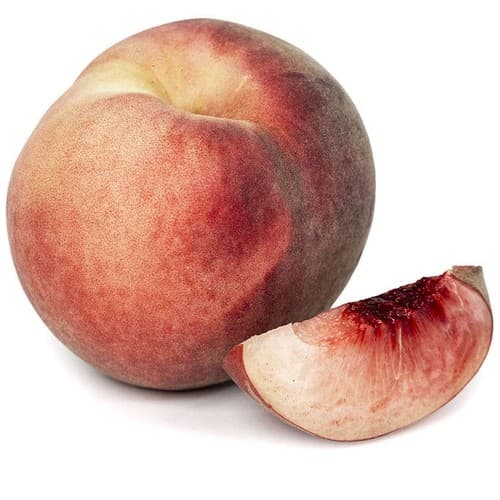
 €0.85
€0.85White Peach 1 unit
Bonpreu
 €0.97
€0.97Yellow Peach 1 unit
ud · Bonpreu
 €0.50
€0.50Paraguayan Peach 1 unit
ud · Bonpreu
Good to know
- Peak season
- Summer (June–August in the Northern Hemisphere)
- Flavor
- Sweet, floral, juicy; fragrant and tender when ripe
- Origin
- China; cultivated for over 4,000 years
- Nutrition
- ~39 kcal/100g; vitamins C, A, fiber
- How to buy
- Fragrant, even color (no green), slight give; gold/cream ground color
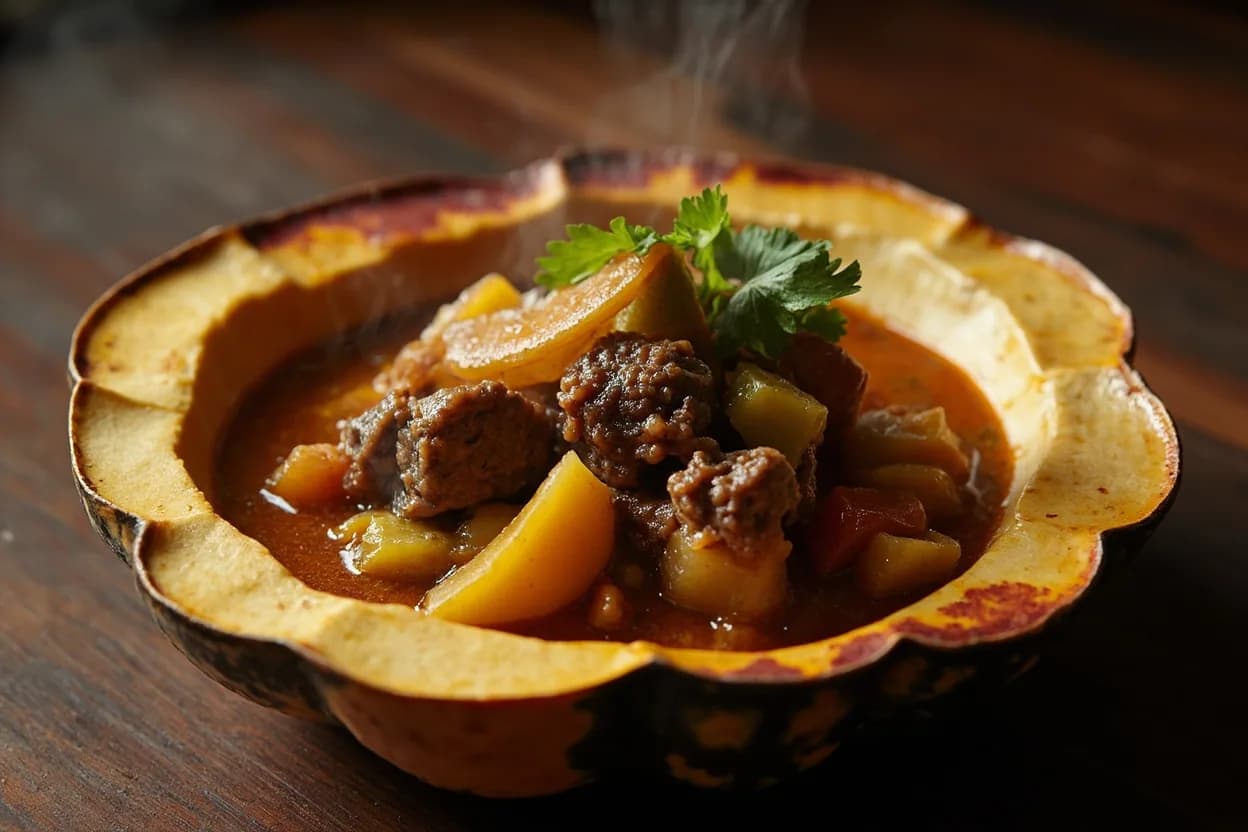
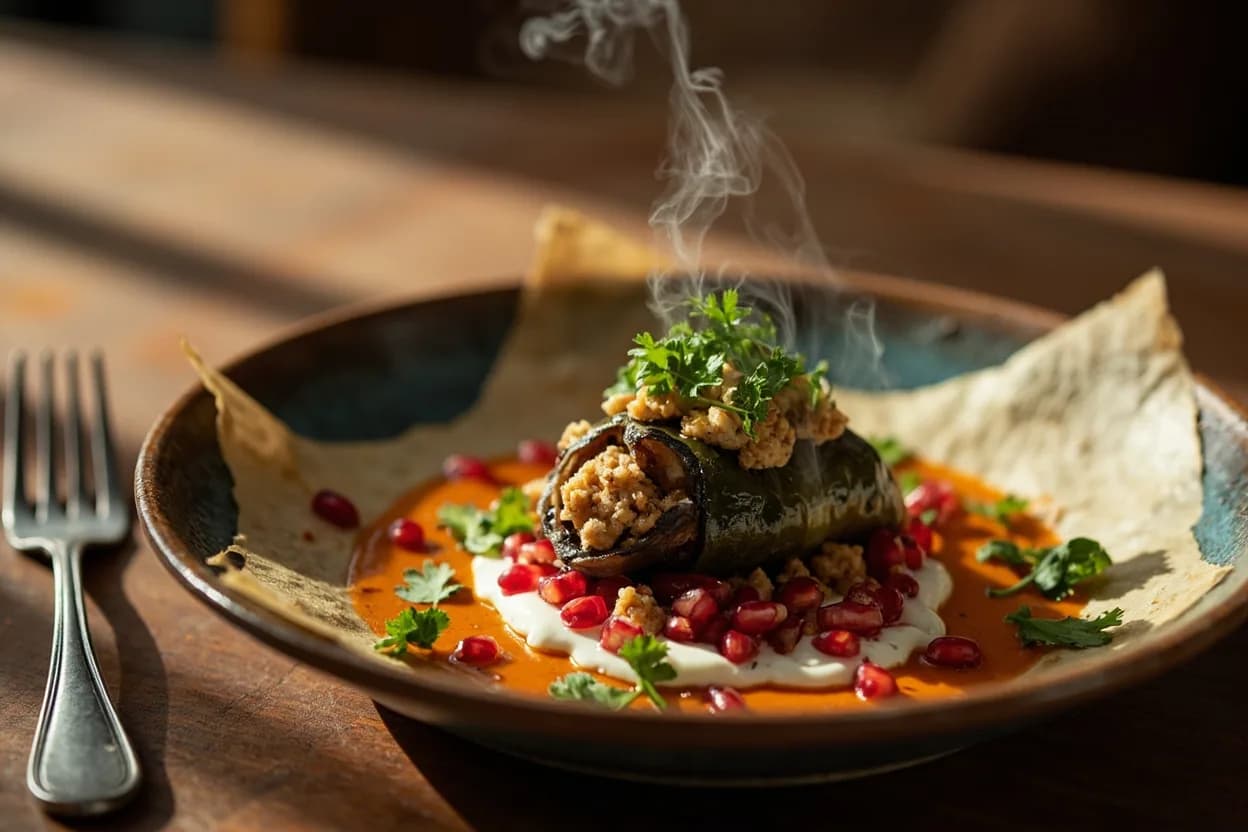
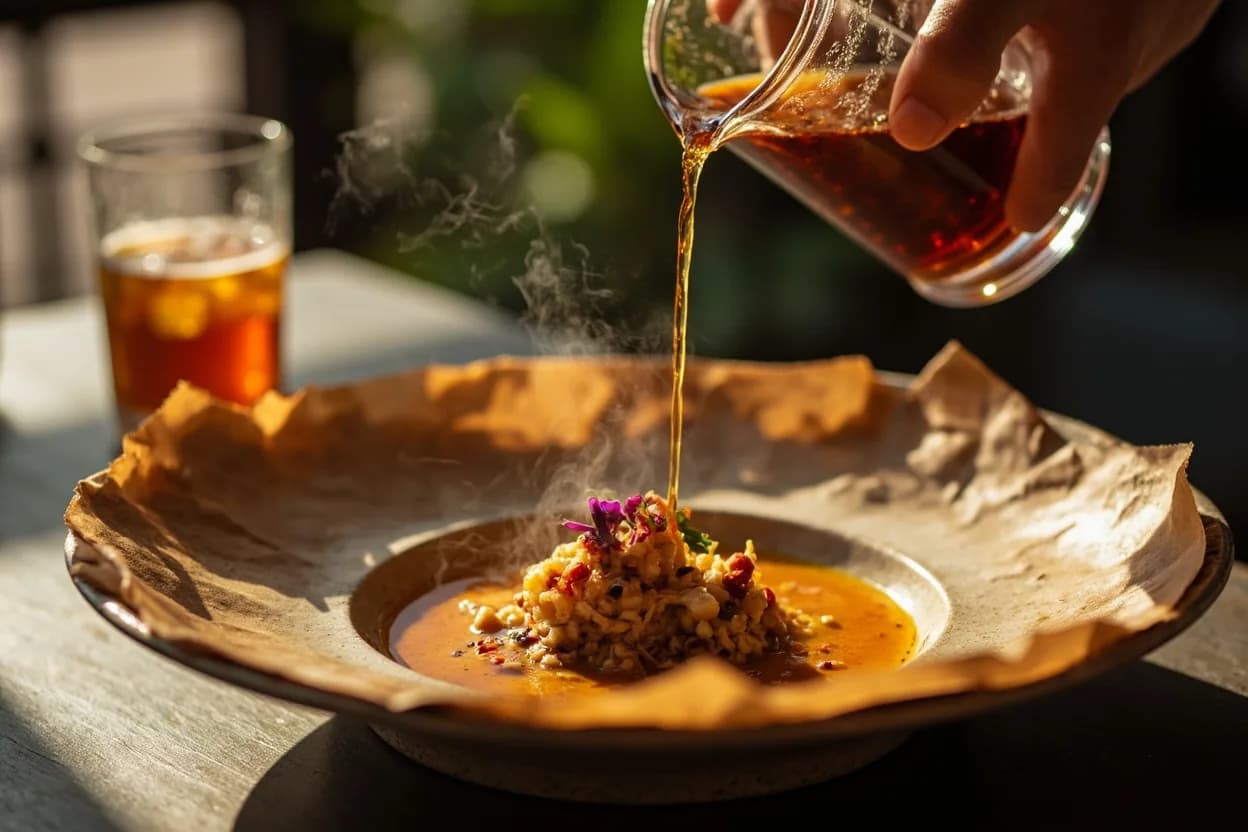
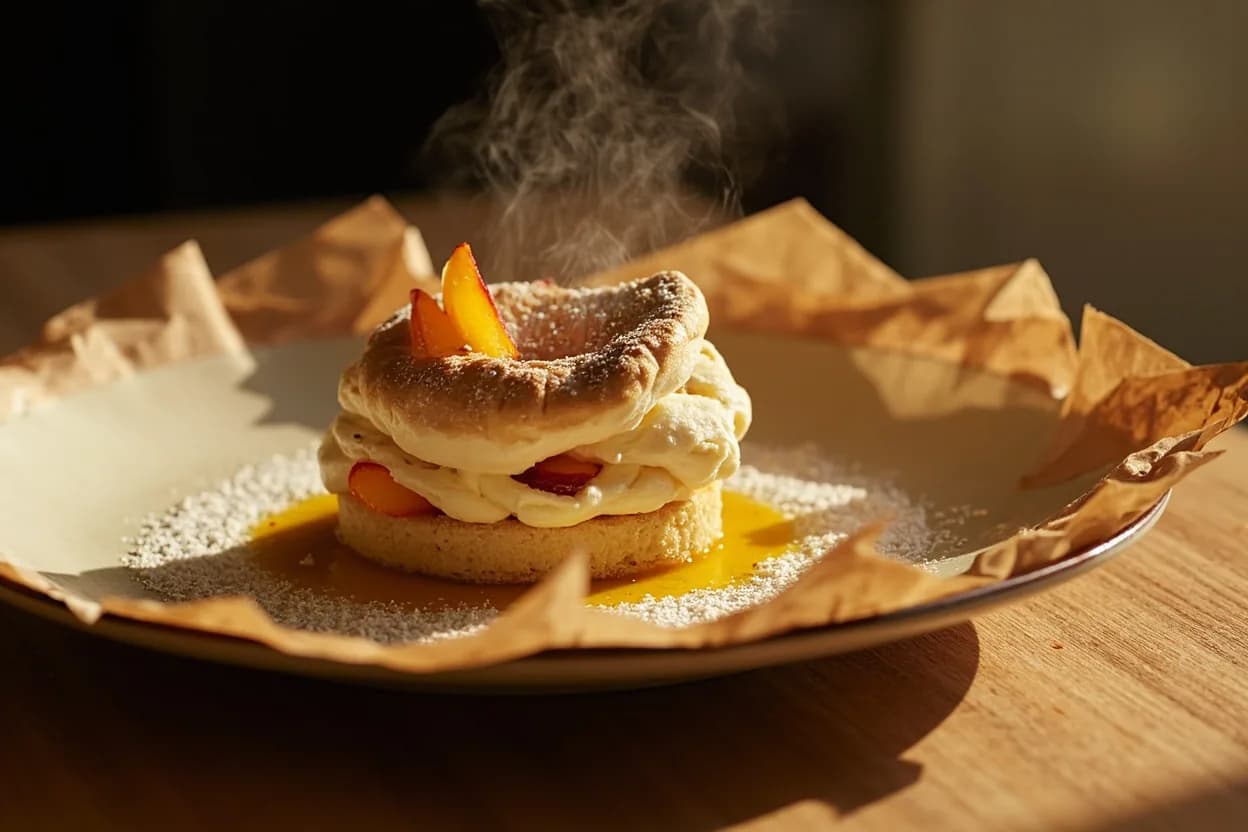
Appears in these dishes
Related
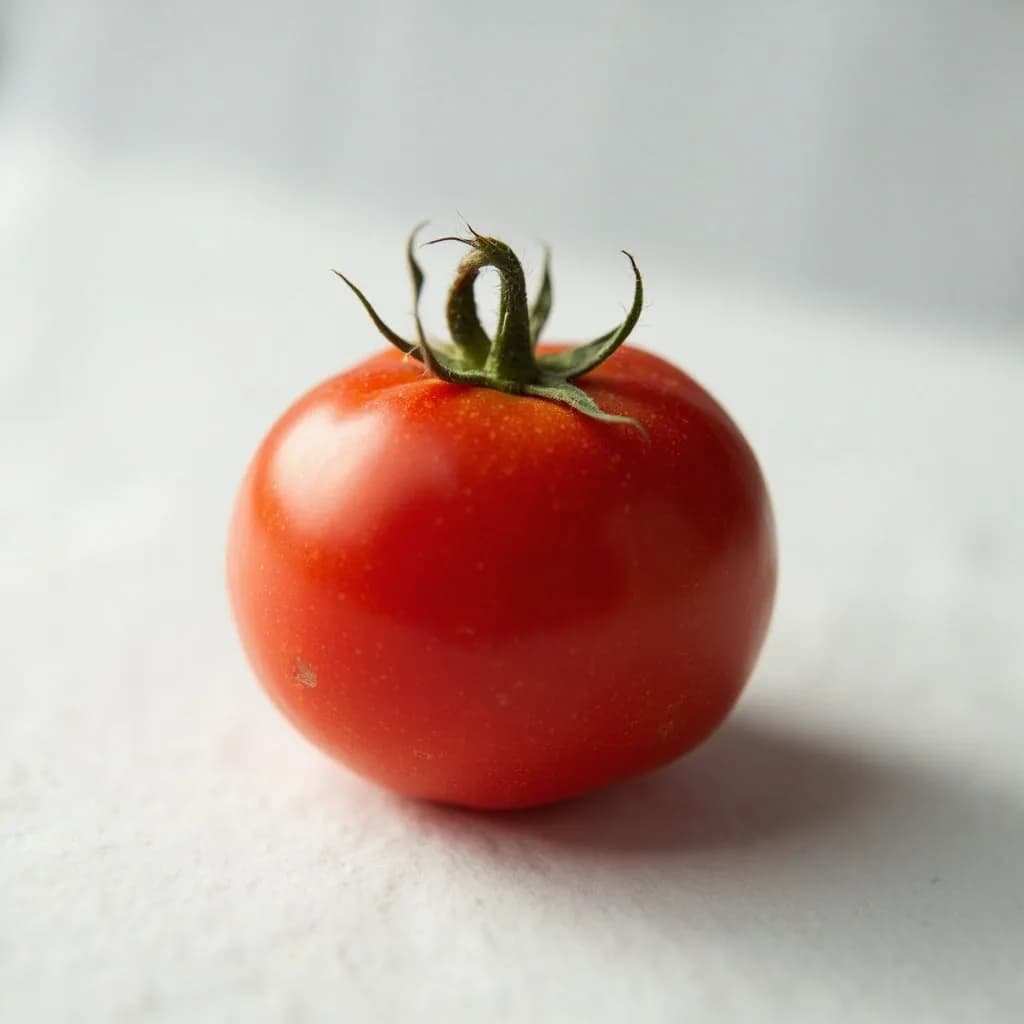
Tomato
Juicy, sun-sweet fruit for sauces, salads, and slow-cooked depth
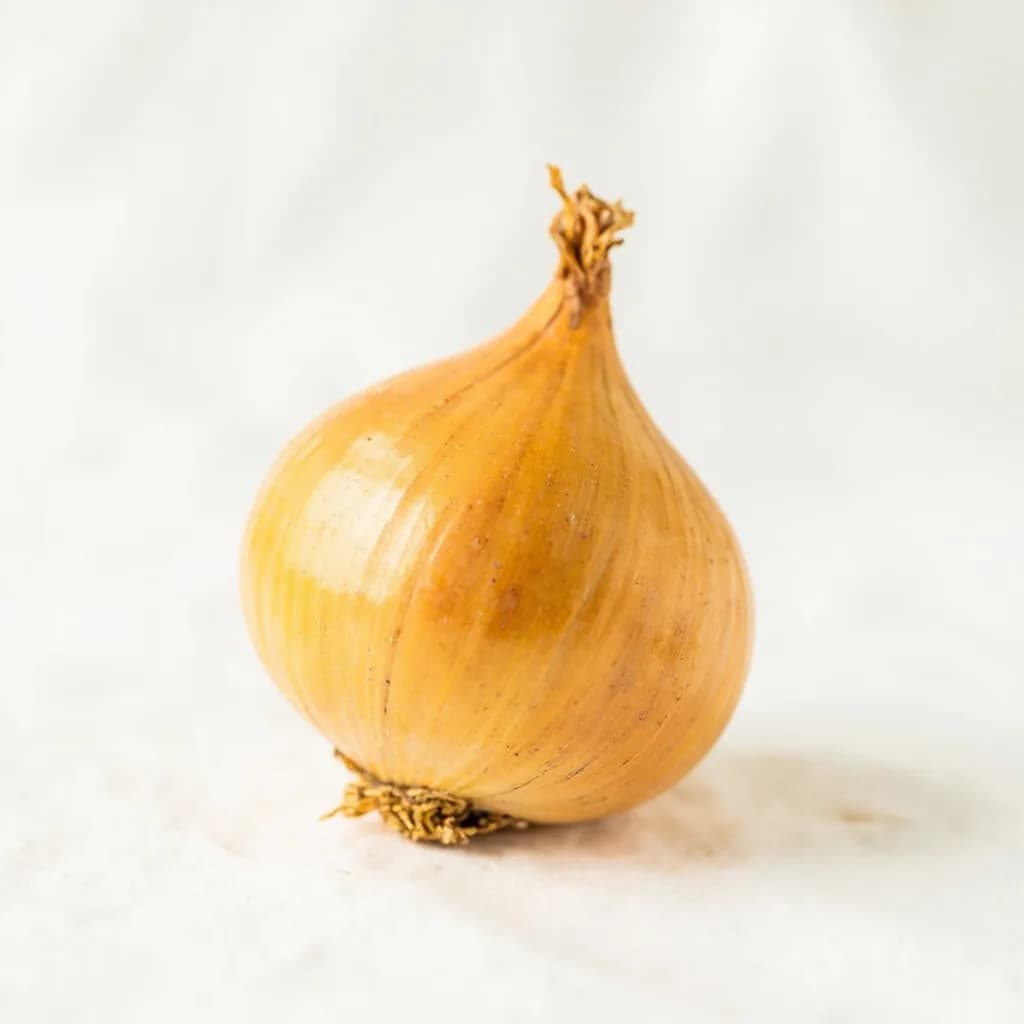
Yellow Onion
The aromatic backbone of soups, sofritos, and braises
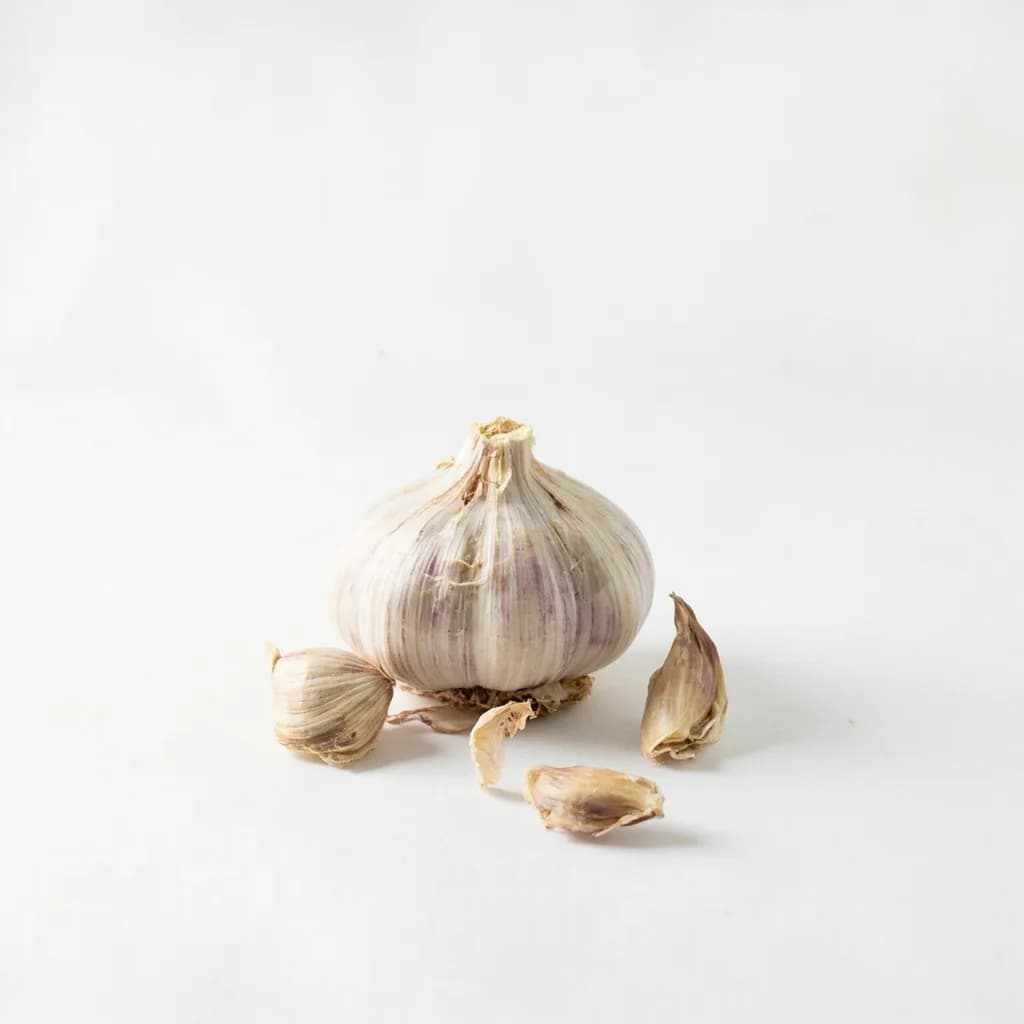
Garlic
Pungent cloves that perfume nearly every savory dish
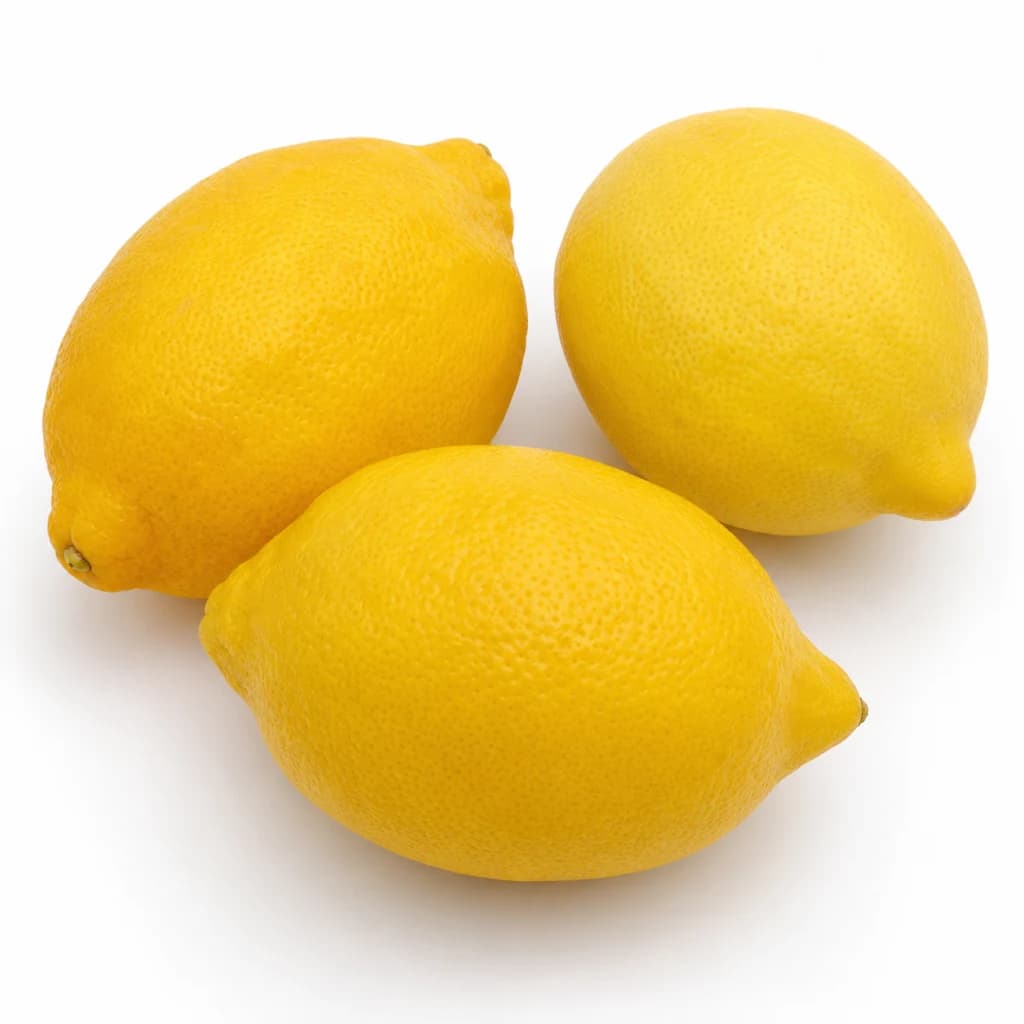
Lemon
Bright, acidic citrus that wakes up almost any dish
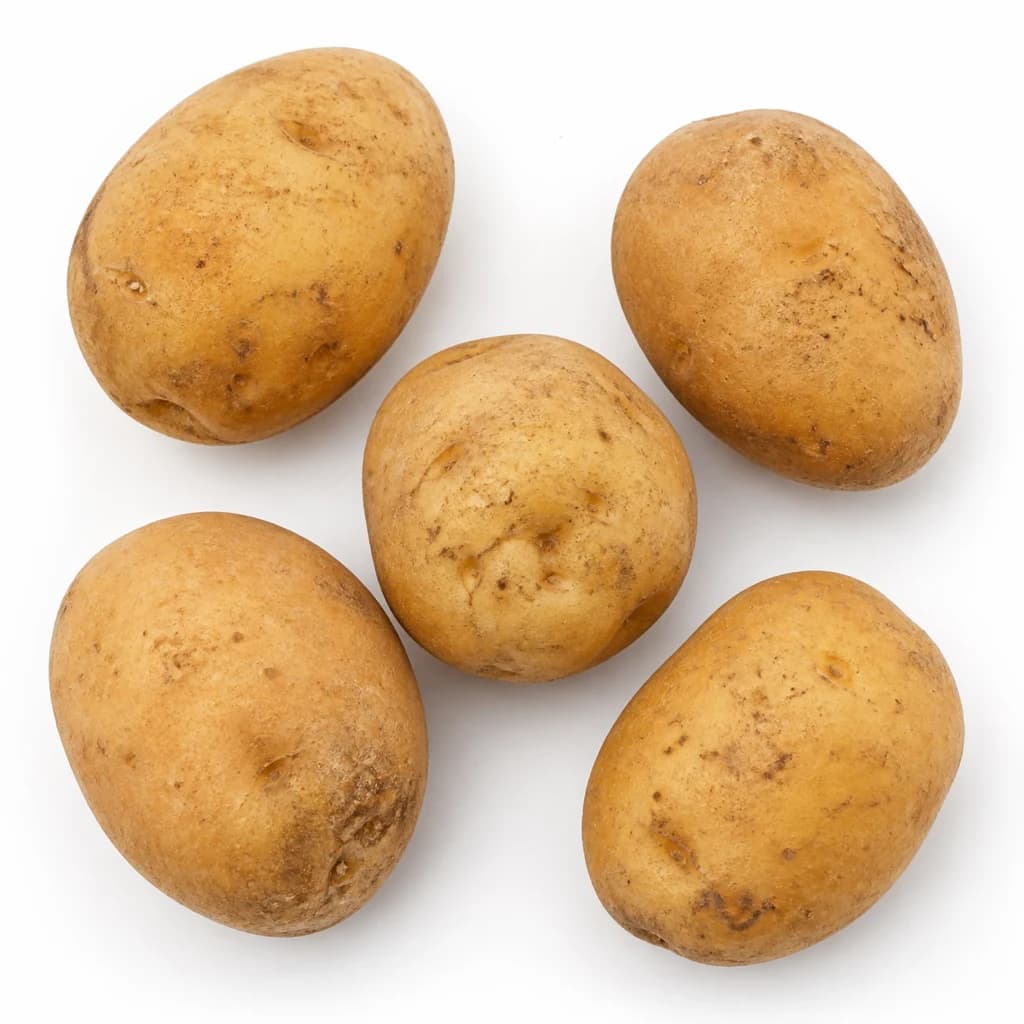
Potato
Humble, hearty staple — roast, mash, fry, or boil
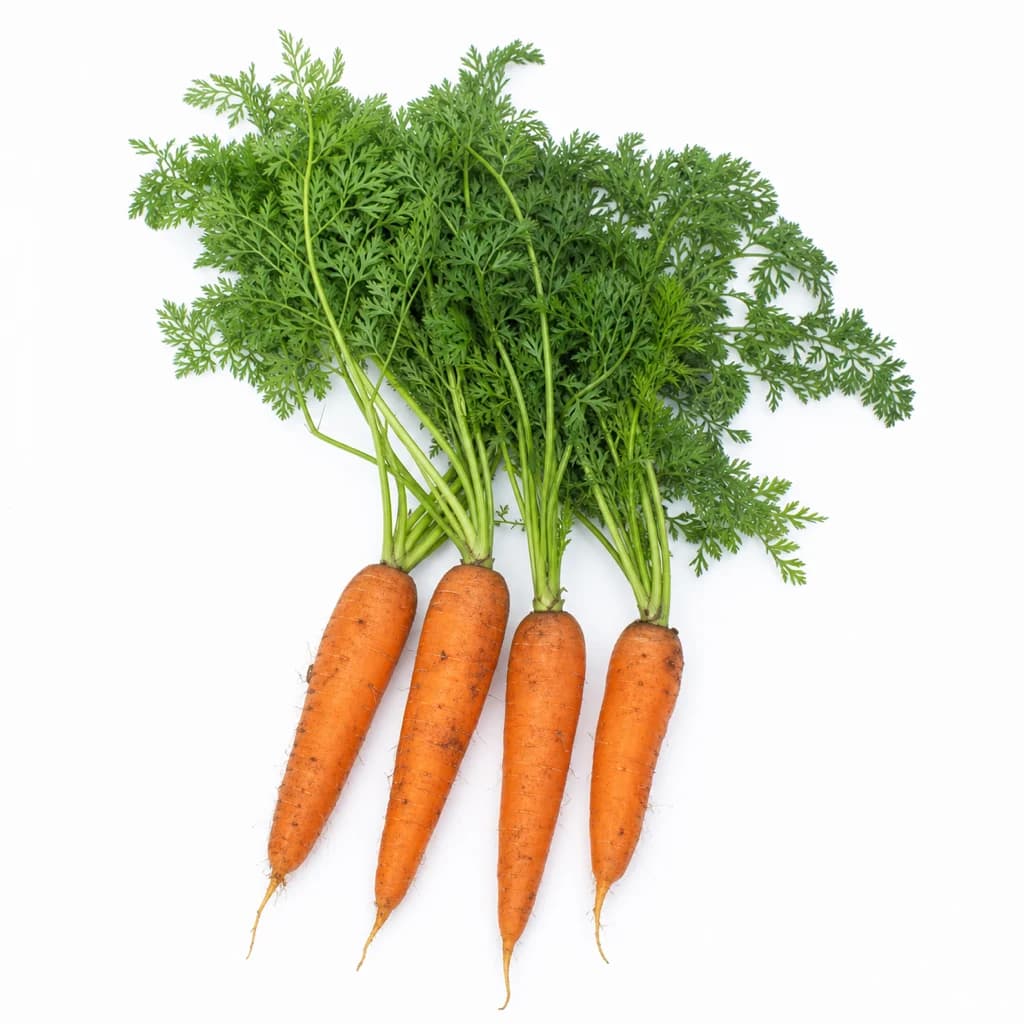
Carrot
Sweet, crunchy root — raw, roasted, or the base of a sofrito
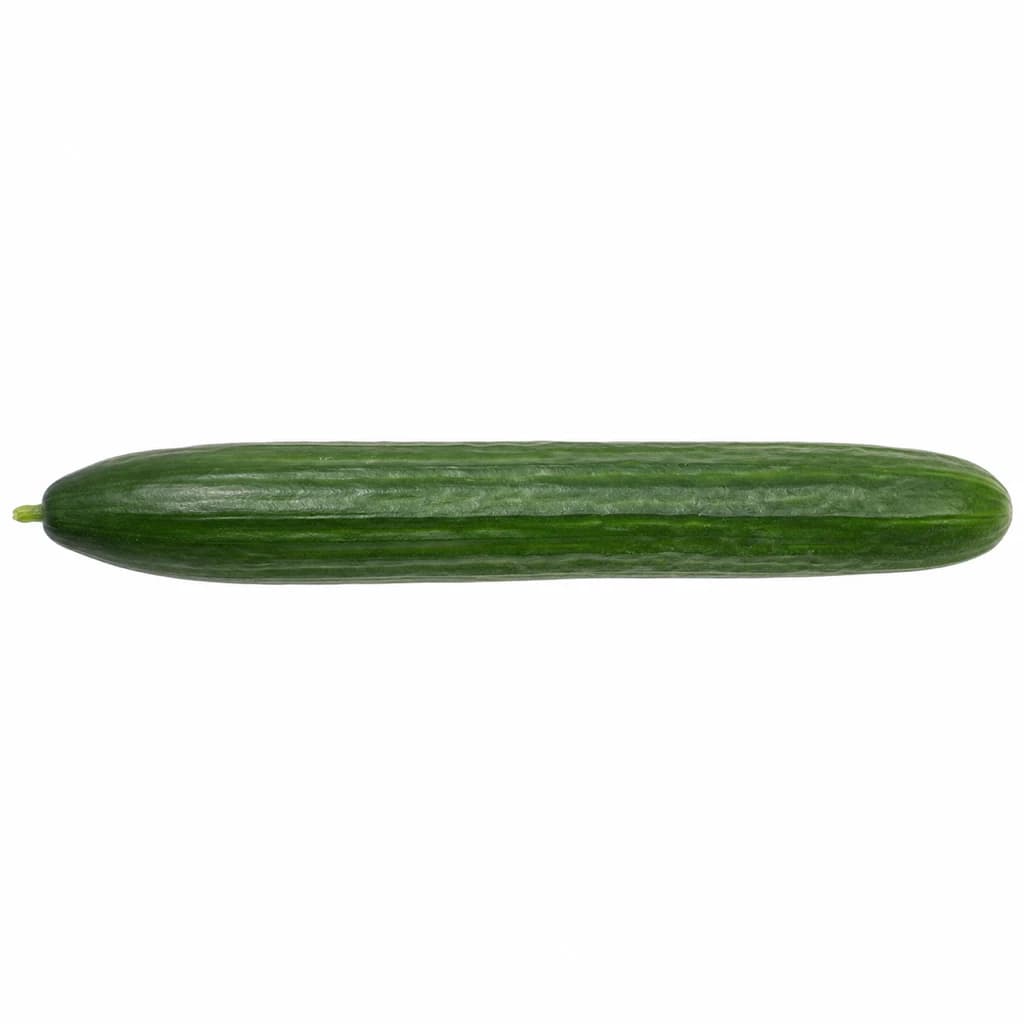
Cucumber
Cool, crisp, and watery — for salads, pickles, and tzatziki

Lettuce
Crisp leaves for salads, wraps, and a fresh crunch