
Natural form
Clusters of ripe Mirabelle plums on the branch, showing their distinctive small size and golden-yellow skin.
Shows the fruit in its natural harvest state, teaching size, color, and how the plums hang in clusters — the most immediate identification cue.
Produce
Mirabelle Plum
Tiny golden-yellow plum, intensely sweet, used in jams, tarts, and eau-de-vie.
The Mirabelle is a small, round, golden-yellow plum especially associated with the Lorraine region of France. It is very sweet with a honeyed flavor and is used for jams, tarts, compotes, and the distilled spirit eau-de-vie de mirabelle. The fruit has a short late-summer season.
Mirabelle plums are small, oval, freestone fruits of Prunus domestica subsp. intermedia, distinguished by their golden-yellow skin often flushed with burgundy where exposed to sun. Their remarkable sweetness—typically 18–22° Brix when fully ripe—makes them one of the most sugar-dense stone fruits, a characteristic that concentrates further when cooked. Originally from the Near East, mirabelles have been cultivated in Europe since at least the 16th century, though they have become inseparable from the Lorraine region of France, where they hold protected designation status and anchor an entire culinary tradition.
The tiny fruit—measuring just 2–3 cm in diameter—presents a notable challenge: the pit is disproportionately large relative to the flesh, affecting yield calculations for preserves and desserts. The flesh is bright yellow and separates cleanly from the stone, making preparation straightforward. Because of their delicate skin and high sugar content, mirabelles spoil rapidly at room temperature and are best refrigerated, though even then they remain viable for only five to seven days. This perishability explains why fresh mirabelles rarely appear outside growing regions, making frozen pitted plums a practical staple for year-round cooking.
In Lorraine, the six-week harvest in late summer is celebrated with festivals, and the fruit appears in virtually every category of French pastry and preserve. The combination of intense sweetness and high natural pectin makes mirabelles exceptionally forgiving in jam-making—commercial pectin is unnecessary, and batches set reliably. Their floral, honeyed character also lends itself to eau-de-vie production, transforming the ephemeral summer fruit into a digestif that captures its essence indefinitely.
- Measured in
- piece
- Storage
- Fridge
Types & varieties
Most widely cultivated variety; slightly larger fruit, harvest begins late August
Smaller, earlier-ripening variety; considered by many the most flavorful; harvest begins mid-July
Why Fresh Mirabelles Are Worth Seeking Out
While frozen and preserved mirabelles are practical, fresh mirabelles offer a eating experience impossible to replicate. The skin has a thin, slightly waxy quality that gives way to flesh with a juicy, almost tropical sweetness with floral and honey notes. For fresh eating, seek out fully ripe fruit with pronounced burgundy blush and a give to gentle pressure. The window of peak ripeness is brief—fruit picked too green will not develop proper sweetness. In Lorraine, roadside stands and farmers' markets offer the best selection during harvest season.
- Look for full golden color with red or burgundy blush on the sun-exposed side
- Avoid any fruit with green tinges—they will not ripen properly off the tree
- Ripe mirabelles should yield slightly to gentle pressure; firmness indicates underripeness
- Because of their small size and high value, fresh mirabelles are often too precious to eat out of hand
Working with the Large Pit
The pit-to-flesh ratio in mirabelles is unfavorable compared to larger plum varieties. For tarts and pastries, halving and pitting is straightforward using a paring knife or thumb pressure on the natural seam. In jam-making and compotes, account for a yield of approximately 60–65% flesh by weight. When halving for baking, arrange pieces cut-side down to prevent the delicate flesh from disintegrating during cooking—the high sugar content accelerates breakdown at high temperatures.
- A paring knife inserted around the seam and twisted separates halves cleanly
- For large batches of jam, a cherry pitter works efficiently on these small fruits
- Save pits for infused spirits or as flavorings for vanilla sugar, if desired
- The large pit reduces usable flesh to roughly 60–65% of total fruit weight
Common uses
Tips & pitfalls
- Select plums with full golden-yellow color and a pronounced red blush; green-tinged fruit will not ripen properly and lack sweetness
- The fruit should yield slightly to gentle pressure when ripe; very soft plums are overripe and will collapse in cooking
- Because of their high sugar content, reduce cooking heat once jam reaches a boil to prevent scorching and uneven caramelization
- For tarts, halve and pit the plums, then arrange cut-side down to prevent them from disintegrating during baking
- When making preserves, the high natural pectin means you can often skip commercial pectin; cook in small batches for best texture control
- Freeze whole, pitted, or prepared plums on a tray before transferring to bags to prevent clumping
- Account for the large pit size when calculating yields—roughly 35–40% of each fruit's weight is the stone
- Fresh mirabelles spoil within days at room temperature; refrigerate immediately and use within the week
Nutrition
Energy
192 kJ · per 100 g
Where the calories come from
Protein
0.7g
1% DV
Carbs
11.4g
4% DV
Fat
0.3g
0% DV
Fiber
1.4g
5% DV
Sugars
9.9g
of which
Sodium
0mg
0% DV
Source · USDA FoodData Central · Plums, raw
View on FDC →In the shops
Matched grocery products
No matched grocery products for Mirabelle Plum yet.
Good to know
- Scientific Name
- Prunus domestica subsp. intermedia
- Origin
- Near East; cultivated in Europe since at least the 16th century, most associated with Lorraine, France
- Peak Season
- Late July through September (approximately 6 weeks)
- Color
- Golden-yellow skin with red or burgundy blush on sun-exposed side
- Size
- 2–3 cm diameter; one of the smallest European plum varieties
- Flesh
- Yellow, freestone (pit separates easily from flesh)
- Sugar Content
- Very high; typically 18–22° Brix when fully ripe
- Primary Growing Region
- Lorraine, France (protected designation); also grown in Germany, particularly the Rhineland-Palatinate
- Shelf Life
- Refrigerate and use within 5–7 days; spoils quickly at room temperature
- Pectin Content
- High; excellent for jam and preserve making without added pectin
Substitutes
- Reneclode Plum — Larger but shares the sweet, yellow-fleshed European plum character; reduce cooking time accordingly.
- Greengage Plum — Green-yellow, sweet, and freestone; a reasonable substitute though slightly less sweet.
- Italian Prune Plum — Oval, dark purple, freestone; significantly different in flavor but holds shape well in tarts and is acceptable in compotes.
- Apricot — Similar sugar level and texture; note the apricot stone is toxic and must be removed (not a concern with plum stones). Use in equal measure for jams and desserts.
Pairs with
Also called
Mirabelle de Lorraine · Mirabelle
Related
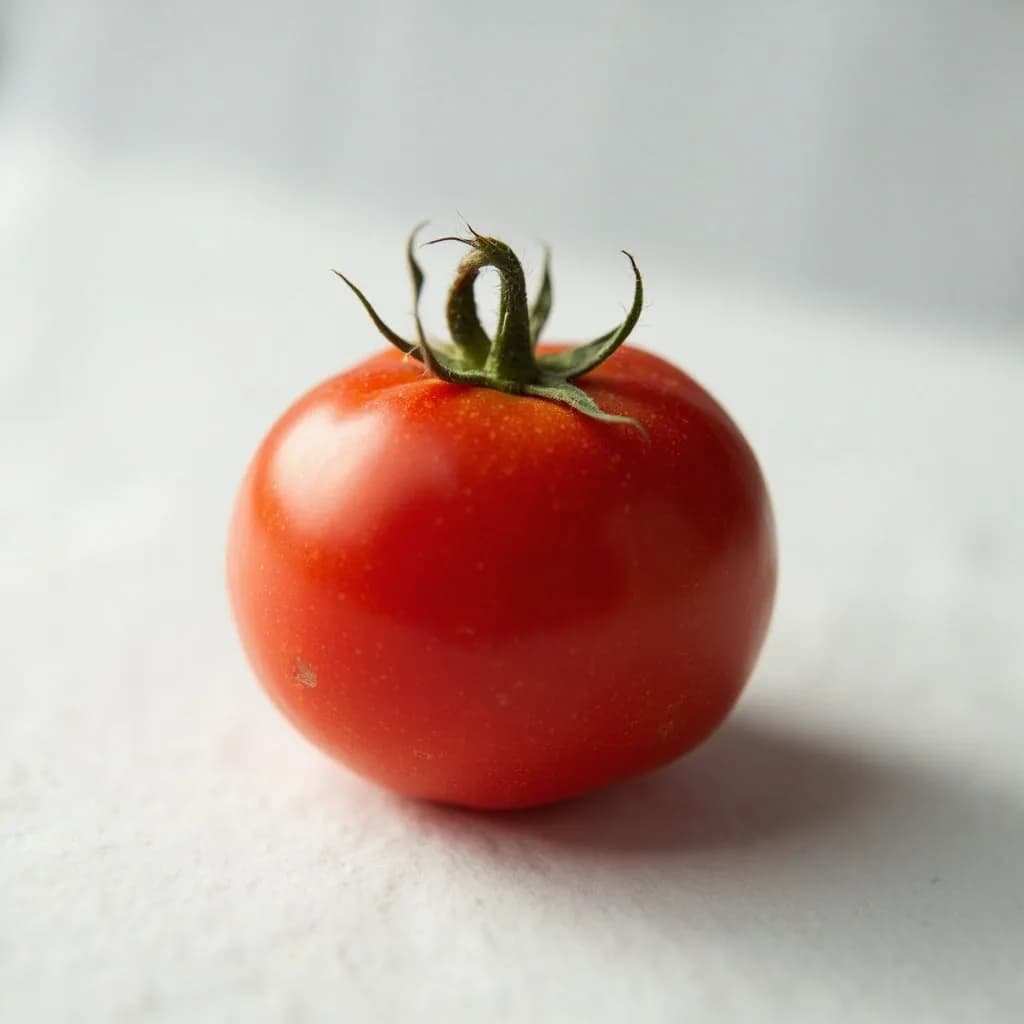
Tomato
Juicy, sun-sweet fruit for sauces, salads, and slow-cooked depth
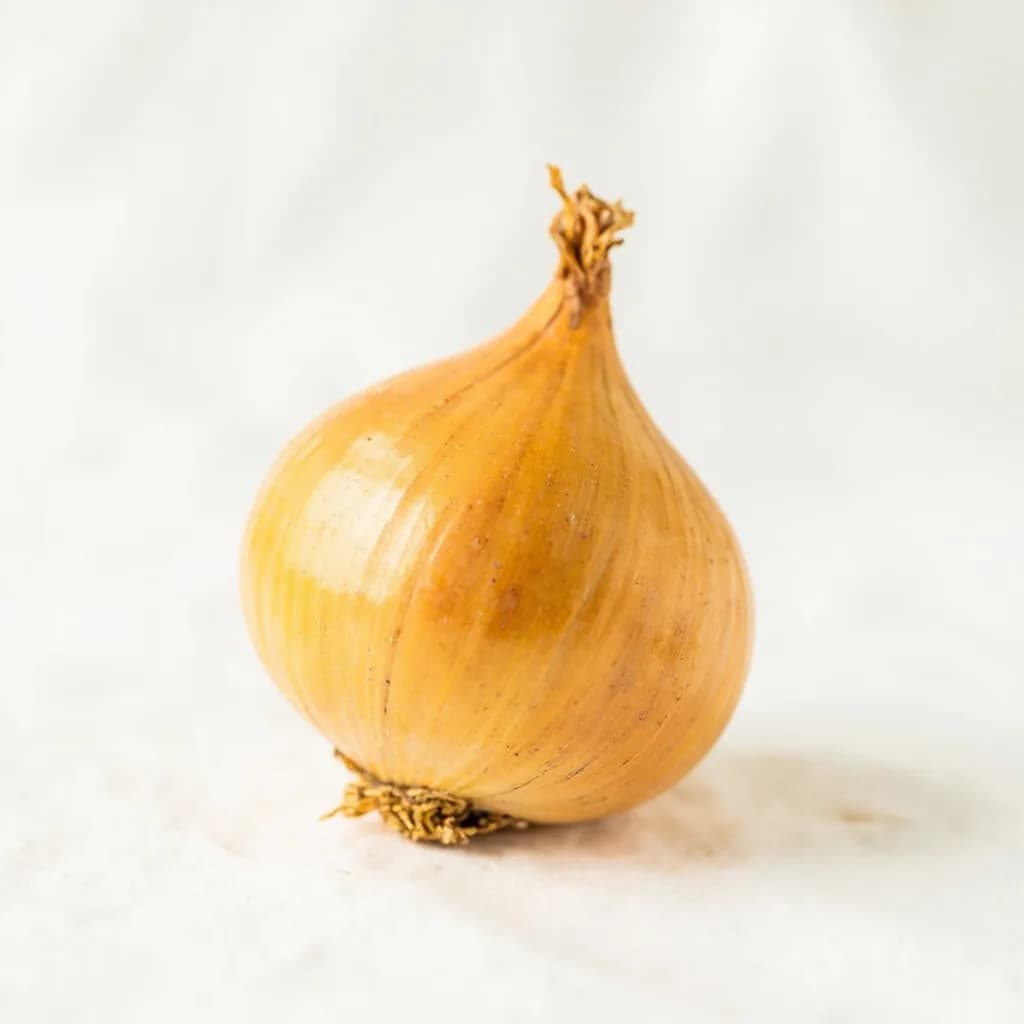
Yellow Onion
The aromatic backbone of soups, sofritos, and braises
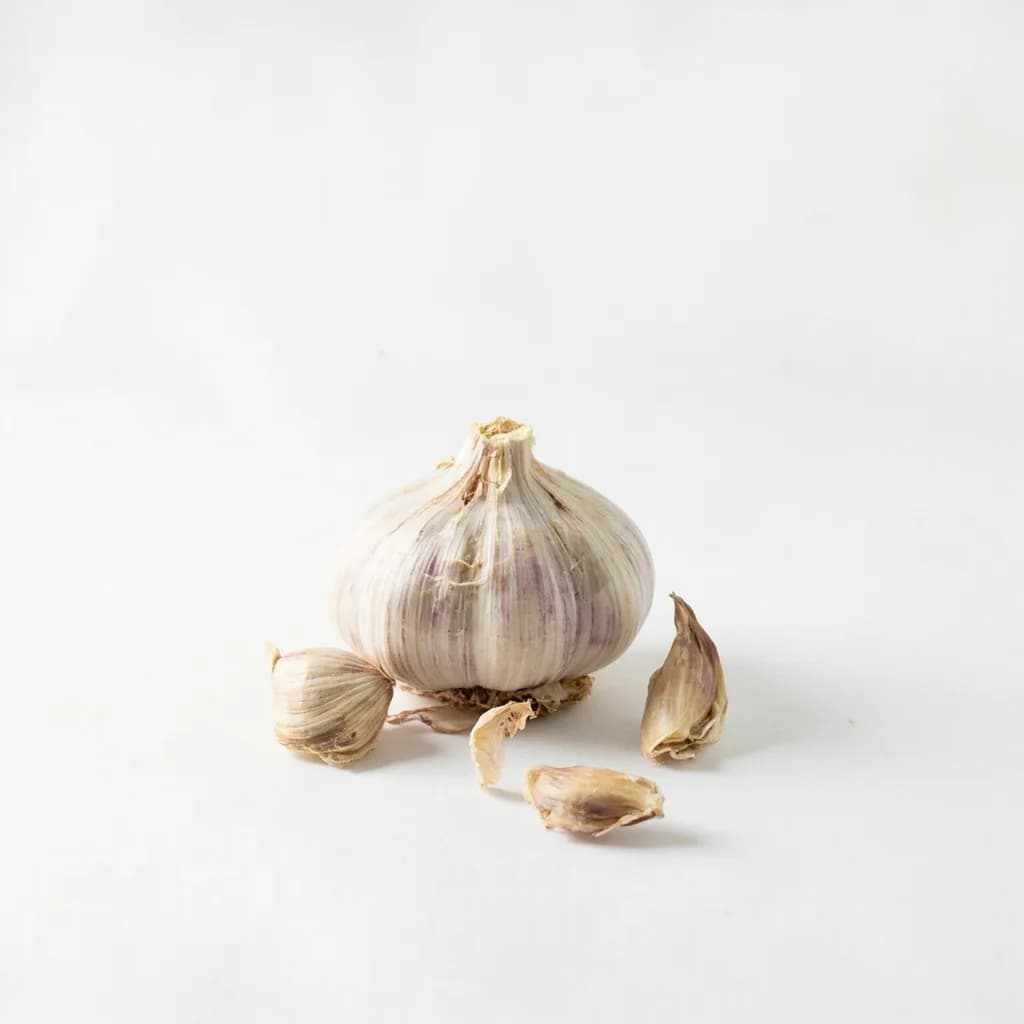
Garlic
Pungent cloves that perfume nearly every savory dish
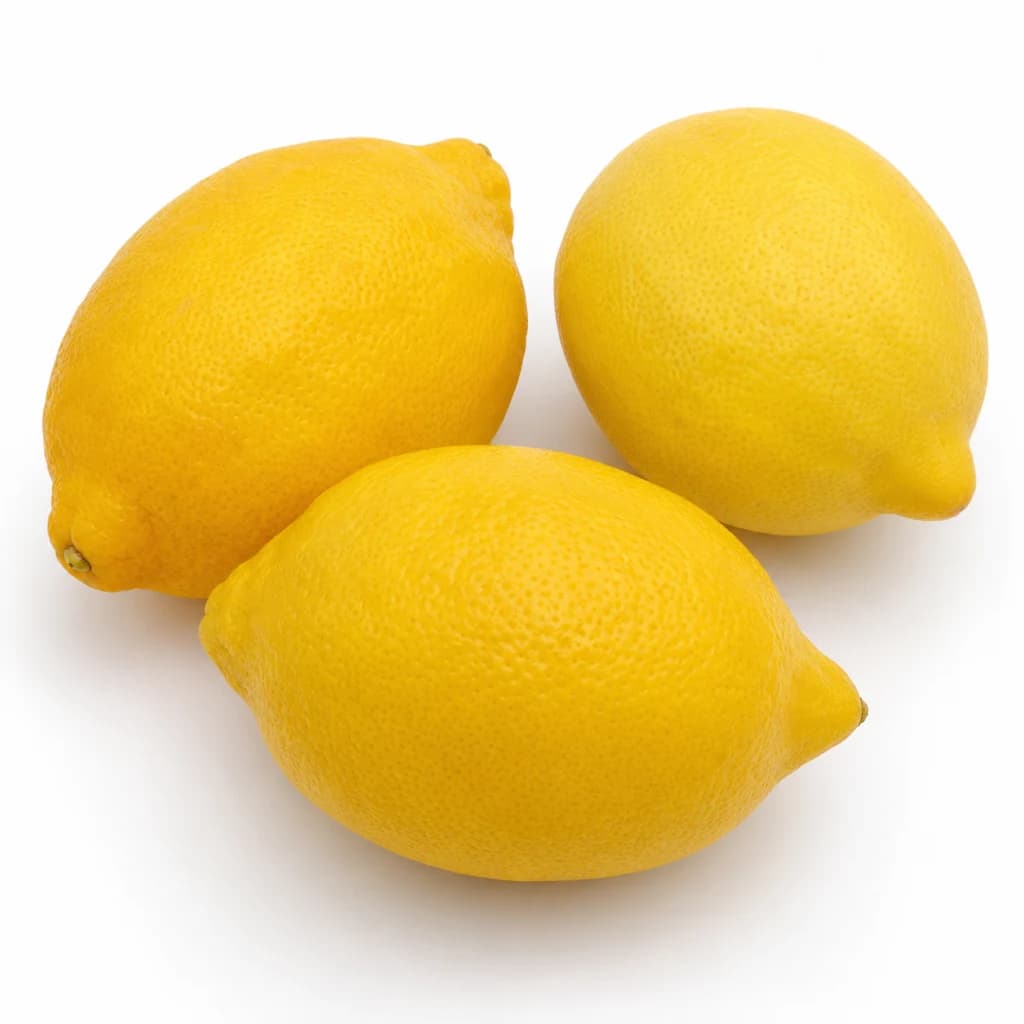
Lemon
Bright, acidic citrus that wakes up almost any dish
Potato
Humble, hearty staple — roast, mash, fry, or boil
Carrot
Sweet, crunchy root — raw, roasted, or the base of a sofrito
Cucumber
Cool, crisp, and watery — for salads, pickles, and tzatziki

Lettuce
Crisp leaves for salads, wraps, and a fresh crunch