
Natural form
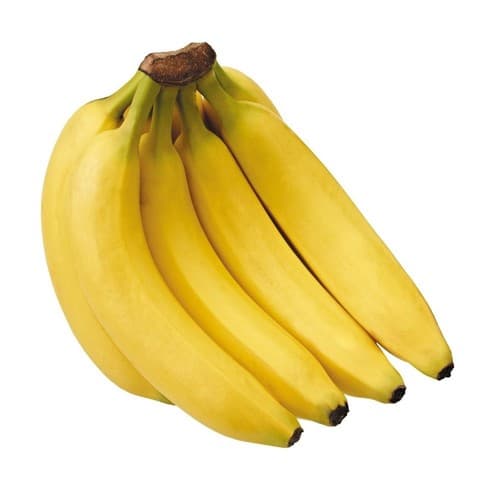
A cluster of green bananas still attached to their stem, showing unripe starchy form.
Shows the reader exactly what green bananas look like before any preparation — firm, fully green, visually distinct from ripe yellow bananas.
Produce
Green Banana
Unripe starchy banana boiled or fried as a savory vegetable across the Caribbean and Africa.
Green bananas are unripe dessert bananas, firm and starchy rather than sweet, treated as a savory vegetable. They are boiled, fried, or curried across the Caribbean, India and East Africa, and feature in Bengali kacha kola dishes. Their flesh is dense and mildly bitter until cooked.
Green banana is the unripe fruit of starchy banana varieties harvested before maturity, used as a savory vegetable throughout the Caribbean, West Africa, and Central America. Unlike its sweet, soft-ripened counterpart, the green banana is firm, waxy, and high in resistant starch—a type of carbohydrate that behaves more like fiber and holds its shape through cooking. The fruit absorbs seasonings readily, taking on the flavors of whatever it is cooked with while contributing bulk and body to soups, stews, and side dishes. Its texture, when properly prepared, falls somewhere between a firm potato and taro: slice-resistant when boiled, crisply substantial when fried.
In tropical regions where they grow year-round, green bananas are a dietary staple particularly associated with rural and peasant cooking traditions. They are valued for their ability to stretch simple meals—paired with salt pork, salt cod, or preserved proteins—while providing sustained energy from their resistant starch content. The bananas do not ripen further once fully green; the skin remains uniformly pale green and firm, distinguishing them from plantains or ripening bananas that show yellowing or black spots. Selection matters enormously: any yellowing in the skin signals the beginning of sweetness and softening, and these will disintegrate rather than hold their shape in savory preparations.
Preparation methods parallel those used for other tropical starchy vegetables. Boiling is the most common technique, yielding a mild, neutral-tasting side dish similar to boiled potatoes. Frying, whether as thick slices or flattened tostones-style, develops a crisp exterior while keeping the interior creamy. The green banana's versatility lies in its blank-canvas nature—it plays a supporting role to stronger flavors rather than demanding attention on its own.
- Measured in
- piece
- Storage
- Pantry
Types & varieties
General term for starchy banana varieties harvested unripe; most common in Caribbean cooking
Widely grown Caribbean cooking bananas; called 'puddings' when ripe
Blight-resistant varieties common in the Caribbean and Central America
Half-lunar-shaped, used throughout the Philippines and Pacific; stays firm when cooked
Green Banana vs. Green Plantain
These terms are often used interchangeably in Caribbean English, but botanically they refer to different fruits. Green banana comes from varieties bred for sweetness when ripe; harvested unripe, they are starchy and firm. Plantain is a distinct cultivar (Musa × paradisiaca) bred specifically for cooking, with thicker skin and higher starch content. In practice, the distinction matters little for preparation—green plantains and green bananas are cooked identically and yield similar results. The Saba variety occupies a middle ground, behaving like a cooking banana in terms of firmness but sharing plantain's starchy profile.
- Use whichever is more available; preparation and cooking times are nearly identical
- Green plantains are slightly starchier and larger, requiring marginally longer boiling
Selecting and Storing
Choose bananas with uniformly green, unblemished skin. The fruit should feel heavy for its size, indicating good moisture content. Avoid any with yellowing, bruises, or soft spots—these have begun converting starch to sugar and will not hold their shape when cooked. Green bananas will not ripen further at room temperature, so buy only what you plan to use within a few days. For longer storage, peel, blanch briefly, and freeze until needed.
- Test firmness by pressing gently; ripe bananas yield easily, green ones do not
- Store unpeeled at room temperature, away from direct sunlight
- Peeled green bananas discolor quickly—cook immediately or submerge in cold water with a squeeze of lime juice
Common uses
Tips & pitfalls
- Select firm, heavy bananas with no yellowing or bruises; skin should be uniformly green
- To peel: make a shallow lengthwise slit and pry off skin, or cut into sections and peel each section
- Cut just before cooking to prevent oxidation and texture loss
- For frying: parboil banana pieces for 5–7 minutes, then cool and pound flat before second frying—this prevents splitting
- Do not overcook boiled green bananas or they become mushy and waterlogged; test with a skewer for slight resistance
- For soups: add whole or halved pieces in the last 20 minutes of cooking so they hold their shape
- Season the cooking water with salt, bay leaf, or garlic for subtle flavor infusion
- Common mistake: using ripe or yellowing bananas—these are sweet and will disintegrate, not the intended result
- Green bananas can be frozen after peeling if blanched briefly; thaw before cooking
Nutrition
Energy
310 kJ · per 100 g
Where the calories come from
Protein
0.8g
2% DV
Carbs
19.2g
7% DV
Fat
0.3g
0% DV
Fiber
2.9g
10% DV
Sugars
16.3g
of which
Sodium
1mg
0% DV
Source · USDA FoodData Central · Figs, raw
View on FDC →In the shops
Matched grocery products
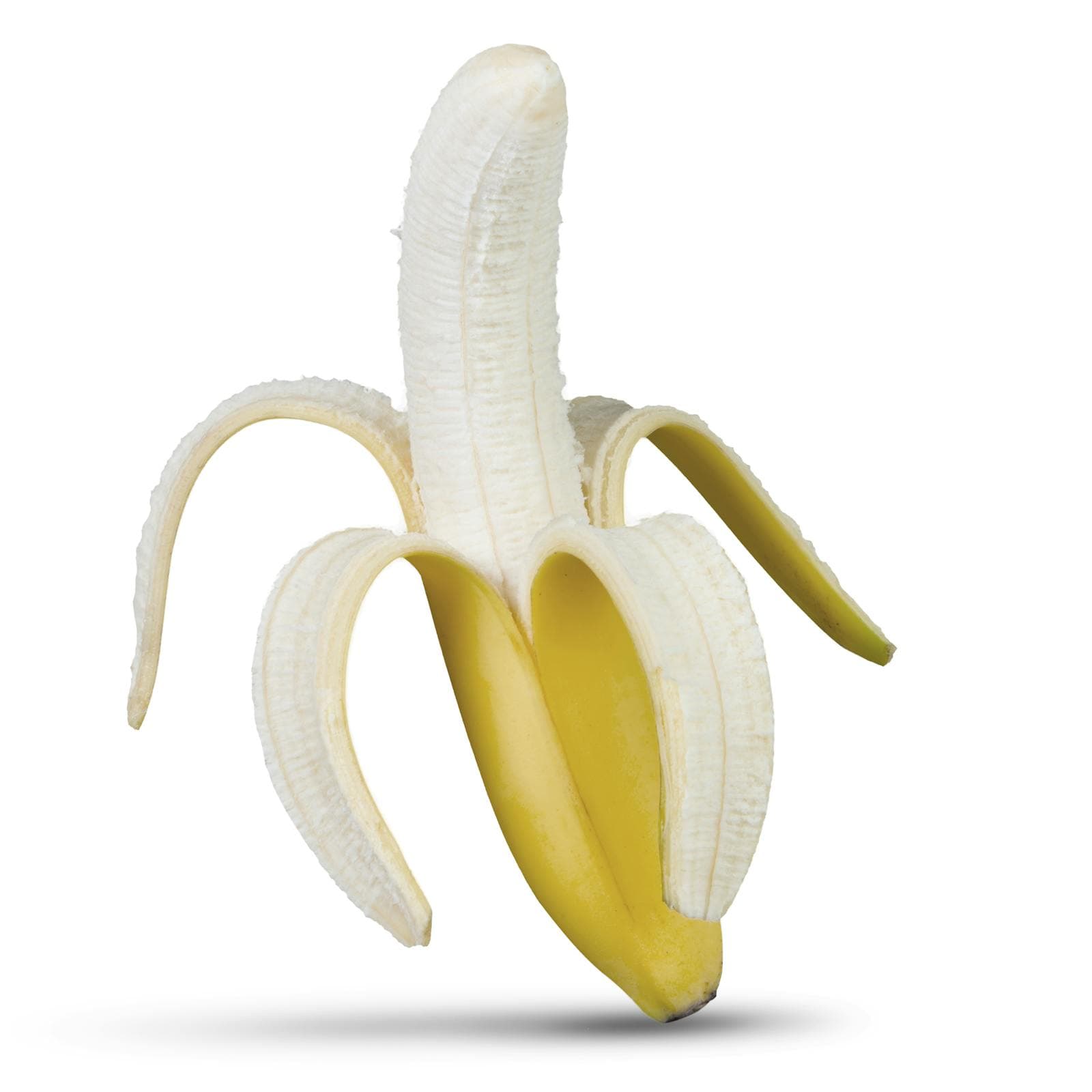 €0.26
€0.26Banana
170 g · Mercadona
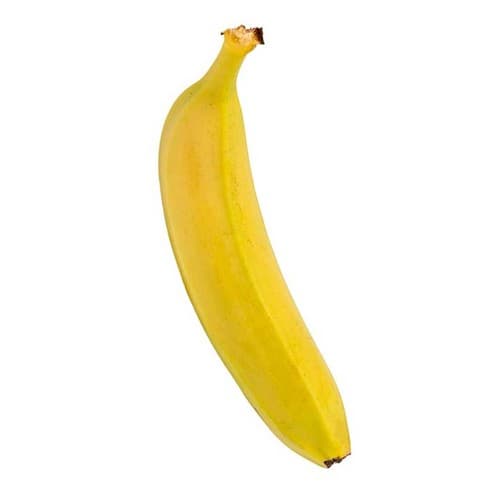 €0.22
€0.22Banana 1 unit
ud · Bonpreu
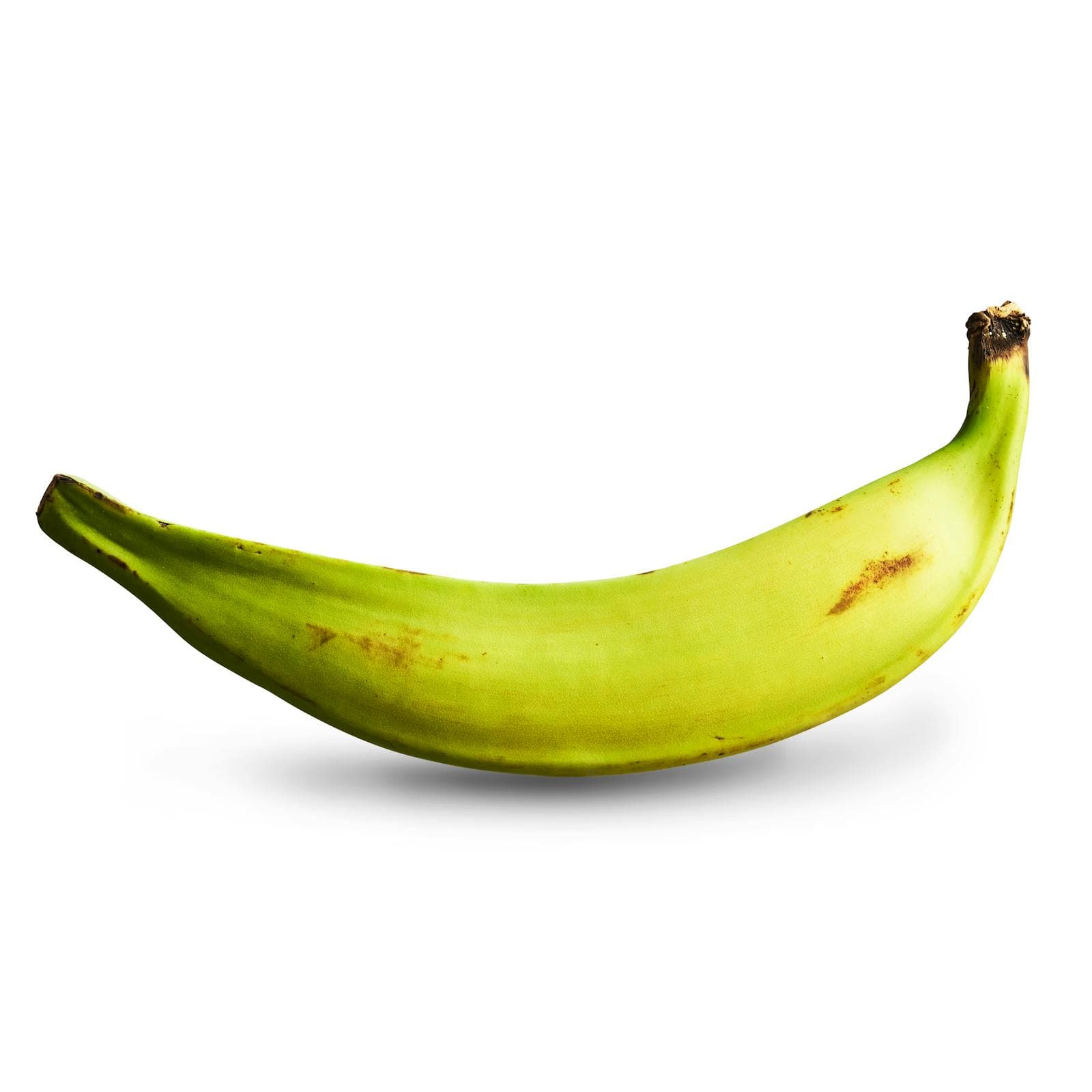 €0.81
€0.81Plantain
280 g · Mercadona
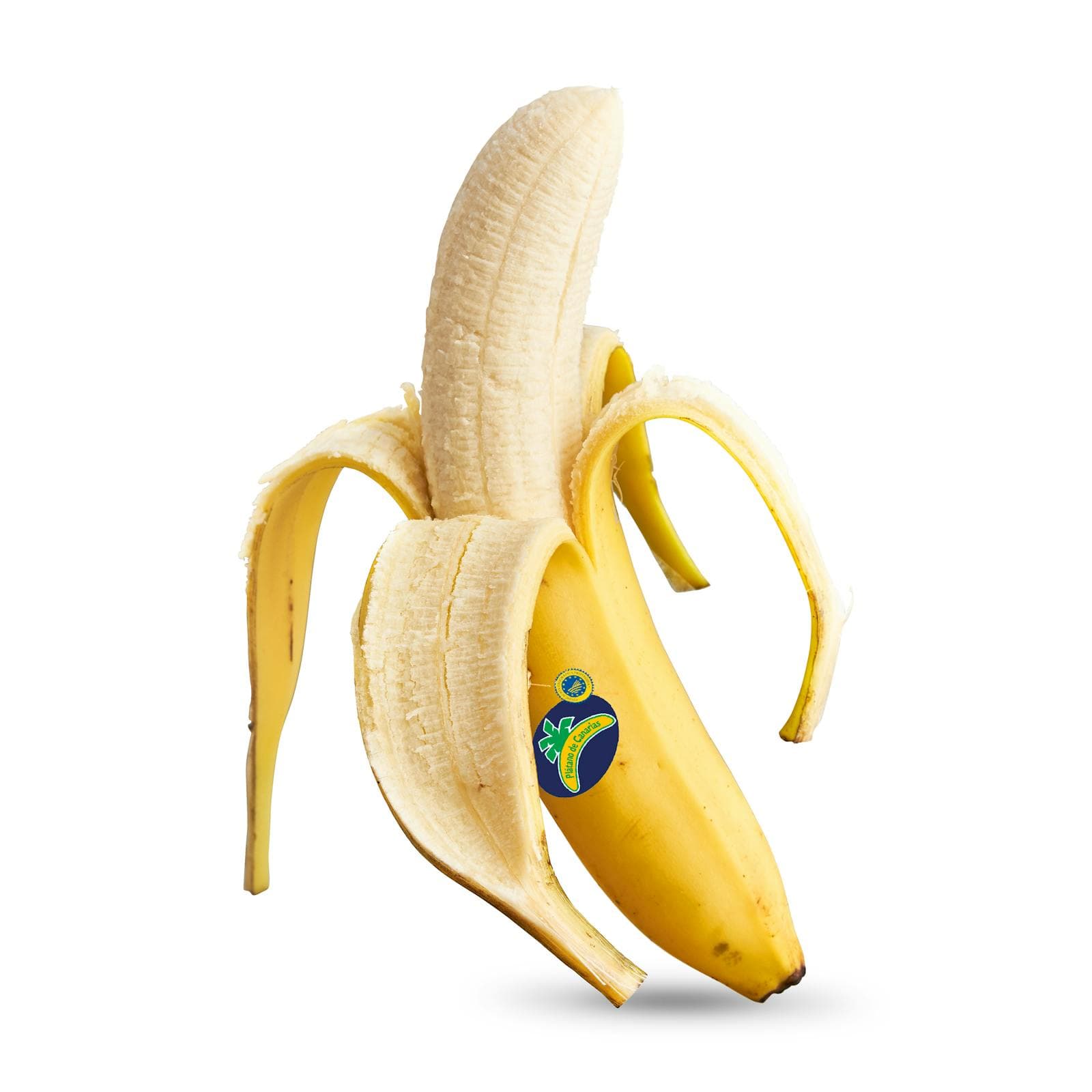 €0.41
€0.41Canary Islands Banana IGP
150 g · Mercadona
 €1.49
€1.49Banana Cluster 800 g
kg · Bonpreu
 €0.68
€0.68Canary Islands IGP Banana
LA COLLITA · ud · Bonpreu
Good to know
- Origin
- Caribbean, West Africa, and Central America
- Primary Use
- Savory vegetable; boiled, fried, or steamed
- Flavor
- Mild, neutral, starchy; takes on accompanying seasonings
- Peak Season
- Year-round in tropical regions; available dried or preserved elsewhere
- Key Characteristic
- High resistant starch content; firm texture holds up to boiling and frying
- Storage
- Keep unripe at room temperature until ready to use; does not ripen further once green
- Yield
- Approximately 60–70% edible after peeling
- Difficulty
- Simple; requires minimal skill but attention to timing
Substitutes
- Green Plantain — Nearly identical in use and preparation; slightly starchier and larger
- Yuca (Cassava) — Comparable starchy texture; requires longer boiling; remove fibrous core
- Taro Root — Similar waxy, firm texture when cooked; distinct earthy flavor
- Sweet Potato — Different flavor but similar starchy bulk; holds shape reasonably well when boiled
- Breadfruit — Starchy, firm texture when cooked; used similarly in Caribbean cuisine
Pairs with
Also called
Fig · Green Fig · Raw Banana · Kacha Kola · Unripe Banana
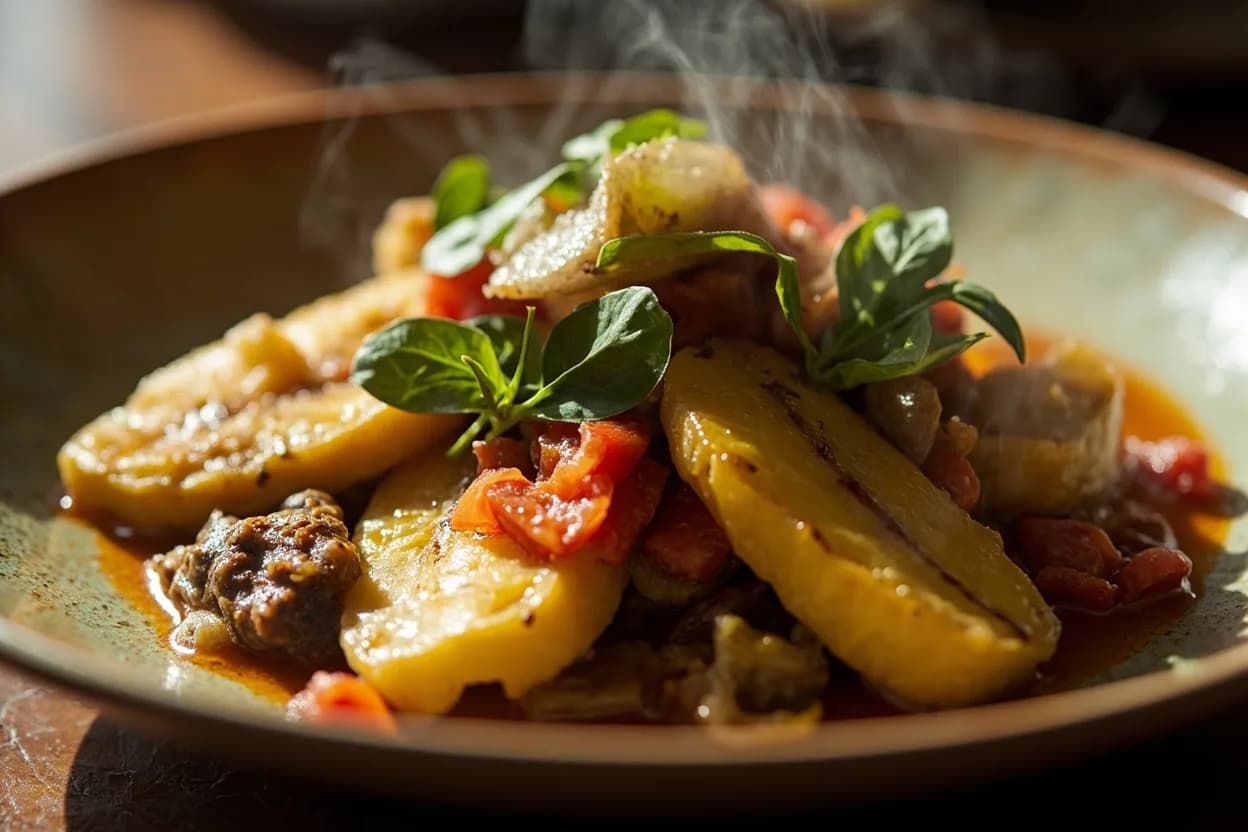
Appears in these dishes
Related
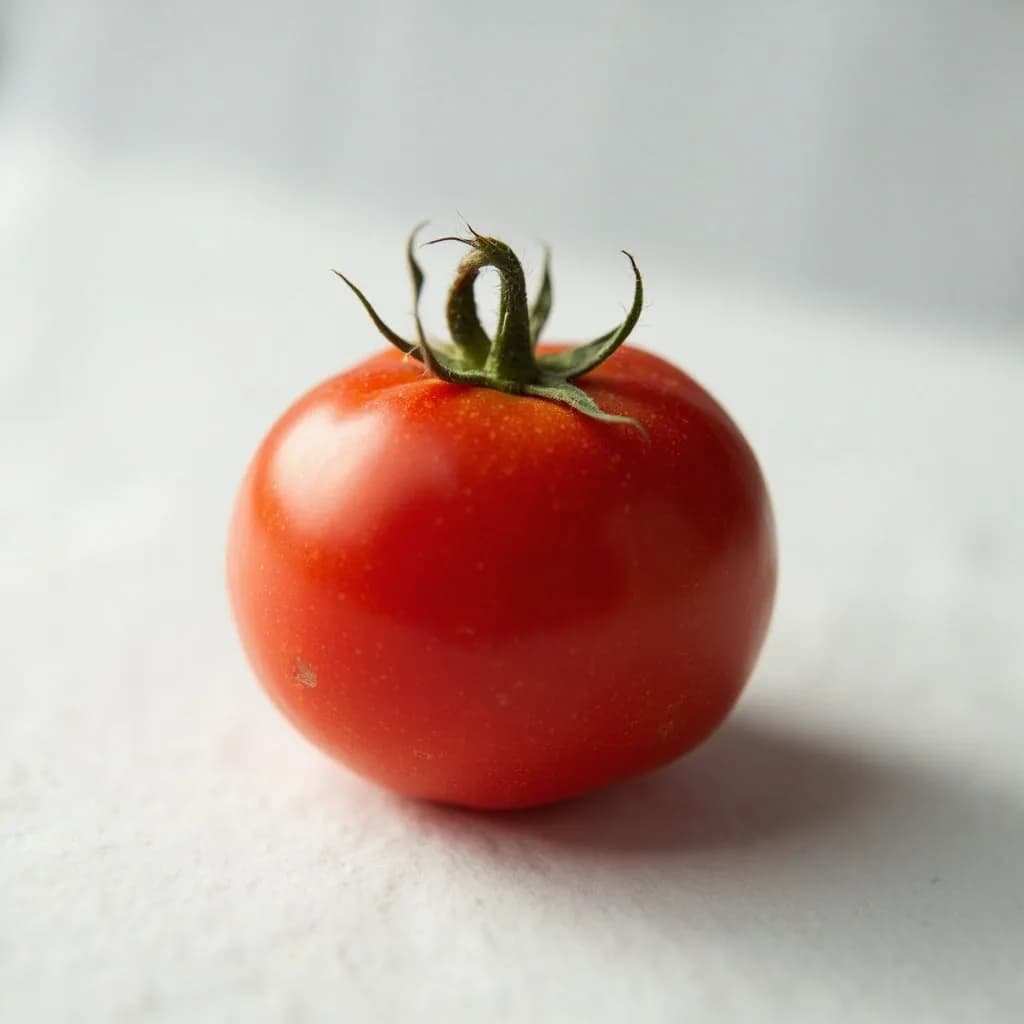
Tomato
Juicy, sun-sweet fruit for sauces, salads, and slow-cooked depth
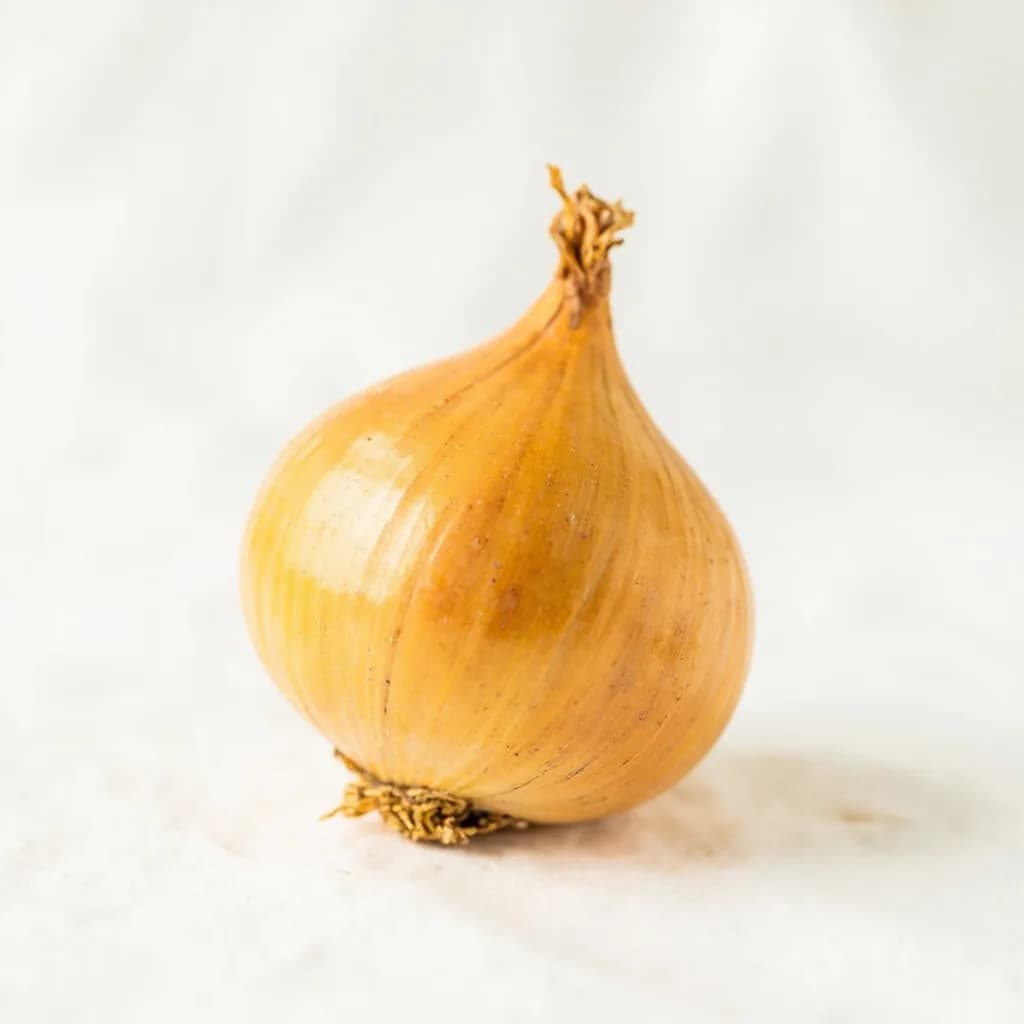
Yellow Onion
The aromatic backbone of soups, sofritos, and braises
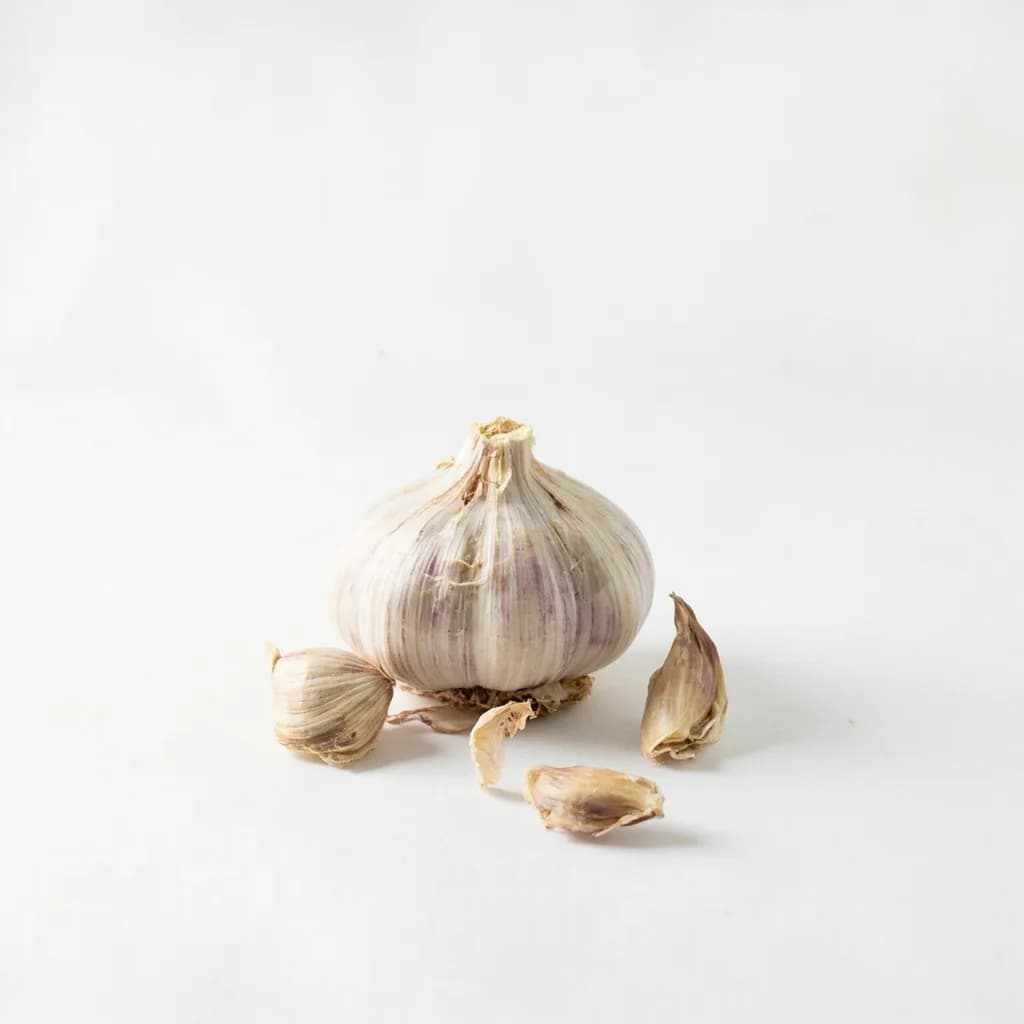
Garlic
Pungent cloves that perfume nearly every savory dish
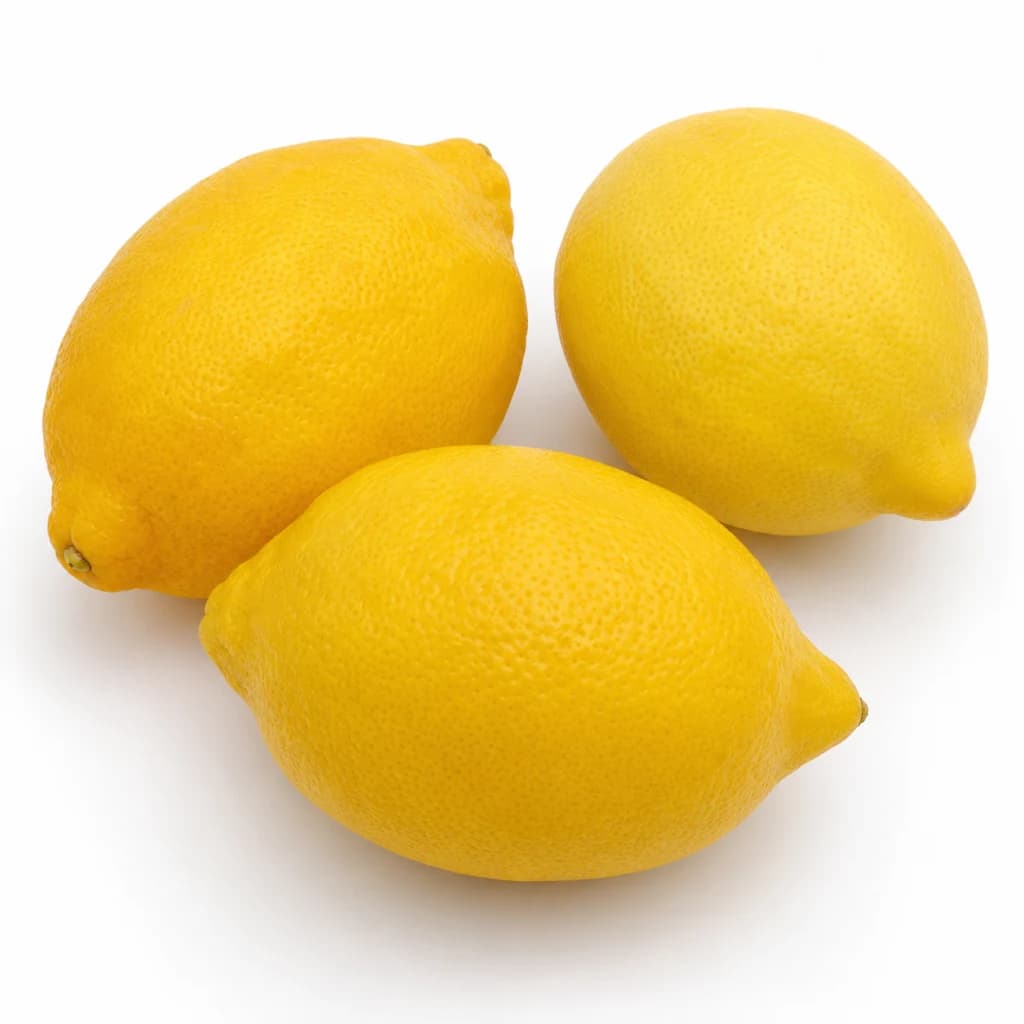
Lemon
Bright, acidic citrus that wakes up almost any dish
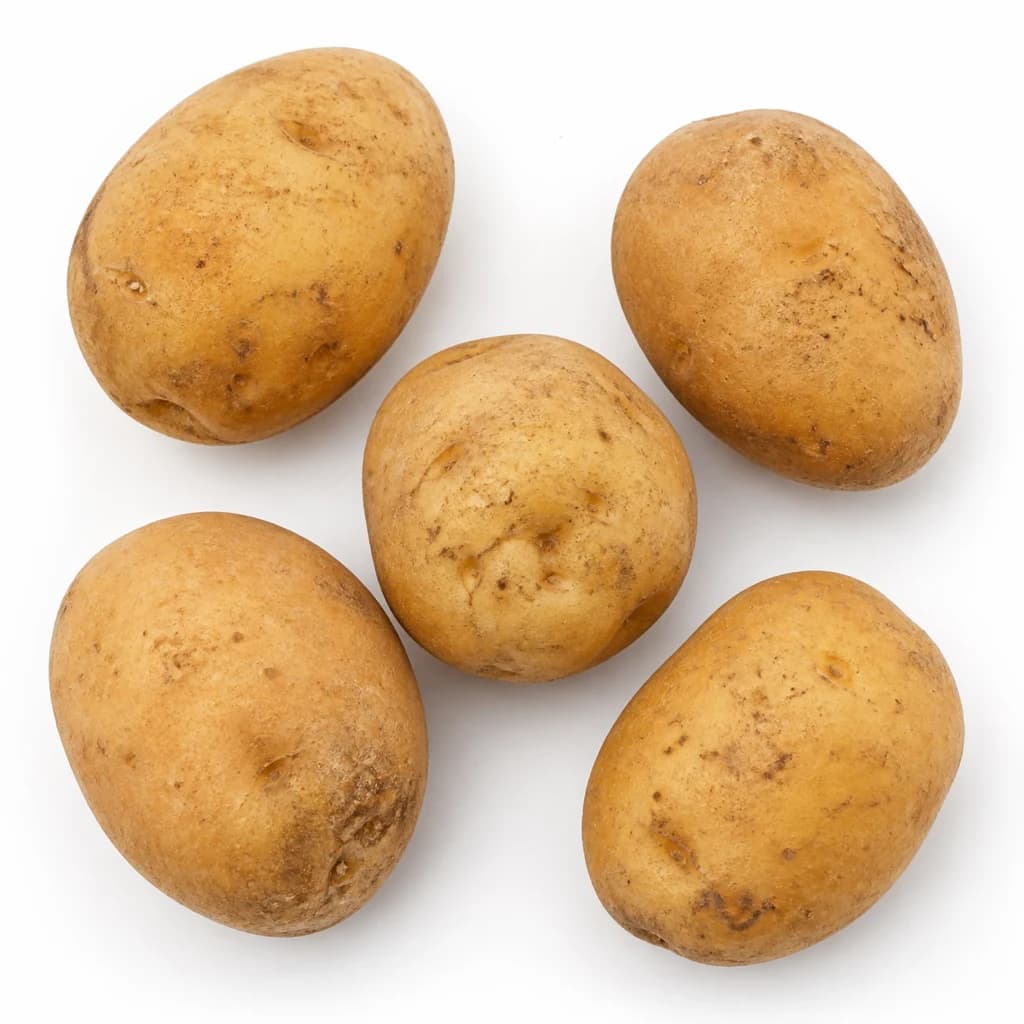
Potato
Humble, hearty staple — roast, mash, fry, or boil
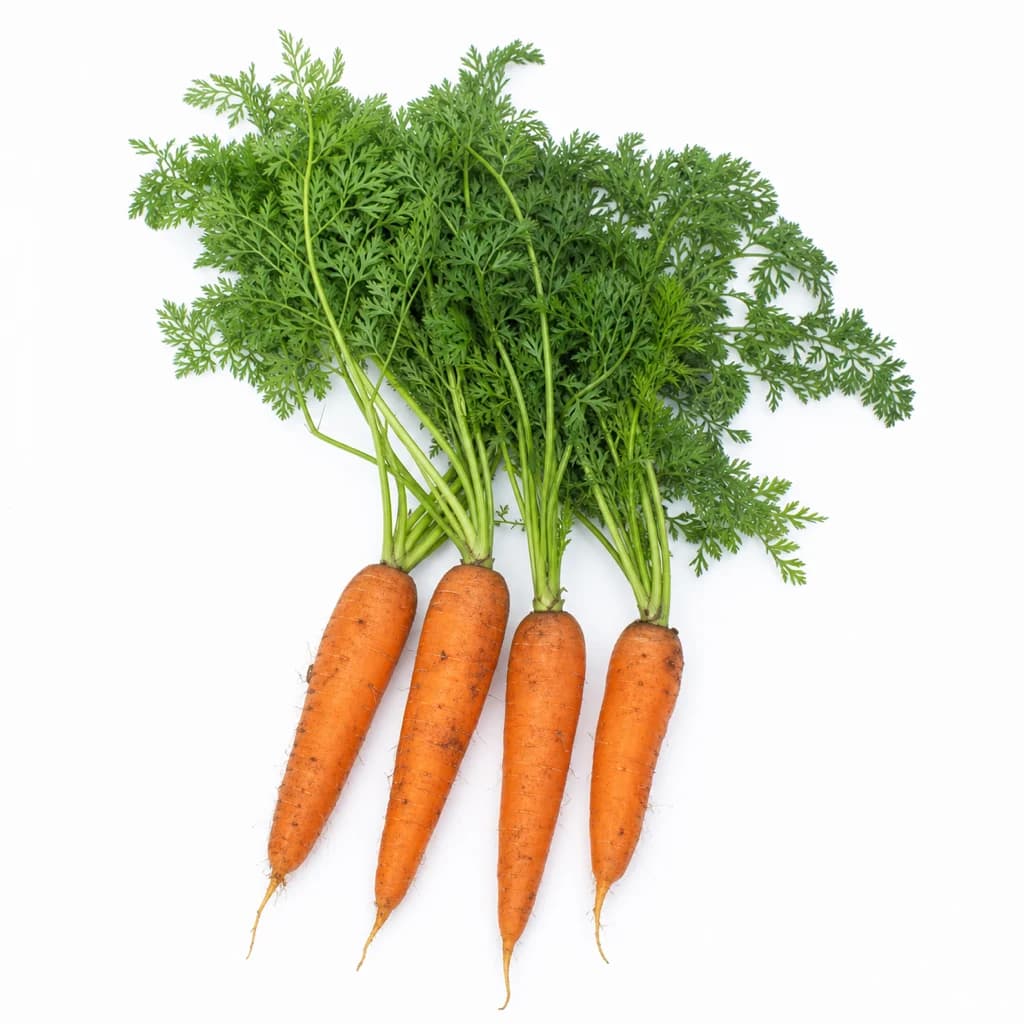
Carrot
Sweet, crunchy root — raw, roasted, or the base of a sofrito
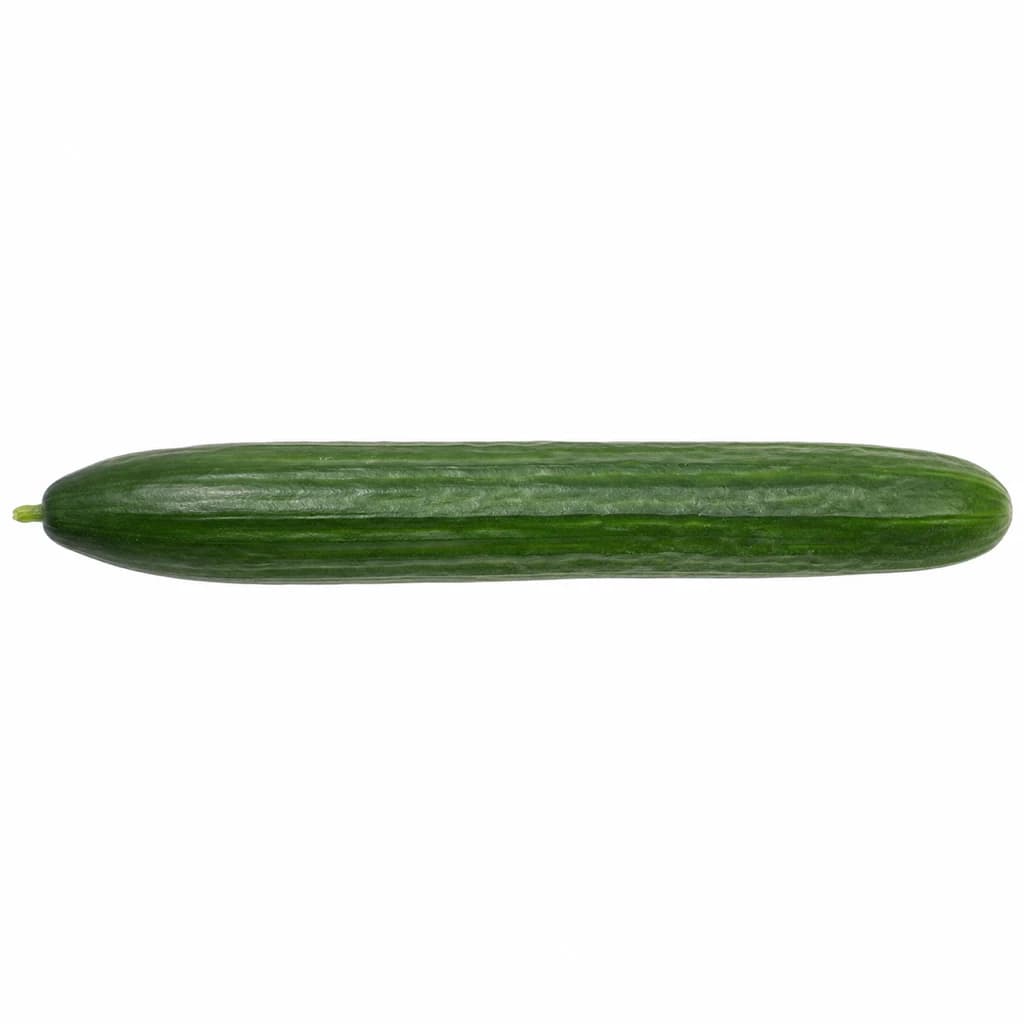
Cucumber
Cool, crisp, and watery — for salads, pickles, and tzatziki

Lettuce
Crisp leaves for salads, wraps, and a fresh crunch