Natural form
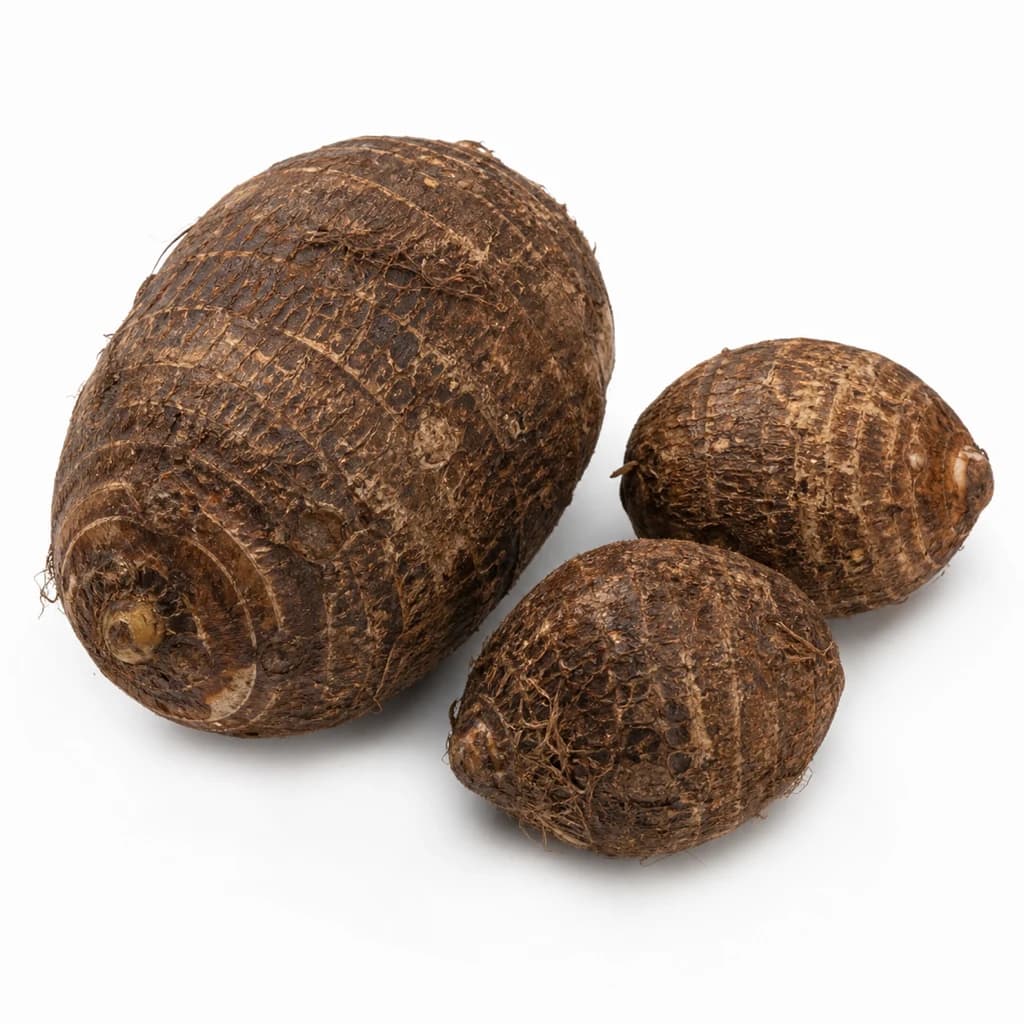
Whole taro corms showing their thick brown fibrous skin and rounded shape.
Shows the distinctive rough brown bark-like skin and irregular corm shape readers will encounter at market.
Produce
Taro
Starchy, nutty corm boiled, steamed or fried; mashed into poi and added to curries.
Taro is a starchy underground corm with brown fibrous skin and white-to-purple flecked flesh and a mild, nutty flavor. It is boiled, steamed, fried or mashed into Hawaiian poi, and simmered into curries and stews across Asia, Africa and the Pacific. It must be cooked thoroughly to break down irritating calcium oxalate crystals.
Taro is the tuberous corm of Colocasia esculenta, an ancient crop domesticated in Southeast Asia and the Indian subcontinent roughly 10,000 years ago. Despite its common name, the taro corm is technically an underground stem, not a true root. It is one of the most important staple crops globally, feeding more than half a billion people, particularly across Hawaii, the Caribbean, West Africa, the Philippines, and throughout Polynesia, Japan, China, India, and Brazil.
When cooked, taro transforms from a firm, gritty corm plagued with calcium oxalate crystals into a smooth, creamy, dense flesh with a starchy, slightly sweet, nutty flavor distinctly earthier than potato. This transformation makes it extraordinarily versatile — it holds its shape well in soups and stews while also yielding to a silky puree. The corm's high starch content gives it excellent thickening power, and its dense texture stands up to frying, steaming, boiling, or baking. Taro also produces edible leaves and young stems (like those used in Caribbean callaloo and Filipino laing), though these must be cooked thoroughly to eliminate irritants.
- Measured in
- g
- Storage
- Pantry
Types & varieties
Common Caribbean variety; large corm with fine texture; name often used interchangeably with taro in the Caribbean
Smaller, rounder corm; more common in US supermarkets; slightly nuttier flavor; often has visible rings
Hawaiian variety bred specifically for making poi; purple-streaked flesh
Also called aloha taro; vibrant purple flesh; used for both savory and sweet dishes; more perishable
Larger variety with pale flesh; common in Cantonese cuisine
Smaller, more granular; favored in Japanese cooking for simmered dishes
Safety: Calcium Oxalate Precautions
Taro's calcium oxalate content demands respect. Raw corm flesh, sap, and skin contain needle-like crystals that cause immediate irritation to lips, tongue, and throat upon contact. Cooking destroys most irritants, but sensitive individuals may still experience mild reactions even with properly cooked taro. The skin is particularly problematic — peel thickly and discard all skin and bruised areas. Never attempt to eat taro raw.
- Always wear gloves when peeling and cutting raw taro to prevent skin irritation
- Cook thoroughly — test with a skewer; firm but tender indicates readiness
- People with kidney stones or calcium-related conditions should consume taro in moderation
- Taro leaves and stems require even longer cooking than the corm — at least 20–30 minutes of simmering
Common uses
Tips & pitfalls
- Wear gloves when peeling — the raw corm and its sap irritate skin and mucous membranes; this applies even to brief contact during prep
- Cut uniformly (1–2 inch pieces) so the dense corm cooks evenly; very small pieces become mushy
- For frying: bring oil to 350°F minimum; taro's starch content causes sticking in cooler oil
- Test doneness with a skewer — it should slide in with slight resistance; overcooked taro turns mushy in savory dishes
- Store dry and unwashed in a cool, dark place for up to 2 weeks; refrigerate in a perforated bag for up to 1 month
- Peel thickly — the papery skin is tough and may harbor irritants; remove all skin and any dark or bruised spots
- For smoother poi or mash: cook until very tender, then pass through a food mill or ricer while still hot
- When using taro leaves and stems, change the cooking water once (blanch then refresh) for milder flavor and to further reduce irritants
Nutrition
Energy
469 kJ · per 100 g
Where the calories come from
Protein
1.5g
3% DV
Carbs
26.5g
10% DV
Fat
0.2g
0% DV
Fiber
4.1g
15% DV
Sugars
0.4g
of which
Sodium
11mg
0% DV
Source · USDA FoodData Central · Taro, raw
View on FDC →In the shops
Matched grocery products
No matched grocery products for Taro yet.
Good to know
- Scientific name
- Colocasia esculenta
- Plant part
- Tuberous corm (underground stem, not a true root)
- Origin
- Southeast Asia and Indian subcontinent, domesticated ~10,000 years ago
- Flavor (cooked)
- Starchy, slightly sweet, nutty, mildly earthy; denser and creamier than potato
- Raw texture
- Firm, dense; gritty due to calcium oxalate crystals
- Cooked texture
- Smooth, creamy, dense; holds shape well when cubed
- Must be cooked
- Yes — raw taro is irritating and mildly toxic; never eat raw
- Season
- Year-round in tropical regions; late summer through fall in temperate zones
Substitutes
- Sweet potato — Similar starchy texture; easier to find; different flavor but works in most cooked applications
- Cassava (yuca) — Comparable density and starchiness; must also be cooked; similar Caribbean and Latin American use
- Purple sweet potato — Closest visual match for purple taro varieties; milder flavor
- Potato — Universal substitute for texture; lacks taro's nutty quality; use in equal proportion
- Yam — Similar density; moister; acceptable in soups and stews but different flavor profile
Pairs with
Also called
Taro Root · Kochu · Eddo · Dasheen · Cocoyam
Appears in these dishes
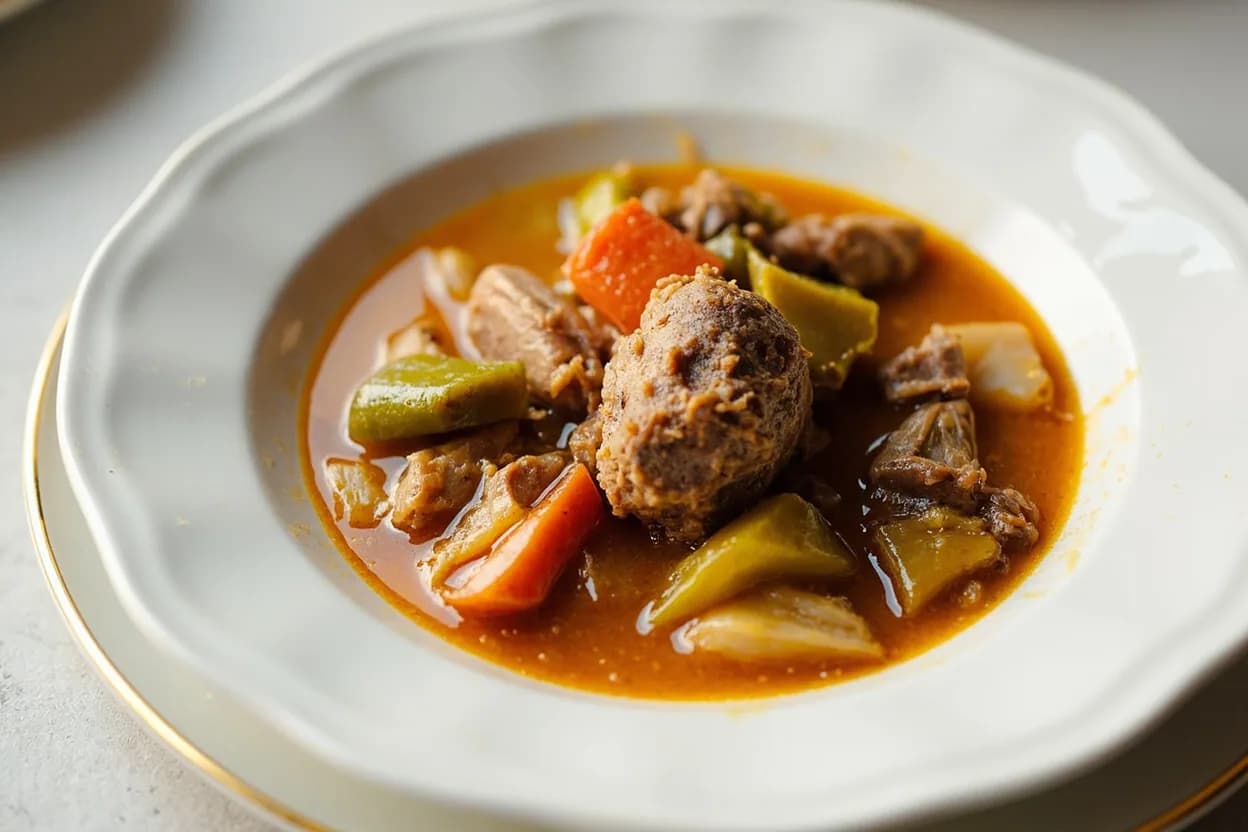
Related
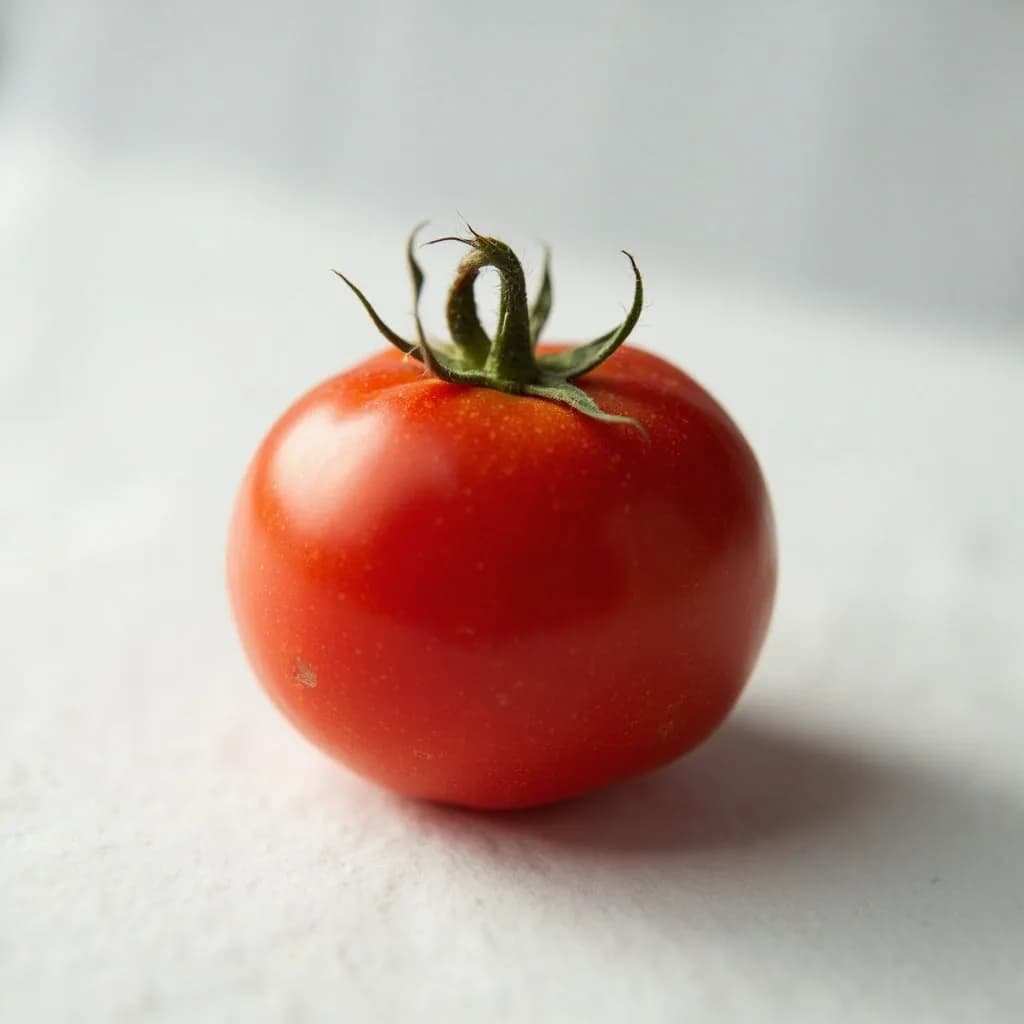
Tomato
Juicy, sun-sweet fruit for sauces, salads, and slow-cooked depth
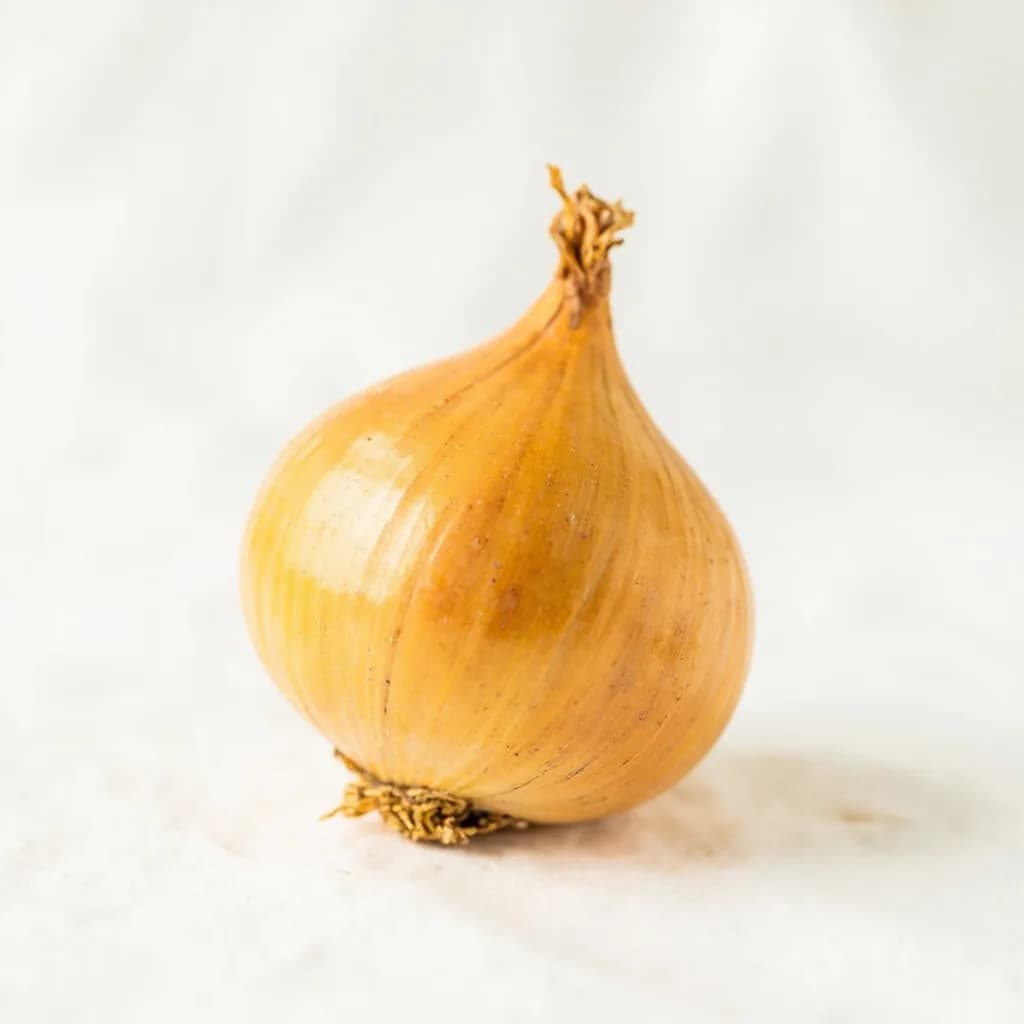
Yellow Onion
The aromatic backbone of soups, sofritos, and braises
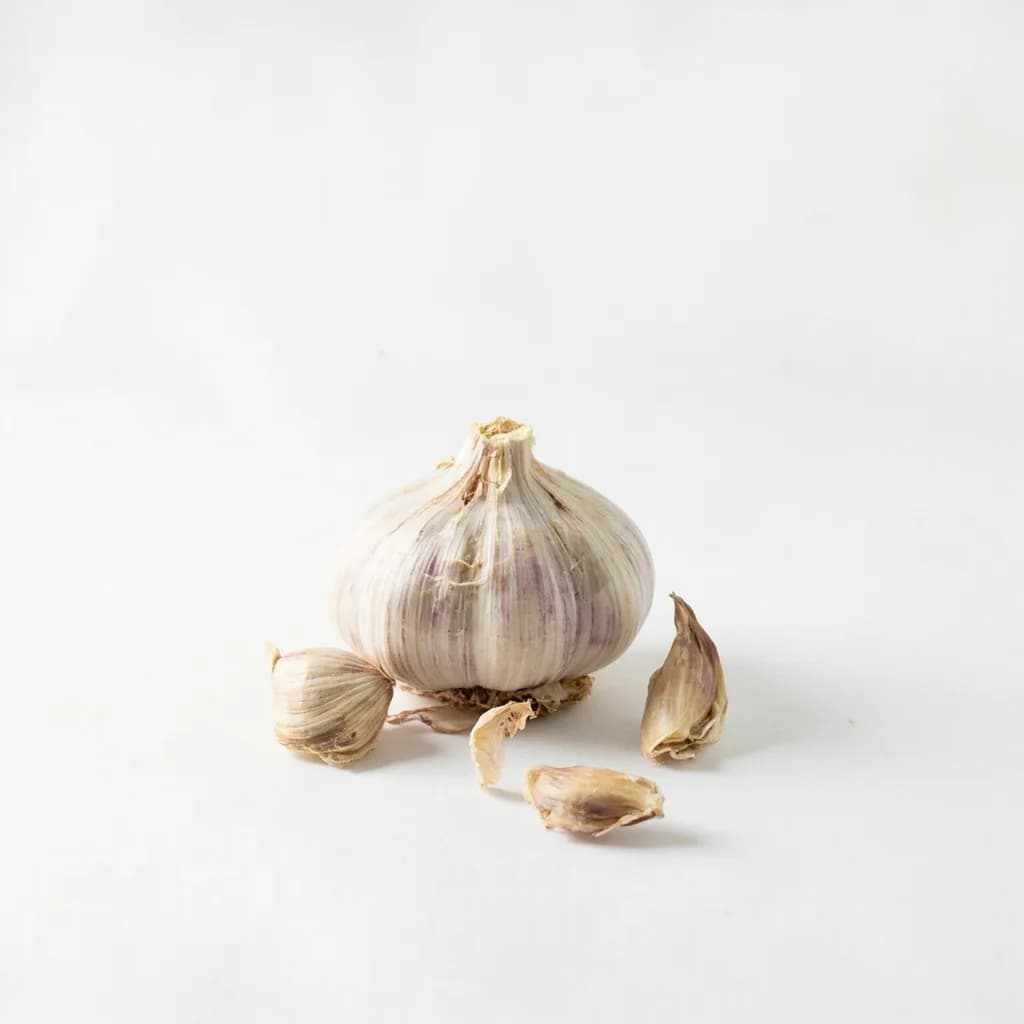
Garlic
Pungent cloves that perfume nearly every savory dish
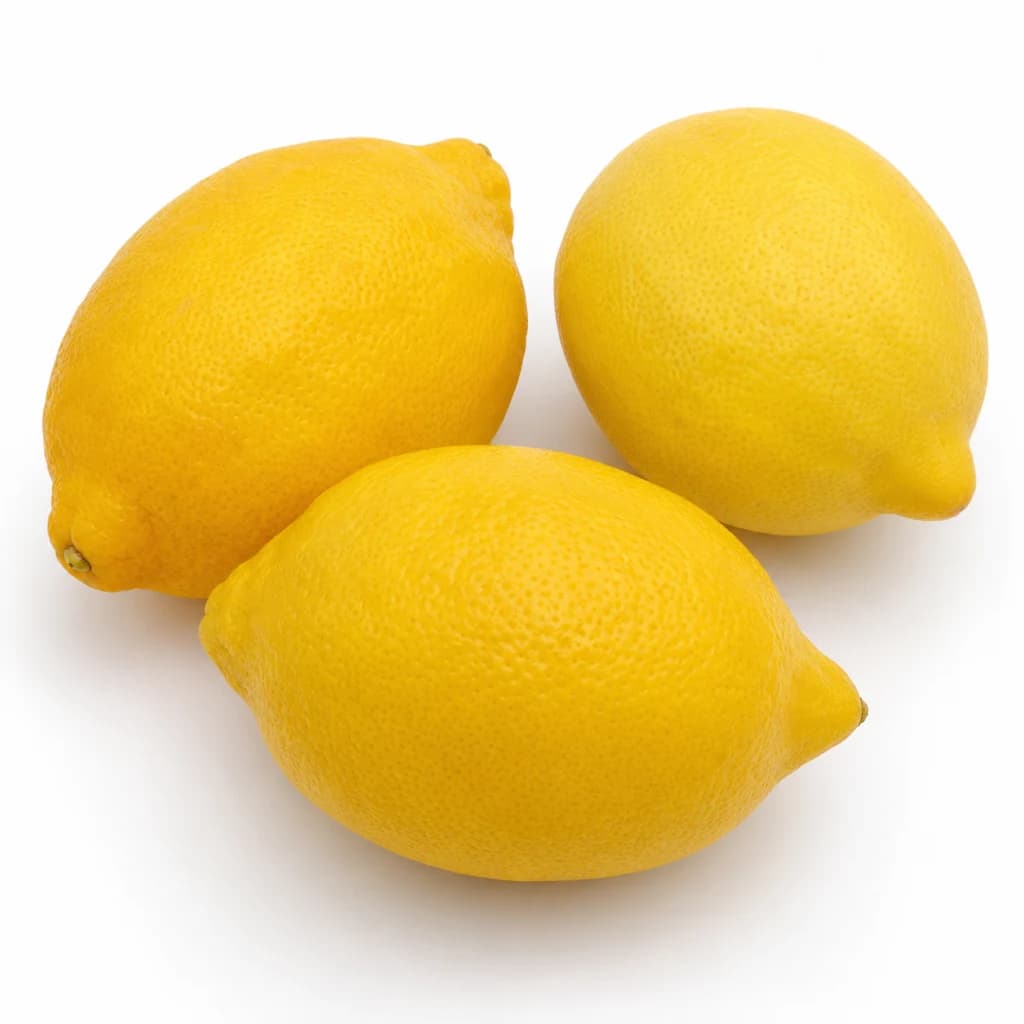
Lemon
Bright, acidic citrus that wakes up almost any dish
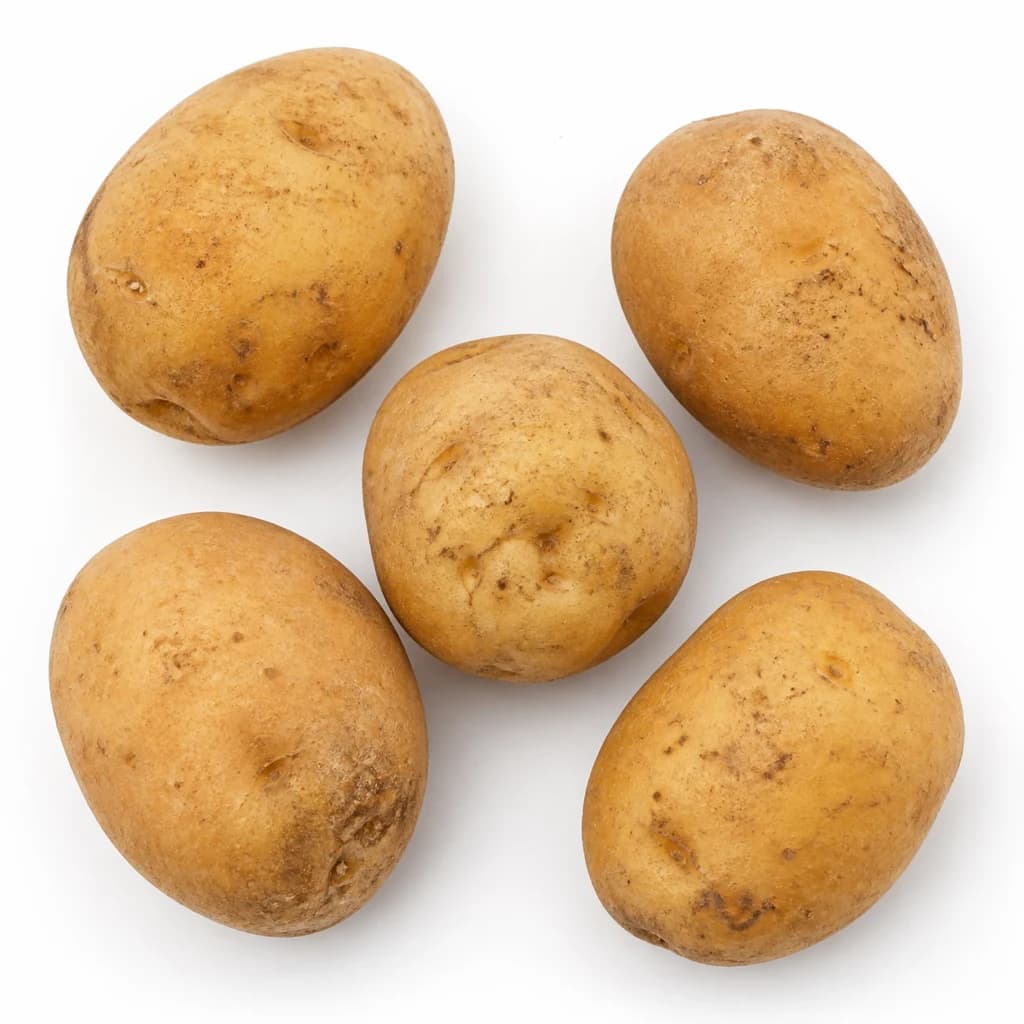
Potato
Humble, hearty staple — roast, mash, fry, or boil
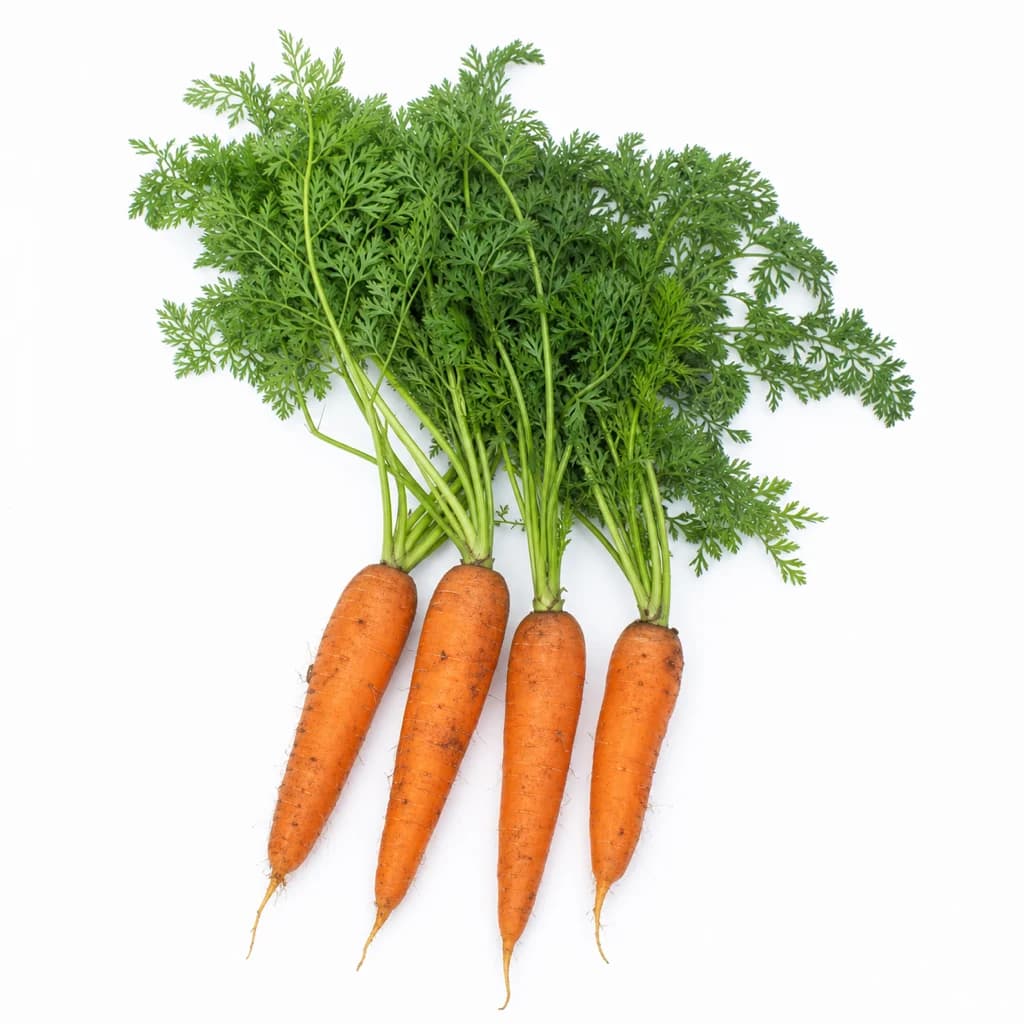
Carrot
Sweet, crunchy root — raw, roasted, or the base of a sofrito
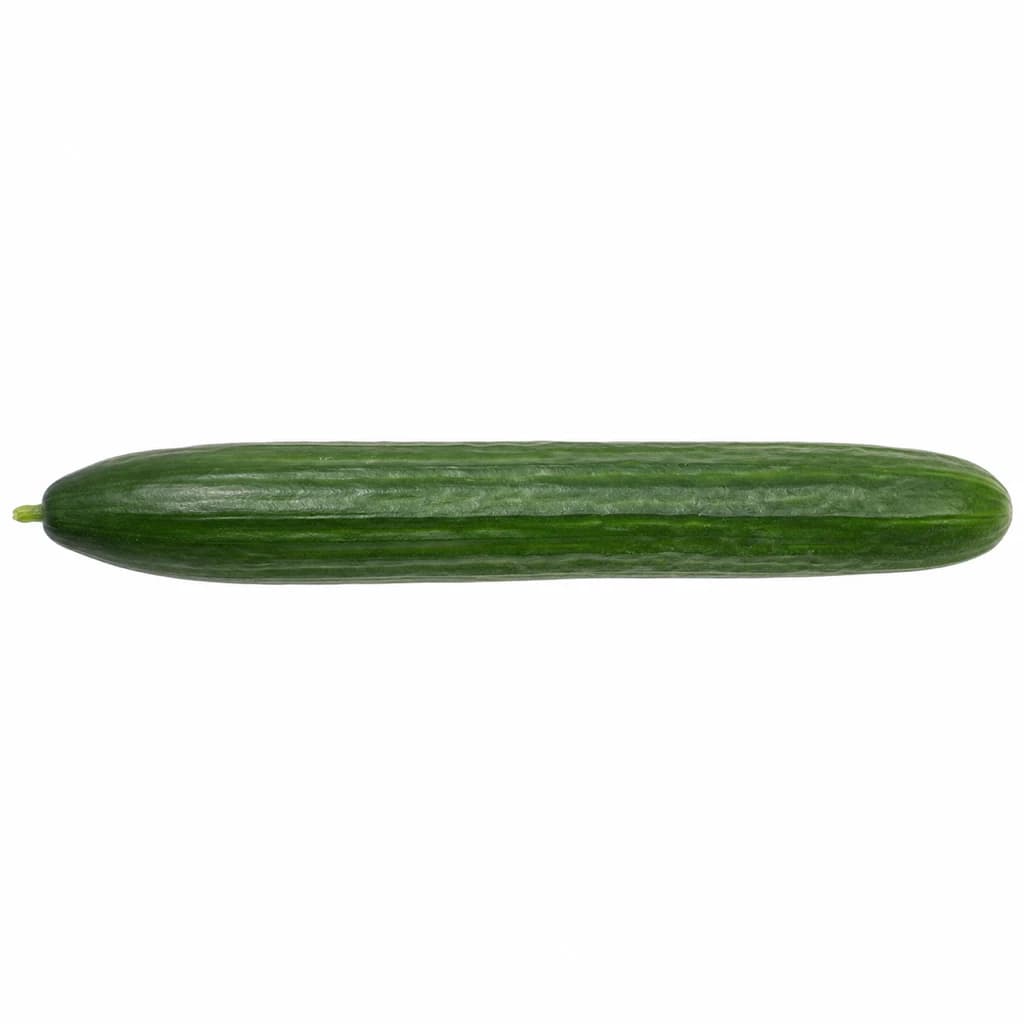
Cucumber
Cool, crisp, and watery — for salads, pickles, and tzatziki

Lettuce
Crisp leaves for salads, wraps, and a fresh crunch