
Natural form
Whole Okinawan purple sweet potatoes showing tan skin and characteristic elongated shape.
Shows the exterior appearance readers would encounter at a market or grocery store, establishing recognition before cutting.
Produce
Okinawan Purple Sweet Potato
Vivid purple-fleshed sweet potato used in desserts, tempura, and savory dishes.
The Okinawan purple sweet potato has tan skin and dramatic deep-purple flesh that is dense, mildly sweet, and slightly nutty. It is steamed, roasted, mashed, fried into tempura, and turned into strikingly colored desserts and pastes (beni-imo). Note it is distinct from true ube (purple yam), though the names are often interchanged.
The Okinawan purple sweet potato (Ipomoea batatas) is a starchy root vegetable distinguished by its vivid purple-violet flesh, the result of exceptionally high anthocyanin content—the same pigments that give blueberries and red cabbage their color. Native to Okinawa Prefecture, Japan, it has been a dietary cornerstone of the island for centuries, prized both for its striking appearance and its sweet, creamy, nutty flavor with a subtly earthy backbone. Unlike orange-fleshed sweet potatoes common in Western kitchens, the Okinawan variety is denser and drier when raw, with a higher starch content that transforms into a smooth, almost silky texture when cooked. The pale beige-to-tan skin encases flesh that ranges from deep violet to near-black depending on the variety and growing conditions. Its anthocyanin richness makes it sensitive to pH: the vivid purple shifts toward muted gray-blue in alkaline environments but brightens in acidic conditions, a characteristic that cooks must account for in both sweet and savory applications. In its home territory, this tuber is called beniimo (紅芋) and appears in everything from ice cream and mochi to the traditional Okinawan distilled spirit agu.
- Measured in
- piece
- Storage
- Pantry
Types & varieties
The classic deep-purple variety; most common in U.S. markets. Produces the most vivid color when cooked.
U.S.-grown variety developed in North Carolina; very similar flavor and color to Okinawan. Nearly interchangeable in any application.
Japanese variety with purple skin and white flesh speckled with purple; pigmentation is internal and spotty rather than uniform. Distinct from Okinawan.
A lighter-streaked cultivar with less intense pigmentation; still purple but more mottled in appearance.
Selecting and Storing
Choose firm potatoes with no soft spots or wet areas. Slight surface wrinkles indicate age but are still usable—the potato has simply lost some moisture. Heavier potatoes for their size signal better moisture content and a fresher harvest. Store unwashed in a cool, dark, dry place (ideally 50–55°F) for up to four weeks. Do not refrigerate, as cold temperatures convert starches to sugars and alter texture. For longer storage, cook before freezing; raw frozen slices change texture significantly and become watery when thawed.
- Firmness matters more than size; small potatoes can be excellent quality
- Avoid any with green patches, which indicate solanine development
- Store away from onions and apples—ethylene gas accelerates sprouting
Cooking Methods and Color Behavior
The anthocyanin pigments respond predictably to heat and pH. Steaming preserves the most intense color and nutrients because the potato cooks in its own moisture without leaching. Roasting at 400°F for 45–60 minutes wrapped in foil concentrates sugars and produces a caramelized, nutty result. Boiling causes the most significant color leaching into the water—the cooking liquid turns deep purple and is useful in soups or beverages, but the flesh itself fades. Microwaving works quickly but often produces uneven texture, with some sections becoming mealy while others remain dense. When baking or frying, the high starch content creates excellent browning and crispness, particularly suited to tempura and roasted preparations.
- Steaming: 25–35 minutes until easily pierced with a skewer
- Roasting: 45–60 minutes at 400°F, wrapped in foil, then unwrap for 10 minutes to caramelize the surface
- Boiling: 20–30 minutes in minimal water; reserve the vividly colored cooking liquid
Common uses
Tips & pitfalls
- Wash thoroughly under running water, scrubbing the skin with a vegetable brush to remove all soil before cooking
- Do not peel before cooking—the skin helps the flesh hold together and protects the anthocyanin color during heat exposure
- Steaming is the preferred cooking method for maximum nutrient retention and the most intense, vivid color
- Roast whole in a 400°F oven for 45–60 minutes, wrapped in foil, for a concentrated, caramelized flavor
- Boiling causes the most color leaching into the water; if you must boil, use minimal water and reserve the cooking liquid for soups or beverages
- Cut with a sharp knife—these starchy roots dull blades quickly; a sharp paring knife or chef's knife with a sturdy edge works best
- Work quickly when using acid (lemon or lime juice) to brighten color—the purple shifts toward blue-gray in alkaline environments
- Freezing raw slices changes texture unfavorably; cook before freezing for best results in subsequent recipes
- When making desserts, balance the natural sweetness with a pinch of salt to enhance depth and complexity
- This variety is denser than orange sweet potatoes, so cooking times run 10–15 minutes longer for equivalent tenderness
Nutrition
Energy
494 kJ · per 100 g
Where the calories come from
Protein
1.5g
3% DV
Carbs
27.9g
10% DV
Fat
0.2g
0% DV
Fiber
4.1g
15% DV
Sugars
0.5g
of which
Sodium
9mg
0% DV
Source · USDA FoodData Central · Yam, raw
View on FDC →In the shops
Matched grocery products
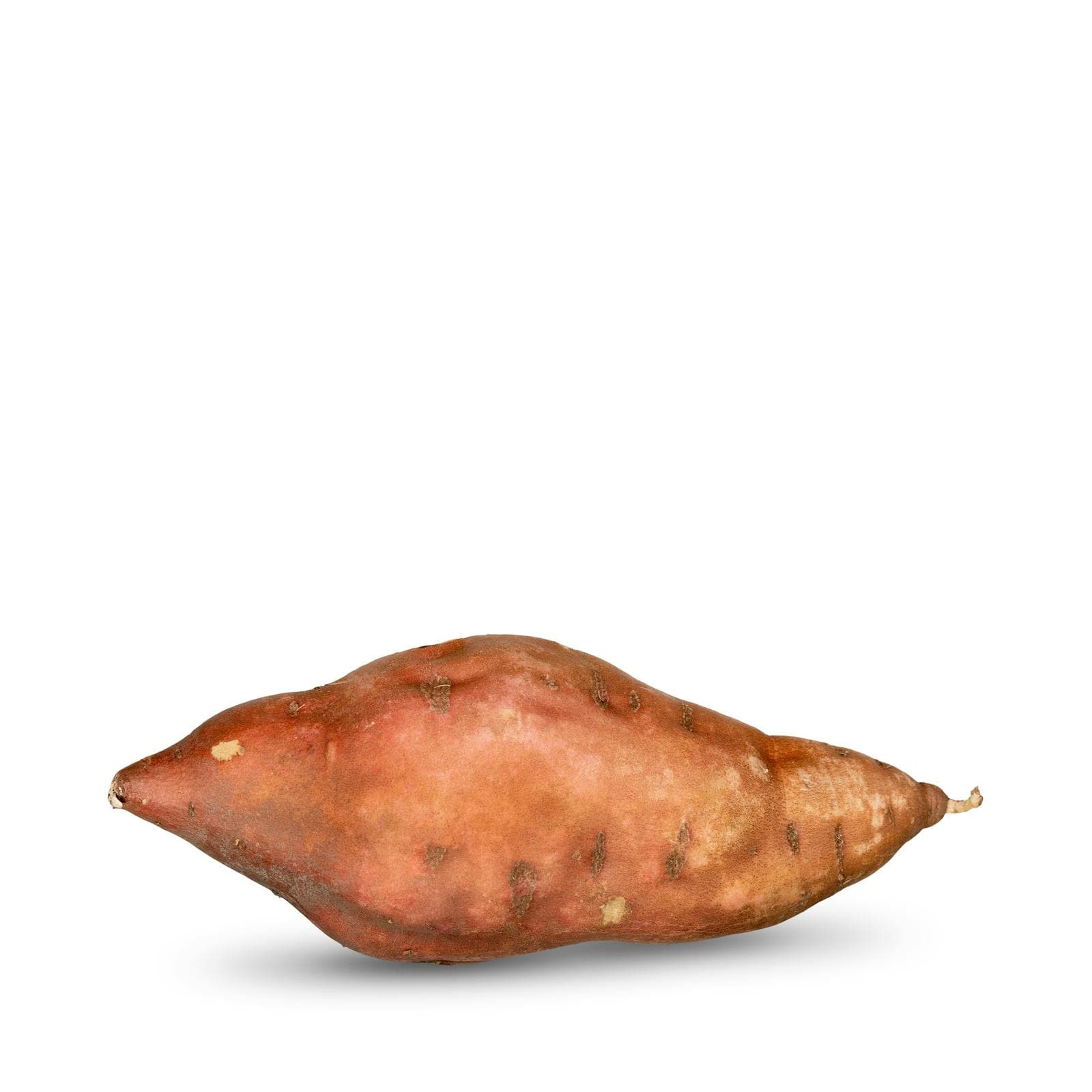 €1.24
€1.24Sweet Potato
370 g · Mercadona
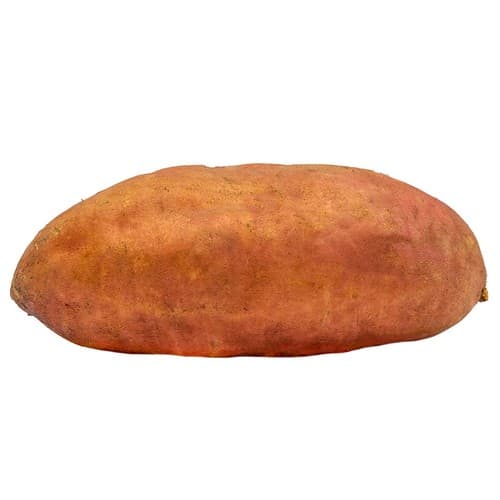 €1.01
€1.01Sweet Potato 1 unit
ud · Bonpreu
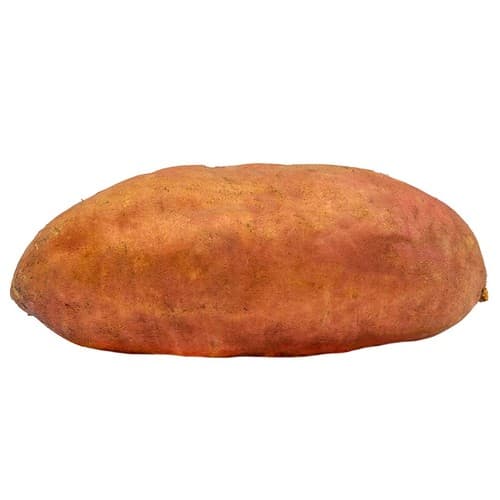 €1.29
€1.29Sweet Potato 1 unit
Bonpreu
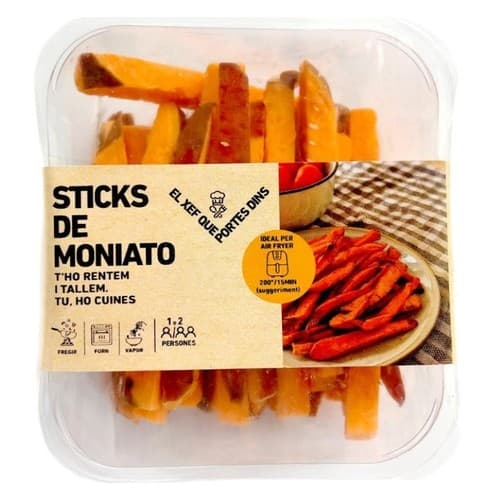 €2.49
€2.49Sweet Potato Sticks
kg · Bonpreu
 €4.79
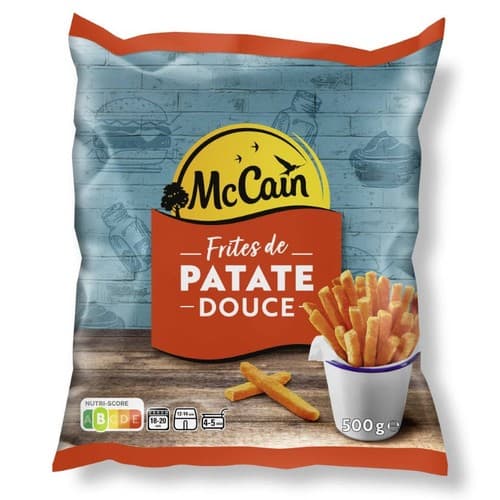
€4.79MCCAIN Sweet Potato Fries
MCCAIN · kg · Bonpreu
 €3.39
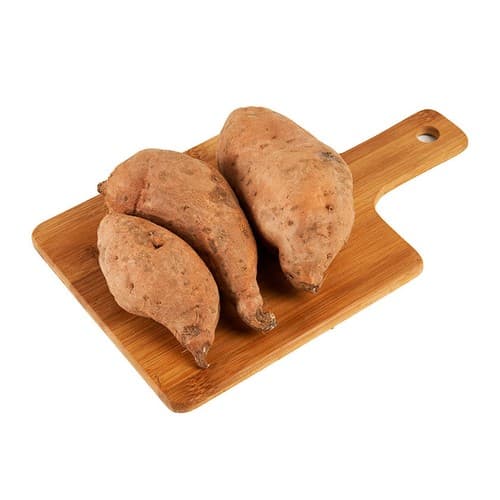
€3.39Organic Sweet Potato in Tray 700g
kg · Bonpreu
Good to know
- Scientific Name
- Ipomoea batatas
- Origin
- Okinawa Prefecture, Japan
- Primary Growing Regions
- Okinawa, Hawaii, California
- Flesh Color
- Vivid purple-violet (anthocyanin pigments)
- Skin Color
- Pale beige to tan
- Peak Season
- Late summer through fall (stored potatoes available year-round)
- Flavor Profile
- Sweet, creamy, nutty, subtly earthy
- Shelf Life
- 2–4 weeks in cool, dark, dry storage
Substitutes
- Stokes Purple sweet potato — Excellent substitute; essentially interchangeable in any application. Grown in North Carolina with nearly identical flavor and color.
- Regular purple sweet potato — Broader category; look for similarly vivid purple flesh. May be slightly less sweet than Okinawan varieties.
- Purple yam (ube) — Darker and more intensely colored with a distinctly different flavor—creamier and more neutral. Not a direct substitute for savory dishes.
- Ube halaya (prepared) — Pre-cooked purple yam paste; works well for desserts and fillings but not appropriate for savory applications.
- Taro root — White flesh with mild nutty flavor; does not provide the vivid purple color or the same sweetness.
Pairs with
Also called
Beni-imo · Ube · Purple Yam · Hawaiian Sweet Potato
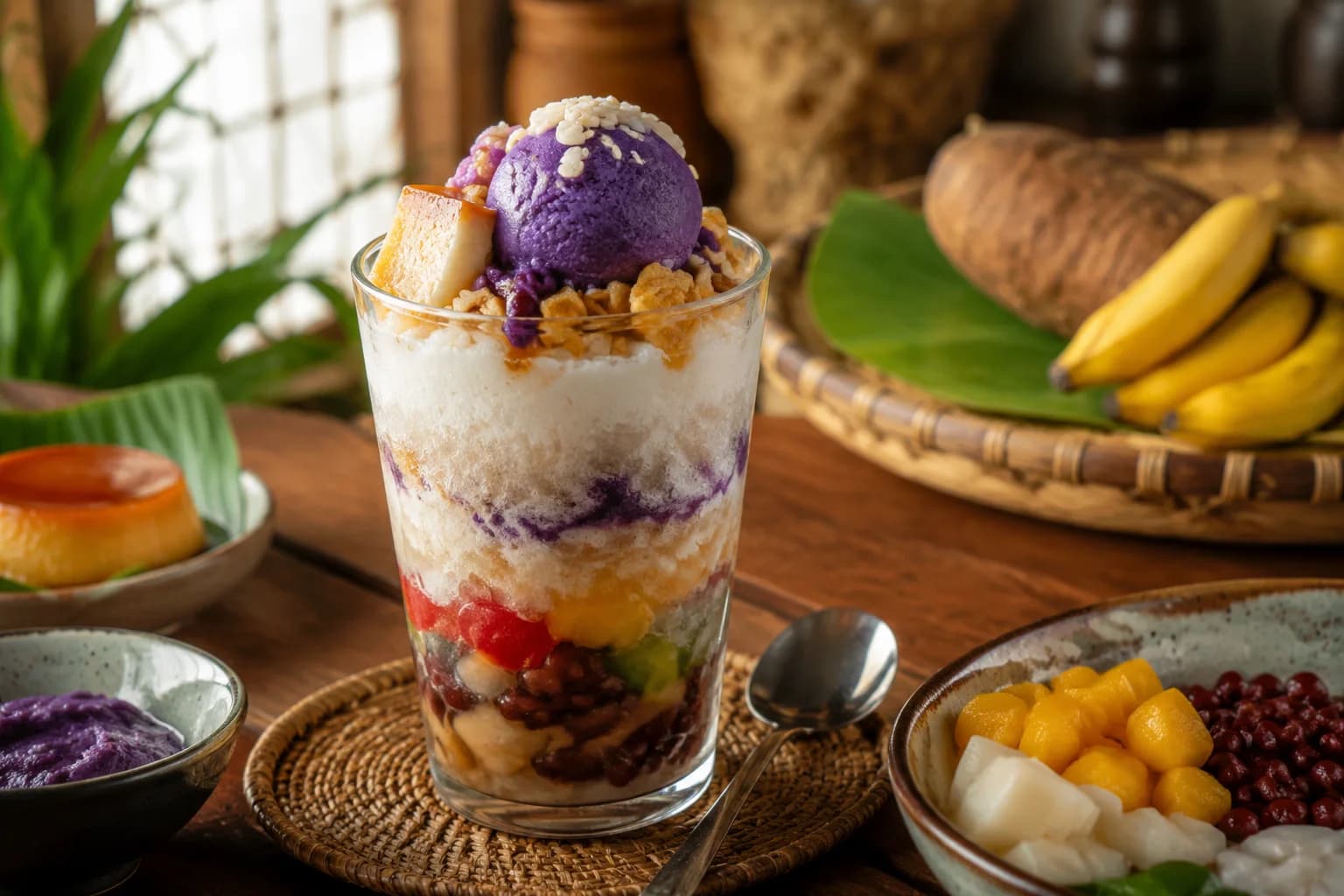
Appears in these dishes
Related

Tomato
Juicy, sun-sweet fruit for sauces, salads, and slow-cooked depth

Yellow Onion
The aromatic backbone of soups, sofritos, and braises

Garlic
Pungent cloves that perfume nearly every savory dish

Lemon
Bright, acidic citrus that wakes up almost any dish

Potato
Humble, hearty staple — roast, mash, fry, or boil

Carrot
Sweet, crunchy root — raw, roasted, or the base of a sofrito

Cucumber
Cool, crisp, and watery — for salads, pickles, and tzatziki

Lettuce
Crisp leaves for salads, wraps, and a fresh crunch