Natural form
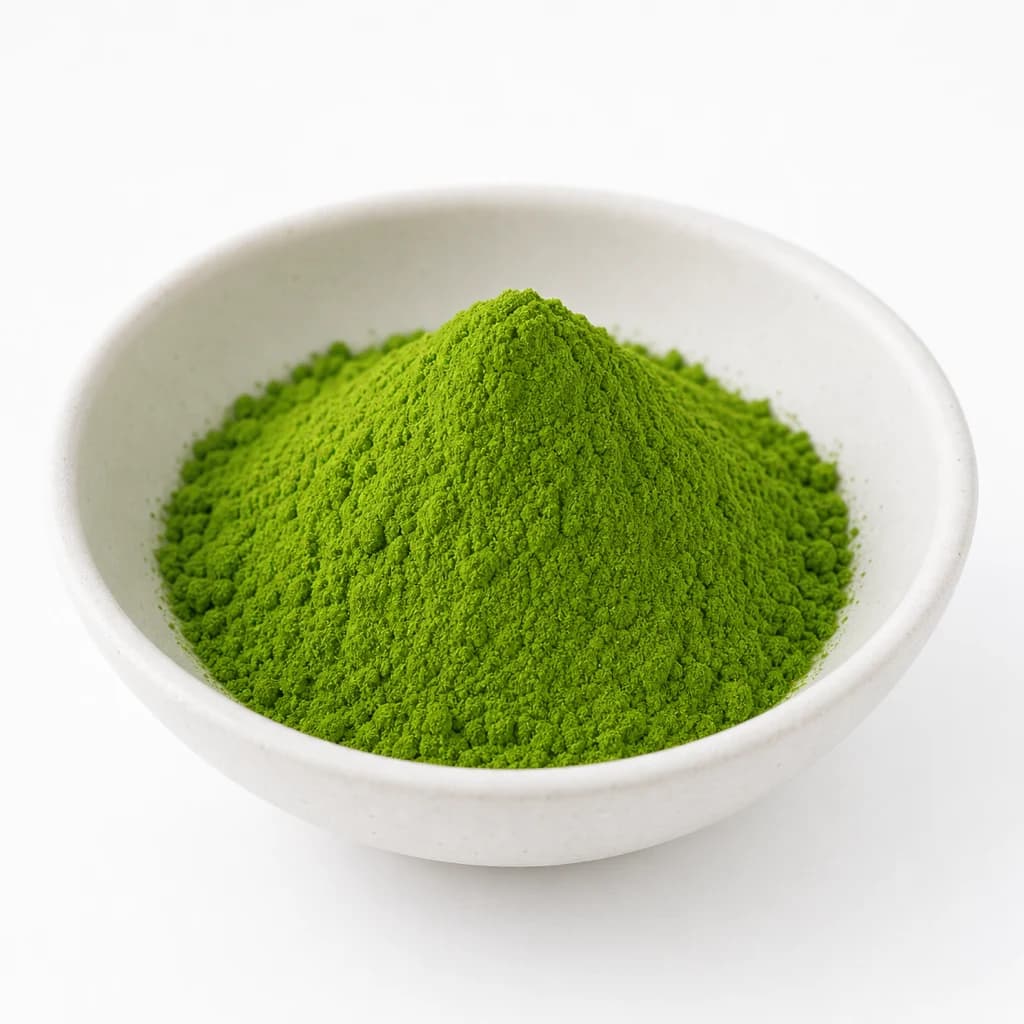
Finely milled matcha powder: vivid green, mounded in a small ceramic bowl.
Shows the powder's defining color, fine texture, and form before any preparation.
Beverages
Matcha
Vivid green tea powder for lattes, baking, and whisked tea
Stone-ground green tea, matcha whisks into a frothy, grassy-sweet bowl, blends into a latte, and tints cakes and ice cream vivid green. Keep it airtight, away from light.
Matcha is finely stone-ground powder of shade-grown green tea leaves — and because you consume the whole leaf rather than an infusion, it's intensely concentrated: vivid jade green, deeply vegetal, umami-rich, and grassy with a balancing natural sweetness and gentle bitterness. Whisked with hot water it makes the ceremonial Japanese tea; in the kitchen its bold color and flavor are prized for desserts and beyond. Matcha tints and flavors ice cream, cakes, lattes, and white chocolate a striking green, and a savory pinch seasons salts, noodles, and dressings. A little goes a long way, and quality matters enormously.
- Measured in
- g
- Storage
- Airtight
Find it in
Types & varieties
Vivid, sweet, smooth — for whisking and delicate desserts
Bolder, more bitter — baking and lattes
How to use in cooking
Sift matcha to avoid lumps, then whisk it into warm (not boiling) liquid or blend it into batters, creams, and frostings — it tints and flavors at once. It makes classic green-tea ice cream, matcha lattes, sponge cakes, white-chocolate ganache, and buttercream. A small savory pinch flavors finishing salt, soba dressing, or shortbread. Don't overheat or over-dose it: too much, or boiling water, turns it bitter and dulls the color.
How to choose
Ceremonial-grade matcha is vivid green, smooth, and sweet — best whisked plain or in delicate desserts. Culinary-grade is more robust and bitter but cheaper and fine for baking, lattes, and ice cream where sugar balances it. Dull, yellowish, or musty powder is stale — fresh matcha is brilliant jade.
Common uses
Tips & pitfalls
- Sift before using to prevent lumps.
- Use culinary grade for baking, ceremonial for delicate or plain uses.
- Whisk into warm, not boiling, liquid to keep color and avoid bitterness.
- A little goes far — over-dosing turns it bitter.
Nutrition
Nutrition
No USDA FoodData Central match for Matcha yet. We surface a per-100 g profile once a generic whole-food entry is matched and verified.
In the shops
Matched grocery products
 €6.95
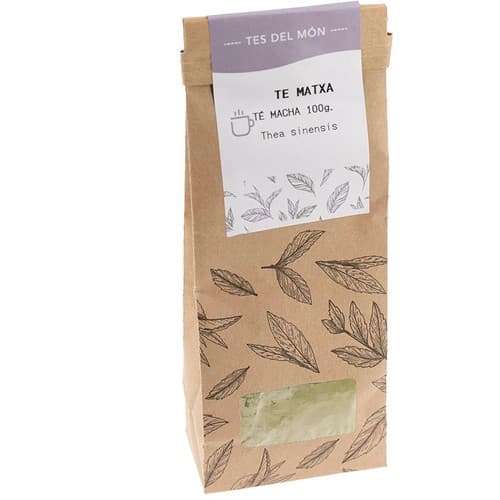
€6.95Matcha Tea
FLOR DEL PIRINEO · kg · Bonpreu
 €2.90
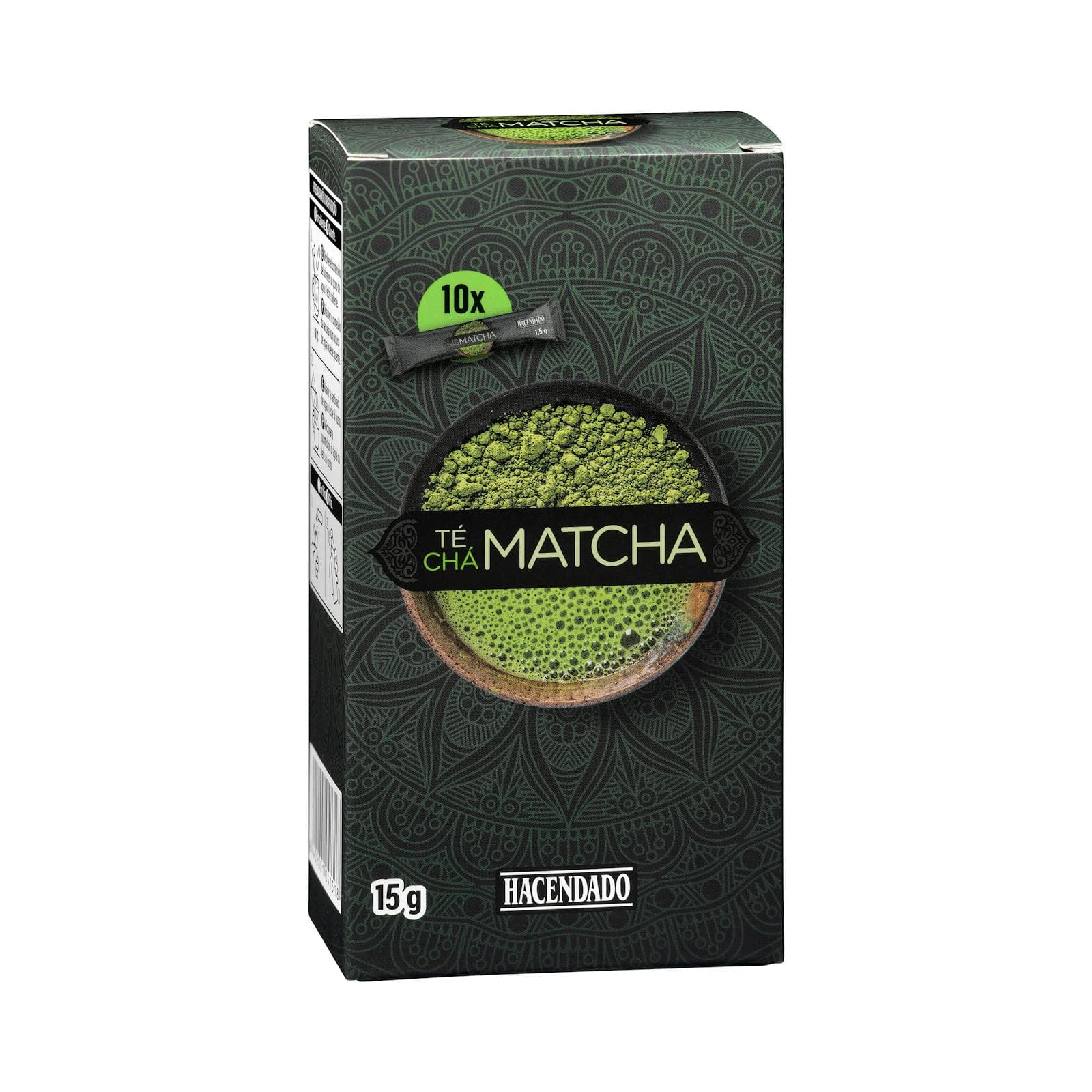
€2.90Matcha Tea Powder
Hacendado · 0.015 100 g · Mercadona
 €7.99
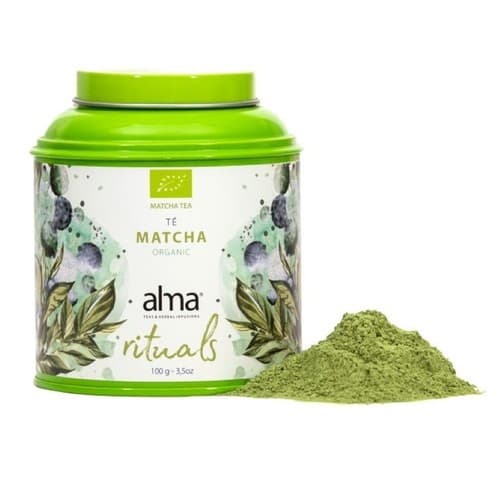
€7.99ALMA Organic Matcha Tea
ALMA · kg · Bonpreu
 €1.89
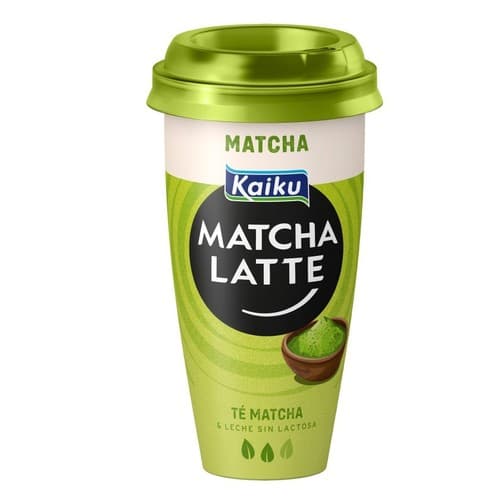
€1.89Lactose-Free Matcha Latte
KAIKU · l · Bonpreu
 €6.95
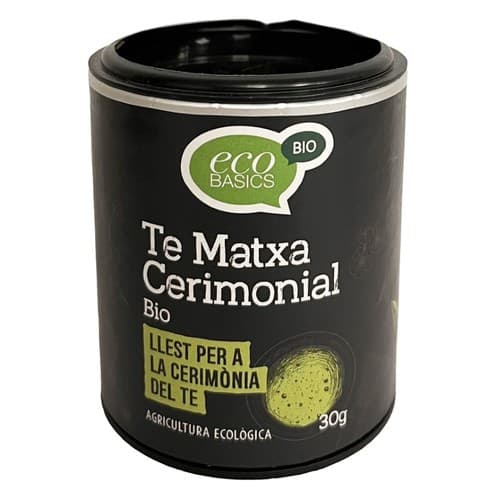
€6.95Ceremonial Organic Matcha Tea
ECOBASICS · kg · Bonpreu
Good to know
- Flavor
- Intense vegetal, umami, grassy, sweet-bitter
- Use in cooking
- Lattes, ice cream, cakes, frostings, savory salts
- Alcohol?
- No
- Substitute base
- Strong green tea (less intense), or culinary matcha
- How to store
- Airtight, cool, dark; reseal tightly — oxidizes and dulls fast
Substitutes
- Strong brewed green tea (reduced) — Much milder — won't tint as vividly
- Culinary matcha — If you only have ceremonial, and vice versa
- Spinach/spirulina + green tea — For color plus some green flavor
Pairs with
Also called
matcha · matcha powder · green tea powder · té matcha
Appears in these dishes
Related

White Rum
Light, clean rum for mojitos, daiquiris, and piña coladas

Dark Rum
Rich, molasses-deep rum for tiki drinks and sipping
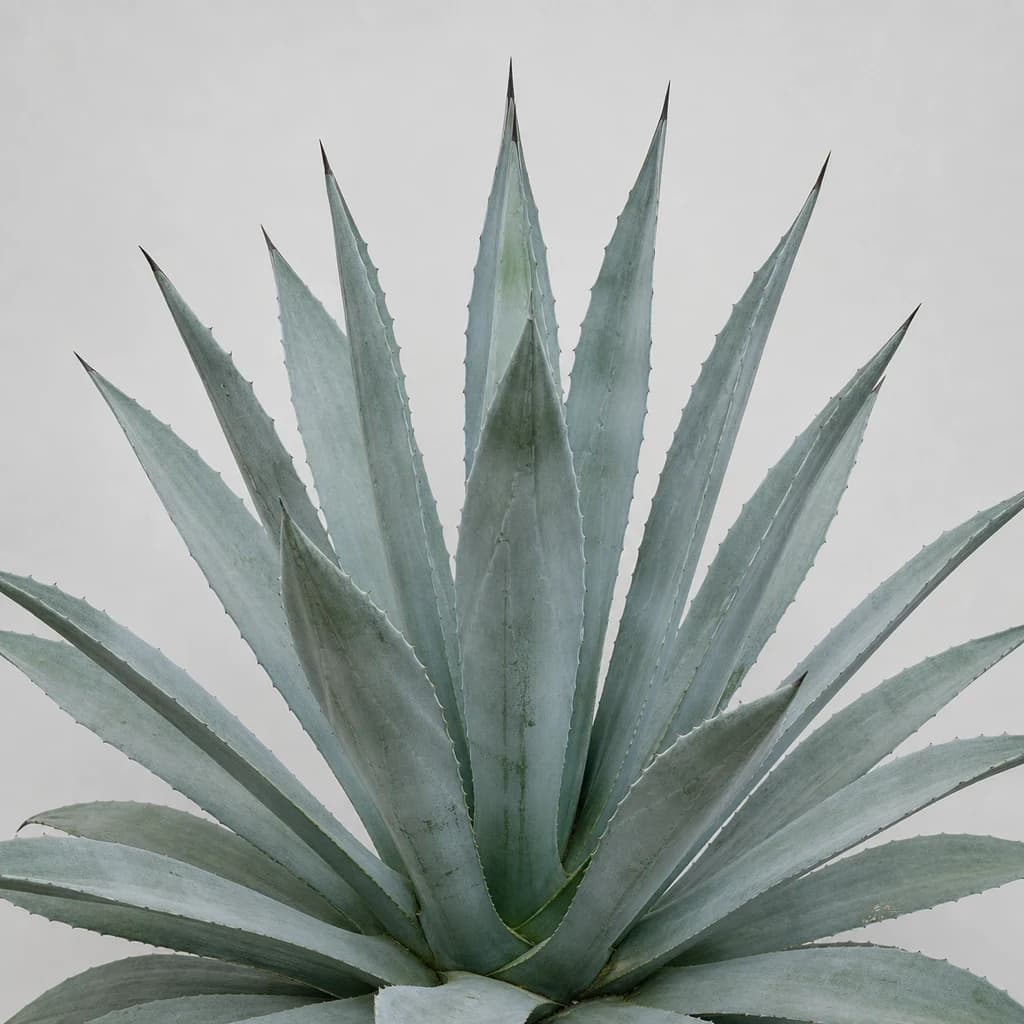
Tequila
Bright agave spirit for margaritas, palomas, and shots
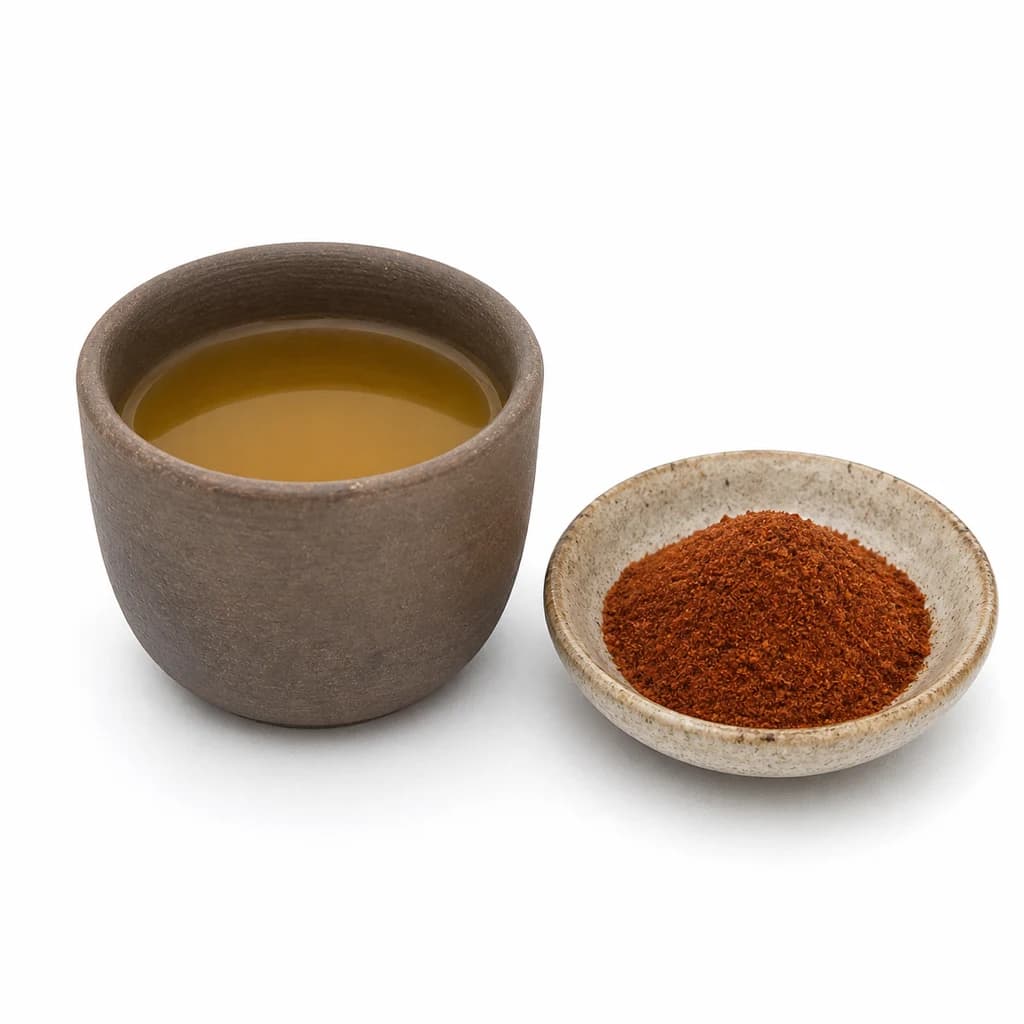
Mezcal
Smoky agave spirit for sipping and smoldering cocktails
Vodka
Clean, neutral spirit for mixing into almost any cocktail
Gin
Botanical, juniper-forward spirit for G&Ts and martinis

Whisky
Warm, oak-aged spirit for sipping and classic cocktails

Brandy
Rich, fruity grape spirit for sipping, sauces, and flambé