Legumes & Beans
Red Bean
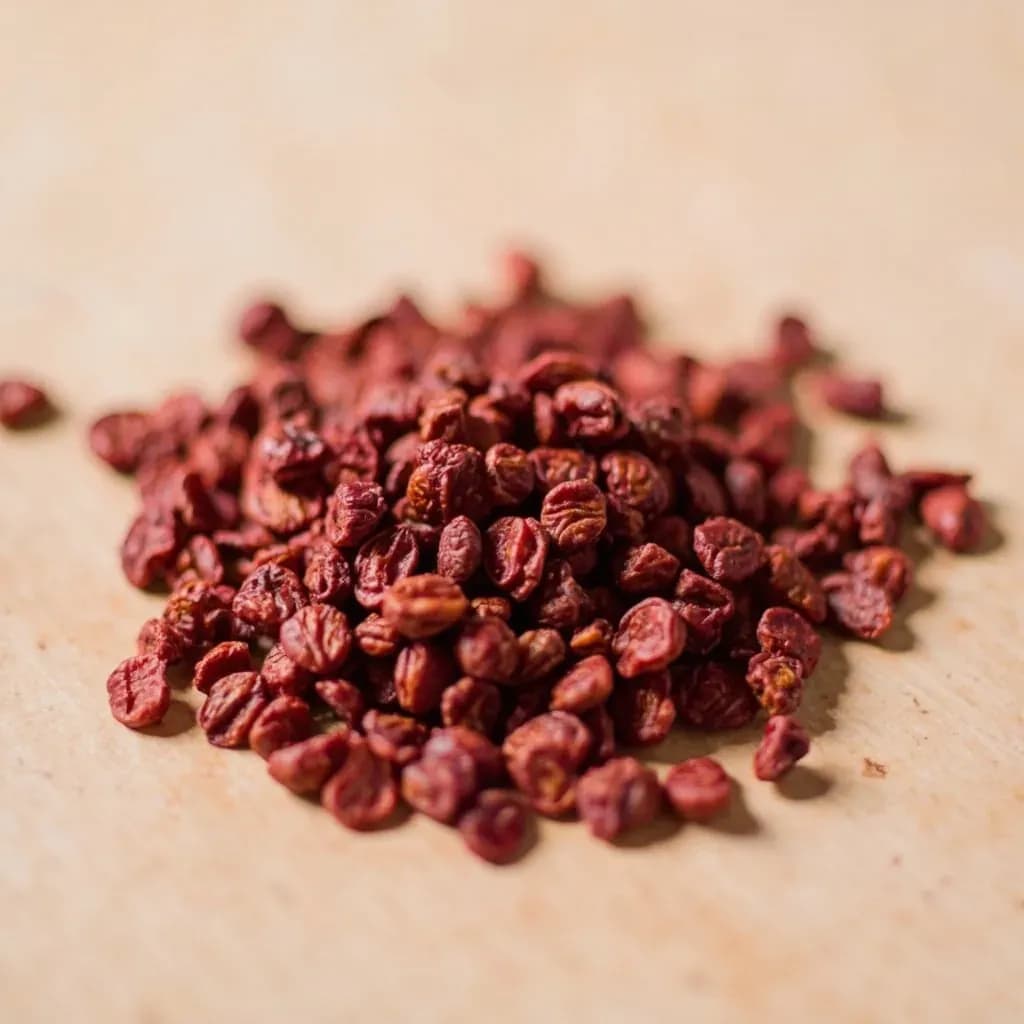
Small red beans used in stews and, sweetened, in Asian red bean paste.
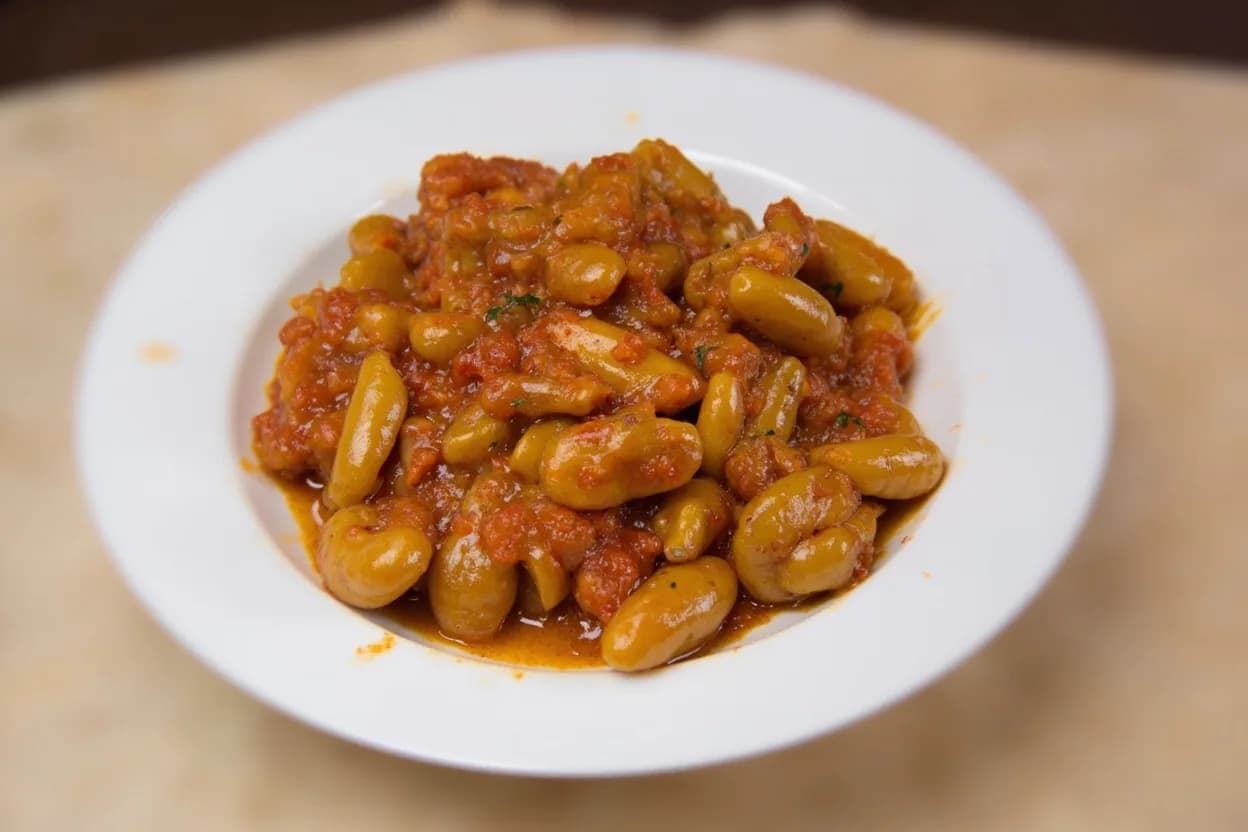
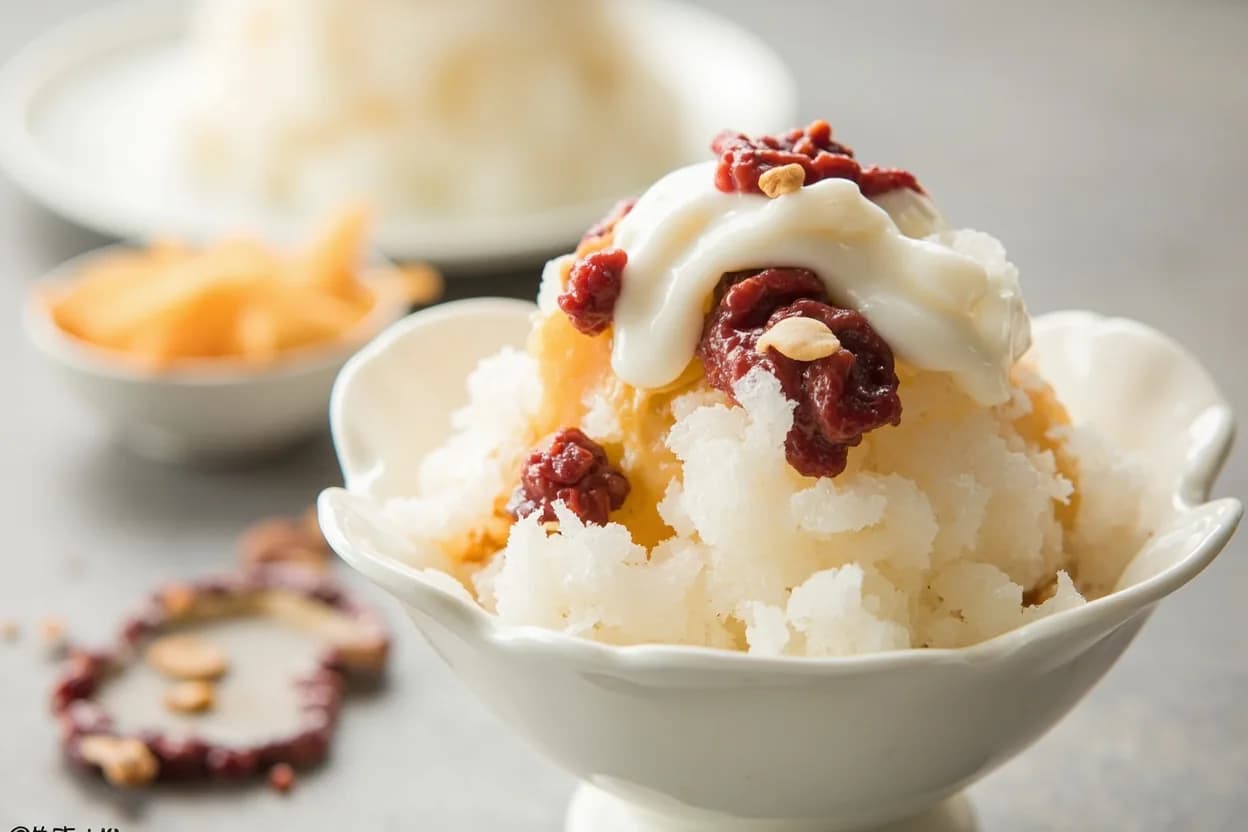
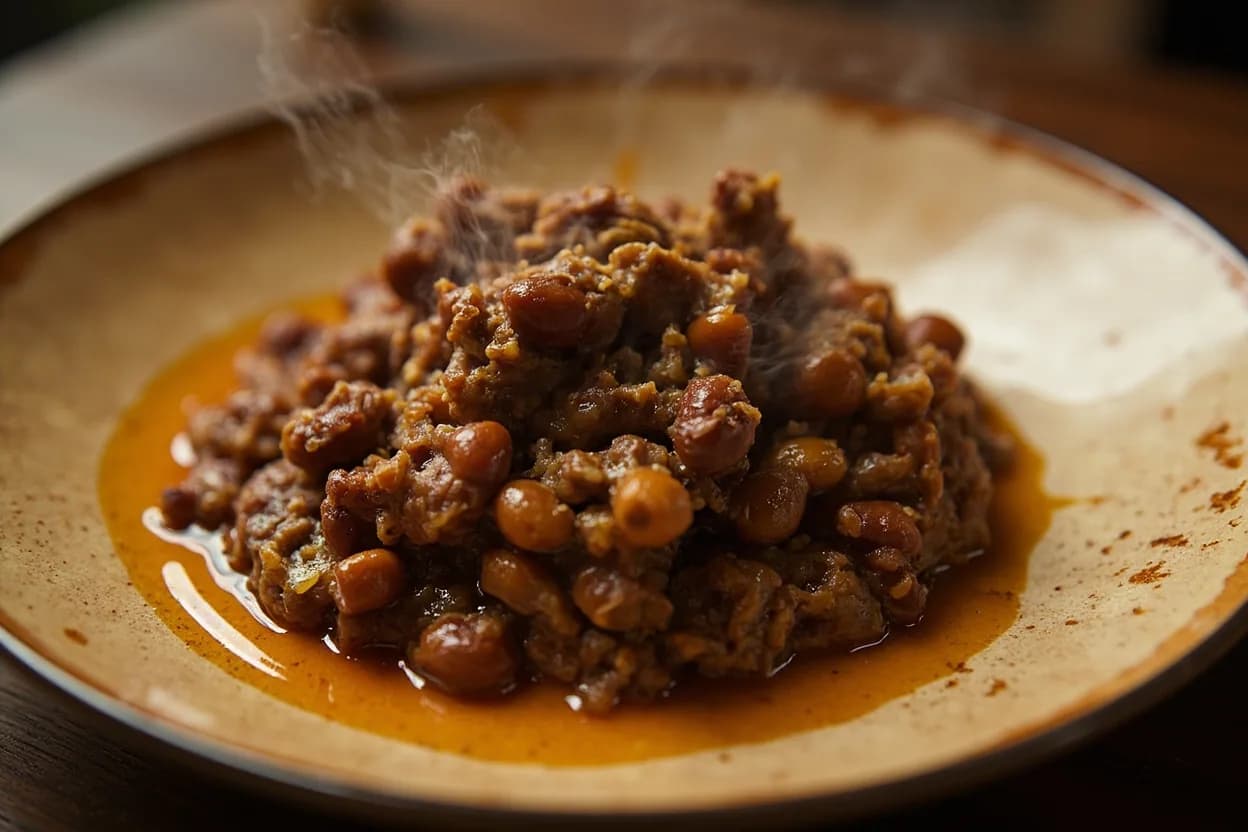
Red beans are small reddish legumes used in savory stews and rice dishes across Africa, the Americas, and Asia. In East Asian cooking, adzuki-type red beans are simmered with sugar into sweet red bean paste (anko) for desserts and buns. They have a soft, slightly sweet flesh when cooked.
Small red beans (Phaseolus vulgaris) are compact, oval legumes roughly 1 cm in length with a deep reddish-pink to brick-red skin. They are one of the oldest cultivated beans in the Americas, domesticated in the same region as kidney beans but distinguished by their smaller size, lighter color, and more oval shape. In the kitchen they occupy a dual personality: for savory cooking they are a backbone of Caribbean, Latin American, and Southern US cuisine—hearty enough to hold their shape in long-simmered stews yet creamy enough to break down into silky dips and fillings. For sweet preparations, they are frequently ground into paste for Asian pastries, though traditional East Asian red bean paste is most often made from adzuki beans (Vigna angularis), a different species that is smaller, darker, and slightly sweeter. Small red beans contribute roughly 8–9 g of protein and 6–8 g of fiber per 100 g cooked, making them both nutritious and satisfying. One cup of dried beans yields approximately two cups cooked, and they freeze well in their cooking liquid for later use.
- Measured in
- g
- Storage
- Pantry
Types & varieties
The standard culinary red bean; widely used in Caribbean, Latin American, and Southern US cooking; also used for sweetened pastes in some Asian applications
Technically Vigna angularis, a different species but often called "red bean"; the primary bean for traditional Japanese and Chinese red bean paste; smaller, darker, and slightly sweeter than Phaseolus vulgaris small red beans
Pinkish-red mottled beans that darken with cooking; Italian variety; creamy texture; used in soups and salads
Large, plump beans with a creamy texture and red-streaked skin; Italian heirloom variety; excellent for stews
Red Beans vs. Kidney Beans
Red beans and kidney beans belong to the same species (Phaseolus vulgaris) but are not interchangeable. Small red beans are slightly smaller, more oval, and lighter in color than kidney beans. They cook in roughly the same time and have a similar firm-but-creamy texture, which makes them acceptable substitutes for each other in most recipes. The practical difference is size: kidney beans hold their shape more stubbornly under prolonged cooking, which matters in dishes like chili. For traditional Asian sweet red bean paste, use actual adzuki beans—small red beans are not a true substitute in that context.
- Small red beans: ~1 cm, oval, brick red
- Kidney beans: larger, more kidney-shaped, darker red
- Adzuki beans: a separate species (Vigna angularis), smaller and sweeter, used for East Asian paste
Cooking Liquid: A Valuable Byproduct
The starchy liquid left after cooking red beans is not discardable. It carries soluble fiber, starch, and flavor from the beans and aromatics, making it a natural thickener and flavor base. Reduce it to concentrate the flavor for sauces, or use it as the liquid base for bean soups. Strain and freeze it in portions for future use.
- Reduce cooking liquid for a natural bean-flavored sauce or glaze
- Use as soup base—blend with cooked beans for a creamier result
- Freeze in ice cube trays for quick addition to future dishes
Common uses
Tips & pitfalls
- Always soak dried red beans for at least 4 hours or overnight to reduce cooking time by roughly half and improve texture
- Never add salt or acidic ingredients (tomatoes, vinegar, lemon) until the beans are fully cooked—these harden the skins and dramatically increase cooking time
- Skim off foam during the first 10–15 minutes of boiling to remove impurities
- Cook beans at a gentle simmer; vigorous boiling causes the skins to split
- Add aromatics (onion, garlic, bay leaf) only after beans have softened to avoid toughness
- For smoother red bean paste, puree while hot and pass through a fine mesh sieve; the paste will thicken as it cools
- Store cooking liquid; the starchy water is excellent for soups and can be reduced for sauces
- Red beans freeze well—store in portions with enough liquid to cover
- Do not confuse small red beans with adzuki beans when making Asian sweet paste—the flavor and texture will differ significantly
- If using unsoaked beans, plan for roughly double the cooking time and check for doneness starting at 90 minutes
Nutrition
Energy
1377 kJ · per 100 g
Where the calories come from
Protein
19.9g
40% DV
Carbs
62.9g
23% DV
Fat
0.5g
1% DV
Fiber
12.7g
45% DV
Sodium
5mg
0% DV
Source · USDA FoodData Central · Beans, adzuki, mature seeds, raw
View on FDC →In the shops
Matched grocery products
No matched grocery products for Red Bean yet.
Good to know
- Scientific Name
- Phaseolus vulgaris (small red bean variety)
- Origin
- Central and South America; cultivated since ancient times
- Color
- Deep reddish-pink to brick red
- Size
- Small, oval; approximately 1 cm long
- Texture (cooked)
- Firm but creamy interior; holds shape well
- Flavor
- Mild, slightly nutty; less sweet than adzuki beans
- Category
- Legume / Dried bean
- Shelf Life (dried)
- 1–2 years in cool, dark storage
- Shelf Life (cooked)
- 3–5 days refrigerated
- Cooking Time (dried)
- 45–60 minutes (soaked); 90–120 minutes (unsoaked)
- Yield
- Approximately 2 cups cooked per 1 cup dried
- Protein (per 100g cooked)
- ~8–9 g
- Fiber (per 100g cooked)
- ~6–8 g
Substitutes
- Adzuki Beans — For sweet applications; not ideal for savory stews due to smaller size and sweeter flavor profile
- Kidney Beans — Larger and darker; acceptable substitute in soups and stews; similar texture and cooking time
- Pinto Beans — Mild flavor difference; best for Tex-Mex applications; comparable cooking time when soaked
- Black Beans — Different color and slightly earthier flavor; suitable for Latin American and Caribbean dishes where color is not critical
- Great Northern Beans — White beans; substitute only where color difference is acceptable; similar creamy-but-firm texture
Pairs with
Also called
Feijão · Red Beans · Adzuki Bean
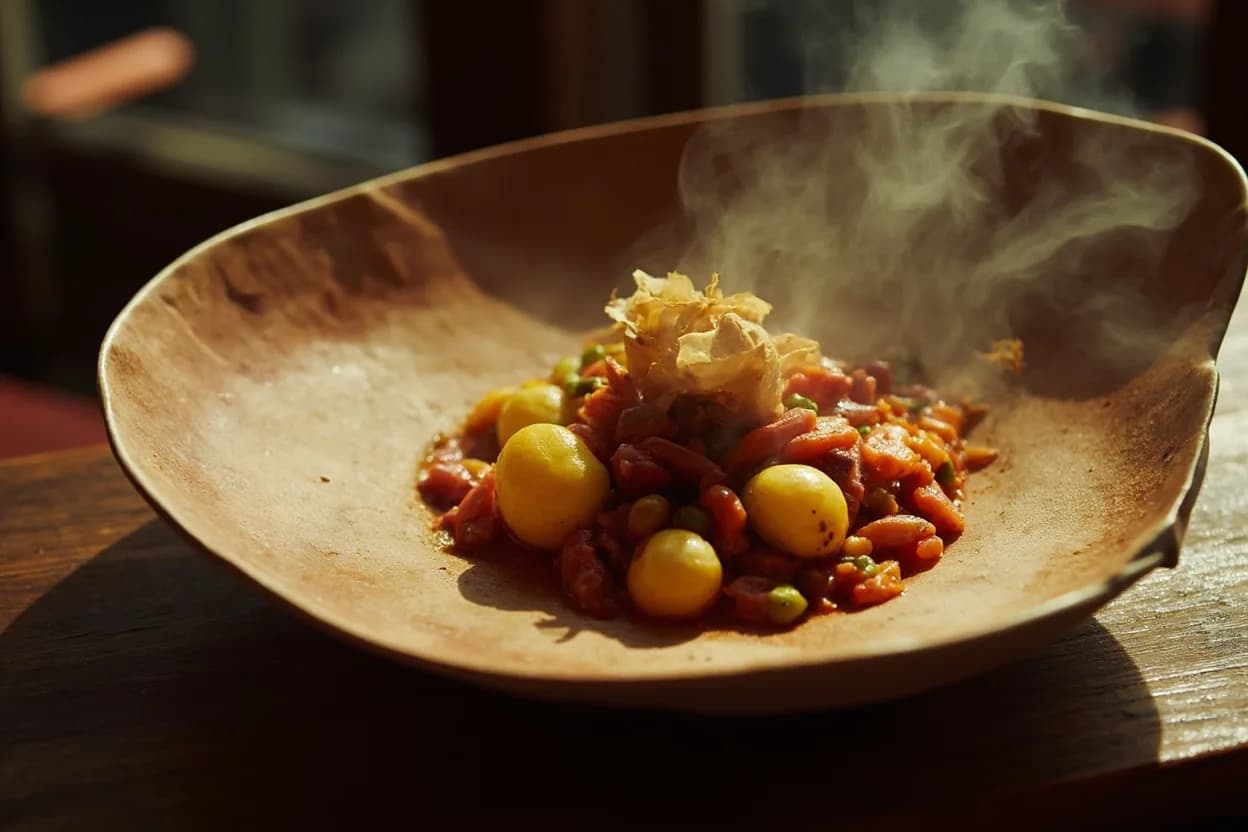
Appears in these dishes
Related
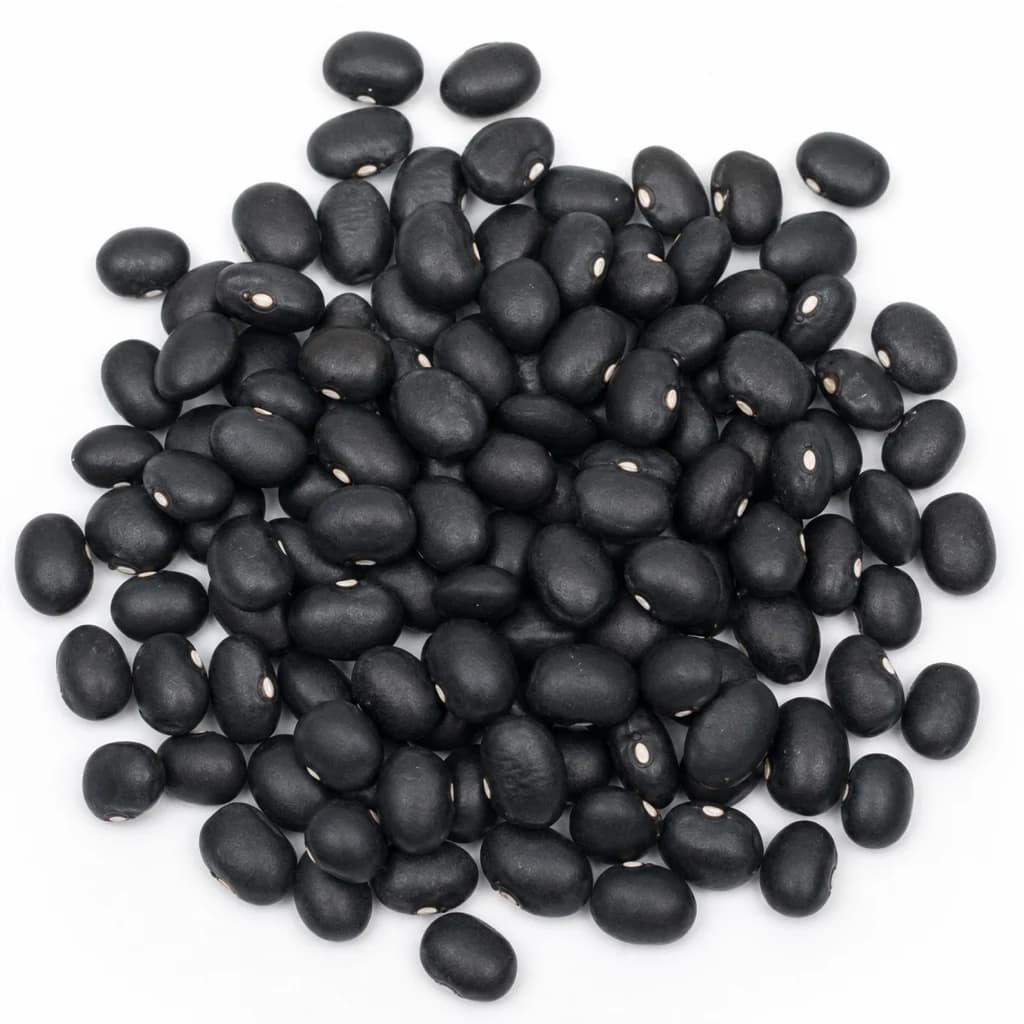
Black Beans
Earthy, creamy beans for bowls, soups, and tacos
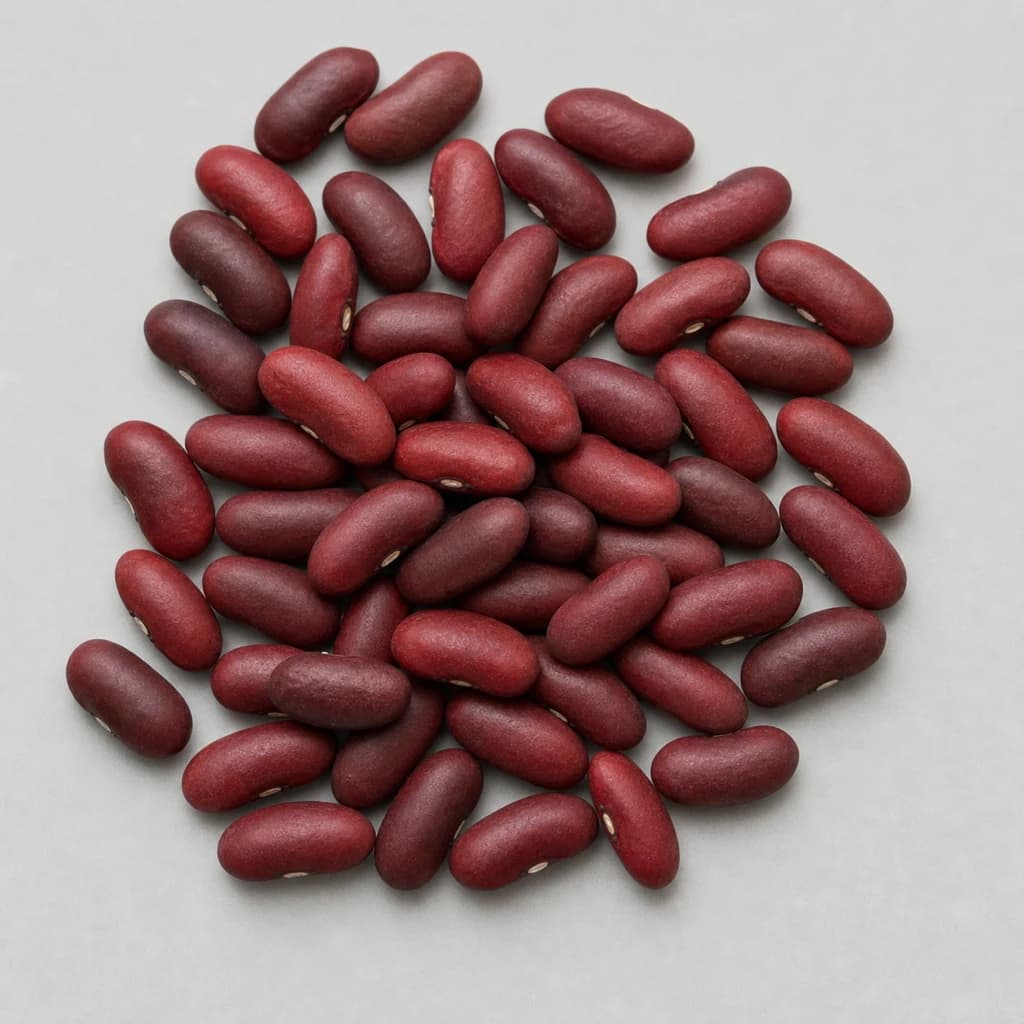
Kidney Beans
Hearty red beans that hold their shape in chili and stews
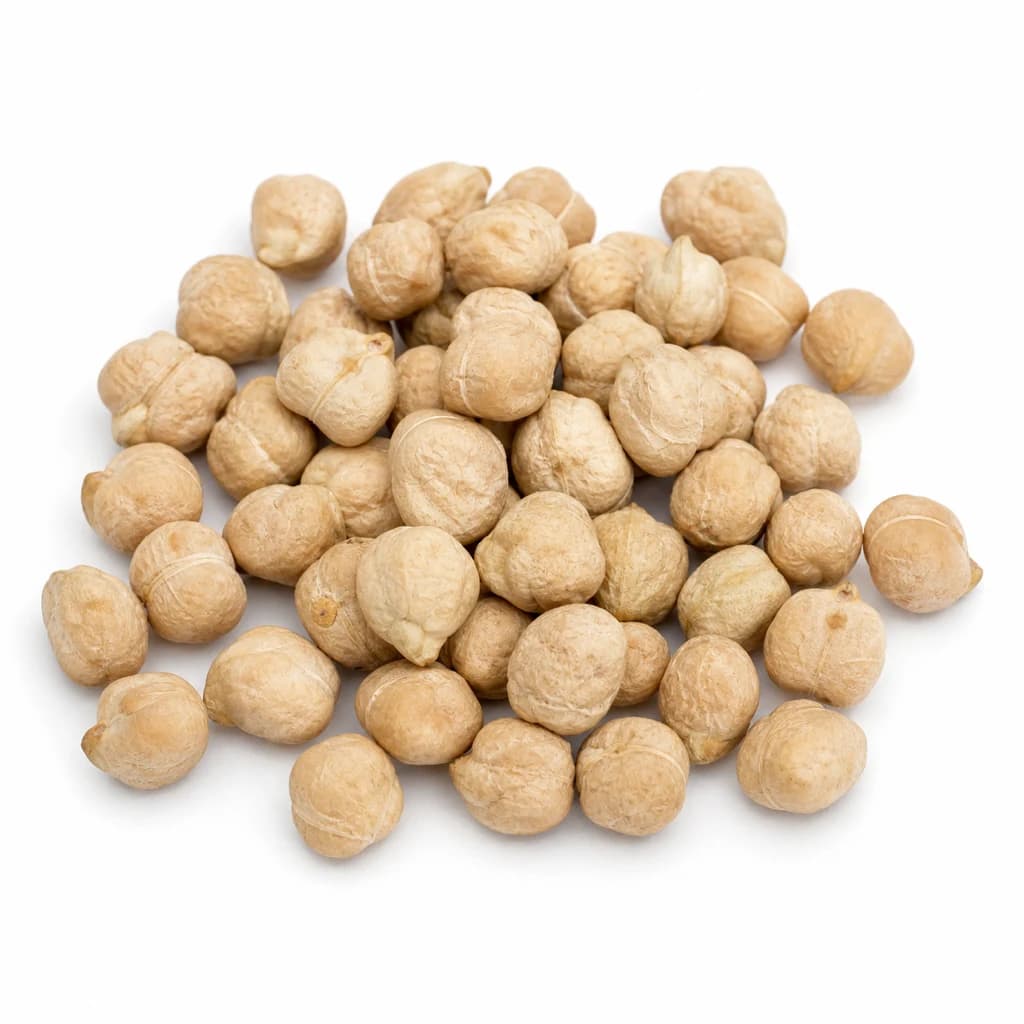
Chickpeas
Nutty, versatile beans for hummus, curries, and roasting
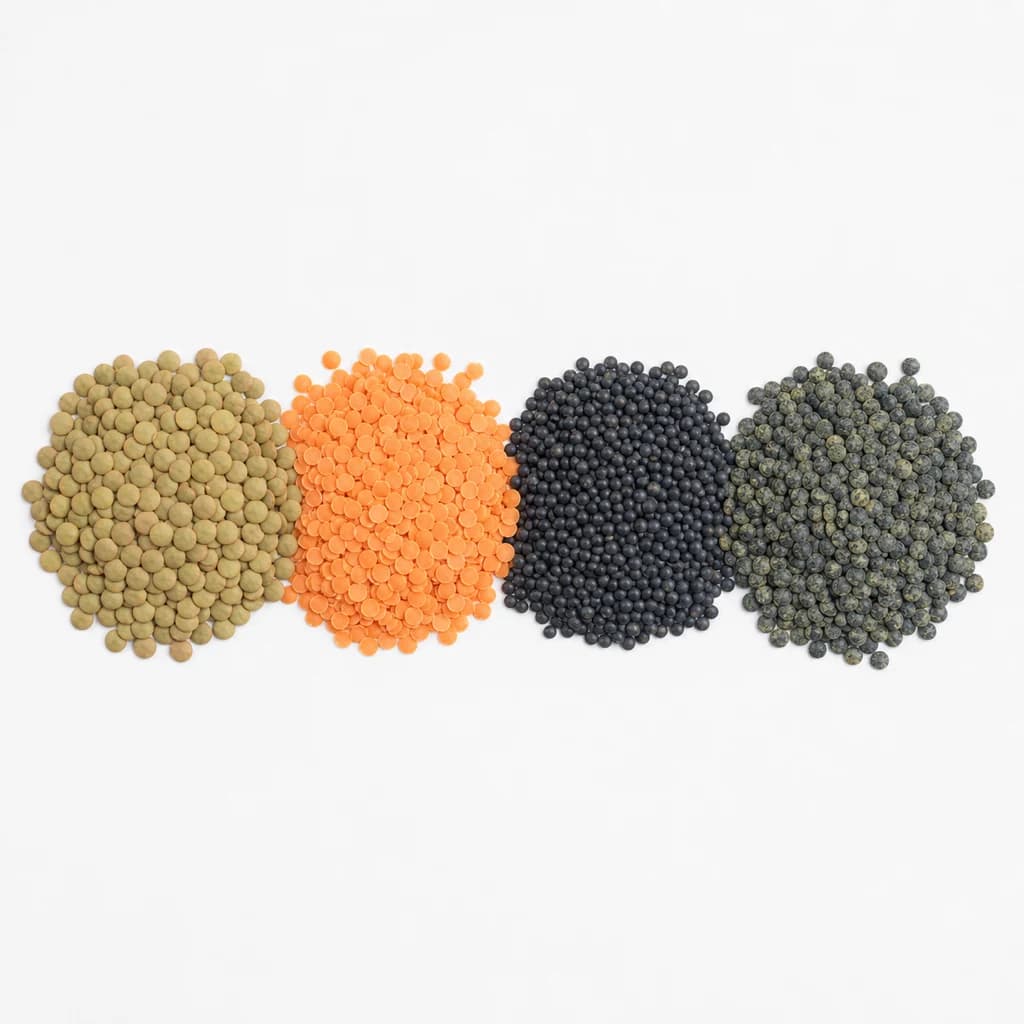
Lentils
Quick-cooking pulses for soups, dals, and hearty salads

White Beans
Creamy, mild beans for soups, stews, and silky purées
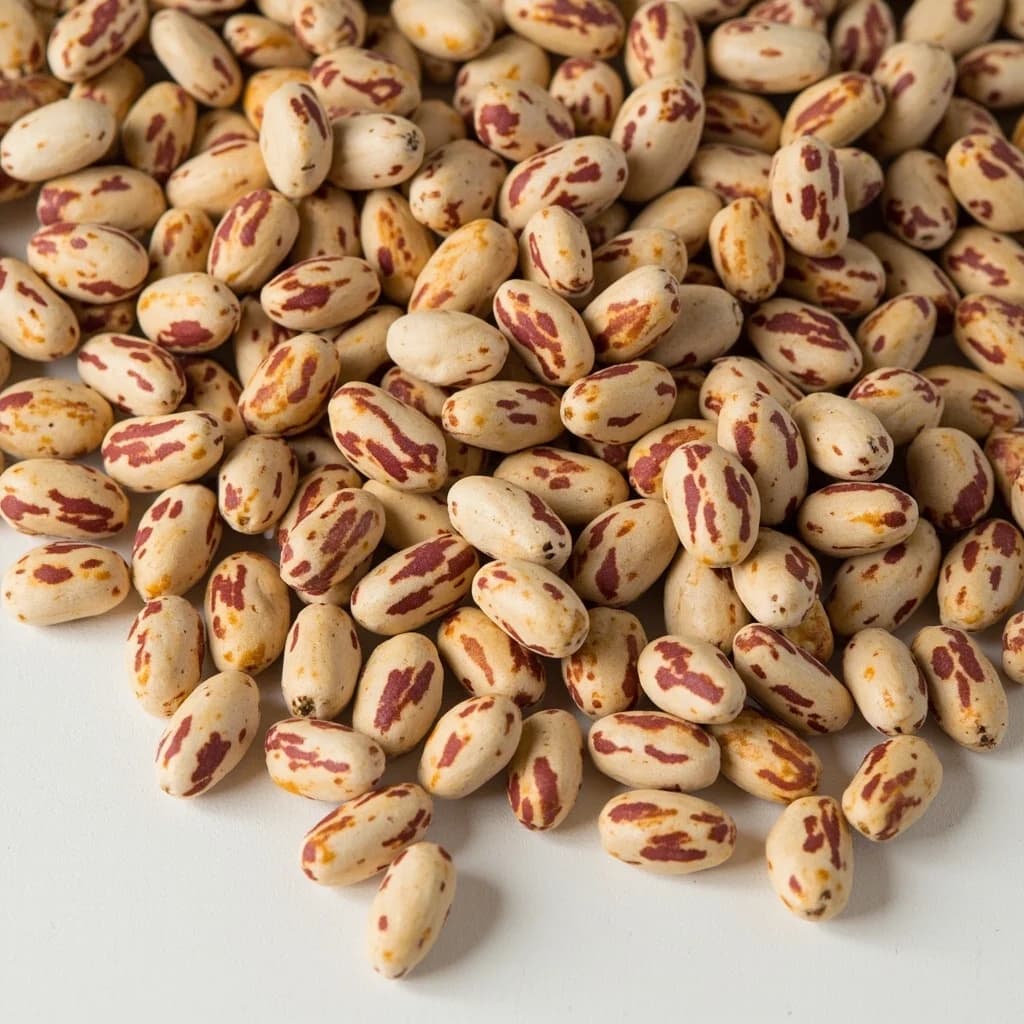
Pinto Beans
Creamy, speckled beans for refried beans and stews

Split Peas
Quick-cooking peas that melt into thick, comforting soups
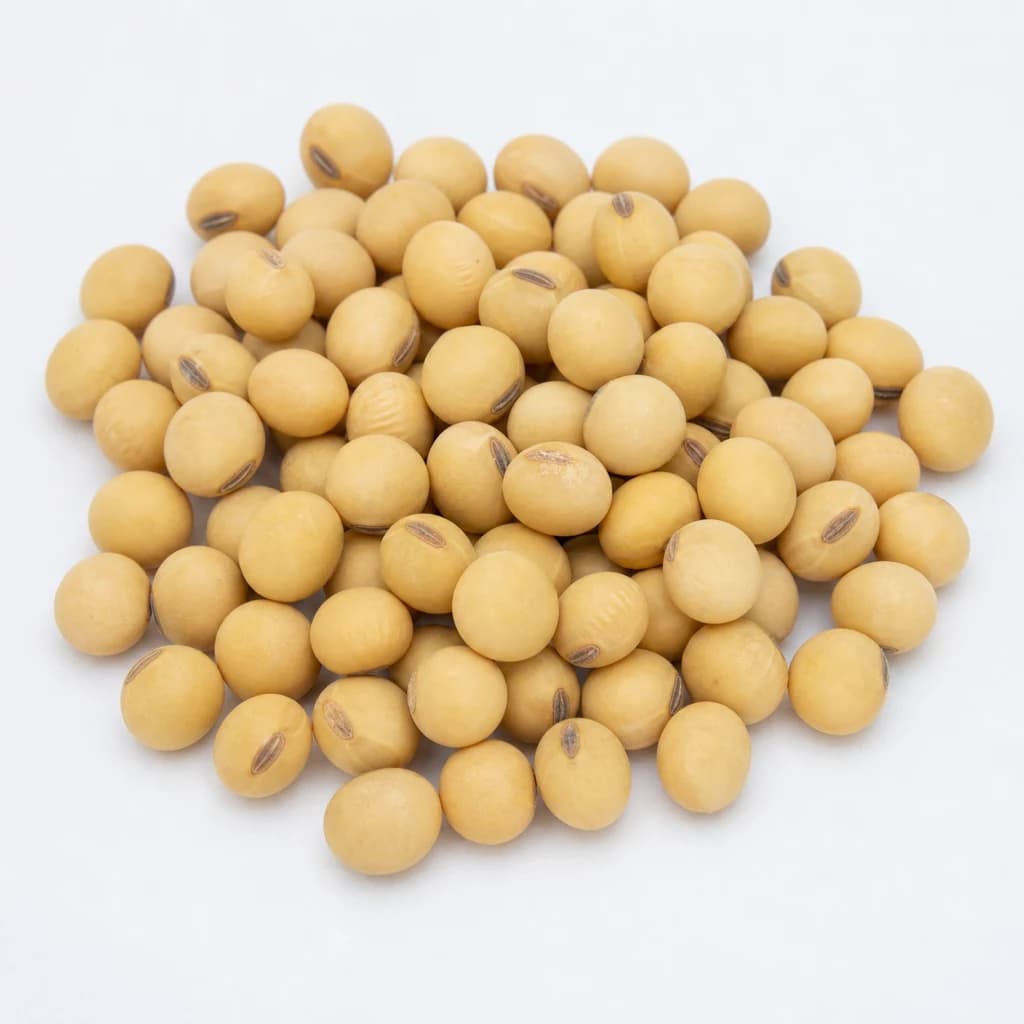
Soybeans
Protein-packed beans, the base for tofu and miso