Legumes & Beans
Borlotti Bean
Cream-and-crimson speckled Italian bean for pasta e fagioli and hearty soups.
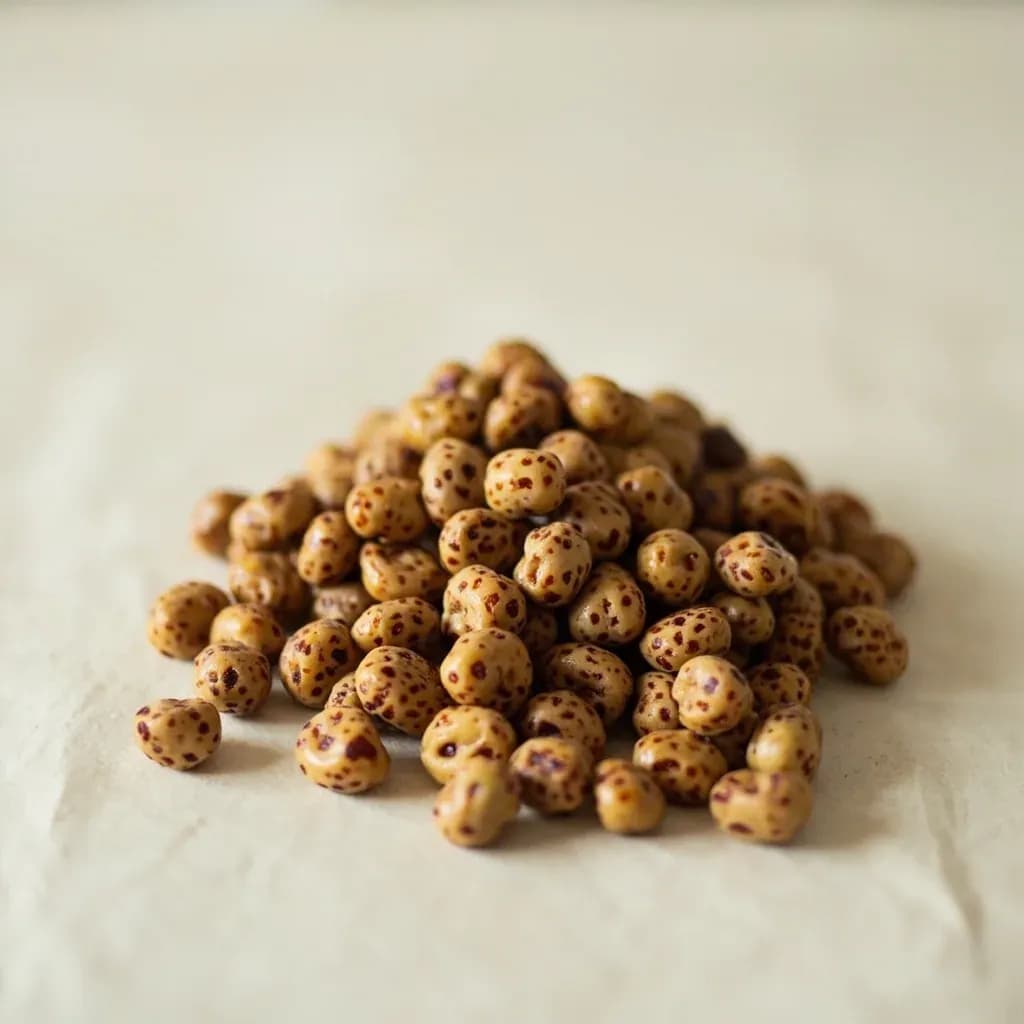
Borlotti beans are plump beans with a striking cream-and-crimson speckled pod and seed, fading to a pinkish brown when cooked. Beloved in Italian cooking, they star in pasta e fagioli, minestrone, and bean stews, prized for their thin skin and dense, nutty, chestnut-like flesh. They are also known as cranberry beans in North America.
The borlotti bean—also called cranberry bean, Roman bean, or Italian shell bean—is one of Italy's most beloved legumes, developed in the 19th century in the Emilia-Romagna and Lombardy regions and now grown widely across North America. Its defining characteristic is the cream-to-white skin overlaid with distinctive burgundy-crimson speckles that fade to tan as the bean cooks, a visual trait it shares with its close relatives pinto and cranberry beans, though borlotti are bred for a thinner skin and a characteristically silky, creamy interior. The flavor is nuttier and more pronounced than milder white beans like cannellini, with a gentle sweetness that makes it the defining legume of northern Italian peasant cooking.
Fresh borlotti, sold in pods in late summer and early autumn, are tender enough to cook without soaking and bring a brightness and delicate texture that dried beans cannot match. Dried borlotti, available year-round, require soaking and a longer cooking time but yield a creamier, more densely flavored result. The bean holds its shape well through simmering, making it ideal for soups and stews, but it turns mealy if overcooked or boiled vigorously after it is done—a common mistake that ruins texture in dishes like pasta e fagioli. The cooking liquid itself is valuable; a well-seasoned bean broth is the backbone of many Italian preparations, so save it whenever possible.
- Measured in
- g
- Storage
- Pantry
Types & varieties
Sold shelled or in the pod. Cook briefly without soaking; use the same day as purchase for best texture.
The most common year-round form. Requires soaking and longer cooking; produces a creamier, more concentrated result than fresh.
Fresh vs. Dried: Choosing and Using
Italian markets traditionally treat fresh borlotti in the pod as a distinct ingredient, not merely a less-processed version of the dried bean. Fresh borlotti have a bright, green-bean-like quality and cook in 20–40 minutes. They are ideal for dishes where you want a cleaner, lighter result—quick bean salads, light soups, or simply tossed with olive oil and herbs. Dried borlotti bring more developed flavor and a denser, silkier creaminess that stands up to long braises and the thick broth of pasta e fagioli. Neither is a substitute for the other; plan your dish around the form you have.
- Buy fresh borlotti in firm, bright pods with plump, evenly colored beans visible through the shell
- Refrigerate unshelled fresh borlotti in a plastic bag up to 5 days, but cook them as soon as possible
- Dried borlotti are one of the few beans where a long cold soak (8 hours) noticeably improves the final creamy interior
- Always cook dried beans in generously salted water from the start—they absorb permanent seasoning only while cooking
Common Mistakes to Avoid
The most frequent errors with borlotti are adding acid too early, overcooking, and undersalting the cooking water. Acid (tomatoes, wine, vinegar) added before the beans are fully tender causes the skins to stay firm and the interiors to remain hard throughout the pot, a problem that no amount of additional cooking will fix. Add acidic ingredients only in the last 20–30 minutes. After the beans are done, resist the urge to keep the pot at a hard boil—borlotti turn mealy and grainy when cooked past their threshold. Finally, undersalting is almost as damaging: beans absorb seasoning only during cooking, not after, so a bland cooking liquid produces bland beans.
- Add tomatoes, vinegar, and wine only in the last 20–30 minutes of cooking
- Cook at a gentle simmer, not a hard boil, once boiling begins
- Salt the cooking water generously from the start—taste and adjust before the beans go in
- Skim foam during the first 10 minutes of a rolling boil for a cleaner result
- Taste for doneness rather than following a fixed time; beans vary by batch and age
Common uses
Tips & pitfalls
- Salt the cooking water generously—beans absorb permanent seasoning only while cooking, not after.
- Cook beans with aromatics from the start: a halved onion, a bay leaf, and a peeled garlic clove build background flavor without dominating the dish.
- Add acidic ingredients (tomatoes, vinegar, wine) only in the last 20–30 minutes; acid prevents skins from softening and can leave beans hard throughout.
- Skim the foam that rises during the first 10 minutes of a rolling boil for a cleaner, clearer result.
- Taste for doneness rather than watching the clock—beans vary by batch and age.
- Fresh borlotti should be cooked the day of purchase for best texture; they toughen quickly in the refrigerator.
- A long cold soak (8 hours) yields a more evenly creamy interior than quick-boiling methods.
- Cooked borlotti freeze well; freeze in single batches for easy soup and stew additions.
- If cooking dried beans, save the cooking liquid—it's a flavorful broth worth keeping.
- Avoid overcooking: borlotti turn mealy if boiled vigorously for too long after they are done.
Nutrition
Energy
1402 kJ · per 100 g
Where the calories come from
Protein
23g
46% DV
Carbs
60.1g
22% DV
Fat
1.2g
2% DV
Fiber
24.7g
88% DV
Sodium
6mg
0% DV
Source · USDA FoodData Central · Beans, cranberry (roman), mature seeds, raw
View on FDC →In the shops
Matched grocery products
No matched grocery products for Borlotti Bean yet.
Good to know
- Origin
- Italy, developed in the 19th century in Emilia-Romagna and Lombardy
- Also Called
- Cranberry bean, Roman bean, Italian shell bean
- Scientific Name
- Phaseolus vulgaris
- Color (Raw)
- Cream to white with burgundy-crimson speckles; speckles fade to tan when cooked
- Peak Season (Fresh)
- Late summer through early autumn; dried available year-round
- Flavor
- Nutty, mildly sweet, more pronounced than milder white beans
- Texture
- Silky interior when cooked; thin skin holds shape well
- Dried Cook Time
- 45–90 minutes after soaking
- Fresh Cook Time
- 20–40 minutes; do not soak
- Yield
- 1 cup dried ≈ 2–2½ cups cooked
- Storage (Dried)
- 1–2 years in a cool, dry, dark pantry; discard if hard or wrinkled
- Storage (Cooked)
- Refrigerate in cooking liquid up to 5 days; freeze up to 3 months
Substitutes
- Cannellini Bean — Closest in texture and role in Italian cooking; slightly milder. Use 1:1.
- Great Northern Bean — Firm texture, mild flavor; works in soups and salads. Use 1:1.
- Pinto Bean — Widely available; similar size and creamy texture. Use 1:1.
- Kidney Bean — Firmness is similar but flavor is more starchy; better in chilis and stews than delicate pasta dishes.
Pairs with
Also called
Cranberry Bean · Roman Bean · Fagioli Borlotti
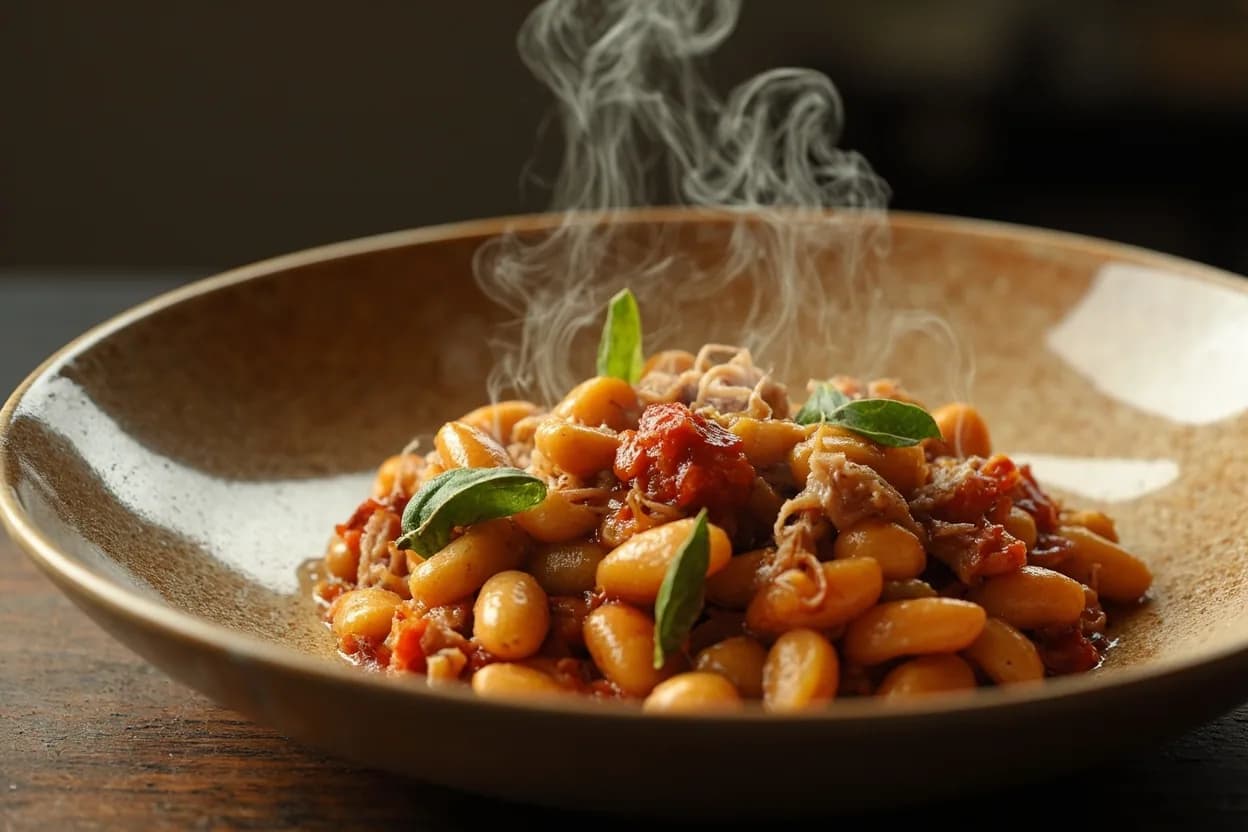
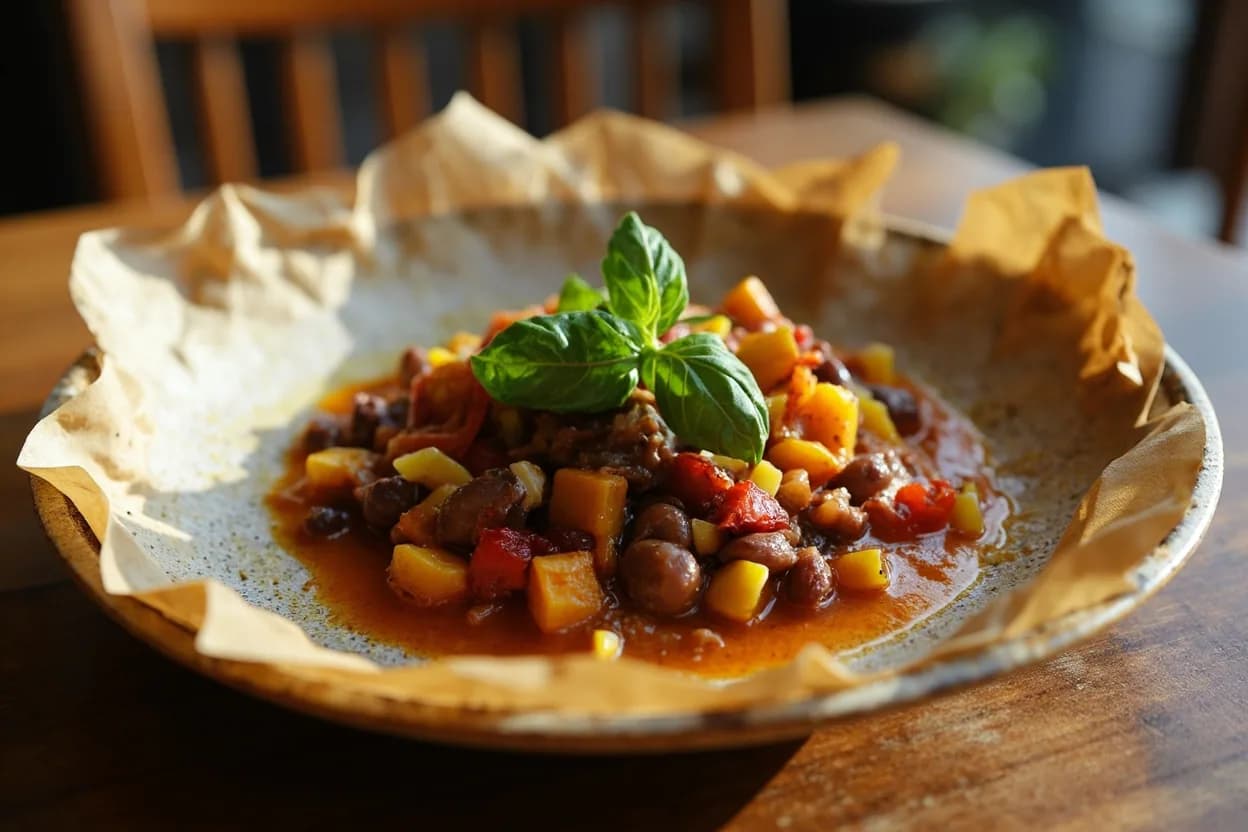
Appears in these dishes
Related
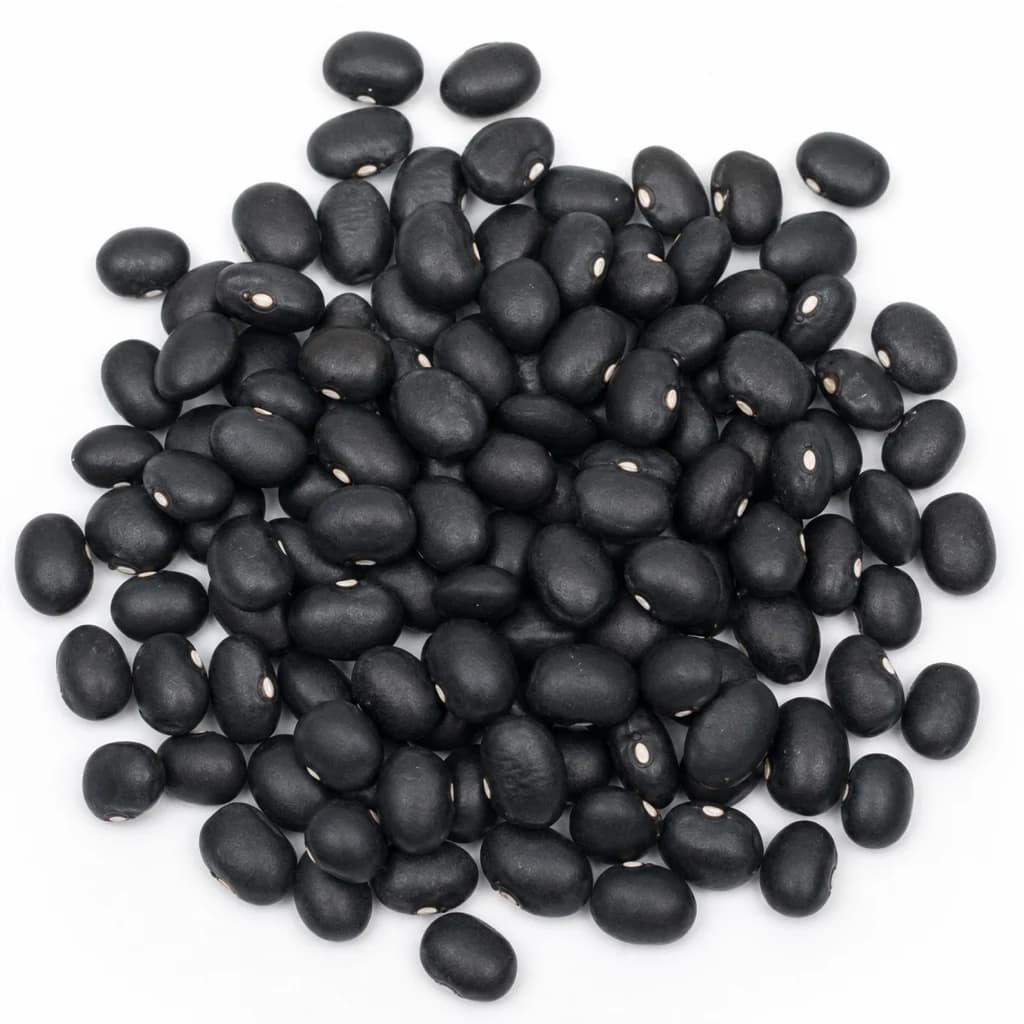
Black Beans
Earthy, creamy beans for bowls, soups, and tacos
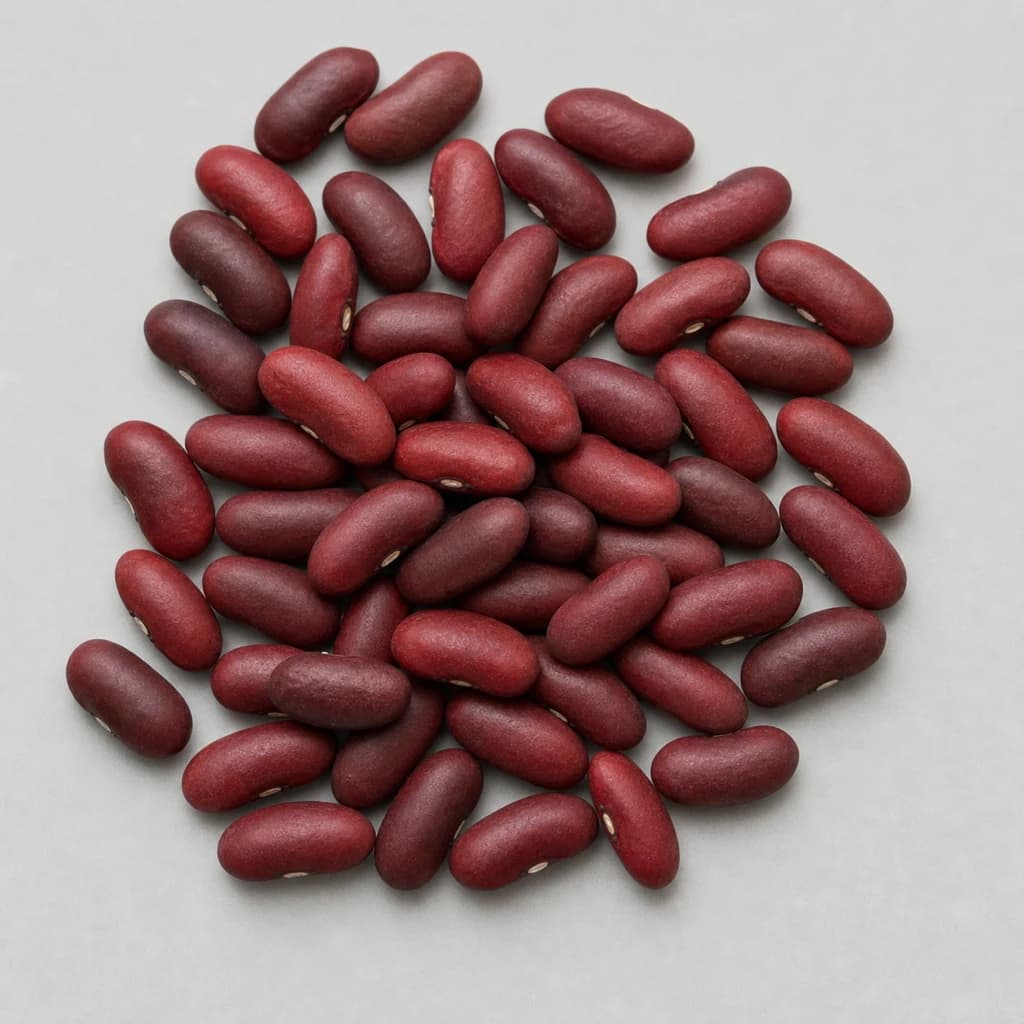
Kidney Beans
Hearty red beans that hold their shape in chili and stews
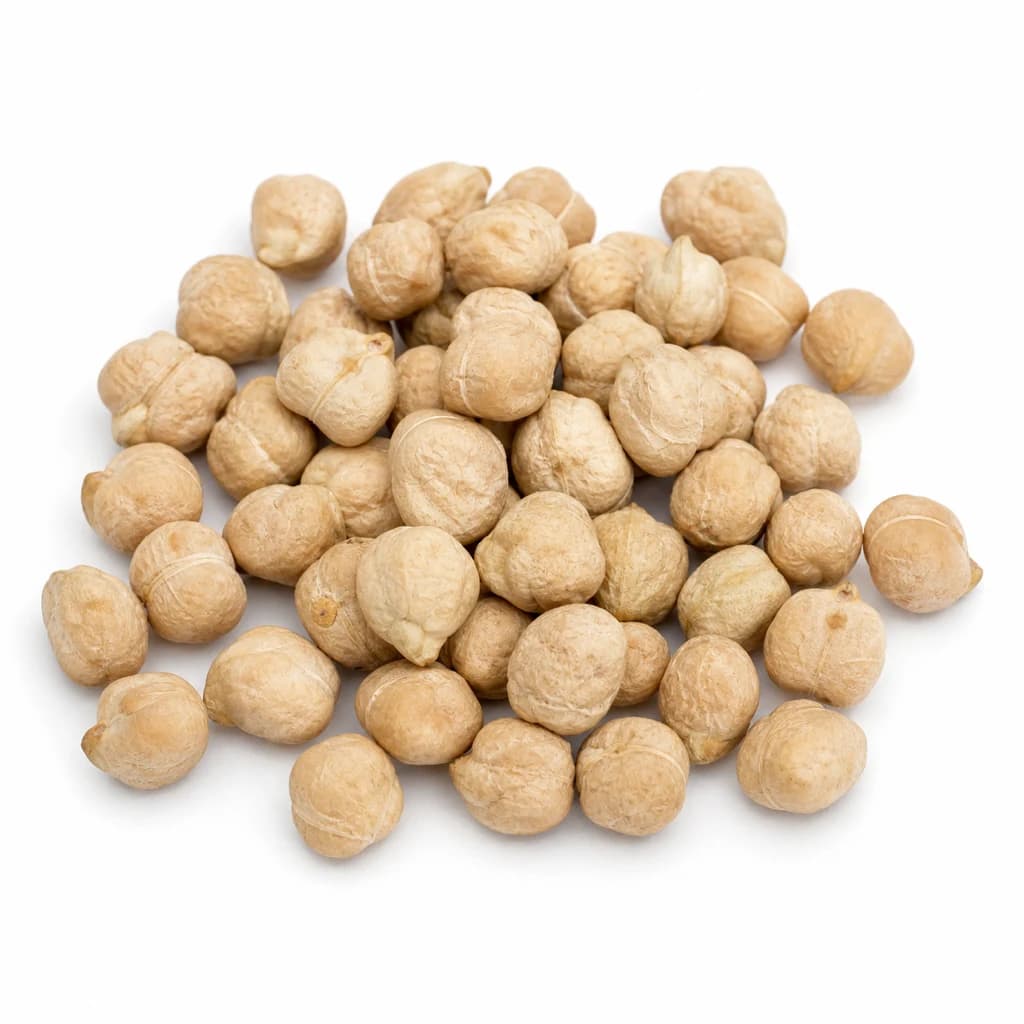
Chickpeas
Nutty, versatile beans for hummus, curries, and roasting
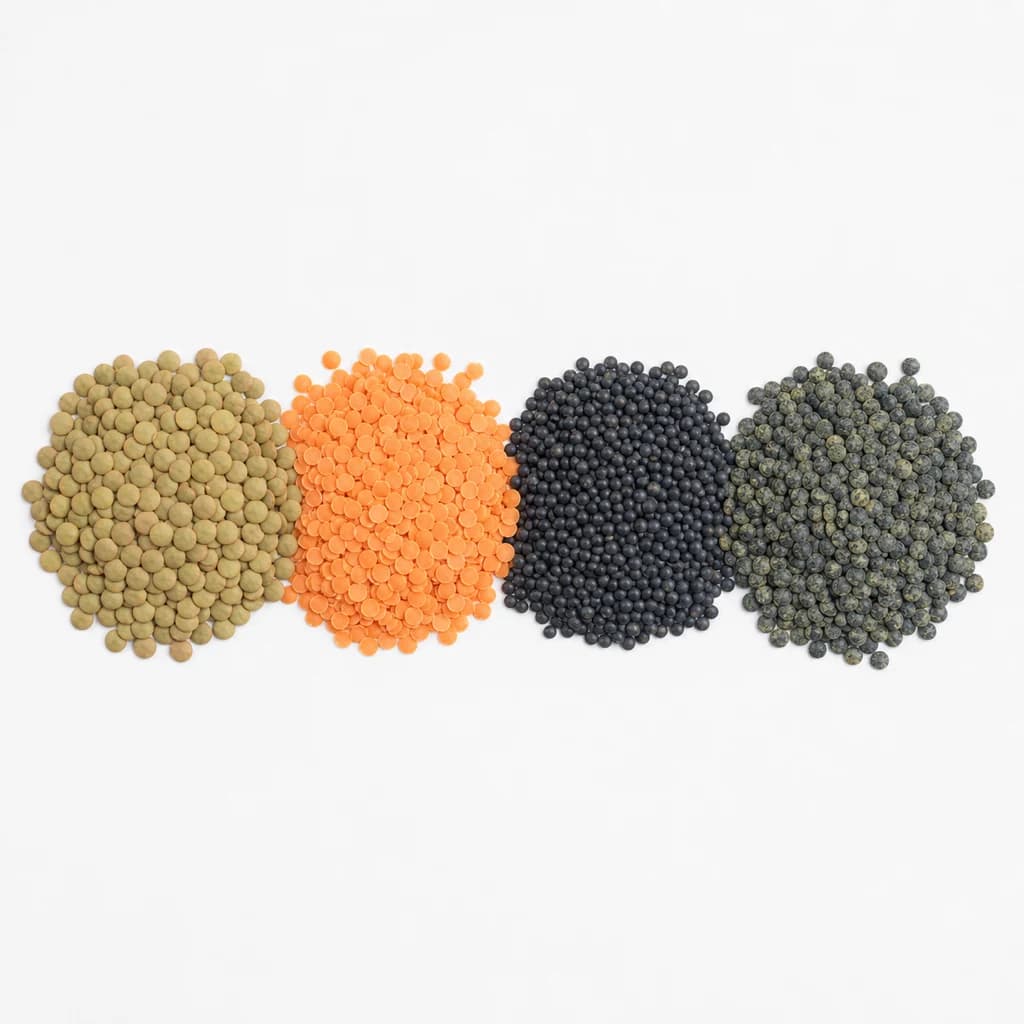
Lentils
Quick-cooking pulses for soups, dals, and hearty salads

White Beans
Creamy, mild beans for soups, stews, and silky purées
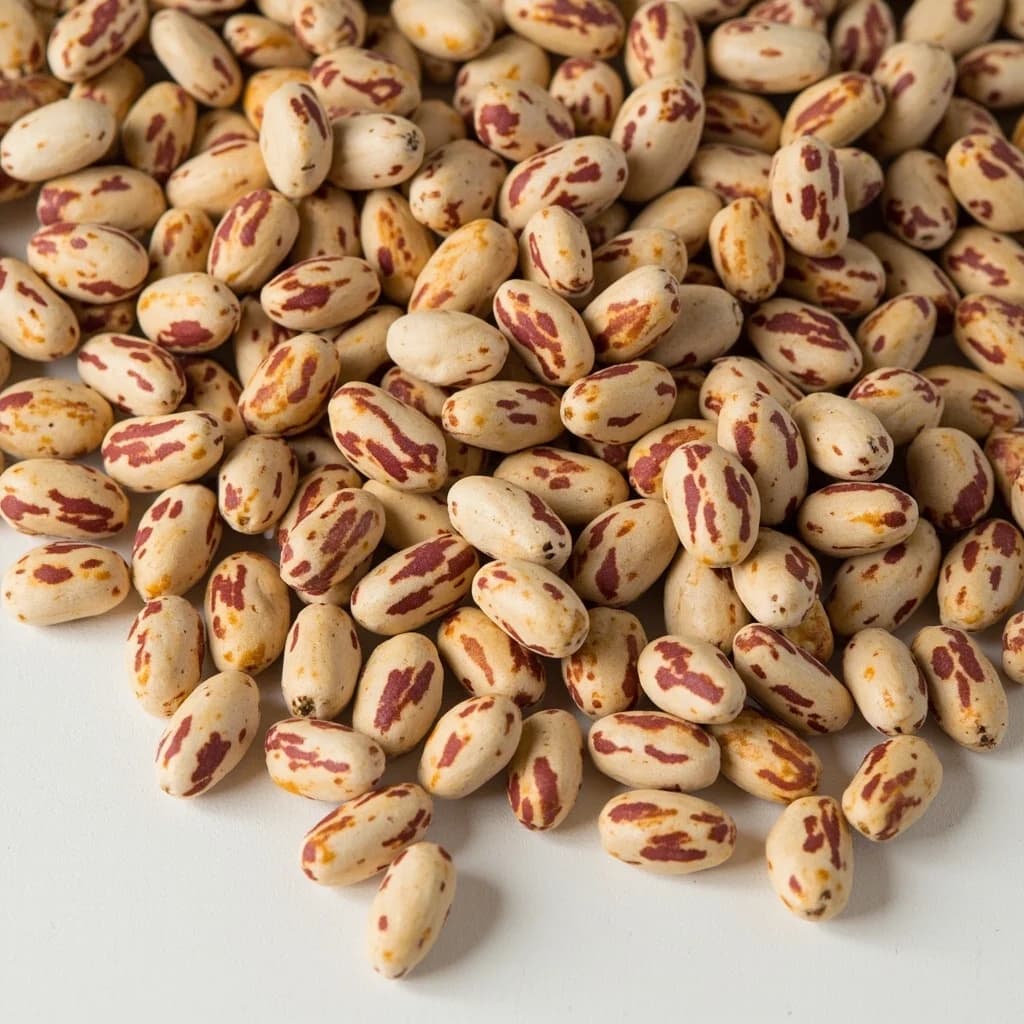
Pinto Beans
Creamy, speckled beans for refried beans and stews

Split Peas
Quick-cooking peas that melt into thick, comforting soups
Soybeans
Protein-packed beans, the base for tofu and miso