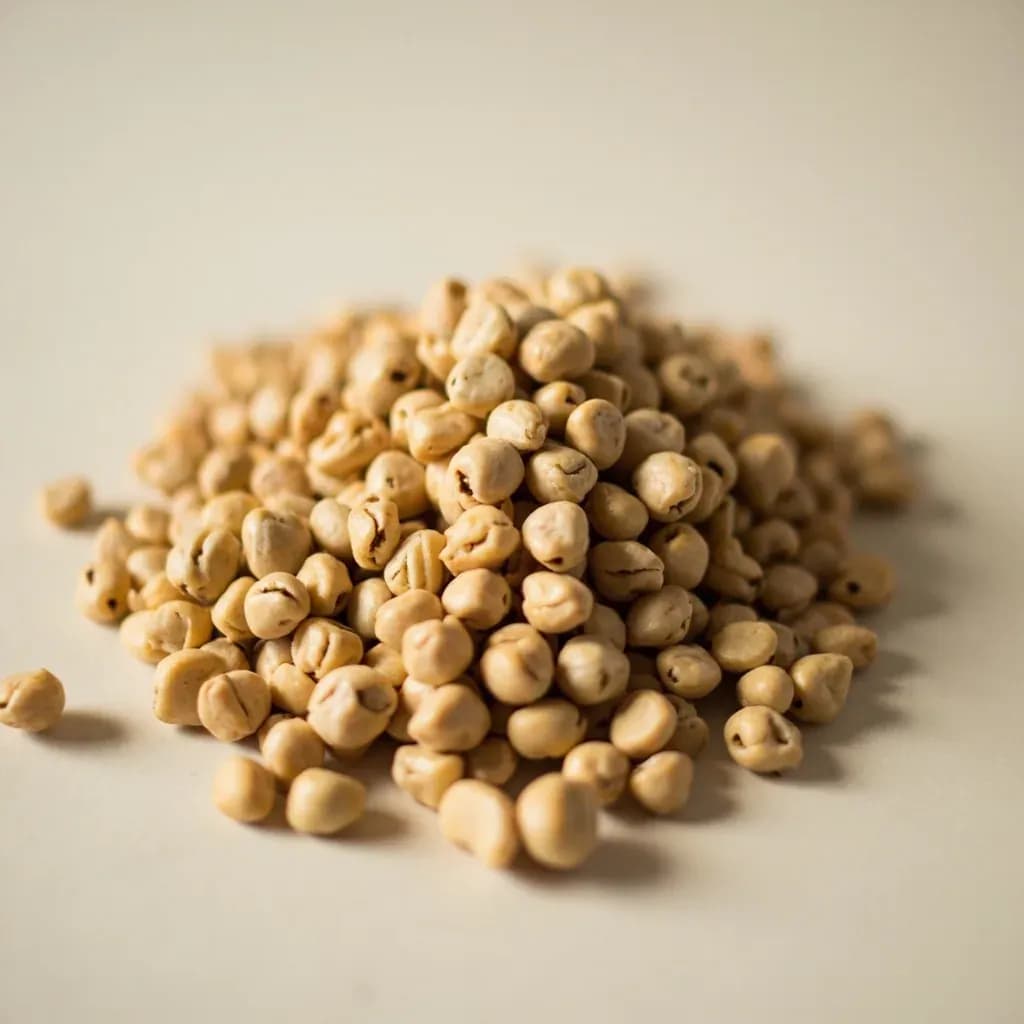
Legumes & Beans
Pinto Bean
Speckled tan bean that's the workhorse of refried beans, chili, and Mexican cooking.
Pinto beans are medium, mottled tan-and-brown beans that cook into a creamy, earthy interior, losing their speckles when boiled. The most-eaten bean in Mexico and the American Southwest, they are the base of refried beans, charro beans, chili, and burritos. They soften beautifully and readily absorb cumin, chili, and aromatics.
Pinto beans (Phaseolus vulgaris) are the defining legume of Mexican and Tex-Mex cuisine, with origins tracing back to Mexico and Central America where they have been cultivated since ancient times. The name "pinto" means "painted" in Spanish, a direct reference to their distinctive speckled tan and reddish-brown appearance when raw. Upon cooking, this mottled pattern disappears entirely, yielding solid tan beans with a creamy interior and a mild, slightly nutty flavor.
As the most widely consumed dried bean in the United States, pintos serve as the backbone of countless dishes from refried beans to chili con carne. Unlike fresh shelling beans that appear briefly in late summer, dried pintos are available year-round and store for 2–3 years when kept in a cool, dry place. They hold their shape well in soups and stews while developing a smooth, almost buttery texture when fully cooked.
Pintos are workhorses in the kitchen: they mash smoothly for refried beans, stay intact for soups, and absorb bold seasonings without overwhelming them. Their high protein and fiber content (about 15g each per cooked cup) makes them a legitimate plant-based protein, not merely a side dish.
- Measured in
- g
- Storage
- Pantry
Types & varieties
The common commercial variety; most widely available in supermarkets year-round
Regional varieties with slightly different speckling patterns and flavor profiles; available at specialty suppliers and farmers markets
A related P. vulgaris variety with a similar speckled appearance but curved shape; used similarly in Southwestern cooking though not identical
Making Refried Beans (Frijoles Refritos)
The term "refritos" is often mistranslated as "refried," leading to confusion. In Spanish, the prefix re- indicates thorough cooking, not frying twice. Authentic refried beans are cooked once with aromatics, then mashed and fried in fat until they develop a silky, slightly crispy texture at the edges.
- Cook beans with onion, garlic, and cumin until very soft, 1.5–2 hours
- Reserve 1–2 cups of cooking liquid before draining — this starchy liquid is essential for the finished dish
- Mash beans to desired consistency: chunky for texture, smooth for spreadability
- Heat lard, bacon fat, or a neutral oil in a heavy skillet over medium-high heat
- Add mashed beans and cook, stirring frequently, for 5–8 minutes until beans darken slightly and develop crispy edges
- Season with salt to taste; serve immediately while hot and crispy at the edges
Common uses
Tips & pitfalls
- Sort and rinse dried beans thoroughly before soaking — debris and small stones occasionally remain after processing
- Always discard soaking water and rinse beans before cooking to improve digestibility and reduce compounds that cause flatulence
- Add acid (tomatoes, citrus, vinegar) only in the last 30 minutes of cooking; early addition causes beans to remain firm
- Add salt in the last 15–20 minutes of cooking for better texture and flavor absorption
- Skim foam from surface during the first 15–20 minutes of boiling — this removes impurities and prevents a foamy, murky broth
- Add 1/4 teaspoon baking soda per pound of beans to soften cooking water and speed tenderizing, especially for older beans
- Never add cold water to beans already cooking — this toughens the skins and can crack them
- Test beans for doneness by crushing one against the roof of your mouth; they should be creamy throughout with no chalky center
- A splash of oil or fat in the cooking water helps reduce foaming and can improve the final texture
- For refried beans, cook beans fully before mashing; save cooking liquid as a starchy base for the finished dish
Nutrition
Energy
1452 kJ · per 100 g
Where the calories come from
Protein
21.4g
43% DV
Carbs
62.6g
23% DV
Fat
1.2g
2% DV
Fiber
15.5g
55% DV
Sugars
2.1g
of which
Sodium
12mg
1% DV
Source · USDA FoodData Central · Beans, pinto, mature seeds, raw (Includes foods for USDA's Food Distribution Program)
View on FDC →In the shops
Matched grocery products
No matched grocery products for Pinto Bean yet.
Good to know
- Scientific name
- Phaseolus vulgaris
- Origin
- Mexico and Central America; cultivated since ancient times
- Color (raw)
- Speckled tan and reddish-brown (pinto means "painted" in Spanish)
- Color (cooked)
- Solid tan to light brown
- Flavor
- Mild, slightly nutty; creamy interior when cooked
- Typical size
- Approximately 1/2 inch long, oval-shaped
- Dried storage
- 2–3 years in airtight container in cool, dry place
- Cooked storage
- 4–5 days refrigerated; 2–3 months frozen
- Soak time
- 6–8 hours (or quick-soak 1 hour in boiling water)
- Cook time (soaked)
- 1.5–2.5 hours until tender
- Cook time (unsoaked)
- 3–4 hours
- Yield
- 1 cup dried beans yields 2–2.5 cups cooked
- Protein content
- Approximately 15g per cooked cup
- Fiber content
- Approximately 15g per cooked cup
Substitutes
- Kidney beans — Similar size and firm texture; slightly more robust flavor; acceptable substitute in chili and soups
- Cannellini beans — Milder, more subtle flavor; similar creamy texture when cooked; better for simple preparations than for Mexican dishes
- Great Northern beans — Milder and slightly smaller; works in bean salads and soups but lacks the traditional flavor expected in Mexican dishes
- Cranberry beans (borlotti) — Similar creamy texture; slightly sweeter; acceptable substitute in soups, stews, and braises
Pairs with
Also called
Frijol Pinto · Canned Pinto Bean · Pinto Beans
Appears in these dishes
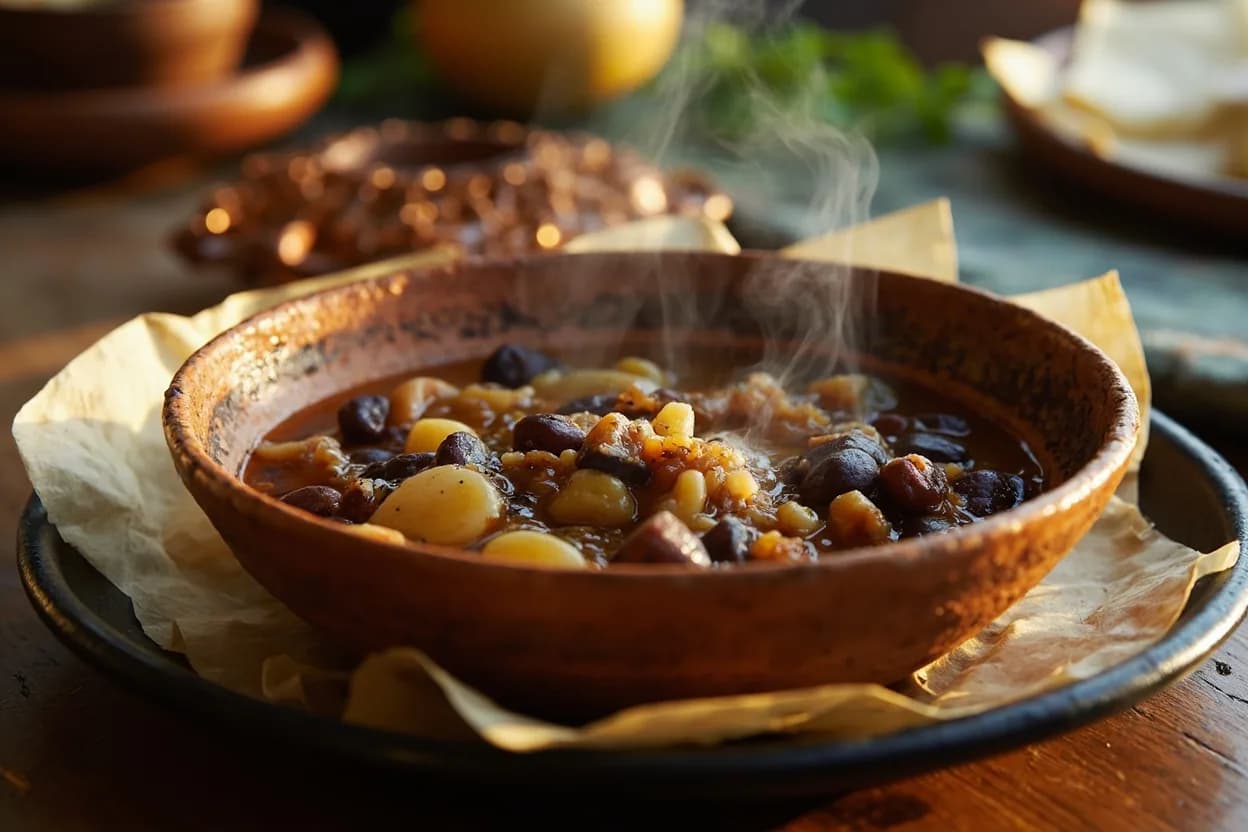
Related
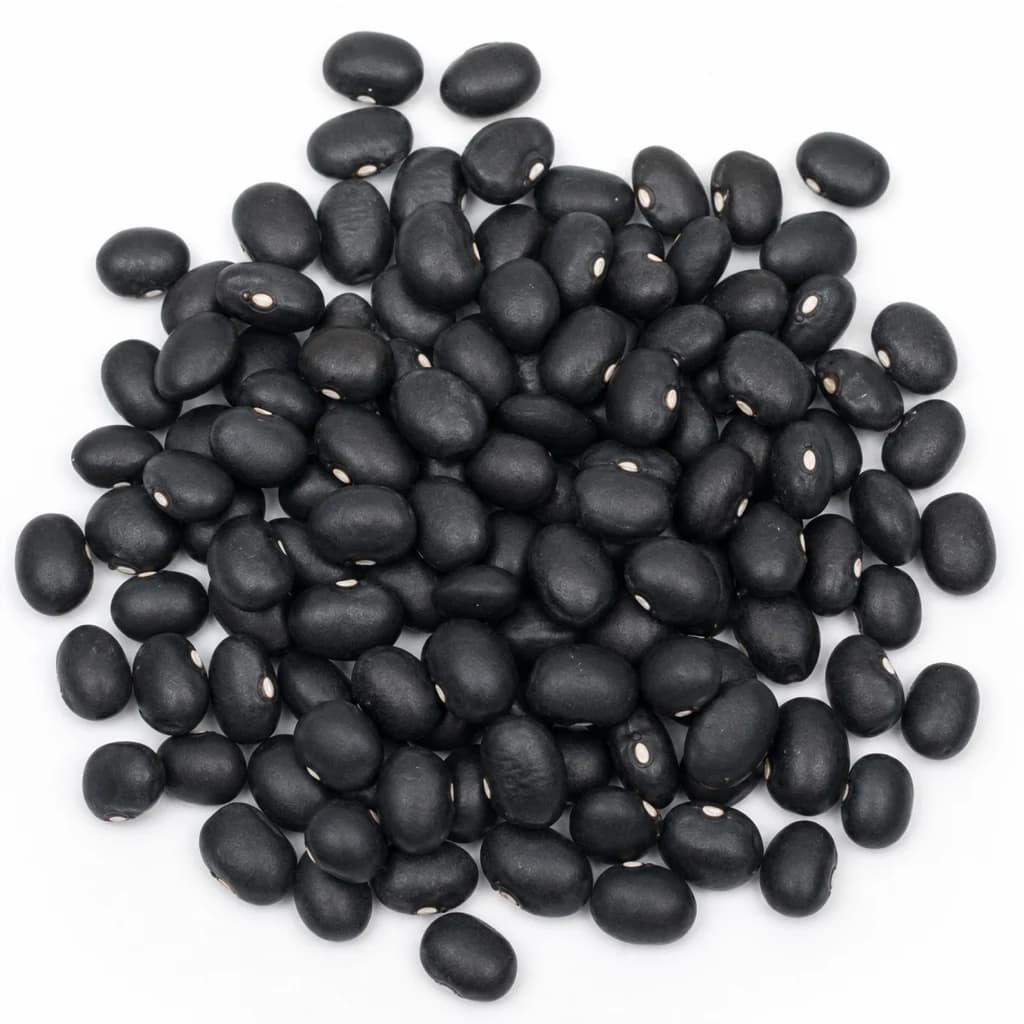
Black Beans
Earthy, creamy beans for bowls, soups, and tacos
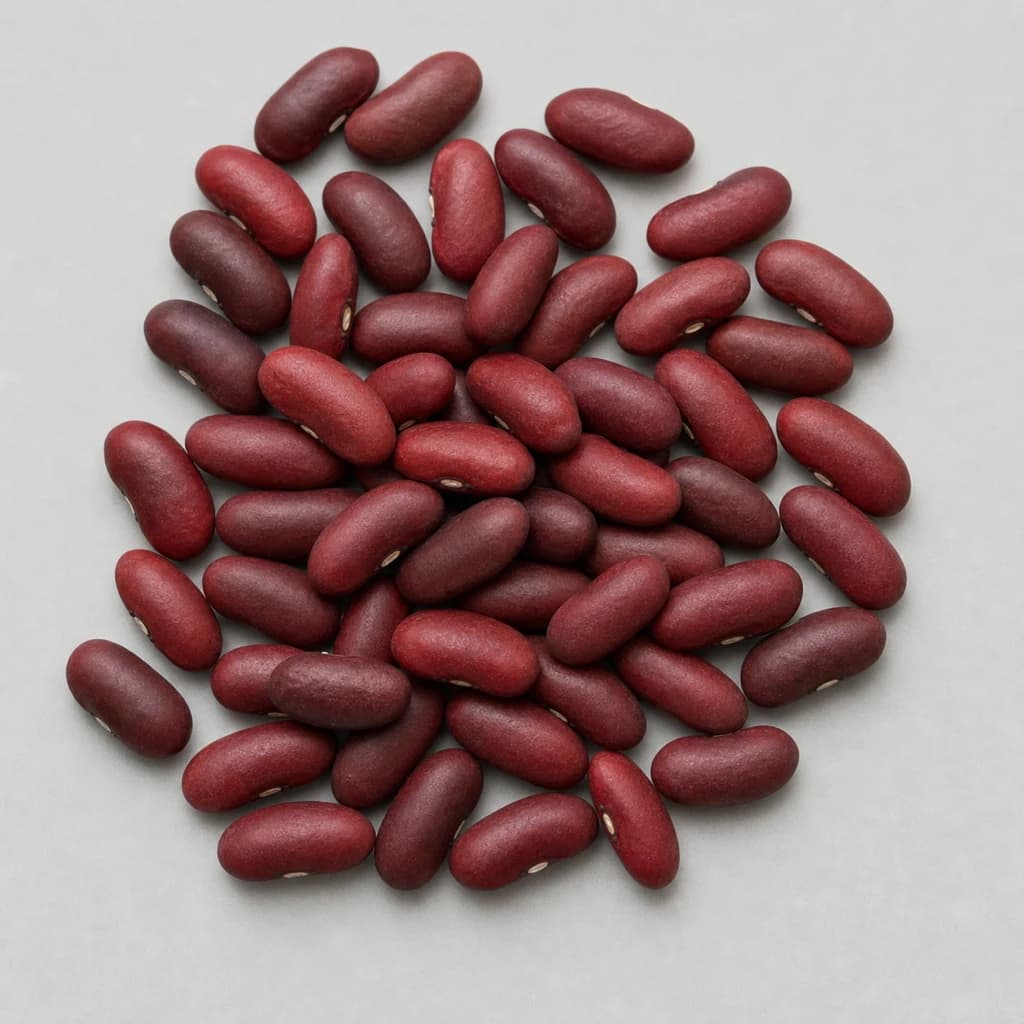
Kidney Beans
Hearty red beans that hold their shape in chili and stews
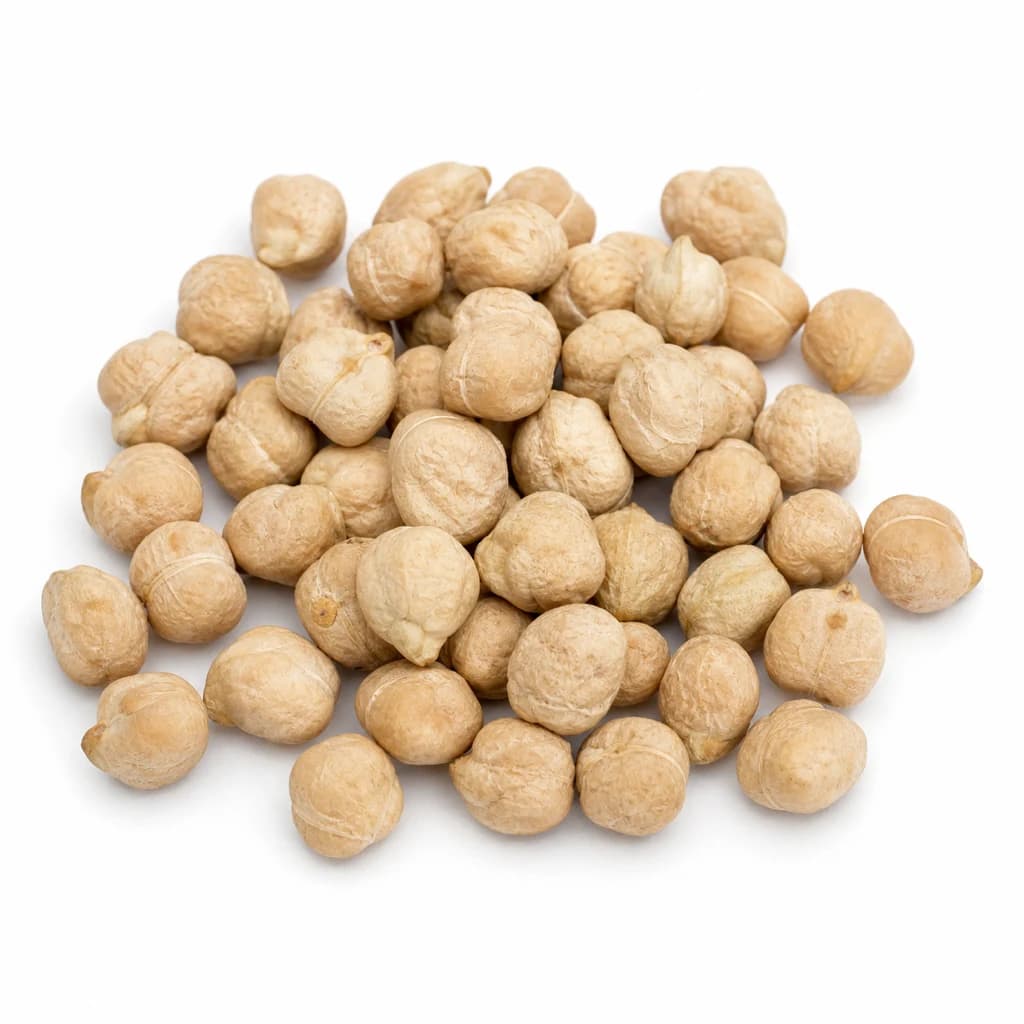
Chickpeas
Nutty, versatile beans for hummus, curries, and roasting
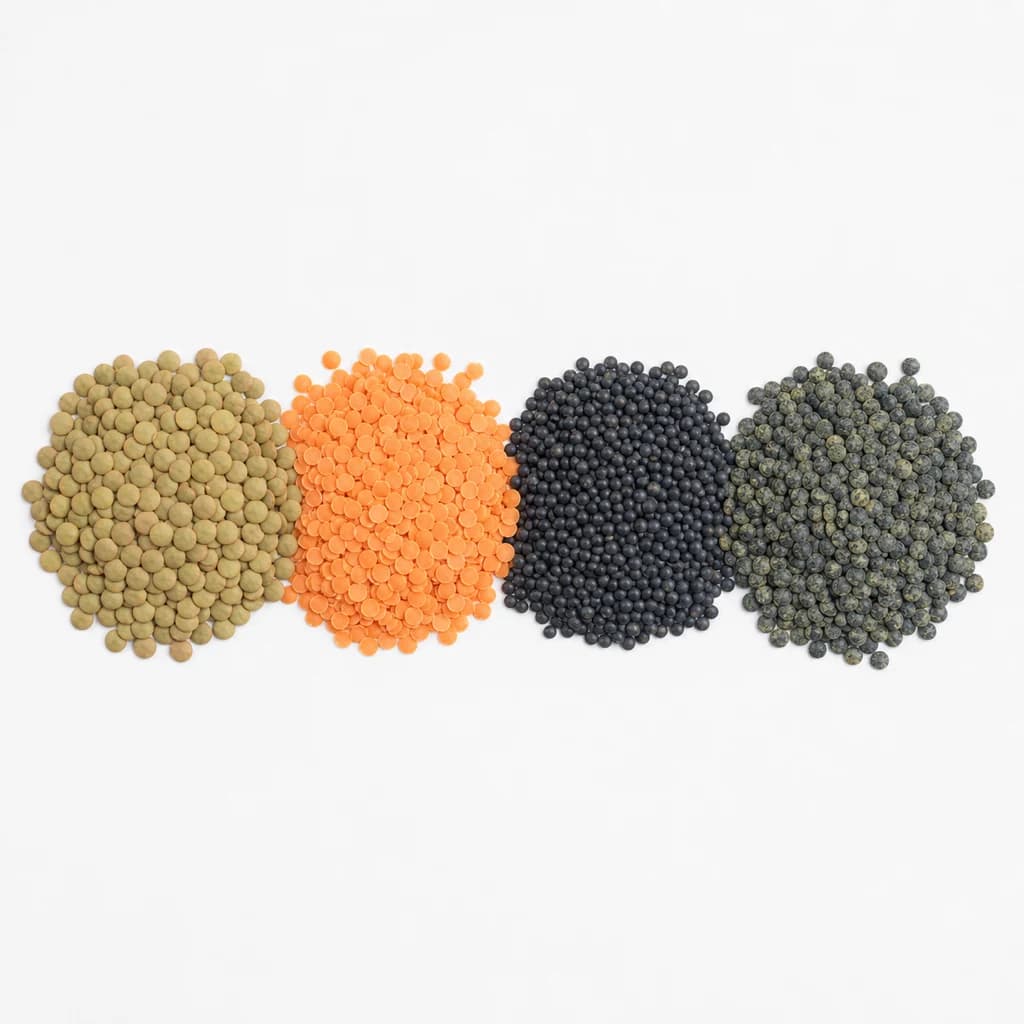
Lentils
Quick-cooking pulses for soups, dals, and hearty salads

White Beans
Creamy, mild beans for soups, stews, and silky purées
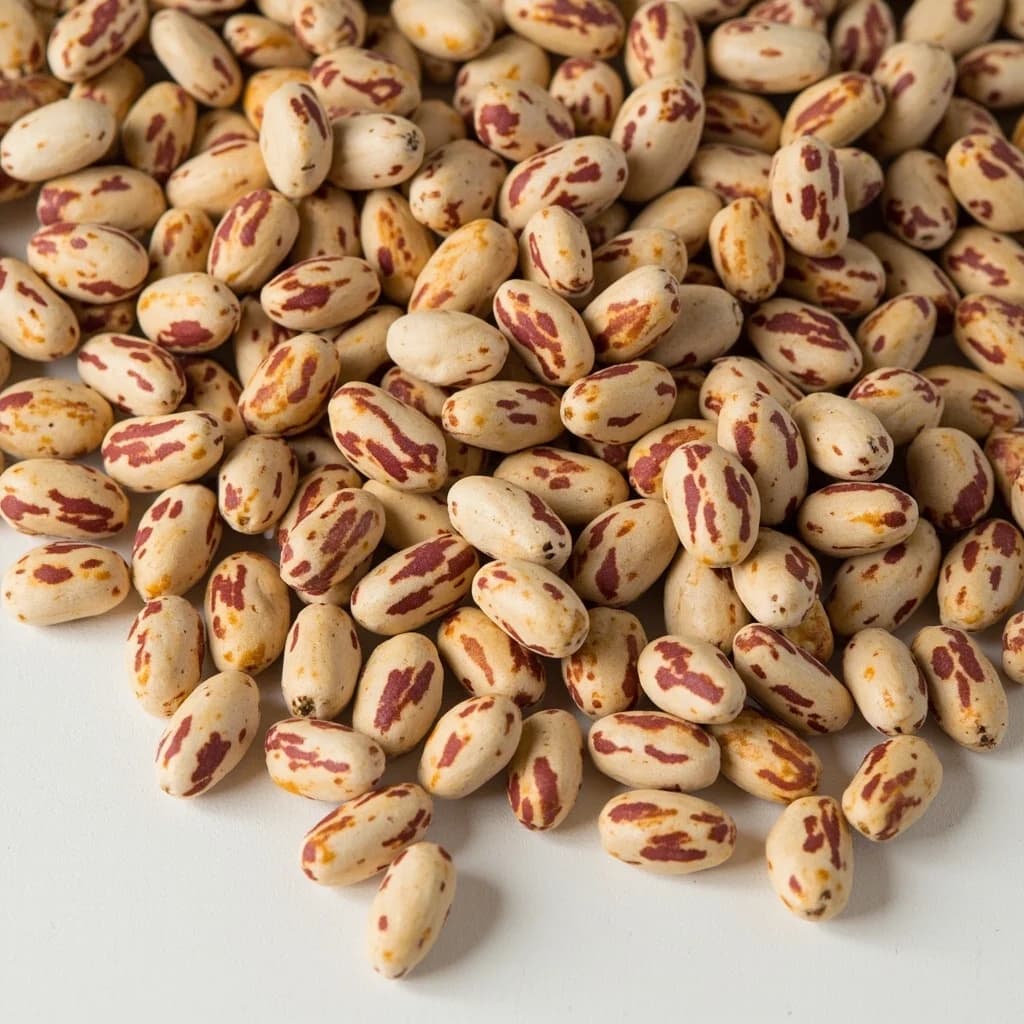
Pinto Beans
Creamy, speckled beans for refried beans and stews

Split Peas
Quick-cooking peas that melt into thick, comforting soups
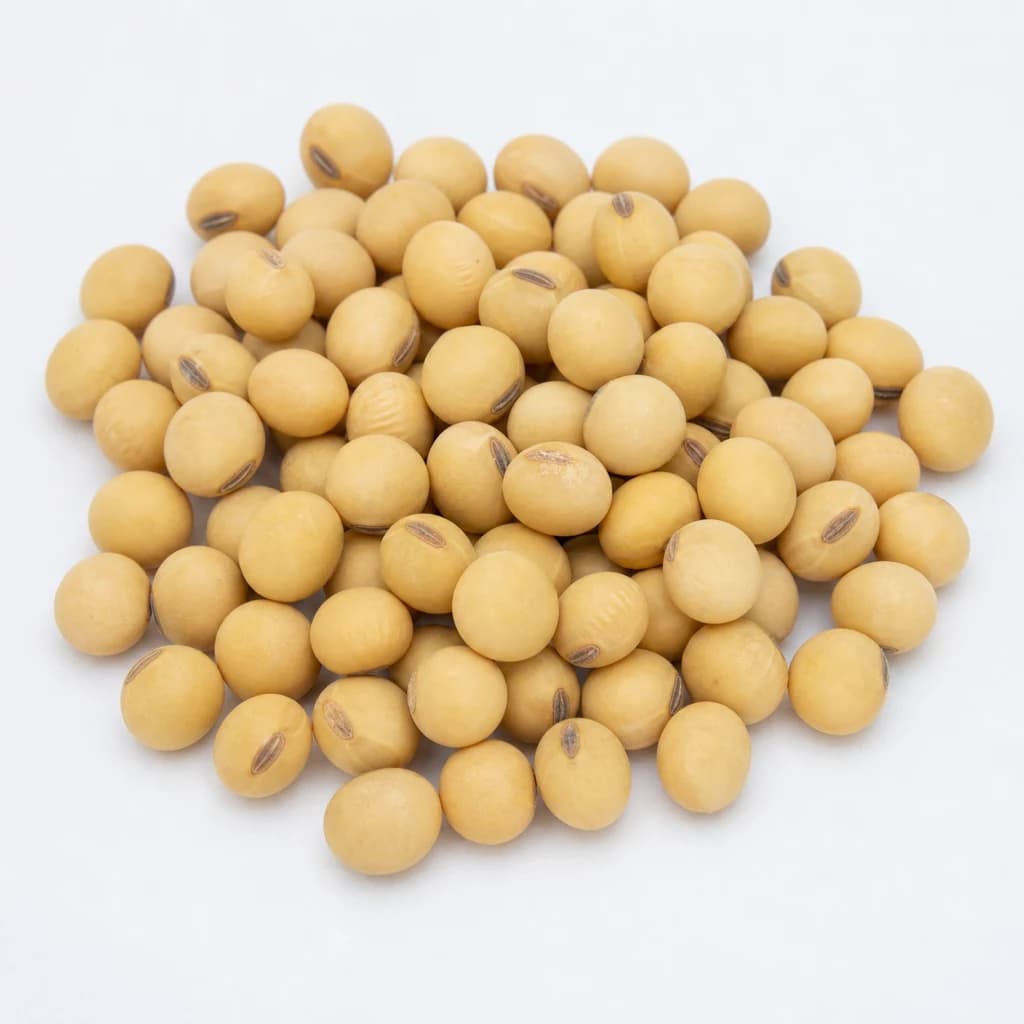
Soybeans
Protein-packed beans, the base for tofu and miso