Legumes & Beans
Adzuki Bean
Small sweet red bean used in East Asian desserts and red bean paste.
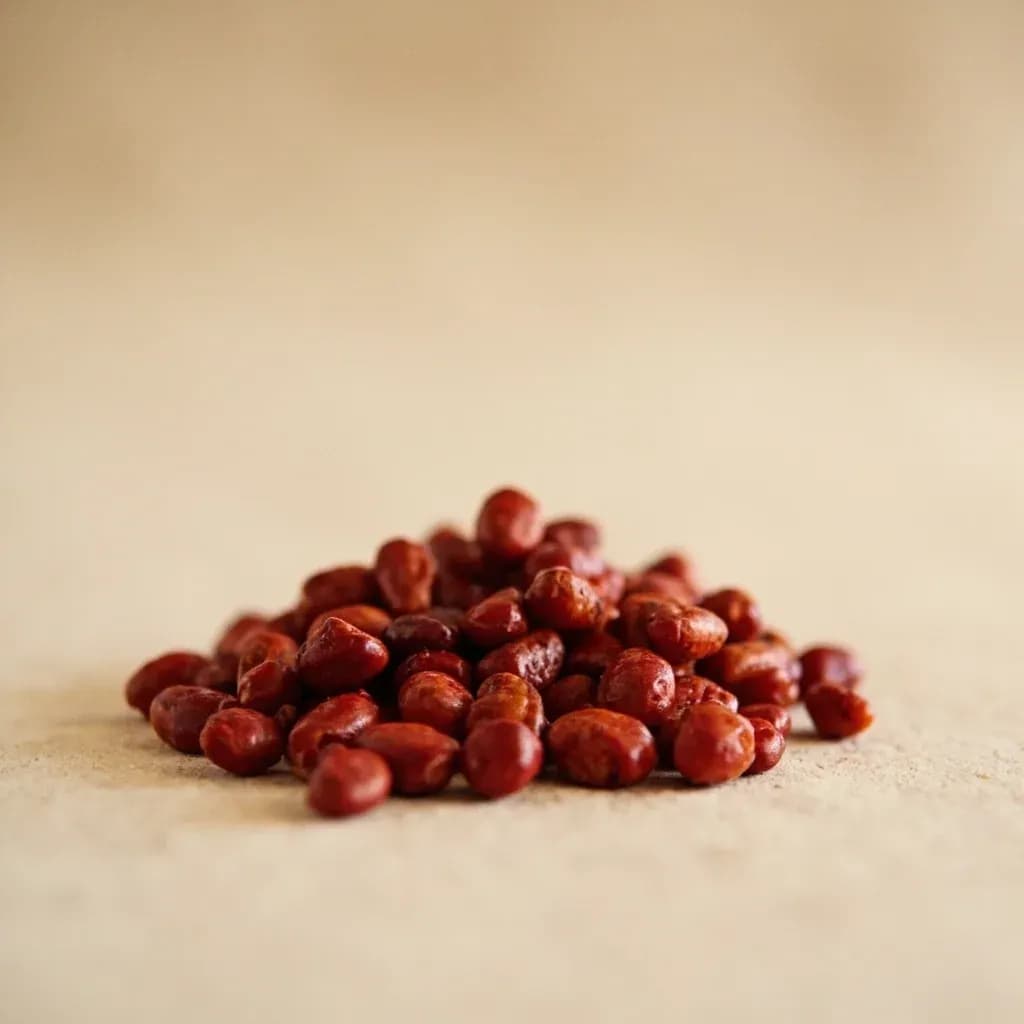
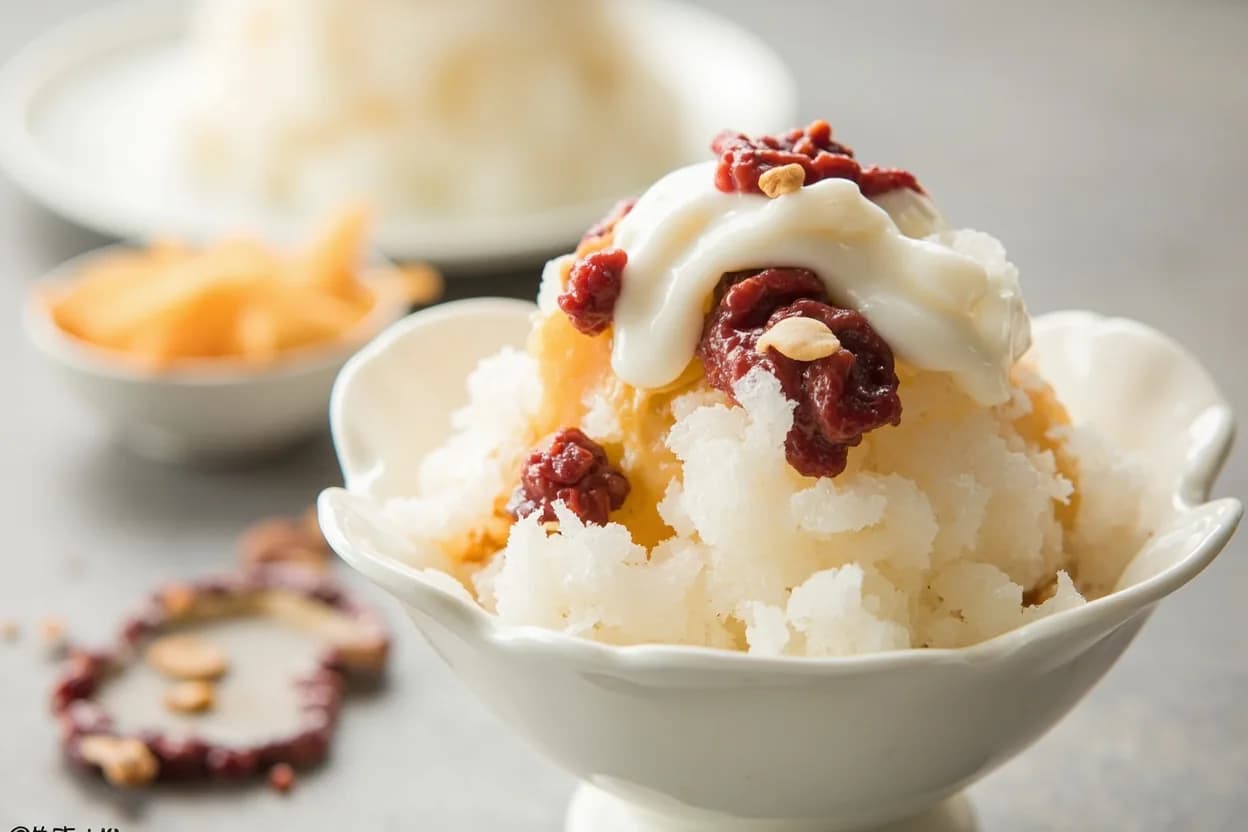
Adzuki beans are small, reddish-brown beans with a sweet, nutty flavor, central to East Asian cooking. They are most famous boiled with sugar into red bean paste for mochi, buns, and ice cream, but are also used in savory rice dishes and soups. They cook to a soft texture and are considered auspicious in many Asian cuisines.
The adzuki bean (Vigna angularis) is a small, oval legume native to East Asia, where it has been cultivated for centuries as a staple ingredient in Japanese, Chinese, and Korean cuisines. Its most striking characteristic is a natural sweetness that sets it apart from most other dried beans—this sweetness intensifies during cooking and is the reason adzuki beans have become synonymous with the sweet red bean paste called anko that forms the backbone of countless East Asian desserts. The beans cook to a tender but intact texture, holding their shape better than most legumes, which makes them uniquely suited to both chunky and smooth paste applications. Beyond sweets, adzuki beans are used in savory preparations, soups, beverages, and fermented products across the region. High in protein (about 20–25% by dry weight) and fiber, they are also nutritionally substantial, though their antinutritional factors (trypsin inhibitors, tannins) are effectively reduced by soaking and thorough cooking.
Adzuki beans are distinct from red kidney beans in flavor, texture, and culinary role: they do not become mealy when cooked, they absorb liquid evenly, and their flavor pairs naturally with sugar rather than requiring it as a corrective measure. The color ranges from the familiar vivid red to white, black, pale yellow, and speckled varieties, each with specific traditional applications. Erimo beans from Hokkaido are considered premium for paste production, while Tanba beans from the Kyoto region carry regional prestige. Understanding these distinctions matters when you are sourcing for a specific preparation—a large Dainagon bean will perform differently than a small Tanba in anko.
The term anko refers specifically to Japanese red bean paste and comes in two primary forms distinguished by texture and method. Tsubuan (粗餡) contains whole or partially mashed beans with visible texture, while koshi an (漉餡) is a smooth, deveined paste made by passing cooked beans through a fine-mesh sieve or food mill to remove the skins. Both are the building blocks of Japanese wagashi sweets, but they behave very differently in application—tsubuan stays chunky and rustic, while koshi an spreads smoothly and sets more densely. This distinction shapes everything from mochi fillings to yokan to ice cream flavors.
- Measured in
- g
- Storage
- Pantry
Types & varieties
Premium small red variety from Hokkaido; prized for anko production
Traditional small red variety from Kyoto region; highly regarded in Japanese confectionery
Pale yellow-white variety; milder flavor, used for white anko
Large red variety; excellent for paste due to good water absorption
Black adzuki bean; earthier, more robust flavor than red varieties
Medium-sized red variety; widely cultivated for general use
Anko: Types and Applications
Anko is the generic term for red bean paste in Japanese, and the two forms serve different culinary purposes. Tsubuan (粗餡, 'rough paste') retains whole or partially mashed beans, giving a rustic, textured quality ideal for fillings in mochi, daifuku, and manju. Koshi an (漉餡, 'strained paste') is deveined and smooth, preferred for elegant wagashi, yokan, and as ice cream or dessert toppings. The difference is not cosmetic—it affects how the paste holds together, spreads, and absorbs syrup. Koshi an requires more working time to achieve its characteristic silky texture, while tsubuan is quicker and more forgiving.
- Tsubuan is made by cooking beans until tender, then sweetening and mashing only partially—leave visible bean pieces for authentic texture
- Koshi an requires passing cooked, sweet bean paste through a fine-mesh sieve or food mill to remove skins before final cooking
- For glossy koshi an, stir-fry the deveined paste in a dry pan over low heat to evaporate excess moisture—this also deepens flavor
- Do not over-stir koshi an; stop when glossy and pliable or it will turn gummy
- White anko (shiro an) uses Maruba beans and follows the same process, producing a milder paste suited to pale confections
Common uses
Tips & pitfalls
- Always soak beans overnight or at least 2 hours to cut cooking time roughly in half and produce a more even, tender texture
- Cook in fresh water and discard the soaking liquid to reduce beany flavor and any potential bitterness
- Add salt and acidic ingredients (lemon, tomato) only after beans are fully tender—acid hardens bean cell walls and prevents softening
- Skim foam from the surface during the first 15 minutes of boiling for a cleaner, clearer finished paste
- For smooth koshi an, rub cooked beans against a fine-mesh sieve or pass through a food mill to remove skins (deveining)
- Pressure cooking reduces cooking time to 20–25 minutes without soaking; follow your pressure cooker's model-specific guidelines
- When making anko paste, cook until nearly all water is absorbed, then mash and briefly stir-fry in a dry pan to remove excess moisture and develop a glossy finish
- Fresh young adzuki bean sprouts (grown in 7–10 days) are edible raw with a mild nutty flavor; add directly to salads
- Do not substitute red kidney beans in dessert applications—they lack the natural sweetness and produce a mushier, stronger-flavored result
Nutrition
Energy
1377 kJ · per 100 g
Where the calories come from
Protein
19.9g
40% DV
Carbs
62.9g
23% DV
Fat
0.5g
1% DV
Fiber
12.7g
45% DV
Sodium
5mg
0% DV
Source · USDA FoodData Central · Beans, adzuki, mature seeds, raw
View on FDC →In the shops
Matched grocery products
No matched grocery products for Adzuki Bean yet.
Good to know
- Scientific Name
- Vigna angularis
- Origin
- East Asia, primarily Japan and China
- Color
- Red (most common); also white, black, pale yellow, and speckled varieties
- Size
- Approximately 5 mm in diameter
- Flavor
- Mildly sweet and nutty when cooked; slightly earthy
- Soaking Time
- 2–4 hours or overnight
- Cooking Time (soaked)
- 45–60 minutes
- Cooking Time (unsoaked)
- 90–120 minutes
- Protein Content
- About 20–25% by dry weight
- Fiber Content
- Approximately 12–15 g per 100 g dry beans
- Storage (dry)
- Cool, dark place; up to 2 years
- Storage (cooked)
- Refrigerate up to 5 days; freeze up to 3 months
- Yield
- 1 cup dry beans yields approximately 2–2.5 cups cooked
Substitutes
- Mung beans — Similar size and neutral flavor; best for paste applications; yields a lighter-colored result better suited to white or pastel confections
- Red kidney beans — Larger and stronger-flavored; use half the quantity if substituting in desserts, and expect a more pronounced earthy taste
- Cannellini or white kidney beans — Acceptable for savory applications; not suitable for sweet paste as flavor is too bland and color is wrong for the visual expectation
- Red lentils — Cook to paste quickly but lack intact-bean texture options and have a different flavor profile and grainier mouthfeel
- Black-eyed peas — Similar cooking time and creamy texture; earthy flavor makes them acceptable for savory adzuki bean preparations only
Pairs with
Also called
Cambuulo · Red Bean · Azuki Bean
Appears in these dishes
Related
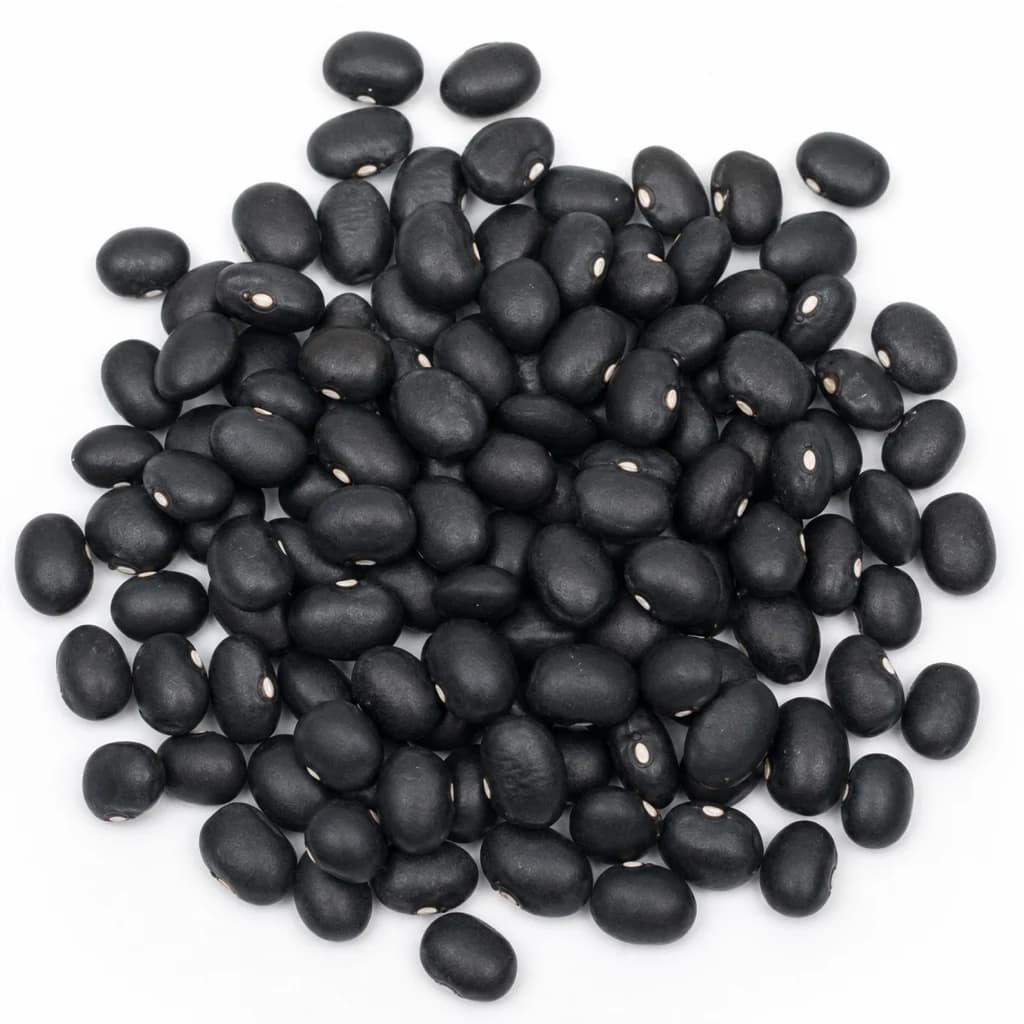
Black Beans
Earthy, creamy beans for bowls, soups, and tacos
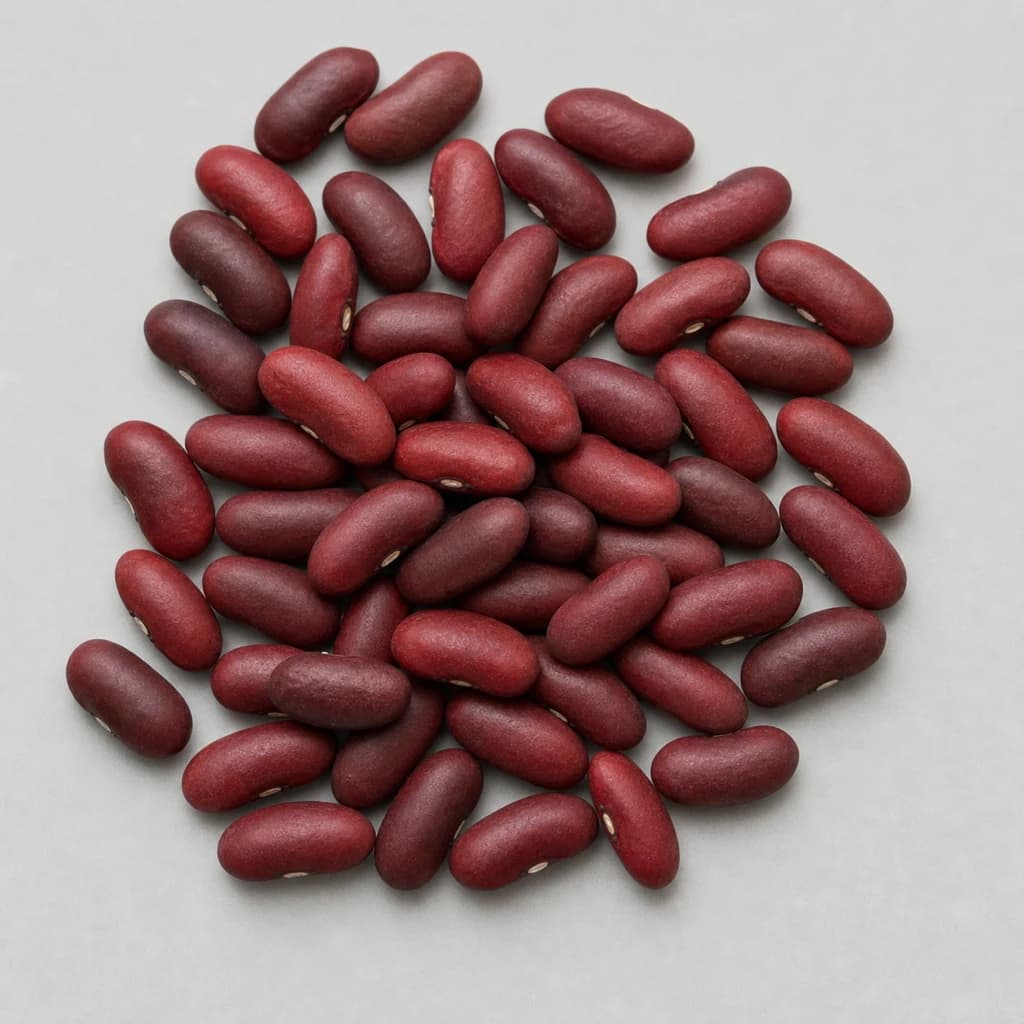
Kidney Beans
Hearty red beans that hold their shape in chili and stews
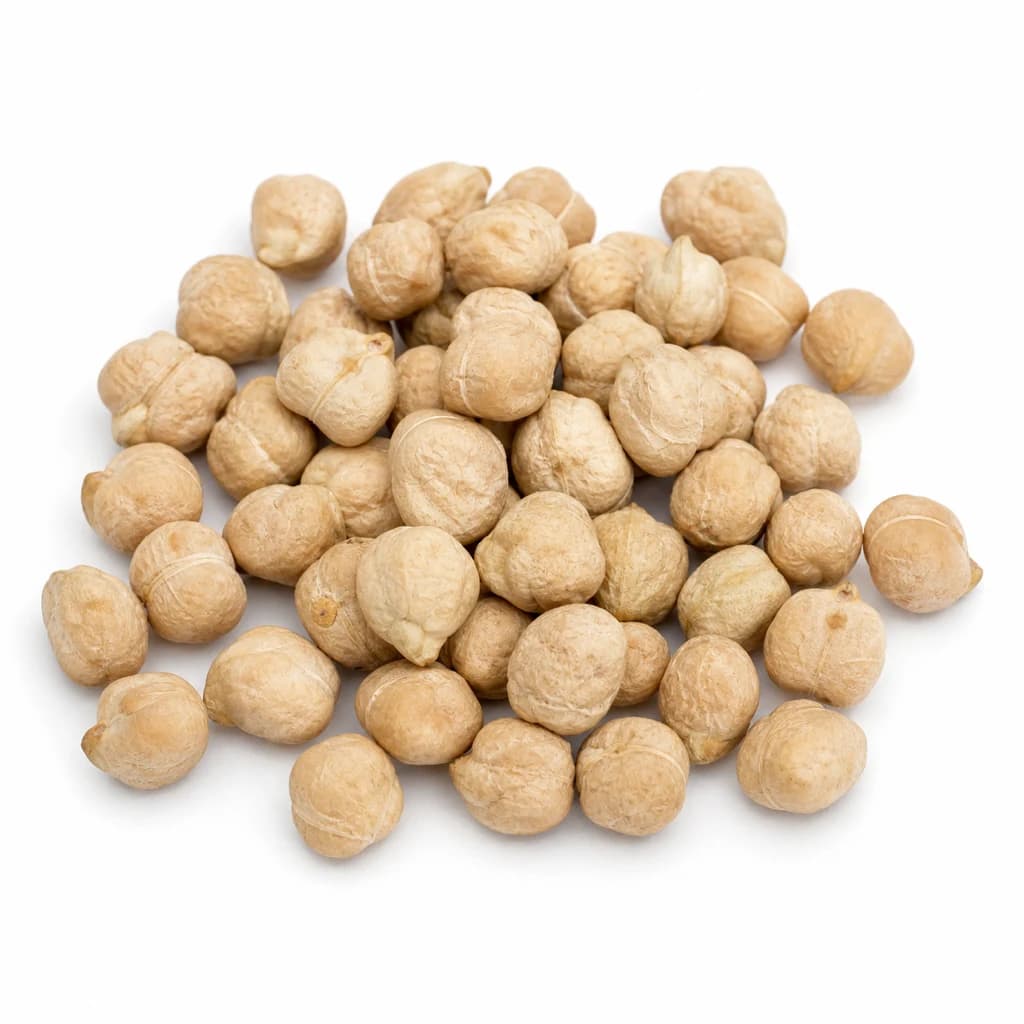
Chickpeas
Nutty, versatile beans for hummus, curries, and roasting
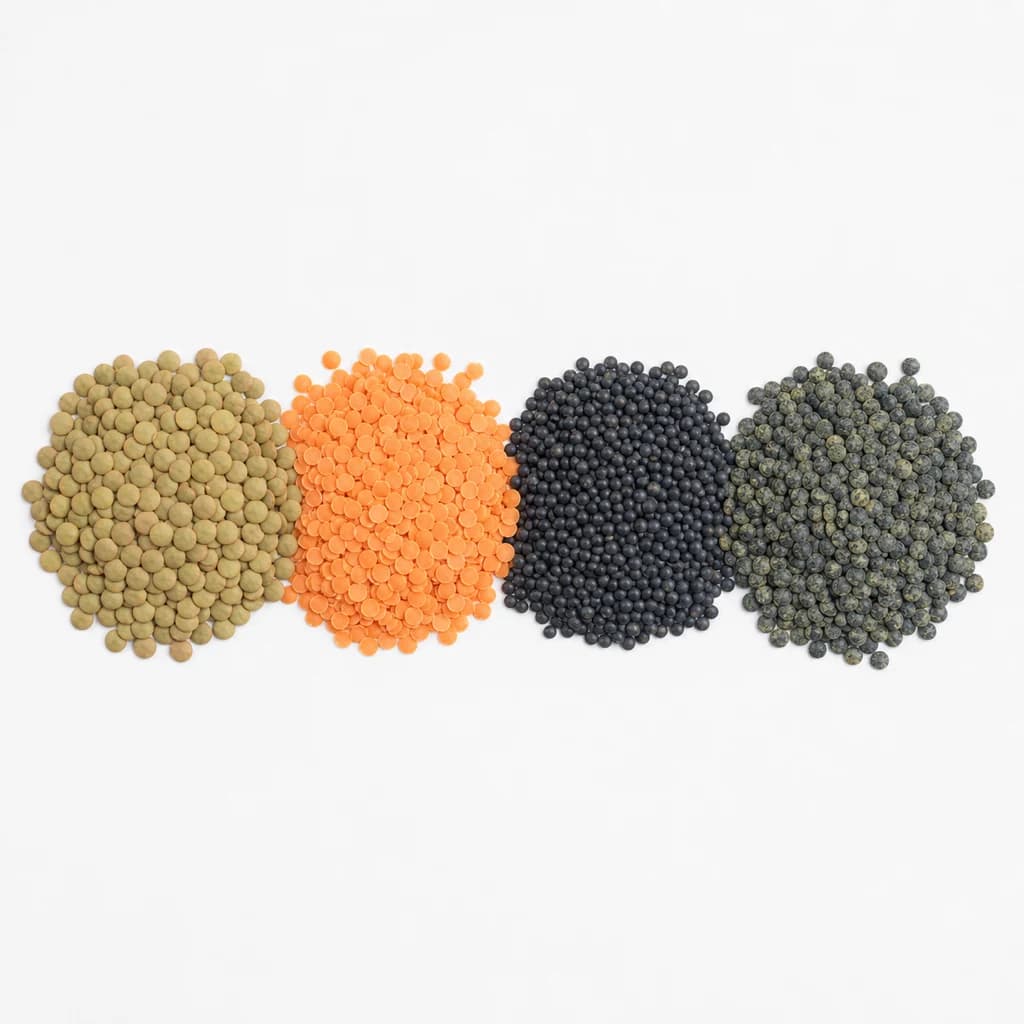
Lentils
Quick-cooking pulses for soups, dals, and hearty salads

White Beans
Creamy, mild beans for soups, stews, and silky purées
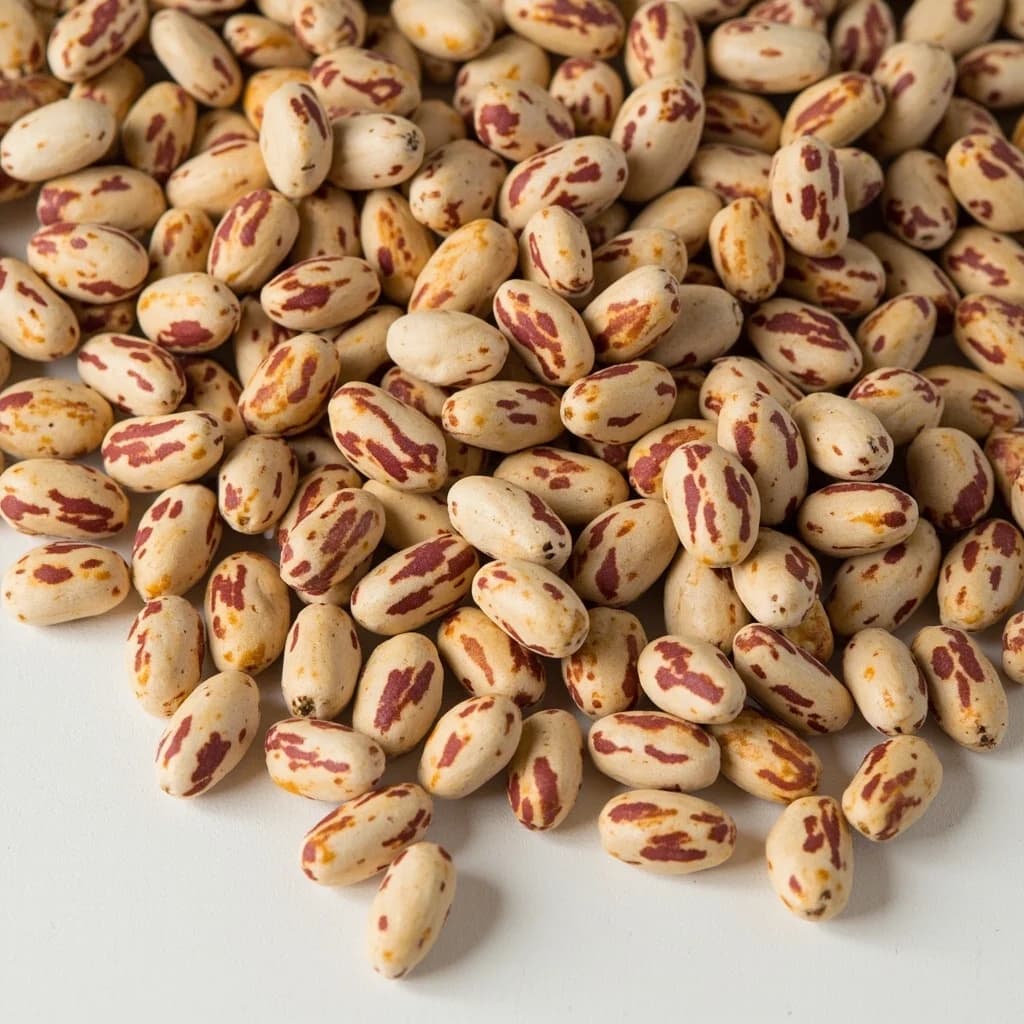
Pinto Beans
Creamy, speckled beans for refried beans and stews

Split Peas
Quick-cooking peas that melt into thick, comforting soups
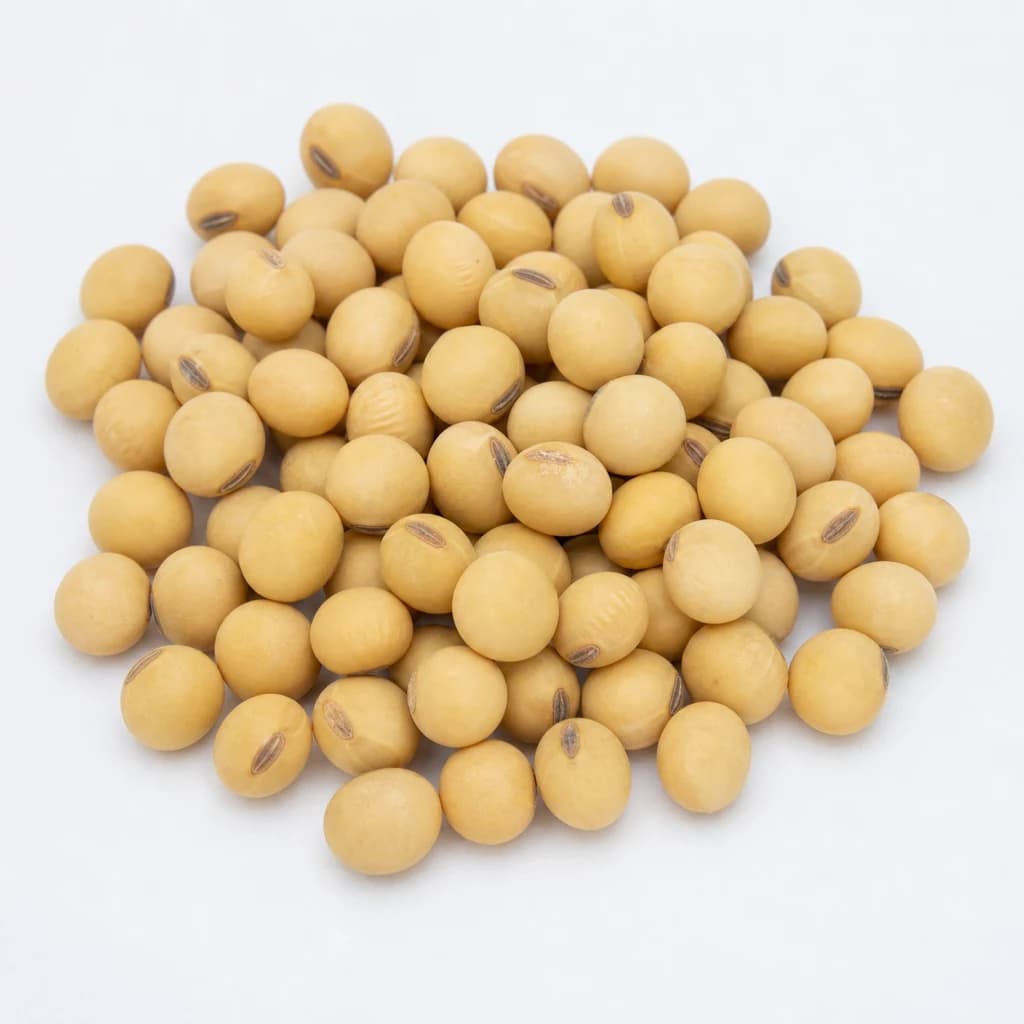
Soybeans
Protein-packed beans, the base for tofu and miso