Legumes & Beans
Mung Bean
Small green beans used whole, split, or sprouted across Asia.
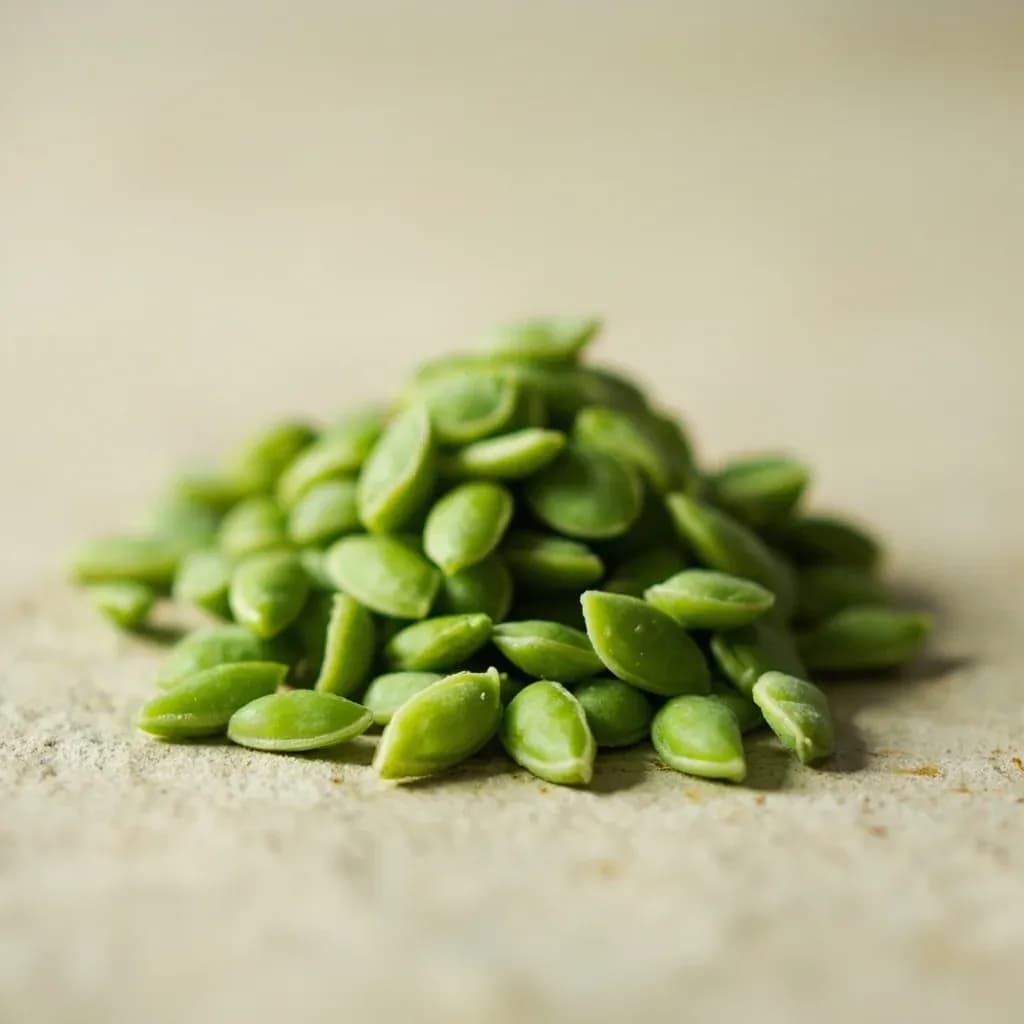
Mung beans are small green legumes used whole in stews and sprouted into the familiar bean sprouts of stir-fries. Split and hulled (moong dal) they cook into smooth dals and savory pancakes, and their starch is made into glass noodles. They are easy to digest and quick-cooking.
Mung beans are among the most versatile legumes in Asian cuisines, prized for their thin, easily digestible hulls and clean, neutral flavor. Available whole, split, or sprouted, they range from bright green to pale yellow depending on processing, and they absorb spices and seasonings without overwhelming a dish. The whole bean holds its shape well in soups and stews, while the split form (called moong dal in India) breaks down into a creamy, almost velvety consistency when cooked—making it ideal for dal, curries, and silky soups. Mung bean starch, extracted by washing ground soaked beans, becomes the transparent noodles known as cellophane or glass noodles, a staple across East and Southeast Asia.
What sets mung beans apart from other legumes is their behavior in the kitchen: they cook relatively quickly, digest easily, and produce minimal flatulence compared to harder beans. The sprouted form—often labeled simply as "bean sprouts" in Western markets—develops a sweet, crunchy character entirely different from the dried bean. In Chinese culinary tradition, mung beans are classified as a "cooling" food, appearing in summer soups and sweet dessert soups (tong shui) with ginger. Their high protein content (about 24g per 100g dried) makes them valuable in vegetarian and vegan cooking, while their starch creates silky noodles for gluten-free preparations.
Understanding the difference between mung bean sprouts and soy bean sprouts matters: mung bean sprouts are smaller, have a single pale root tail, a milder sweeter flavor, and a snappier crunch. Soy bean sprouts are larger, have thicker roots, and a more pronounced beany flavor. Most Asian grocery stores carry both; knowing which one you want will dramatically affect your dish's character.
- Measured in
- g
- Storage
- Pantry
Types & varieties
Intact bean with hull; holds shape well in soups and stews; requires longer cooking
Hull removed, split in half; cooks to a creamier consistency; common in Indian dal preparations
Same as split bean; sometimes lightly polished for a brighter yellow color
Less common; slightly earthier flavor; used in Chinese medicinal contexts and some Korean dishes
Hulled and polished; pale yellow; used in desserts and for fine mung bean flour
Made from mung bean starch; transparent when cooked; neutral flavor, chewy texture
Sprouting Mung Beans at Home
Home sprouting transforms the dried legume into a fresh, crunchy ingredient with enhanced nutrition and a sweet, delicate flavor. The process is straightforward but requires attention to moisture and airflow.
- Rinse beans thoroughly and pick out any debris or discolored beans before starting
- Soak beans in cool water for 4–8 hours, then drain completely
- Transfer to a clean, ventilated container (a wide-mouth jar covered with cheesecloth works well)
- Rinse beans twice daily with cool water, always draining completely
- Keep at room temperature (65–75°F) in a dark cabinet; light exposure turns sprouts bitter and causes them to green
- Sprouts are ready in 2–5 days when the root tail is 1/4 to 1/2 inch long
- Store finished sprouts in a perforated bag or loosely covered container in the refrigerator for up to 3 days
- Do not use beans for sprouting if you notice any musty odor or sliminess during the process—discard and start fresh
Cooking Whole vs. Split Mung Beans
The form you choose dictates technique. Whole beans behave like a sturdy vegetable in soups, while split beans become smooth and creamy—understanding this distinction is key to successful cooking.
- Soak whole beans 4–8 hours to cut cooking time by roughly half and improve digestibility
- Add whole beans to soups and stews at the beginning of cooking; they hold their shape through long braises
- Add salt only after beans are fully cooked—salt early toughens the skins and lengthens cooking time
- Split beans do not require soaking and cook evenly without pre-soaking
- For silky smooth dal, cook split beans until they begin breaking down, then mash a portion against the pot side or blend lightly
- A small amount of turmeric added during cooking helps maintain the yellow color of split dal
- Never add acidic ingredients (tomatoes, tamarind, lemon juice) until the beans are fully tender—acid prevents proper softening
Common uses
Tips & pitfalls
- Rinse dried beans thoroughly and pick out any debris or discolored beans before cooking.
- Soak whole mung beans for 4–8 hours to reduce cooking time by roughly half and improve digestibility.
- Split mung beans do not require soaking and cook evenly without pre-soaking.
- Add salt only after beans are fully cooked; adding salt early can toughen the skins and lengthen cooking time.
- For silky smooth dal, cook split beans until they begin to break down, then mash a portion against the pot side or blend lightly.
- When sprouting at home, rinse beans twice daily, drain completely, and keep in a dark, ventilated container; light exposure turns sprouts bitter and green.
- Do not overcook sprouted mung beans—they should retain crunch; stir-fry over high heat for 1–2 minutes maximum.
- Store dried mung beans in airtight glass containers; they are susceptible to weevil infestation in warm, humid conditions—freezing for 48 hours before long-term storage kills any eggs.
- Mung bean starch noodles require soaking in warm water until pliable (15–20 minutes) before cooking; they cook quickly and become translucent within 1–2 minutes in hot liquid.
Nutrition
Energy
1452 kJ · per 100 g
Where the calories come from
Protein
23.9g
48% DV
Carbs
62.6g
23% DV
Fat
1.2g
1% DV
Fiber
16.3g
58% DV
Sugars
6.6g
of which
Sodium
15mg
1% DV
Source · USDA FoodData Central · Mung beans, mature seeds, raw
View on FDC →In the shops
Matched grocery products
No matched grocery products for Mung Bean yet.
Good to know
- Scientific Name
- Vigna radiata
- Origin
- Indian subcontinent, now widely cultivated across Asia
- Color (whole)
- Bright green with a beige hilum
- Color (split)
- Yellow (hull removed)
- Shape
- Small, oblong, approximately 3–4 mm × 3 mm
- Flavor (cooked)
- Subtly sweet, soft texture, neutral backdrop for spices
- Cook Time (whole, unsoaked)
- 45–60 minutes
- Cook Time (split, unsoaked)
- 25–35 minutes
- Protein Content
- 24 g per 100 g dried
- Shelf Life (dried)
- 12–24 months in airtight container, cool dark place
- Shelf Life (fresh sprouts)
- 2–3 days refrigerated
- Sprouting Yield
- 2–3× original volume in 2–5 days
Substitutes
- Yellow Lentils (Toor Dal) — Closest in texture and neutral flavor for Indian dal preparations; cook time similar
- Red Lentils (Masoor Dal) — Cook to a softer, more disintegrated texture; better for smooth soups; slightly earthier flavor
- Green Lentils (French/Continental) — Hold shape better; nuttier flavor; require longer cooking; good for salads
- Adzuki Beans — Acceptable in sweet applications and desserts; earthier, slightly sweeter flavor; requires longer cooking
- Black Lentils (Urad Dal) — For Indian dishes; richer, earthier flavor; similar cooking properties
- Rice — For congee; produces a different texture but works in a pinch
- Cellophane Noodles (from other starches) — For noodle dishes; sweet potato or arrowroot noodles have similar texture and neutral flavor
Pairs with
Also called
Mash · Green Gram · Green Grams · Ndengu · Maş · Green Mung Bean · Whole Mung Bean · Mung Beans · Moong
Appears in these dishes
Related
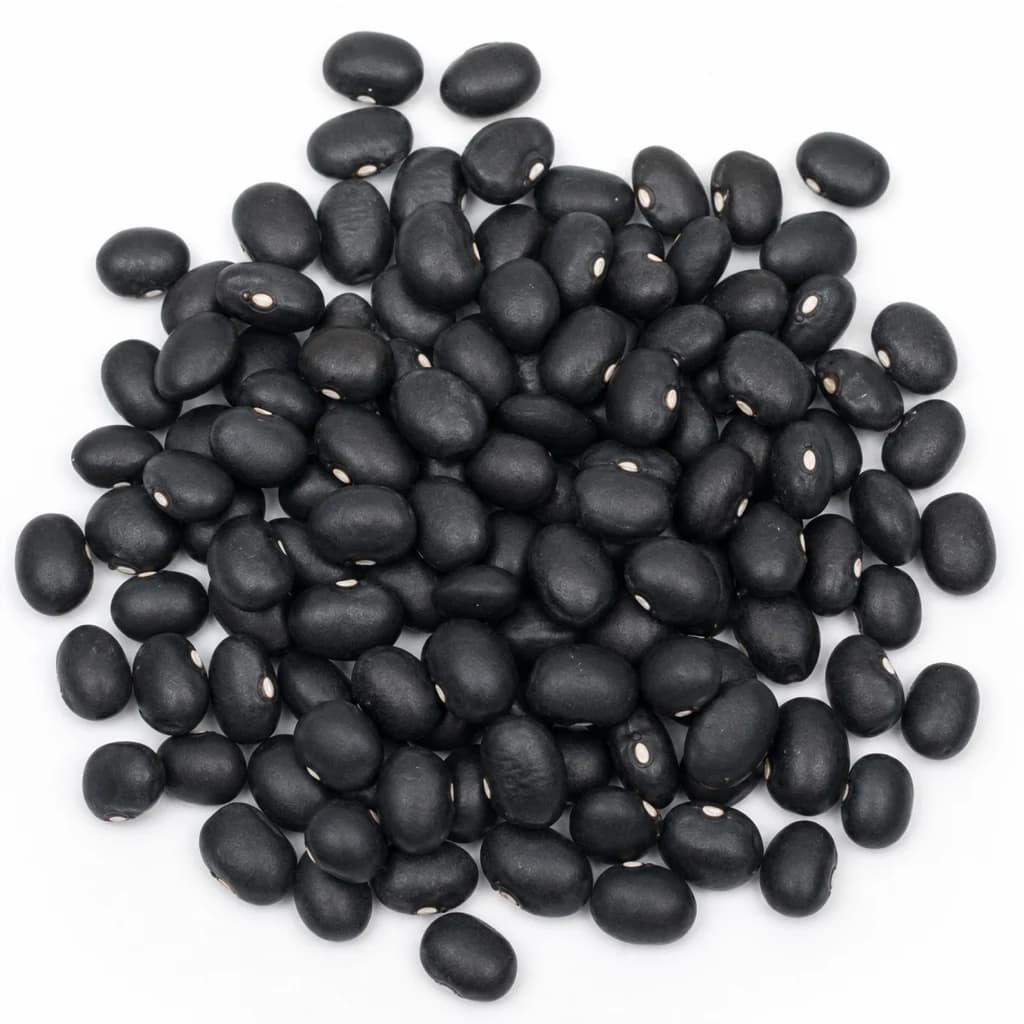
Black Beans
Earthy, creamy beans for bowls, soups, and tacos
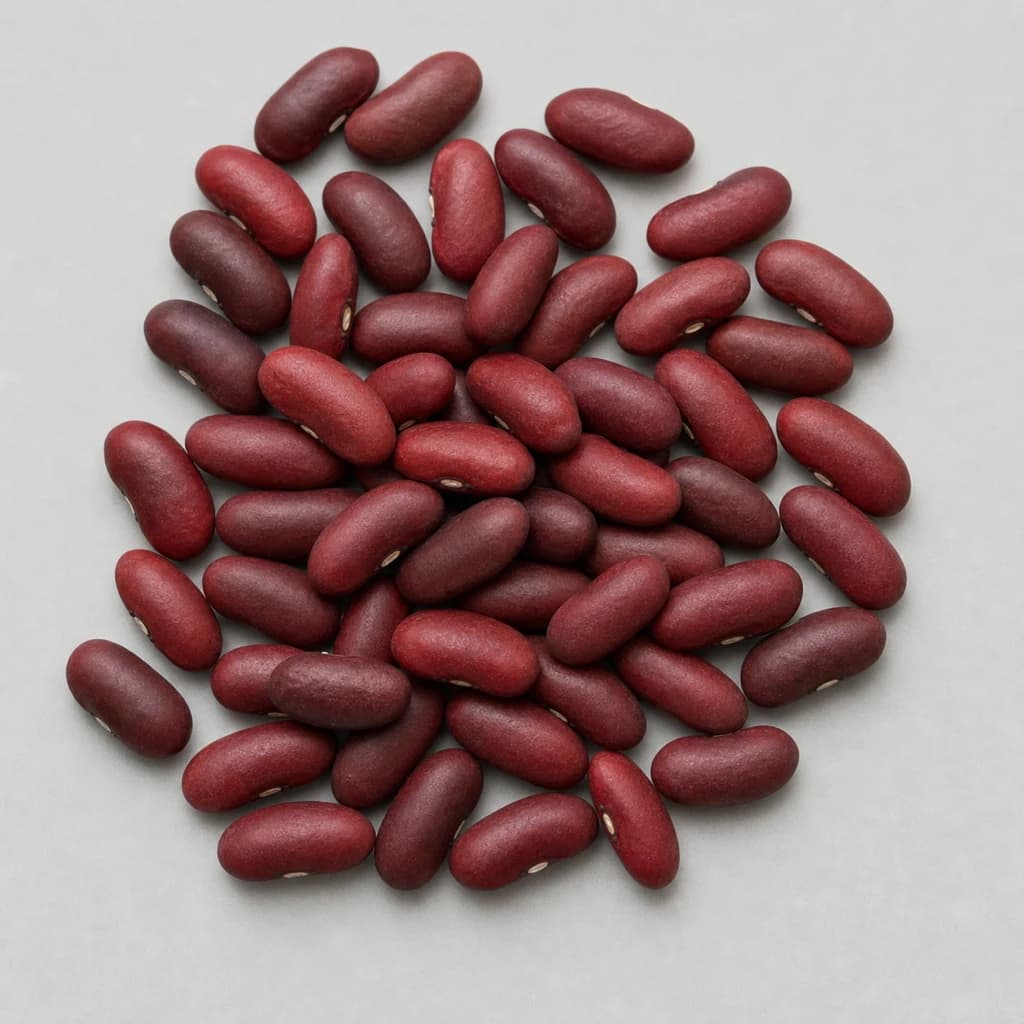
Kidney Beans
Hearty red beans that hold their shape in chili and stews
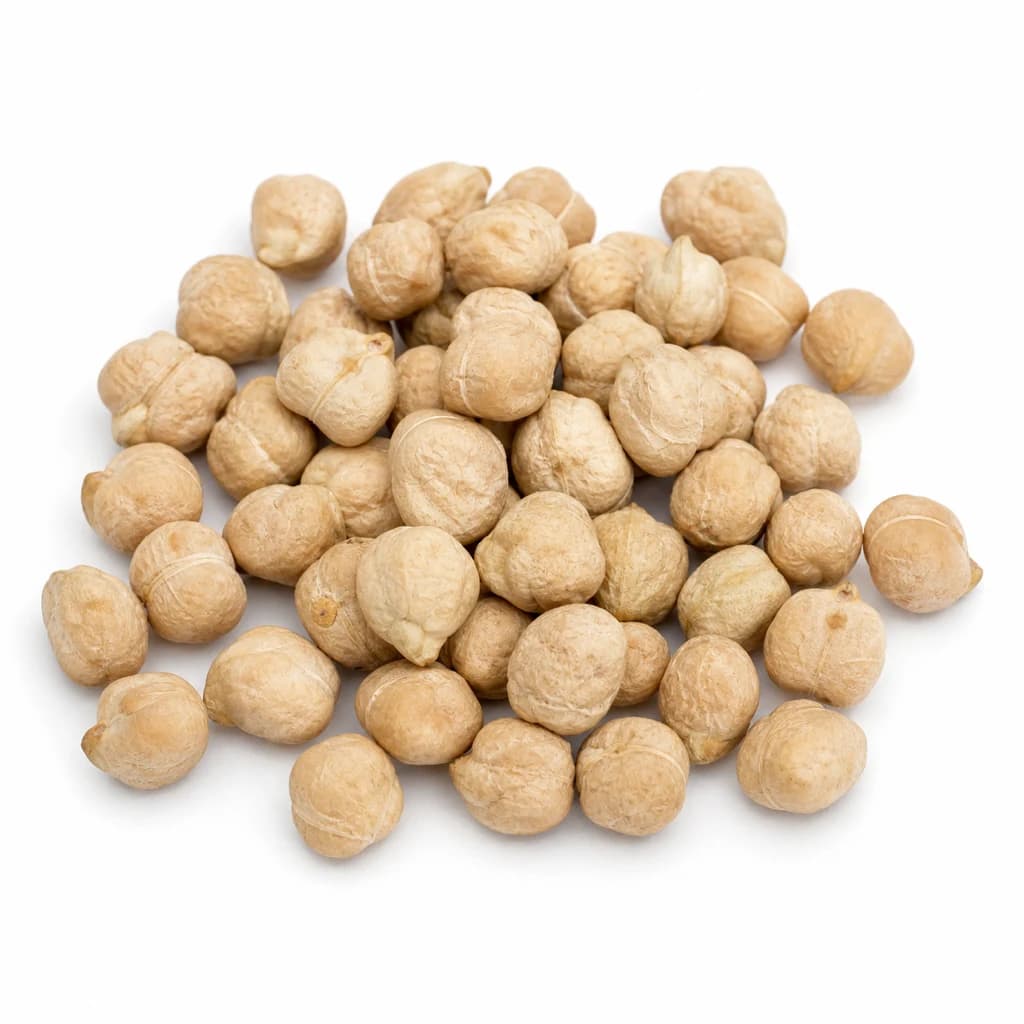
Chickpeas
Nutty, versatile beans for hummus, curries, and roasting
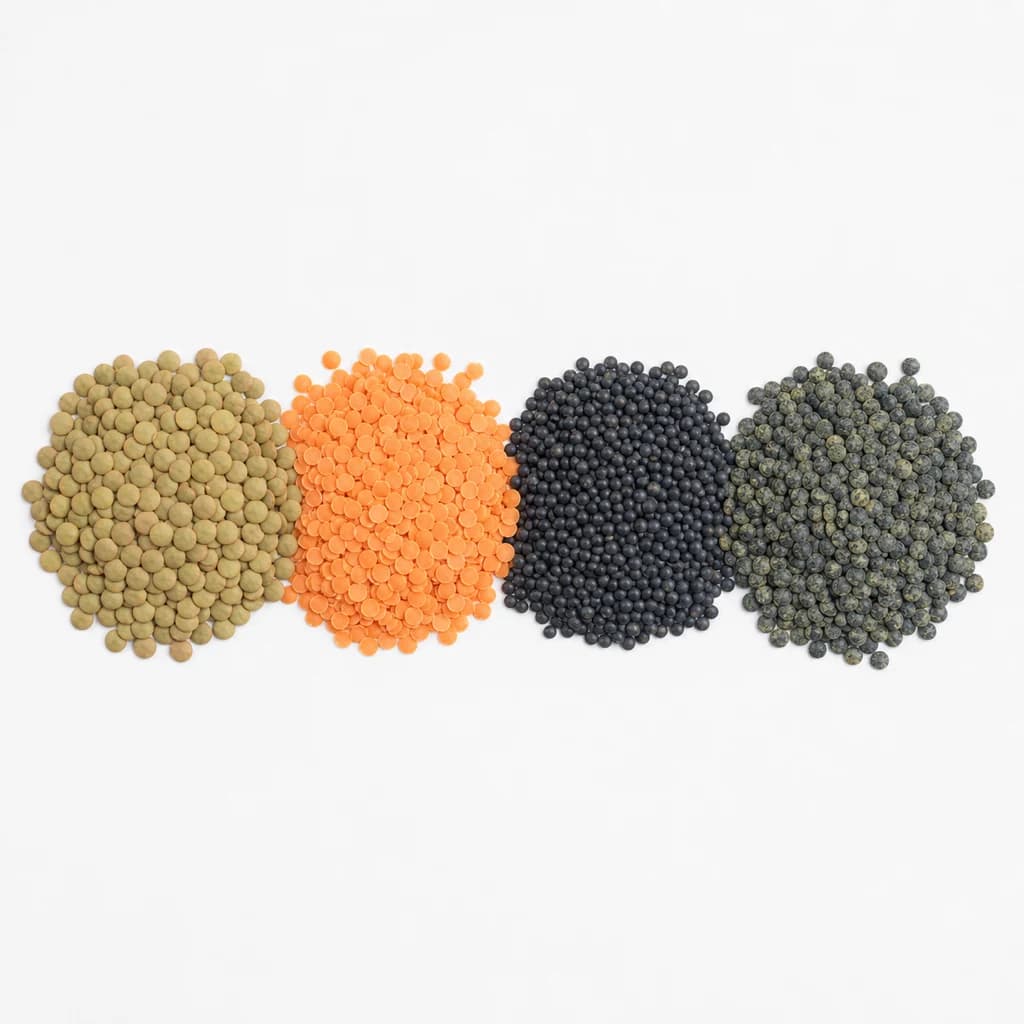
Lentils
Quick-cooking pulses for soups, dals, and hearty salads

White Beans
Creamy, mild beans for soups, stews, and silky purées
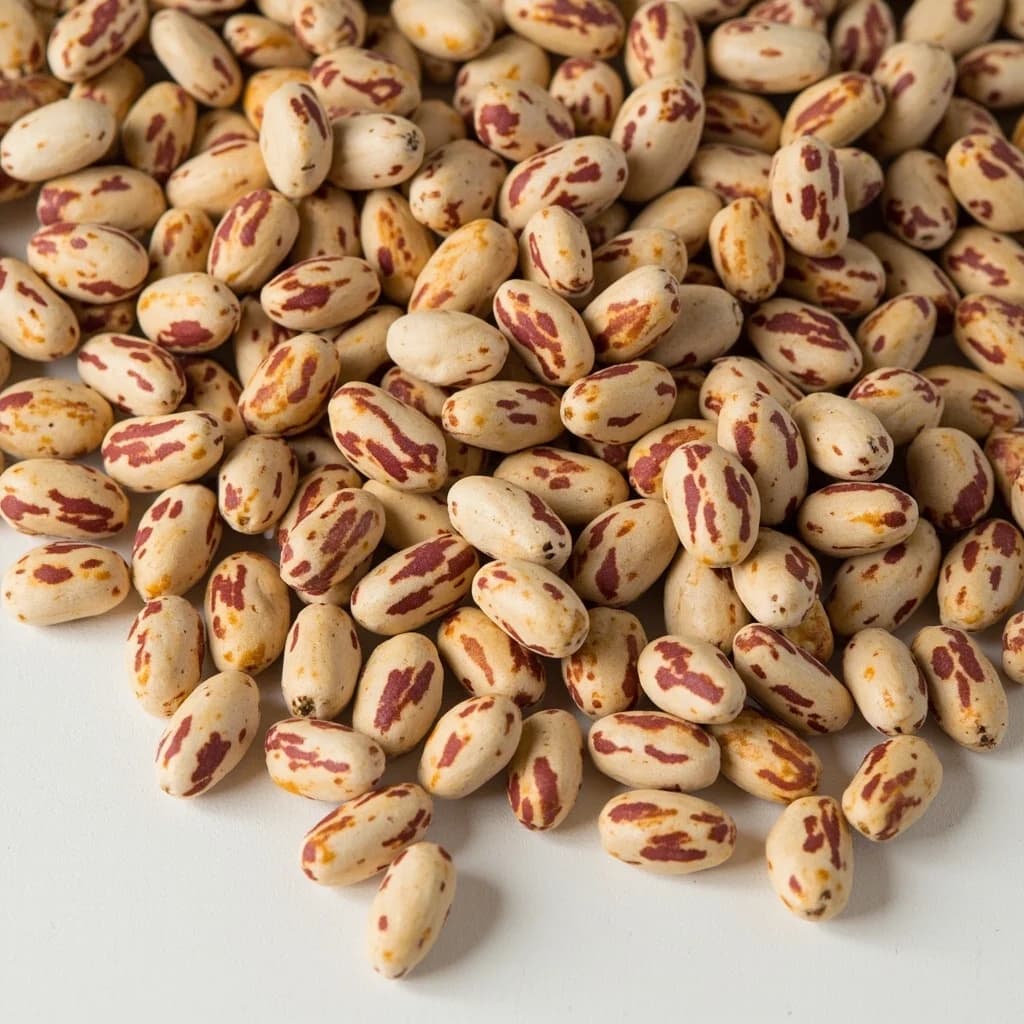
Pinto Beans
Creamy, speckled beans for refried beans and stews

Split Peas
Quick-cooking peas that melt into thick, comforting soups
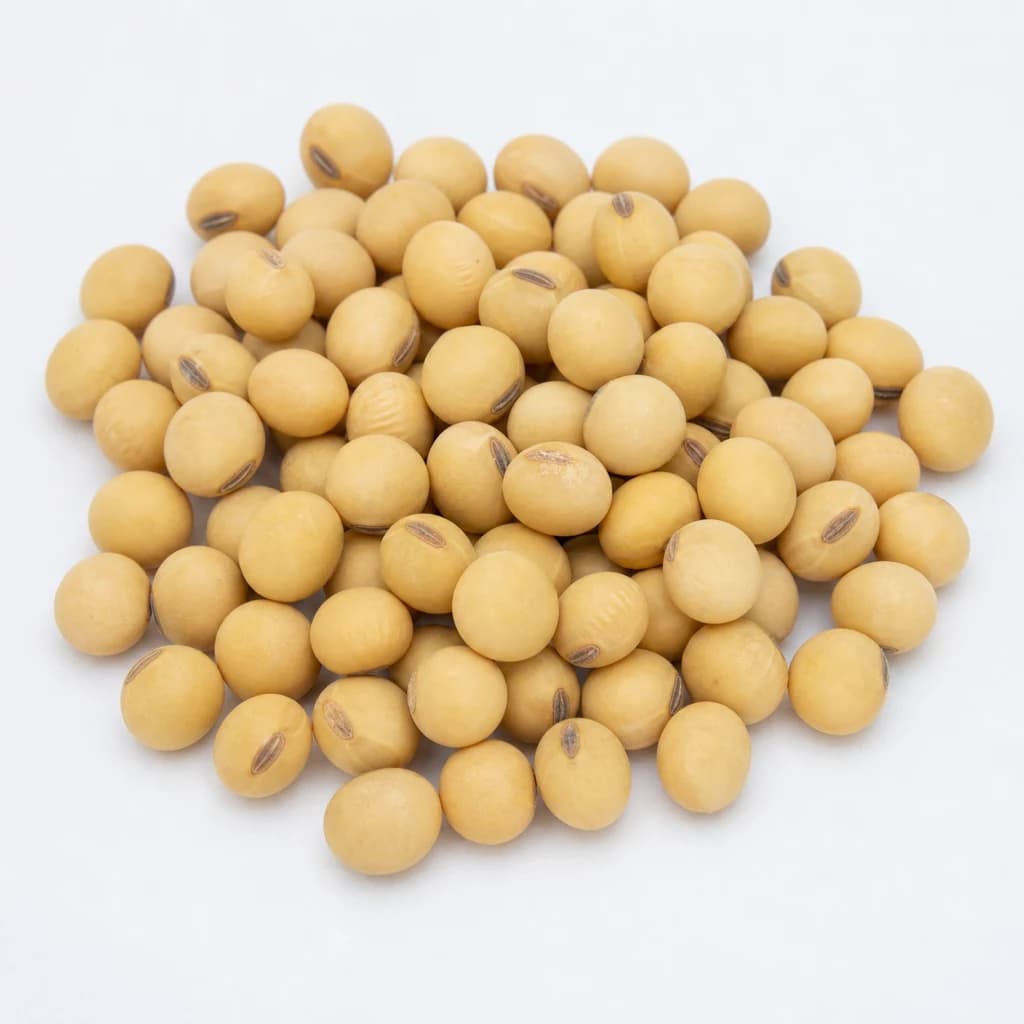
Soybeans
Protein-packed beans, the base for tofu and miso