Grains & Rice
Mung Bean Noodles (Sotanghon)
Clear, slippery noodles from mung bean starch used in Filipino sotanghon and Asian soups.
Mung bean noodles are thin, translucent strands made from mung bean starch that turn glassy and silky when cooked. Known as sotanghon in the Philippines, they star in noodle soups, spring rolls, and stir-fries across East and Southeast Asia. Naturally gluten-free, they readily absorb broth and sauces.
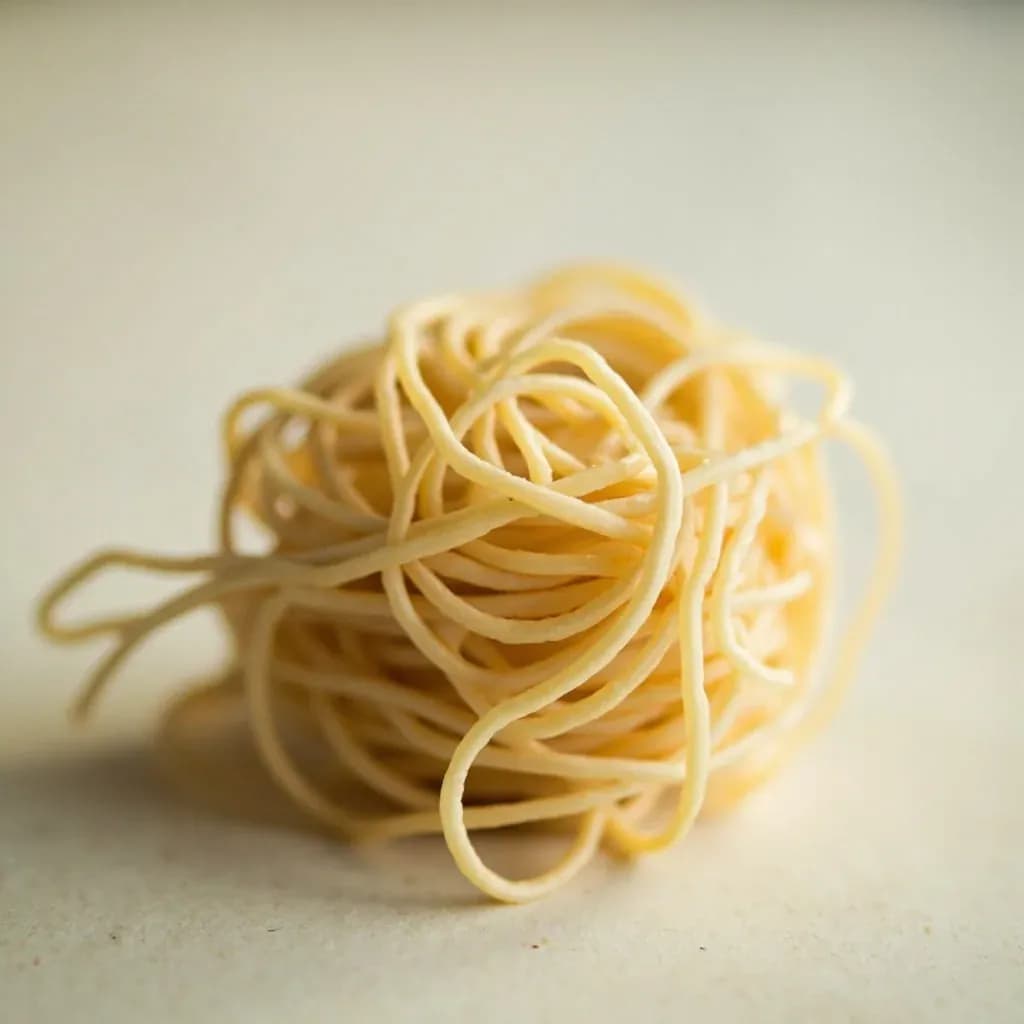
Mung bean noodles, called cellophane noodles, glass noodles, bean thread noodles, or sotanghon in the Philippines, are translucent strands made from mung bean starch (Phaseolus aureus). When dried they are brittle and almost invisible against a white surface; hydrated, they become slippery, springy, and gelatinous with a clear, glassy appearance. Their mild, faintly bean-like flavor is nearly neutral, which makes them exceptional absorbers of surrounding seasonings — a characteristic that defines their role in kitchens across East and Southeast Asia.
The noodles owe their unique texture to the starch extracted from soaked, ground, and washed mung beans, a process that separates the protein from the starch. Some commercial brands add potato starch or canna starch to modify elasticity or cost. The result is a noodle with far more chew than rice vermicelli and far less than wheat pasta — it holds its shape in liquid dishes without breaking down, yet firms pleasantly when cooled. This behavior makes the distinction from rice vermicelli critical: rice vermicelli softens and fragments more easily, better suited to fresh spring rolls, while mung bean glass noodles maintain integrity in soups and saucy stir-fries.
In Filipino cooking, sotanghon refers specifically to the noodle used in sotanghon soup (sotanghon manok), a clear broth with chicken, vegetables, and sometimes quail eggs or pork. Filipino commercial brands sometimes include a small amount of wheat noodle or food coloring, unlike purer East Asian versions — always check the label if avoiding gluten. The noodle's ability to turn transparent and slip through the broth while absorbing flavor makes it both a textural counterpoint and a flavor vehicle in this and countless other dishes across Korean, Thai, Vietnamese, and Chinese cuisines.
- Measured in
- g
- Storage
- Pantry
Types & varieties
Primarily potato starch; slightly yellowish, thicker, and more elastic than mung bean versions; standard in japchae and seolleongtang
Mung bean starch base; very thin strands; used in spring rolls, soups, and stir-fries
Mung bean starch; medium-thin; common in pork and crab soup (miến gà) and spring rolls
Often includes a small amount of fine wheat noodle or food coloring; sold in small bundles; specifically used in sotanghon soup with chicken and vegetables
Mung bean starch; can be very thin; used in glass noodle salads and soups
Hydration: The Critical First Step
Getting the hydration right is the difference between silky, springy noodles and a mushy, overcooked mess. Mung bean starch gelatinizes quickly, and unlike wheat pasta, these noodles continue cooking even after you remove them from heat. The two reliable methods are cold soaking and blanching.
- Cold soak: Submerge in room-temperature water for 20–30 minutes until pliable but still slightly firm at the core. This method gives you more control and is preferred for stir-fries where you want the noodles to finish cooking in the pan.
- Blanch: Boil for 3–5 minutes, then drain immediately. This is faster but requires watching closely. Use this method when the noodles will be added directly to a hot sauce or soup where they will cook further.
The Neutral Flavor Advantage
Mung bean noodles are essentially a blank canvas — they carry no strong flavor of their own, which is precisely what makes them valuable. They absorb sauces, broths, and seasoning oils with remarkable efficiency, becoming flavored noodles rather than neutral filler. This means your seasoning base matters enormously: a bland broth yields bland noodles, while a well-seasoned liquid transforms them into something complex and satisfying. Treat your cooking liquid or sauce as you would seasoning the pasta water for Italian cooking.
Common uses
Tips & pitfalls
- Never boil from completely dry — prolonged direct boiling turns them to mush within seconds because the starch gelatinizes rapidly
- Measure soaking time loosely — the noodles should feel pliable and slightly firm at the very core, as they continue cooking when added to hot dishes
- After soaking, drain thoroughly and snip strands with kitchen scissors if long strands are unwieldy for your recipe or serving
- In stir-fries, add glass noodles toward the end — they only need 1–2 minutes of contact with heat after hydrating, and overcooking makes them gummy
- Season your cooking liquid generously — glass noodles absorb whatever surrounds them, so a flat broth yields flat noodles with no recourse
- Press soaked noodles gently with paper towels before adding to oily or saucy dishes, as excess water dilutes sauces and reduces the glaze
- Store opened dry bundles in a sealed bag or container; exposure to humidity causes clumping and ruins the product
- When frying from dry (as in some Korean dishes), use medium heat and watch constantly — they expand rapidly and can burn in seconds, becoming hard and inedible
Nutrition
Energy
1469 kJ · per 100 g
Where the calories come from
Protein
0.2g
0% DV
Carbs
86.1g
31% DV
Fat
0.1g
0% DV
Fiber
0.5g
2% DV
Sugars
0g
of which
Sodium
10mg
0% DV
Source · USDA FoodData Central · approx. Noodles, chinese, cellophane or long rice (mung beans), dehydrated
View on FDC →In the shops
Matched grocery products
No matched grocery products for Mung Bean Noodles (Sotanghon) yet.
Good to know
- Also Called
- Cellophane noodles, glass noodles, bean thread noodles, fils de haricot, mi fun, Sotanghon (Philippines), Dangmyeon (Korea)
- Primary Ingredient
- Mung bean starch (Phaseolus aureus); some brands add potato starch or canna starch
- Origin
- East and Southeast Asia; documented in Chinese cuisine for centuries; central to Filipino cooking
- Texture Dry
- Translucent, brittle, stiff strands
- Texture Cooked
- Slippery, springy, gelatinous; clear and glassy when hydrated
- Flavor
- Mild, faintly bean-like; nearly neutral, taking on surrounding seasonings
- Hydration Method
- Soak in room-temperature water 20–30 minutes OR blanch in boiling water 3–5 minutes
- Yield (Dry to Cooked)
- Approximately 1:3 to 1:4 by weight
- Shelf Life (Dry)
- 12–24 months in sealed packaging, stored in a cool dry place
- Allergen Status
- Gluten-free; legume-based; may be processed with wheat in facilities that also handle gluten
Substitutes
- Rice Vermicelli (Bánh đa) — Thinner, softer texture; does not absorb sauce as well; acceptable in soups but not ideal for saucy stir-fries where you need chew and sauce retention
- Konnyaku Noodles (Shirataki) — Very low calorie, rubbery texture; neutral flavor but different mouthfeel entirely; acceptable low-carb substitute in soups but lacks the springy bite of mung bean noodles
- Cellulose Noodles (Fensi) — Some commercial glass noodles are made from potato starch or sweet potato starch instead of mung bean; behavior is similar but slight textural differences exist — they tend to be slightly softer
Pairs with
Also called
Sotanghon · Glass Noodles · Cellophane Noodles · Bean Thread Noodles
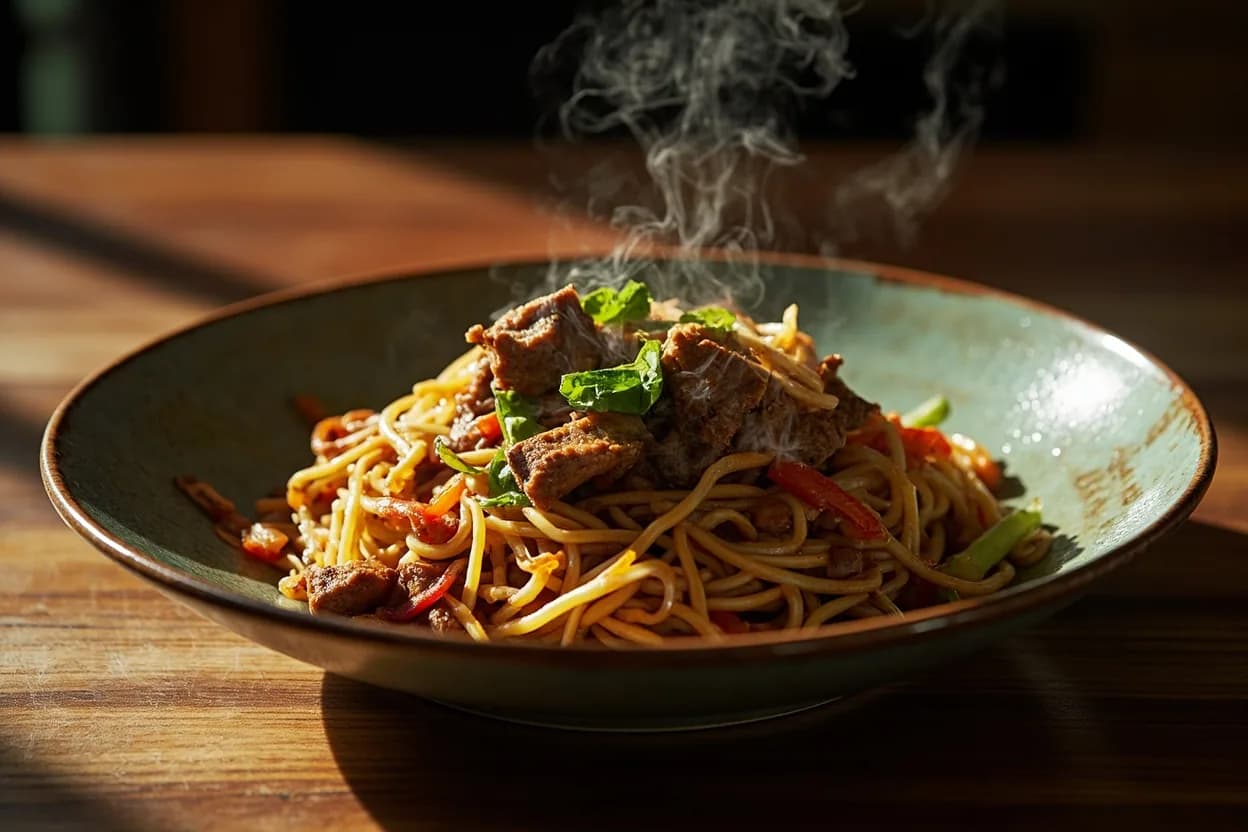
Appears in these dishes
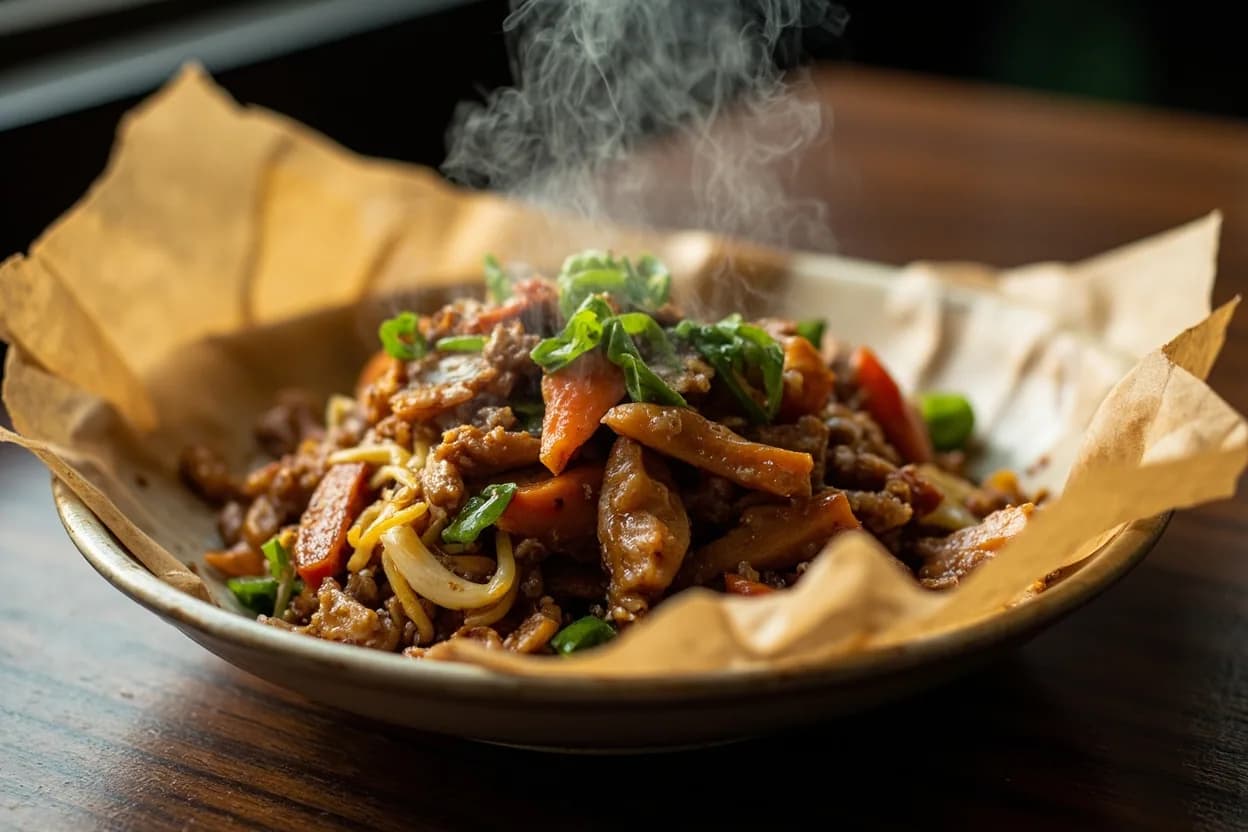
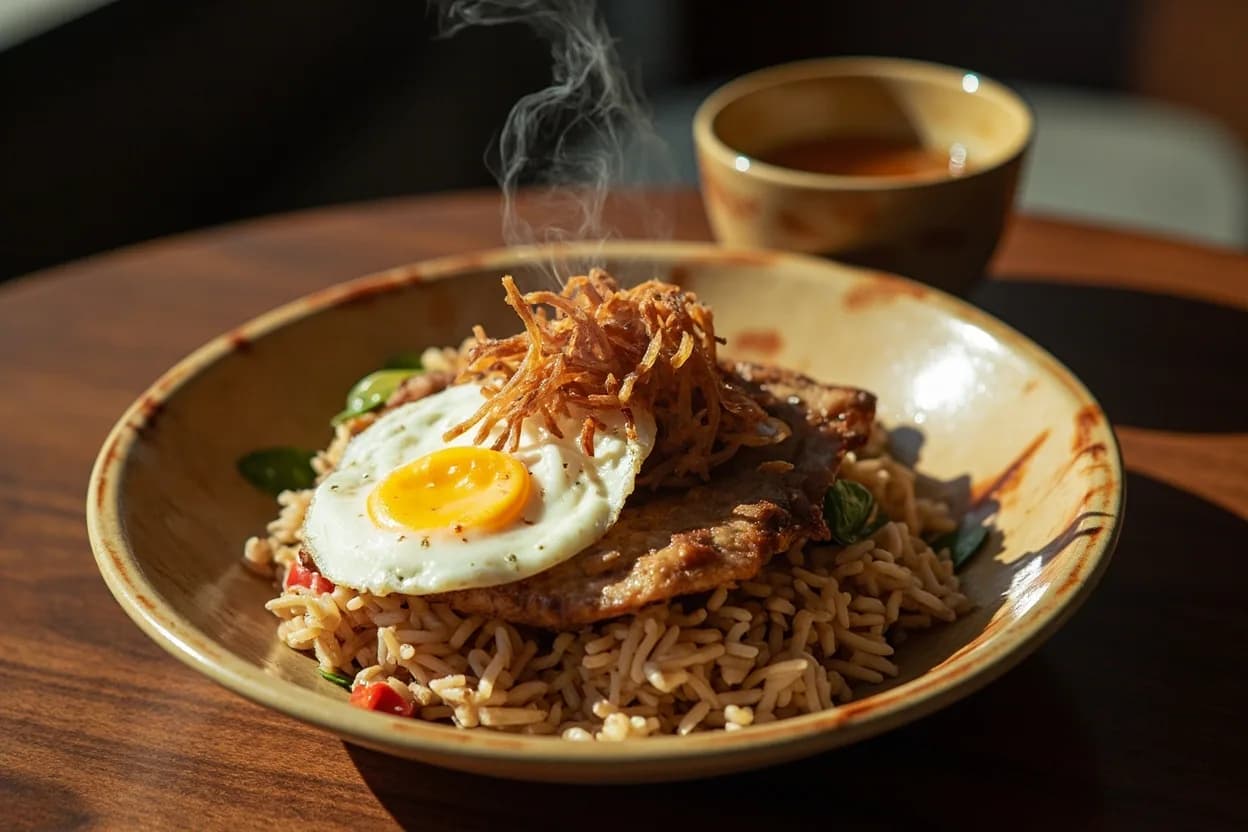
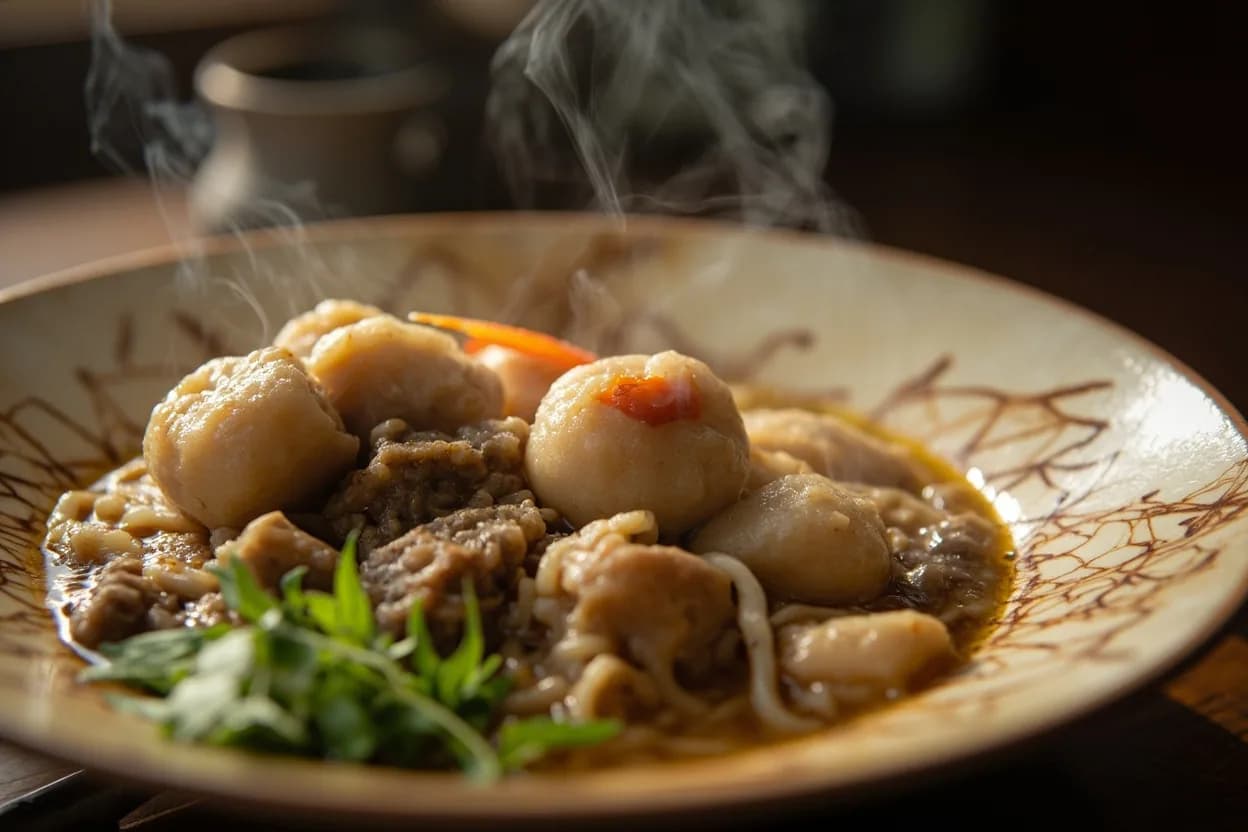
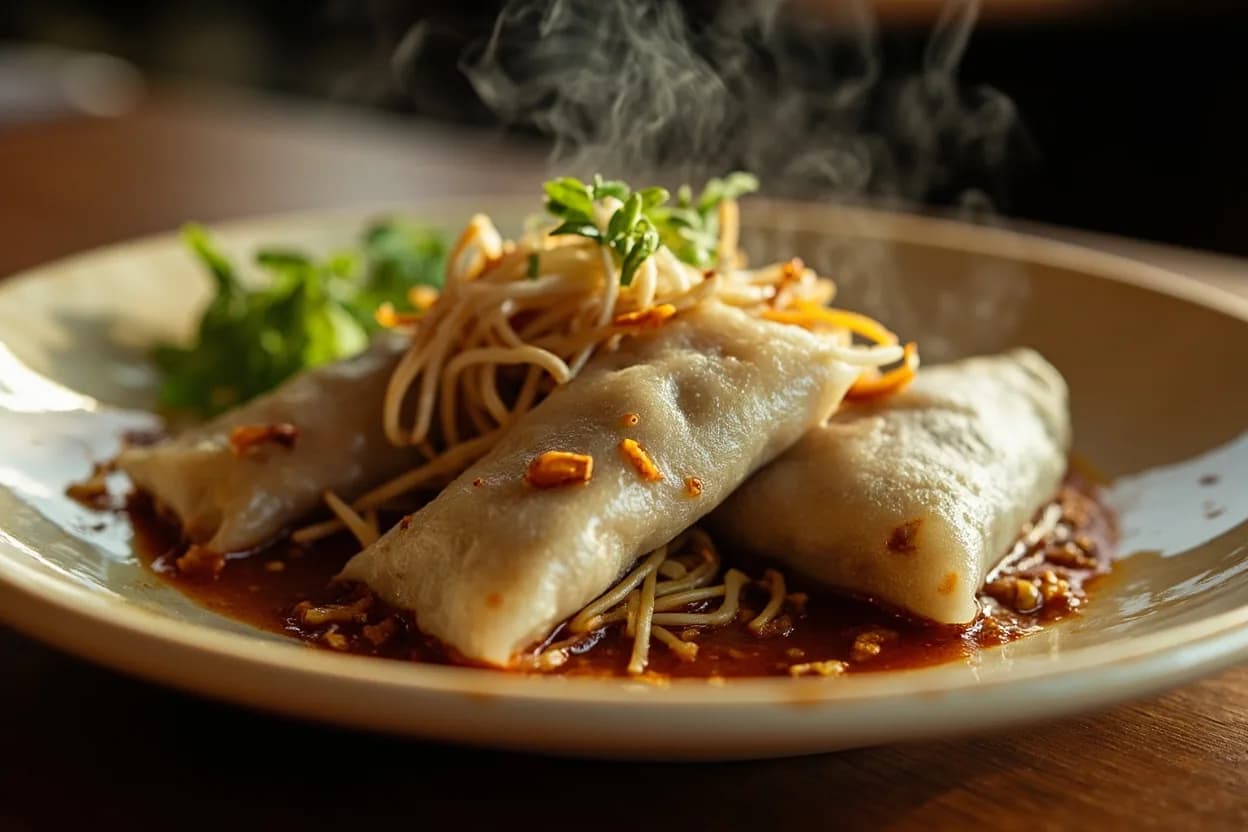
Related

White Rice
Fluffy long-grain rice — the neutral base for almost any meal

White Bread
Soft sandwich loaf for toast, sandwiches, and crumbs
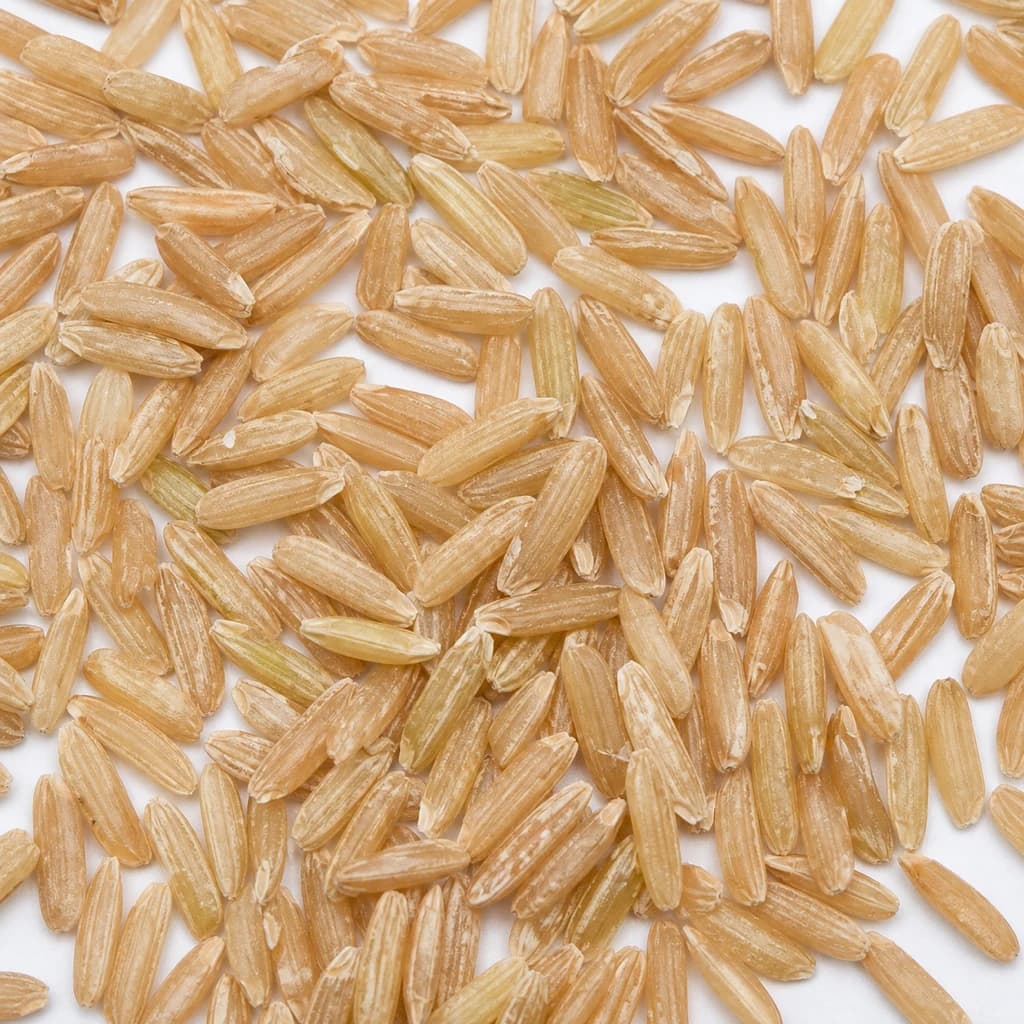
Brown Rice
Nutty, whole-grain rice with chew and extra fiber

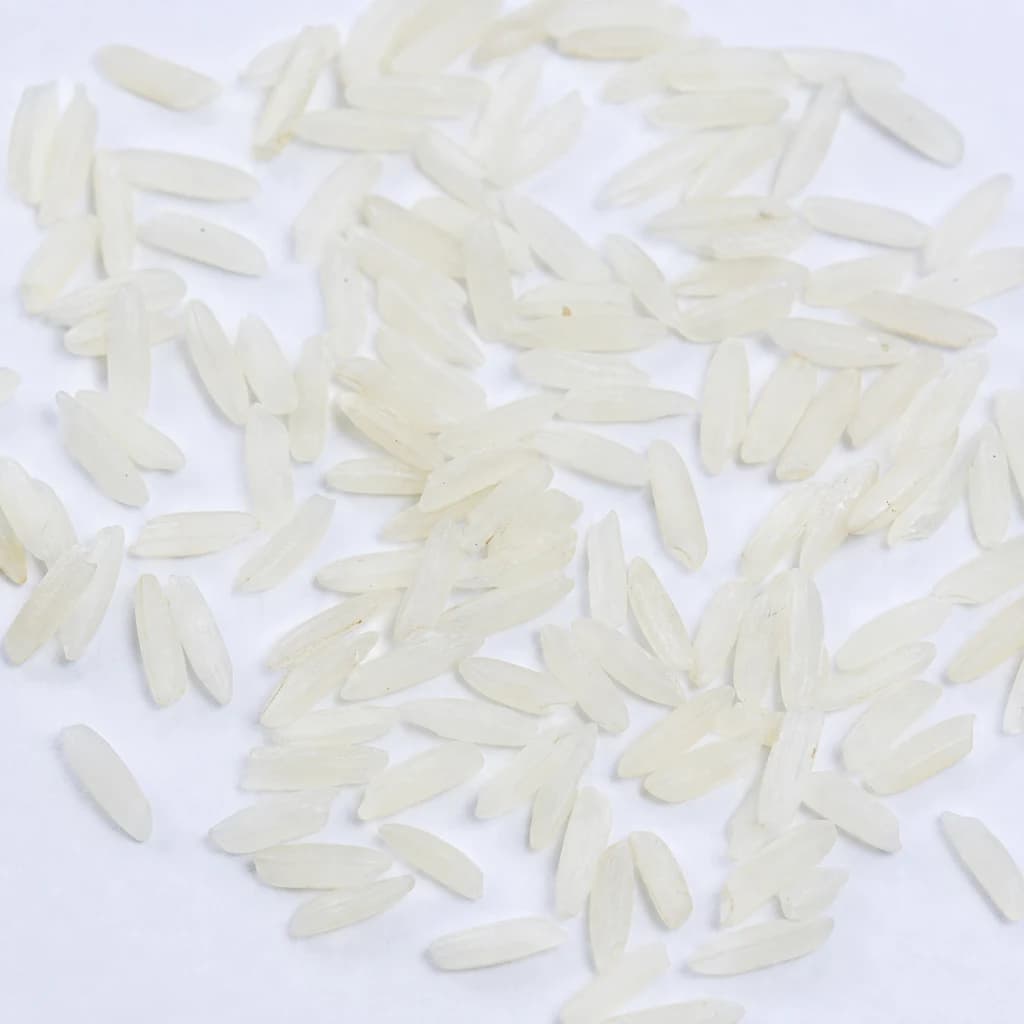
Basmati Rice
Fragrant, long-grain rice that cooks up light and separate
Jasmine Rice
Soft, floral-scented rice that's the pillar of Thai meals
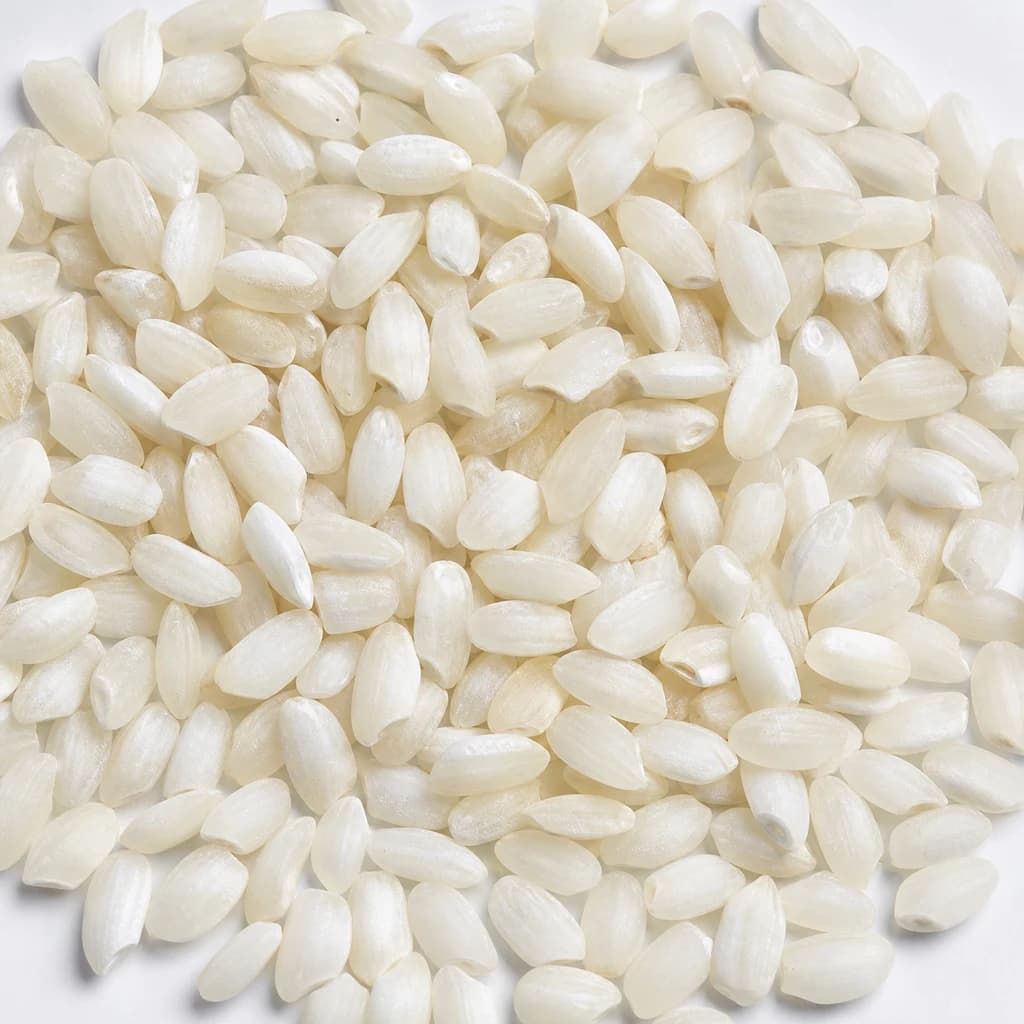
Arborio Rice
Plump, starchy rice that makes risotto creamy
Fusilli
Spiraled pasta that twirls up sauce and dresses cold salads
Rolled Oats
Hearty flakes for porridge, granola, and chewy cookies