
Natural form
Fresh bird's eye chilies in both green and red ripened forms, shown at actual size.
Shows the defining physical traits — tiny slender shape, waxy skin, and the two ripeness stages readers will encounter at market.
Produce
Bird's Eye Chili
Tiny, fiercely hot Southeast Asian chili used fresh in sambals, curries, and dipping sauces.
Bird's eye chilies are small, slender chilies packing intense heat far above their size, common across Thailand, Malaysia, and Indonesia. They are sliced fresh into dipping sauces and sambals, pounded into curry pastes, or steeped in fish sauce. Both green and red ripened forms are used, with the seeds adding the most punch.
Bird's Eye Chili is the workhorse heat source of Southeast Asian cooking—a diminutive pod, typically 1 to 2.5 inches long, that delivers fierce, immediate spiciness tempered by a faintly fruity, almost floral quality. Its thin flesh and generous seed cavity make it extremely potent: scraping or bruising the pod releases far more capsaicin than a whole pepper would yield. Native to Thailand, Vietnam, Cambodia, and surrounding nations, this chili thrives in tropical conditions and has been cultivated for centuries both in commercial fields and wild along roadsides and home gardens. The name reflects the plant's clever biology: birds, which lack capsaicin receptors, consume the ripe red fruits and disperse seeds without being deterred—a defense mechanism that specifically targets mammals while rewarding avian dispersal.
In the kitchen, bird's eye chili behaves differently from thicker-fleshed chilies like jalapeños or bell peppers. Its fragile cell structure means heat is extracted quickly in liquid preparations, making it ideal for soups, sauces, and braises where a sustained, building warmth is desired. When fried whole or briefly charred, the thin walls blister and collapse rapidly, concentrating flavor but risking bitterness if held too long over high heat. Fresh usage is the norm in Southeast Asian cuisines—the chilies are pounded raw in mortars, sliced into dipping sauces, or tossed into salads moments before serving to preserve their bright, verdant character. Dried, pickled, or ground into pastes, bird's eye chilies extend their utility across seasons and cuisines, though each form shifts the flavor profile toward earthiness and away from the fresh, sharp heat prized in the original.
- Measured in
- g
- Storage
- Fridge
Types & varieties
The canonical variety; bright red, thin-walled, intensely hot with a faintly fruity note; the standard in Thai cooking for nam prik, curries, and soups
Unripe version; slightly less fierce, more vegetal and bright; preferred when fresh, verdant flavor is desired over raw intensity
Very close to Thai variety; considered among the hottest peppers in Indonesia; integral to sambal preparations and spicy condiments
Filipino variety; slightly thicker flesh than Thai type; comparable heat; central to vinegar-based sawsawan sauces
Originally West African, adopted by Portuguese cuisine; similar heat but earthier, with a smoky edge; signature in piri piri sauce for grilled chicken
Found throughout northeastern India and Bangladesh; comparable heat; frequently dried and ground into chili powder
Broader commercial category for elongated, hot small chilies; not true bird's eye but often sold interchangeably in North American markets
Heat Management and Safety
Working with bird's eye chilies requires respect for their potency and proper handling technique. The capsaicin that creates heat is fat-soluble and binds readily to oils on your skin, making traditional washing ineffective. When handling large quantities, disposable gloves are essential—standard soap and water will not remove capsaicin oils. If gloves are unavailable, rub your hands with vegetable oil to absorb the capsaicin, then wash with dish soap. Never touch your eyes, nose, or any mucous membranes while handling chilies, and wash hands thoroughly before any bathroom use. If a dish becomes unbearably hot, adding acid (lime juice, vinegar) and fat (coconut milk, oil) will chemically neutralize and disperse the capsaicin more effectively than adding more ingredients, which merely dilutes without reducing the burn.
- Always wear gloves when handling more than 3–4 fresh chilies
- Rub hands with oil before washing to lift capsaicin from skin
- Freeze whole chilies for months of storage; grate directly from frozen for controlled heat
Why This Chili, Not Another?
Bird's eye occupies a specific niche in the chili landscape: it is hotter than common fresh market chilies like jalapeños (2,500–8,000 SHU) and serranos (10,000–23,000 SHU), yet smaller and more intensely flavored than the broader cayenne types often substituted in Western markets. Its thin walls mean heat is extracted quickly and evenly, unlike thicker peppers where heat concentrates in specific areas of a dish. The fruity undertones distinguish it from the earthy, smoky character of dried ancho or chipotle peppers. In Southeast Asian cooking, bird's eye is preferred not just for heat but for its ability to integrate seamlessly into liquid preparations—whether a piquant broth, a coconut curry, or a pounded relish—without requiring long cooking times to release its character. This efficiency makes it indispensable for the quick, balanced seasoning that defines Thai and Vietnamese cooking.
- Choose bird's eye when speed of heat extraction matters
- Prefer thicker-fleshed chilies for slow-cooked braises where you want heat to develop gradually
- For smoke or earthiness, reach for dried Mexican varieties instead
Common uses
Tips & pitfalls
- Handle with care: wash hands thoroughly after handling and avoid touching eyes or mucous membranes; wearing disposable gloves is advisable when working with large quantities.
- To maximize heat with minimal bulk, slice or pound the chili rather than adding whole pods—cut cells release far more capsaicin.
- Seed removal reduces heat by roughly 30–50% but also strips some fruity complexity; retain seeds for maximum intensity.
- For controlled, even heat in a dish, infuse sliced chilies in oil over low heat for 15–20 minutes, then strain out the solids.
- Drying concentrates flavor and heat: thread whole chilies on string and air-dry in a warm, dry location for 1–2 weeks, or use a dehydrator at 130–140°F for 6–8 hours.
- Common mistake: overcooking fresh bird's eye chilies in oil—high heat degrades volatile aromatics; add them near the end of cooking for bright, fresh heat.
- Common mistake: assuming all bird's eye chilies are interchangeable—Thai, Indonesian, and Filipino varieties have subtly different heat and flavor profiles.
- To tame heat in a finished dish, add acid (lime juice, vinegar) and fat (coconut milk, oil) rather than more ingredients—the capsaicin binds to these, reducing perceived spiciness.
- Storage tip: freeze whole fresh chilies on a sheet tray, then transfer to a freezer bag; they remain usable for months and can be sliced directly from frozen.
Nutrition
Energy
418 kJ · per 100 g
Where the calories come from
Protein
5.9g
12% DV
Carbs
10.9g
4% DV
Fat
3.7g
5% DV
Fiber
2.9g
10% DV
Sugars
1.8g
of which
Sodium
385mg
17% DV
Source · USDA FoodData Central · approx. Chili with beans, microwavable bowls
View on FDC →In the shops
Matched grocery products
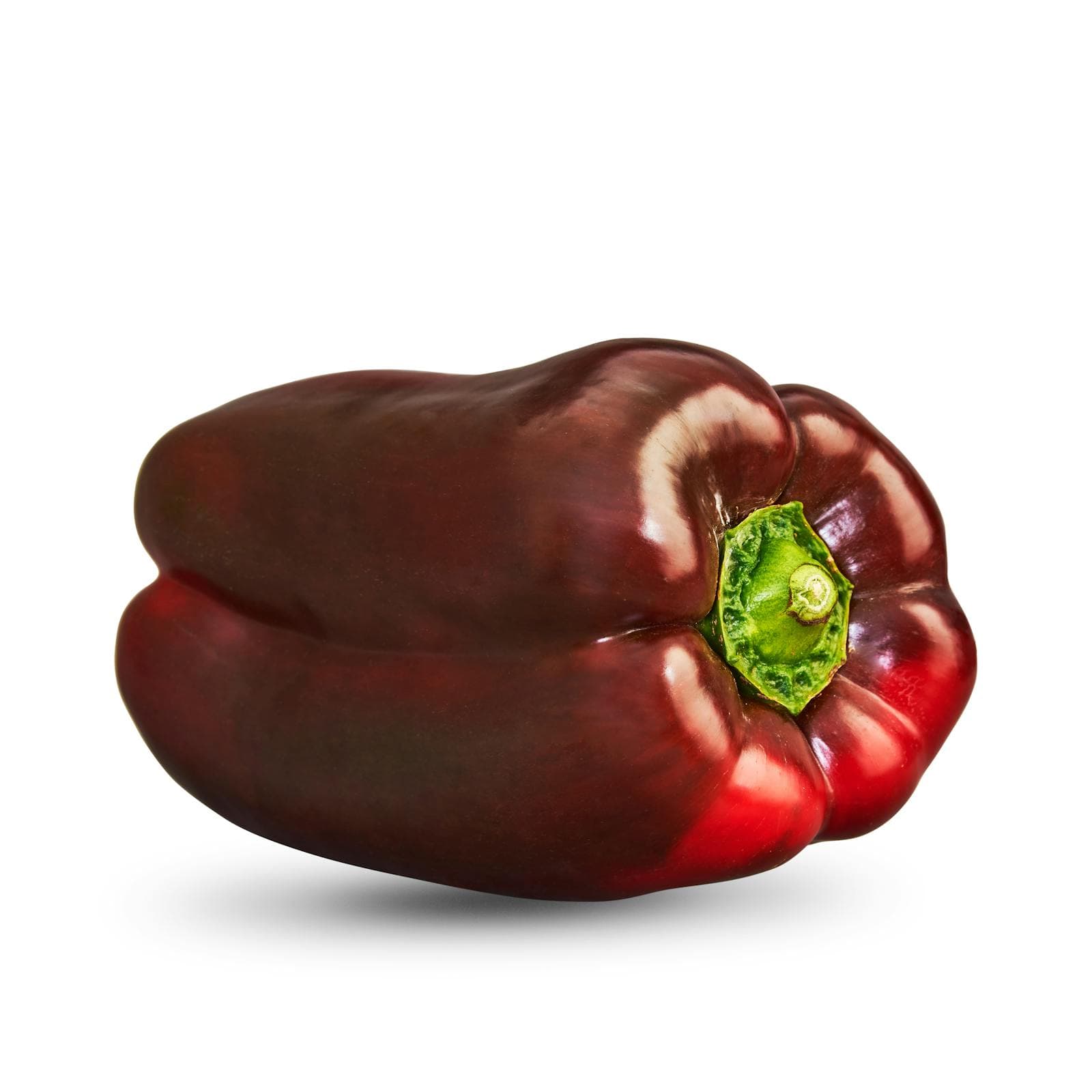 €1.04
€1.04Red Pepper
360 g · Mercadona
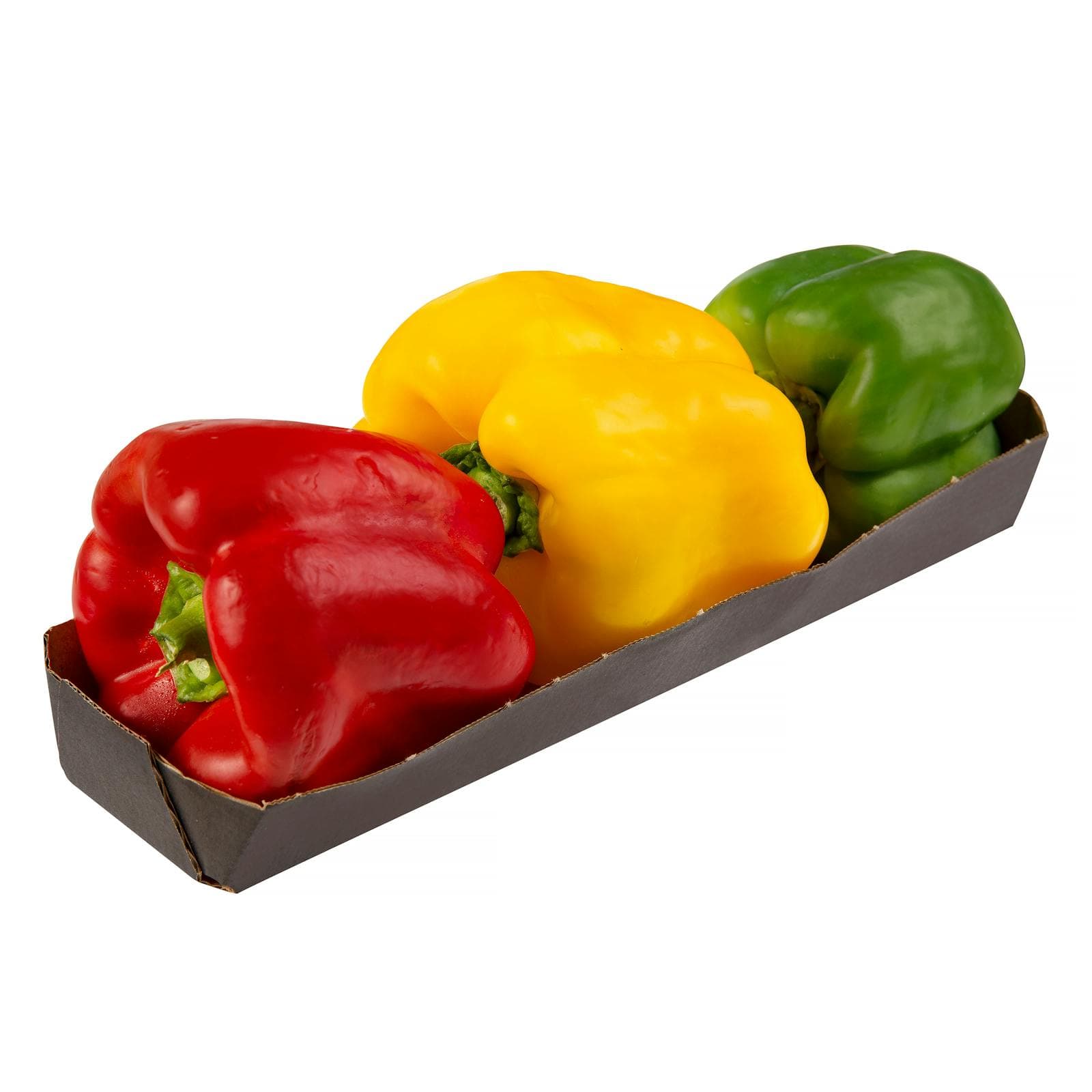 €2.20
€2.20Tricolor Peppers
710 g · Mercadona
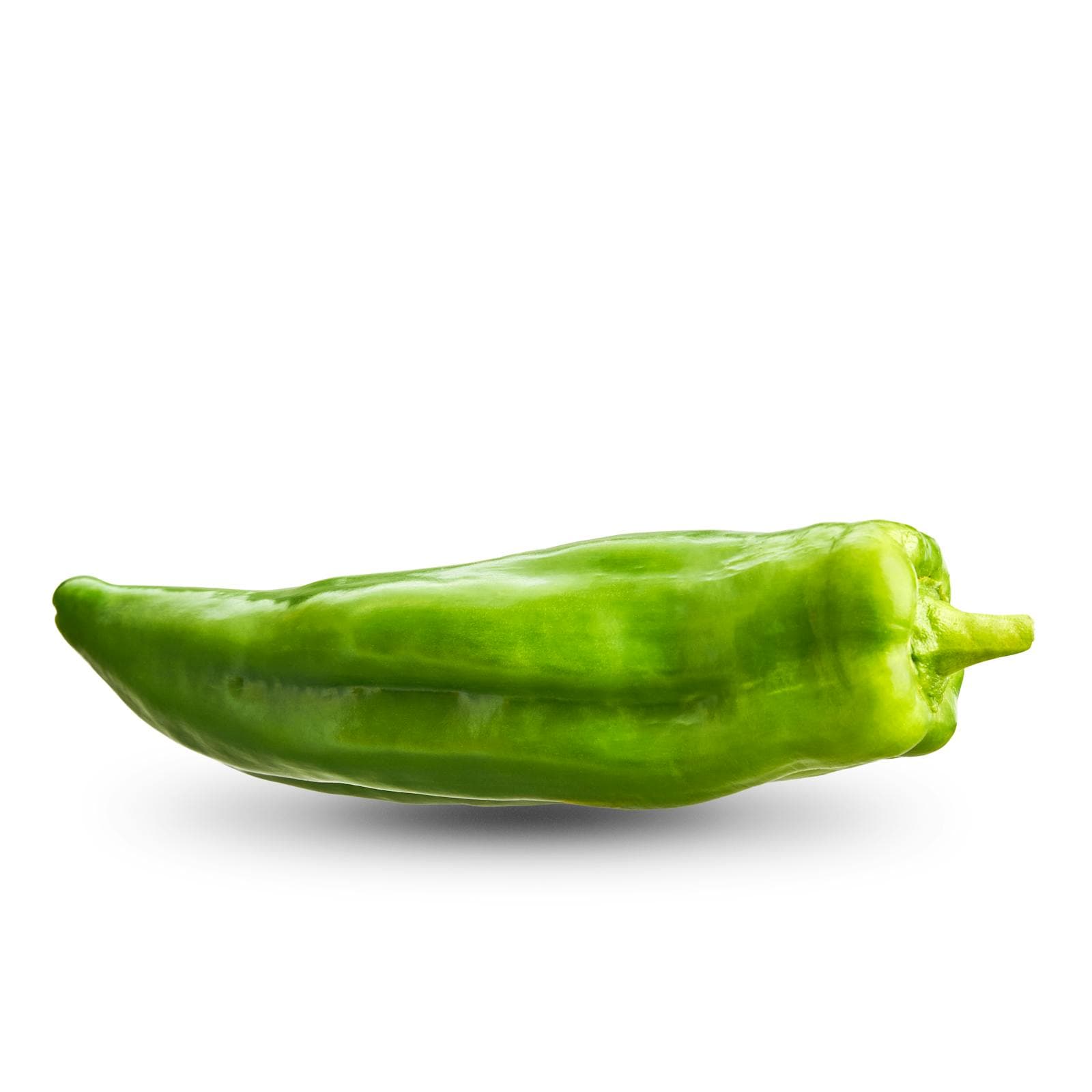 €0.23
€0.23Green Frying Pepper
90 g · Mercadona
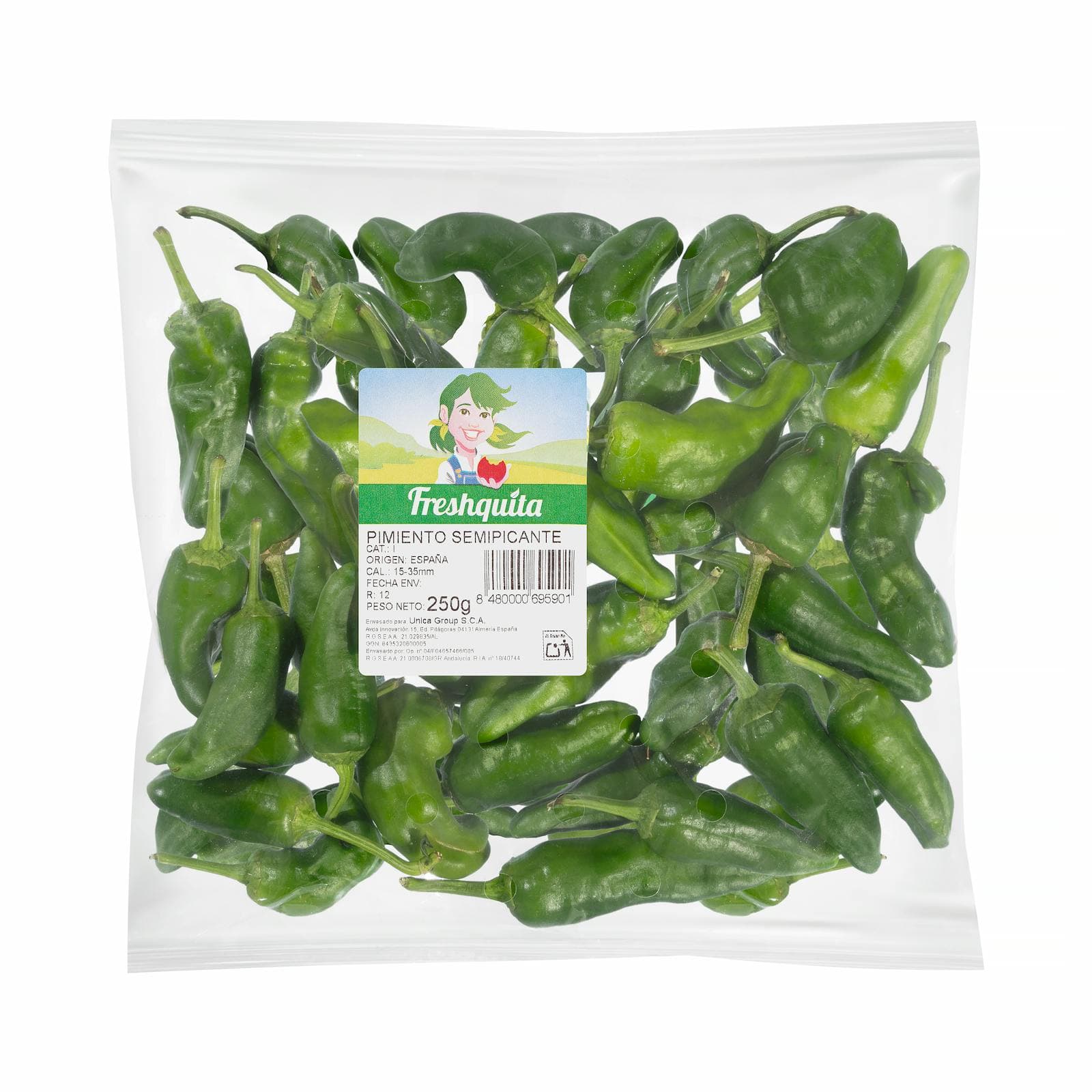 €1.35
€1.35Semi-Spicy Peppers
250 g · Mercadona
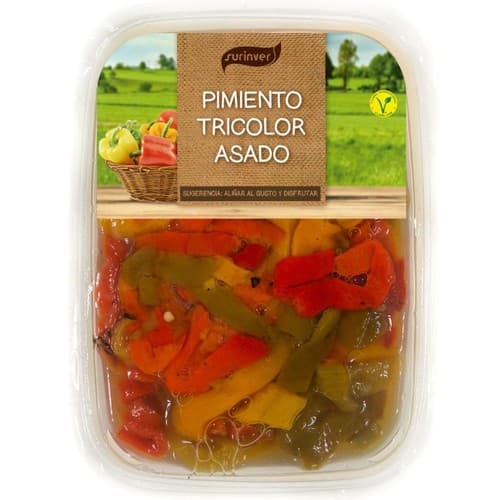 €2.49
€2.49Roasted Bell Peppers Three Colors
SURINVER · kg · Bonpreu
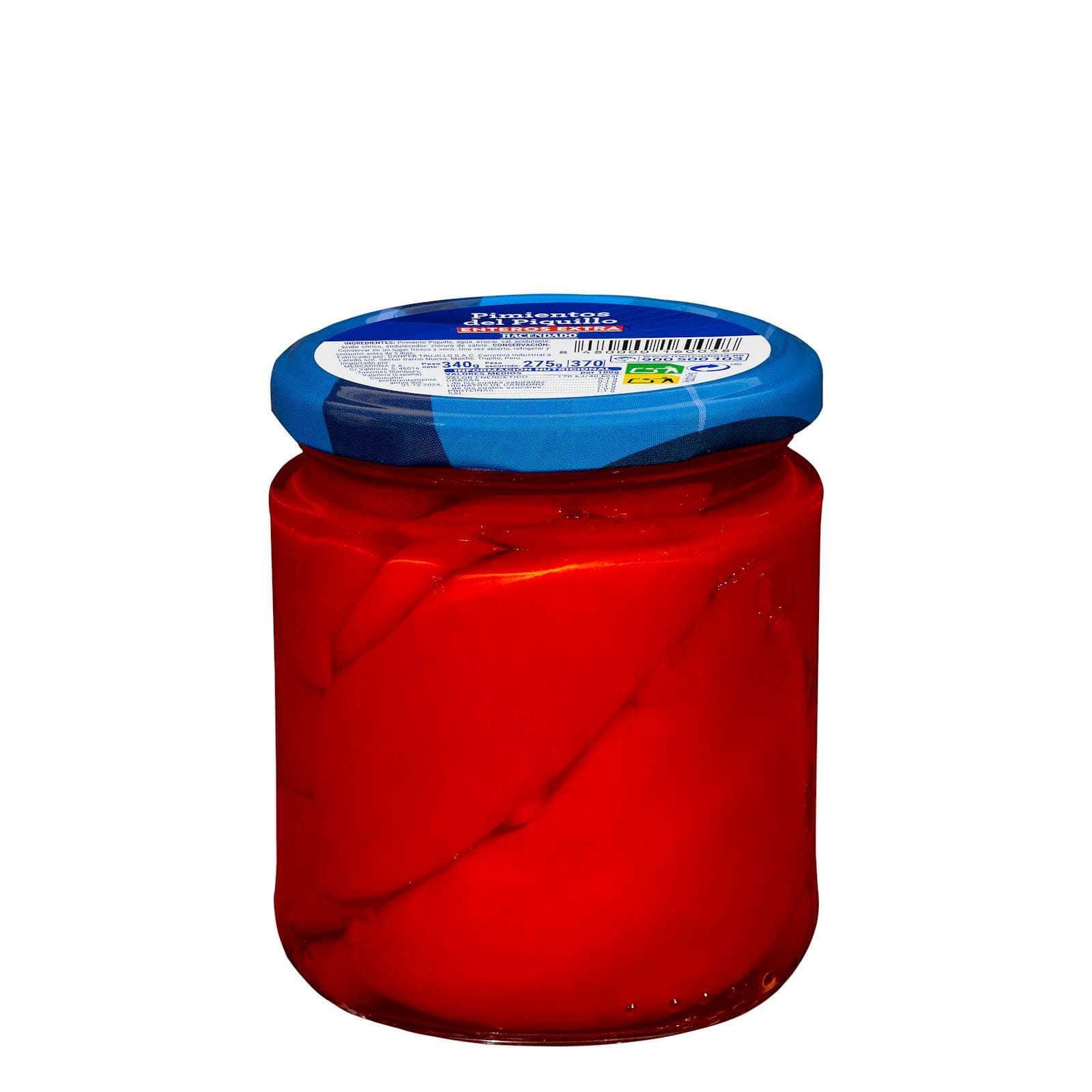 €1.45
€1.45Extra Whole Piquillo Peppers
Hacendado · 340 g · Mercadona
Good to know
- Common Names
- Thai chili, prik kee noo (Thai), lombok rawit (Indonesian), cabe rawit (Malaysian), hột ớt (Vietnamese), siling labuyo (Filipino)
- Origin
- Southeast Asia; native to Thailand, Vietnam, Cambodia, and surrounding countries, now cultivated widely throughout tropical regions
- Heat Level
- 50,000–100,000 Scoville Heat Units; certain varieties reach up to 225,000 SHU—comparable to some habaneros
- Typical Size
- 1–2.5 inches long, 0.25–0.5 inches wide at the shoulder
- Shape & Structure
- Tapered, slightly curved pod; thin, fragile flesh; large seed cavity relative to size
- Colors
- Green (unripe), red (ripe); yellow and orange in specific varieties
- Typical Forms
- Fresh, dried (whole or ground), pickled, in chili pastes and sauces
- Key Cuisines
- Thai, Vietnamese, Indonesian, Malaysian, Filipino, Lao, Cambodian
Substitutes
- Serrano — Similar heat range (10,000–23,000 SHU); slightly thicker flesh; use 1:1 or slightly more
- Thai red pepper flakes — Convenient dried substitute; reconstitute briefly in warm water before using
- Sambal oelek — Prepared ground chili paste; acceptable in sauces and curries; not suitable for fresh applications
- Jalapeño — Much lower heat (2,500–8,000 SHU); use 3–4x the quantity for comparable spiciness; milder, less complex flavor
- Cayenne — Drier, less juicy; comparable heat; good in dried or powdered applications
- Habanero — Higher heat with distinct fruity, floral notes; use sparingly—reduce quantity by half—for a different flavor profile
Pairs with
Also called
Cili Padi · Thai Chili · Bird Chili · piri-piri · piri-piri-chili · hawaiian-chili-pepper · malagueta-pepper · jindungo-chili · hot-pepper · madame-jeanette-pepper
Appears in these dishes
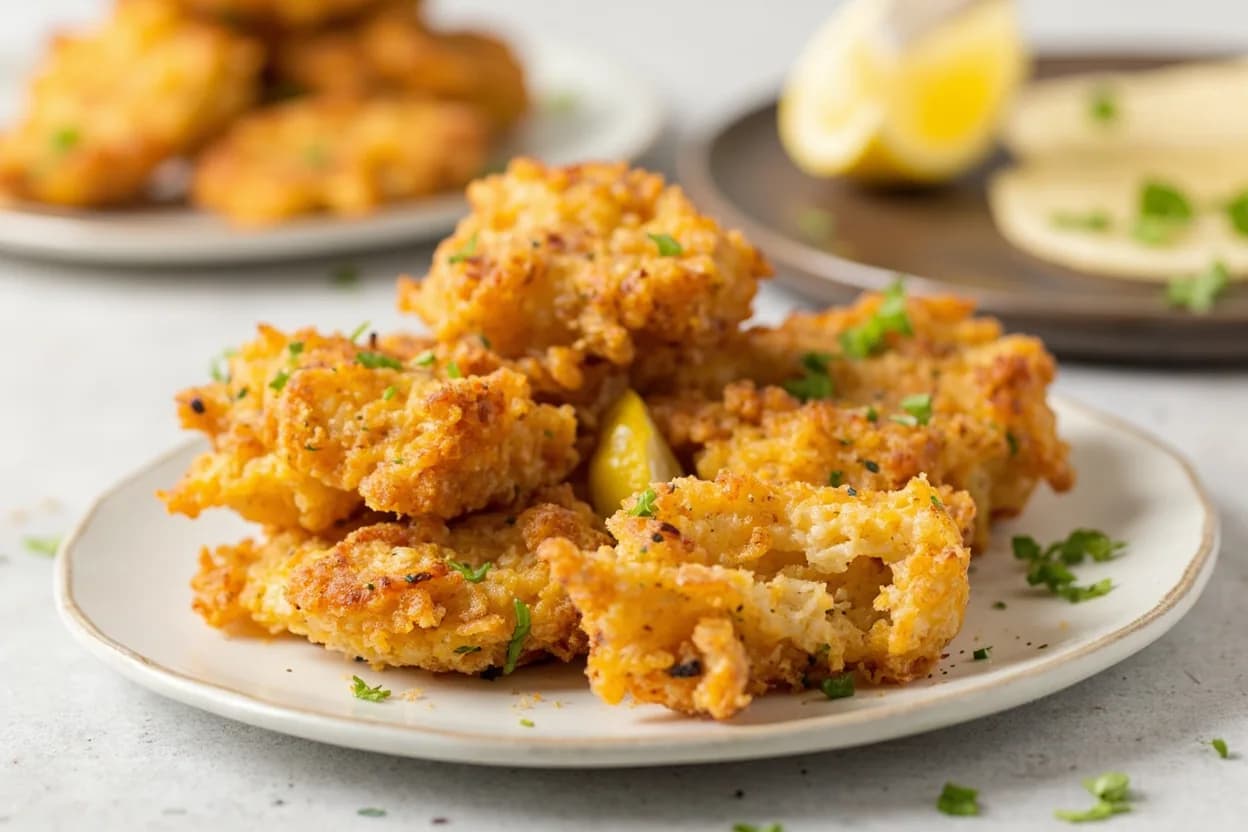
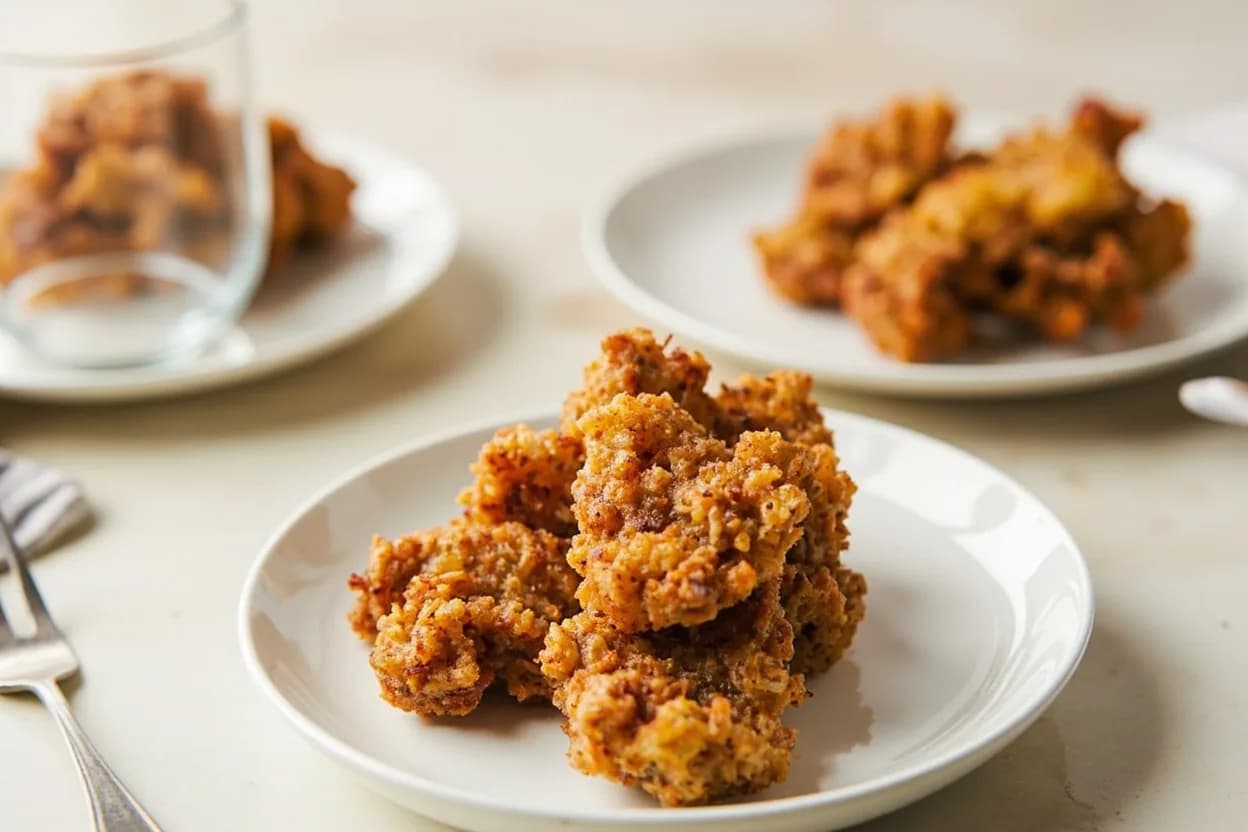
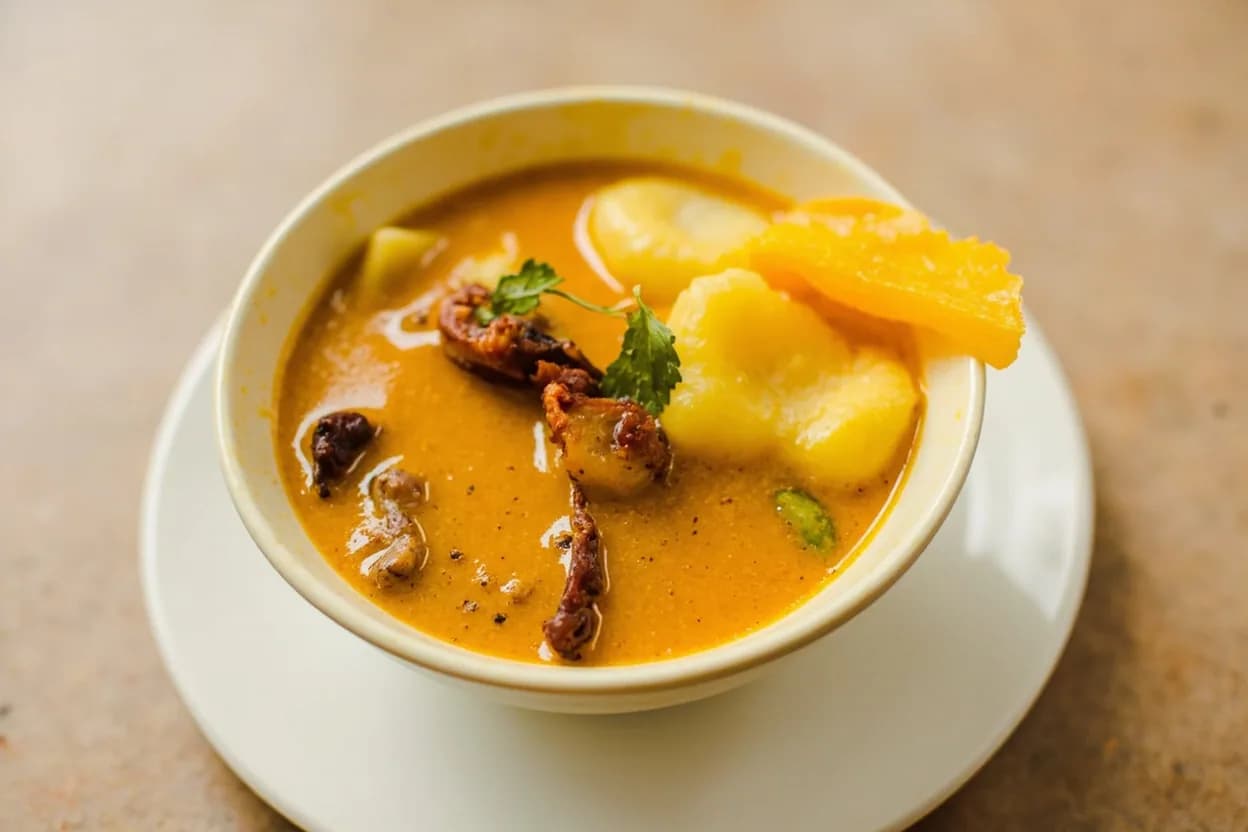
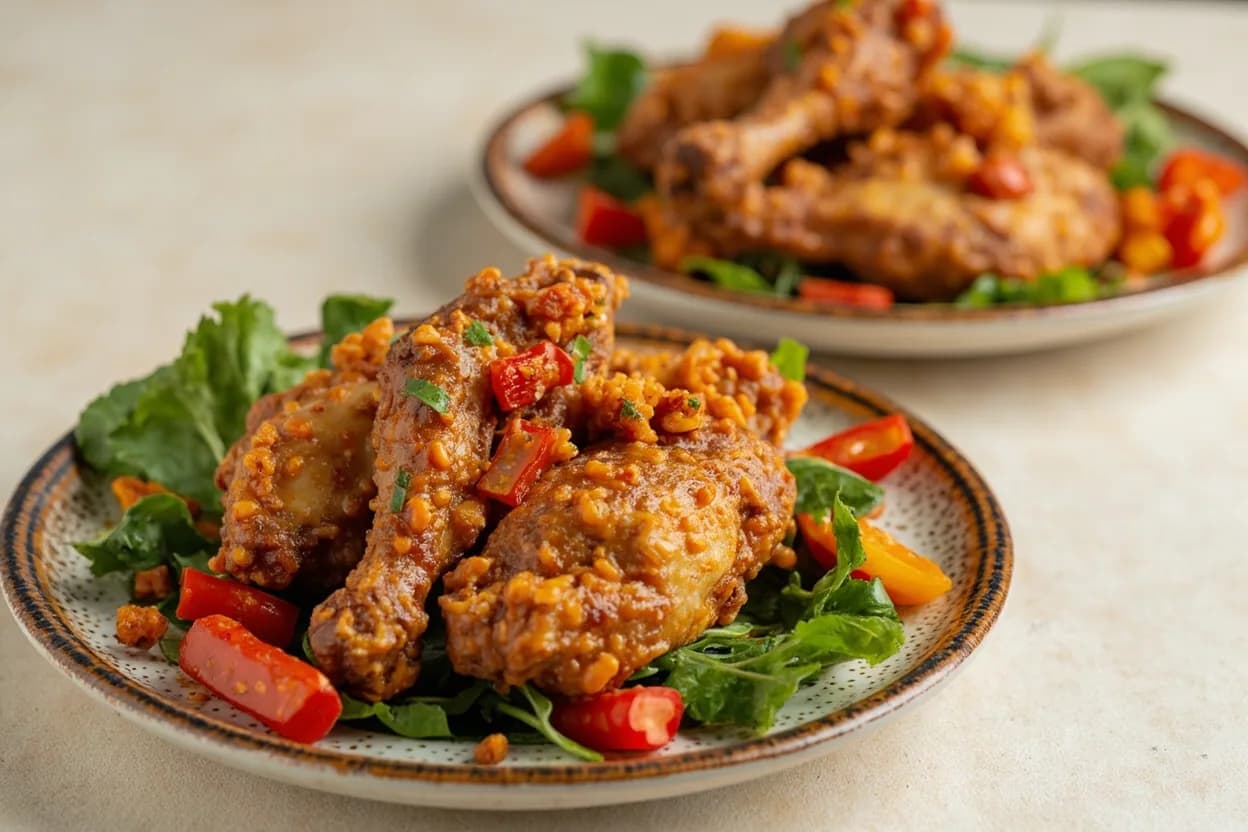
Related
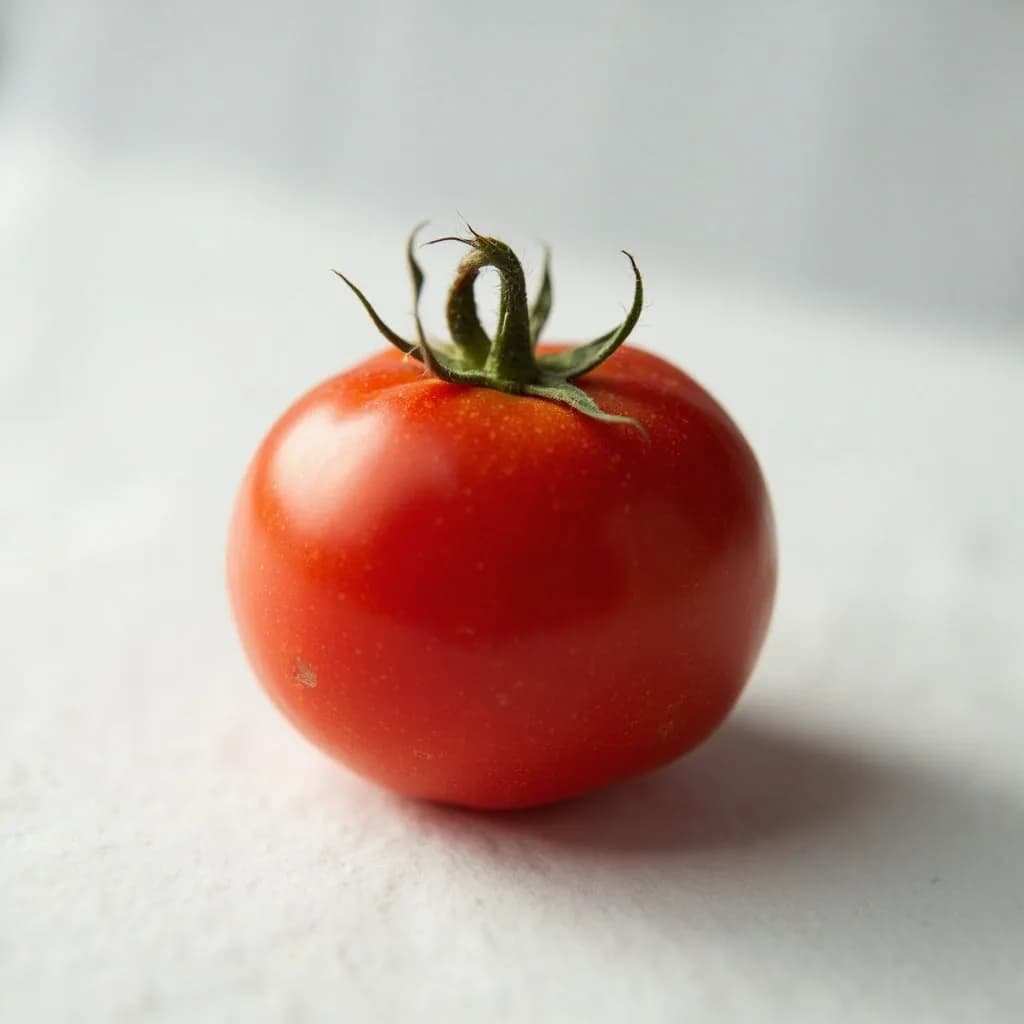
Tomato
Juicy, sun-sweet fruit for sauces, salads, and slow-cooked depth
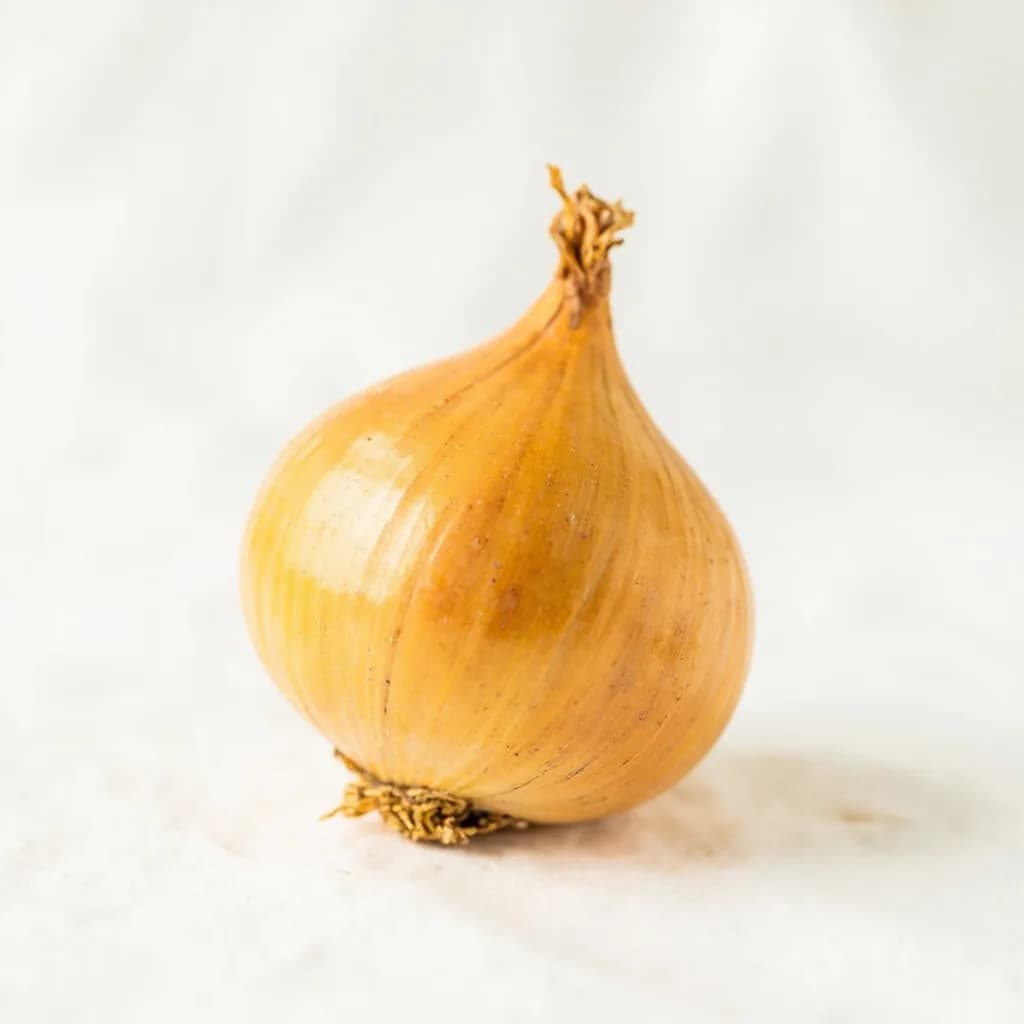
Yellow Onion
The aromatic backbone of soups, sofritos, and braises
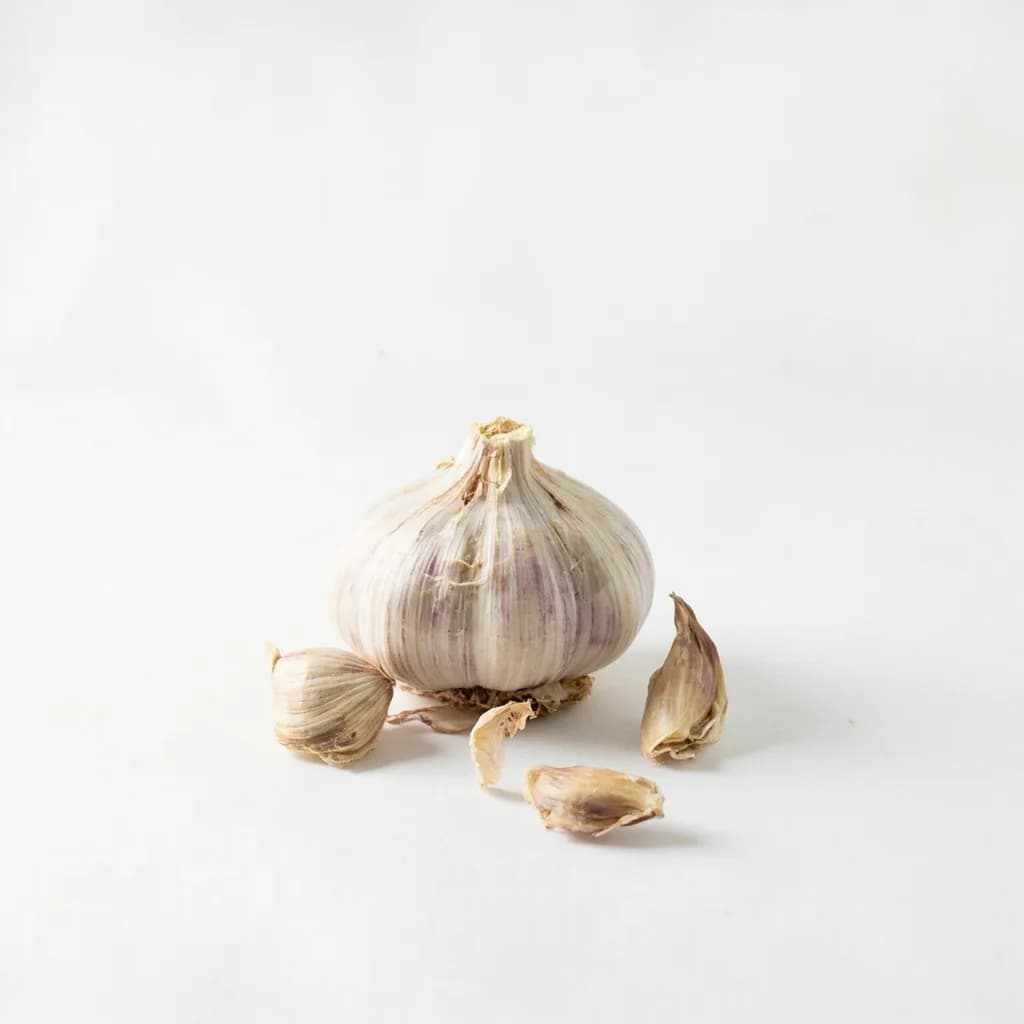
Garlic
Pungent cloves that perfume nearly every savory dish
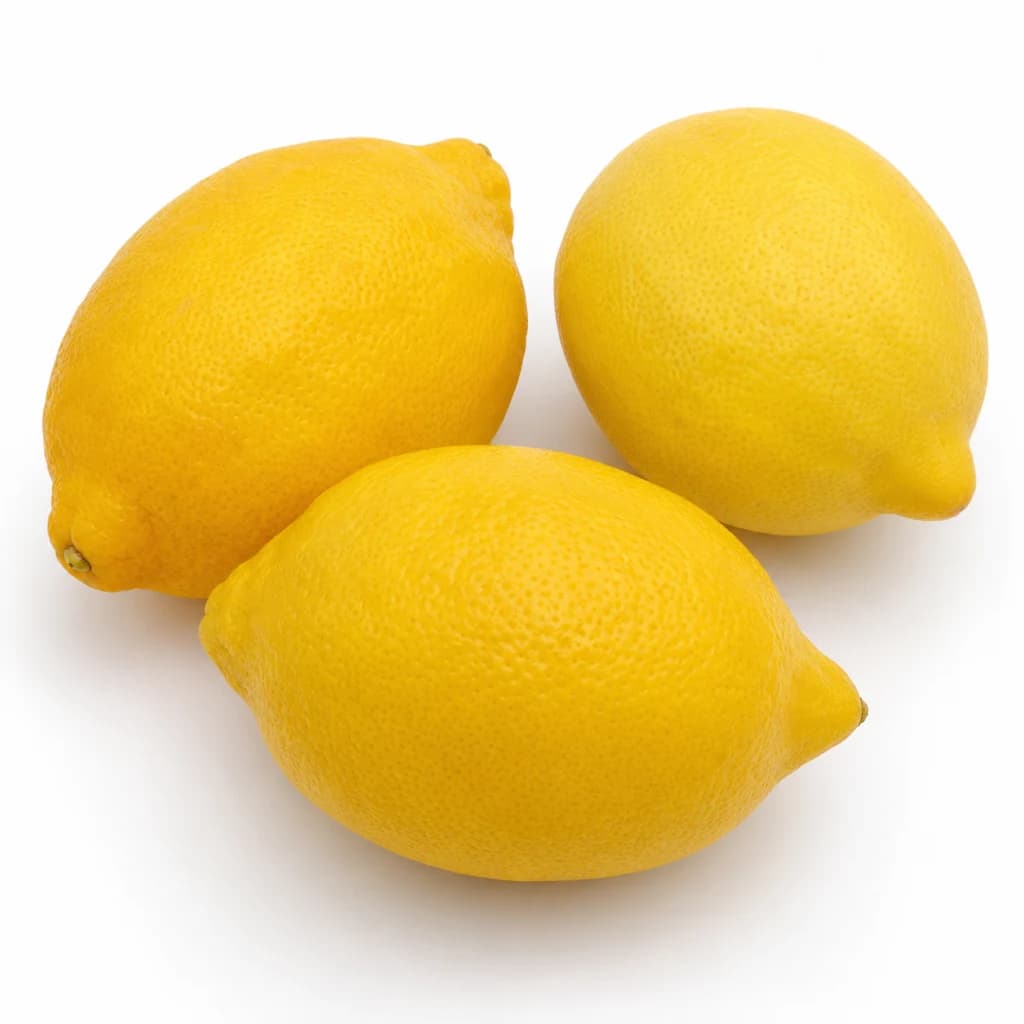
Lemon
Bright, acidic citrus that wakes up almost any dish
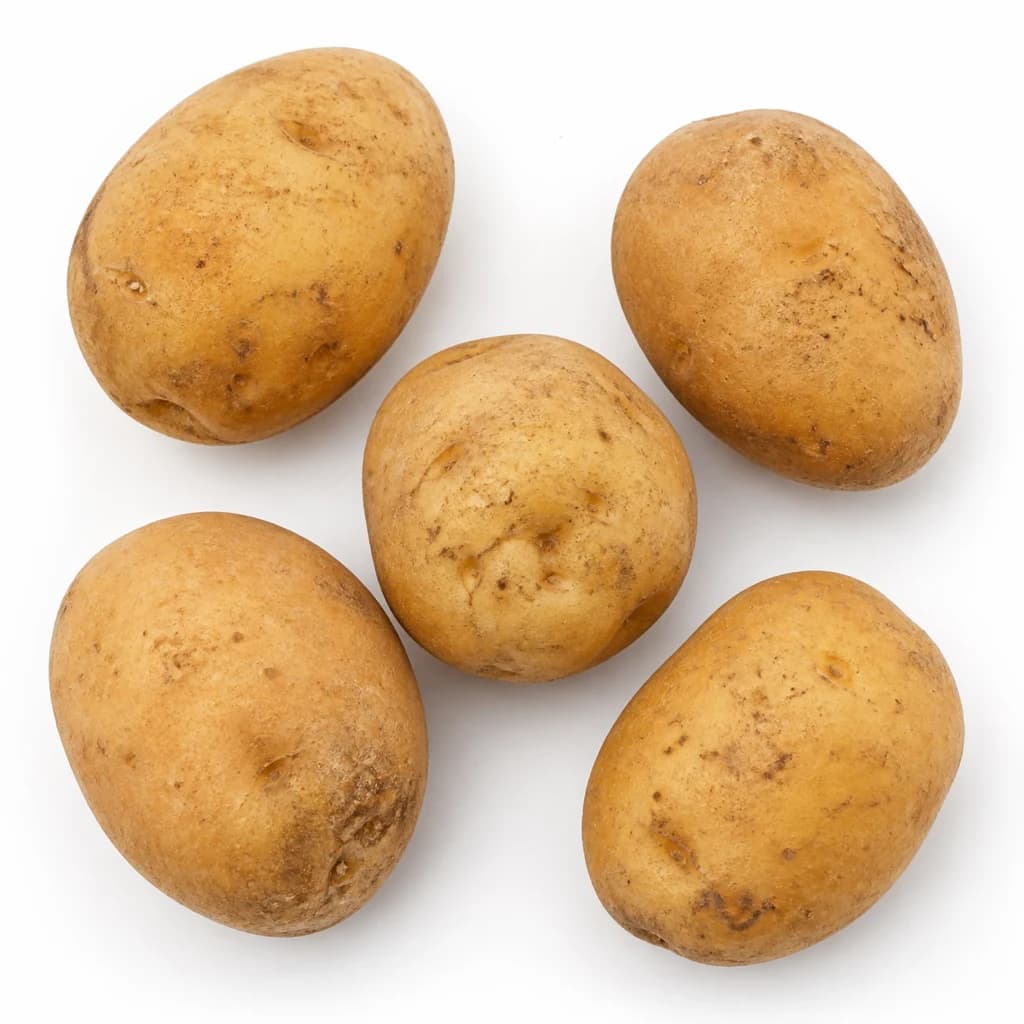
Potato
Humble, hearty staple — roast, mash, fry, or boil
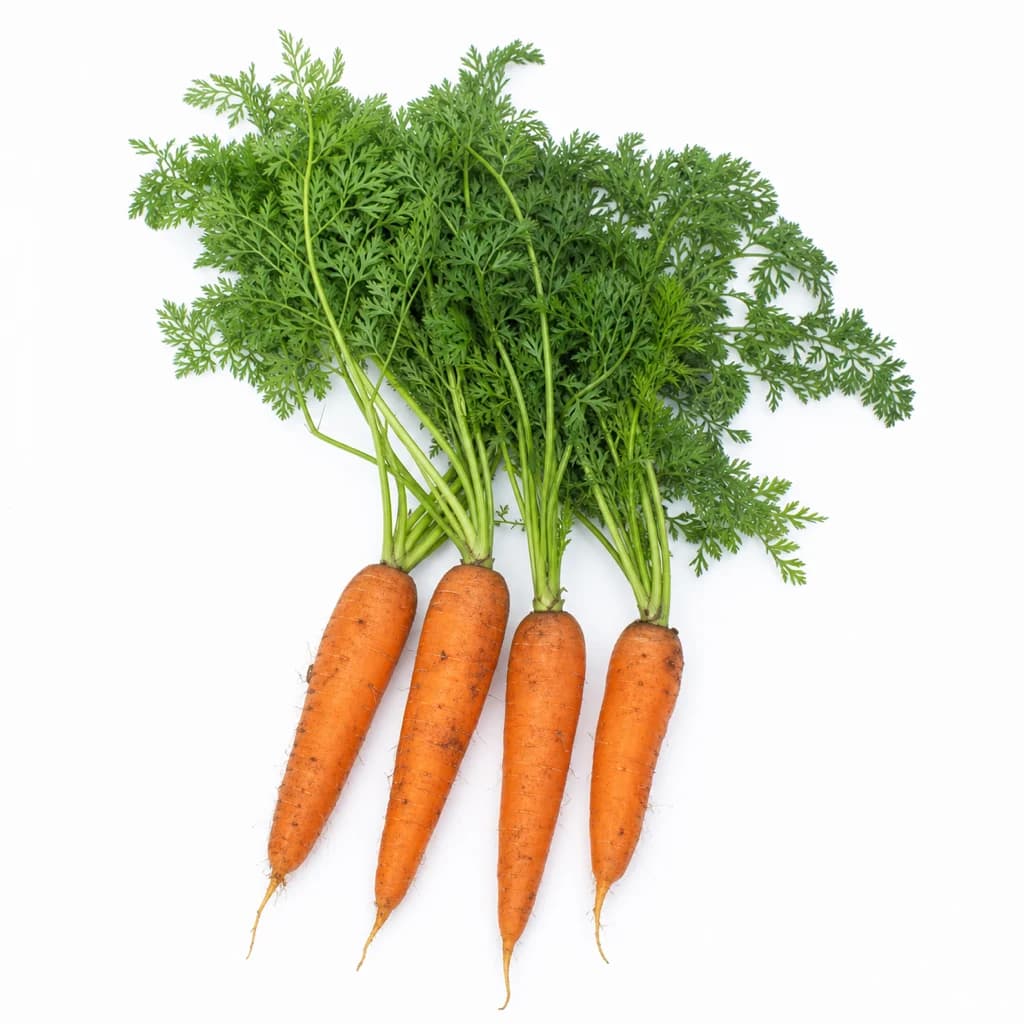
Carrot
Sweet, crunchy root — raw, roasted, or the base of a sofrito
Cucumber
Cool, crisp, and watery — for salads, pickles, and tzatziki

Lettuce
Crisp leaves for salads, wraps, and a fresh crunch