Legumes & Beans
Green Lentil
Peppery lentil that holds its shape, ideal for salads, sides, and French dishes.
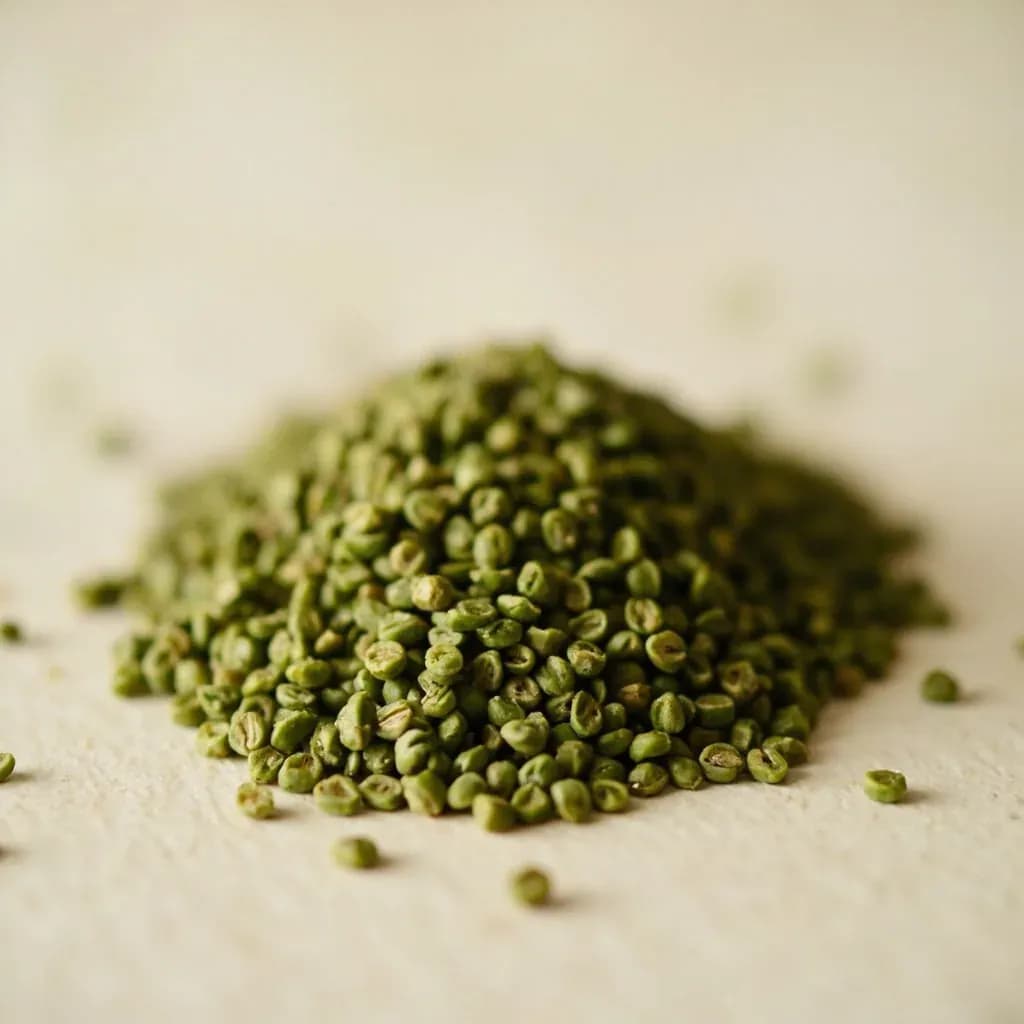
Green lentils range from pale to dark green and have a firm texture that holds its shape well after cooking, with a slightly peppery, earthy flavor. They need no soaking and are favored for warm salads, side dishes, and braises where intact lentils matter. The prized French Puy lentil is a small, slate-green variety in this family.
Green lentils (Lens culinaris) are one of humanity's oldest cultivated foods, domesticated in the Fertile Crescent over 10,000 years ago. Unlike their red, yellow, or orange cousins, green lentils hold their shape stubbornly through cooking—a trait that makes them invaluable for salads, side dishes, and preparations where visual definition matters. Their firm, toothsome bite and low starch content distinguish them from other dried legumes; they do not release starch into cooking liquid and they resist dissolving even in aggressive simmers. The flavor is earthy with a characteristic peppery note, most pronounced in the French Puy variety, and the color ranges from bright olive to slate-green, darkening to olive-brown when cooked.
Measuring roughly 2–3 mm in diameter and lens-shaped, green lentils cook in 20–40 minutes without soaking. An optional 1–2 hour soak reduces cooking time by about half, but because they cook relatively quickly to begin with, most cooks skip this step. The critical error with green lentils is overcooking. Unlike red lentils, which are prized for their tendency to collapse into silky puree, green lentils are valued precisely for their resistance to mush. They are done when they still offer noticeable resistance to the bite—a firm al dente center—because they continue cooking in residual heat after draining. This single principle separates a good green lentil dish from a gray, porridge-like mistake.
Green lentils provide roughly 25% protein by dry weight, making them one of the more protein-dense plant foods available, and they store well for up to 12 months in a cool, dark, airtight container. Older lentils take longer to cook and may produce uneven results, so it pays to note the purchase date or crop year when available.
- Measured in
- g
- Storage
- Pantry
Types & varieties
The most prized variety; slate-green with black speckles; PDO-protected from the Auvergne region of France. Firmer texture and more pronounced mineral-peppery flavor than common green lentils.
Larger and lighter green than Puy; widely available. Slightly softer texture when cooked but still holds shape well.
A large, bright green variety; slightly sweeter and milder than Puy; increasingly available from specialty suppliers.
A large green lentil developed in Canada; creamier texture than Puy; acceptable in dishes where a slightly softer bite is acceptable.
Common uses
Tips & pitfalls
- Always rinse sorted lentils under cold water before cooking to remove dust and any small debris
- Never add salt or acidic ingredients (lemon, tomato, vinegar) until the lentils are fully cooked—acid and salt harden the skins and dramatically extend cooking time
- Cook lentils in generous, generously salted water (like pasta); they absorb broth flavors better than when simmered in minimal liquid
- Taste for doneness before draining—remove from heat when they still have a firm bite; they continue cooking in residual heat
- For salads, cool lentils spread on a sheet pan rather than in a lump to prevent them from becoming mushy
- Older lentils (more than 1–2 years old) cook unevenly and may have a duller color; check the crop year if possible
- A pressure cooker reduces cooking time to 8–10 minutes with acceptable results, though stovetop yields better-defined individual lentils
- The most common mistake is overcooking. Unlike red lentils, green lentils are valued for their resistance to mush. Check at 18 minutes and taste frequently thereafter.
Nutrition
Energy
1473 kJ · per 100 g
Where the calories come from
Protein
24.6g
49% DV
Carbs
63.4g
23% DV
Fat
1.1g
1% DV
Fiber
10.7g
38% DV
Sugars
2g
of which
Sodium
6mg
0% DV
Source · USDA FoodData Central · Lentils, raw
View on FDC →In the shops
Matched grocery products
No matched grocery products for Green Lentil yet.
Good to know
- Scientific name
- Lens culinaris
- Origin
- Fertile Crescent; over 10,000 years of cultivation
- Size
- 2–3 mm diameter, lens-shaped
- Cooking time (stovetop)
- 20–30 minutes for firm texture; up to 40 minutes for very tender
- Soaking
- Optional; 1–2 hours reduces cooking time by roughly half
- Protein content
- ~25% protein by dry weight
- Shelf life (dry)
- Up to 12 months in a cool, dark, airtight container
- Key characteristic
- Holds shape firmly; low starch content; does not turn mushy when cooked
Substitutes
- French Green Lentil (Puy) — The best substitute; identical cooking behavior and flavor profile. If a recipe specifically calls for green lentils, Puy is the ideal swap.
- Brown Lentil — Slightly softer texture and earthier, less peppery flavor; acceptable in soups and stews, not ideal for salads where shape retention matters.
- Black Lentil (Beluga) — Similar firmness and visual appeal; slightly earthier, nuttier flavor. Excellent in salads but harder to find and more expensive.
- Yellow or Red Lentil — Not a true substitute; these dissolve into a puree when cooked. Use only in dishes where mushy texture is desired—dals, pureed soups.
Pairs with
Also called
Adas · Green Lentils · Puy Lentil
Appears in these dishes
Related
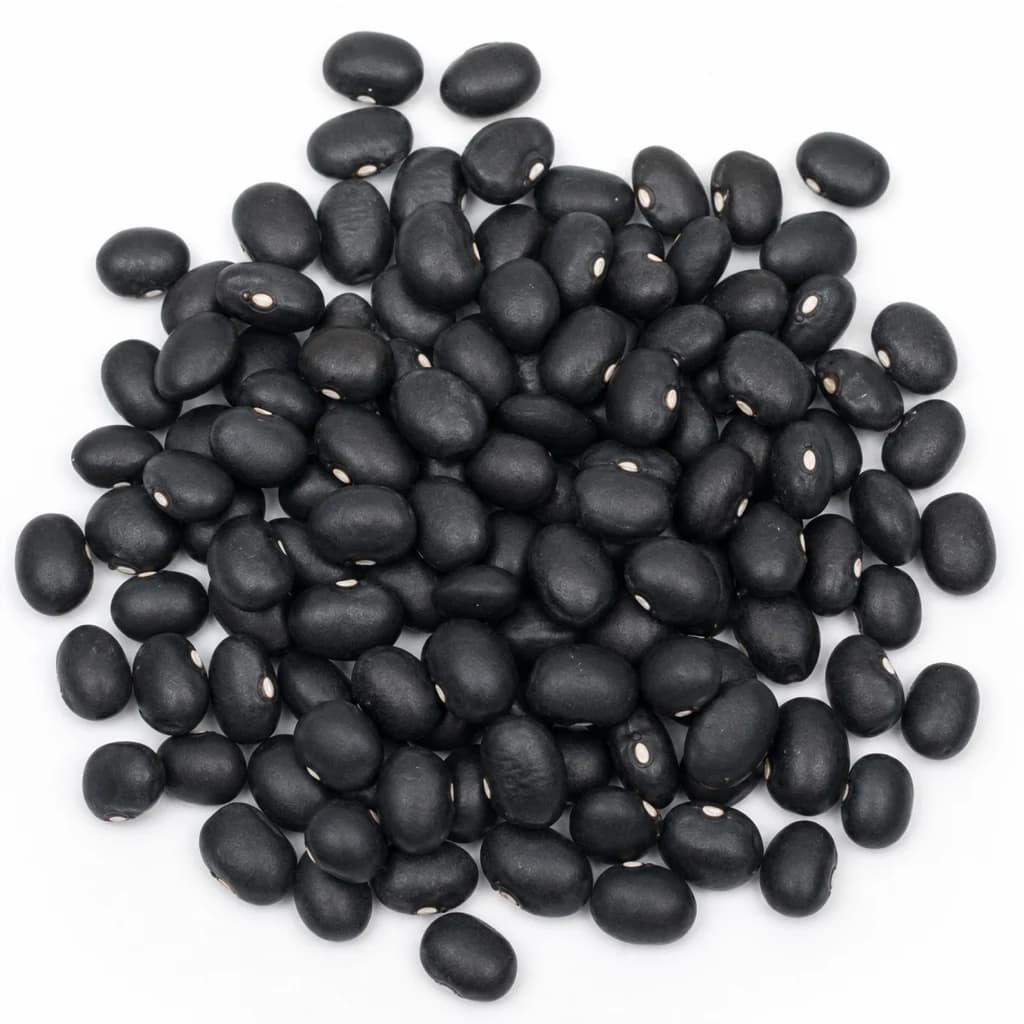
Black Beans
Earthy, creamy beans for bowls, soups, and tacos
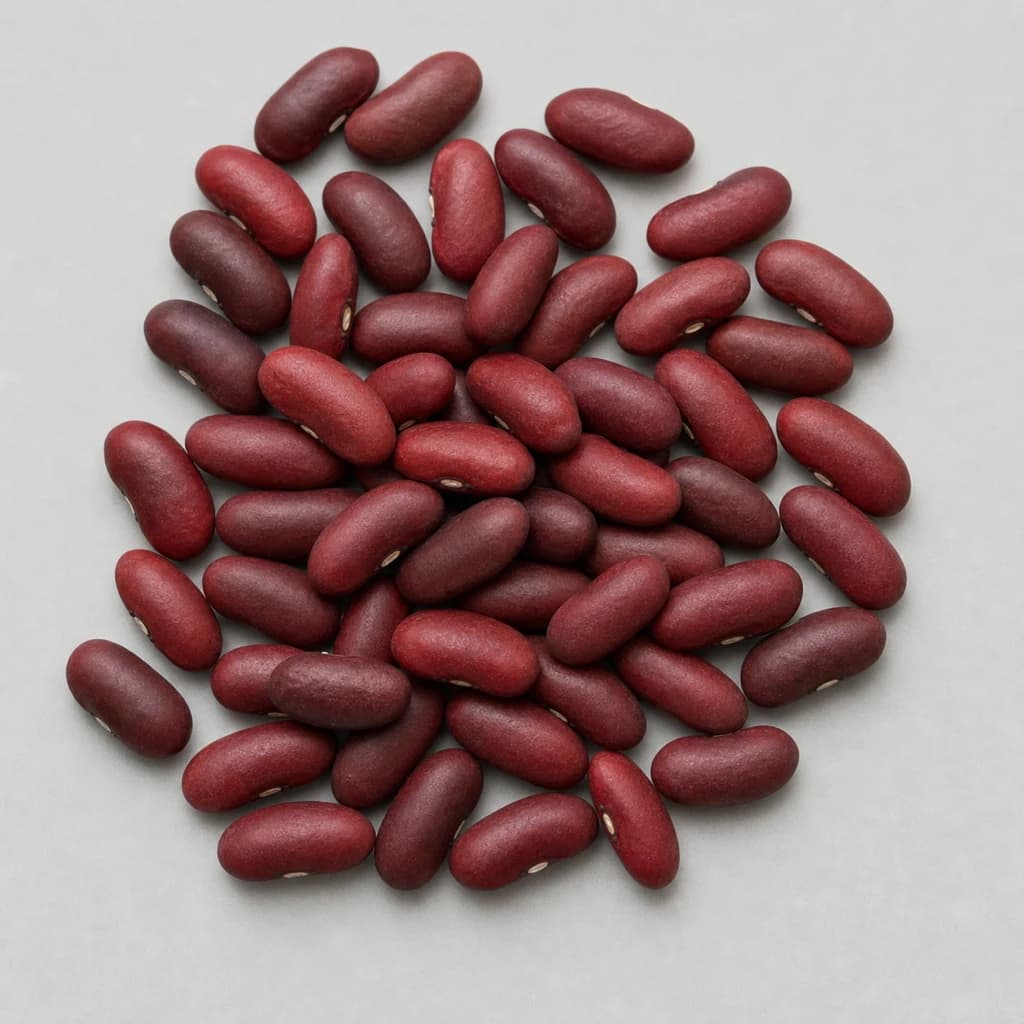
Kidney Beans
Hearty red beans that hold their shape in chili and stews
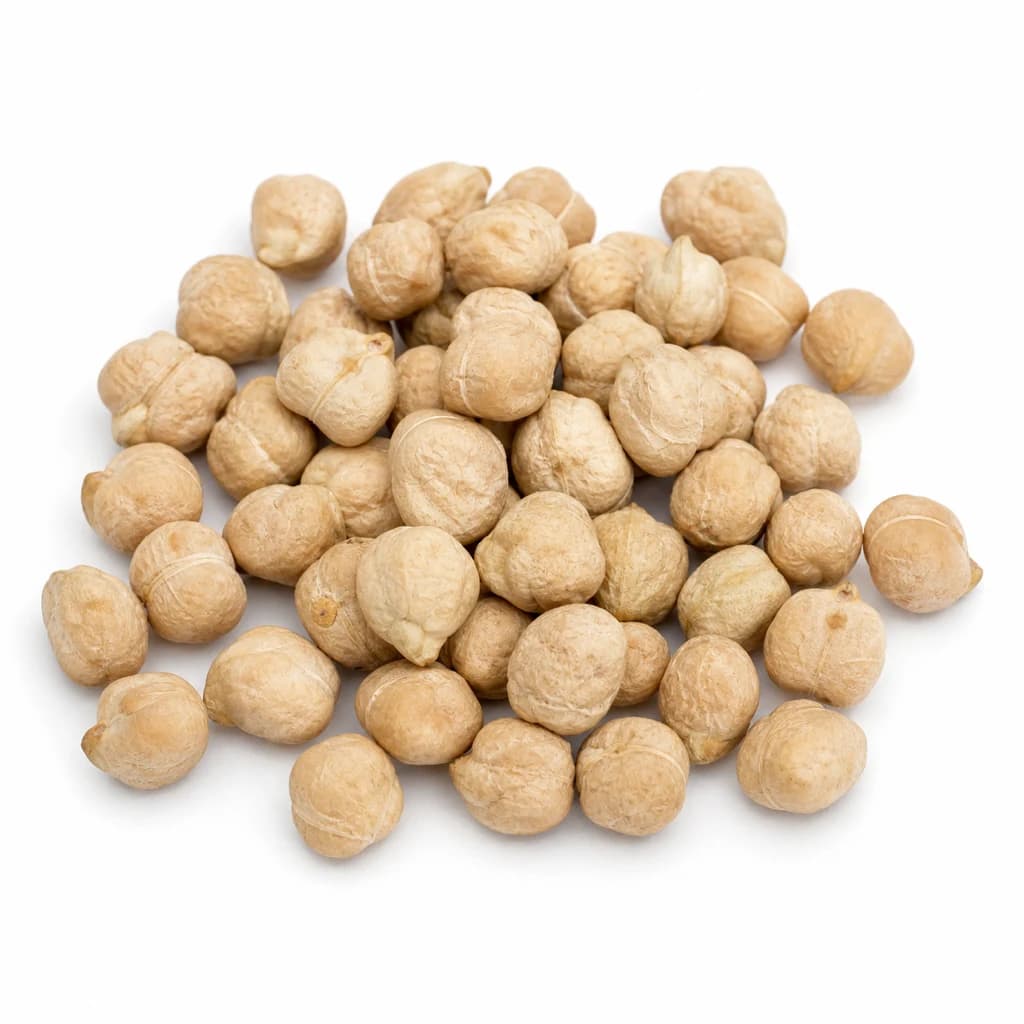
Chickpeas
Nutty, versatile beans for hummus, curries, and roasting
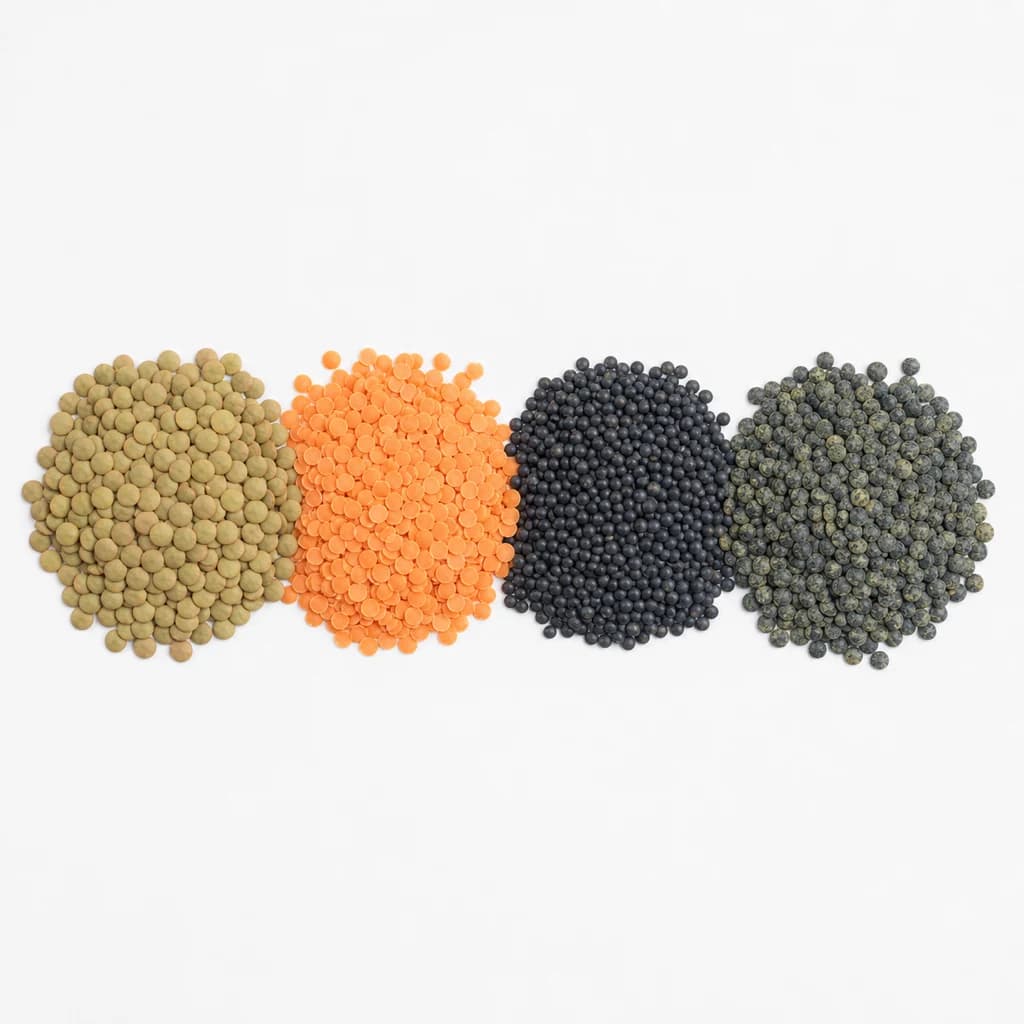
Lentils
Quick-cooking pulses for soups, dals, and hearty salads

White Beans
Creamy, mild beans for soups, stews, and silky purées
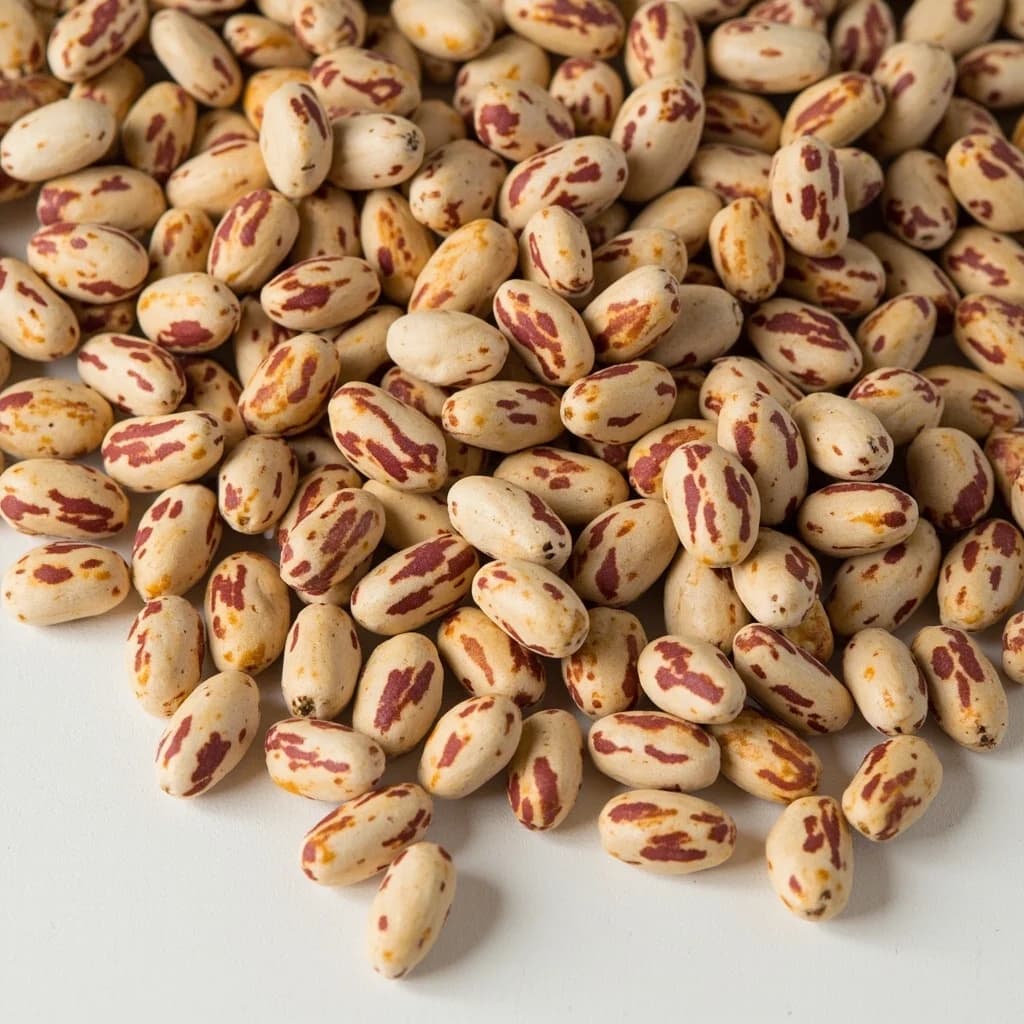
Pinto Beans
Creamy, speckled beans for refried beans and stews

Split Peas
Quick-cooking peas that melt into thick, comforting soups
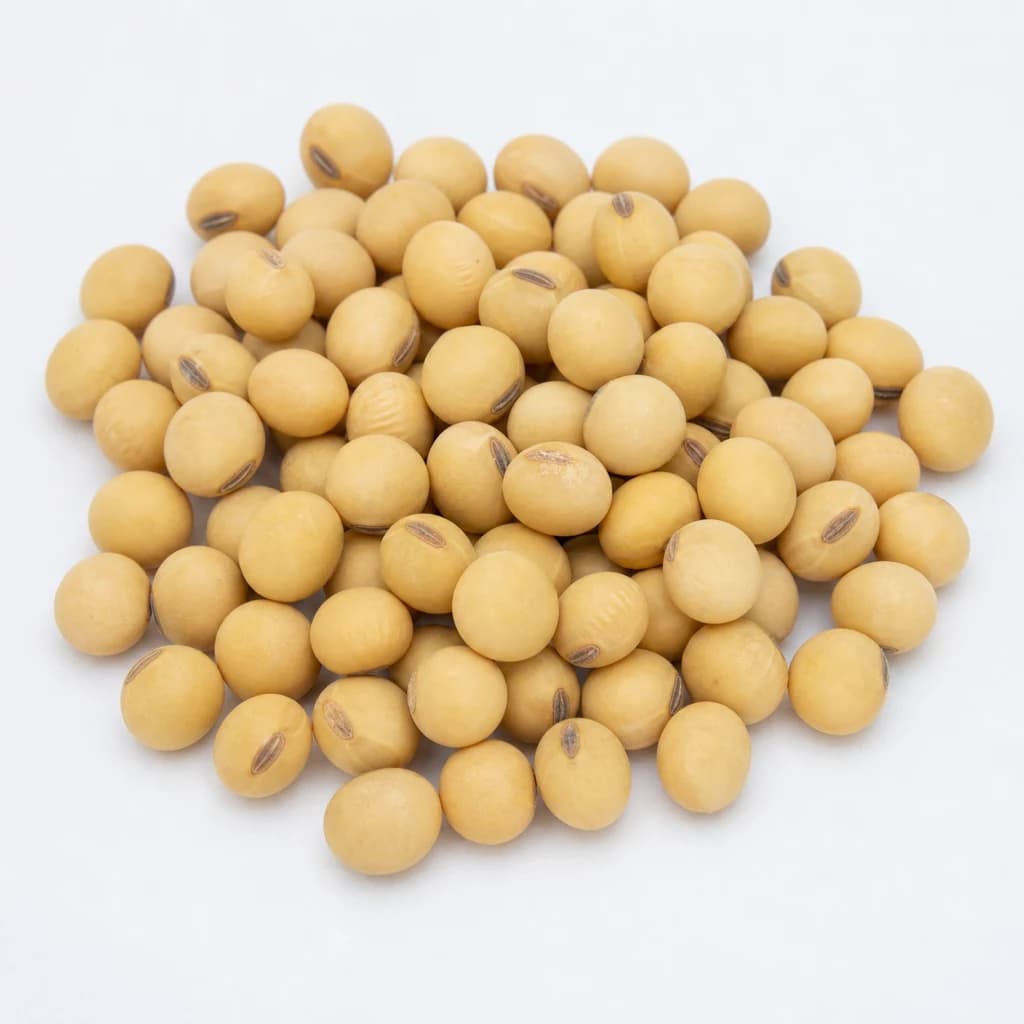
Soybeans
Protein-packed beans, the base for tofu and miso