Legumes & Beans
Brown Lentil
Everyday whole lentil that holds a soft shape in soups, stews, and lentil curries.
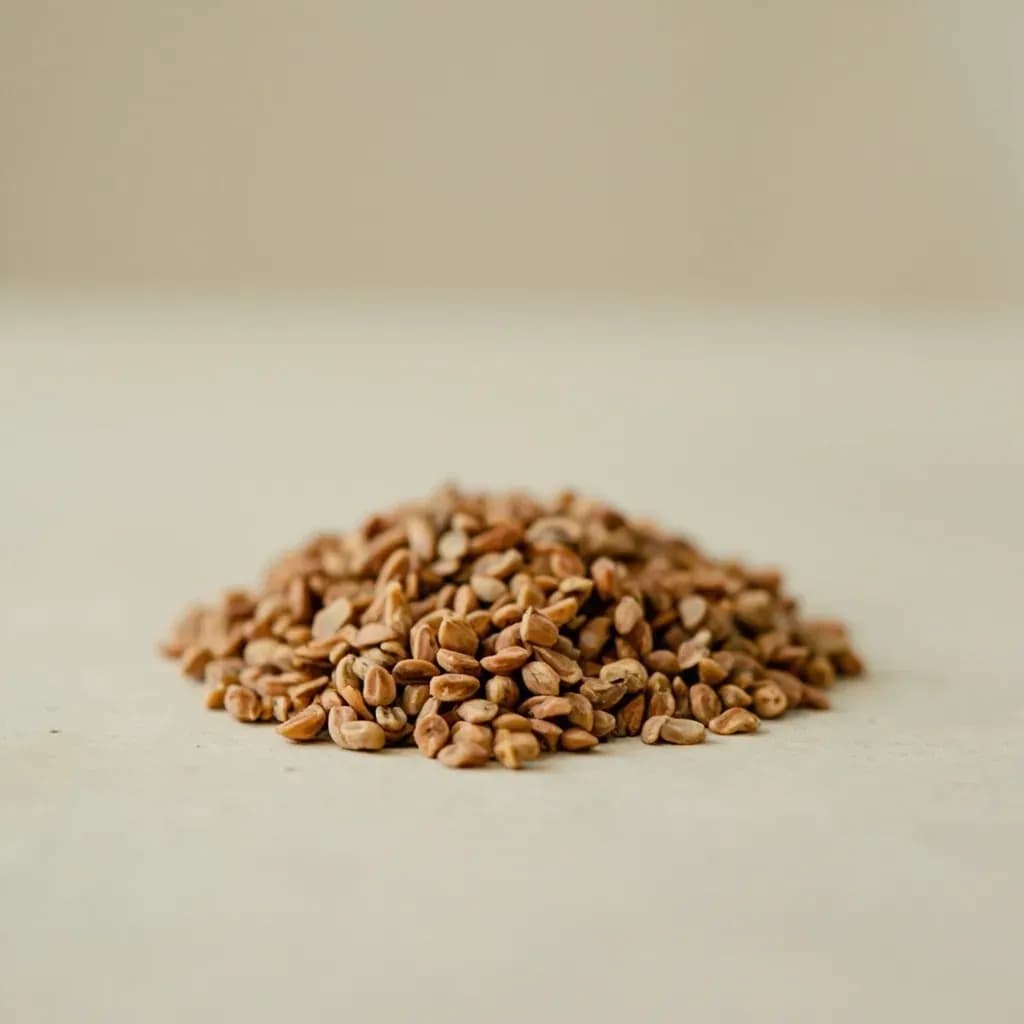
Brown lentils are the most common everyday lentil, with an earthy, mild flavor and a tender texture that holds together when not overcooked. They need no soaking and cook in about 20–30 minutes, making them ideal for soups, stews, lentil curries, and salads. They readily absorb the spices and aromatics they are cooked with.
Brown lentils are the workhorse of the legume pantry—small, brownish‑tan seeds of Lens culinaris that cook to a tender, slightly earthy bite without holding their shape as firmly as green lentils. Cultivated since Neolithic times (~8000 BCE) in the Fertile Crescent, they are now one of the world’s most important food crops, with major production in India, Turkey, Canada, and the United States. Their mild, slightly peppery flavor and soft texture make them exceptionally adaptable to soups, stews, curries, and side dishes.
Unlike red or yellow lentils, which are dehulled and split and collapse into a smooth purée when cooked, brown lentils retain some structure—though they break down more readily than green or French lentils. This behavior makes them ideal for building body in rustic soups and stews, where their softening contributes thickness and body to the broth. In North American supermarkets the term “brown lentil” typically refers to the green‑brown variety, though German brown and Eston varieties offer slightly different textures and regional character.
Brown lentils require no soaking, cook in 20 to 35 minutes, and are among the most inexpensive sources of plant protein—about 18 g of protein per 100 g of dried lentils. Their shelf life is up to 12 months stored dry in a cool, dark place, though older lentils cook noticeably slower and may never achieve the tender bite of fresher stock. A single cup of dried lentils (about 7 oz / 200 g) yields 2 to 2½ cups of cooked lentils, making them an efficient foundation for countless meals.
- Measured in
- g
- Storage
- Pantry
Types & varieties
The most common supermarket variety; slightly olive‑brown, widely available in bulk and bags
A darker brown variant popular in Central European cuisine; slightly firmer texture when cooked
A small, brown Canadian variety; reliable even cooking and mild flavor
Common uses
Tips & pitfalls
- Always rinse sorted lentils in cold water before cooking to remove dust and any small debris
- Sort through the dried lentils before rinsing—occasionally a small stone or discolored lentil slips through processing
- Do not add salt or acidic ingredients (tomatoes, vinegar, citrus juice) until the lentils are fully cooked; acid hardens the exterior and dramatically slows cooking
- Add aromatics like bay leaves, garlic, or whole peppercorns to the cooking water for subtle flavor infusion
- For firmer texture in salads, undercook slightly (start tasting at 18 minutes) and drain immediately
- Brown lentils foam less during cooking than red or yellow lentils, but skim any foam in the first few minutes for a clearer broth
- If lentils are old (more than a year), they may take 50 % longer to cook; consider adding a splash of oil to the water to reduce foaming and speed softening
- Leftover cooked brown lentils freeze exceptionally well in portioned containers for quick weeknight meals
- For smoother purées or spreads, cook until very tender (35+ minutes) then blend while hot
Nutrition
Energy
1473 kJ · per 100 g
Where the calories come from
Protein
24.6g
49% DV
Carbs
63.4g
23% DV
Fat
1.1g
1% DV
Fiber
10.7g
38% DV
Sugars
2g
of which
Sodium
6mg
0% DV
Source · USDA FoodData Central · Lentils, raw
View on FDC →In the shops
Matched grocery products
No matched grocery products for Brown Lentil yet.
Good to know
- Scientific Name
- Lens culinaris (brown cotyledon type)
- Origin
- Cultivated since Neolithic times (~8000 BCE) in the Fertile Crescent; now widely grown in India, Turkey, Canada, and the United States
- Color
- Brownish‑tan to olive‑brown exterior with a pale interior
- Typical Size
- ¼ to ⅜ inch diameter (small)
- Flavor
- Earthy, mildly nutty, slightly peppery; subtle compared to green or black lentils
- Texture When Cooked
- Tender but holds a loose shape; becomes softer and more prone to breaking than green lentils
- Cooking Time (dried)
- 20 to 35 minutes depending on age and variety; older lentils cook slower
- Soaking
- Optional; soaking 1–2 hours reduces cooking time by 10–15 minutes but is not required
- Shelf Life (dried)
- Stored in a cool, dry place: up to 12 months; flavor and cooking quality decline after this
- Shelf Life (cooked)
- Refrigerate in an airtight container for up to 5 days; freeze for up to 3 months
- Yield
- 1 cup dried (about 7 oz / 200 g) yields 2 to 2½ cups cooked
- Protein Content
- About 18 g protein per 100 g dried (26 % by dry weight)
- Primary Forms
- Whole dried (most common); also sold pre‑washed, pre‑sorted in sealed bags
- Cost
- One of the most affordable protein sources per pound
Substitutes
- Green Lentils — Closest substitute; holds shape better and has a slightly more robust earthy flavor. Cooking time is similar, about 25–30 minutes.
- French Green Lentils (Le Puy) — More expensive; hold their shape exceptionally well and have a peppery flavor. Better for salads than soups. Cooking time is 25–35 minutes.
- Black Beluga Lentils — Smaller, richer flavor, and hold their shape very firmly. Cooking time 20–25 minutes. Use in soups where you want distinct, intact lentils.
- Canned Brown Lentils — Pre‑cooked; rinse and drain before using. They will be softer and more broken than home‑cooked. Acceptable in soups and purées.
Pairs with
Also called
Ads · Brown Lentils
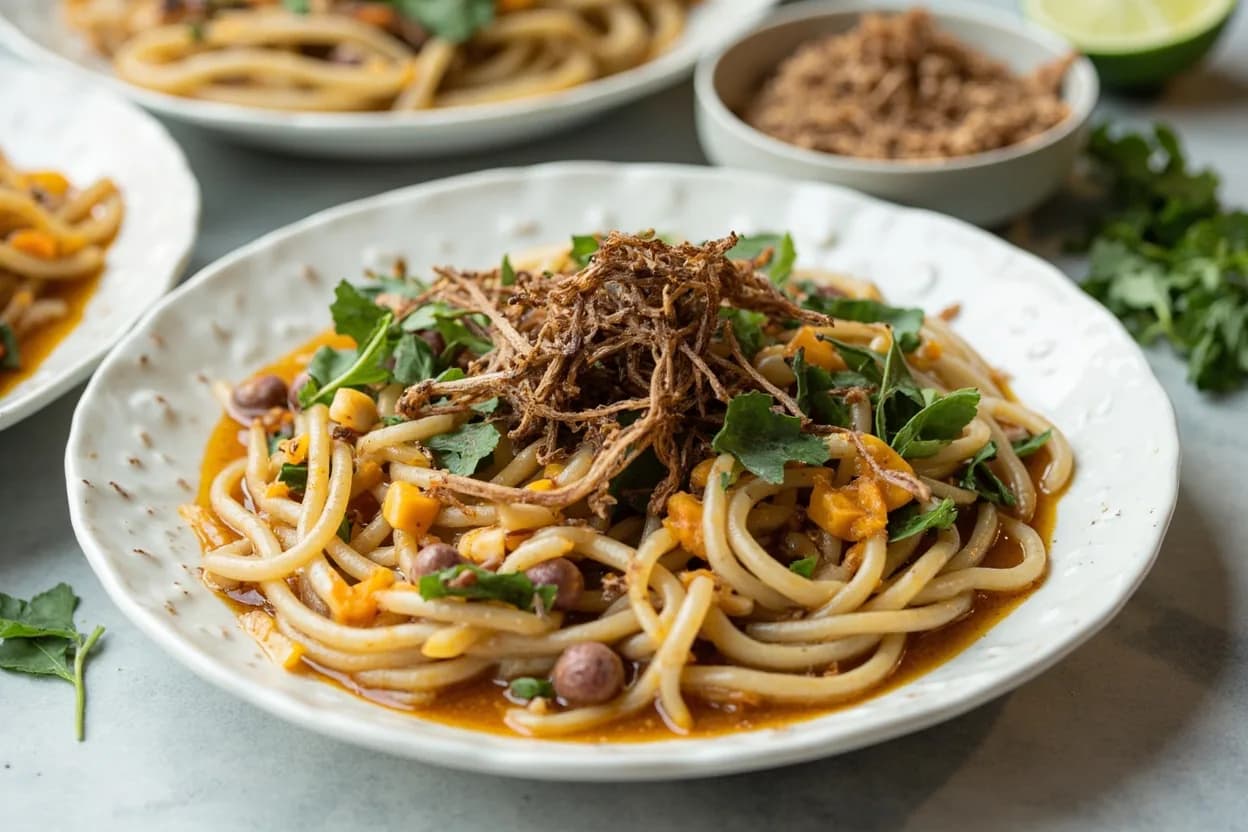
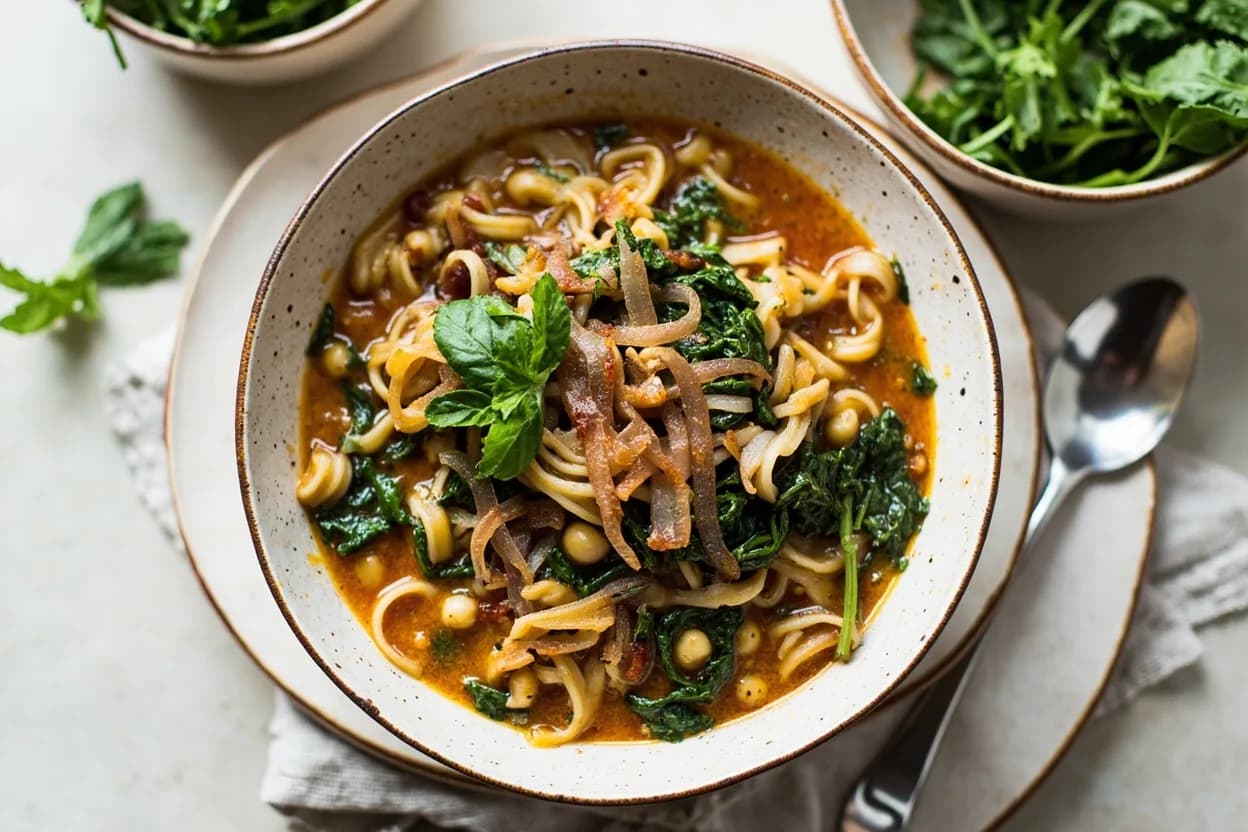
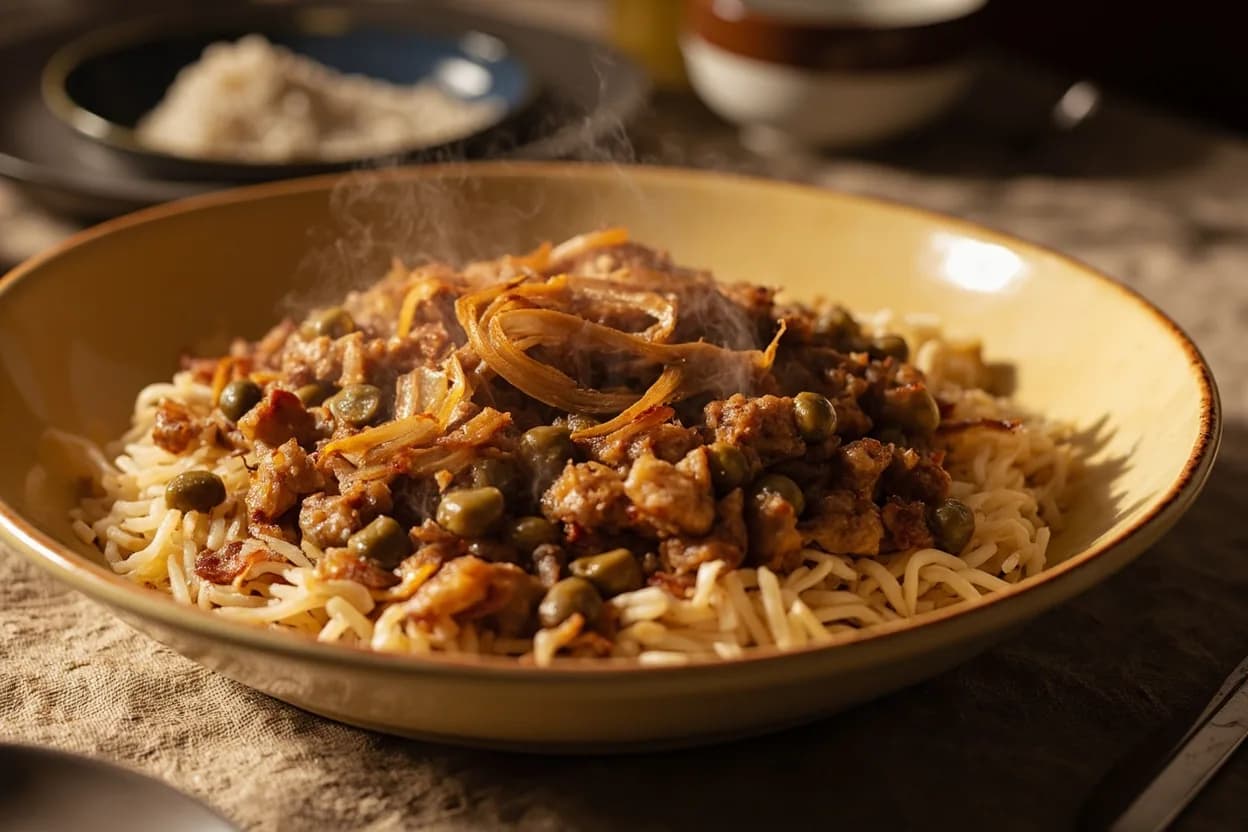
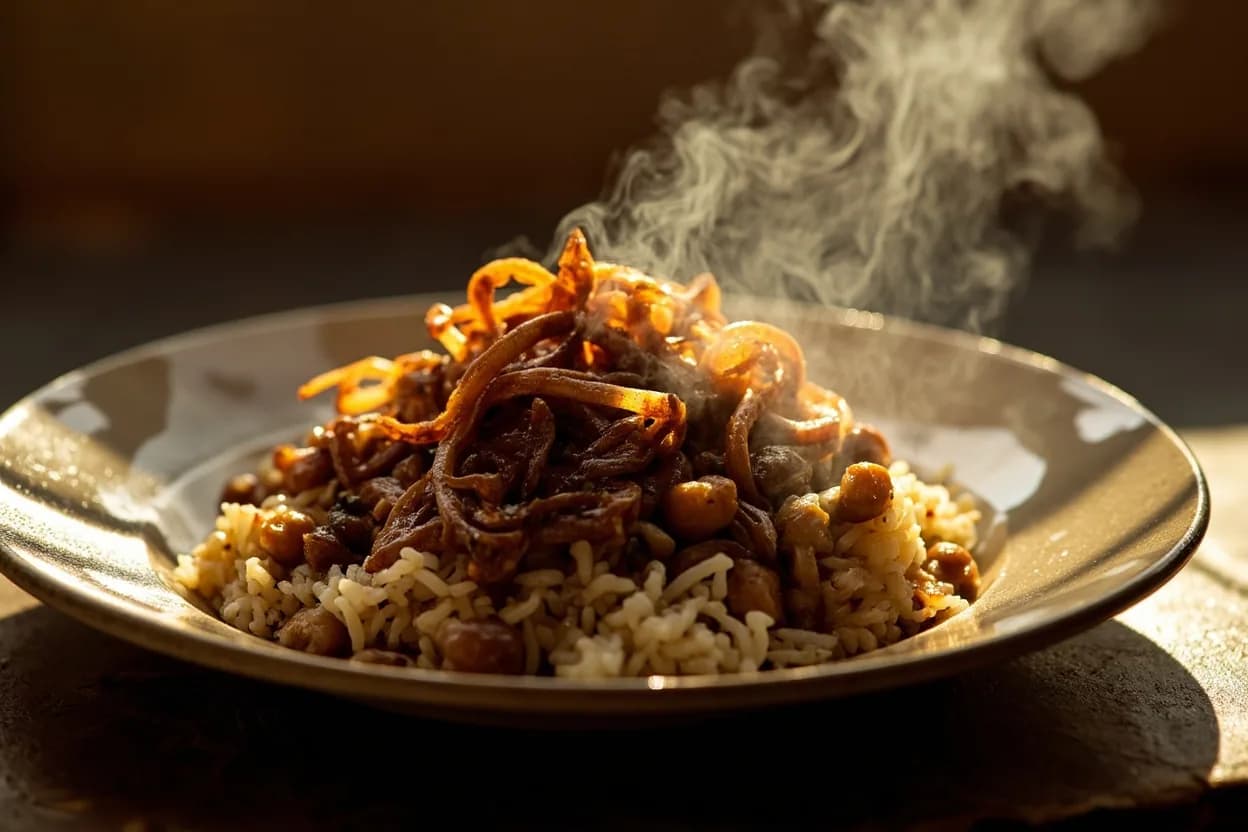
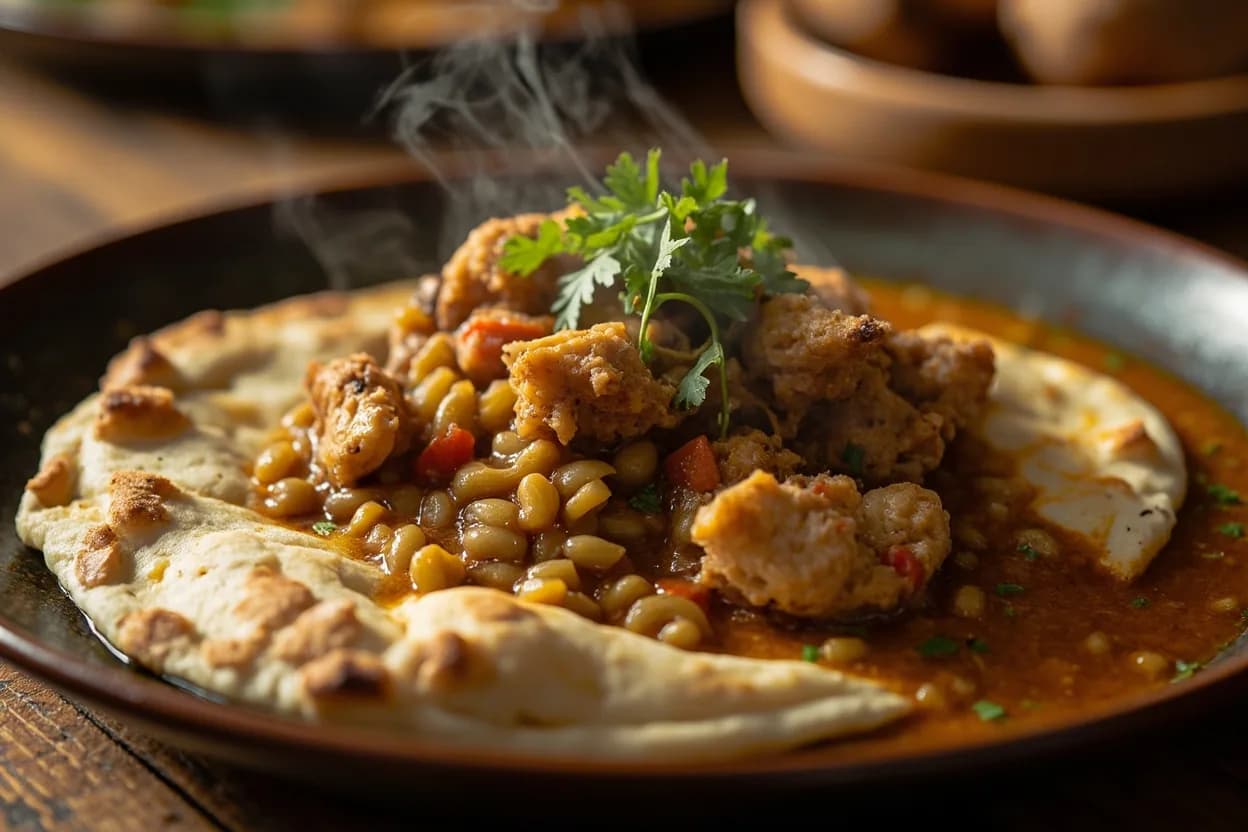
Appears in these dishes
Related
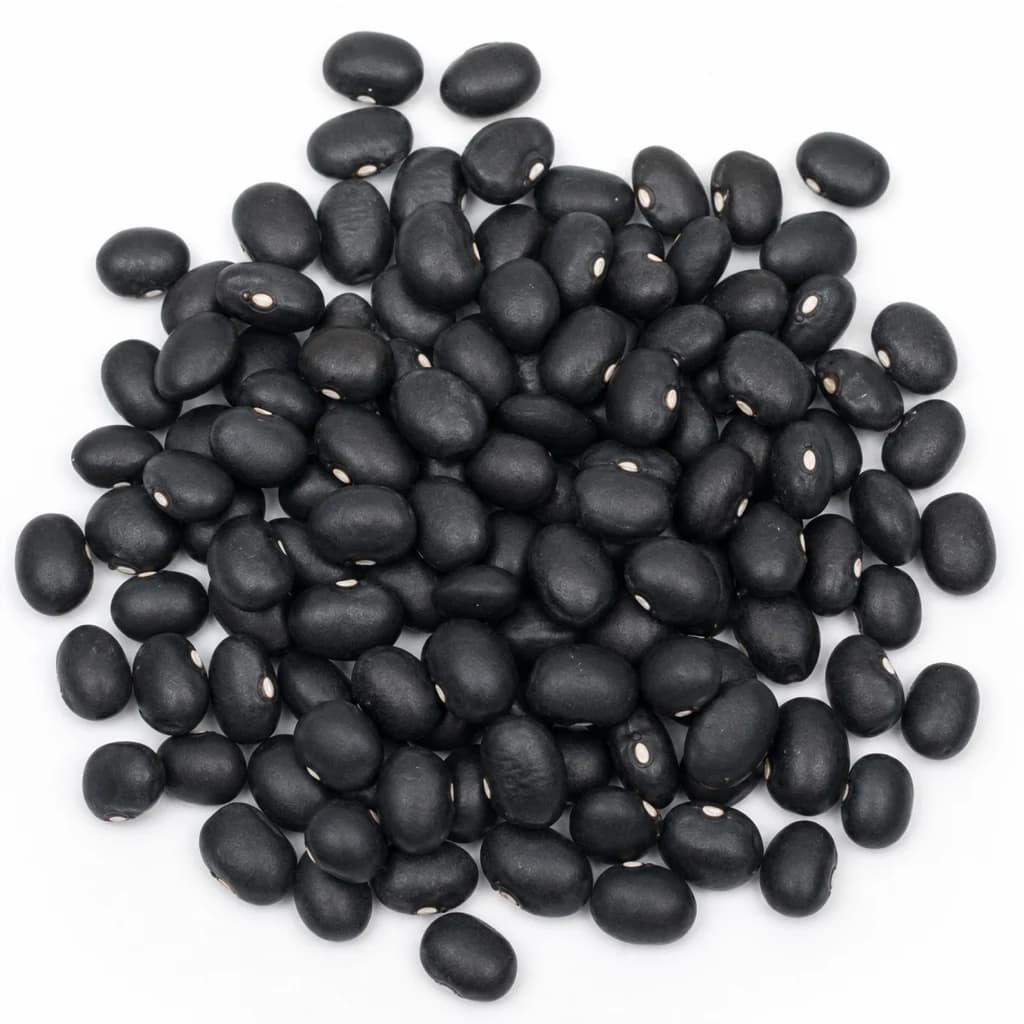
Black Beans
Earthy, creamy beans for bowls, soups, and tacos
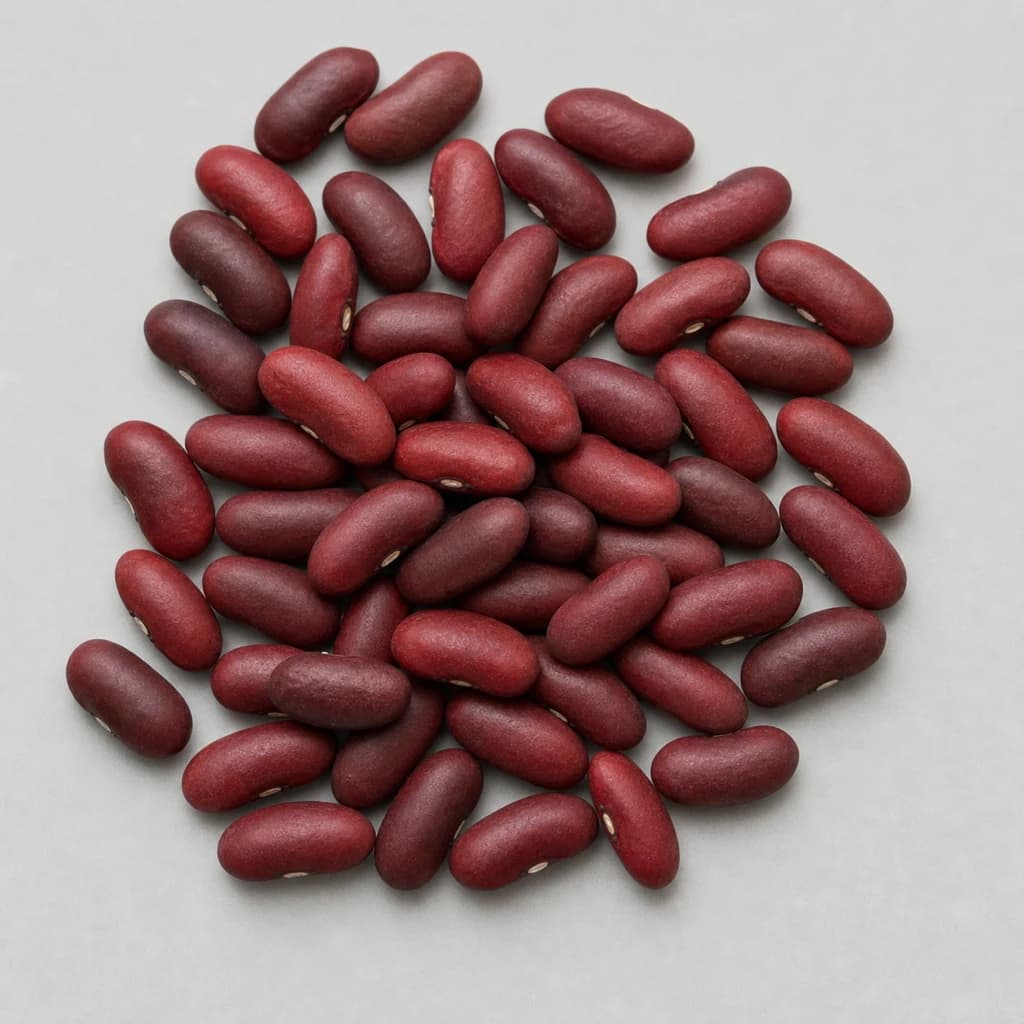
Kidney Beans
Hearty red beans that hold their shape in chili and stews
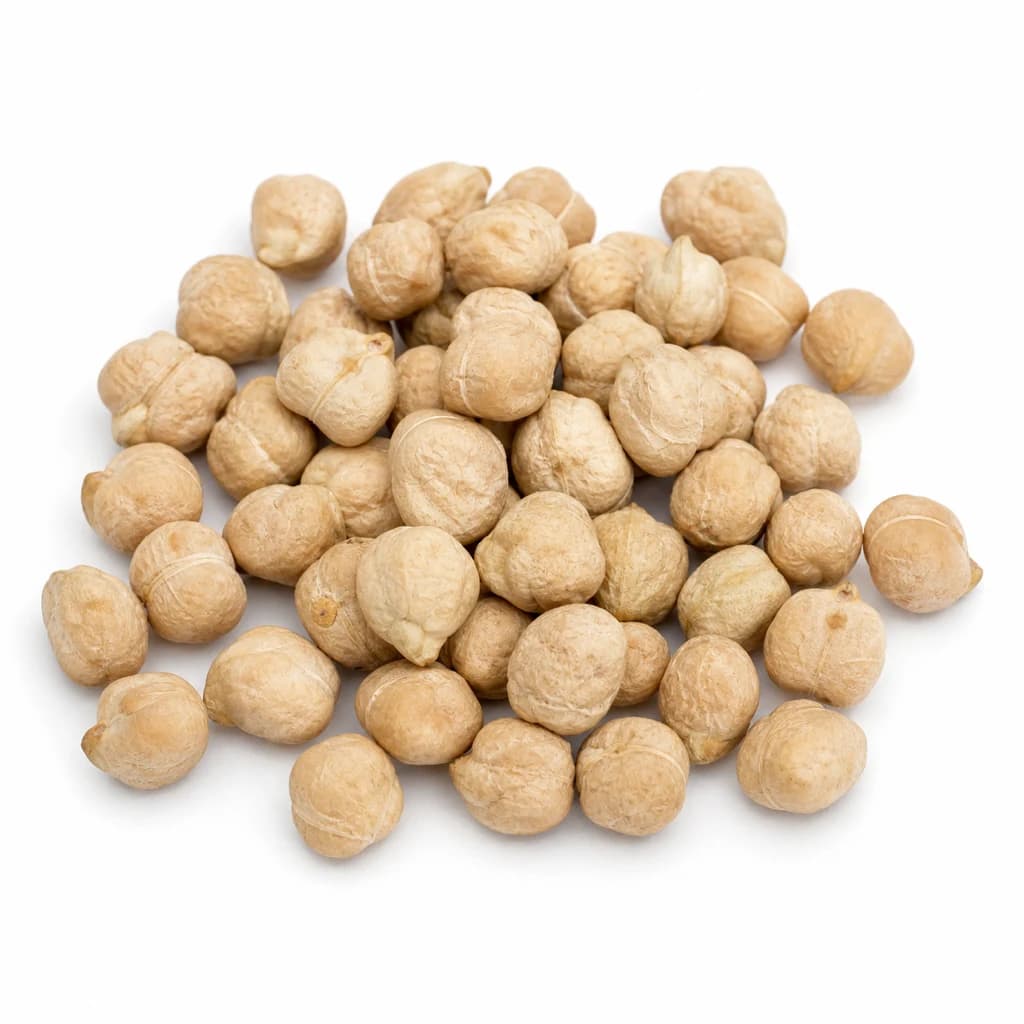
Chickpeas
Nutty, versatile beans for hummus, curries, and roasting
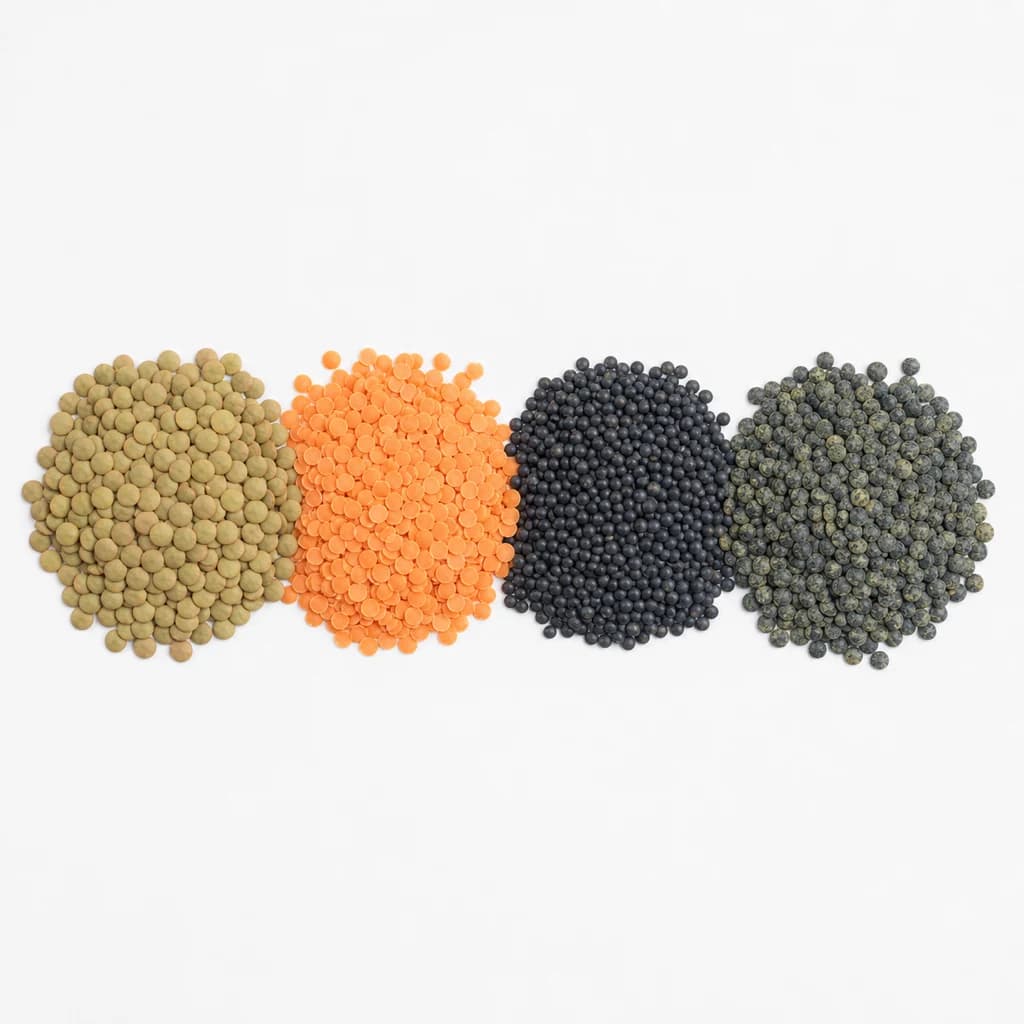
Lentils
Quick-cooking pulses for soups, dals, and hearty salads

White Beans
Creamy, mild beans for soups, stews, and silky purées
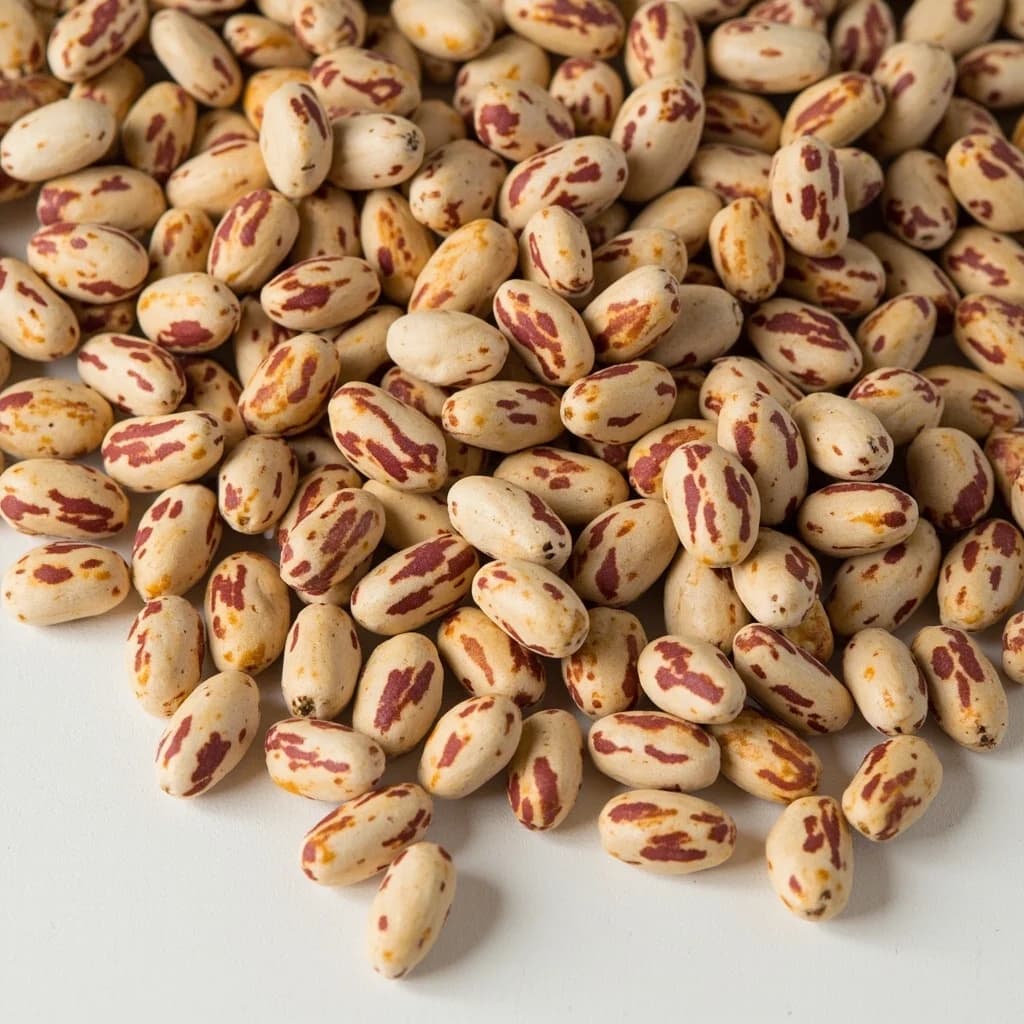
Pinto Beans
Creamy, speckled beans for refried beans and stews

Split Peas
Quick-cooking peas that melt into thick, comforting soups
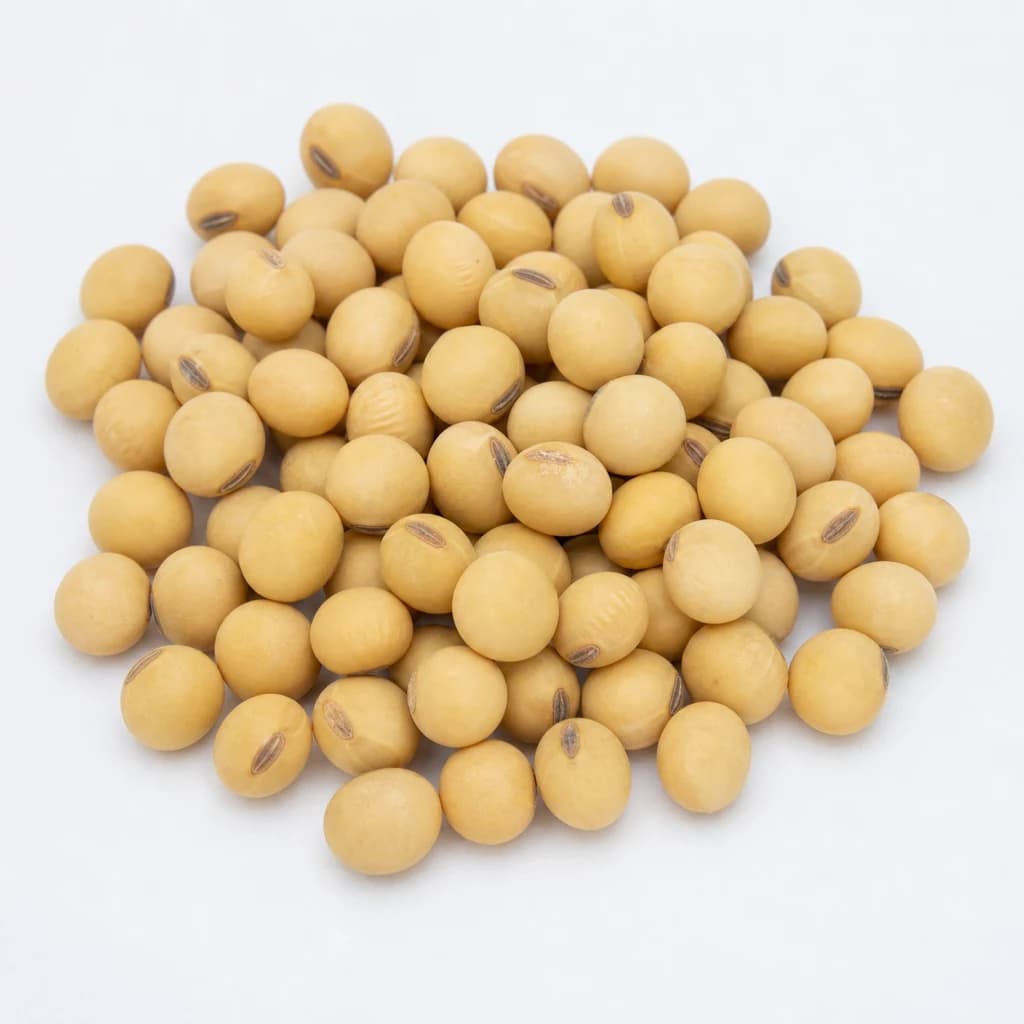
Soybeans
Protein-packed beans, the base for tofu and miso