Legumes & Beans
Black Gram (Urad Dal)
Small black-skinned lentil central to Indian dals, idli, dosa, and creamy dal makhani.
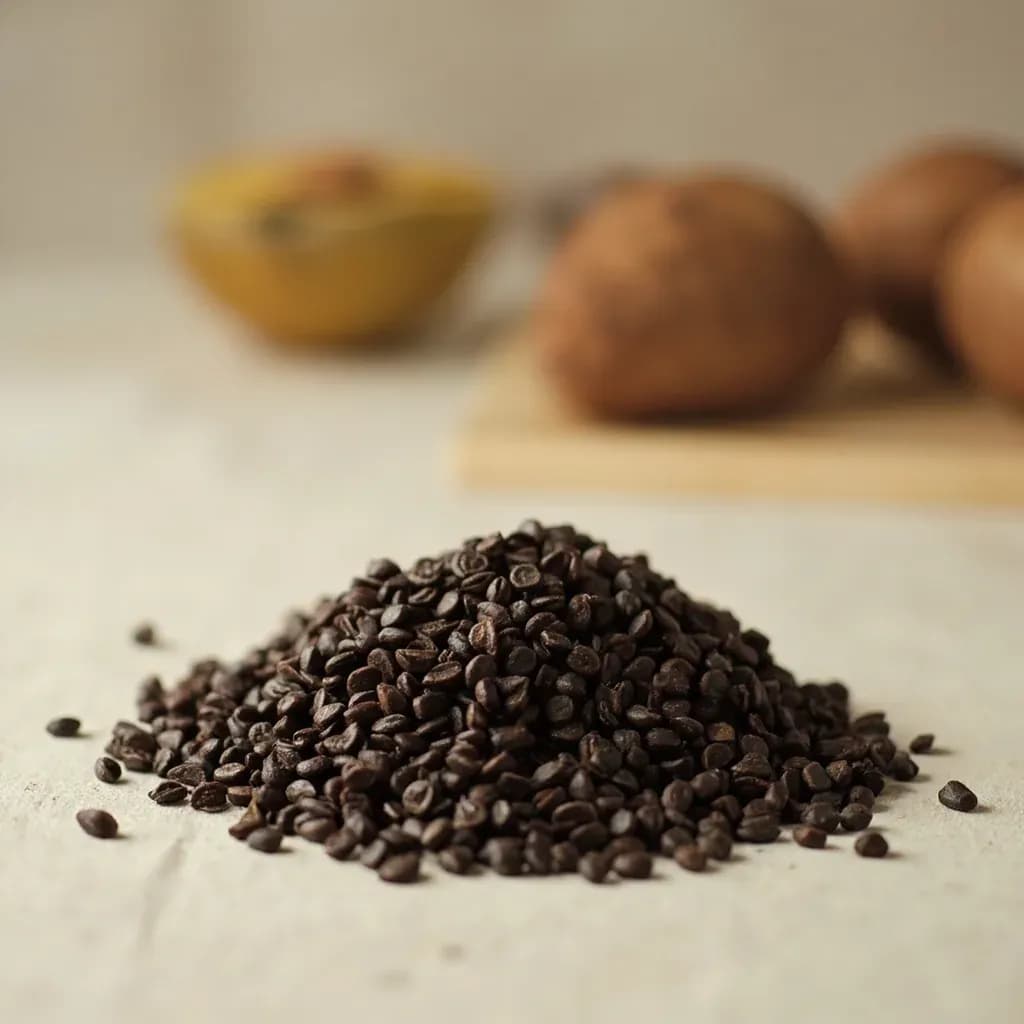
Black gram is a small legume with a black seed coat and creamy white interior, sold whole or split (urad dal). It is a cornerstone of South Asian cooking, ground for the fermented batters of idli and dosa and simmered whole into rich, buttery dal makhani. Cooked black gram has a mucilaginous, smooth texture prized for thickening.
Black gram (Vigna mungo) is technically a bean, not a lentil—though it is universally grouped with India's dals. This small, dull-black legume with a white interior when split is one of the most nutritionally dense pulses in South Asian cooking, prized for its exceptional ability to ferment readily and release starch into a creamy, almost sauce-like consistency when cooked slowly. Its high protein content (24–26 g per 100 g dried) and iron levels make it a cornerstone of vegetarian diets across the subcontinent.
What sets urad dal apart from other legumes is its dual personality in the kitchen: it is the only dal that ferments reliably enough to leaven batters, making it indispensable for South Indian staples like idli and dosa, while also producing the luxuriously creamy texture that defines Punjabi dal makhani. The black skin—retained in whole and chilka varieties—contains the highest concentration of iron and fiber; removing it (as with dhuli urad) sacrifices some nutrition for a smoother texture and faster cooking time. Understanding which variety to use for which purpose is the key to working with this ingredient effectively.
Urad dal behaves differently from true lentils: it requires longer soaking (minimum 6 hours, overnight preferred) and longer cooking to break down antinutrients and achieve the desired tenderness. Once cooked, it holds its shape well in tempering dishes but readily disintegrates into creaminess when simmered with fat over extended time. In Ayurvedic tradition, urad dal is classified as a warming food and is often balanced with cooling rice or wheat to create complete proteins.
- Measured in
- g
- Storage
- Pantry
Types & varieties
Retains black skin entirely; used for dal tadka, kebabs, and hearty preparations; requires longer soaking (8+ hours) and cooking; delivers robust, earthy flavor and firm texture
Split but skin intact; the most common form for everyday dal; balances texture, nutrition, and cooking time
Split and skin completely removed; bright white color; produces smooth batter for idli, dosa, and ultra-creamy dal makhani; cooks fastest of the three main varieties
Ground from roasted split urad; used for papad, pakora batters, and as a thickening agent
The Fermentation Advantage
Urad dal is unique among legumes for its reliable fermentation profile. When soaked and ground into a batter, the natural bacteria present on the dal's surface consume the starches and produce carbon dioxide—creating the leavening that makes idli fluffy and dosa crisp. This fermentation also reduces antinutrients like phytates and lectins, improves digestibility, and generates beneficial B vitamins. The fermentation process requires consistent warmth (80–85°F); in cool kitchens, placing the batter near the stove or in an oven with the pilot light on works well. Using warm water or a warm spot to speed fermentation introduces inconsistency and risks unwanted bacterial growth. True idli and dosa batters require 8–12 hours of fermentation—do not shortcut this time.
- Use cold water when grinding urad dal for fermentation; cold water extracts starch more efficiently
- The batter is properly fermented when it has doubled in volume and smells pleasantly tangy, not sour
- If fermentation stalls in cold weather, place the batter container in a larger vessel filled with warm water
Whole vs. Split: Choosing the Right Variety
The three main forms of urad dal serve different culinary purposes, and substituting one for another will noticeably change your results. Sabut urad (whole with skin) delivers the deepest flavor and firmest texture, making it ideal for dal tadka and meat-like kebab applications where you want the beans to hold their shape. Chilka urad strikes a middle ground—good for everyday dals where you want some creaminess but also textural interest. Dhuli urad is essential for smooth batters (idli, dosa, uttapam) and for the ultra-creamy dal makhani where visual appeal matters. The skin contains most of the iron and fiber, so whole or chilka varieties are nutritionally superior, though dhuli cooks faster and produces smoother textures.
- For idli: always use dhuli urad; skin creates speckled, denser cakes
- For crispy dosa: dhuli urad creates better fermentation and crispier results
- For medu vada: use whole or chilka for structure that holds up during frying
- For dal makhani: dhuli is traditional for a smooth, creamy result; some recipes use sabut for more visual presence in the finished dish
Common uses
Tips & pitfalls
- Soak in generous cold water at a 1:3 ratio for minimum 6 hours; overnight soaking ensures even cooking throughout and nearly halves cooking time
- For smoother idli and dosa batters, use dhuli (skinned) urad; for firmer vada and deeper flavor, use whole or chilka urad
- Add a pinch of baking soda (1/4 teaspoon per cup of dried dal) only if your water is very hard—it softens the beans and reduces cooking time, but is unnecessary with soft water
- Never add salt during initial cooking; salt toughens the skins and can double cooking time—add only when beans are fully tender
- For authentic dal makhani, soak urad dal separately for 8+ hours, then simmer low and slow for 2–3 hours minimum until completely soft and the starch is fully released
- When grinding urad dal for fermented batters, use just enough cold water to create a smooth, fluffy batter that falls off the spoon in ribbons rather than lumps
- The creamy texture in dal makhani comes from starch released from fully cooked urad—do not drain the cooking water; use it as the base of the dish
- Common mistake: Under-soaking and under-cooking—urad dal contains antinutrients (phytates, lectins) that are only reduced by proper soaking and thorough cooking
- Common mistake: Skipping fermentation time—idli and dosa require 8–12 hours for the cultures to develop; rushing produces dense, gummy results
- Common mistake: Using warm water or a warm spot to speed fermentation—this creates uneven results and risks unwanted bacterial growth; always use cold water and maintain consistent ambient warmth instead
- Common mistake: Over-grinding batter for vada—grinding urad dal too fine produces dense, oil-heavy fritters instead of crispy, airy ones
- Common mistake: Discarding cooking water—the starchy liquid is where the nutrition and flavor live; reuse it for dal, soup, or as a cooking liquid
Nutrition
Energy
1473 kJ · per 100 g
Where the calories come from
Protein
24.6g
49% DV
Carbs
63.4g
23% DV
Fat
1.1g
1% DV
Fiber
10.7g
38% DV
Sugars
2g
of which
Sodium
6mg
0% DV
Source · USDA FoodData Central · Lentils, raw
View on FDC →In the shops
Matched grocery products
No matched grocery products for Black Gram (Urad Dal) yet.
Good to know
- Scientific Name
- Vigna mungo (syn. Phaseolus mungo)
- Origin
- Indian subcontinent, cultivated primarily in Punjab, Uttar Pradesh, Andhra Pradesh, and Tamil Nadu
- Appearance
- Small, dull black bean, oval-shaped, 3–4 mm; white interior when split
- Protein Content
- 24–26 g per 100 g dried (among the highest of the dals)
- Iron Content
- Approximately 7 mg per 100 g dried
- Cooking Time
- 30–45 minutes for split (dhuli/chilka); 45–90 minutes for whole beans
- Soaking Time
- Minimum 4–6 hours; overnight yields best results and cuts cooking time nearly in half
- Storage (dried)
- Cool, dark place in airtight container; up to 12 months
- Storage (cooked)
- Refrigerate up to 5 days; freeze up to 3 months
Substitutes
- Masoor Dal (Red Lentils) — Cooks faster and has milder flavor; acceptable for simple dals but lacks the creaminess and fermentation properties needed for idli or dosa
- Mung Dal (Yellow Moong) — Milder and easier to digest; works for khichdi and light dals but cannot be used for fermented preparations
- Moth Dal (Mat Bean) — Similar size and cooking behavior with slightly earthier flavor; acceptable 1:1 substitute for dals but not for idli/dosa batters
- Chana Dal (Split Chickpeas) — More fibrous with longer cooking time; not suitable for idli/dosa; works only for hearty dals where a nuttier flavor is acceptable
- Toor Dal (Arhar) — More commonly used in combination with urad than as a substitute; has a different flavor profile and does not provide the same fermentation or creaminess
Pairs with
Also called
Urad Dal · Biuli · Maa · Sabut Urad · Mash · Whole Black Gram · Split Black Gram · Black Lentil
Appears in these dishes
Related
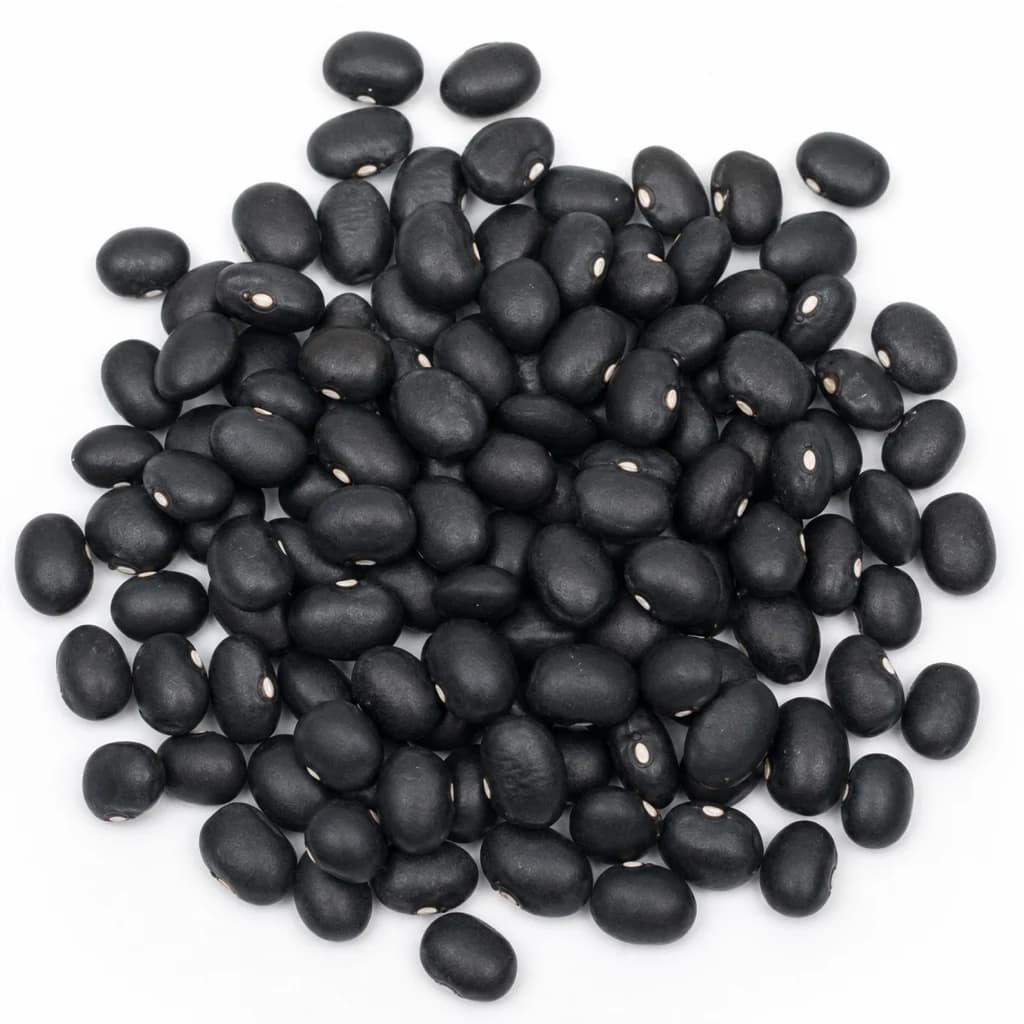
Black Beans
Earthy, creamy beans for bowls, soups, and tacos
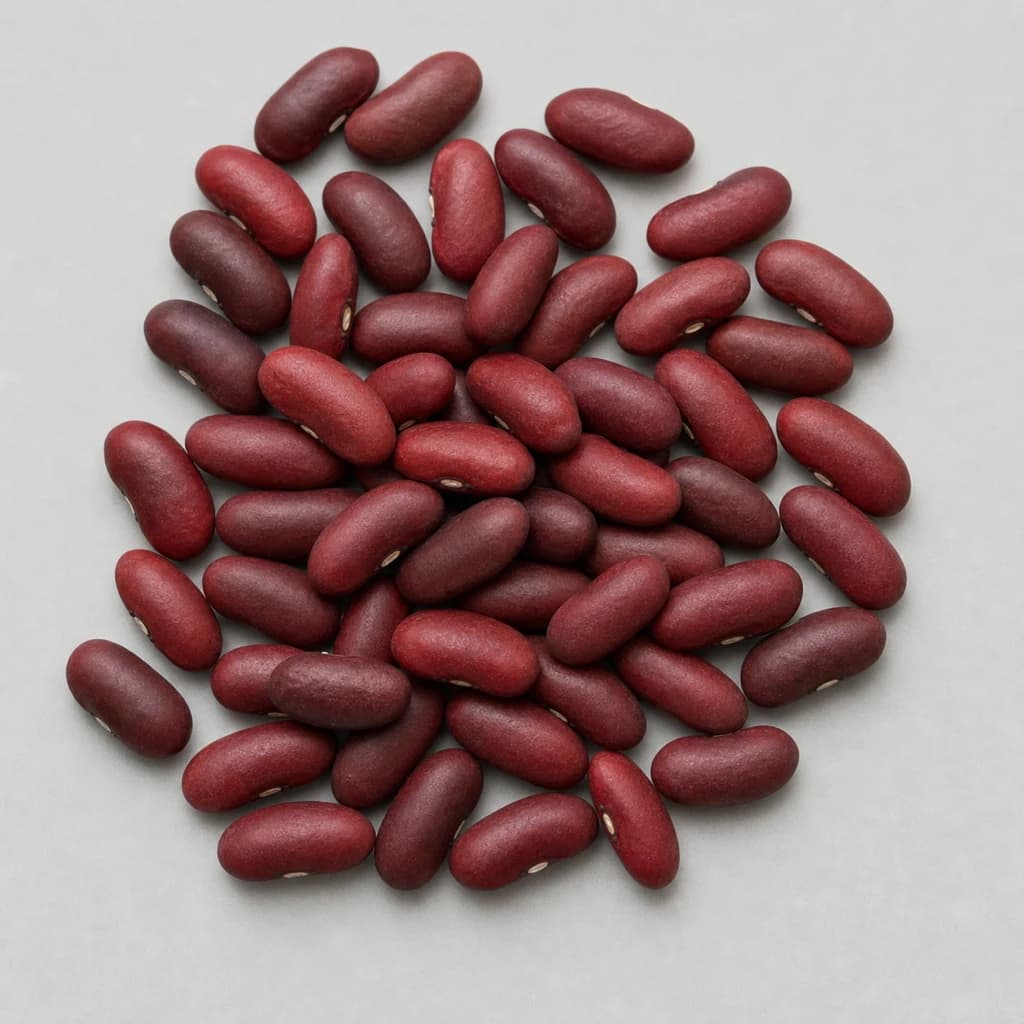
Kidney Beans
Hearty red beans that hold their shape in chili and stews
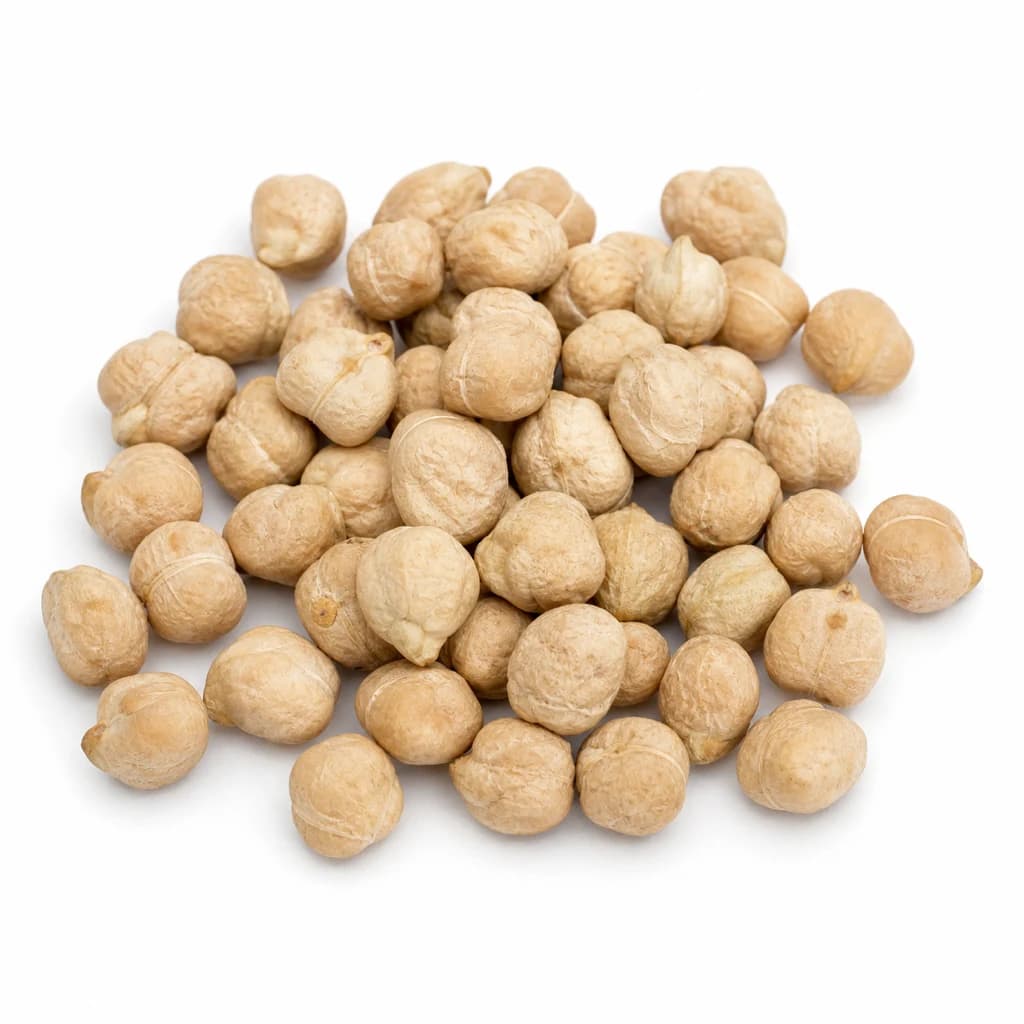
Chickpeas
Nutty, versatile beans for hummus, curries, and roasting
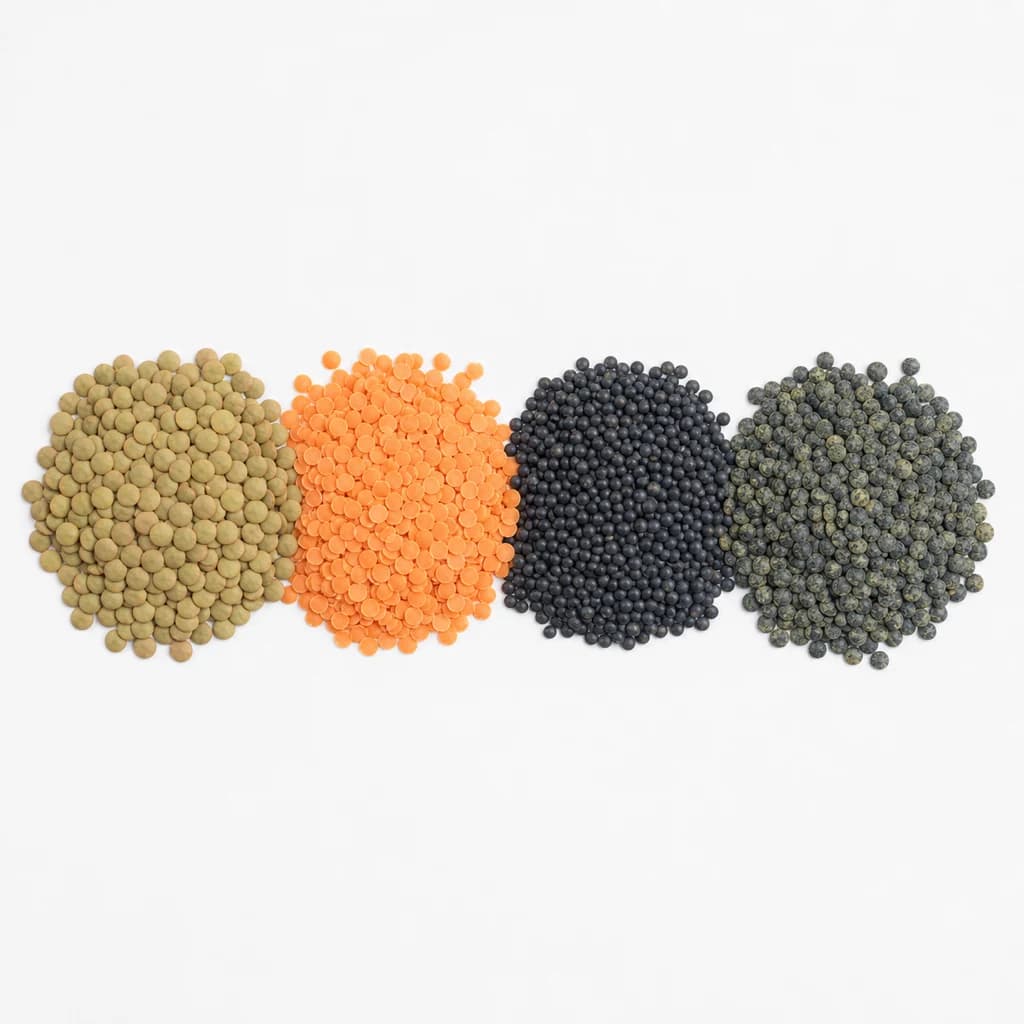
Lentils
Quick-cooking pulses for soups, dals, and hearty salads

White Beans
Creamy, mild beans for soups, stews, and silky purées
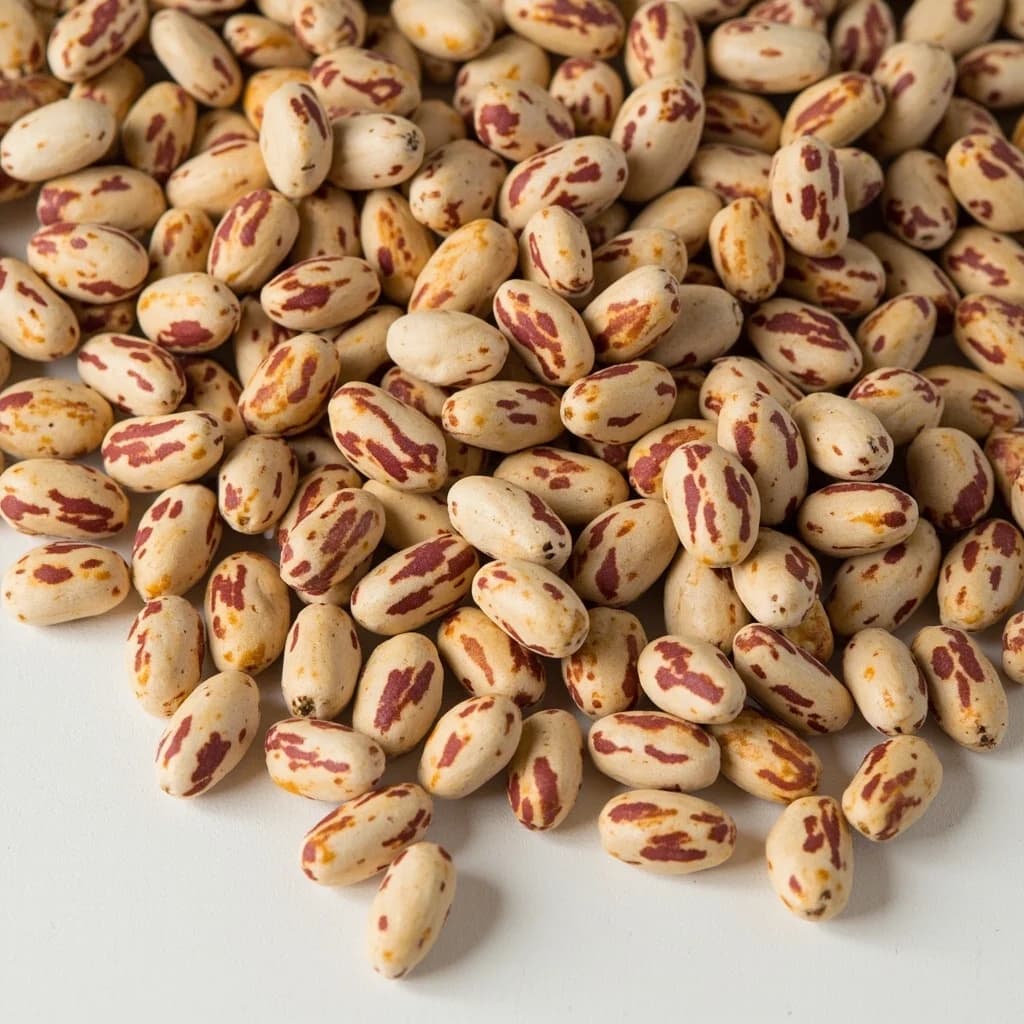
Pinto Beans
Creamy, speckled beans for refried beans and stews

Split Peas
Quick-cooking peas that melt into thick, comforting soups
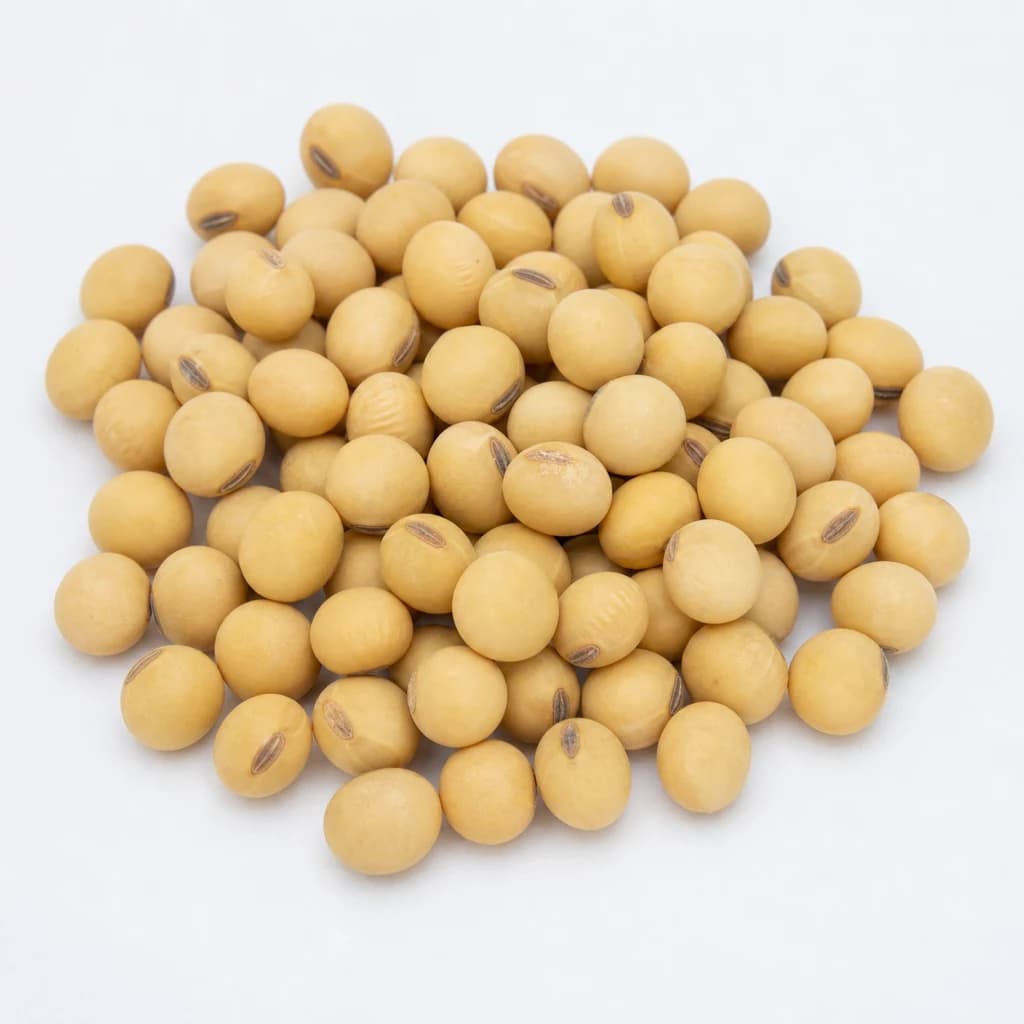
Soybeans
Protein-packed beans, the base for tofu and miso