Legumes & Beans
Split Chickpea
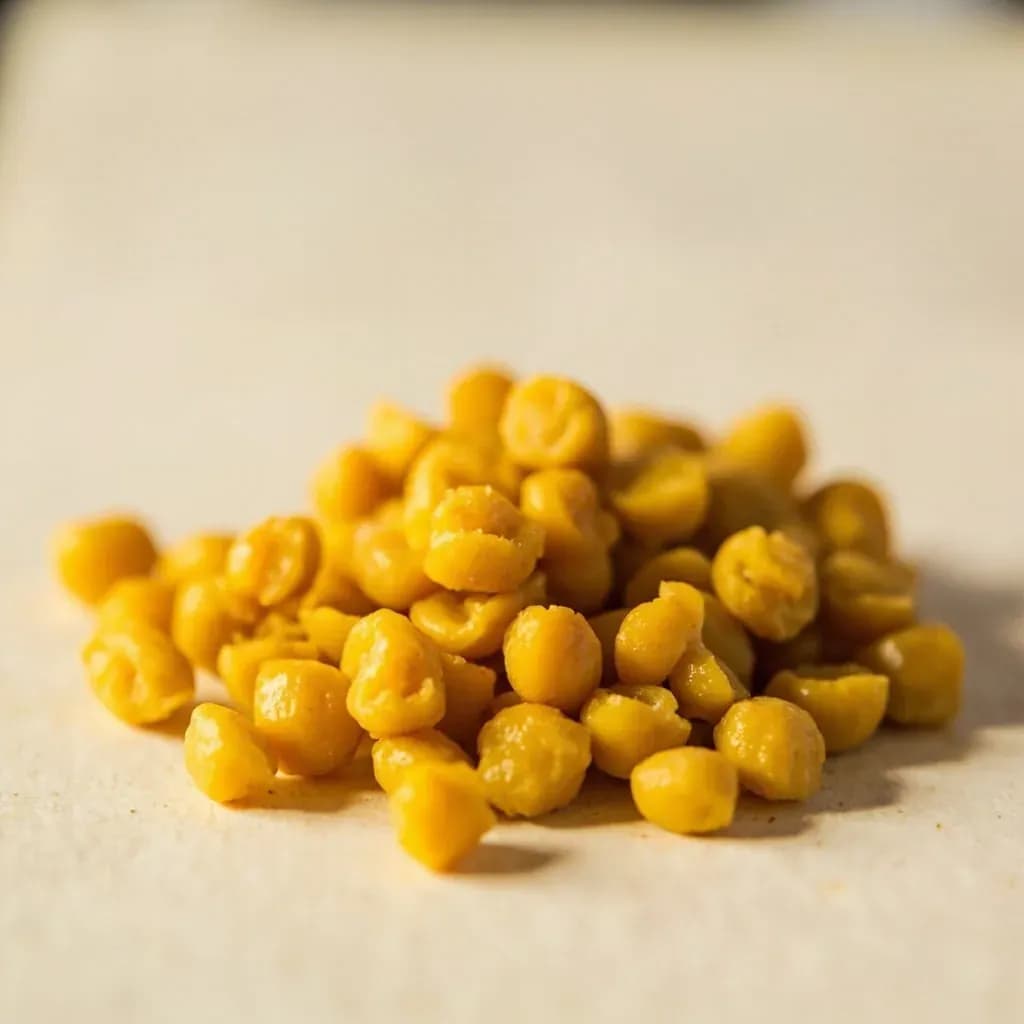
Husked split chickpeas (chana dal) for Indian dals and tempering.
Split chickpeas, known as chana dal, are husked and split brown chickpeas (Bengal gram) with a nutty flavor and firm bite that holds shape in cooking. They are simmered into dals, ground into besan, and toasted as a crunchy tempering element in South Indian dishes. They cook faster than whole chickpeas but slower than red lentils.
Split chickpeas—known as chana dal in South Asian kitchens—are dried, hulled, and split chickpeas that behave fundamentally differently from their whole garbanzo cousins. The hulling and splitting process dramatically shortens cooking time and transforms the legume into something creamier and less mealy. Where whole chickpeas hold their shape through hours of simmering, chana dal softens and breaks down willingly, making it the preferred choice when you want a dal with body and richness rather than intact pulses. The result is a dal that mashes easily and thickens cooking liquid into a velvety stew, which is exactly why it anchors dishes like dal tadka, dal makhani, and South Indian sambar. Chana dal carries a nuttier, slightly sweeter flavor than whole chickpeas, with a clean, earthy legume taste that accepts bold tempering spices without overwhelming them. Two primary varieties circulate in cooking: the bright yellow dal made from white or kabuli chickpeas (the most common, mild-flavored type used across North India) and the darker, smaller black chana dal made from desi chickpeas (earthier and nuttier, prevalent in South Indian cooking). Both cook to a soft, creamy consistency ideal for mashing—a quality that is intentional and desirable, not a sign of overcooking.
- Measured in
- g
- Storage
- Pantry
Types & varieties
Most common variety; made from white or kabuli chickpeas. Bright yellow and mild-flavored; the standard dal for North Indian dishes like dal tadka and chana dal fry.
Made from small black desi chickpeas. Darker, smaller, earthier, and slightly nuttier; common in South Indian cooking, especially in sambar and Pongal.
An alternative name from older and British colonial-era literature; often refers to the split yellow variety in commercial and export contexts.
Chana Dal vs. Whole Chickpeas
Though chana dal and whole chickpeas share the same botanical species, their culinary behavior diverges significantly. Whole chickpeas (kabuli or garbanzo) require long soaking and 1–2 hours of cooking to soften, and they emerge from the pot with intact skins and a mealy, firm interior. Chana dal, already split and hulled, bypasses all of that: it cooks in a fraction of the time and dissolves into a creamy, thickened consistency that is the defining quality of Indian dal. This makes chana dal unsuitable as a direct substitute for whole chickpeas in salads or falafel, and it makes whole chickpeas a poor substitute when a recipe specifically calls for chana dal's thickening and mashing qualities. Think of chana dal as functioning like a true split legume dal—similar in role to toor dal or red lentils—rather than as a chickpea variant.
- Chana dal cooks in 15–45 minutes; whole chickpeas need 1–2 hours
- Chana dal breaks down and thickens; whole chickpeas hold their shape
- They are interchangeable in flavor but not in texture or cooking behavior
- Chana dal is the ingredient of choice when a recipe calls for mashing or thickening with dal
Common uses
Tips & pitfalls
- Always sort through and rinse dried dal before cooking; small stones occasionally remain after processing
- Soaking 4–8 hours cuts cooking time roughly in half and improves digestibility—worth the small advance planning
- Add salt only at the end of cooking; salting early toughens the dal and significantly lengthens cooking time
- Cook until fully tender with no bite; undercooked chana dal causes digestive discomfort more reliably than other dals
- For a restaurant-style creamy texture, mash a portion of the cooked dal against the side of the pot with a wooden spoon before finishing
- Watch carefully once dal begins to soften—it can dissolve into the cooking liquid quickly, which is overcooked for most preparations
- Add a squeeze of lemon juice or pinch of amchur (dry mango powder) at the end to brighten flavors in richer preparations
- Refrigerate cooked dal in its cooking liquid; it thickens considerably as it cools and will need thinning when reheating
Nutrition
Energy
1582 kJ · per 100 g
Where the calories come from
Protein
20.5g
41% DV
Carbs
63g
23% DV
Fat
6g
8% DV
Fiber
12.2g
44% DV
Sugars
10.7g
of which
Sodium
24mg
1% DV
Source · USDA FoodData Central · approx. Chickpeas (garbanzo beans, bengal gram), mature seeds, raw
View on FDC →In the shops
Matched grocery products
No matched grocery products for Split Chickpea yet.
Good to know
- Scientific name
- Cicer arietinum (split and hulled)
- Origin
- Cultivated in the Middle East over 7,000 years ago; split and hulled form is standard in South Asian cooking
- Color
- Yellow (from white chickpeas) or darker green-brown (from desi/black chickpeas)
- Flavor
- Nuttier and sweeter than whole chickpeas; clean, earthy legume taste
- Texture
- Creamy interior when cooked; does not hold its shape the way whole chickpeas do
- Cook time
- 30–45 minutes without soaking; 15–20 minutes if soaked 4–8 hours
- Protein content
- Approximately 19 g per 100 g dried
- Storage (dried)
- Airtight container in cool, dark place; best within 12 months
Substitutes
- Toor dal (arhar dal / yellow pigeon peas) — Closest in texture and mild flavor; works as a 1:1 substitute, though slightly more expensive and harder to find outside Indian grocery stores.
- Yellow split peas — Similar cooking time and creaminess; slightly sweeter and lacks the characteristic chickpea flavor, but acceptable in a pinch.
- Red lentils (masoor dal) — Cook faster and produce a smoother, more uniform purée; not ideal when any texture integrity is desired, but acceptable in most dal preparations.
- Small whole chickpeas (soaked and cooked longer) — Not a direct substitute; requires 2–3× longer cooking and produces a firmer, mealy texture, but preserves chickpea flavor better than other alternatives.
Pairs with
Also called
Chana Dal · Chola Dal · Bhuna Dal · Bengal Gram · Cholar Dal · Split Bengal Gram
Appears in these dishes
Related
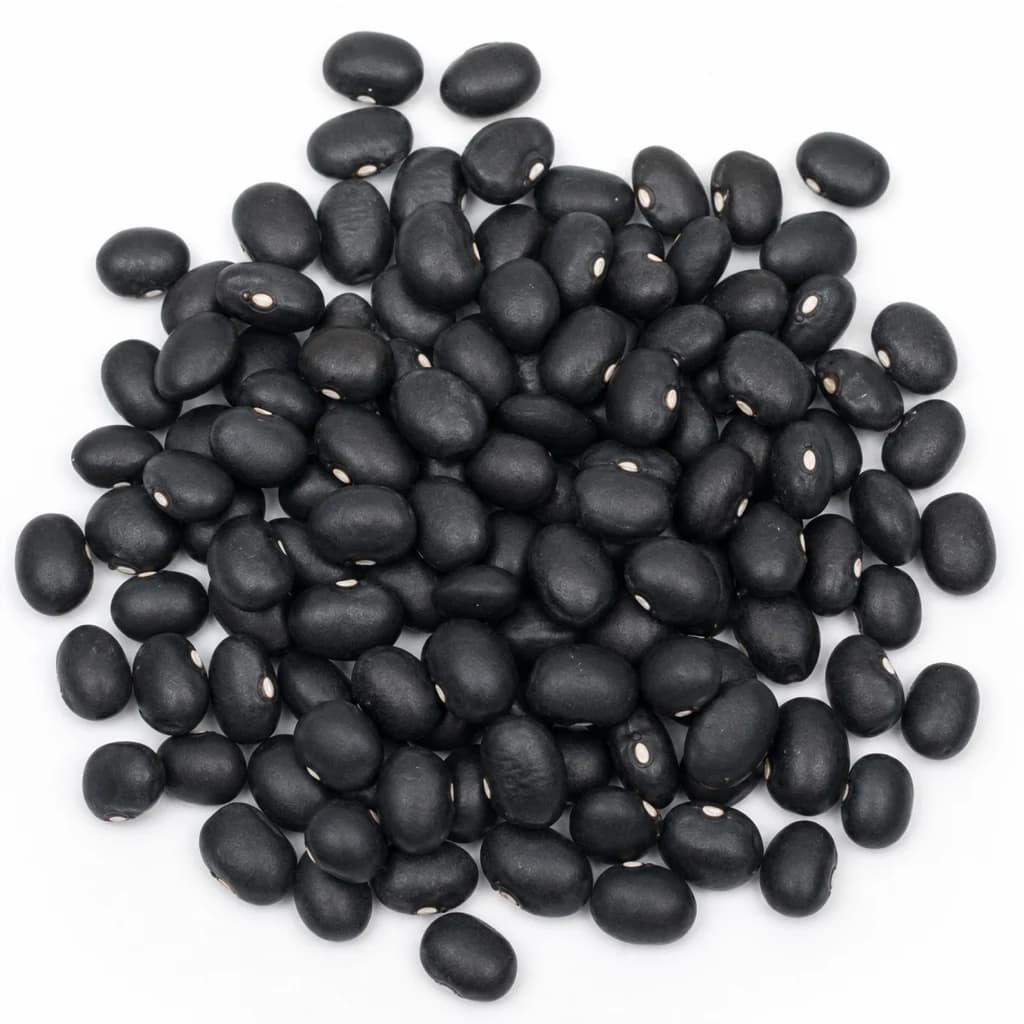
Black Beans
Earthy, creamy beans for bowls, soups, and tacos
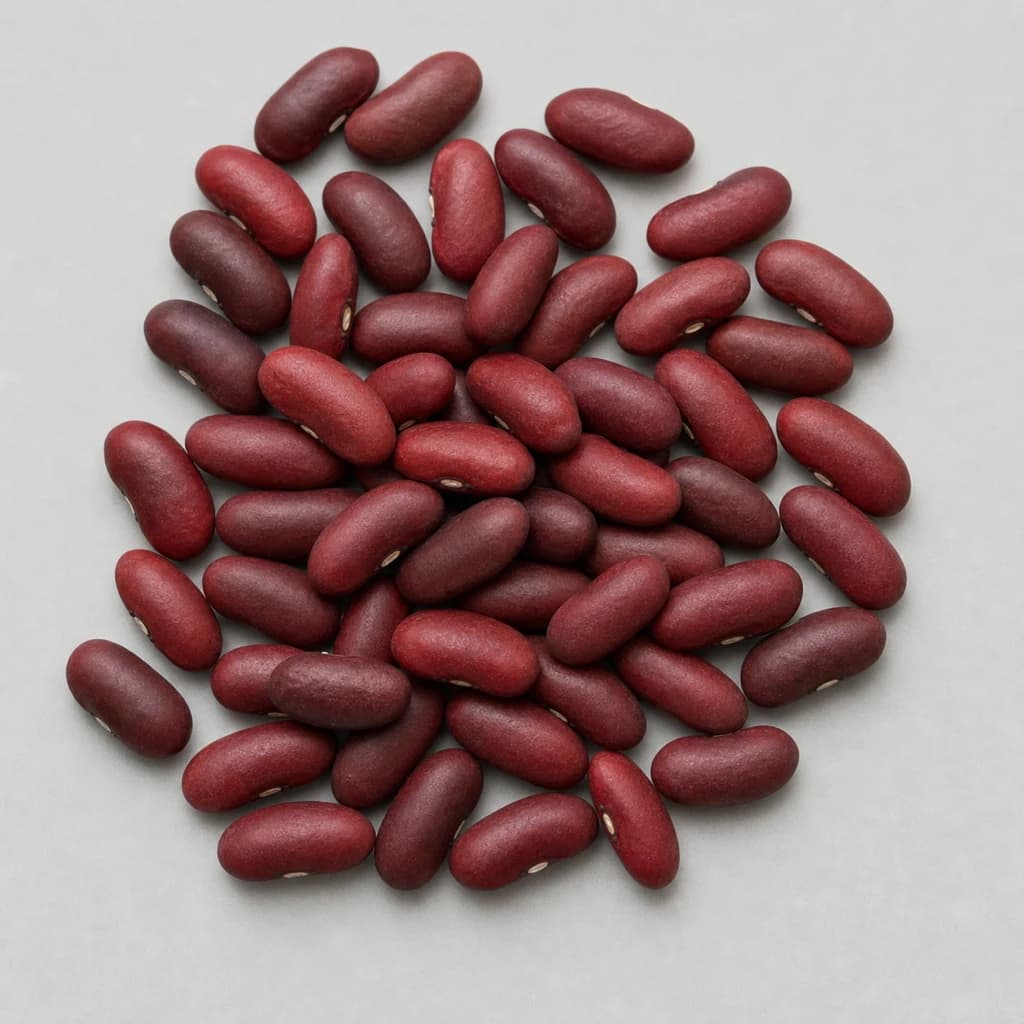
Kidney Beans
Hearty red beans that hold their shape in chili and stews
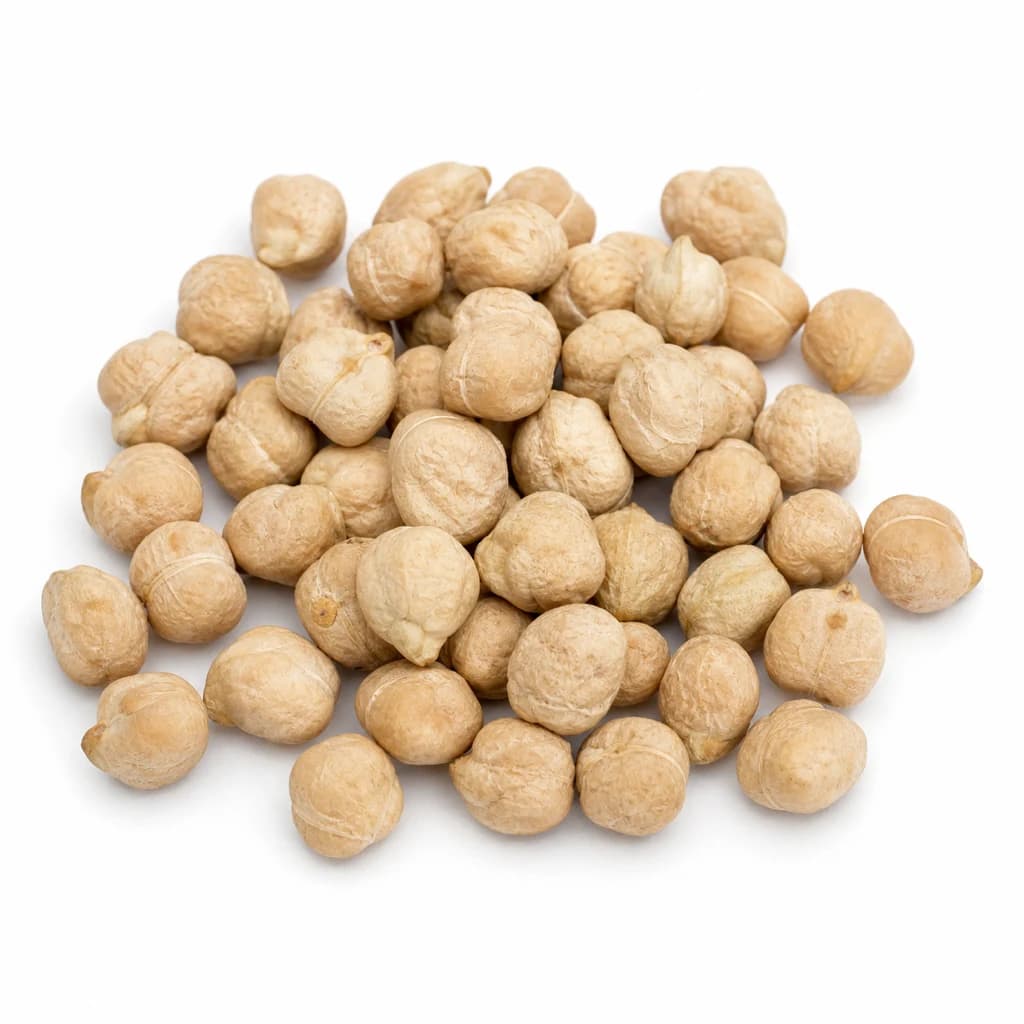
Chickpeas
Nutty, versatile beans for hummus, curries, and roasting
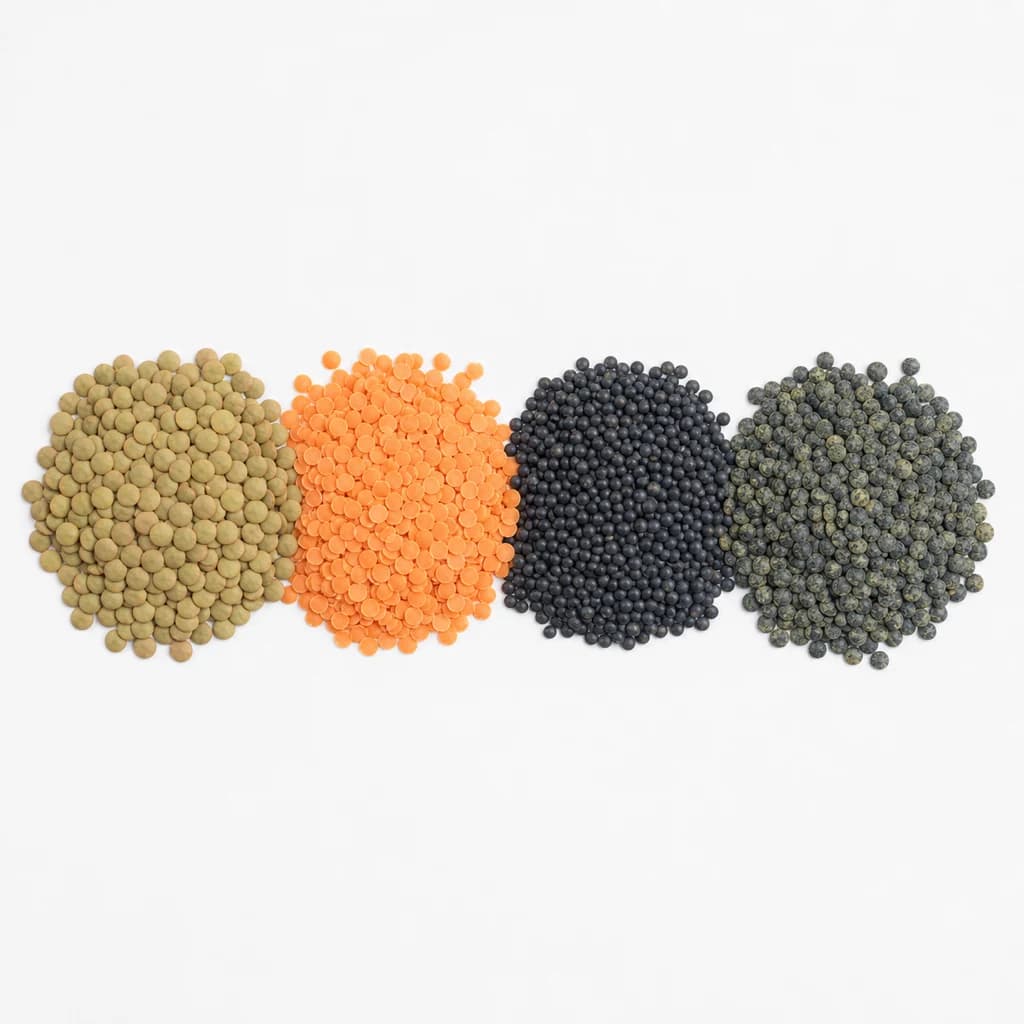
Lentils
Quick-cooking pulses for soups, dals, and hearty salads

White Beans
Creamy, mild beans for soups, stews, and silky purées
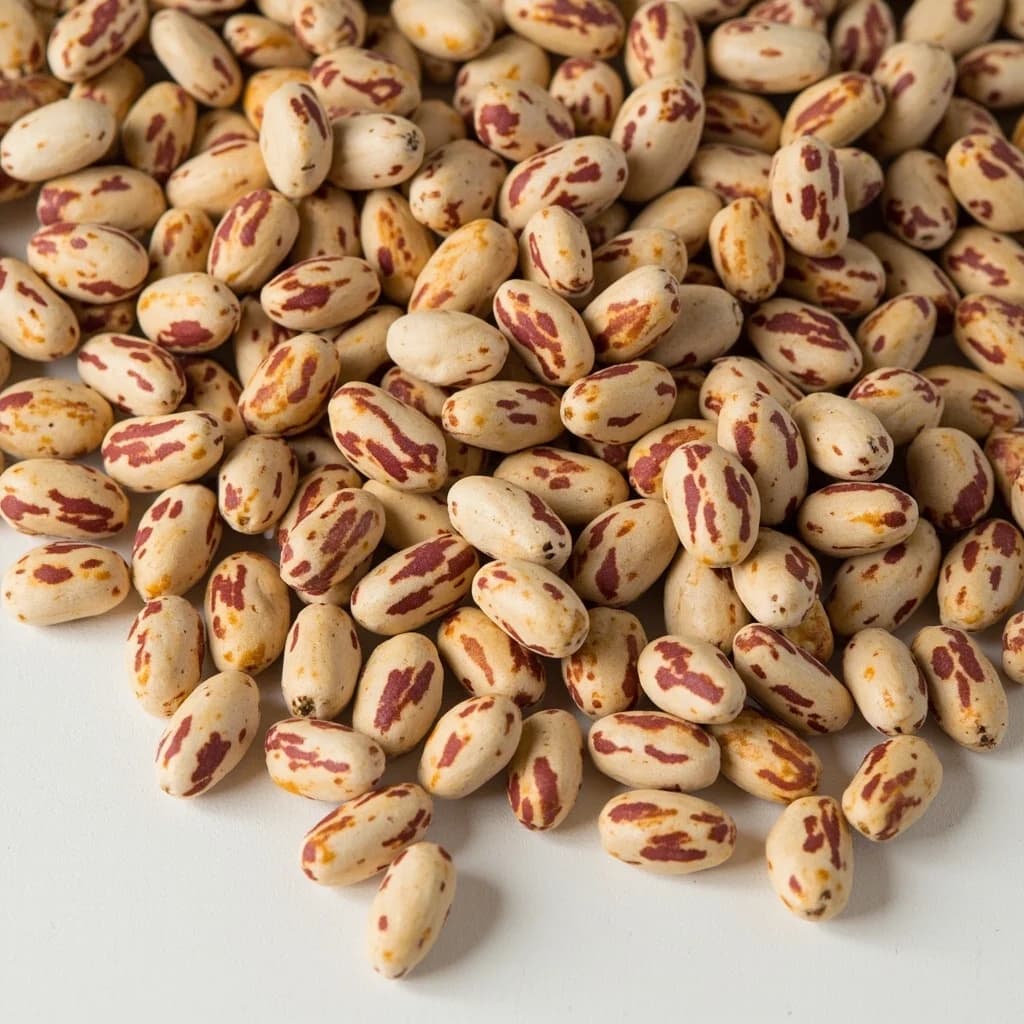
Pinto Beans
Creamy, speckled beans for refried beans and stews

Split Peas
Quick-cooking peas that melt into thick, comforting soups
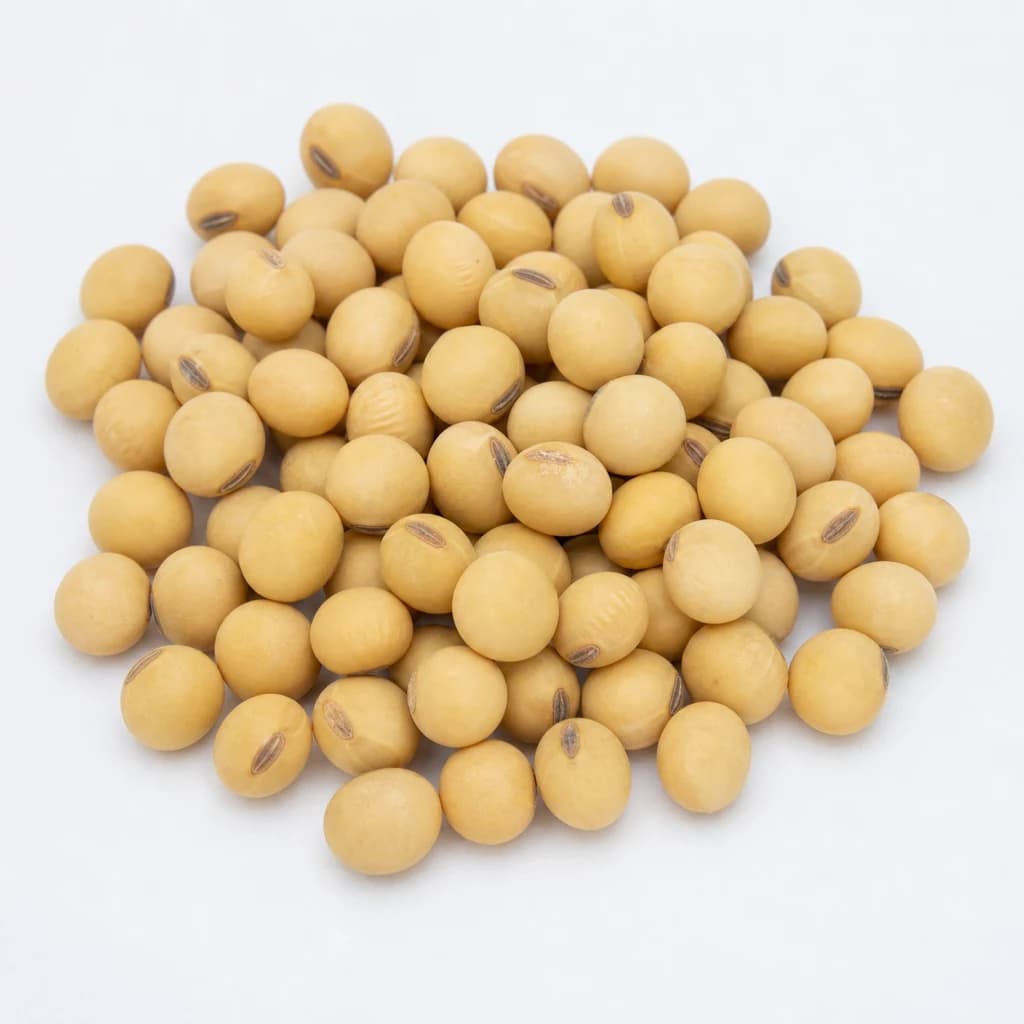
Soybeans
Protein-packed beans, the base for tofu and miso