Legumes & Beans
Yellow Split Pea
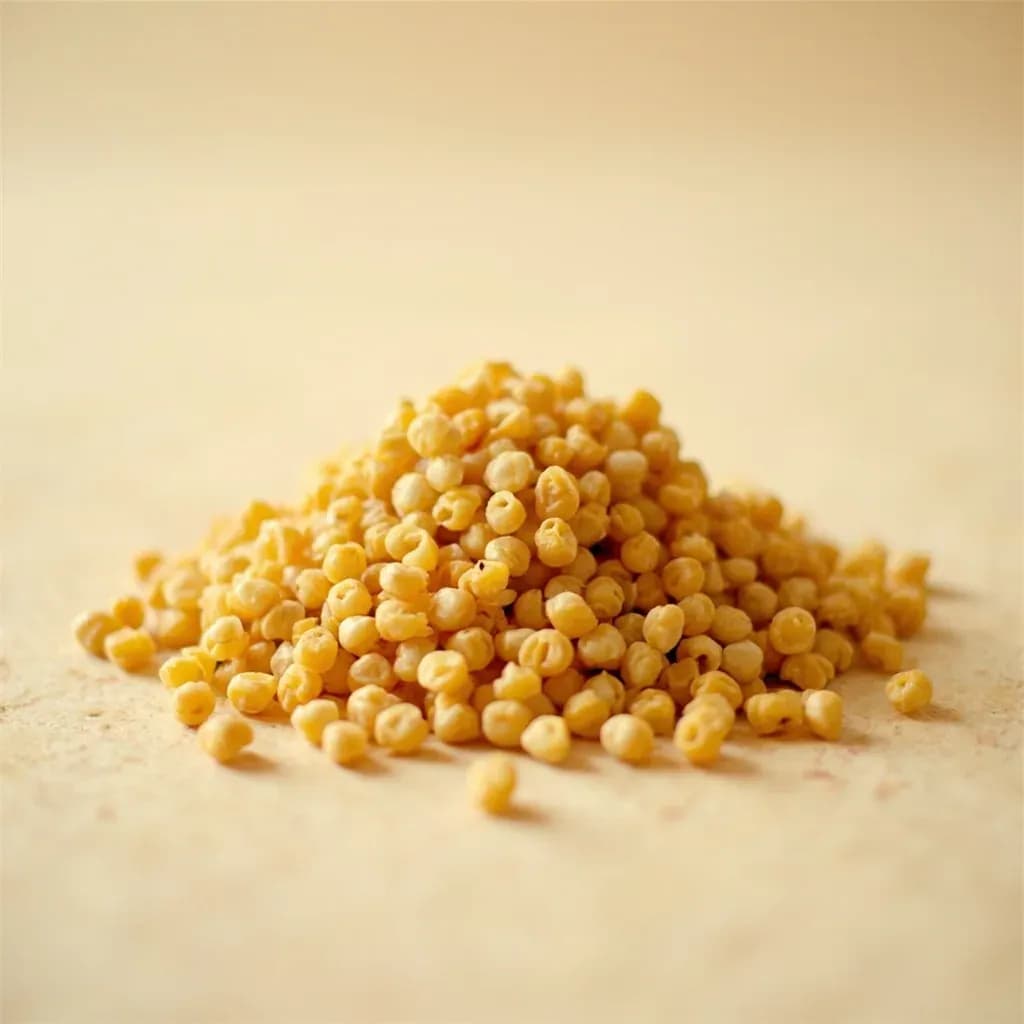
Hulled, split peas that cook into hearty soups and dals.
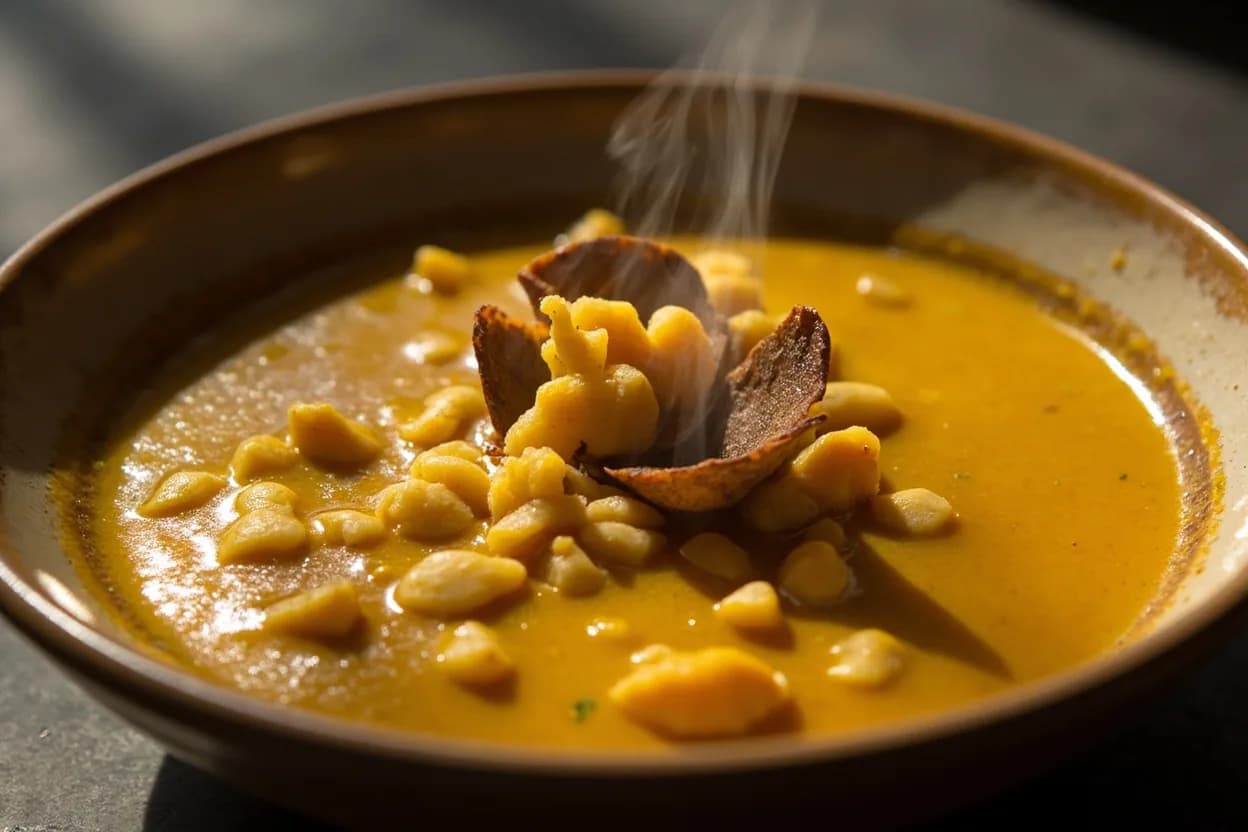
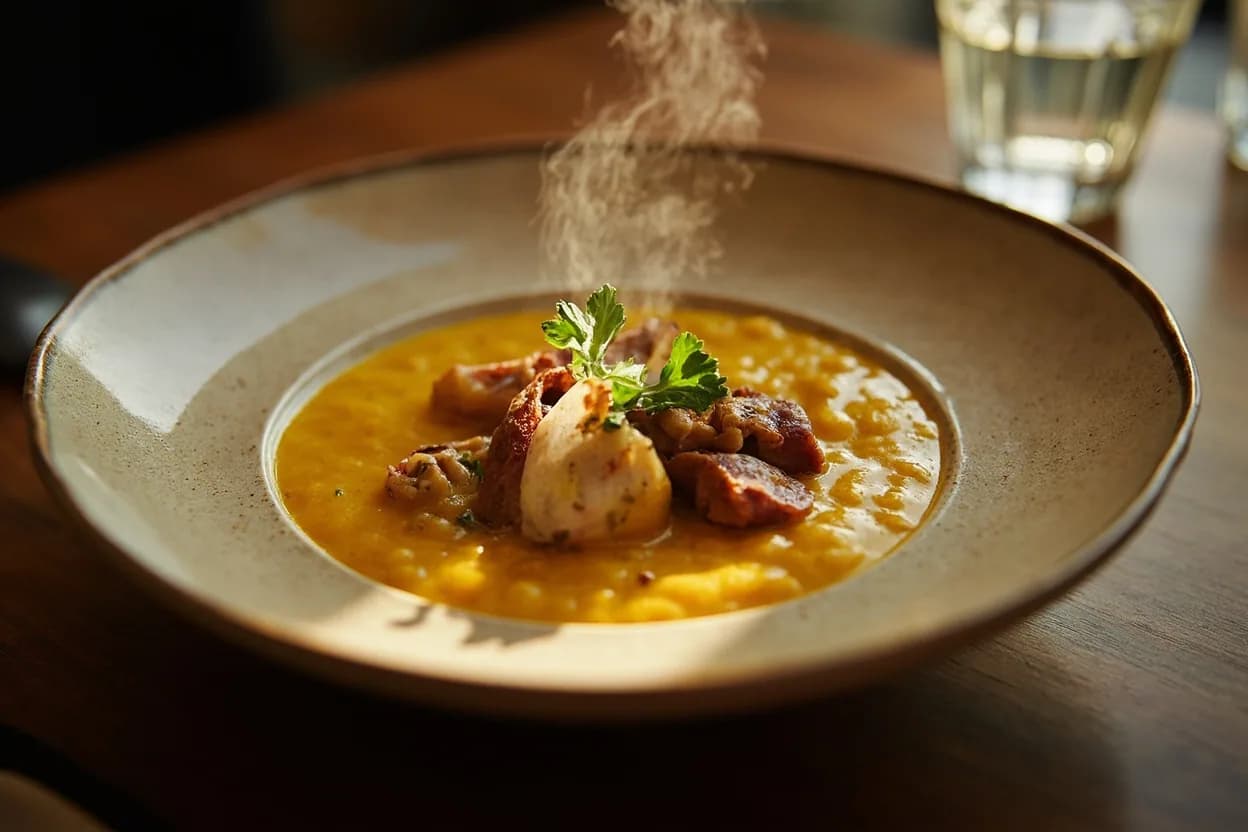
Yellow split peas are field peas that have been hulled and split, cooking down without soaking into a thick, comforting puree. They are the base of split pea soup, Indian dal, and dishes like Persian khoresh and Guyanese dhal. They have an earthy, mildly sweet flavor.
Yellow split peas are hulled and split mature peas (Pisum sativum), with the outer seed coat removed to dramatically accelerate cooking. This hulling and splitting process is what distinguishes them from whole dried peas and gives them their characteristic flat, kidney-shaped form. They differ from green split peas not only in color but in chemistry—yellow peas contain less natural sugar and lower moisture content, which translates to better shelf stability and a more consistent cooked texture that holds its shape longer. Their neutral, mildly sweet, nutty flavor makes them an exceptionally versatile canvas across cuisines, from the golden dals of India to the smoky pea soups of North America. Because the skin has been removed, they cook relatively quickly without soaking, though soaking does reduce cooking time by 15–20 minutes and can yield a more uniform texture. The peas absorb seasonings readily and perform well across a wide range of preparations—from whole and firm in rustic soups to completely smooth in purees and dals. Like all legumes, they contain phytic acid, which soaking and thorough cooking help reduce, improving mineral absorption.
- Measured in
- g
- Storage
- Pantry
Types & varieties
Most common commercial variety; medium-sized, pale yellow, uniform drying time and cooking behavior
Slightly deeper color; identical culinary properties to standard yellow split peas
No difference in cooking behavior or flavor; grown under organic certification standards
Soaking: When It Helps, When It Doesn't
While yellow split peas cook perfectly well without soaking, understanding when to soak matters for specific results. Soaking in cool water for 4–8 hours (or overnight) reduces cooking time and, more importantly, helps achieve a more uniform texture throughout the batch—this matters most for smooth dal preparations where grainy, undercooked bits are unwelcome. Soaking also helps reduce phytic acid content, improving mineral absorption. However, for rustic soups where some texture variation is acceptable, skipping the soak is fine. If soaking, discard the soaking water and use fresh liquid for cooking.
- Use 3–4 cups water per cup of dried peas for soaking
- Soaking water can be starchy; discard and start with fresh liquid for cooking
- Even short 30-minute soaks help with texture uniformity
Salt and Acidity: Timing Matters
Both salt and acidic ingredients require careful timing when cooking yellow split peas. Salt added early (before the peas soften) can toughen the skins and significantly lengthen cooking time—this is one of the most common reasons peas stay hard. Always add salt only after the peas have fully softened, typically the last 15–20 minutes of cooking. Similarly, acidic ingredients like tomatoes, lemon juice, and vinegar added too early may interfere with softening. Add these in the final 15 minutes of cooking, or use acid as a finishing garnish instead.
- Test peas for doneness before seasoning—squeeze one between fingers; it should be creamy throughout
- If adding tomatoes for color, use a small amount early and the rest at the end
Common uses
Tips & pitfalls
- Rinse thoroughly before cooking to remove dust and residual field debris
- Add salt only after peas have softened completely—early salt toughens skins and lengthens cooking time
- Do not stir frequently during cooking; excessive stirring breaks down the peas into an unintended mush
- For pressure cooker, use 3–4 cups liquid per cup of dried peas and release pressure naturally for even cooking
- If peas remain hard after the full recommended cooking time, they are likely too old—old peas may never fully soften regardless of cooking duration
- Add acidic ingredients (tomatoes, citrus juice, vinegar) only in the last 15 minutes of cooking to avoid potential interference with softening
- Aromatics like onion, garlic, and ginger belong at the start of cooking; fresh herbs like cilantro are better added off-heat as a finish
- For silky-smooth dal, mash a portion of the cooked peas against the pot wall with a ladle before adding the final tempering
- Yellow split peas absorb flavors readily—season generously with spices, as they taste bland if under-seasoned
- Cooked yellow peas freeze well for up to 3 months in airtight containers, making them ideal for batch preparation
Nutrition
Energy
1523 kJ · per 100 g
Where the calories come from
Protein
23.1g
46% DV
Carbs
61.6g
22% DV
Fat
3.9g
5% DV
Fiber
22.2g
79% DV
Sugars
3.1g
of which
Sodium
5mg
0% DV
Source · USDA FoodData Central · approx. Peas, green, split, mature seeds, raw
View on FDC →In the shops
Matched grocery products
No matched grocery products for Yellow Split Pea yet.
Good to know
- Scientific name
- Pisum sativum
- Origin
- Mediterranean region and Near East; major producers include Canada, USA, Russia, China, and India
- Color
- Pale to golden yellow
- Flavor
- Mild, slightly sweet, nutty when cooked
- Texture
- Creamy and starchy when cooked; holds shape well if not overcooked
- Soaking
- Optional; reduces cooking time by 15–20 minutes
- Cooking time (dried, unsoaked)
- 30–45 minutes stovetop; 10–12 minutes pressure cooker
- Yield
- 1 cup dried yields 2–2.5 cups cooked
- Shelf life
- 2–3 years in airtight container in cool, dry place
Substitutes
- Yellow Mung Dal — Nearly identical in color, texture, and culinary use; slightly smaller and more tender when cooked; the most direct substitute in Indian cooking
- Green Split Peas — Longer cooking time, earthier flavor; acceptable in soups and stews but not ideal for traditional dal preparations
- Red Lentils (Masoor Dal) — Cook much faster and break down to a smoother, almost puréed consistency; work for soups and curries but not for dishes requiring intact split peas
- Chana Dal (Bengal Gram) — Slightly nuttier flavor and denser texture; acceptable in curries and soups but noticeably different from delicate yellow pea dishes
- Toor Dal (Arhar Dal) — Common in Indian cooking with similar cooking time and applications but distinctly different flavor profile
Pairs with
Also called
Dal Nakhod · Dholl · Split Yellow Peas · Yellow Split Peas
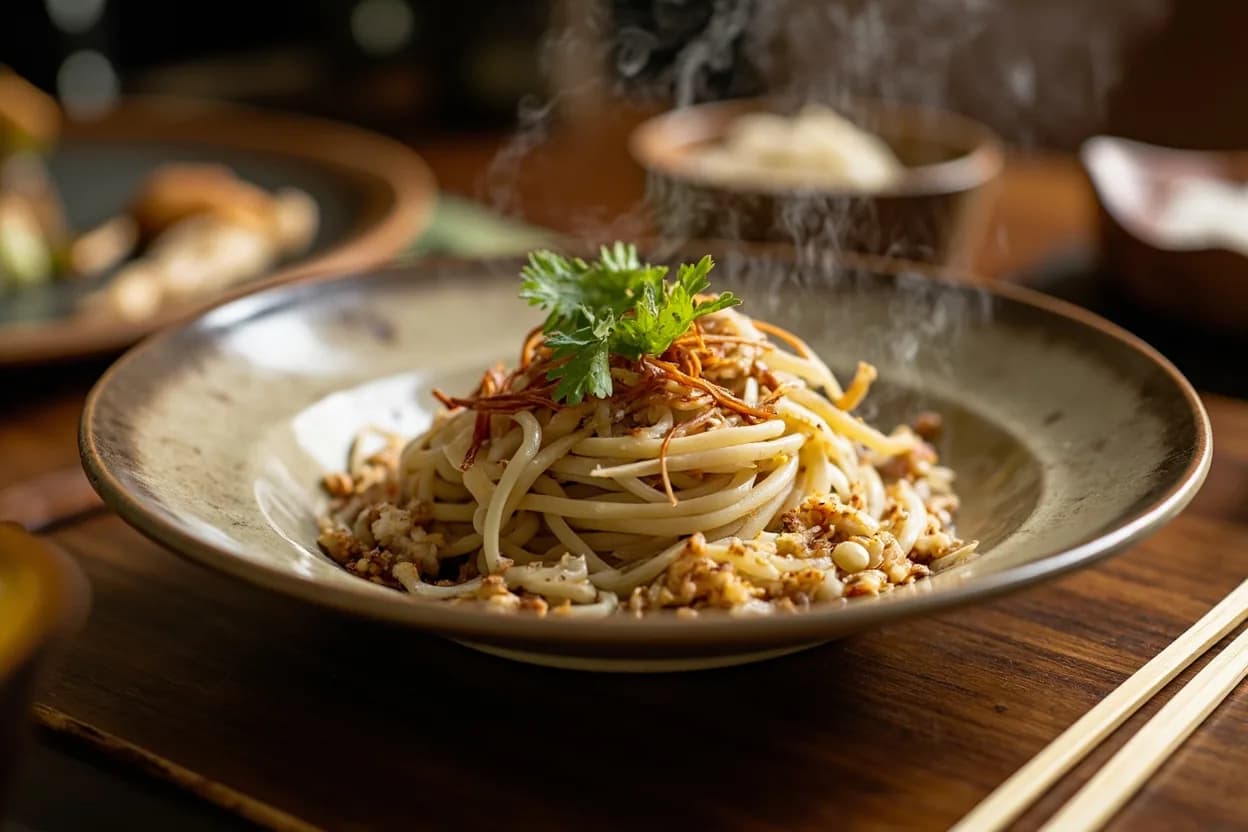
Appears in these dishes
Related
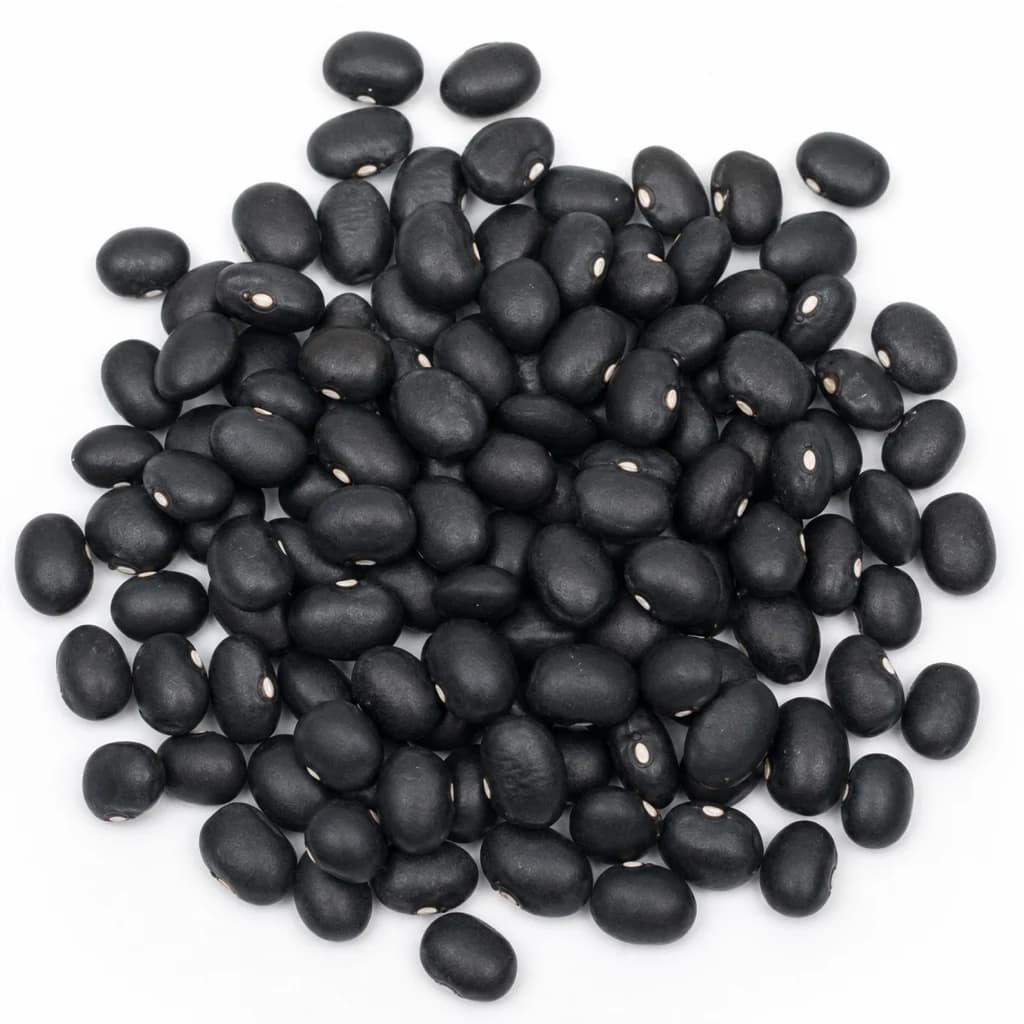
Black Beans
Earthy, creamy beans for bowls, soups, and tacos
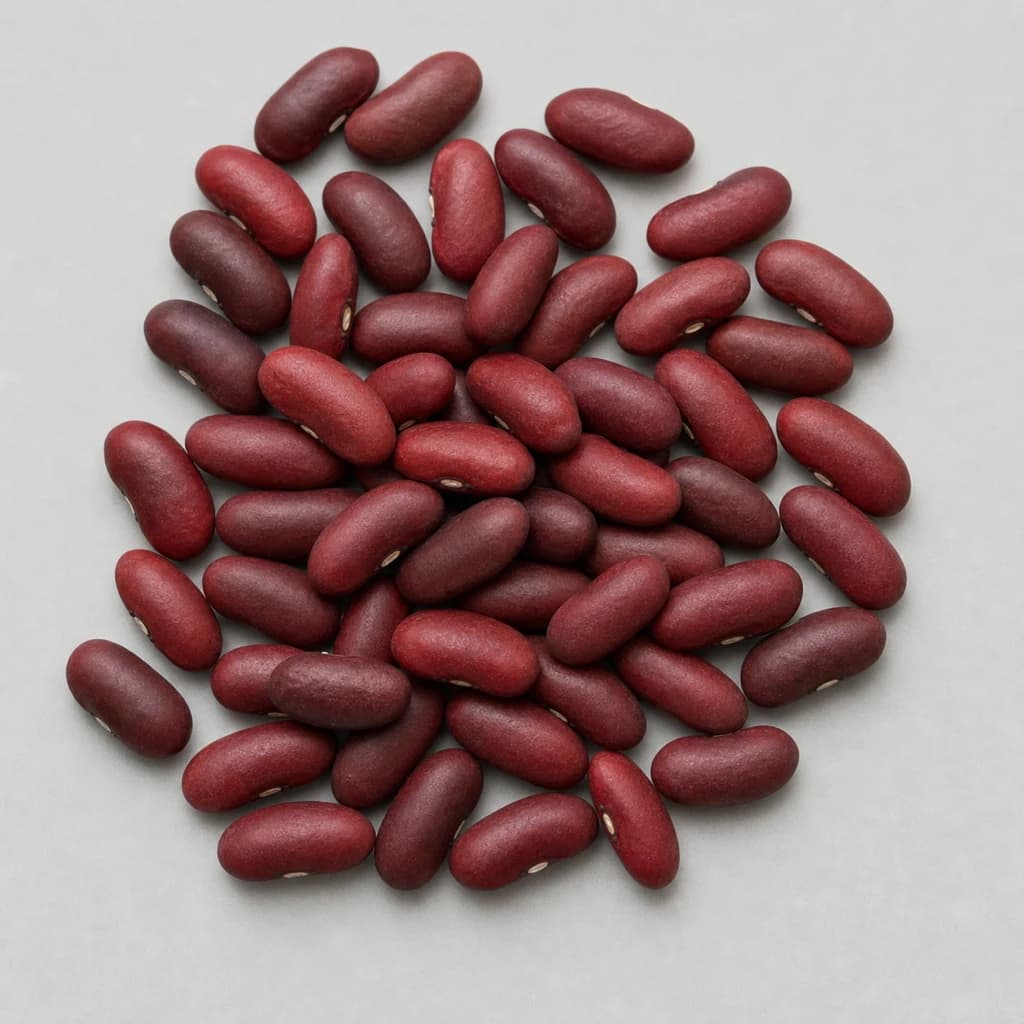
Kidney Beans
Hearty red beans that hold their shape in chili and stews
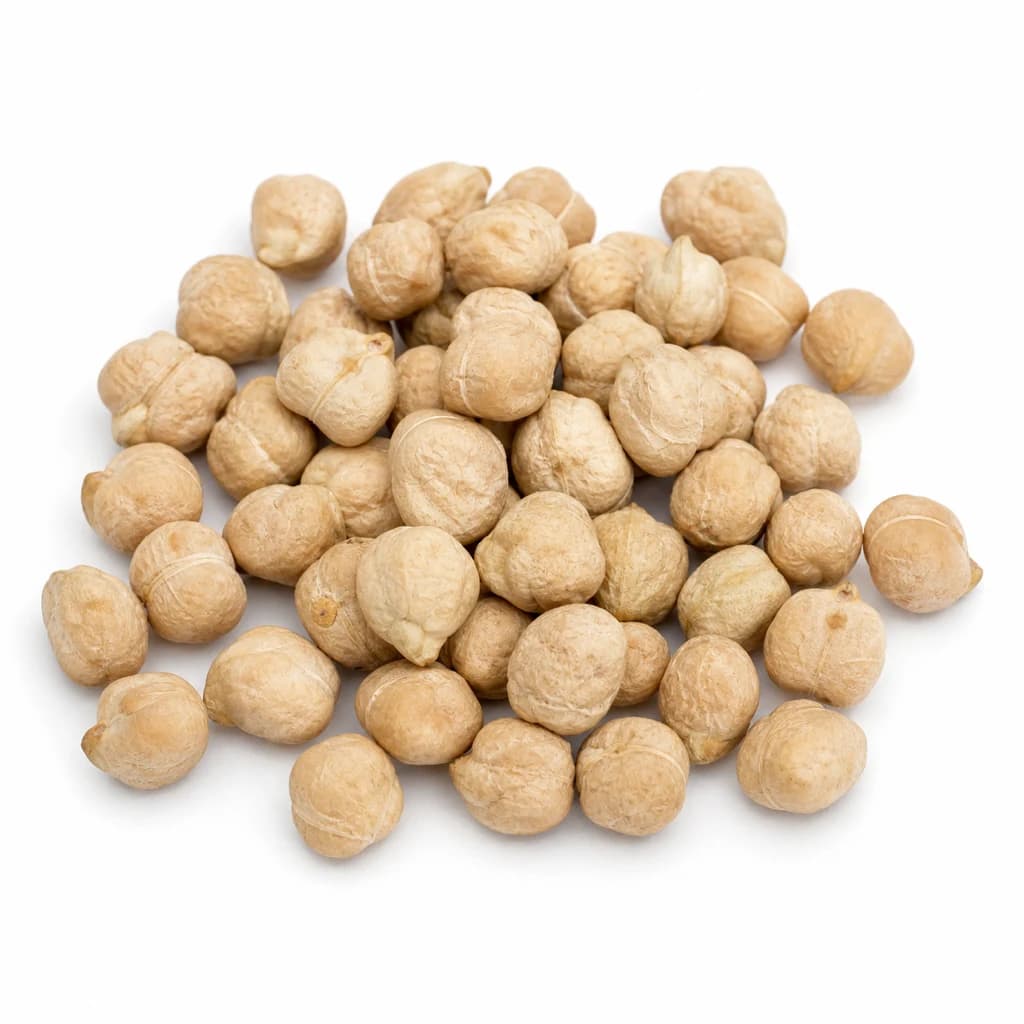
Chickpeas
Nutty, versatile beans for hummus, curries, and roasting
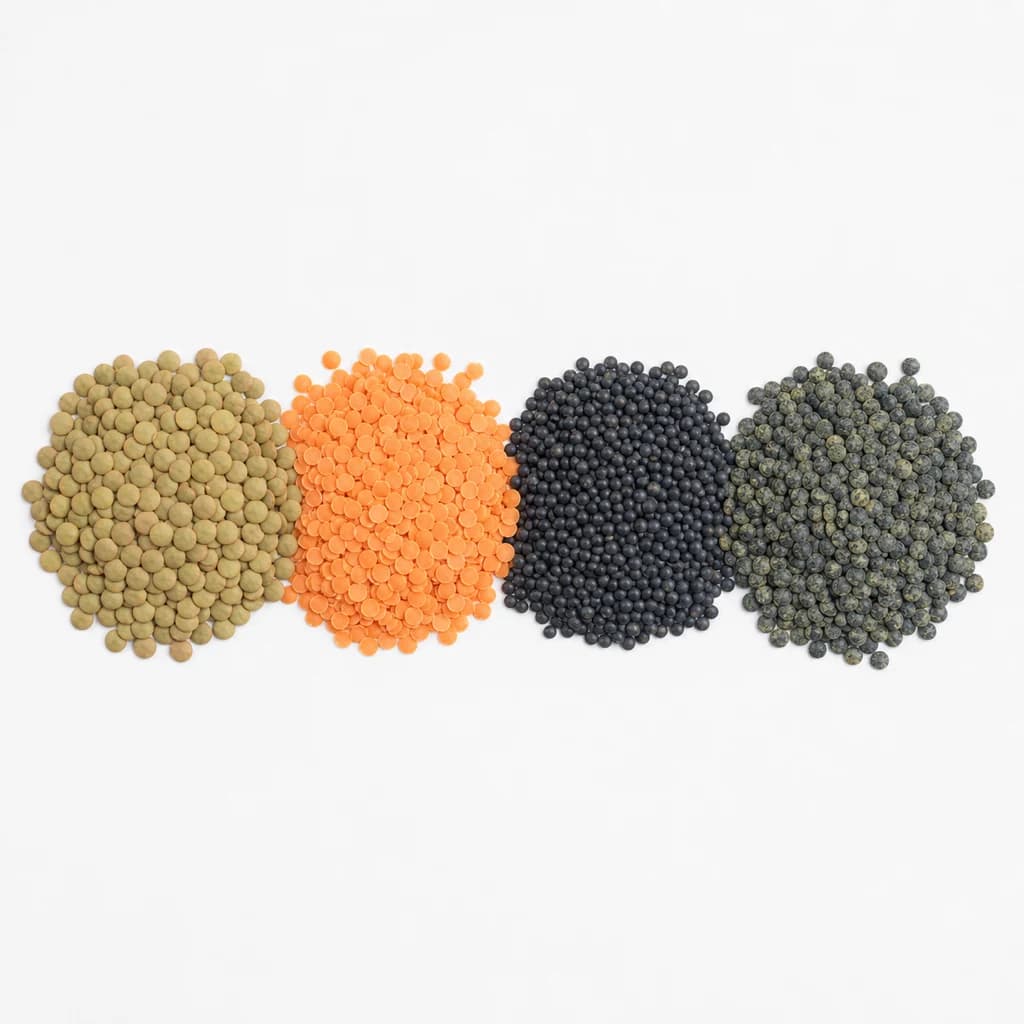
Lentils
Quick-cooking pulses for soups, dals, and hearty salads

White Beans
Creamy, mild beans for soups, stews, and silky purées
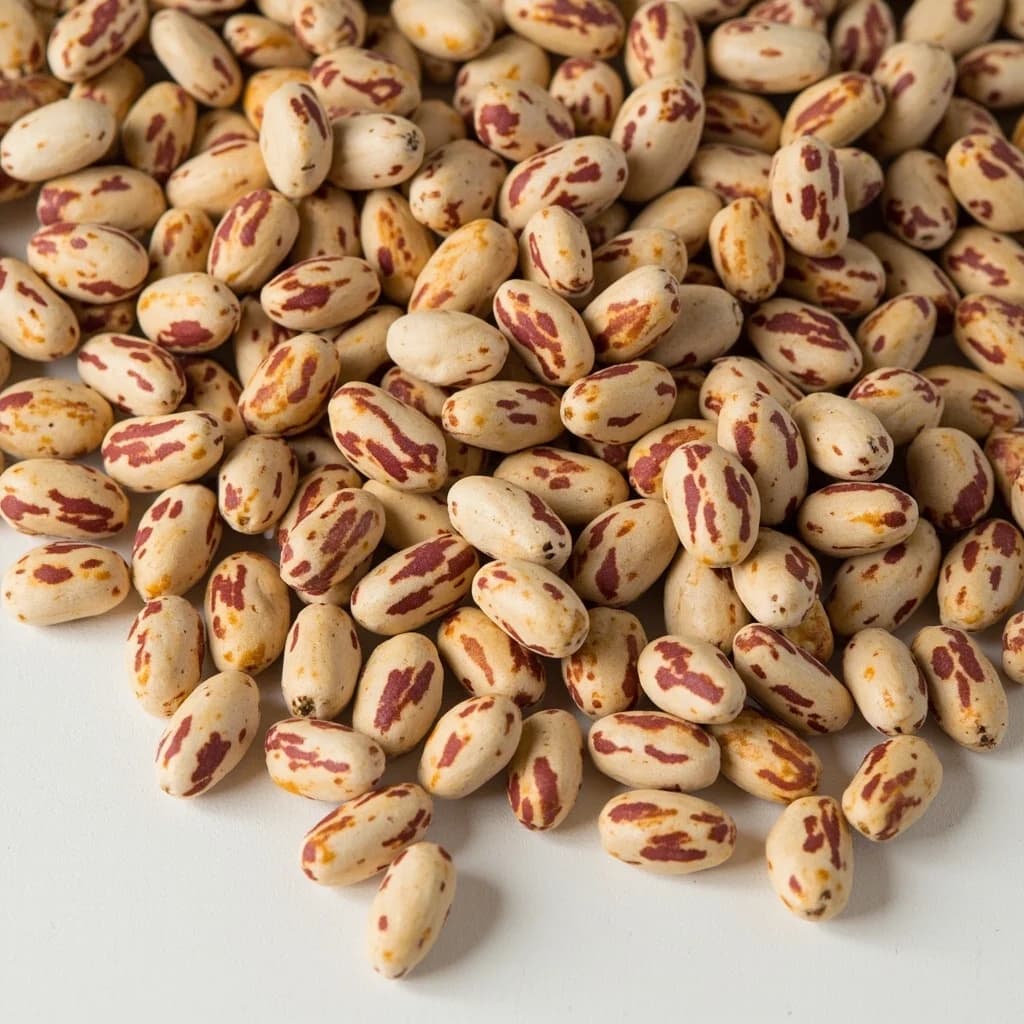
Pinto Beans
Creamy, speckled beans for refried beans and stews

Split Peas
Quick-cooking peas that melt into thick, comforting soups
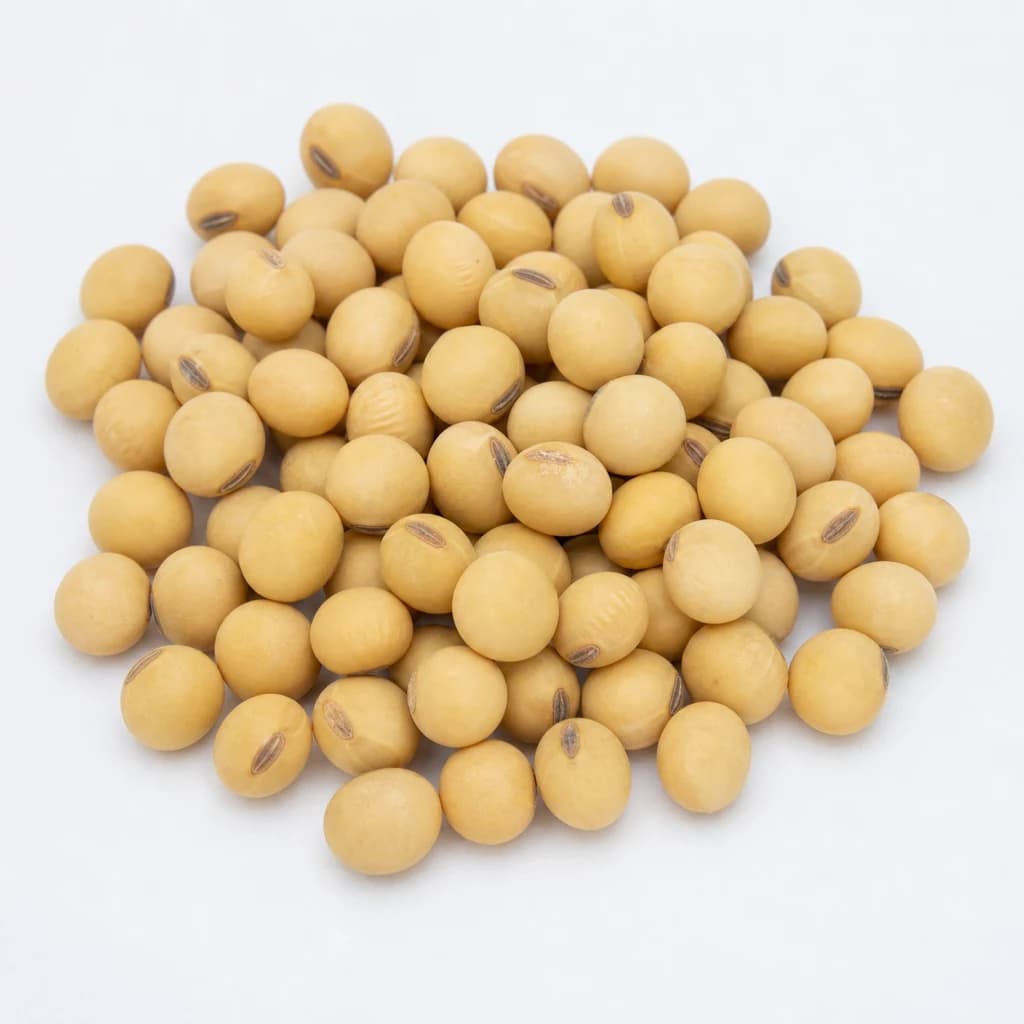
Soybeans
Protein-packed beans, the base for tofu and miso