Legumes & Beans
Split Mung Bean (Moong Dal)
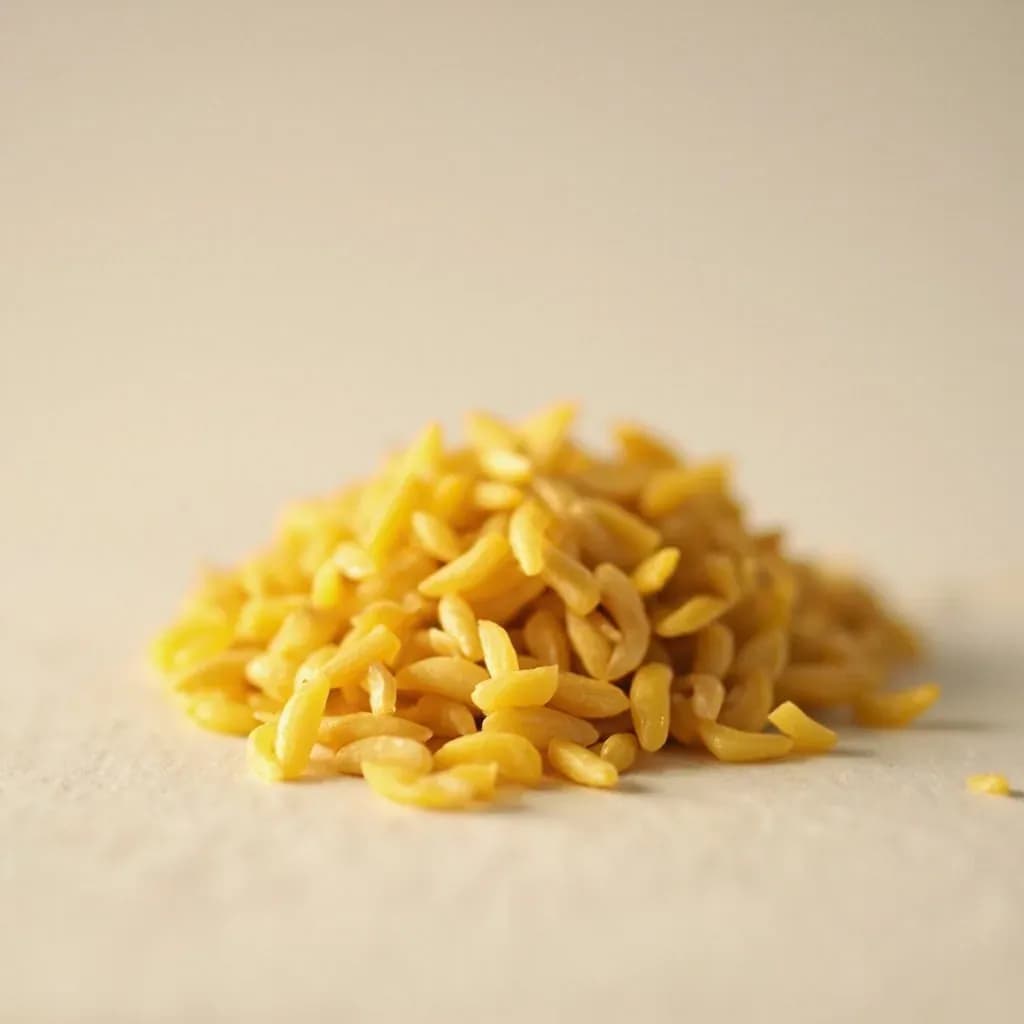
Yellow, skinless split mung beans that cook fast into light, easily digested dals.
Split mung beans, or moong dal, are mung beans that have been husked and split, revealing a pale yellow interior. They cook quickly without soaking and break down into a light, delicate dal that is gentle on digestion. Widely used across India for dals, khichdi, and savory pancakes, they have a mild, slightly sweet flavor.
Split mung dal (moong dal) is one of the most fundamental legumes in South and Southeast Asian cooking — bright yellow, skinless, split beans derived from the green mung bean (Vigna radiata) by removing the outer hull. The result is an oval to kidney-shaped bean roughly 5–6 mm long, with a pale ivory to bright yellow color that signals its processed, easily cooked state. Unlike whole mung beans, which retain their green skin and require significantly longer cooking, split mung dal goes from bag to pot in minutes without soaking, making it the workhorse of everyday Indian kitchens.
What sets mung dal apart from other dried legumes is its exceptional digestibility — a quality revered in Ayurvedic tradition where it is considered the lightest and most easily assimilated of all dals. This makes it the traditional first solid food for infants, the preferred recovery food for the ill, and a staple for those with sensitive digestive systems. Despite its mild, faintly sweet, nutty character, mung dal is far from bland; it has a remarkable capacity to absorb and carry seasonings, from the simplest tadka of cumin and turmeric to complex curry profiles. Its texture when cooked is soft with a slight creamy yield, holding its shape better than red or orange lentils, which makes it versatile enough for silky smooth dals, hearty khichdis, and even sweet desserts in Chinese and Thai cuisines.
In the kitchen, mung dal behaves predictably and forgivingly — it does not require soaking, rarely splits apart into mush unless overcooked, and thickens noticeably as it cools, which simplifies meal prep for those cooking ahead. Its neutrality makes it equally at home in delicate South Indian pongal, robust North Indian dal tadka, or subtly sweet Southeast Asian preparations. This adaptability, combined with its quick cooking time and gentle flavor, explains why split mung dal appears in some form in virtually every regional cuisine across the Indian subcontinent and beyond.
- Measured in
- g
- Storage
- Pantry
Types & varieties
The standard kitchen variety; skinless and split, bright yellow. Most widely available in Indian grocery stores and mainstream supermarkets.
Split but with the thin golden skin still attached; slightly nuttier flavor and coarser texture; takes marginally longer to cook.
Whole green mung beans that are split but retain their green skin; used in pesarattu and sprouted preparations; distinctly earthy in flavor.
Not a mung variety — actually black lentils (Vigna mungo) — but sometimes grouped with dals in Indian markets; notably different flavor and texture.
Understanding Mung Dal vs. Whole Mung Beans
The split-skinless form should not be confused with whole green mung beans (sabut moong), which retain their skin and have a distinctly different texture and cooking time. Sabut moong requires soaking and 45–60 minutes of cooking, and retains a firm, slightly chewy bite even when cooked through. Moong dal, by contrast, is ready in under 30 minutes and has a softer, more yielding texture. Both have their place in Indian cooking, but they are not interchangeable — recipes specifying one require the other.
- Moong dal (split-skinless): 20–30 min cook time, soft texture, no soaking needed
- Sabut moong (whole green): 45–60 min cook time, firm texture, requires soaking
- Sabut moong is used in khichdi for a chewier result and in specific dishes like moong dal tadka for texture contrast
The Role of Mung Dal in Ayurvedic and Everyday Cooking
In Ayurvedic tradition, mung dal is classified as tridoshic — suitable for all three doshas — and is considered the most cooling and easily digested of all legumes. It is the traditional first solid food given to those recovering from illness, and it forms the base of kanji (a fermented drink) and pongal for the ill. Its mildness is not a limitation but a canvas: in savory preparations it carries bold tadkas, while in sweet applications it absorbs coconut milk and palm sugar without complaint. This duality is rare among legumes and explains its presence in breakfast dishes (idli, pesarattu), everyday mains (dal tadka, khichdi), snacks (dal vada), and desserts (mung bean soup, mooncake paste) across multiple cuisines.
- Traditional recovery food: gentle on digestion, easily nutrient-absorbed
- Kanji: fermented mung dal drink, used medicinally in South Indian tradition
- Pongal: rice and mung dal cooked with pepper and cumin, a comfort food across South India
- Sweet applications: Chinese mung bean soup, Thai desserts, mooncake paste
Common uses
Tips & pitfalls
- No soaking required for split mung dal; unlike chana dal or whole urad, it cooks quickly without prior hydration
- Rinse 2–3 times in cold water until water runs clear; mung dal can carry dust and small debris from processing
- Use a 1:3 ratio (dal to water) for a thick dal-fry consistency; 1:4 for a soupy dal. The dal will absorb more liquid as it cools
- Skim the gray foam that rises in the first 5 minutes of boiling — this improves clarity and flavor in the final dish
- Add salt only after the dal is fully cooked; adding it earlier can toughen the skins and lengthen cooking time
- For pressure cooking, cook on medium heat for 2–3 whistles, then let pressure release naturally. Over-pressurizing turns the dal gluey
- For a restaurant-style smooth dal, pass cooked dal through a fine mesh strainer and return to pot; this creates a silky base for tadka dishes
- The dal thickens noticeably as it cools; account for this when prepping ahead
- Common mistake: overcooking in an open pot expecting it to dissolve like red lentils — mung dal holds its shape and is meant to retain some integrity
- When making khichdi, toast the raw rice and dal together in ghee for 1–2 minutes before adding water — this improves the nutty depth significantly
- For sprouts, rinse soaked dal (4–6 hours), drain, and leave in a sprouting jar or cloth for 24–48 hours in a dark, cool spot; rinse twice daily
Nutrition
Energy
130 kJ · per 100 g
Where the calories come from
Protein
1.8g
4% DV
Carbs
7.1g
3% DV
Fat
0.1g
0% DV
Fiber
3.4g
12% DV
Sugars
3.3g
of which
Sodium
6mg
0% DV
Source · USDA FoodData Central · approx. Beans, snap, yellow, raw
View on FDC →In the shops
Matched grocery products
No matched grocery products for Split Mung Bean (Moong Dal) yet.
Good to know
- Scientific name
- Vigna radiata
- Origin
- Indian subcontinent; cultivated for thousands of years
- Color
- Bright yellow to pale ivory (the hue indicates removal of the green skin)
- Form
- Skinless, split, oval to kidney-shaped; 5–6 mm long
- Cooking time
- 20–30 minutes open pot; 2–3 minutes pressure cooker
- Texture cooked
- Soft with slight creamy yield; holds shape better than masoor or urad dal
- Flavor
- Mild, faintly sweet, nutty; easily takes on seasonings
- Protein (per 100 g dry)
- Approximately 24 g
- Fiber (per 100 g dry)
- Approximately 16 g
- Yield
- 1 cup dry (~200 g) yields 3–3.5 cups cooked
- Storage (dried)
- Cool, dark, airtight container; 12+ months shelf life
- Storage (cooked)
- Refrigerate up to 4 days; freezes well for 2–3 months
Substitutes
- Red lentils (masoor dal) — Cook faster and dissolve more; use 1:3 ratio and stop cooking when just tender; best for soups rather than dal-fry style dishes.
- Toor dal (arhar/tuvar dal) — Mildly sweet, holds shape similarly; slightly grainier texture; a reasonable everyday substitute for tadka preparations.
- Chana dal (yellow split chickpeas) — Earthier and takes significantly longer to cook (requires soaking); not ideal but workable in a pinch with extended cooking time.
- Urad dal (black lentils, skinless) — Earthier and more savory; works better in dal makhani-style dishes than in lighter preparations.
- Lentilles blondes — Similar mild flavor and quick cooking; holds shape well; not traditional but functional in non-Indian preparations.
Pairs with
Also called
Moog Dal · Moong Dal · Yellow Mung Dal · Split Yellow Mung Bean
Appears in these dishes
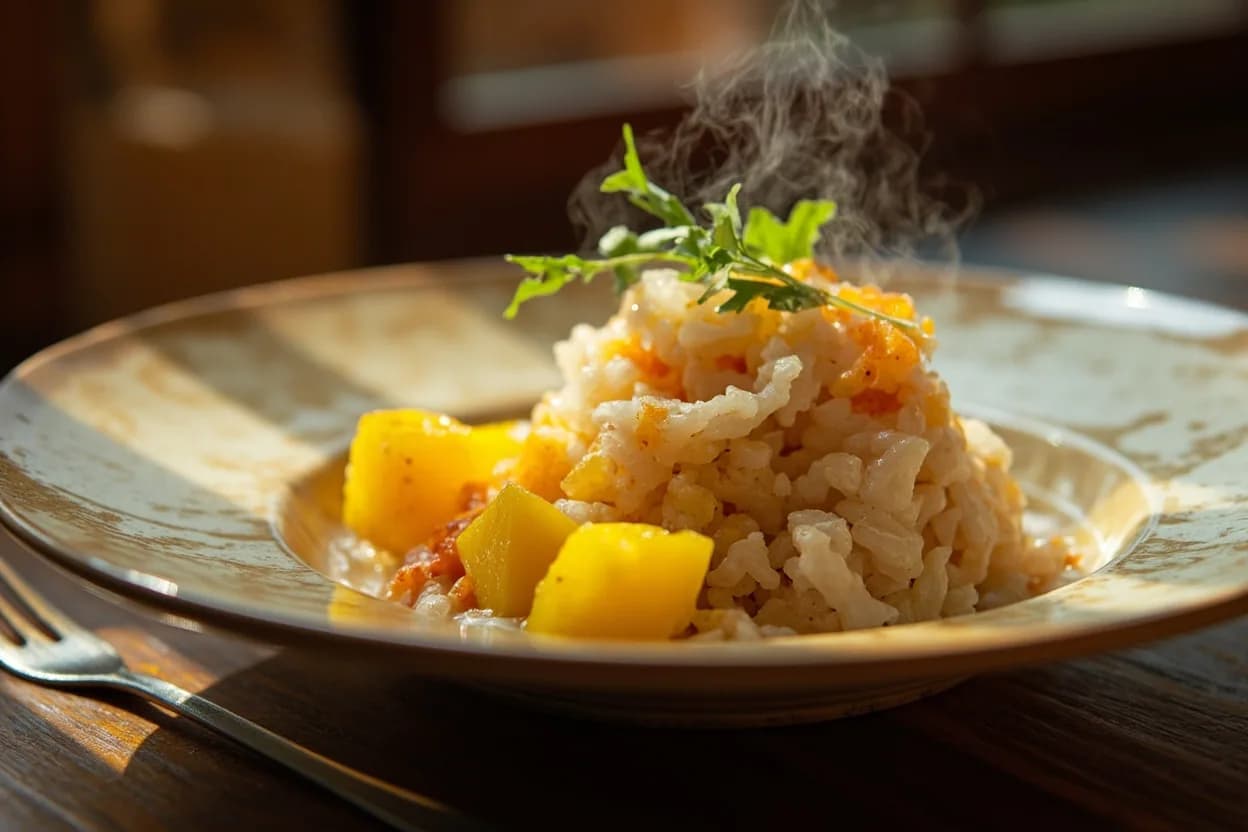
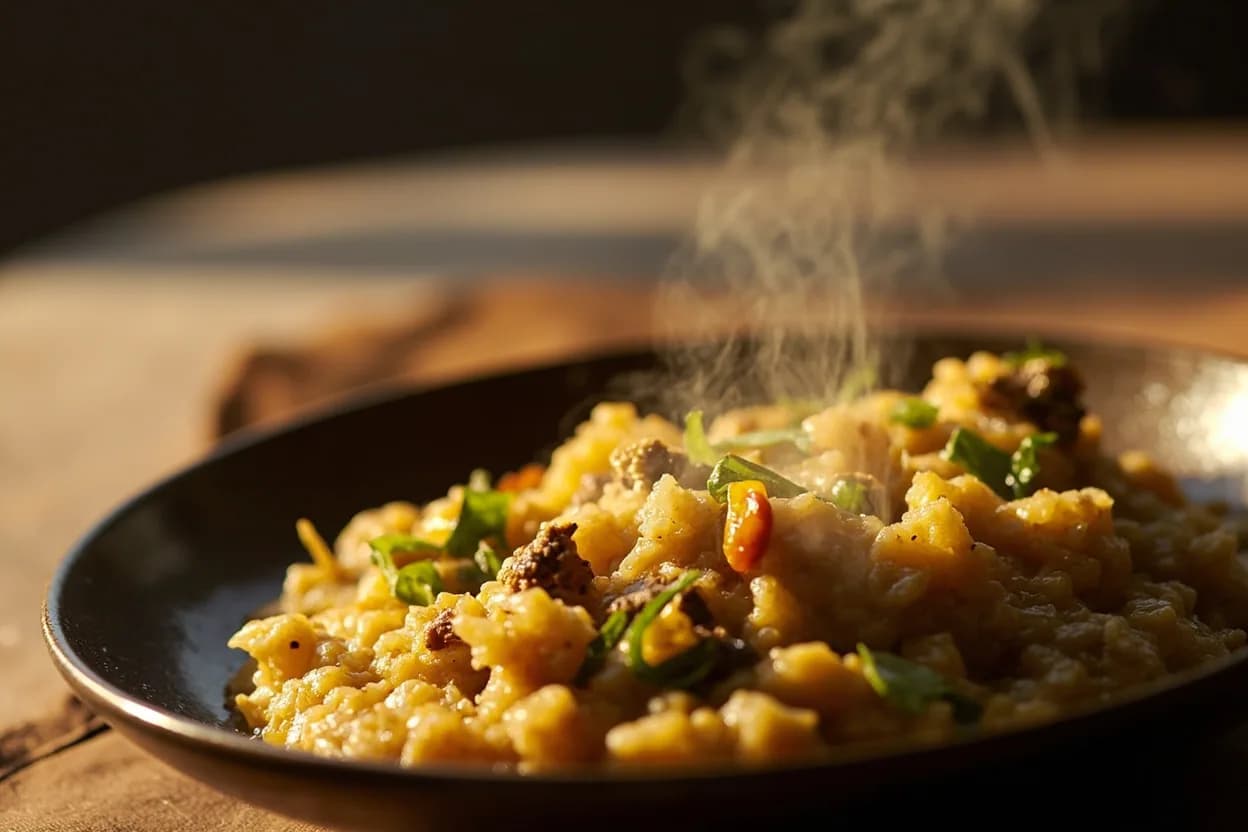
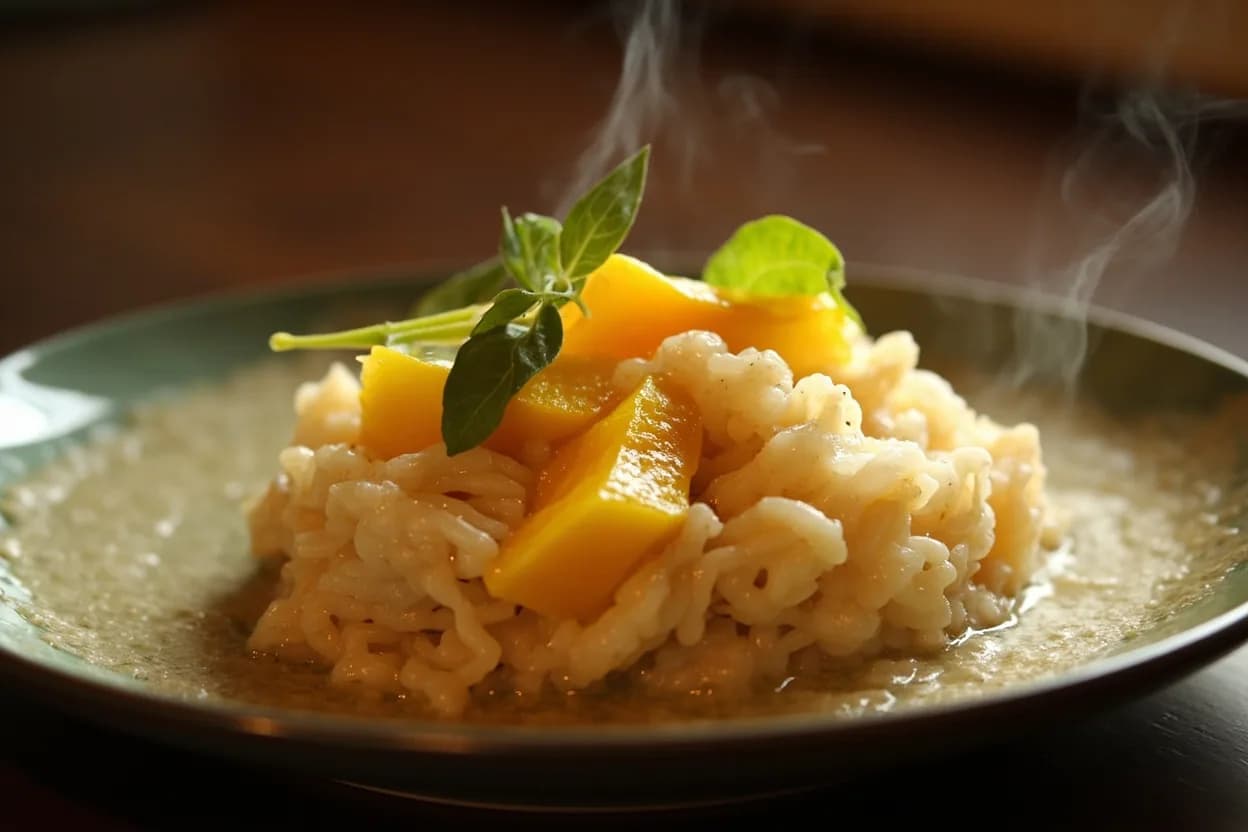
Related
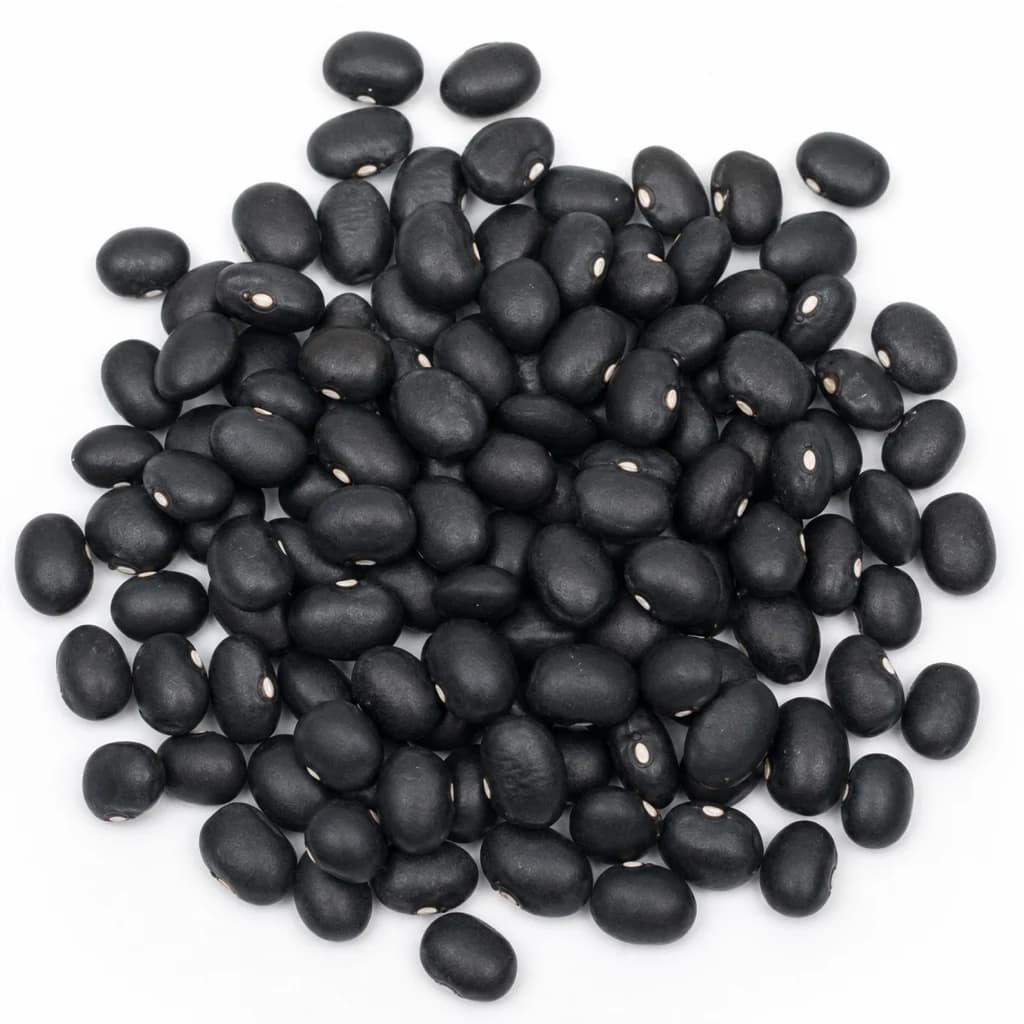
Black Beans
Earthy, creamy beans for bowls, soups, and tacos
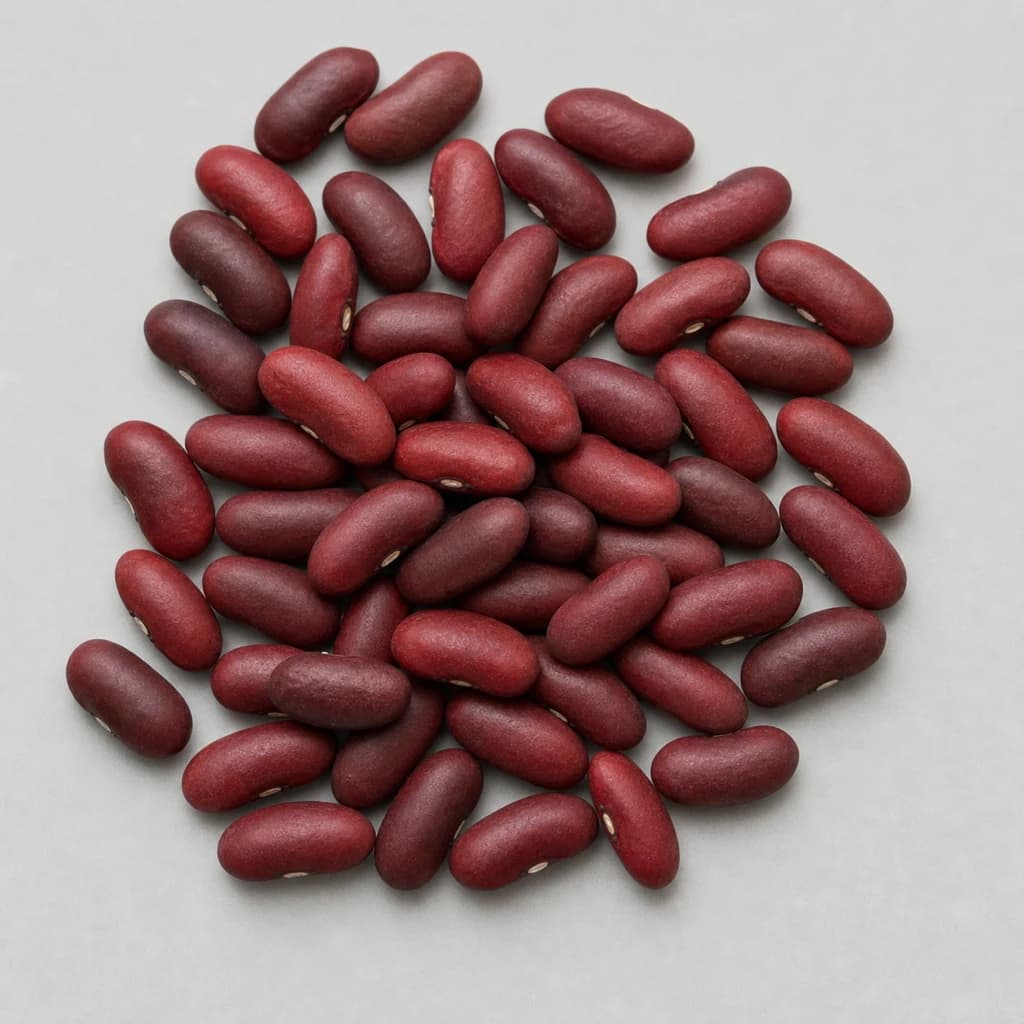
Kidney Beans
Hearty red beans that hold their shape in chili and stews
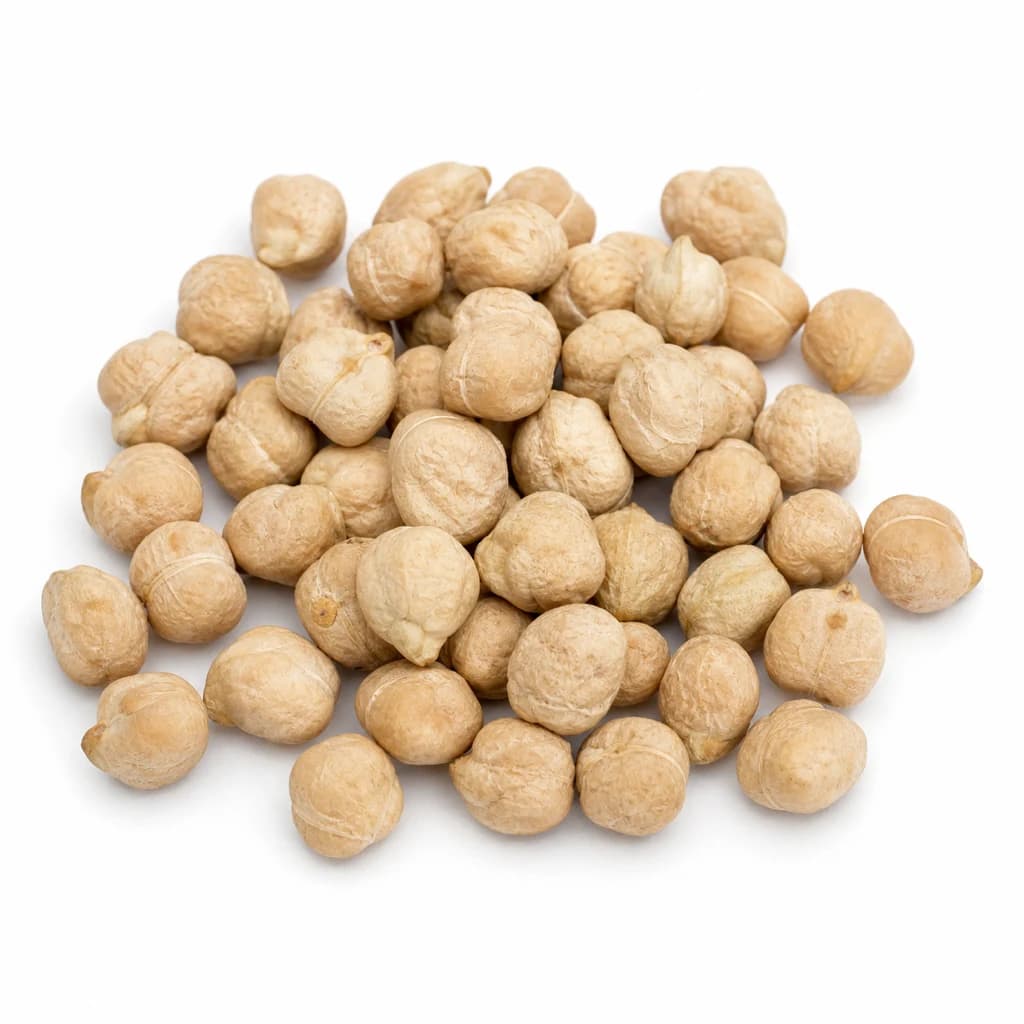
Chickpeas
Nutty, versatile beans for hummus, curries, and roasting
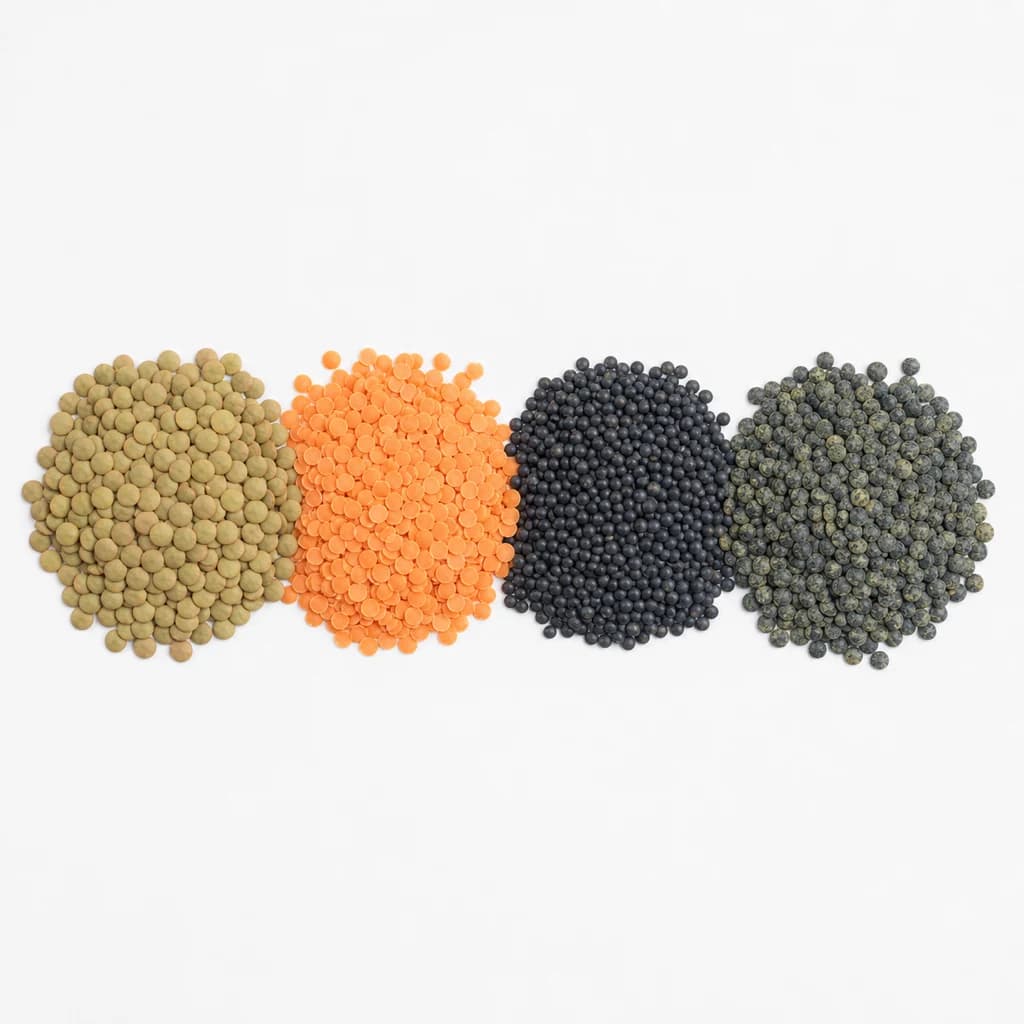
Lentils
Quick-cooking pulses for soups, dals, and hearty salads

White Beans
Creamy, mild beans for soups, stews, and silky purées
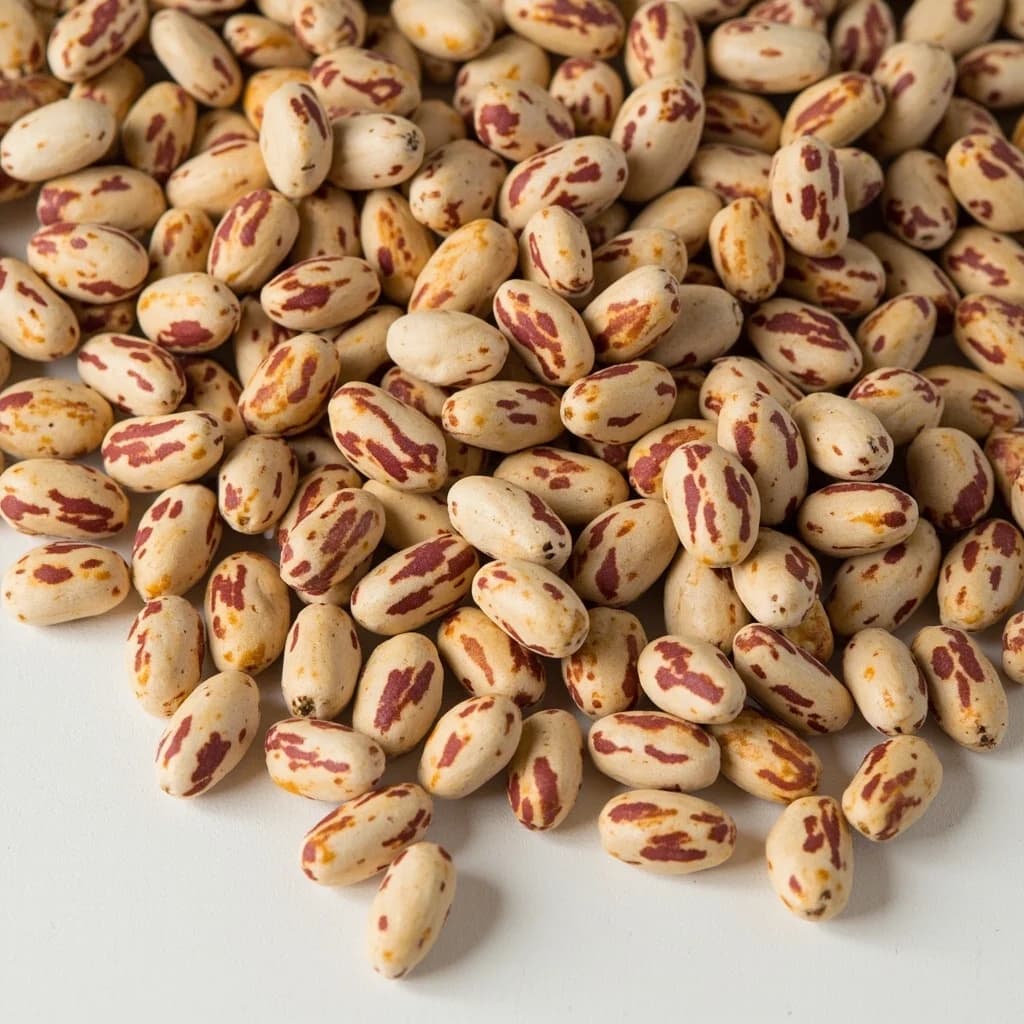
Pinto Beans
Creamy, speckled beans for refried beans and stews

Split Peas
Quick-cooking peas that melt into thick, comforting soups
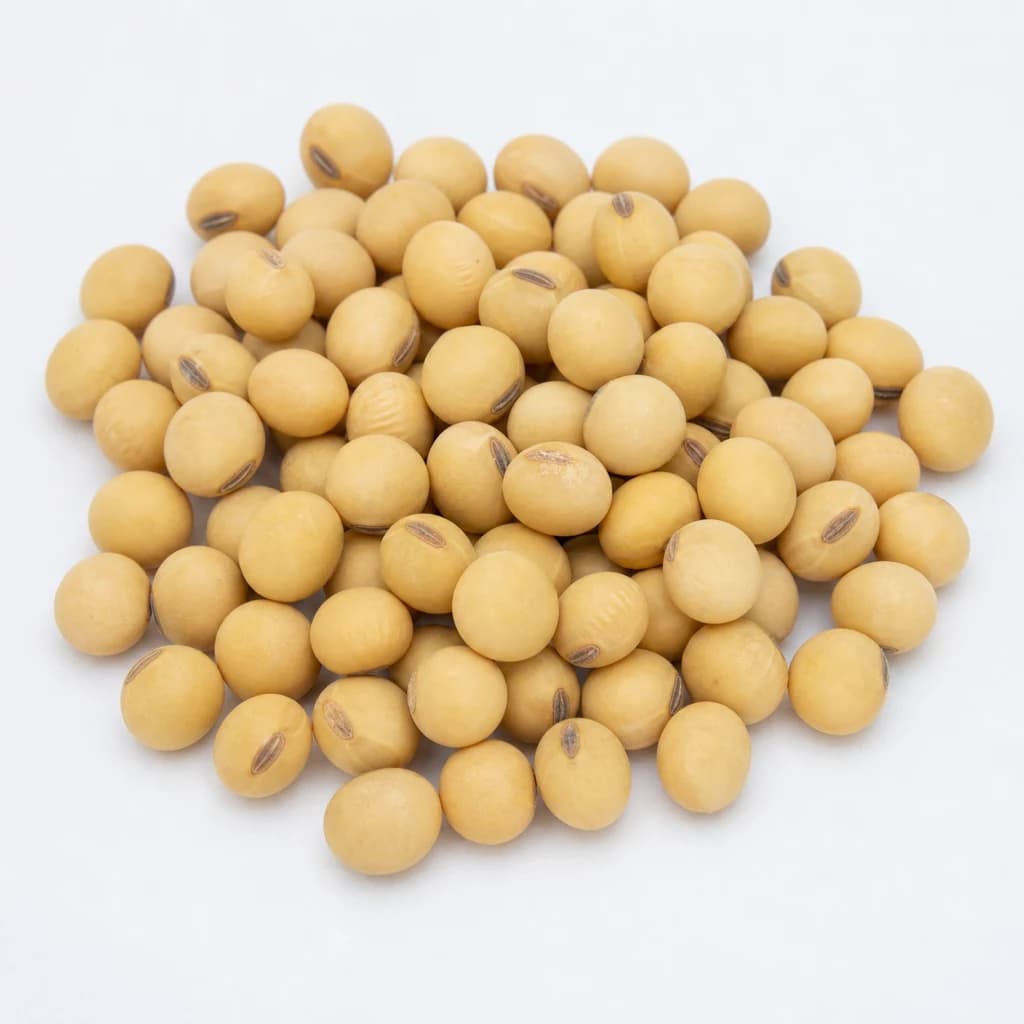
Soybeans
Protein-packed beans, the base for tofu and miso